Stanton Vineyards
Oakville
Winery in Oakville, United States
 Book with Pearl
The Read
Oakville Valley-Floor Precision
Why go
Stanton Vineyards is worth targeting if you already know Oakville and want a focused, selective winery stop rather than a broad tasting-room experience. It is less useful for first-time Napa visitors who need easy scheduling, food, and a full afternoon plan in one place.
About Stanton Vineyards
Stanton Vineyards is a venue in Oakville with a smart casual dress code and Pearl 2 Star Prestige recognition for 2025. Visitors should plan carefully: do not assume a particular visit format, food program, schedule, pricing, group capacity, or reservation policy unless confirmed directly with the venue.
The safest way to frame Stanton Vineyards is as an Oakville stop to research directly before building an itinerary around it. If you are comparing other options, Stanton Vineyards can be considered alongside Amici Cellars, Calla Lily Estate & Winery, Chateau Montelena Winery, Peter Michael Winery, and Pope Valley Winery, with final choices depending on current availability and the kind of visit each venue is offering.
Stanton Vineyards may be worth considering as part of a focused Oakville day, but visitors should confirm the practical details that matter most to them before making plans.
Value depends on what the visitor can confirm before going. The primary draw is the venue's Oakville setting, smart casual dress code, and Pearl 2 Star Prestige recognition for 2025. Anything more specific, including visit structure, food availability, fees, or group suitability, should be checked with Stanton Vineyards directly.
Plan the day around access, then fill in alternatives
Build the day only after confirming current visit details with Stanton Vineyards. For broader planning, use Our full Oakville wineries guide, plus Our full Oakville restaurants guide, Our full Oakville hotels guide, Our full Oakville bars guide, and Our full Oakville experiences guide. If you want to compare other venue choices, consider Amici Cellars, Calla Lily Estate & Winery, Chateau Montelena Winery, Peter Michael Winery, or Pope Valley Winery, as well as other Oakville dining and hospitality options generically.
Planning details
- Location
- Oakville, United States
- Website
- stantonvineyards.com
- Phone
- (707) 967-0482
The take
The Take
The Vibe
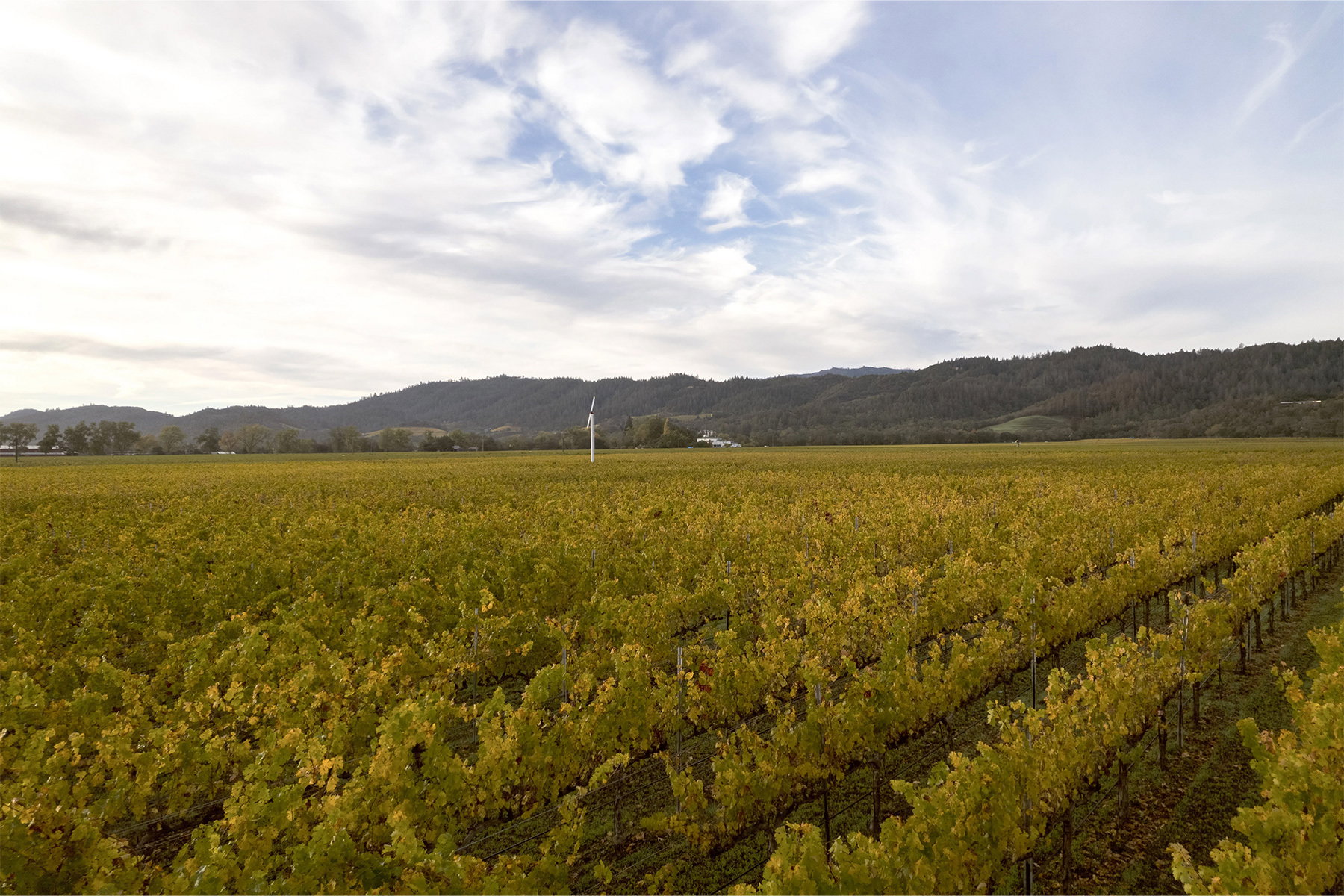
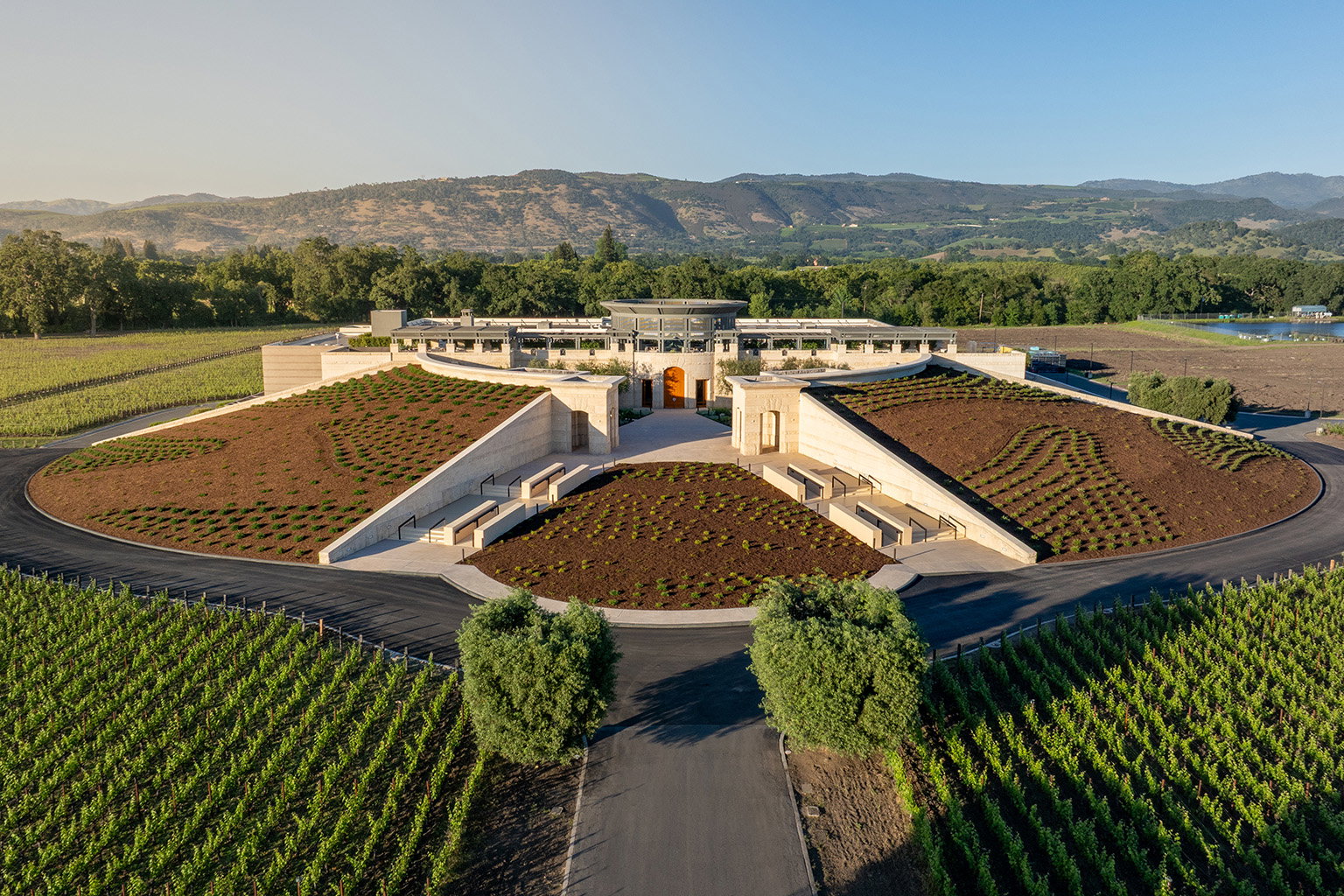
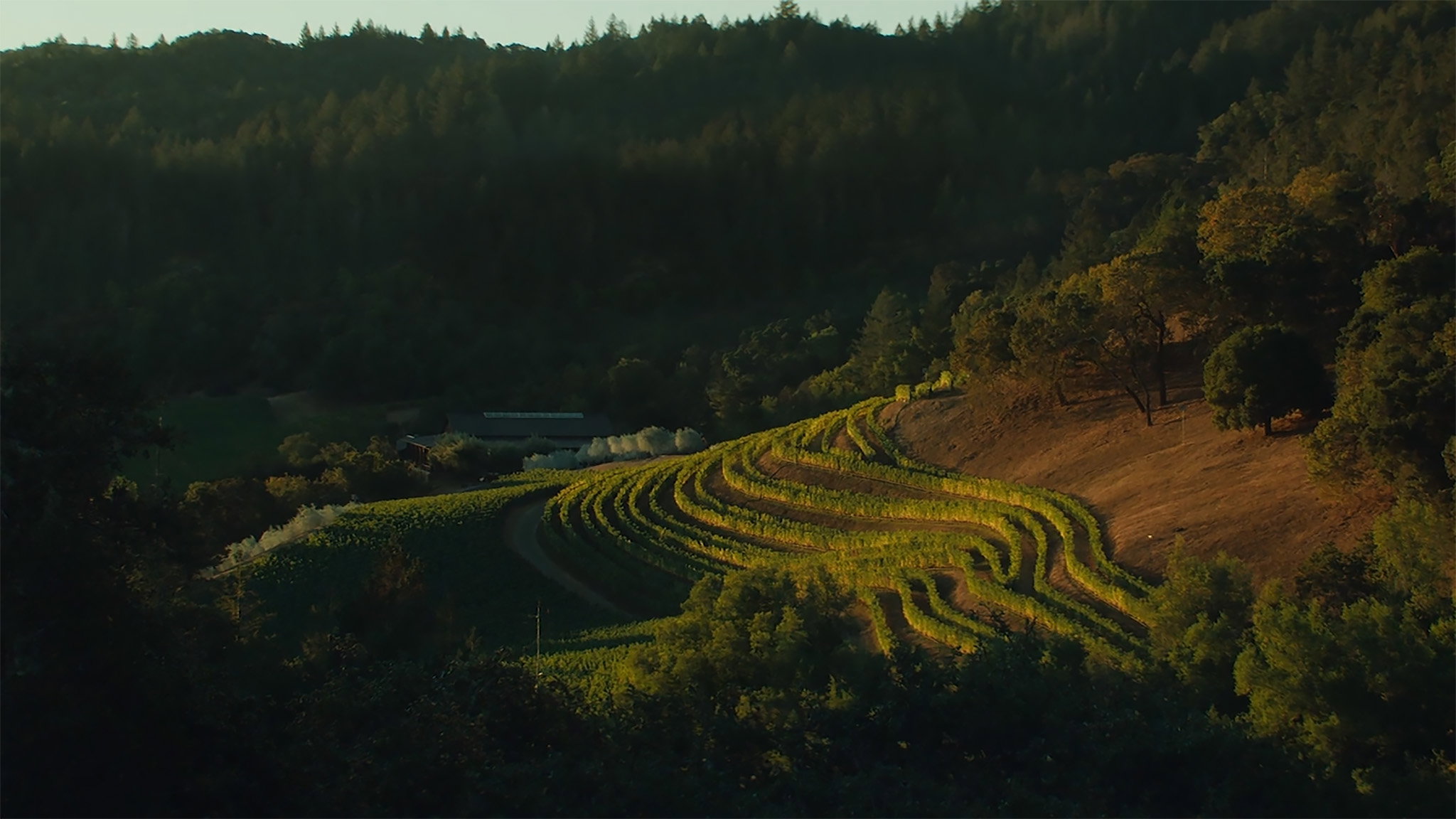
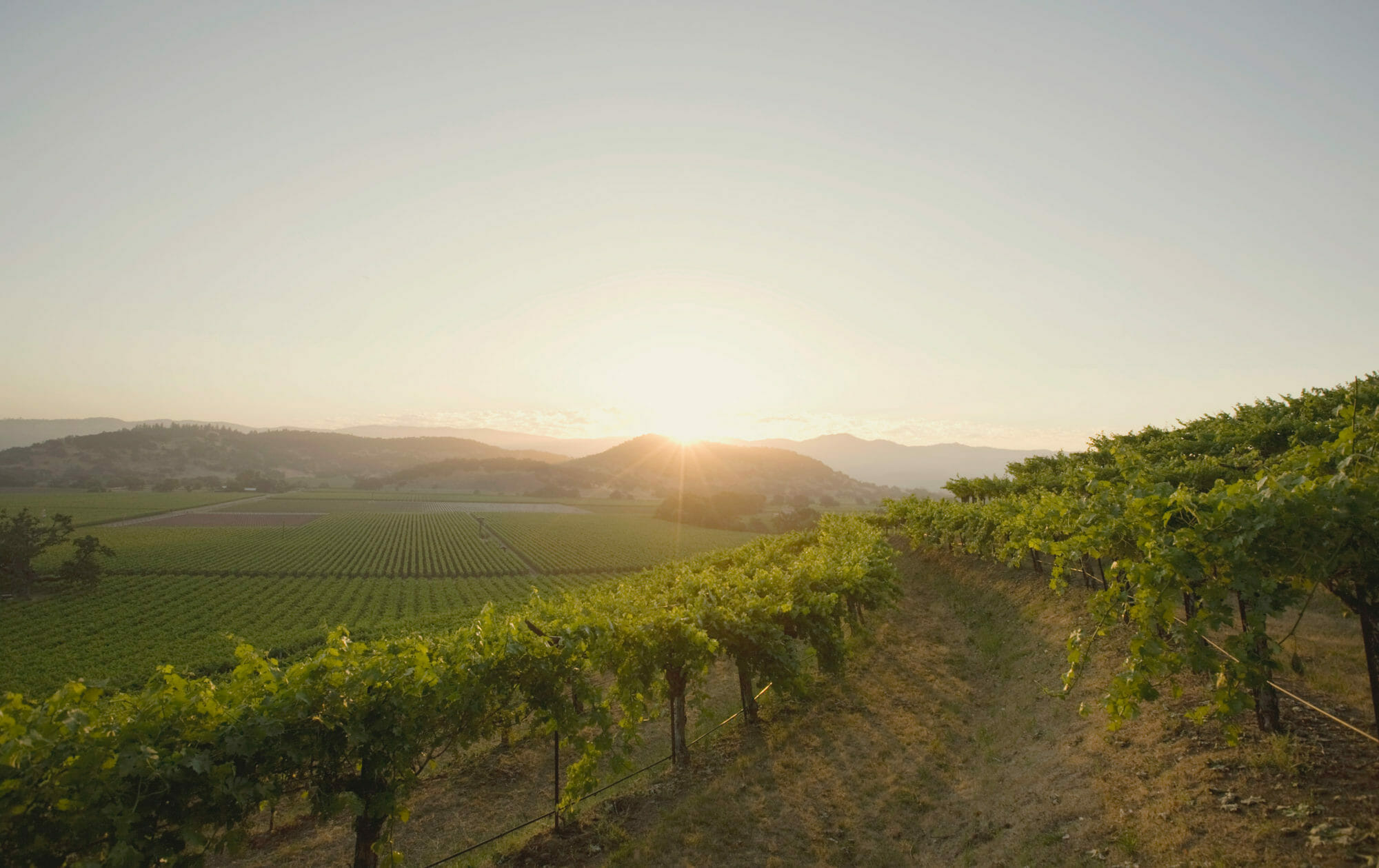
Stanton Vineyards reads like a study in Oakville refinement. The write-up frames the estate amid fog-touched benchlands and Mayacamas views, and the tone stresses measured performance over volume—the language of collectors and cellar-minded winemaking. Tasting here feels deliberate and focused on structure and site: you get the sense of an estate that prizes terroir clarity, ageworthy Cabernet profiles, and the quiet confidence of a producer established within a competitive appellation.
Best For
This is a stop for visitors who come to learn and collect rather than to sample a broad stylistic sweep. The description emphasizes single-appellation focus and aging potential, so Stanton suits wine-minded visitors, serious collectors, and those marking a special visit to Oakville. The setting and reputation make it appropriate for focused tastings, appointments with staff who can speak to site specificity, and visits that prioritize education and cellar planning.
Tasting Tips
Center tastings on the red-wine thread the copy highlights: expect a progression that tightens and deepens through Cabernet-based bottlings. Ask for a sequence organized by site or vintage to follow Oakville’s terroir expression, and prioritize wines noted for structural density and aging capacity if you’re evaluating cellar potential. Given the estate’s standing in the appellation, request details about specific blocks, soils, and cellar storage recommendations to inform purchase decisions.
Venue details
Ambiance
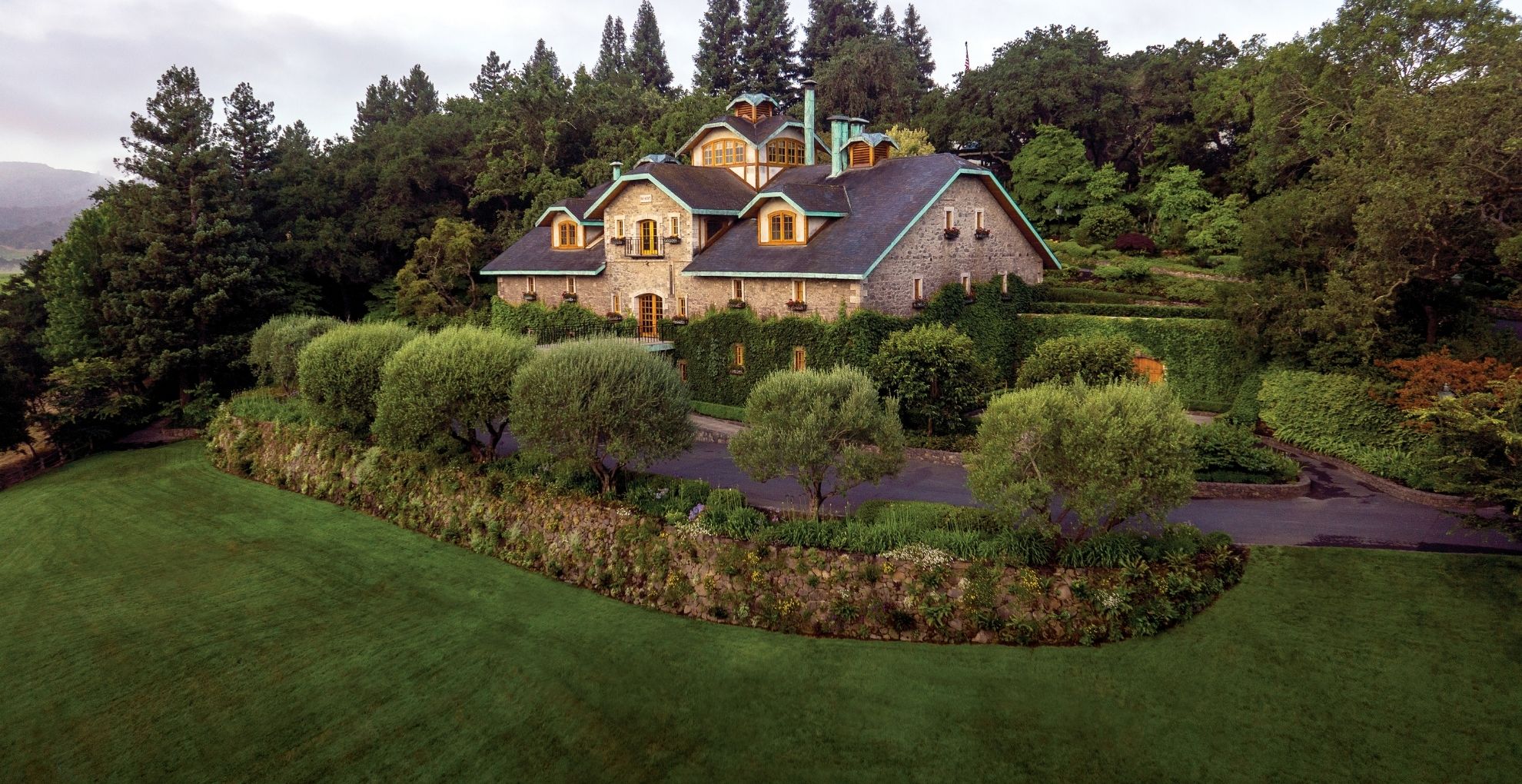
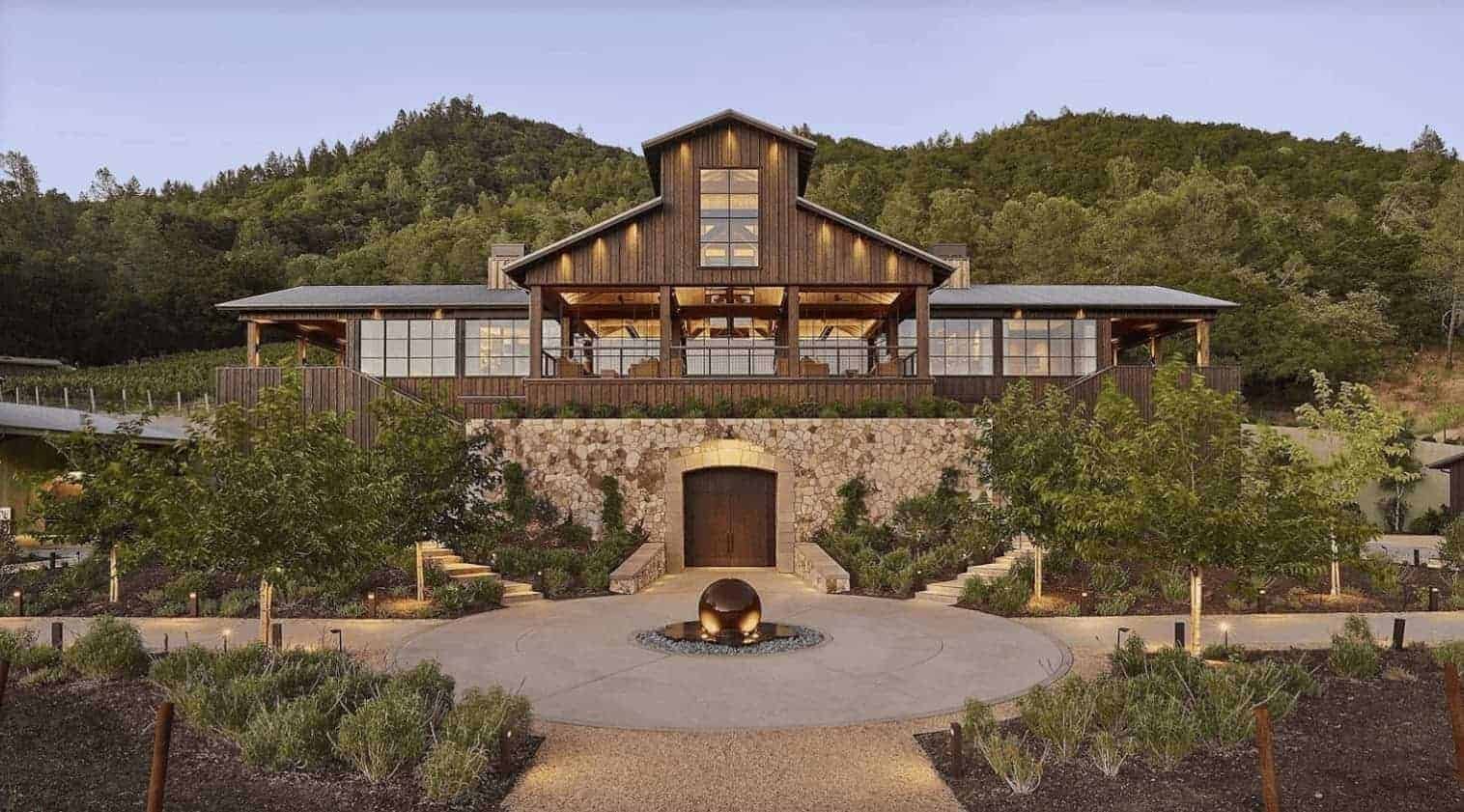
Elegant and sophisticated with a focus on the purity of estate-grown red wines in an intimate, family-run setting.
Tags
Vibe
Best For
Experience
View
At the Vineyard
- Appellation
- Oakville AVA
- Varietals
- Cabernet Sauvignon, Petite Sirah, Merlot, Cabernet Franc, Petit Verdot
- Tour Duration
- 60-90 minutes
- Tour Languages
- English
- Visits
- By appointment only
- Wine Styles
- Still Red
- Shipping
- Available
- Wine Club
- Available
Planning details
Location
Also consider
Where to go if Stanton is unavailable
If access does not line up, try Amici Cellars for a simpler Napa tasting plan or Chateau Montelena Winery for a more heritage-driven visit. For a softer estate-style alternative, Calla Lily Estate & Winery is the more relaxed cross-shop.
Winery context
How Stanton Vineyards compares in Oakville
Choose Stanton Vineyards if the goal is a quieter, more selective Oakville stop and the itinerary can flex around limited access. Peter Michael Winery is the stronger splurge comparison for readers prioritizing prestige and destination energy, while Stanton is the more focused pick for someone already deep into producer comparison.
For value and ease, Pope Valley Winery and Amici Cellars are safer cross-shops if the day needs to be simple. They make more sense for groups that want fewer access hurdles and a more conventional visitor rhythm. Stanton is better when scarcity and a quieter setting matter more than convenience.
If ambiance is the deciding factor, compare against Calla Lily Estate & Winery and Chateau Montelena Winery. Calla Lily is the easier fit for a relaxed estate-style stop, and Chateau Montelena is the better-known heritage play. Stanton is the tighter recommendation for repeat Oakville visitors who want a less obvious appointment.
Explore Oakville
Around this place
Discover more on Pearl
Unlock the full Stanton Vineyards guide in Pearl, including awards, comparisons, FAQs, planning details, and nearby places.
Compare Stanton Vineyards
| Venue | Location | Awards |
|---|---|---|
| Stanton Vineyards | Oakville | No published awards |
| Peter Michael Winery | Calistoga | 2026 Falstaff Winery Guide2025 Pearl 3 Star Prestige |
| Pope Valley Winery | Pope Valley | No published awards |
| Amici Cellars | Rutherford | No published awards |
| Calla Lily Estate & Winery | Pope Valley | No published awards |
| Chateau Montelena Winery | Calistoga | 2026 Falstaff Winery Guide2025 Pearl 3 Star Prestige |


How Stanton Vineyards Oakville compares with similar nearby venues.
FAQ
Frequently Asked Questions
How long should I plan for a visit to Stanton Vineyards?
Can Stanton Vineyards handle large groups?
Group capacity is not specified. Contact Stanton Vineyards directly before planning for a large party, and keep backup options in Oakville in case the current setup does not fit your group.
Is there a specific signature offering at Stanton Vineyards?
No specific signature offering is mentioned. Plan around Stanton Vineyards as an Oakville venue with Pearl 2 Star Prestige recognition for 2025 rather than around a named item.
Are membership or access details available for Stanton Vineyards?
Membership and access details are not provided. If those details matter to your decision, compare any current terms and availability directly with Stanton Vineyards before making plans.
Does Stanton Vineyards serve food?
Food service is not indicated. Do not plan Stanton Vineyards as a food-led stop unless the venue confirms current details directly.
Do I need a reservation at Stanton Vineyards?
When is the best time to visit Stanton Vineyards?
No specific best time, hours, or seasonal timing is provided. Confirm current availability with Stanton Vineyards and build the rest of your Oakville day around confirmed details.