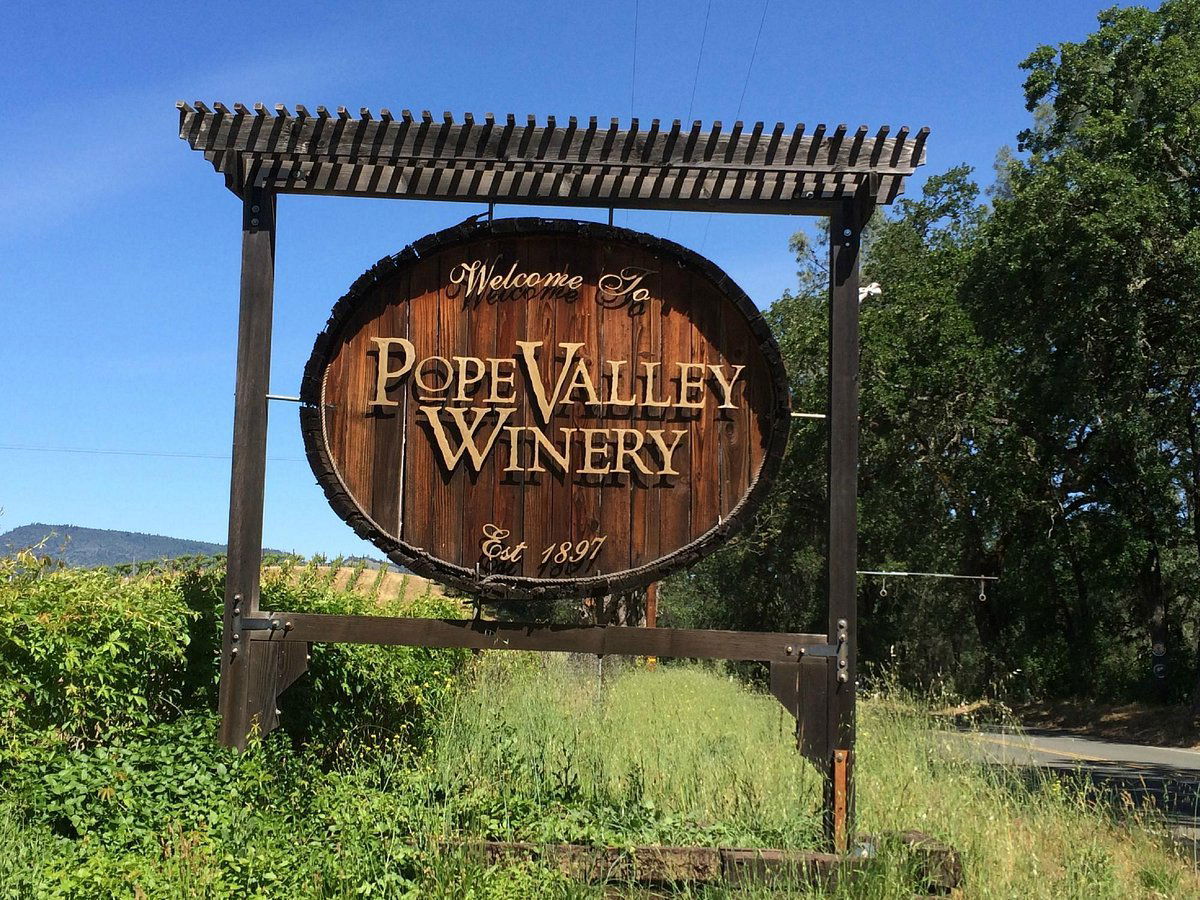
Pope Valley Winery
Pope Valley
Winery in Pope Valley, United States
 Book with Pearl
The Read
Mayacamas-Framed Terroir Wines
Why go
Pope Valley Winery is a wine-first choice for travelers who want a quieter Pope Valley stop rather than a food-led tasting format. Plan it deliberately, pair lunch separately, and compare it with Calla Lily Estate & Winery or 13th Vineyard if availability or itinerary fit becomes the deciding factor.
About Pope Valley Winery
Pope Valley Winery is a Pope Valley venue with a casual dress code and 2 Star Prestige recognition for 2025. Approach it as a wine-country stop to plan directly with the venue, rather than making assumptions about service, food, pricing, or timing.
The practical call is simple: plan this as a dedicated Pope Valley visit rather than a flexible add-on. If you are arranging a day in the area, confirm the current visit process directly before setting the rest of your schedule.
A better fit for a wine-focused stop than food-led planning
Do not book expecting a restaurant-style experience or a tasting built around specific dishes. The safer read is wine-focused: plan any meal separately, then use Pope Valley Winery as the wine portion of the day if the current visit details work for your schedule.
That does not make it a weak choice. It just defines the right guest. Travelers who want a casual Pope Valley winery visit may find it worth shortlisting, especially given its 2025 2 Star Prestige recognition. For food planning around the same trip, use Our full Pope Valley restaurants guide before setting the day's schedule.
Plan the day around Pope Valley, not around a quick stop
Avoid building a tight itinerary around assumed timing. Keep the schedule simple: one primary winery visit, one meal plan, and a backup if availability changes. The wider local planning rails help here: Our full Pope Valley wineries guide, Our full Pope Valley hotels guide, Our full Pope Valley bars guide, and Our full Pope Valley experiences guide are better tools for shaping the rest of the day than trying to force a full food-and-wine itinerary from this single stop.
Cross-shopping also helps clarify the decision. Calla Lily Estate & Winery is another winery option to consider, while 13th Vineyard, Dunn Vineyards, O'Shaughnessy Estate Winery, and Outpost Wines can serve as broader comparison points for travelers evaluating winery visits. Use those comparisons to decide whether Pope Valley Winery's casual winery profile is the right fit for your day.
Planning details
- Location
- 6613 Pope Valley Rd, Pope Valley, CA 94567
- Website
- popevalleywinery.com
- Phone
- +1 707-965-1246
The take
The Take
The Vibe
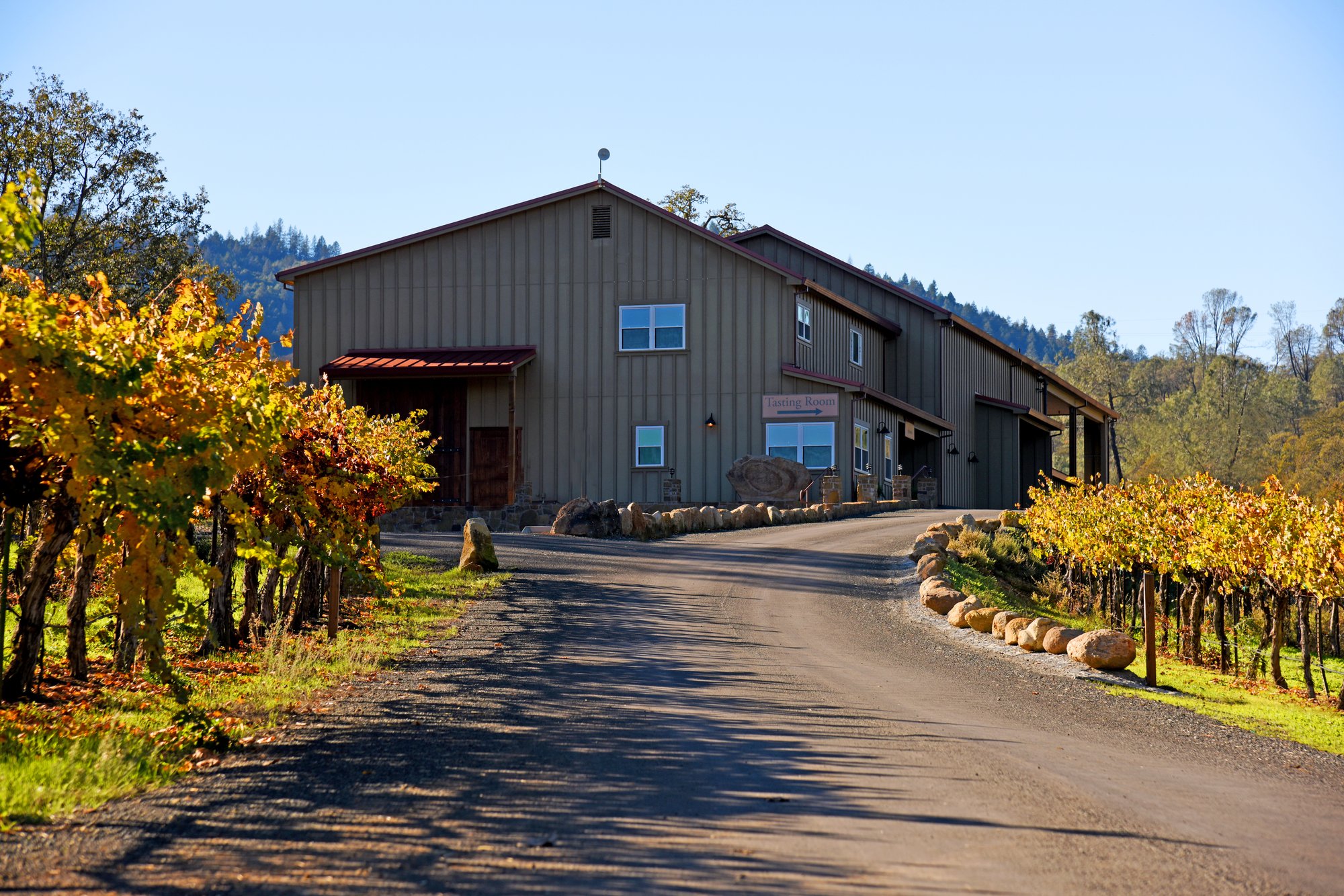
Pope Valley Winery presents a quietly serious, rural character that leans into the margins of Napa County rather than its polished center. The approach road and lack of concierge pavilions or valet lanes signal an unadorned, low‑fuss operation; the landscape itself — drier air, exposed terrain and steeper diurnal shifts — becomes the dominant presence. The wines read as concentrated and site-driven rather than stylistically refined, and the producer’s Pearl 2 Star Prestige nod underscores a measured, quality-first ethos. Visiting feels like stepping into the terroir’s argument: modest in presentation, exacting in intent.
Best For
This is a cellar-door for people who want to read a place in a glass. The site suits solo exploration and focused study of inland Napa terroirs, and the write-up’s emphasis on growing conditions makes it a natural stop for wine education. Its understated, low-key setting also supports small, meaningful celebrations where the landscape and the wines are the main event rather than a polished hospitality production. The experience favors contemplative tasting and learning over high‑traffic, spectacle-driven winery visits.
Venue details
Ambiance
Rustic, down-home, non-pretentious atmosphere with friendly hospitality and charming tasting room.
Tags
Vibe
Best For
Experience
View
At the Vineyard
- Appellation
- Napa Valley AVA
- Varietals
- Cabernet Sauvignon, Sauvignon Blanc, Sangiovese, Merlot, Petite Sirah
- Tour Duration
- 60-90 minutes
- Visits
- By reservation
- Wine Styles
- Still Red, Still White, Still Rose, Sparkling
- Wine Club
- Available
Know before you go
Know Before You Go
- Getting there
- 6613 Pope Valley Rd, Pope Valley, CA 94567
Planning details
Location
Also consider
Also Consider
- Calla Lily Estate & Winery, Notable alternative
- Outpost Wines, Notable alternative
- O'Shaughnessy Estate Winery, Notable alternative
- Dunn Vineyards, Notable alternative
- 13th Vineyard, Notable alternative
Winery context
How it compares in and around Pope Valley
Choose Pope Valley Winery if the priority is a quieter Pope Valley address and a wine-focused visit rather than a heavily programmed hospitality experience. Calla Lily Estate & Winery is the cleaner same-area comparison for travelers who want another Pope Valley option, while 13th Vineyard works better as a backup if the plan can stretch beyond town.
For travelers comparing against more established mountain-name targets, Outpost Wines, O'Shaughnessy Estate Winery, and Dunn Vineyards read as stronger cross-shops for serious collectors than for visitors trying to keep the day easy. Those options make sense when producer reputation is the main draw; Pope Valley Winery makes more sense when location and a calmer Pope Valley itinerary matter more.
On value for time, the main tradeoff is logistics. Pope Valley Winery is a better fit when the day is already built around Pope Valley. If the group is staying closer to another Napa hub, compare the total drive time before committing, then keep Calla Lily Estate & Winery or 13th Vineyard as the practical fallback rather than forcing a rushed multi-stop route.
Explore Pope Valley
Around this place
Discover more on Pearl
Unlock the full Pope Valley Winery guide in Pearl, including awards, comparisons, FAQs, planning details, and nearby places.
Compare Pope Valley Winery
| Venue | Location | Awards |
|---|---|---|
| Pope Valley Winery | Pope Valley | No published awards |
| Calla Lily Estate & Winery | Pope Valley | No published awards |
| Outpost Wines | Angwin | No published awards |
| O'Shaughnessy Estate Winery | Angwin | No published awards |
| Dunn Vineyards | Angwin | 2026 Falstaff Winery Guide2025 Pearl 4 Star Prestige |
| 13th Vineyard | Angwin | No published awards |


How Pope Valley Winery compares with similar nearby venues.
FAQ
Frequently Asked Questions
Is the wine club at Pope Valley Winery worth joining?
If you are interested in the wine club, confirm the current club terms directly with Pope Valley Winery and weigh them against how often you expect to buy.
How long should I plan for a visit to Pope Valley Winery?
Plan conservatively for a Pope Valley stop, confirm the current visit process with the winery, and avoid building a tight schedule around assumed timing.
Does Pope Valley Winery ship wine?
Do I need a reservation at Pope Valley Winery?
Plan ahead and check directly with Pope Valley Winery before visiting, especially if you are tying the stop to a specific day in Pope Valley.