Amuse Bouche Winery
Downtown Napa, Napa
Winery in Napa, United States
 Book with Pearl
The Read
Downtown Napa Small-Production
Why go
Amuse Bouche Winery is a strong fit for a serious Napa wine itinerary where scarcity and producer prestige matter more than easy access. Treat it as an anchor stop rather than a casual add-on, and have alternates ready if the group is large or timing is tight.
About Amuse Bouche Winery
Choose this for a focused Napa wine stop, not a low-commitment itinerary
That makes it a notable Napa name for travelers building a wine-focused itinerary, while the practical plan should stay flexible until current visit information is checked.
The safest planning approach is to treat Amuse Bouche Winery as one possible anchor and build the rest of the day with options that can be checked closer to the visit. Use Our full Napa wineries guide for winery alternates, then round out the day with Our full Napa restaurants guide, Our full Napa hotels guide, Our full Napa bars guide, and Our full Napa experiences guide. That structure keeps the itinerary from depending on details that may change.
How to frame the choice against other venues
If the brief is a Napa stop with a prestige signal, compare Amuse Bouche Winery with other options such as Arkenstone Winery, Brown Estate Vineyards, Cathiard, Napa Valley Distillery, and Vermeil Wines.
For travelers weighing broader beverage-focused stops, the useful benchmark is intent rather than a single assumed format. Some names may suit a winery-led day, while others may work better as general beverage stops.
Planning details
- Location
- 1130 Main St, Napa, CA 94559
- Website
- amusebouchewine.com
- Phone
- +1 707-251-9300
The take
The Take
The Vibe
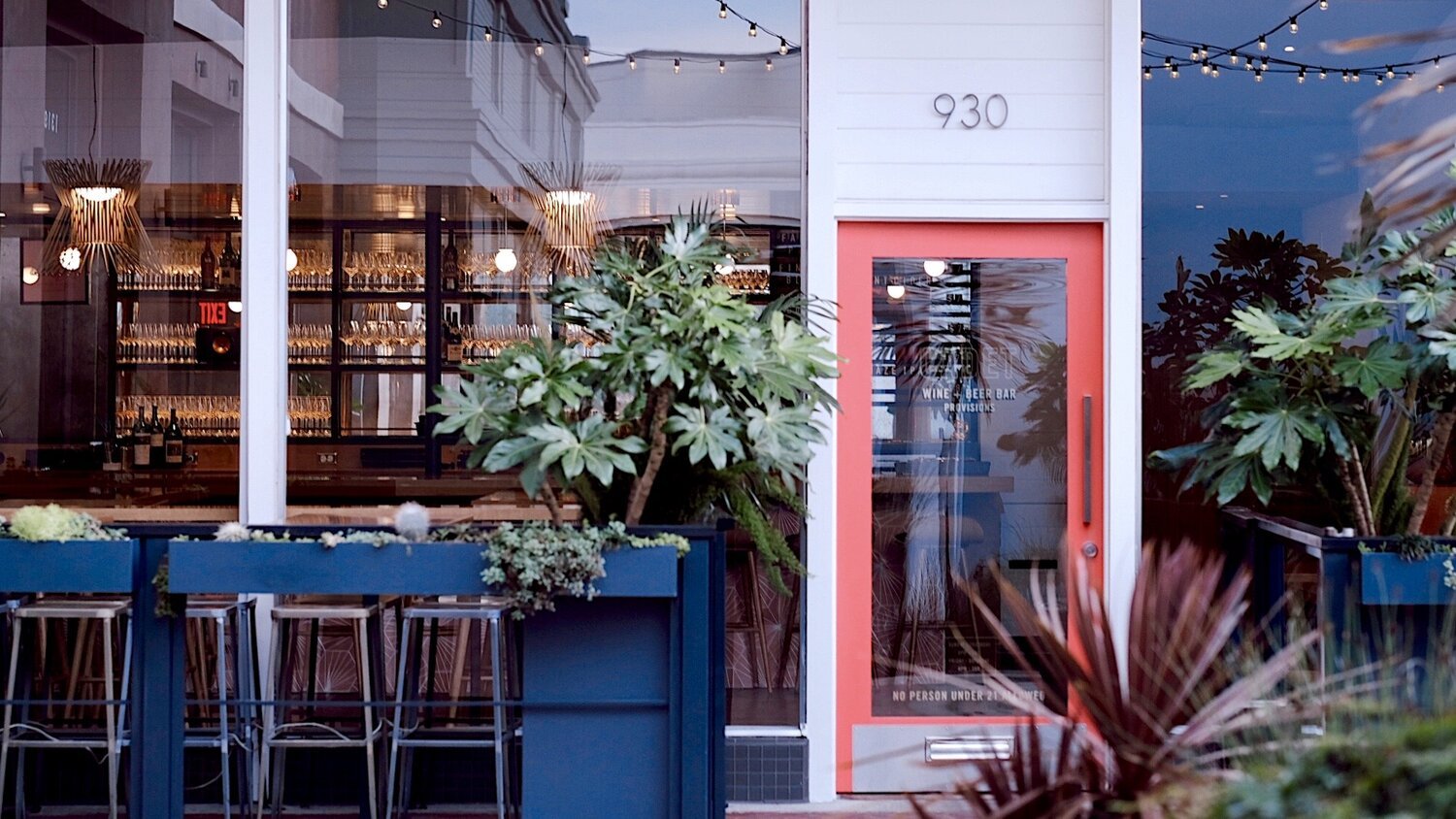
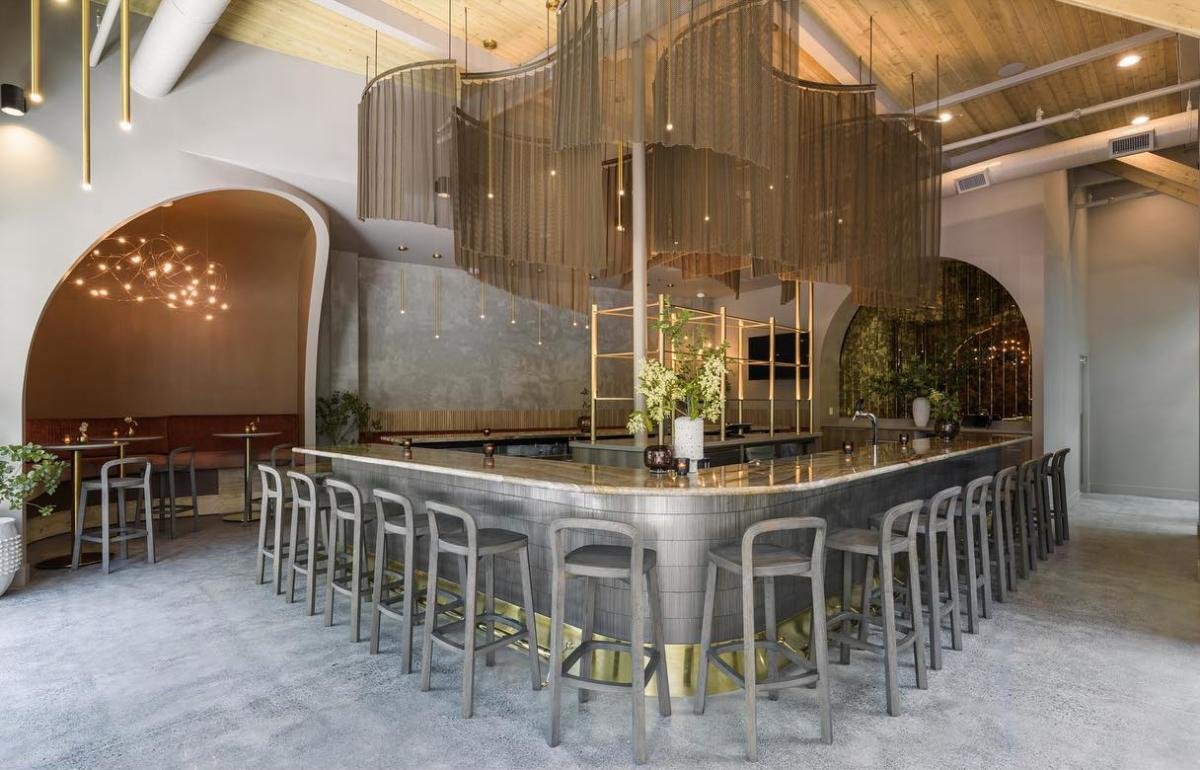
Amuse Bouche Winery reads like a refined, urban tasting room that quietly commands attention. Tucked onto Main Street in downtown Napa, it belongs to the collector-focused tier of producers that compete on scarcity, critical recognition and considered winemaking rather than scale. It feels less like a tourist tasting room and more like a city-side outpost for connoisseurs, where the emphasis is on provenance, restraint and the craft behind each release.
Best For
This is a destination for serious wine buyers, collectors and curious visitors who want to understand how viticulture and farming philosophy shape Napa wines. The winery’s downtown address and collector-tier positioning make it well suited to people seeking releases with deliberate scarcity and critical recognition. It’s also a strong pick for couples or small groups marking a special occasion who prefer focused, educational tastings over high-volume tourist experiences. The prestige designation suggests tastings and offerings geared toward thoughtful evaluation rather than casual sampling.
Tasting Tips
Reserve ahead and approach tastings with questions about site-specific farming and production: those topics are foregrounded in the description. Ask about limited allocations or small-lot releases, since the winery is framed around deliberate scarcity and collector-tier distribution. If your interest is in learning, steer the conversation toward the winery’s viticultural practices and sustainability priorities, which are central to how its wines are judged. Avoid assuming casual, high-volume service; plan for a measured, educational tasting pace and be prepared to discuss cellar or allocation opportunities if you’re a serious buyer.
Venue details
Ambiance
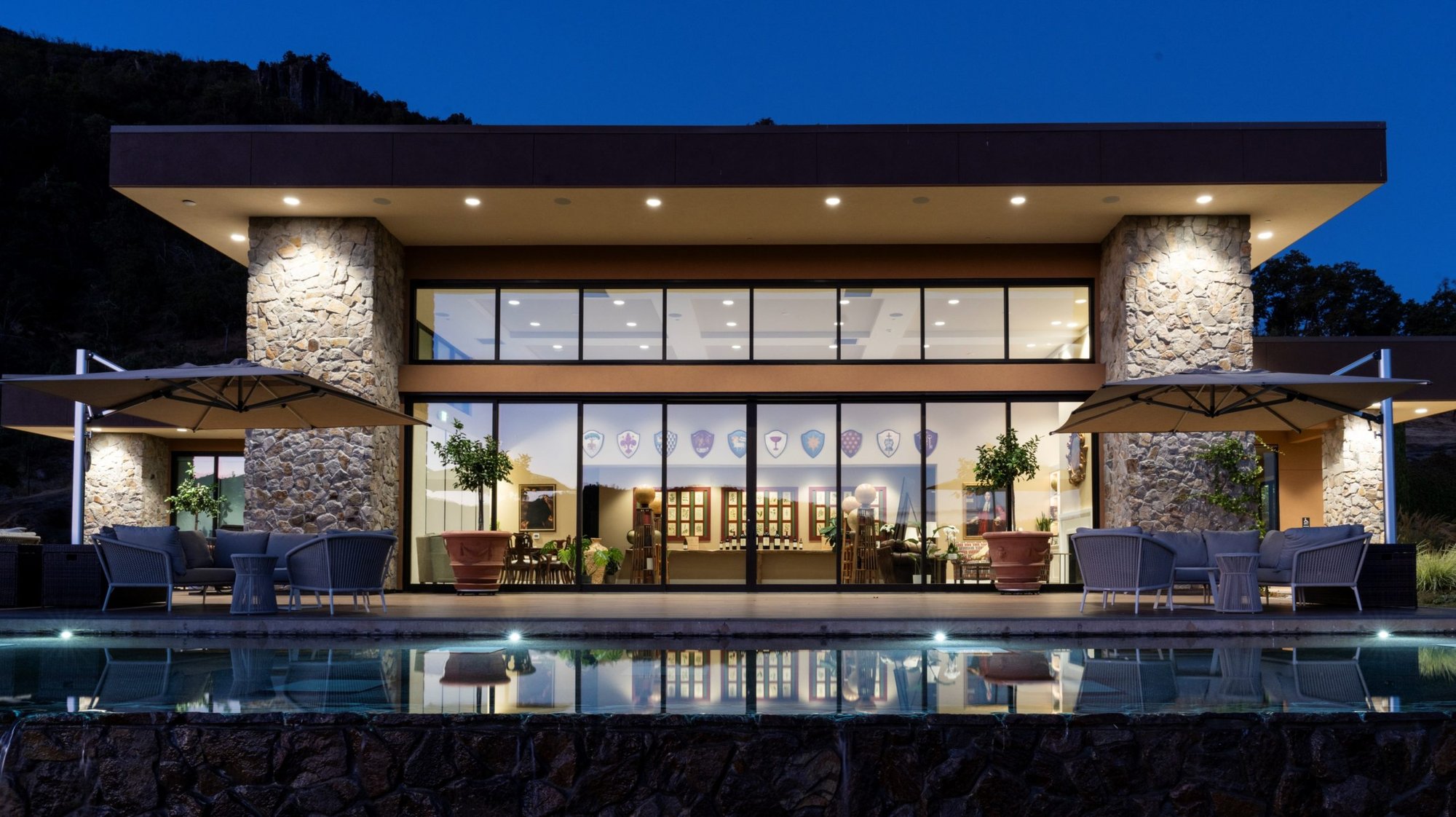
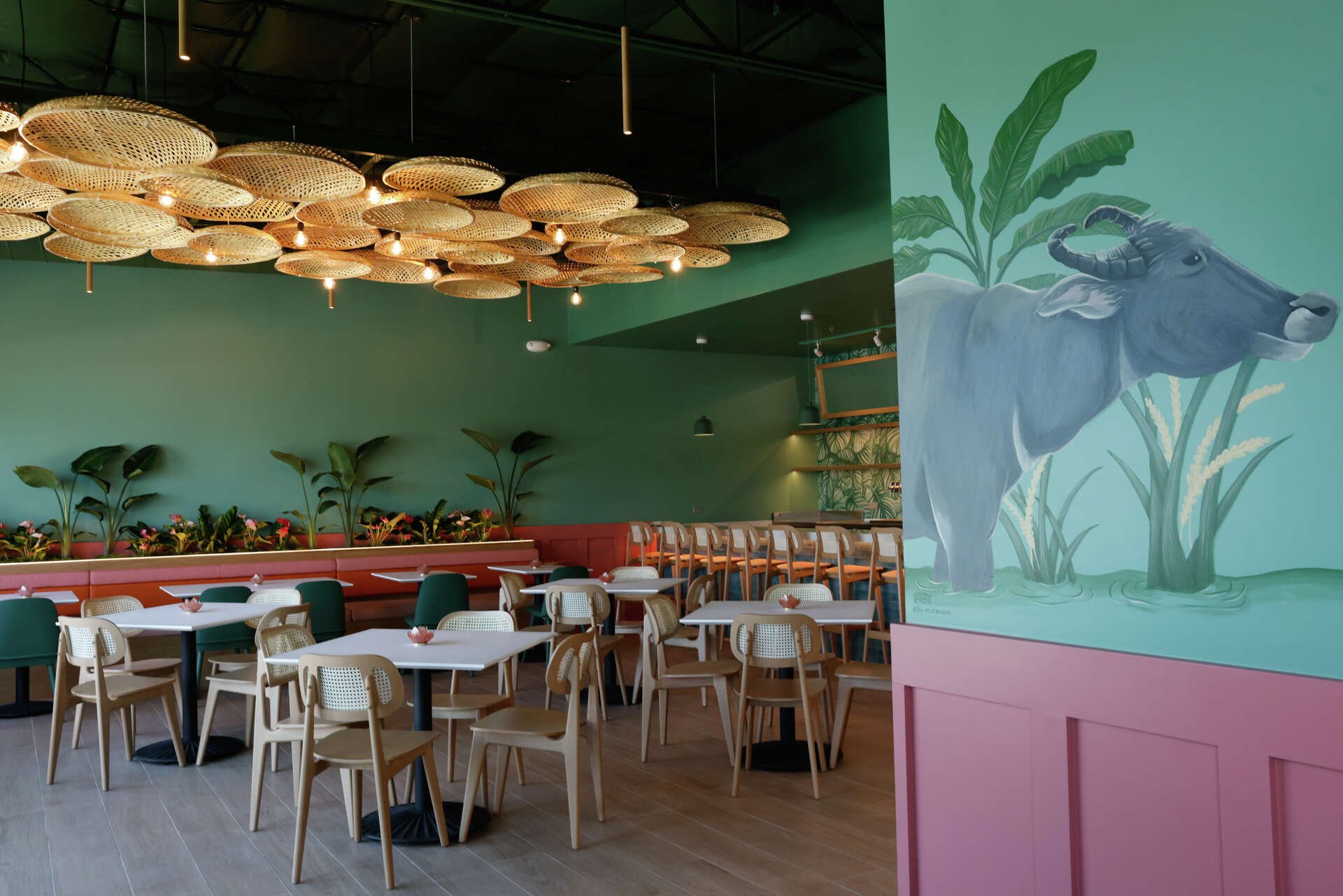
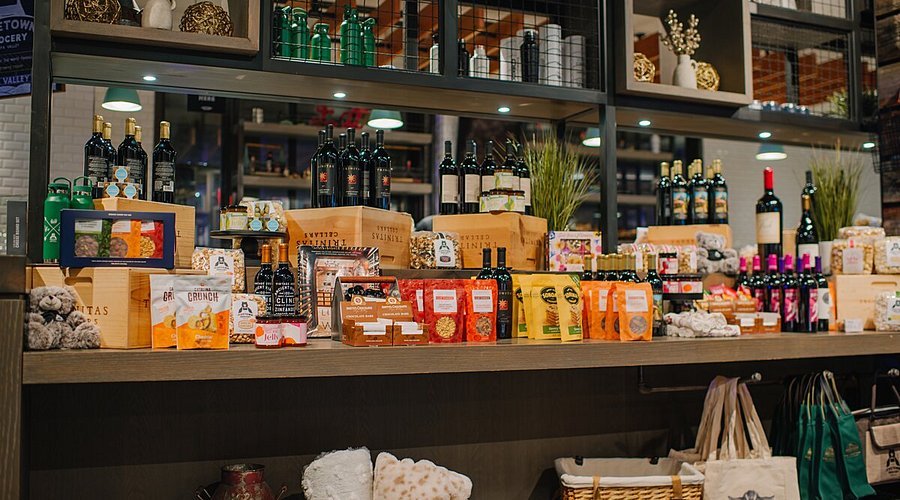
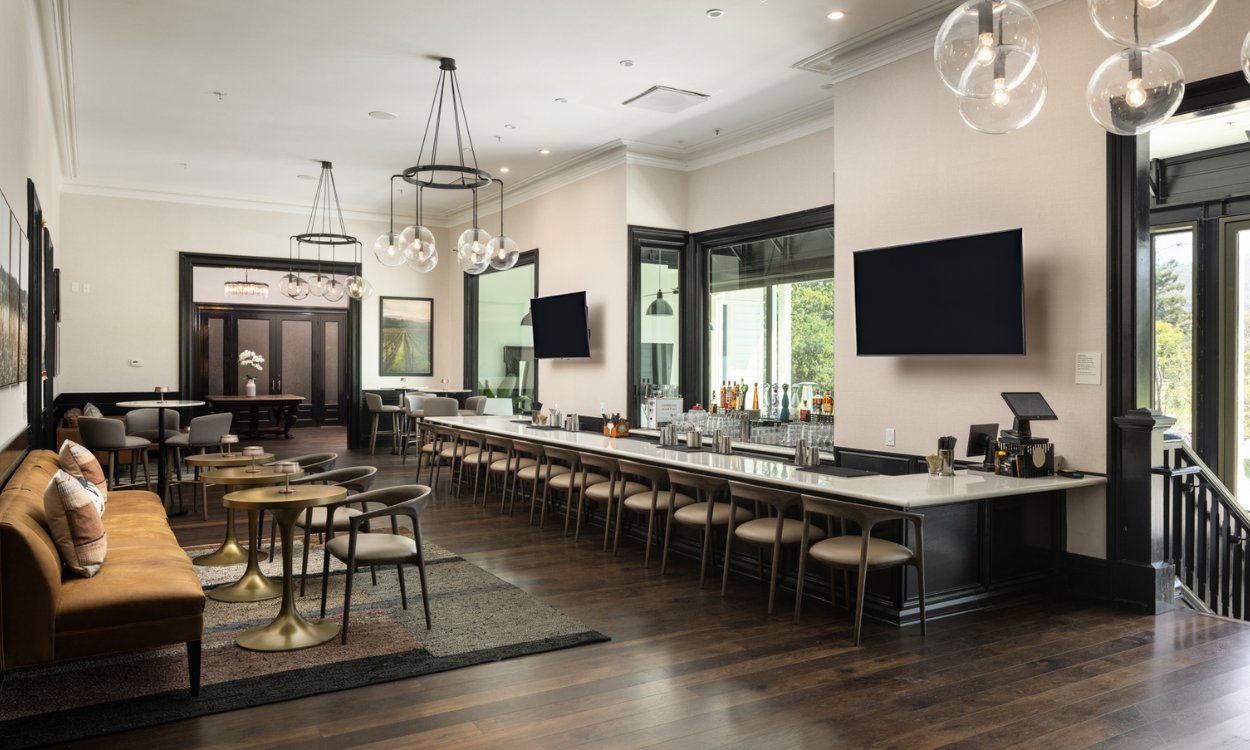
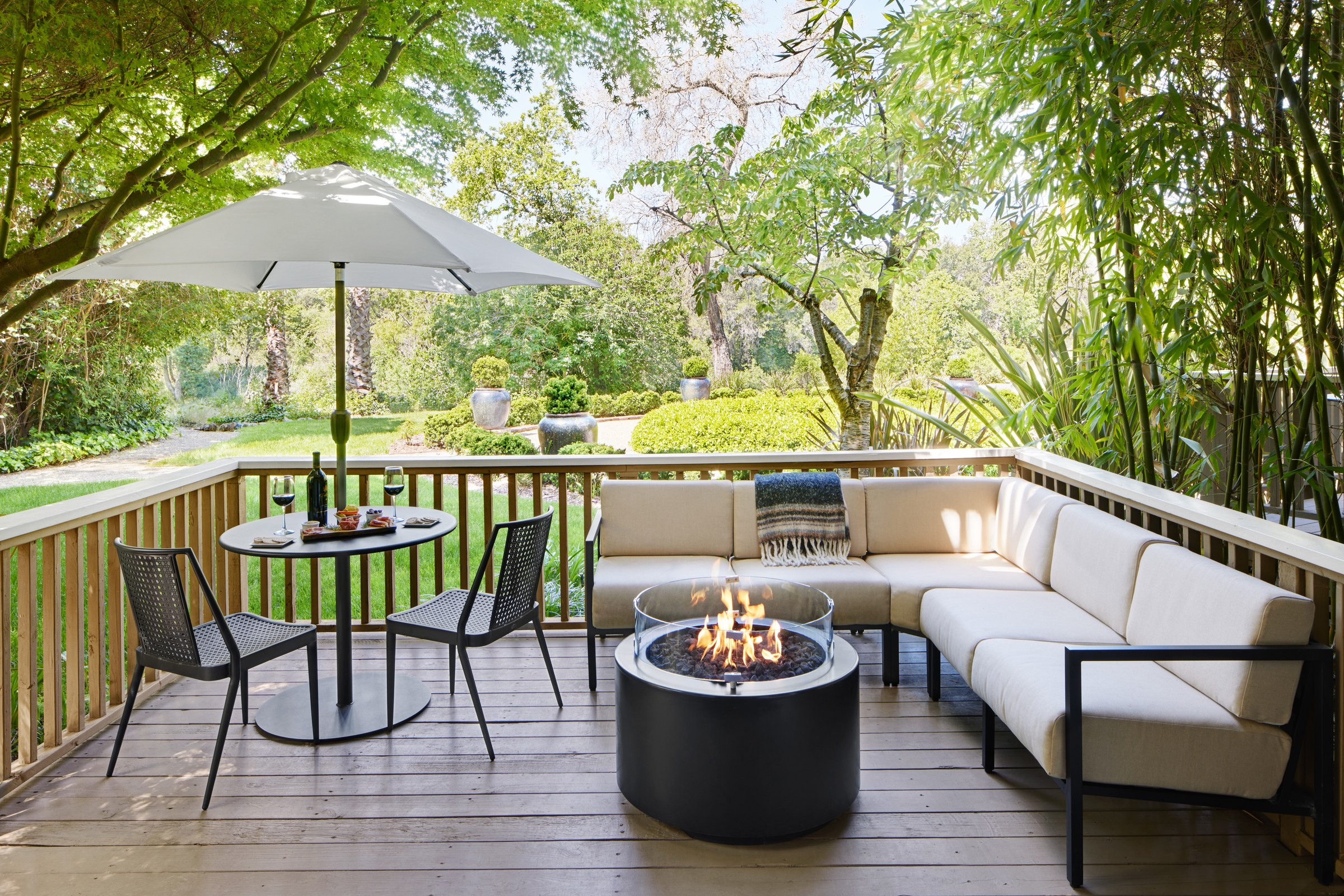
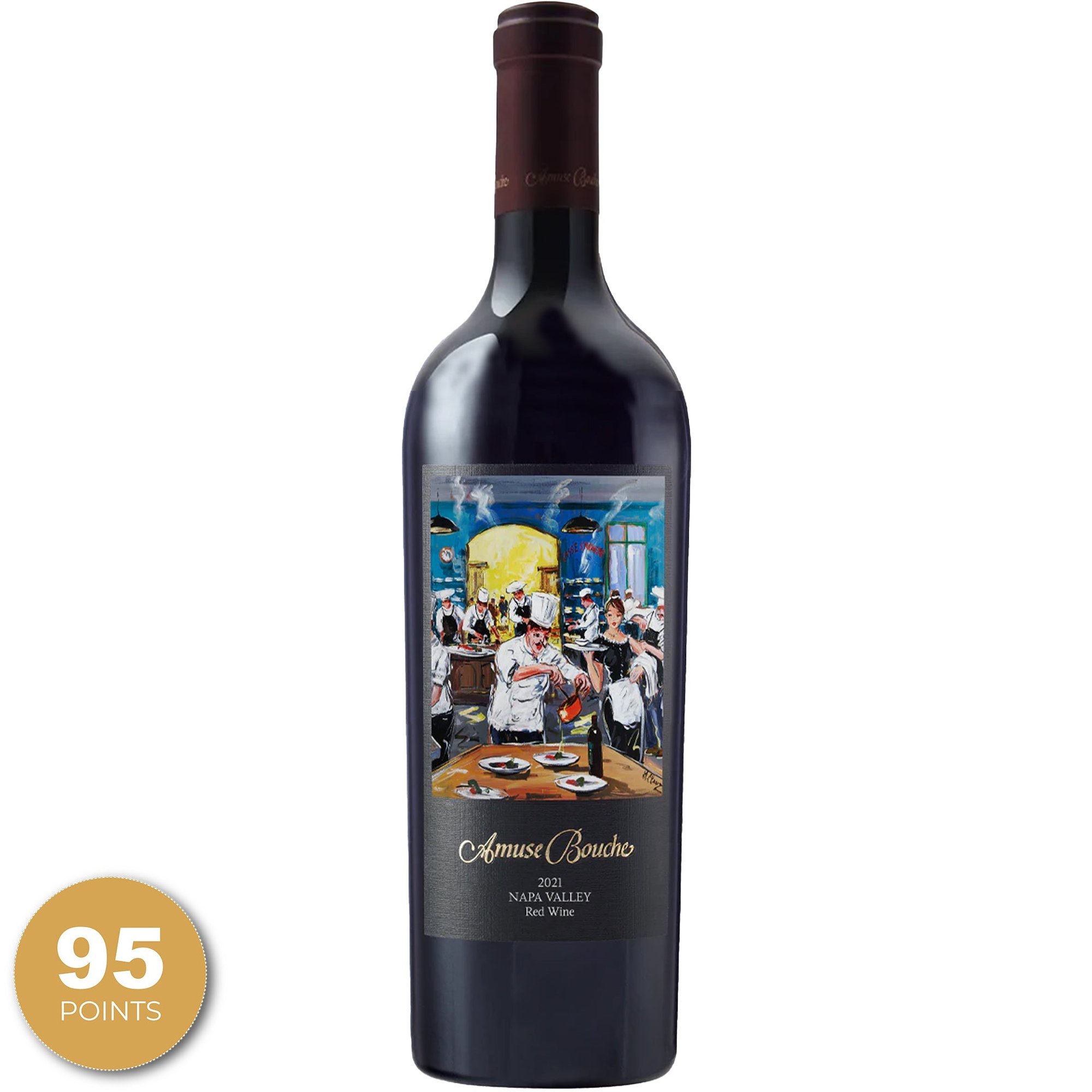
Refined and artistic atmosphere in a downtown Napa tasting room that celebrates the intersection of wine, food, and collectible art.
Tags
Vibe
Best For
Experience
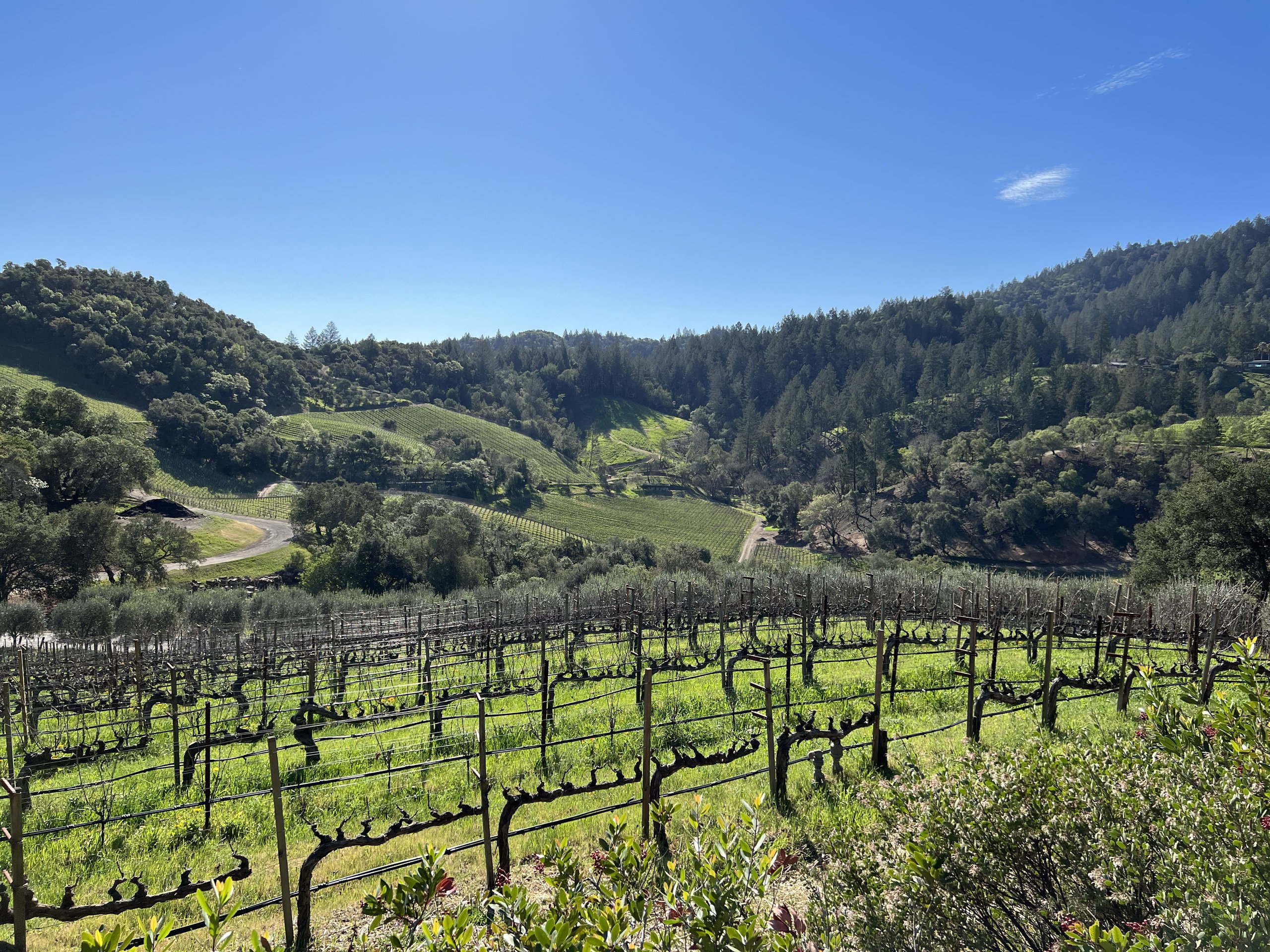
At the Vineyard
- Appellation
- Napa Valley AVA
- Varietals
- Merlot, Cabernet Franc, Syrah, Cabernet Sauvignon
- Visits
- By appointment only
- Farming
- Sustainable
- Wine Styles
- Still Red, Still Rose
- Shipping
- Available
- Wine Club
- Available
Know before you go
Know Before You Go
- Getting there
- 1130 Main St, Napa, CA 94559
Planning details
Location
Also consider
Where to Look if This Is Full
If access is the issue, try Arkenstone Winery for another serious Napa winery option, or Cathiard if the group wants a more luxury-leaning experience. For a looser beverage stop, Napa Valley Distillery is the practical pivot.
Winery context
How It Compares
Amuse Bouche Winery is the harder play in this Napa set: choose it when scarcity and a prestige-driven wine stop matter more than flexibility. Napa Valley Distillery is the better fallback for a beverage-focused stop that does not need to mirror a winery tasting, while Vermeil Wines is a more practical cross-shop if the group wants wine without making the whole day revolve around one booking.
For a more winery-led comparison, Brown Estate Vineyards and Arkenstone Winery are the more natural alternatives. Pick Arkenstone Winery when the itinerary can support a serious appointment and the group wants a destination-style wine stop; pick Brown Estate Vineyards when the brief is Napa wine with a different producer identity and less emphasis on chasing the hardest slot.
Cathiard is the splurge-minded comparison in Napa: better for travelers who want a polished luxury cue around the experience. Amuse Bouche Winery is the sharper choice for a collector-leaning stop, but it is not the easiest recommendation for value or group logistics.
Around this place
Discover more on Pearl
Unlock the full Amuse Bouche Winery guide in Pearl, including awards, comparisons, FAQs, planning details, and nearby places.
Compare Amuse Bouche Winery
| Venue | Location | Awards |
|---|---|---|
| Amuse Bouche Winery | Napa | No published awards |
| Napa Valley Distillery | Napa | No published awards |
| Vermeil Wines | Calistoga | No published awards |
| Brown Estate Vineyards | St. Helena | No published awards |
| Arkenstone Winery | Napa | No published awards |
| Cathiard | Napa | No published awards |
How Amuse Bouche Winery Napa compares with similar nearby venues.