Vena Cava
Valle de Guadalupe, Ensenada
Winery in Ensenada, Mexico
 Book with Pearl
The Read
Price
$10–20tasting
Why go
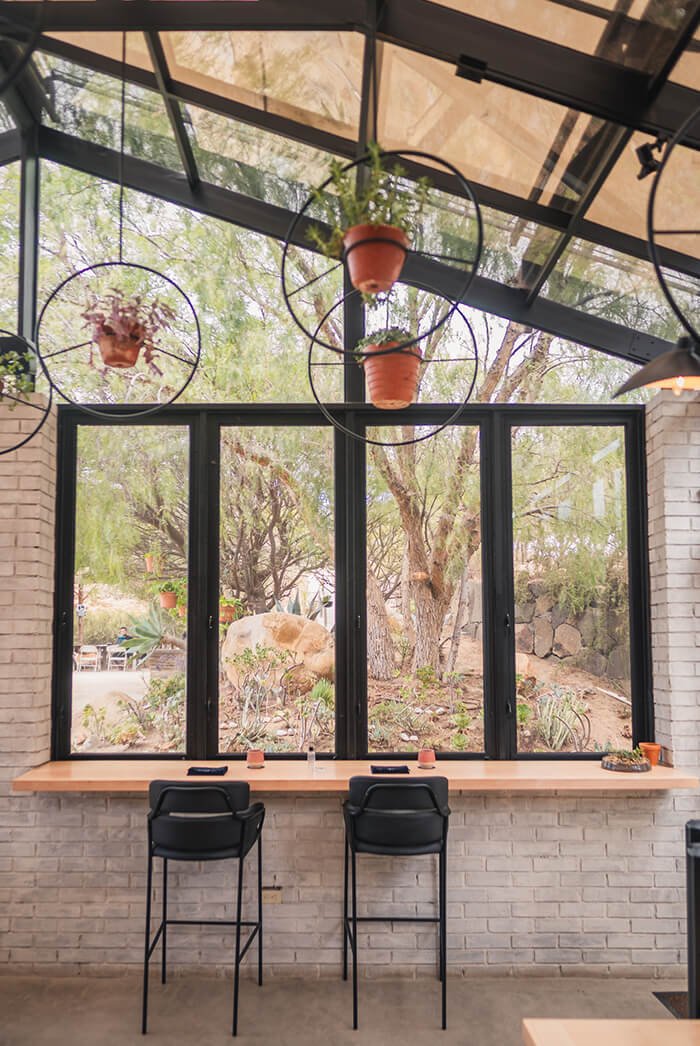
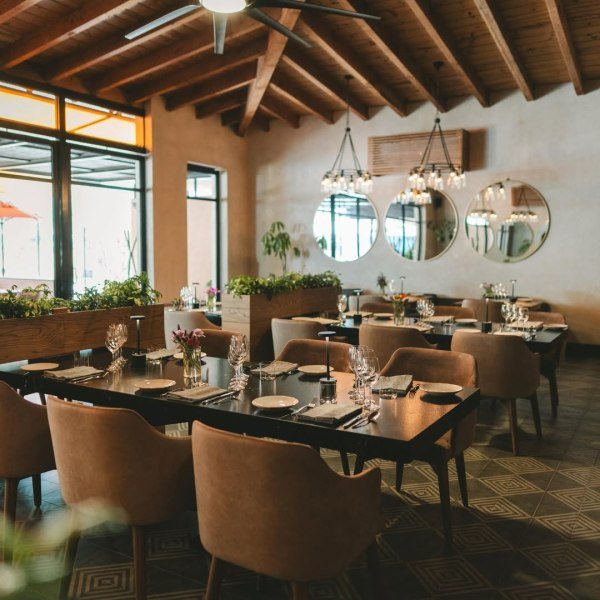
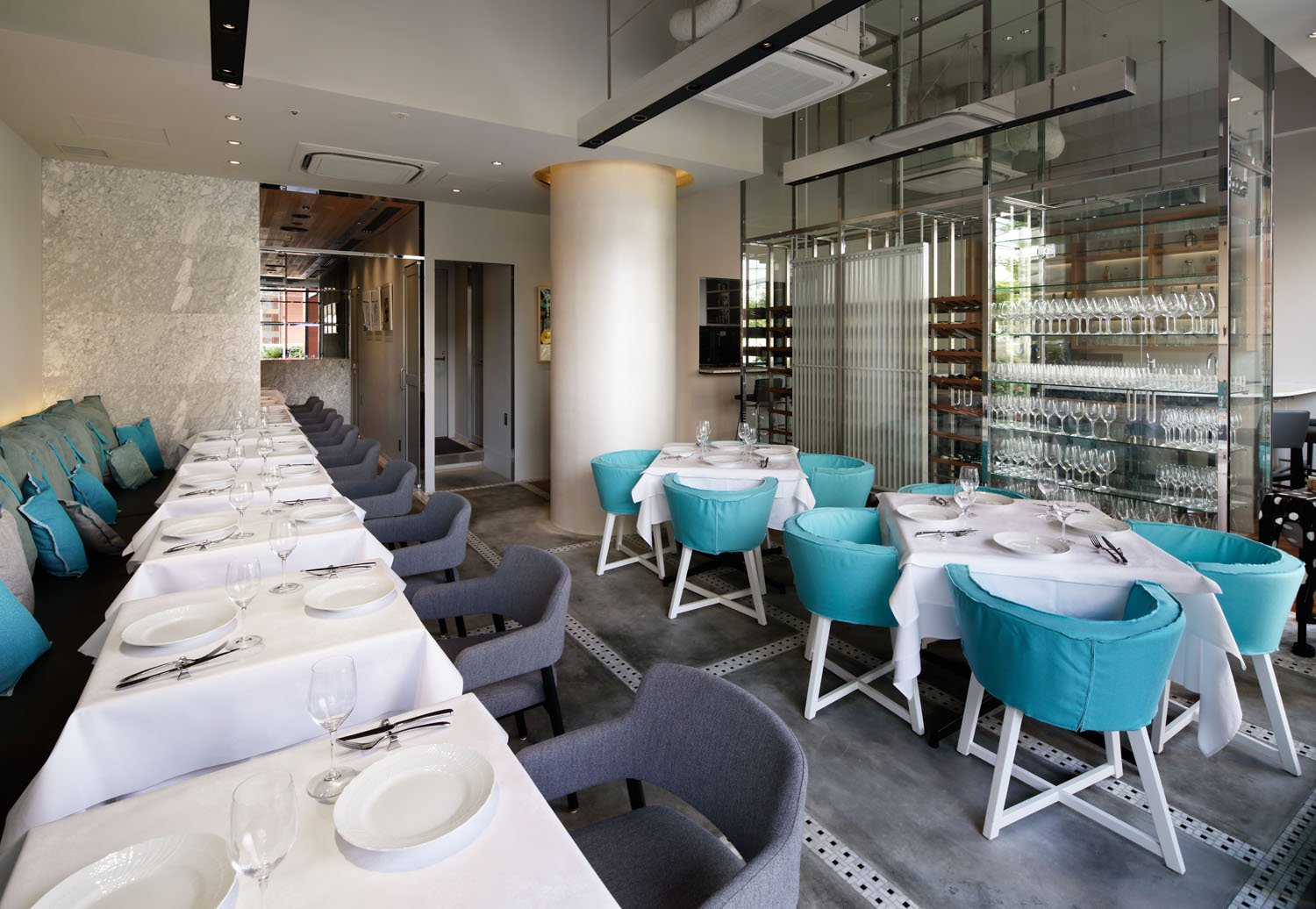
Vena Cava is worth considering for a relaxed Valle de Guadalupe winery stop where setting and ease matter more than advance price detail. It suits couples and small celebration groups better than tightly scheduled large parties, and it works well as one part of a broader Ensenada wine-country day.
About Vena Cava
Is Vena Cava worth visiting in Ensenada? Vena Cava is in Ensenada, keeps daily hours from 11 AM to 5 PM, and lists a casual dress code. Pricing, reservations, menu, beverage selection, capacity, and service format are not specified. Treat it as a daytime stop and confirm any visit-specific details directly before you go.
For itinerary planning, the schedule is particularly useful. Vena Cava is open the same hours every day of the week, which makes it easier to place in a daytime Ensenada plan. If you need specifics beyond hours and dress code, such as what is offered during a visit or whether any special arrangements are available, confirm those details before building the day around them.
Choose it for a daytime Ensenada stop, not a tightly priced tasting plan
Vena Cava operates daily from 11 AM to 5 PM, so it fits best into a daytime plan rather than an evening itinerary. The dress code is casual. For the rest of the day, you can plan dinner through Our full Ensenada restaurants guide, or build a broader trip with Our full Ensenada hotels guide, Our full Ensenada bars guide, and Our full Ensenada experiences guide.
For readers weighing value, the key question is whether the hours and casual dress code fit your schedule. Price, reservation, food, beverage, and capacity details are not specified, so avoid assuming a particular visit format. If you are comparing options, consider how Vena Cava fits with Bodegas Magoni or another stop on your itinerary.
Who should put it on the itinerary
Vena Cava is easiest to evaluate if your planning needs are direct: it is in Ensenada, it is open daily from 11 AM to 5 PM, and casual dress is appropriate. If your visit depends on group size, timing guarantees, transportation, specific offerings, or a fixed budget, confirm those details directly before committing. For a simple daytime plan, it can be compared with Bodegas Magoni, Finca La Carrodilla, Mogor Badan Winery, Racines, and Vinícola 3 Mujeres.
Planning details
- Location
- Rancho San Marcos Toros Pintos sn Ejido Francisco Zarco, La villa del valle, 22750 Ensenada, B.C., Mexico
- Website
- venacavawine.com
- Phone
- +52 646 162 6526
The take
The Take
The Vibe
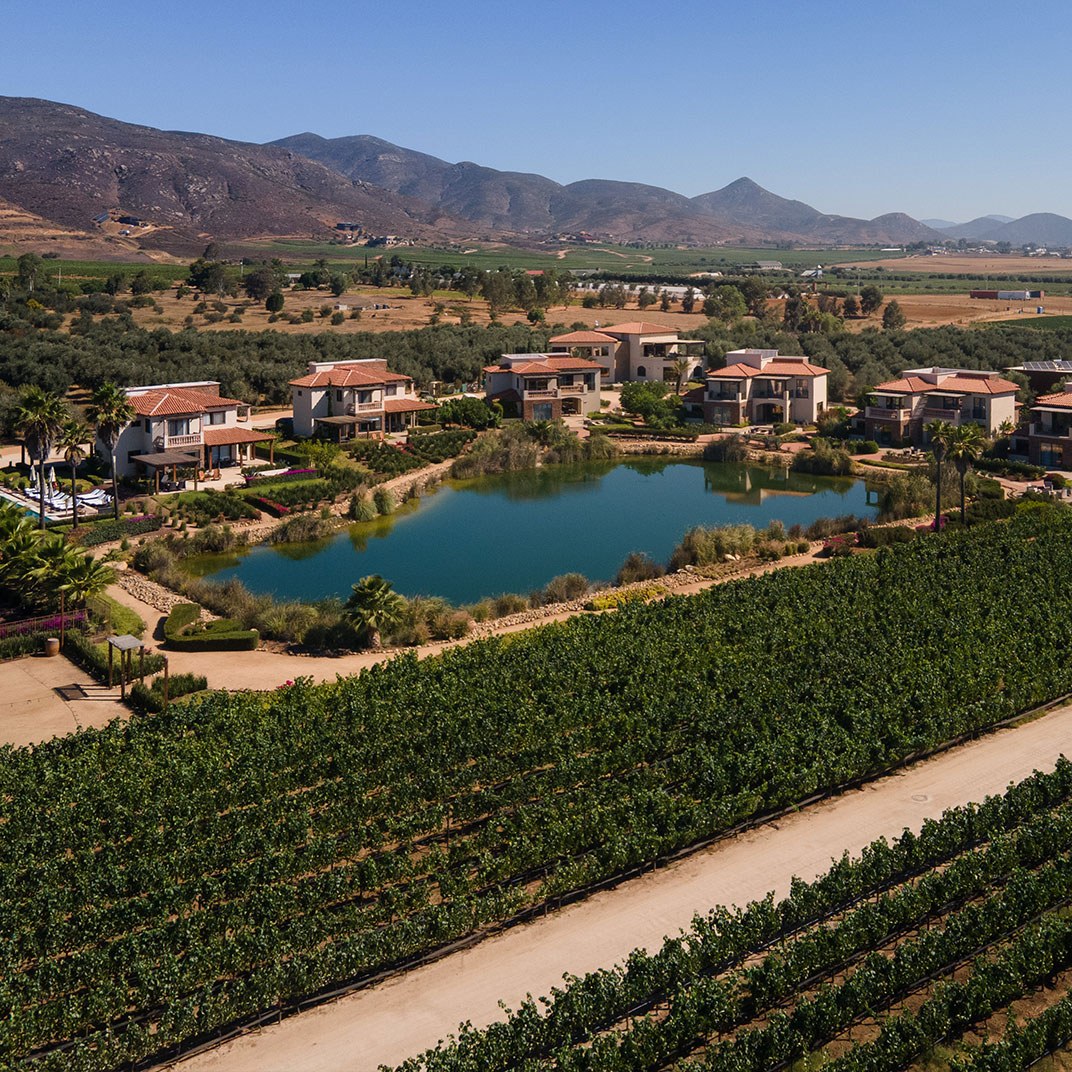
Vena Cava presents a quietly sophisticated wine-country presence that leans on terroir rather than theatrics. The drive from Ensenada through dry hills and neatly planted vineyard rows sets the tone: this is a working agricultural landscape where thoughtful producers are shaping a new chapter for Mexican wine. The property sits at Rancho San Marcos, anchored in the Valle’s most serious winemaking zone, and the story here is about deliberate expression—grape, soil and climate—more than showmanship. Visitors encounter a composed, contemplative atmosphere that rewards attention to the wines and the landscape that produces them.
Best For
This winery is best suited to visitors who come for wine-focused exploration and education. The write-up frames Vena Cava within the Valle de Guadalupe’s broader renaissance, noting wines that now appear on major urban wine lists and producers making deliberate stylistic choices. That context makes the property ideal for solo explorers, industry-minded travelers, and anyone seeking to understand how Baja terroir is being expressed today. It also serves well as a stop for regional tasting itineraries—people who want to experience the vineyard environment and the winemaking conversation behind each bottle.
Tasting Tips
When you visit, center your experience on the wines and the questions they raise about place and technique. The description emphasizes terroir and deliberate producer choices, so ask staff about how specific plots and vintage conditions shape the bottlings you taste. Prioritize estate expressions that showcase the valley’s character, and lean into conversation about where these wines now appear on lists beyond the region. Pace your tasting to follow a progression from lighter to fuller styles so you can track how the terroir and winemaking decisions reveal themselves across the flight.
Venue details
Ambiance
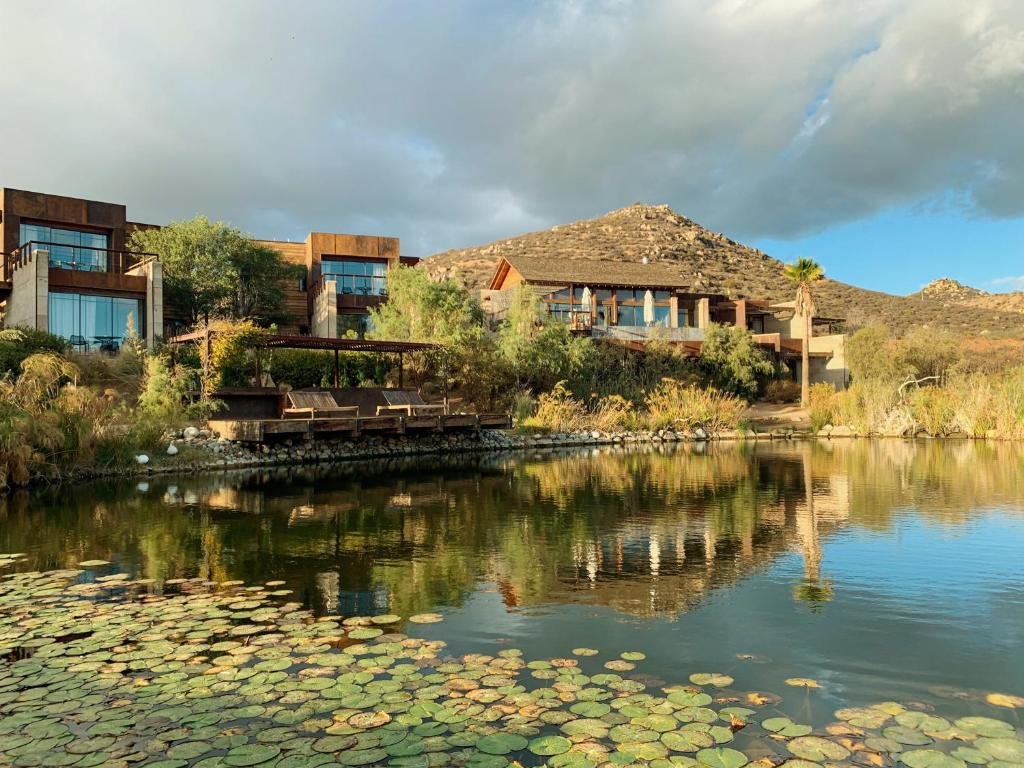
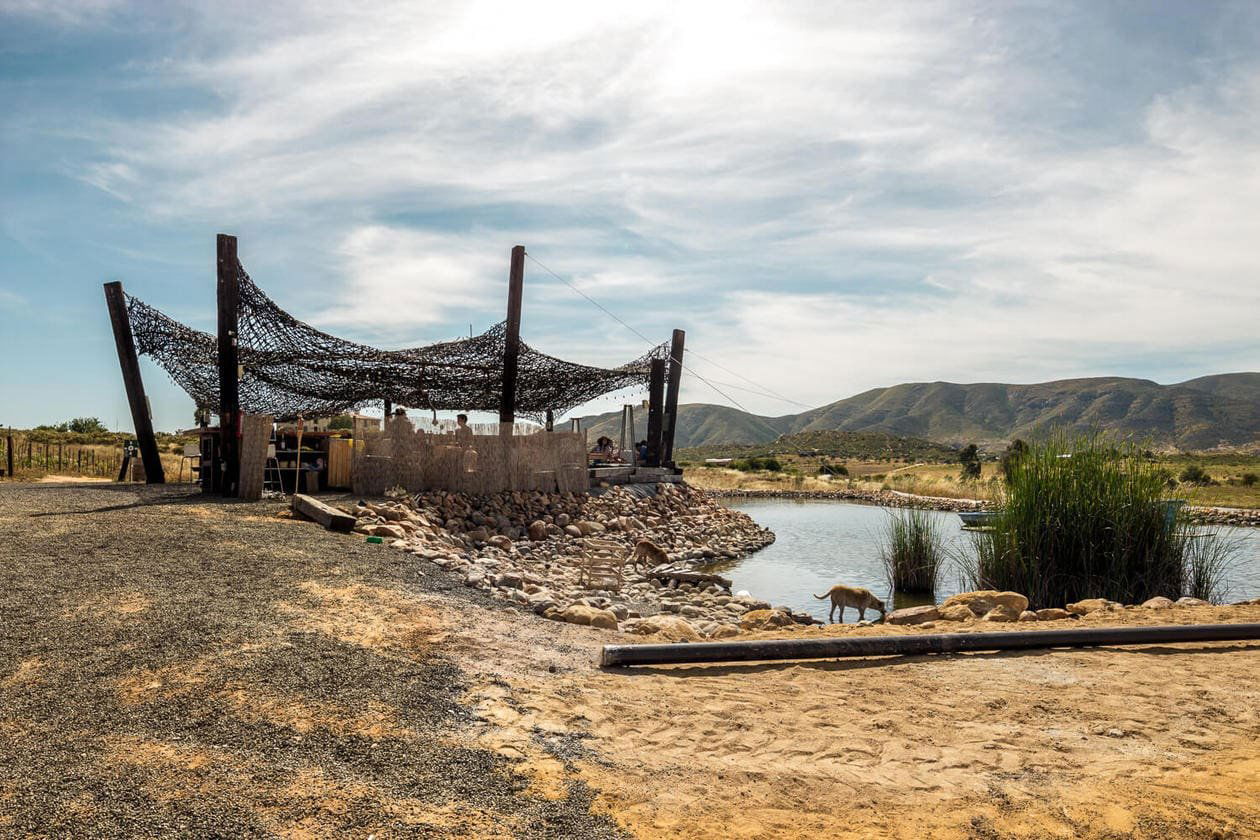
Chill and relaxed atmosphere with a unique tasting room under boat ceilings and outdoor lakeside seating.
Tags
Vibe
Best For
Experience
Sourcing
View
At the Vineyard
- Appellation
- Valle de Guadalupe
- Varietals
- Cabernet Sauvignon, Sauvignon Blanc, Chardonnay, Grenache, Carignan
- Tour Duration
- 60 minutes
- Visits
- Walk-ins welcome
- Farming
- Natural wine
- Production
- Small producer
- Wine Styles
- Still White, Still Red, Sparkling
- Food Pairing
- Offered
- Wine Club
- Not available
Know before you go
Know Before You Go
- Getting there
- Rancho San Marcos Toros Pintos sn Ejido Francisco Zarco, La villa del valle, 22750 Ensenada, B.C., Mexico
Planning details
Location
Rancho San Marcos Toros Pintos sn Ejido Francisco Zarco, La villa del valle, 22750 Ensenada, B.C., Mexico · Directions
Also consider
Where to look if this does not fit
If Vena Cava is not the right match, start with Bodegas Magoni for another Ensenada winery option. For a wider Valle de Guadalupe day, compare Finca La Carrodilla or Mogor Badan Winery before setting the route.
Winery context
How Vena Cava compares in Ensenada wine country
Pick Vena Cava when the priority is an easy, visually appealing daytime winery stop with low booking friction. Compared with Finca La Carrodilla and Vinícola 3 Mujeres, it is the safer choice for visitors who want a simple itinerary anchor rather than a more research-heavy decision around producer style or visit format.
Bodegas Magoni is the more direct cross-shop for readers staying focused on Ensenada wineries, especially if the goal is to compare established local producers in one trip. Mogor Badan Winery and Racines make sense as alternatives when the itinerary is built around a fuller wine-country circuit rather than a single easy stop.
On value, Vena Cava is harder to judge by numbers because confirmed pricing is not listed here. The practical read: choose it if ambience and convenience are part of the spend; choose Bodegas Magoni or one of the other peers if the main goal is comparison tasting across multiple producers.
Around this place
Discover more on Pearl
Unlock the full Vena Cava guide in Pearl, including awards, comparisons, FAQs, planning details, and nearby places.
Compare Vena Cava
| Venue | Location | Awards |
|---|---|---|
| Vena Cava | Ensenada | No published awards |
| Finca La Carrodilla | Francisco Zarco | No published awards |
| Vinícola 3 Mujeres | Francisco Zarco | No published awards |
| Mogor Badan Winery | Tecate | No published awards |
| Bodegas Magoni | Ensenada | No published awards |
| Racines | Buellton | No published awards |
How Vena Cava Ensenada compares with similar nearby venues.
FAQ
Frequently Asked Questions
How long should I plan for a visit to Vena Cava?
Vena Cava is open daily from 11 AM to 5 PM. A specific visit length is not specified, so plan around the daytime hours and confirm any timing expectations before you go.
Can Vena Cava handle large groups?
Capacity details are not specified. If you are planning for a large group, verify arrangements directly before building the itinerary around Vena Cava.
Do I need a reservation at Vena Cava?
Reservation requirements are not specified. Vena Cava is open daily from 11 AM to 5 PM, but you should confirm whether a reservation is needed for your specific visit.
What should I know before visiting Vena Cava?
Vena Cava is located in Ensenada, is open daily from 11 AM to 5 PM, and has a casual dress code. Confirm any current visit details directly before making plans around specific offerings.
Are other services confirmed at Vena Cava?
Additional service details are not specified. If a specific option is important, verify current details directly before visiting Vena Cava in Ensenada.
What other venues can I compare with Vena Cava?
For planning a broader day, compare Vena Cava with Finca La Carrodilla, Vinícola 3 Mujeres, Mogor Badan Winery, Bodegas Magoni, and Racines. Confirm current hours and visit details for each stop before finalizing the route.
When is the best time to visit Vena Cava?
Vena Cava is open every day from 11 AM to 5 PM. The best time depends on your itinerary, but any plan should stay within those daytime hours in Ensenada.