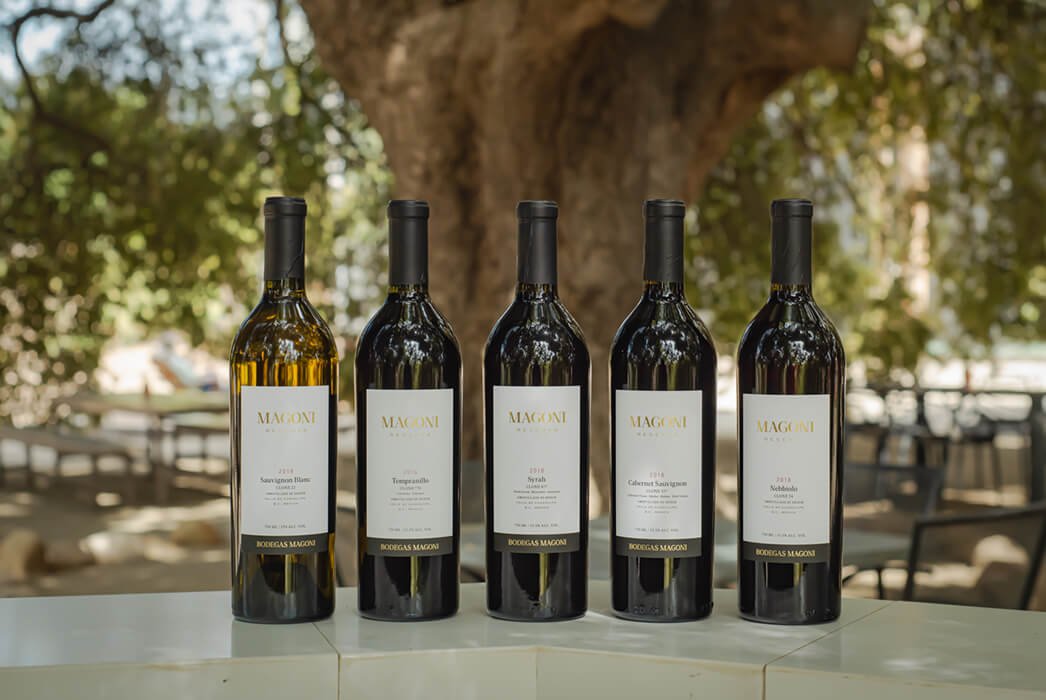
Bodegas Magoni
Valle de Guadalupe, Ensenada
Winery in Ensenada, Mexico
 Book with Pearl
Why go
Bodegas Magoni is worth considering as an easy daytime Valle de Guadalupe stop, especially for repeat Ensenada visitors building a flexible wine route. The wine-club case needs an on-site conversation because membership terms, pricing, and shipping details are not published here; compare it with Vena Cava if ambiance matters more than convenience.
About Bodegas Magoni
For a trip built around Ensenada, Bodegas Magoni is best treated as a direct daytime stop with daily hours rather than a venue with extensive public planning details. The basics are simple: it is in Ensenada, the dress code is casual, and it opens at 11 AM every day, with a slightly longer Saturday schedule.
Choose it if the goal is to keep the day flexible and confirm the finer details directly with the venue. For details like visit formats, specific offerings, membership terms, pricing, food service, or a specific location beyond Ensenada, contact Bodegas Magoni before building the rest of your itinerary.
A practical anchor for an Ensenada day
The case for Bodegas Magoni is its schedule. Hours run 11 AM to 5 PM Monday through Friday, 11 AM to 6 PM on Saturday, and 11 AM to 5 PM on Sunday. That makes it easier to place in a daytime Ensenada plan without relying on assumptions about service style or visit length.
Other planning details should be handled as on-site or pre-arrival questions. For details like visit formats, membership terms, specific offerings, food options, prices, shipping policies, or reservation requirements, ask directly about what is available on the date you plan to visit.
For a broader Ensenada plan, build the rest of the day through the Ensenada restaurants guide, the Ensenada hotels guide, the Ensenada bars guide, and the Ensenada experiences guide. For comparison while planning, look at Bodegas Magoni alongside Finca La Carrodilla, Mogor Badan Winery, Racines, Vena Cava, and Vinícola 3 Mujeres.
Who should choose this over a more scripted visit
Choose Bodegas Magoni when flexible daytime hours and a casual dress code are enough information for your plan. For detailed information about format, pricing, menu, specific offerings, or special access, confirm those specifics directly with the venue. If you prefer to compare options before committing, consider Bodegas Magoni alongside Finca La Carrodilla, Mogor Badan Winery, Racines, Vena Cava, and Vinícola 3 Mujeres, then confirm current details directly with each venue.
Planning details
- Location
- Km83 carretera Tecate- El sauzal, 22750 Ensenada, B.C., Mexico
- Website
- casamagoni.com
- Phone
- +52 646 187 0483
The take
The Take
The Vibe
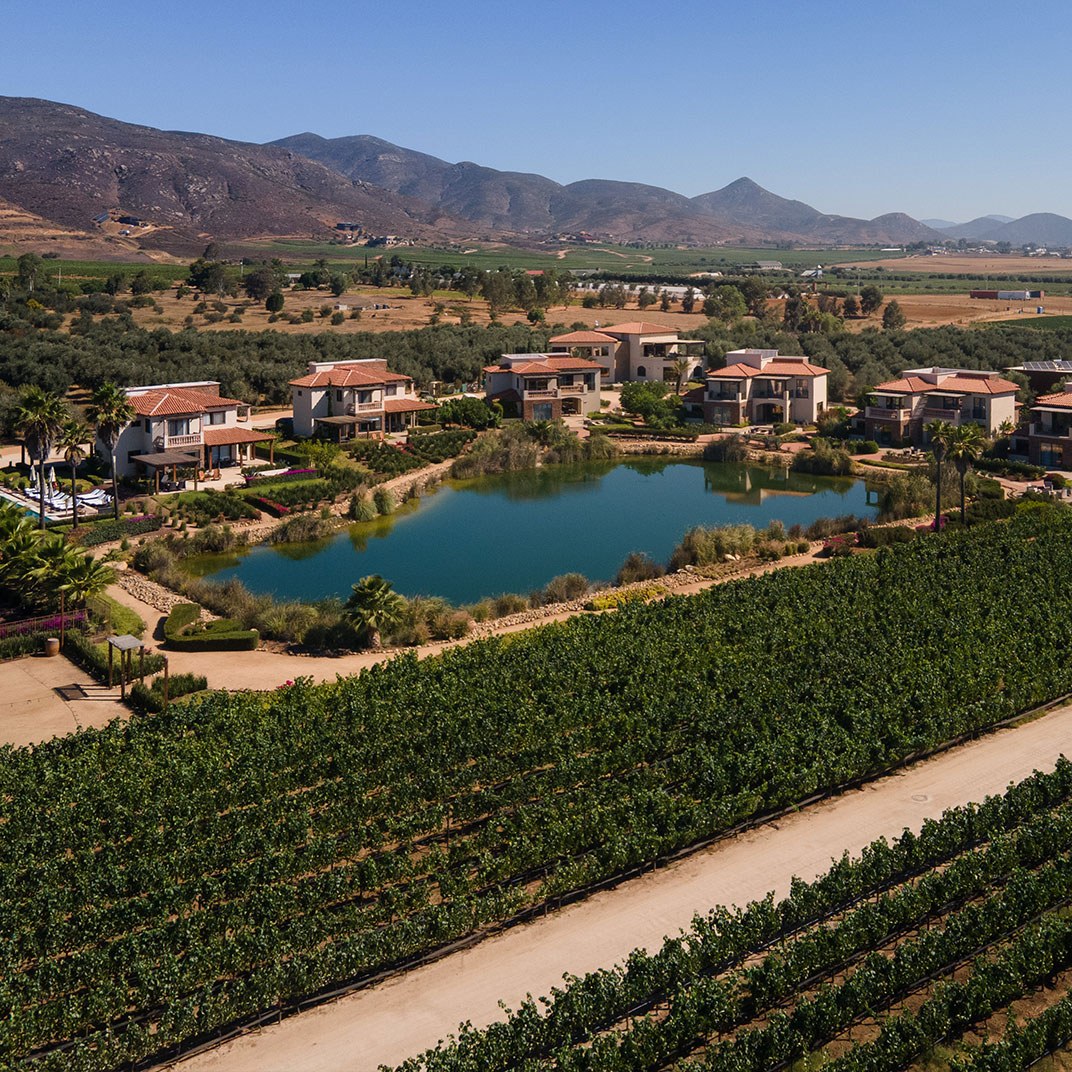
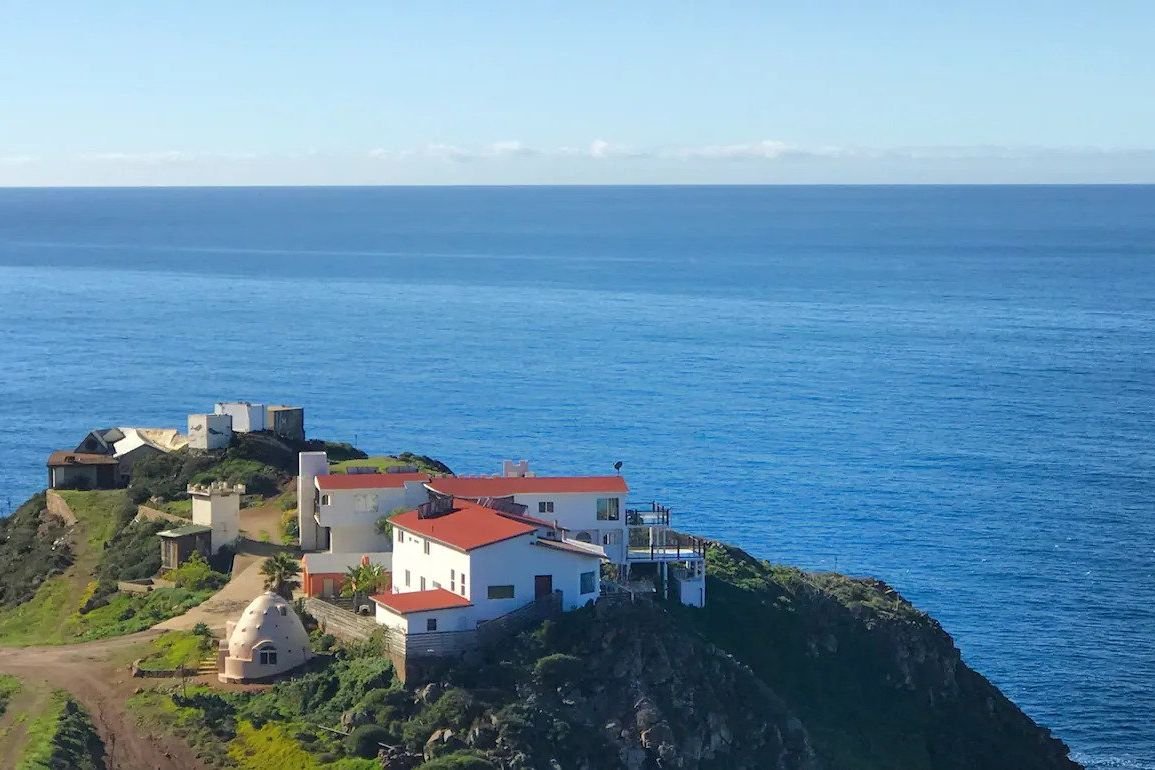
Bodegas Magoni reads as quietly assured and scenic rather than theatrical. The approach along the Tecate–El Sauzal corridor — where chaparral gives way to ordered rows and the Pacific horizon frames the site — establishes a calm, measured tempo. The copy emphasizes understated credibility and an estate presence that feels mature: growing conditions and the marine layer are foregrounded as defining features. That combination produces a relaxed, classic valley atmosphere with a charming, serene quality. Visitors encounter a place geared toward thoughtful appreciation of terroir rather than loud spectacle.
Best For
This winery is best for travelers building a Baja wine itinerary and for weekend escapes. Its Km 83 location on the Tecate route situates it between Ensenada’s coastal centre and the inland valleys, making it a logical stop for drivers exploring the region. The description explicitly calls out weekend visits from San Diego and stresses terroir and the Pacific’s moderating influence — details that appeal to guests interested in wine education, vineyard context, and a tasting experience that rewards the drive rather than a quick stop.
Venue details
Ambiance
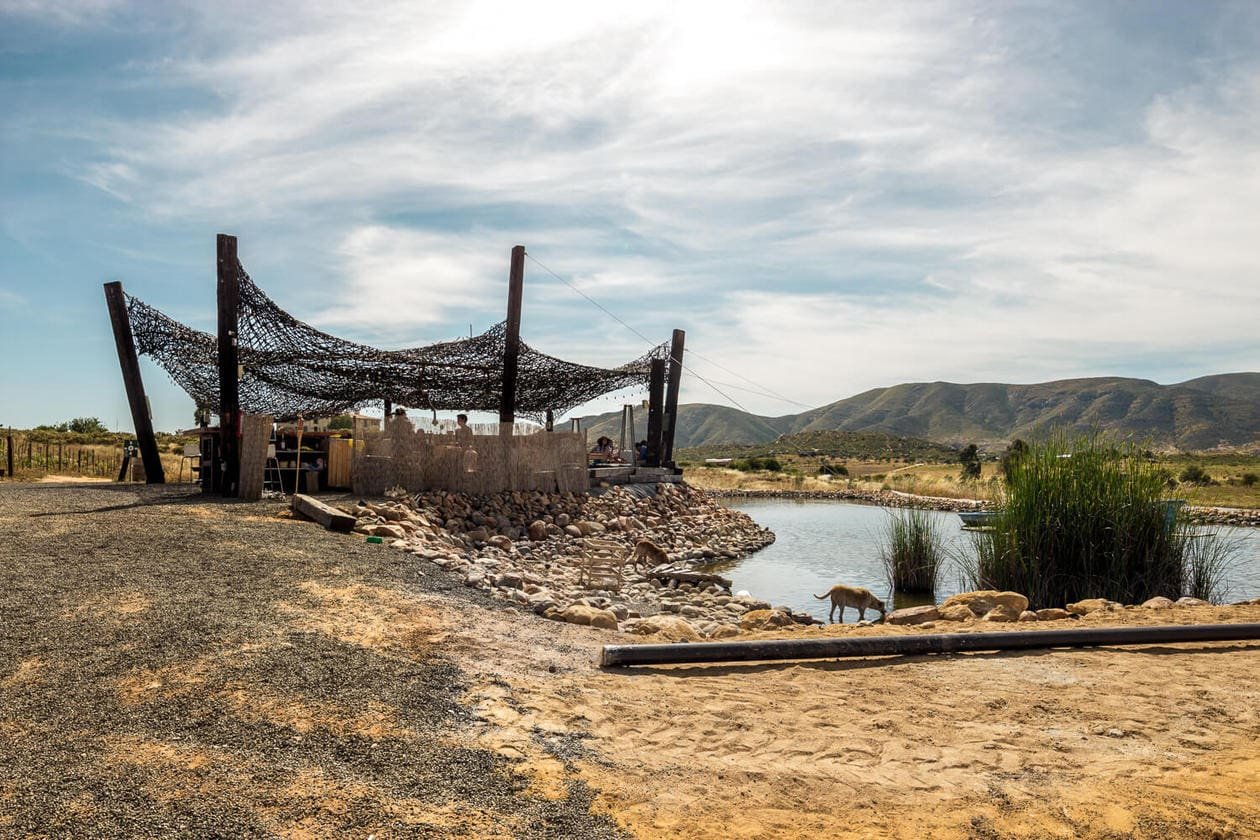
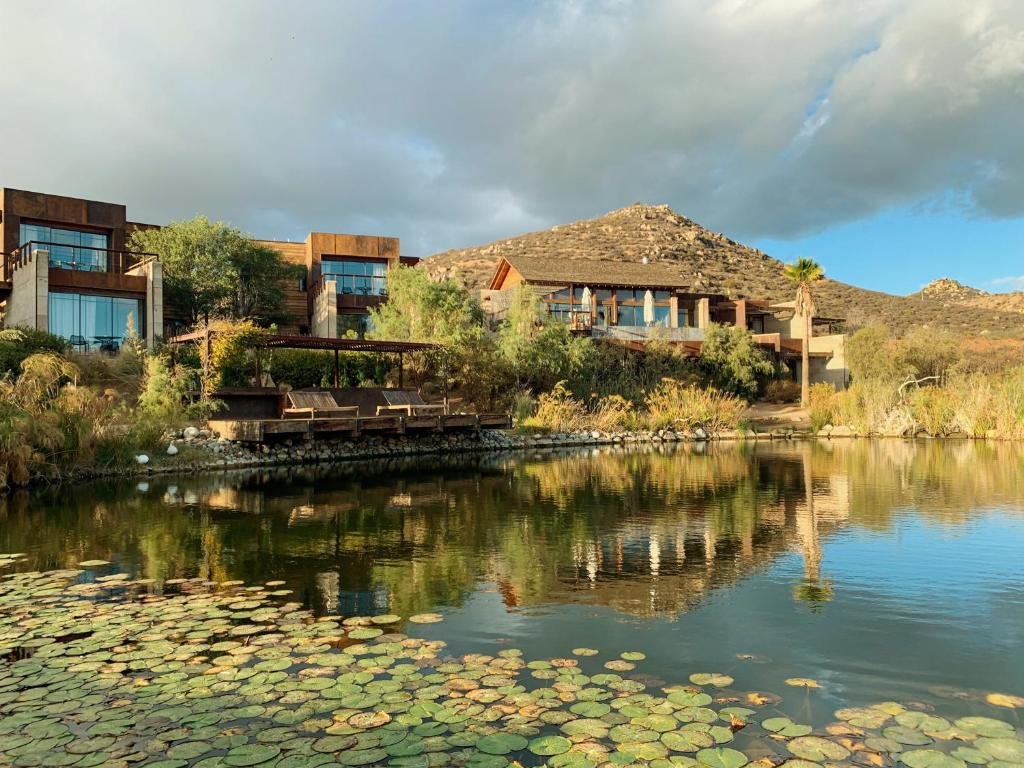
Peaceful and relaxing with live music, shaded by a beautiful massive oak tree, and inviting atmosphere for wine tasting and charcuterie.
Tags
Vibe
Best For
Experience
View
At the Vineyard
- Appellation
- Valle de Guadalupe
- Varietals
- Sauvignon Blanc, Merlot, Malbec, Viognier, Fiano
- Tour Duration
- 1 hour
- Visits
- Walk-ins welcome
- Production
- Boutique
- Wine Styles
- Still Red, Still White, Still Rose
- Food Pairing
- Offered
- Wine Club
- Not available
Know before you go
Know Before You Go
- Getting there
- Km83 carretera Tecate- El sauzal, 22750 Ensenada, B.C., Mexico
Planning details
Location
Km83 carretera Tecate- El sauzal, 22750 Ensenada, B.C., Mexico · Directions
Also consider
Also Consider
- Mogor Badan Winery, Notable alternative
- Vinícola 3 Mujeres, Notable alternative
- Finca La Carrodilla, Notable alternative
- Vena Cava, Notable alternative
- Racines, Notable alternative
Winery context
How Bodegas Magoni compares in Ensenada
Bodegas Magoni is the practical pick if ease matters: current daily daytime hours make it simpler to fit into a Valle de Guadalupe route than wineries that require more advance planning. Against Vena Cava, it reads less like a destination set piece and more like a flexible tasting stop. Choose Vena Cava when ambiance is the priority; choose Bodegas Magoni when the day needs a dependable anchor.
Mogor Badan Winery, Vinícola 3 Mujeres, and Finca La Carrodilla are better cross-shops for visitors who want a more defined winery identity before committing. Bodegas Magoni is easier to recommend for travelers who are already in the valley and want a low-pressure tasting stop rather than a fully scripted appointment.
Racines is the comparison to keep for a more focused wine-led visit, while Bodegas Magoni fits a broader Ensenada day with lunch, one additional winery, and a relaxed pace. For wine-club value, do not join anywhere on name alone: compare bottle access, pickup or shipping terms, and allocation frequency before committing.
Around this place
Discover more on Pearl
Unlock the full Bodegas Magoni guide in Pearl, including awards, comparisons, FAQs, planning details, and nearby places.
Compare Bodegas Magoni
| Venue | Location | Awards |
|---|---|---|
| Bodegas Magoni | Ensenada | No published awards |
| Mogor Badan Winery | Tecate | No published awards |
| Vinícola 3 Mujeres | Francisco Zarco | No published awards |
| Finca La Carrodilla | Francisco Zarco | No published awards |
| Vena Cava | Ensenada | No published awards |
| Racines | Buellton | No published awards |
How Bodegas Magoni Ensenada compares with similar nearby venues.
FAQ
Frequently Asked Questions
What are the key facts about Bodegas Magoni?
Bodegas Magoni is in Ensenada, has a casual dress code, and keeps daily daytime hours. Details such as pricing, reservations, specific offerings, membership terms, and visit format should be confirmed directly with the venue. If you are comparing venues for planning, Finca La Carrodilla or Vena Cava may also be useful points of reference.
Where is Bodegas Magoni?
Bodegas Magoni is in Ensenada. For a more specific location, confirm directly with Bodegas Magoni before you go, especially if routing or transportation timing matters.
When is the best time to visit Bodegas Magoni?
Use the hours as your planning baseline: Monday through Friday from 11 AM to 5 PM, Saturday from 11 AM to 6 PM, and Sunday from 11 AM to 5 PM. For anything beyond hours, including reservations or visit format, confirm directly with the venue.
What should I know before planning around Bodegas Magoni?
For specific offerings, prices, reservation rules, or a structured visit format, confirm directly with the venue. If you care more about comparing options before committing, compare Bodegas Magoni with Racines or Vinícola 3 Mujeres and check each venue's official channels for current details.
What other venues can I compare with Bodegas Magoni?
Mogor Badan Winery, Vinícola 3 Mujeres, Finca La Carrodilla, Vena Cava, and Racines are useful comparison points when planning around Bodegas Magoni. Confirm current hours, formats, and reservation needs directly with each venue before finalizing your route.
How long should I plan for a visit to Bodegas Magoni?
A specific visit length is not provided. Plan from the opening hours, then contact Bodegas Magoni directly if you need to know how much time to reserve for your visit. Vena Cava and Finca La Carrodilla can also be compared while shaping a broader plan.