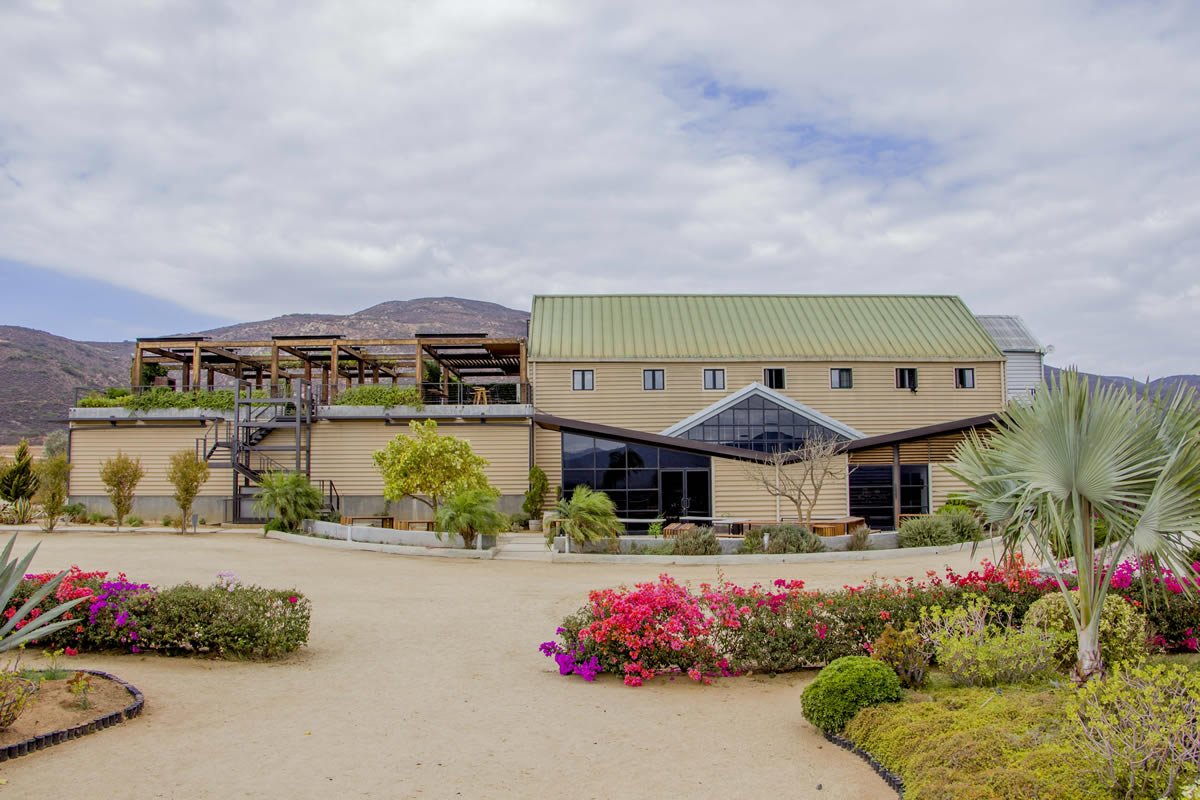
Finca La Carrodilla
Ejido El Porvenir, Francisco Zarco
Winery in Francisco Zarco, Mexico
 Book with Pearl
The Read
Price
$10–20tasting
Why go
Finca La Carrodilla is a practical Francisco Zarco winery pick for a relaxed daytime tasting rather than a chef-led food-pairing destination. Book it if you want an easier Valle de Guadalupe stop; cross-shop Vena Cava, Bodegas Magoni, Mogor Badan Winery, Vinícola 3 Mujeres, and Racines if ambiance or a more structured experience matters more.
About Finca La Carrodilla
Finca La Carrodilla is a venue in Francisco Zarco with casual dress code and operating hours that make it a simple daytime stop. Use those basics as the starting point and confirm any visit-specific details directly before you go.
Hours are Mon: Closed; Tue: Closed; Wed: 1–5 PM; Thu: 11 AM–5 PM; Fri: 11 AM–5 PM; Sat: 11 AM–5 PM; Sun: 11 AM–5 PM. The venue does not list a chef, menu, dining format, price, awards, group policy, shipping, or reservations here.
Go for a Francisco Zarco visit with confirmed daytime hours
Finca La Carrodilla is best approached as a Francisco Zarco stop where the planning details are direct: daytime hours from Wednesday through Sunday and a casual dress code. If food, pairings, a guided format, or a specific service style matter to your group, confirm those details with the venue before building an itinerary around them.
Readers comparing options can also look at Vinícola 3 Mujeres, Bodegas Magoni, Vena Cava, Mogor Badan Winery, and Racines, while using the broader Francisco Zarco restaurants guide for other dining in Francisco Zarco.
Who should choose it for a simple Francisco Zarco stop
Choose Finca La Carrodilla if your plans fit its hours and you want a casual Francisco Zarco stop. Do not assume a published dining program, a particular beverage program, awards, prices, or special services. For a more complete day, compare it with Bodegas Magoni, Mogor Badan Winery, Racines, Vena Cava, and Vinícola 3 Mujeres, then confirm current details directly with each venue.
Planning details
- Location
- Parcela 99 Z1 P14 Ejido El Porvenir, 22755 Francisco Zarco, B.C., Mexico
- Phone
- +52 646 978 1345
The take
The Take
The Vibe
Finca La Carrodilla presents a deliberately quiet, agricultural presence in the Valle de Guadalupe. The copy frames it as a working farm on Parcela 99 rather than a tourism-driven estate, and the Pacific fog and low-slung scrub that characterize the approach reinforce a restrained, terroir-forward mood. The tone is earthy and focused—there's an emphasis on soils, granitic sandy loams, and viticultural intent—so visitors encounter a place that privileges vine health and production practice over spectacle. It reads as a thoughtful, understated stop for people who value craft and place.
Best For
This property is best for visitors who want to understand how place shapes wine. The text foregrounds organic and biodynamic practice and close attention to parcela soils, making it a strong fit for wine-education outings and guests who arrive to learn. The quieter, interior setting also suits solo explorers or those seeking a low-key tasting experience away from the busier, hospitality-driven estates. Travelers interested in terroir, small-production wines, and conversations about viticulture will find this estate particularly rewarding.
Tasting Tips
Expect an experience centered on viticulture rather than full hospitality amenities; the description repeatedly frames the site as a working farm and stresses low-yield, concentrated results from granitic sandy loams. When visiting, prioritize questions about farming practice, soil differences across parcela, and the estate's organic/biodynamic approach—those topics are the property's strengths. Given the fog-moderated climate and the estate's production focus, look for single-parcela or small-lot bottlings and be prepared for a quieter, less tourist-oriented encounter with the vineyard.
Venue details
Ambiance
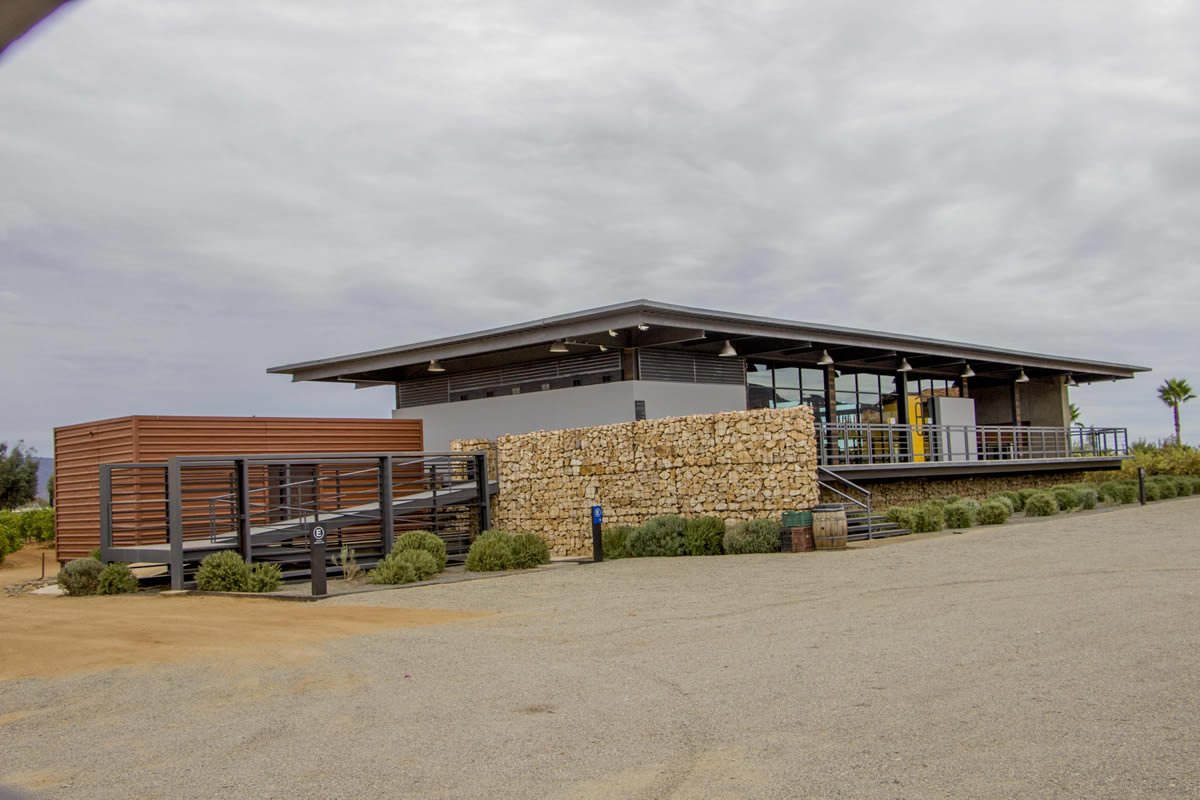
Rustic and scenic winery atmosphere focused on organic sustainability amid vineyard landscapes.
Tags
Vibe
Best For
Experience
Sourcing
View
At the Vineyard
- Appellation
- Valle de Guadalupe
- Varietals
- Tempranillo, Cabernet Sauvignon, Syrah, Chenin Blanc
- Tour Duration
- 60-90 minutes
- Visits
- By reservation
- Farming
- Biodynamic
- Wine Styles
- Still Red, Still White
- Food Pairing
- Offered
- Wine Club
- Not available
Know before you go
Know Before You Go
- Getting there
- Parcela 99 Z1 P14 Ejido El Porvenir, 22755 Francisco Zarco, B.C., Mexico
Planning details
Location
Parcela 99 Z1 P14 Ejido El Porvenir, 22755 Francisco Zarco, B.C., Mexico · Directions
Also consider
If this is not the right fit
Try Vinícola 3 Mujeres if you want another Francisco Zarco winery that keeps the plan local. Choose Bodegas Magoni if the day is more about tasting range than a relaxed single stop.
Winery context
How it compares in Francisco Zarco
Choose Finca La Carrodilla when ease matters more than spectacle. Compared with Vena Cava, it reads as the quieter decision, while Vena Cava is the better cross-shop for travelers prioritizing a more distinctive winery setting. If the group wants a lower-pressure stop rather than a marquee-feeling visit, Finca La Carrodilla is the safer fit.
Bodegas Magoni and Mogor Badan Winery are better comparisons for visitors who care most about the wine side of the day. Pick Bodegas Magoni when the itinerary is built around a broader tasting lineup; consider Mogor Badan Winery when the group wants a more established Valle de Guadalupe reference point. Finca La Carrodilla works better as an easier, less itinerary-dominating stop.
Within the Francisco Zarco set, Vinícola 3 Mujeres is the closest practical alternative for a similar local plan. Racines is the better cross-shop if the brief is ambiance-forward. For value, Finca La Carrodilla makes sense when the group does not need a confirmed restaurant format or high-production visit to feel satisfied.
Explore Francisco Zarco
Around this place
Discover more on Pearl
Unlock the full Finca La Carrodilla guide in Pearl, including awards, comparisons, FAQs, planning details, and nearby places.
Compare Finca La Carrodilla
| Venue | Location | Awards |
|---|---|---|
| Finca La Carrodilla | Francisco Zarco | No published awards |
| Vena Cava | Ensenada | No published awards |
| Bodegas Magoni | Ensenada | No published awards |
| Mogor Badan Winery | Tecate | No published awards |
| Vinícola 3 Mujeres | Francisco Zarco | No published awards |
| Racines | Buellton | No published awards |
How Finca La Carrodilla Francisco Zarco compares with similar nearby venues.
FAQ
Frequently Asked Questions
Can Finca La Carrodilla handle large groups?
Finca La Carrodilla is in Francisco Zarco, and its hours are limited to Wednesday through Sunday, so larger parties should confirm availability and timing directly before going.
Does Finca La Carrodilla offer shipping?
If shipping or transport matters for your plans, ask the venue directly before making purchases.
Do I need a reservation at Finca La Carrodilla?
The hours are Wed: 1–5 PM; Thu: 11 AM–5 PM; Fri: 11 AM–5 PM; Sat: 11 AM–5 PM; Sun: 11 AM–5 PM; Mon and Tue: Closed. If timing matters, confirm directly before you go. Vena Cava and Bodegas Magoni are also useful comparison venues for a planned itinerary.
What other venues can I compare with Finca La Carrodilla?
Useful comparison venues include Vena Cava, Bodegas Magoni, Mogor Badan Winery, Vinícola 3 Mujeres, and Racines. Confirm current hours and visit details directly with each venue before planning a route.