
Weingut Andreas Laible
Durbach
Winery in Durbach, Germany
 Book with Pearl
The Read
Ortenau Slope Riesling
Why go
A focused Durbach winery pick for travellers who care more about bottle selection than a scripted hospitality package. Book it as part of a wine-led Baden day, confirm access in advance, and keep meal plans separate unless arranged directly.
About Weingut Andreas Laible
Weingut Andreas Laible is a Durbach venue with a casual dress code and Pearl 2 Star Prestige recognition for 2025.
Choose it for a targeted Durbach stop, not a full-service day out
Weingut Andreas Laible is best approached as a focused Durbach listing rather than as a guaranteed all-day hospitality experience. Travellers should organise meals, hotels, and any additional stops separately, using Our full Durbach restaurants guide, Our full Durbach hotels guide, and Our full Durbach bars guide instead of assuming those needs are covered on site.
If the day is being built around Durbach, start with Our full Durbach wineries guide and add Our full Durbach experiences guide for broader planning. Keep in mind that this page highlights the venue, city, casual dress code, and Pearl 2 Star Prestige recognition, but not a specific visitor programme.
Planning advice: confirm the practical details before you go
Before committing to a visit, confirm the current access, timing, and any available visitor arrangements directly with Weingut Andreas Laible. Confirm tasting fees, menu format, specific products, purchase process, delivery, shipping, and any other add-ons in advance.
For broader context, travellers can compare Weingut Andreas Laible with other venues such as Weingut Bernhard Huber, Weingut Franz Keller, Weingut Salwey, Monkey 47, and Lehmann Distillery, while remembering that each should be planned on its own current visitor information.
How to build the day around it
Keep the plan lean. Confirm the practical details first, avoid relying on unsupported services, and leave enough flexibility for separate dining or other Durbach plans.
If you are considering more than one stop, use other Durbach dining or hospitality options generically as backups, and compare Weingut Andreas Laible with Weingut Bernhard Huber, Weingut Franz Keller, Weingut Salwey, Monkey 47, or Lehmann Distillery only where those venues fit your wider itinerary.
Planning details
- Location
- Am Bühl 6, 77770 Durbach
- Website
- weingut-laible.de
- Phone
- +49 781 41238
The take
The Take
The Vibe
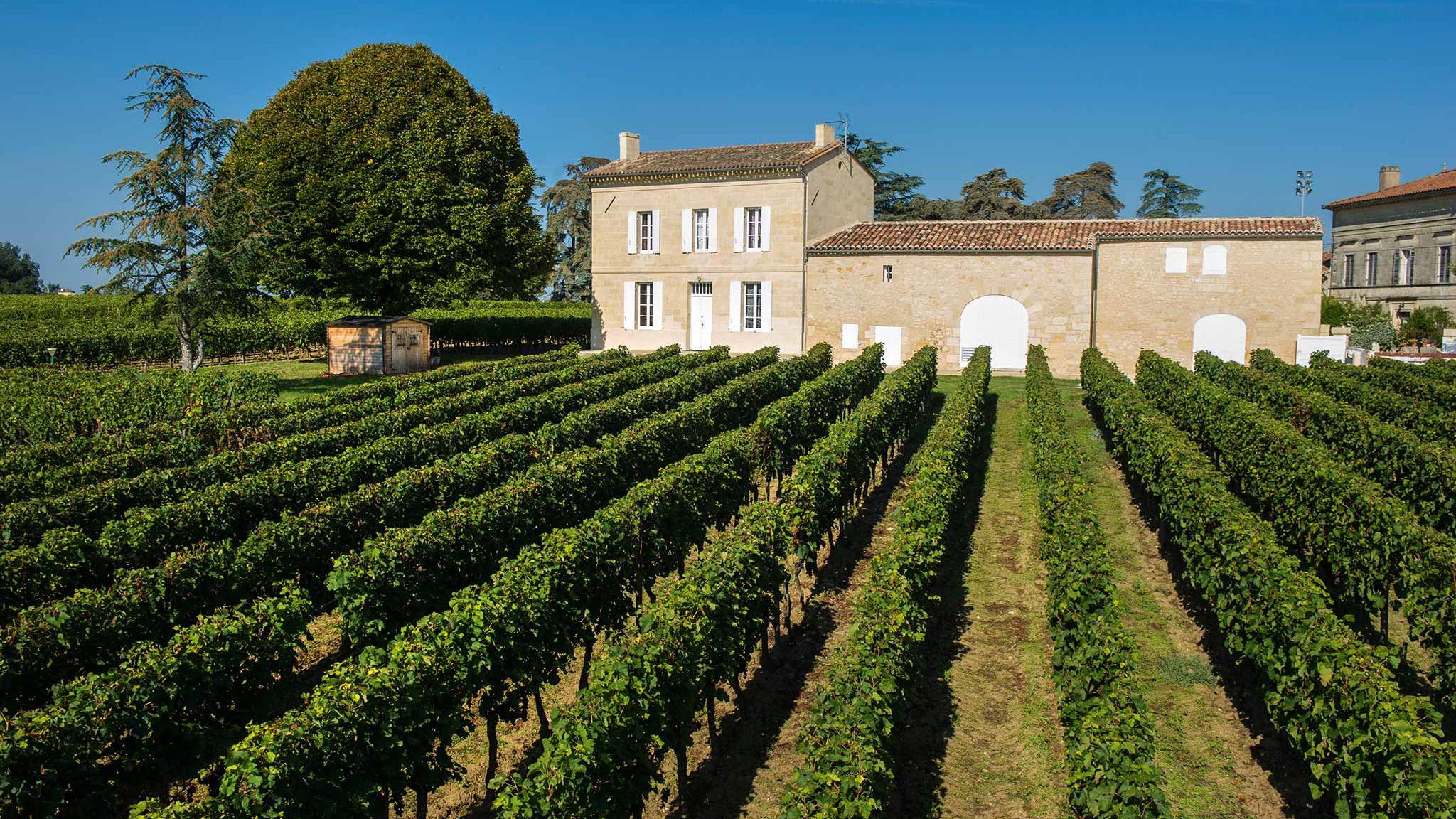
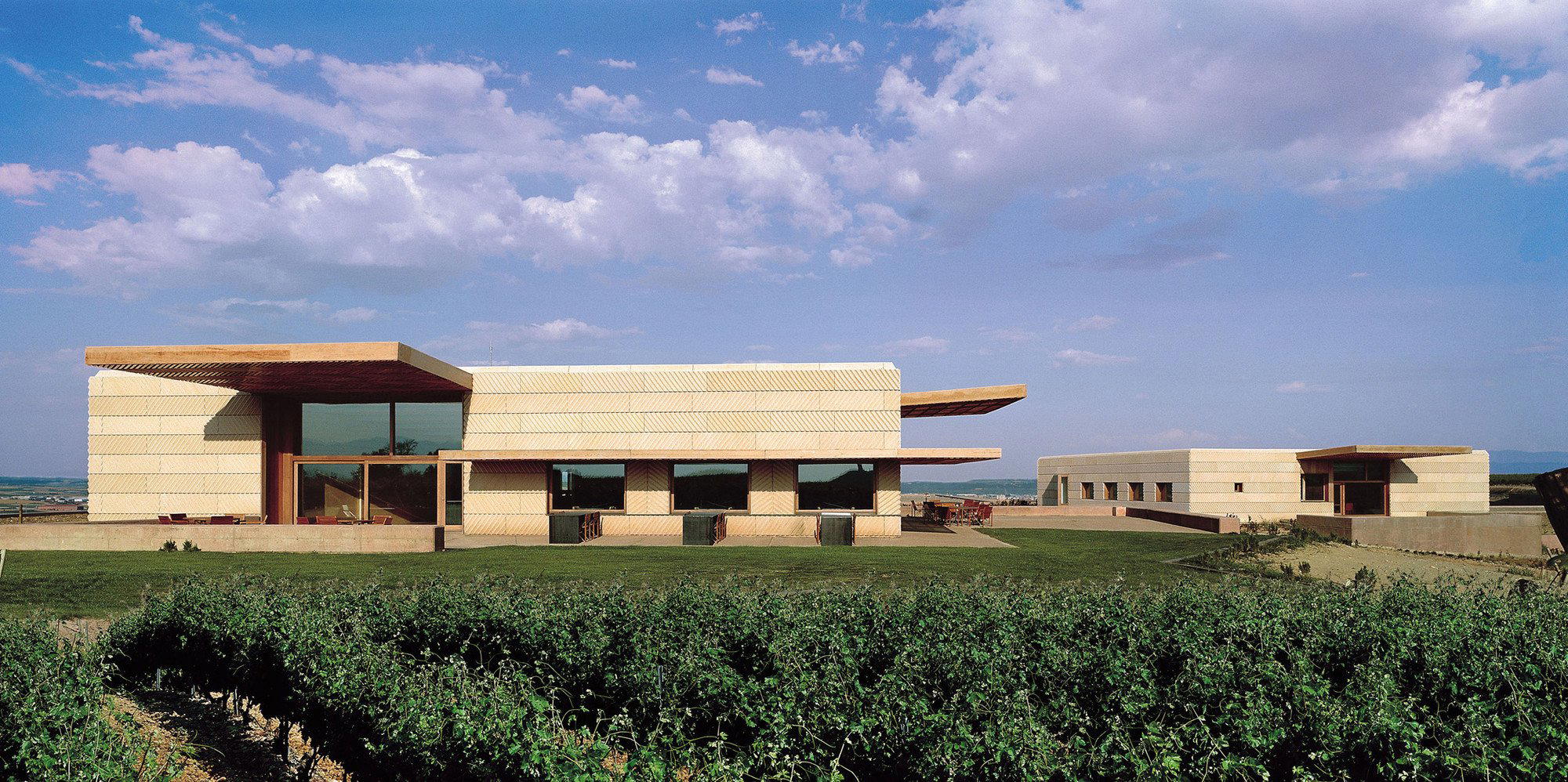
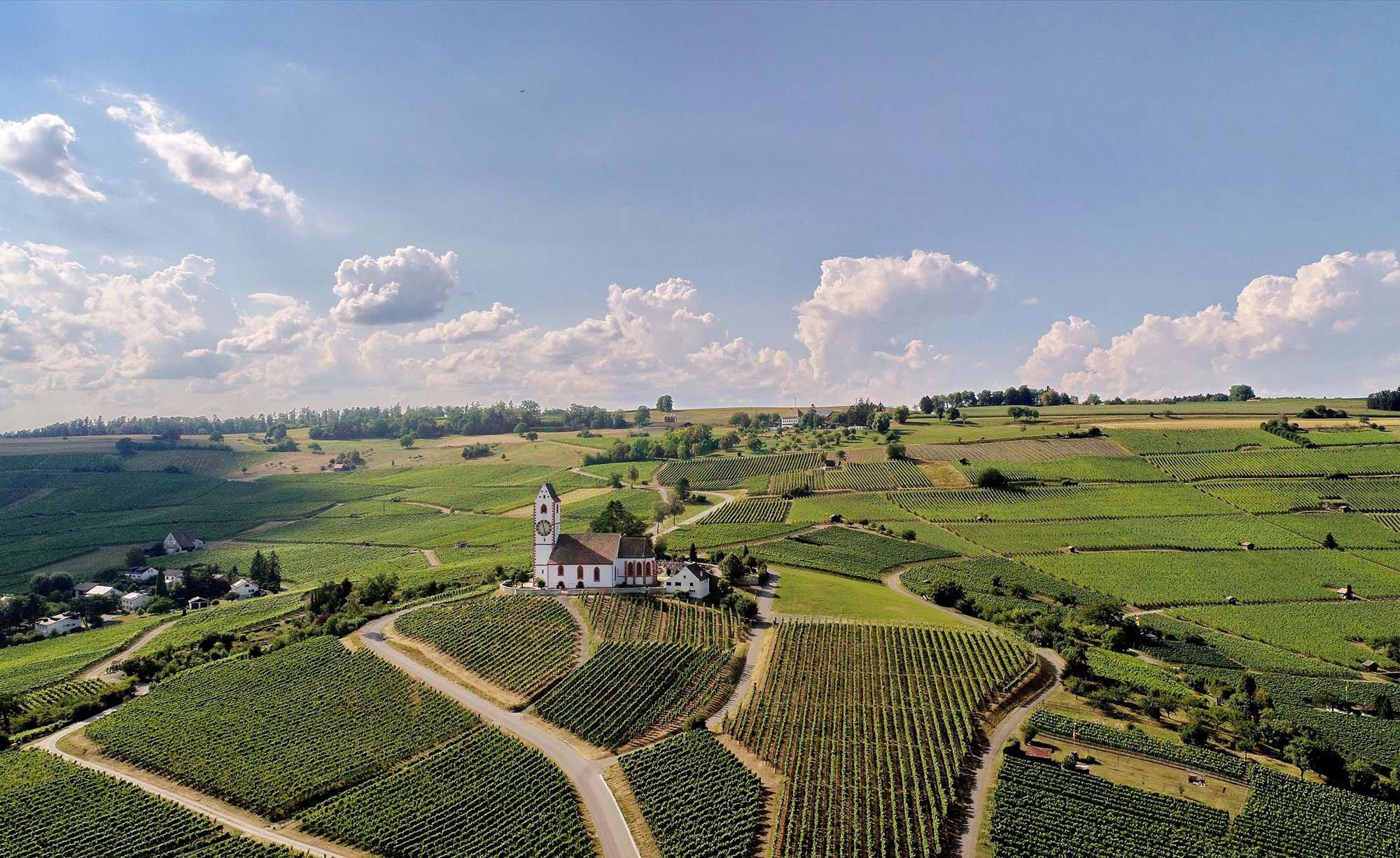
Weingut Andreas Laible reads like a producer's winery rather than a showpiece tasting room. Located within the vineyard zone at Am Bühl, the estate is closely tied to the land: granite, loess and clay-limestone soils and a long, warm growing season shape the wines and the working rhythm here. The writing emphasizes serious ambition and a focus on cellar work, so the feel is understated and refined—thoughtful rather than theatrical, with a calm, production-focused atmosphere that lets terroir and wine quality take center stage.
Best For
This is a place for people who care about terroir and winemaking detail. The write-up highlights Durbach’s unique climate and soil mosaic and describes Riesling with texture, saline mineral notes and age-worthiness—qualities that suit educational tastings, solo exploration of a focused producer, or bringing a small special occasion to a site where the land and cellar matter more than visitor spectacle. Visitors looking to understand how Baden’s warmth and granite soils shape ripeness and acidity will get the most from a visit.
Tasting Tips
When selecting bottles from this estate, favor Rieslings that balance the region’s ripe fruit weight with decisive acidity and mineral lift. The profile calls out granite-dominated plots that give a saline, mineral edge and wines that can support bottle age without austerity—good clues for both immediate drinking and cellaring. Ask about vineyard parcels and vintage ripeness so you can choose wines that show the estate’s textural breadth and its approach to preserving freshness despite higher sugar levels at harvest.
Venue details
Ambiance
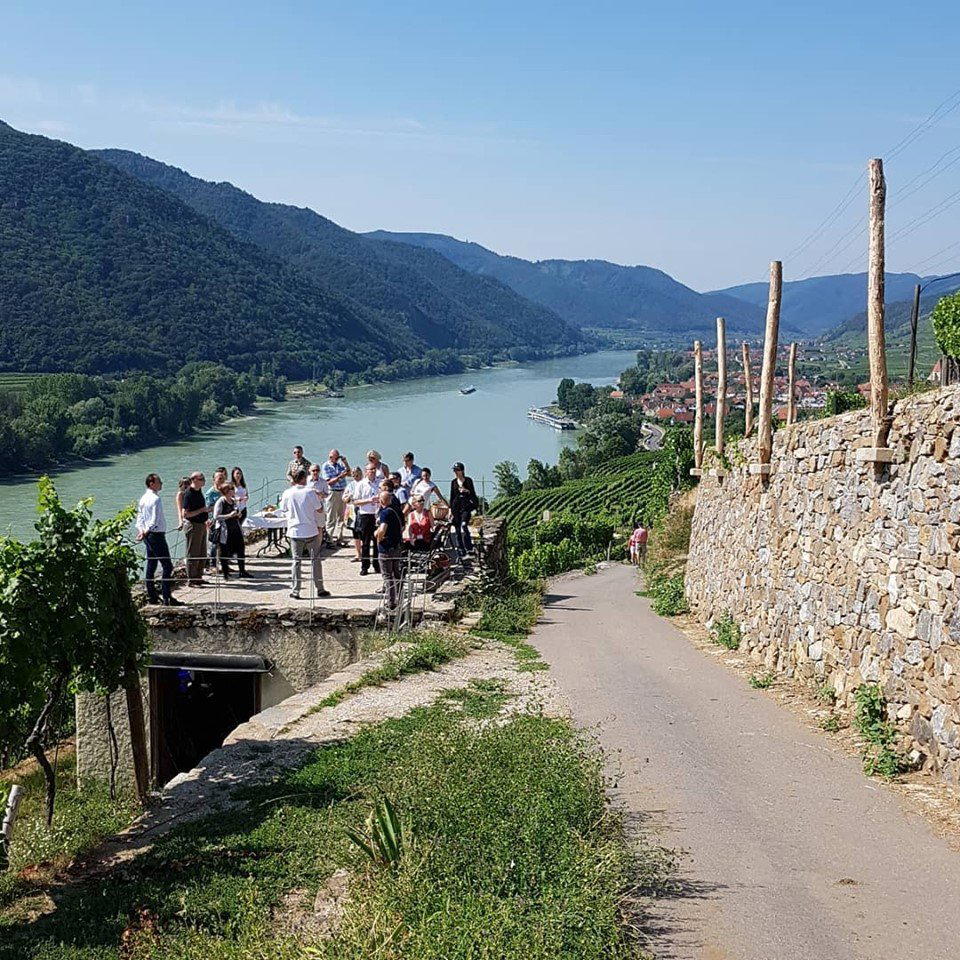
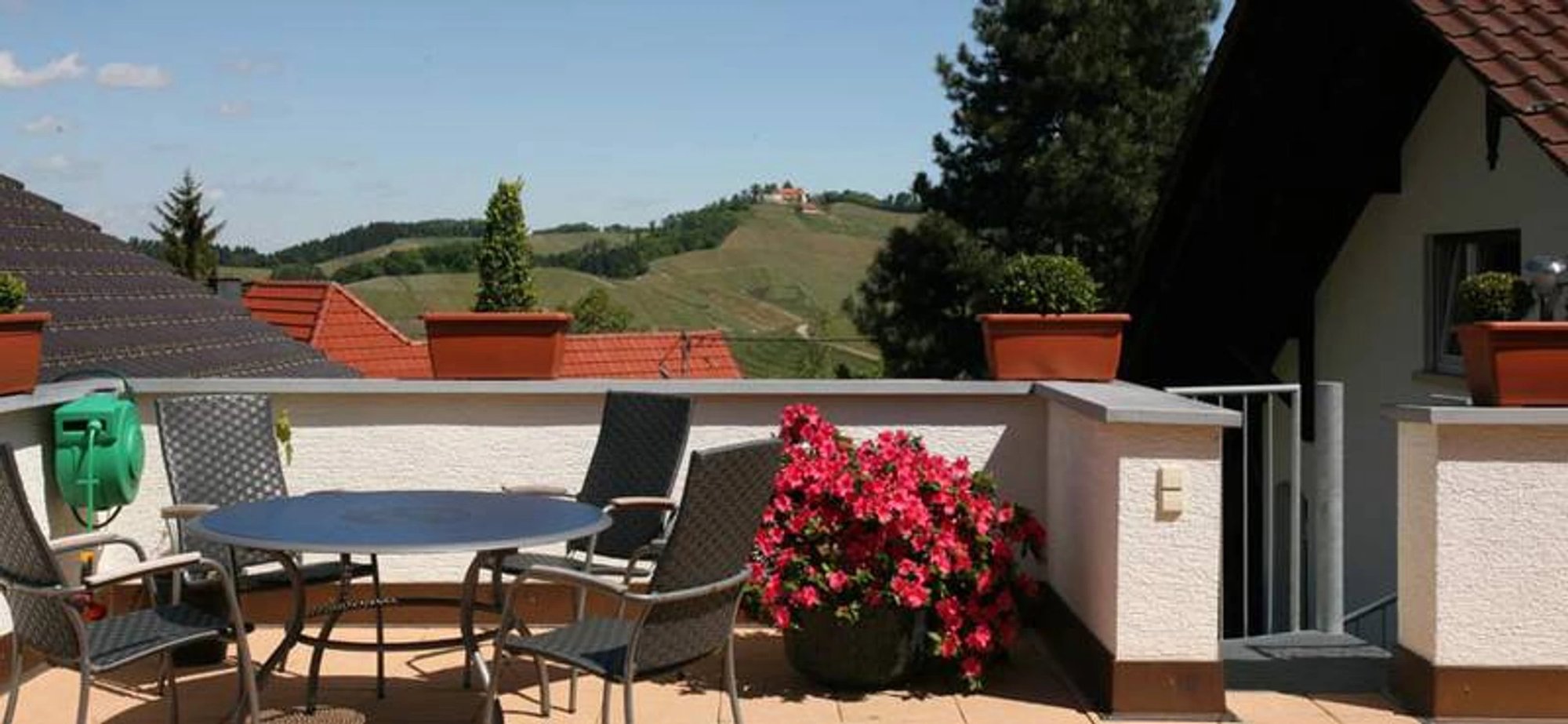
Elegant and refined atmosphere with graceful, mineral-rich wines reflecting the steep vineyard terroir; welcoming family setting in the heart of the Am Bühl site.
Tags
Vibe
Best For
Experience
View
At the Vineyard
- Appellation
- Ortenau
- Varietals
- Riesling, Pinot Noir, Pinot Blanc, Pinot Gris, Gewürztraminer
- Tour Duration
- 60-90 minutes
- Wine Club
- Not available
Know before you go
Know Before You Go
- Getting there
- Am Bühl 6, 77770 Durbach
Planning details
Location
Recognition and awards

Also consider
Where to look if this is hard to arrange
If access does not line up, try Weingut Franz Keller or Weingut Salwey for a Baden wine alternative. If the group wants something outside wine, Monkey 47 is the cleaner category pivot.
Winery context
How It Compares
Against Weingut Bernhard Huber, Weingut Franz Keller, and Weingut Salwey, Weingut Andreas Laible is the Durbach-focused choice for readers who want a tighter local stop rather than a broader Baden circuit. If the trip is built around one town, start here; if the goal is a wider regional comparison, add one of those peers.
Monkey 47 and Lehmann Distillery make more sense for drinkers who are spirits-first or who want a change of category. They are less useful as direct wine substitutes. Choose them when the group is split between wine and distilling; stay with the Durbach winery plan when bottle buying is the point.
On booking, treat Weingut Andreas Laible as the less predictable option because visitor specifics are not laid out here. For groups that need a smoother, pre-planned day, cross-shop the linked peers first. For a small party willing to confirm details before travelling, the local setting gives it the stronger Durbach argument.
Explore Durbach
Around this place
Discover more on Pearl
Unlock the full Weingut Andreas Laible guide in Pearl, including awards, comparisons, FAQs, planning details, and nearby places.
Compare Weingut Andreas Laible
| Venue | Location | Awards |
|---|---|---|
| Weingut Andreas Laible | Durbach | 2026 Falstaff Winery Guide |
| Monkey 47 | Loßburg | No published awards |
| Lehmann Distillery | Obernai | No published awards |
| Weingut Bernhard Huber | Malterdingen | 2026 Falstaff Winery Guide |
| Weingut Franz Keller | Vogtsburg im Kaiserstuhl | 2026 Falstaff Winery Guide |
| Weingut Salwey | Oberrotweil | 2026 Falstaff Winery Guide |
How Weingut Andreas Laible Durbach compares with similar nearby venues.
FAQ
Frequently Asked Questions
What other venues can I compare with Weingut Andreas Laible?
For comparison, look at Weingut Bernhard Huber, Weingut Franz Keller, Weingut Salwey, Monkey 47, and Lehmann Distillery. Weingut Andreas Laible is in Durbach; use current information from each venue when planning a wider itinerary.
![[maki:'dan] im Ritter](https://cdn.enprimeurclub.com/storage/v1/object/public/images/locations/recnbHlFTLD8yNFP0/hero1.jpg?width=2560)