

Winery in Obernai, France
Lehmann Distillery
500Pearl PointsSpirits-led stop
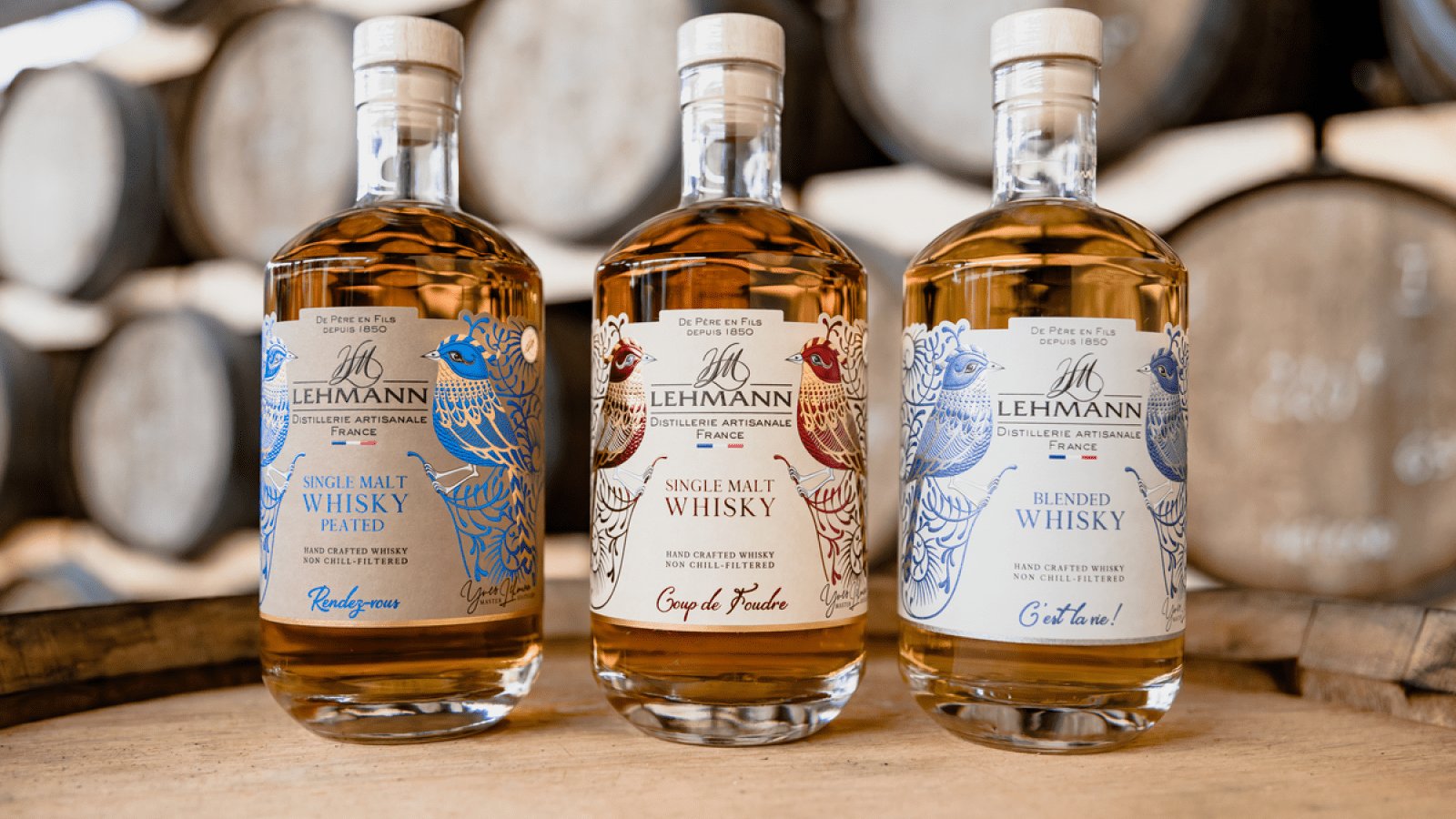
About Lehmann Distillery
Lehmann Distillery is worth considering if you want a spirits-focused Alsace stop near Obernai rather than another conventional winery visit. It is less useful as a food-pairing destination, so plan meals separately and compare it carefully with Domaine Marcel Deiss, Maison Trimbach, Hugel, Weingut Andreas Laible, or Bestheim if wine is the priority.
Should you visit Lehmann Distillery in Obernai right now? Consider it if your itinerary has room for a focused stop at Lehmann Distillery rather than a meal-centered venue. The verified information is limited: the venue is in Obernai, the dress code is casual, it holds Pearl 2 Star Prestige (2025).
Because there are no verified details here for cuisine, menu format, tastings, hours, prices, or service style, plan around the confirmed basics rather than assumptions. If you are comparing it with established regional names, Domaine Marcel Deiss, Maison Trimbach, Hugel, Bestheim, Weingut Andreas Laible are useful reference points for a broader itinerary, while Lehmann Distillery remains the Obernai stop.
Book it as a focused Obernai stop, not a confirmed meal visit
For food-focused travelers, the safest assumption is to plan meals separately and use Lehmann Distillery only for what is confirmed: a casual venue in Obernai with Pearl 2 Star Prestige (2025). There is no verified cuisine or menu detail here to build a meal around. If dining is the deciding factor, pair the visit with lunch or dinner from the Obernai restaurants guide rather than relying on unverified food information.
Keep the logistics simple. Lehmann Distillery is verified only at the city level as an Obernai venue, so avoid planning around a specific address, format, or visit length unless you have confirmed those details directly. Use it as one part of an Obernai itinerary rather than assuming a longer structured experience.
Who should choose this over the better-known Alsace names
Choose Lehmann Distillery if you specifically want an Obernai venue with casual dress and Pearl 2 Star Prestige (2025). If your group is comparing regional names more broadly, Domaine Marcel Deiss, Maison Trimbach, Hugel, Bestheim, Weingut Andreas Laible are natural reference points, but do not treat them as interchangeable with an Obernai stop.
For a full Obernai stay, this works well as one confirmed piece of the itinerary. Build the day around verified plans for meals, transport, any other visits, then add Lehmann Distillery where it fits without assuming unverified services or timing.
Frequently Asked Questions
Do I need a reservation at Lehmann Distillery?
Reservation requirements are not verified here. Lehmann Distillery is in Obernai and holds Pearl 2 Star Prestige (2025), so confirm booking details directly before planning your visit.
Can Lehmann Distillery handle large groups?
Group capacity is not verified. If you are visiting with several people, check directly with Lehmann Distillery before making it part of the day; if your plans are broader than Obernai, Maison Trimbach or Hugel may be useful comparison points for a regional itinerary.
Does Lehmann Distillery serve food?
There is no verified cuisine or menu information for Lehmann Distillery. Plan food separately in Obernai unless you have confirmed current dining details directly with the venue.
Is there a club or membership at Lehmann Distillery?
Club or membership details are not verified here. If buying or ongoing access is part of your decision, confirm directly with Lehmann Distillery; Domaine Marcel Deiss or Bestheim can also serve as broader regional comparison points.
How long should I plan for a visit to Lehmann Distillery?
A verified visit length is not available. Treat Lehmann Distillery as an Obernai venue to confirm directly, especially if you are fitting it between other regional stops such as Weingut Andreas Laible.
Location
Chem. des Peupliers, 67210 Obernai
Obernai, France
Compare Lehmann Distillery
| Venue | Location | Awards |
|---|---|---|
| Lehmann Distillery | Obernai | Pearl 2 Star Prestige (2025) |
| Domaine Marcel Deiss | Bergheim | , |
| Maison Trimbach | Ribeauvillé | , |
| Weingut Andreas Laible | Durbach | , |
| Hugel | Riquewihr | , |
| Bestheim | Bennwihr | , |
How Lehmann Distillery Obernai compares with similar nearby venues.
Where to look if this does not fit the trip
If the goal is a classic Alsace winery visit, try Maison Trimbach or Hugel first. They are the cleaner choices for travelers who want a wine-led day with stronger regional recognition.
If the group wants another wine-country option beyond the major names, compare Weingut Andreas Laible and Bestheim. They make more sense than Lehmann when spirits are not the point of the visit.
How it compares with nearby Alsace tasting options
Lehmann Distillery is the more specialist choice: better for travelers who want a spirits-led stop in Obernai than for anyone building the day around wine and food pairing. Domaine Marcel Deiss, Maison Trimbach, Hugel are stronger fits when the point is a classic Alsace wine visit with more name recognition.
For value and ease, compare the total day rather than only the tasting. If Obernai is the base, Lehmann keeps travel friction low; if the group is willing to move around the region, Weingut Andreas Laible and Bestheim make more sense for a wine-first itinerary. Booking is flagged as extremely difficult here, so it is not the fallback option to leave until late.
The ambiance choice is simple: pick Lehmann for a quieter, more focused spirits break; pick the established winery names for a broader Alsace cellar experience. If only one tasting can make the schedule, wine-focused travelers should start with Maison Trimbach or Hugel, while repeat visitors to the region will get more contrast from Lehmann.
Explore Obernai
Save or rate Lehmann Distillery on Pearl
Keep this venue in your Pearl passport, rate it after you visit, and track it alongside every other place you collect.