
ZUPPERIA OSTERIA PITIGLIANO
Italian · Setagaya, Tokyo
Restaurant in Tokyo, Japan
 Book with Pearl
The Read
Countryside Soup Logic
Price
$50–100per person
Dress
Smart Casual
Why go
A Michelin Plate Italian in Setagaya, Zupperia Osteria Pitigliano delivers countryside Italian cooking — soups, handmade pasta, char-grilled fish and meat — at a ¥¥ price point that makes it one of the more honest-value Italian bookings in Tokyo. Book for relaxed shared-plate dinners rather than formal occasions.
About ZUPPERIA OSTERIA PITIGLIANO
Verdict
At the ¥¥ price point, Zupperia Osteria Pitigliano in Setagaya offers a clear, grounded take on Italian cooking. You are paying for a kitchen guided by the Italian countryside and adapted to a neighbourhood setting, not for dining-room theatre or prestige. A 2025 Michelin Plate confirms the kitchen's technical standard. If you want a relaxed, share-friendly Italian meal in Tokyo without the ¥¥¥¥ commitment of places such as Aroma Fresca or Gucci Osteria da Massimo Bottura Tokyo, this is worth booking. Formal special-occasion dining with white-glove service calls for a different address.
About Zupperia Osteria Pitigliano
The restaurant takes its name from Pitigliano, a Tuscan hill town, and the reference shapes the menu. Its cooking draws on the Italian countryside and the tradition of zuppa: dipping bread into hearty soups of vegetables and beans. The idea is modest, particularly at ¥¥ pricing, but the execution is not careless. Handmade pasta, char-grilled fish and meat, and soups are treated with the simplicity associated with rural Italian kitchens. The food reflects that approach directly.
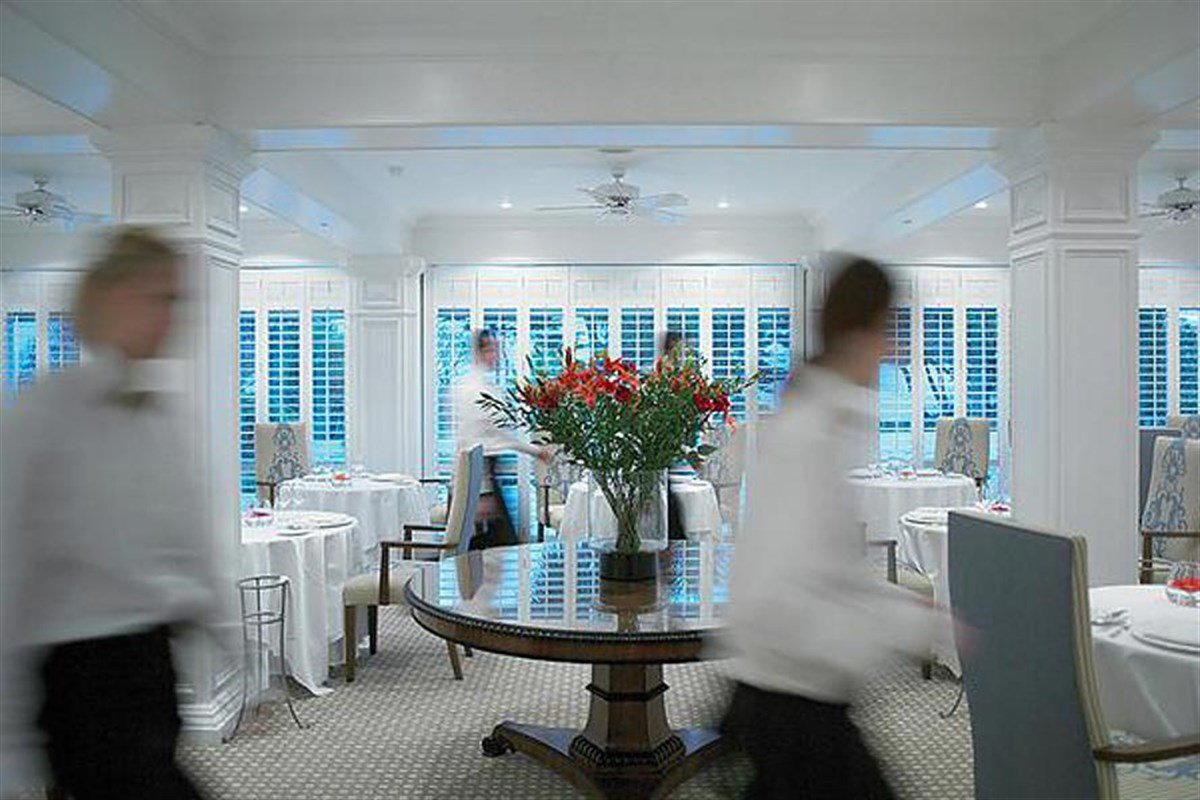
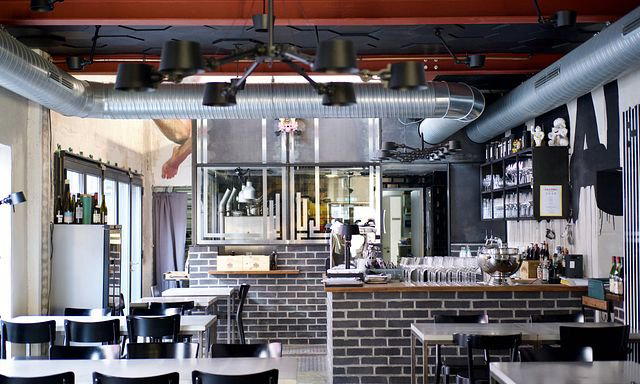
The dining room, on the second floor of a Soshigaya address, feels more trattoria than ristorante. Plates are direct and generous, made for sharing at the centre of the table, which is central to the restaurant's format. The venue frames diners sharing a dish as a reflection of daily Italian life. That makes Pitigliano a stronger choice for two or more than for solo visits, although solo dining at the ¥¥ tier remains manageable.
A soup-led Italian menu is unusual in Tokyo, where pasta and risotto more often lead the category. The extensive selection of seasonal vegetable and bean soups follows Pitigliano's sourcing logic rather than standard menu convention. Bean and vegetable zuppa depends on the quality of the produce and the time given to cooking it. The 2025 Michelin Plate indicates that the kitchen handles this style of cooking with credible technical care.
Pitigliano suits occasions that call for warmth and ease. A birthday dinner with close friends who want to share plates fits the format, as does a first date that calls for a Michelin-recognised neighbourhood Italian in Setagaya rather than a default Roppongi booking. A corporate dinner requiring private dining or extensive ceremony is less aligned with the room.
For comparable Italian options in Tokyo, PRISMA, Principio, and AlCeppo occupy similar territory. At higher price points and with more formal kitchen credentials, Aroma Fresca is a useful reference. Our full Tokyo restaurants guide covers the wider city, while the Tokyo hotels guide covers where to stay nearby. In another Japanese city, cenci in Kyoto is the closest comparison in spirit: countryside-influenced, ingredient-focused, and not built as a fine-dining monument.
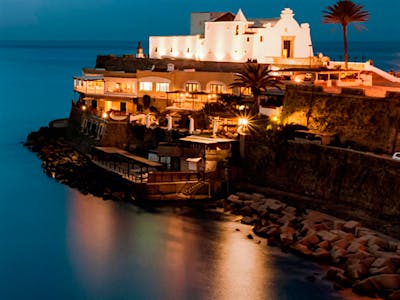
Soshigaya in Setagaya is residential rather than a dining destination like Ginza or Minami-Aoyama. Reaching it from central Tokyo requires a deliberate journey, worth considering if dinner is part of a wider evening. Our Tokyo bars guide can help you plan around the location. The neighbourhood setting also makes Pitigliano a place locals return to, rather than a stop on the usual tourist circuit.
That is a small sample but a high score, and at the ¥¥ price tier it suggests the kitchen is delivering reliably against expectations. The 2025 Michelin Plate provides independent confirmation. Neither credential points to a destination restaurant requiring months of advance planning, but both support the view that this is a considered booking.
For broader context on ingredient-focused Italian cooking in Asia, 8½ Otto e Mezzo Bombana in Hong Kong represents the three-Michelin-star ceiling. Pitigliano is neither competing at that level nor priced accordingly. Its case is more local: a satisfying neighbourhood Italian in Tokyo, with a Michelin Plate, a clear point of view, and a ¥¥ price point.
For other serious kitchens around Japan, HAJIME in Osaka, Gion Sasaki in Kyoto, and akordu in Nara each offer a distinct identity. Closer to Tokyo, 1000 in Yokohama and Goh in Fukuoka broaden the regional picture, as does 6 in Okinawa for a more remote dining trip.
Know Before You Go
- Price tier: ¥¥, mid-range by Tokyo standards, accessible for a special occasion without the commitment of a ¥¥¥¥ booking
- Award: Michelin Plate 2025
- Location: Soshigaya, Setagaya City, Tokyo, second floor, residential neighbourhood
- Cuisine: Italian, countryside-style, soups, handmade pasta, char-grilled fish and meat
- Format: Share-plate friendly; communal dining encouraged
- Booking difficulty: Easy, book ahead but no significant lead time required
- Leading for: Relaxed special occasions, group dinners, couples who want neighbourhood Italian without the formal fine dining overhead
- Less suited for: Solo diners who prefer counter dining, formal corporate occasions, or visitors who want to stay in central Tokyo for dinner
Ideal time to visit
Pitigliano's focus on soups and slow-cooked vegetables makes it especially suited to the cooler months. Autumn and winter are when bean- and vegetable-based Italian cooking feels most satisfying. A weeknight dinner should ease pressure on a small neighbourhood room. If you are in Tokyo between October and March, this is the strongest window to book. The communal format also suits a longer, unhurried evening rather than a quick pre-theatre meal.
FAQ
Is Zupperia Osteria Pitigliano worth the price?
Yes, at ¥¥ it offers strong value. A Michelin Plate confirms technical competence, while the focus on quality sourcing, soups, handmade pasta, and char-grilled proteins gives the price a clear rationale. It costs less than comparable Michelin-recognised Italian in Tokyo and has a more defined identity than much of the generic Italian at this tier.
How far ahead should I book?
Booking difficulty is rated easy. A few days to a week ahead should secure a table in most cases, although weekend evenings in a small neighbourhood room can fill faster. There is no evidence of the months-long waits associated with Tokyo's top-tier restaurants. Book once your schedule is set.
Is Zupperia Osteria Pitigliano good for a special occasion?
Yes, for an occasion suited to warmth and shared plates. A birthday, anniversary dinner with close friends, or relaxed celebration works well at a price that does not require the same commitment as a ¥¥¥¥ Michelin address. Formal occasions requiring ceremony, private dining, or extensive floor service are better matched to Aroma Fresca or Gucci Osteria da Massimo Bottura Tokyo.
Is the tasting menu worth it at Zupperia Osteria Pitigliano?
No tasting menu details are confirmed. The format appears to be à la carte with a share-plate approach rather than a fixed menu structure. Confirm directly with the restaurant before assuming a set menu option exists.
What should I wear to Zupperia Osteria Pitigliano?
No dress code is confirmed. At ¥¥ in a Setagaya neighbourhood setting, smart casual is a safe assumption: the level of effort appropriate for a good neighbourhood restaurant rather than a formal dining room. Overdressing would be out of place, while Tokyo's general neatness standards still apply.
Is Zupperia Osteria Pitigliano good for solo dining?
It is possible, but not the format's strength. The share-plate, communal approach is designed for groups of two or more. Solo diners can order from the menu, and the ¥¥ tier keeps the financial commitment low, but a companion will make better use of the format. A counter-style venue would suit solo dining more naturally.
What are alternatives to Zupperia Osteria Pitigliano in Tokyo?
For higher-priced Italian in Tokyo, Aroma Fresca (¥¥¥¥, Michelin-starred) is the serious benchmark, while Gucci Osteria da Massimo Bottura Tokyo offers a more contemporary approach. At comparable pricing, PRISMA, Principio, and AlCeppo are neighbourhood Italian alternatives. Outside Tokyo, cenci in Kyoto is the closest in spirit to Pitigliano's ingredient-led approach.
Planning details
- Location
- Japan, 〒157-0072 Tokyo, Setagaya City, Soshigaya, 3 Chome−4−9 2F
- Website
- zo-pitigliano.com
- Phone
- +81 3-3789-0017
The take
The Take
The Vibe
Zupperia Osteria Pitigliano operates with the measured calm of an Italian country table transplanted into Tokyo. The kitchen prioritizes restraint—few ingredients, slow techniques and an unhurried service rhythm—so meals feel assembled rather than choreographed. That quiet confidence has won the restaurant a Michelin Plate, a nod to consistent, honest execution rather than theatrical flair. The voice of the Maremma is clear here: rustic traditions are treated as deliberate choices, not affectation, and the overall atmosphere reads as intimate, relaxed and quietly refined—a neighborhood osteria that prefers fidelity to place over novelty.
Best For
Pitigliano is best visited for a leisurely dinner when you want food that rewards patience and sharing. The menu’s focus on zuppa, ribollita and handmade pasta suits small groups or couples who appreciate slow-cooked, regional Italian fare; the service and execution skew toward polished but unpretentious dining. Because the place emphasizes homely, communal dishes and a calm pace, it works well for low-key special evenings or a thoughtfully paced date night in Soshigaya rather than loud celebrations or quick meals.
Ordering Tips
Start with the zuppa tradition: tear bread into the soup to experience the dish’s intended textures and flavors. Share hearty starters like ribollita and opt for one of the handmade pastas—pappardelle with wild boar ragu is a signature—for a true taste of the Maremma influence. The kitchen also turns out char-grilled fish and meats for those who want a simpler, direct preparation. Given the restaurant’s emphasis on few, well-executed ingredients, pick two or three dishes to share rather than ordering many small plates.
Venue details
Ambiance
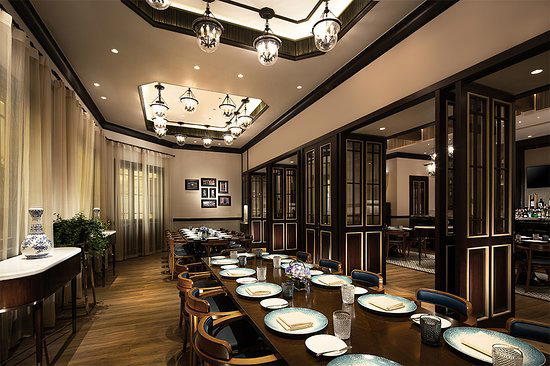
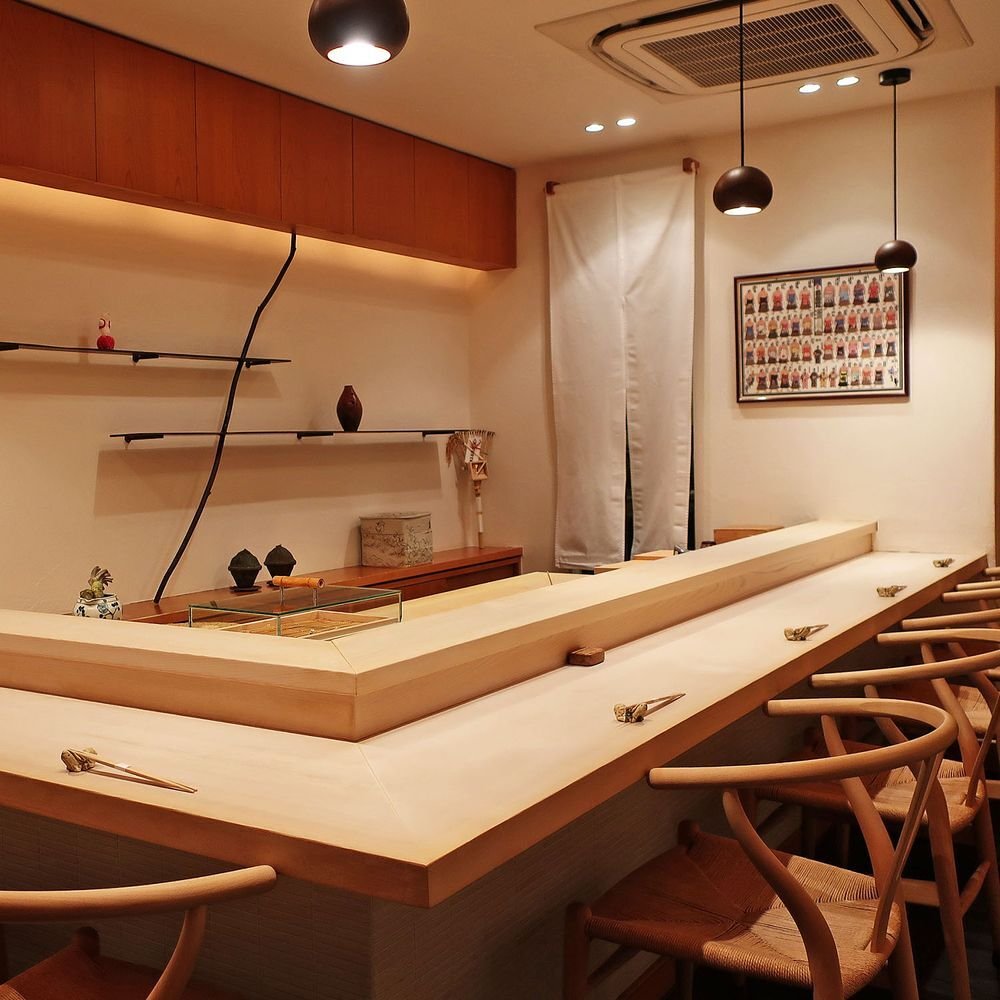
Warm, cave-like atmosphere with European materials, natural textures, and warm wood tones evoking a traditional Italian countryside osteria; intimate and relaxing with antique foreign decor.
Tags
Vibe
Best For
Experience
Sourcing
At the Table
- Dress Code
- Smart Casual
- Noise Level
- Quiet
- Service Style
- Upscale Casual
- Meal Pacing
- Leisurely
- Capacity
- Small
- Kitchen
- Traditional
- Menu Format
- Prix fixe, A la carte
- Wine Program
- Exceptional
- Drinks Focus
- Italian wine, Indigenous grape varieties
- Dietary
- Vegetarian friendly, Allergy accommodating
- Private Dining
- Available
Signature Dishes
- zuppa
- ribollita
- pappardelle_with_wild_boar_ragu
- handmade_pasta
- char_grilled_fish_and_meat
Know before you go
Know Before You Go
- Getting there
- Japan, 〒157-0072 Tokyo, Setagaya City, Soshigaya, 3 Chome−4−9 2F
Planning details
Location
Japan, 〒157-0072 Tokyo, Setagaya City, Soshigaya, 3 Chome−4−9 2F · Directions
Recognition and awards
Also consider
Also Consider
- Harutaka, Sushi, ¥¥¥¥
- L'Effervescence, French, ¥¥¥¥
- RyuGin, Kaiseki, Japanese, ¥¥¥¥
- HOMMAGE, Innovtive French, French, ¥¥¥¥
- Crony, Innovative, French, ¥¥¥¥
Restaurant context
Pitigliano sits at ¥¥, which immediately separates it from the Tokyo Italian and Western dining venues most frequently cited as serious alternatives. Aroma Fresca is the standard reference for high-end Italian in Tokyo, Michelin-starred, ¥¥¥¥, and structured for a very different kind of evening than Pitigliano's share-plate trattoria format. If budget is not a constraint and you want the most technically accomplished Italian in the city, Aroma Fresca is the booking. Pitigliano does not compete on that ground, nor does it price as though it does.
Against Tokyo's ¥¥¥¥ non-Italian tier, the comparison is mainly about deciding what kind of meal you are after. L'Effervescence, RyuGin, HOMMAGE, and Crony all operate at a higher price point with greater ceremony and booking difficulty. Harutaka requires planning months in advance and charges accordingly. None of these are direct alternatives to Pitigliano, they are different occasions entirely. If your priority is the most precise, technically demanding meal in Tokyo, that group is where to look. If your priority is a well-sourced, relaxed Italian dinner that does not require a ¥¥¥¥ budget or a months-long booking window, Pitigliano is the more practical answer.
Within the neighbourhood Italian category at comparable pricing, PRISMA and AlCeppo are the direct comparators to evaluate alongside Pitigliano. Pitigliano's differentiator is its specific focus on Italian soup culture and a share-plate communal format, which gives it a clearer point of view than a generic trattoria. For most diners choosing between good-value Italian options in Tokyo, Pitigliano's Michelin Plate make it the lower-risk booking in its tier.
Explore Tokyo
Around this place
Discover more on Pearl
Unlock the full ZUPPERIA OSTERIA PITIGLIANO guide in Pearl, including awards, comparisons, FAQs, planning details, and nearby places.
Compare ZUPPERIA OSTERIA PITIGLIANO
| Venue | Price | Booking Difficulty | Awards |
|---|---|---|---|
| ZUPPERIA OSTERIA PITIGLIANO | ¥¥ | Easy | 2026 Bib Gourmand2025 Michelin Plate2025 Michelin 3 Stars |
| Harutaka | ¥¥¥¥ | Unknown | 2026 Tabelog Silver · #312026 OAD Top Restaurants in Japan Ranked · #1282026 Michelin 3 Stars2026 La Liste Top RestaurantsTabelog 100 - Sushi - TOKYO - 2025 · #372025 Asia's 50 Best Restaurants · #762025 OAD Top Restaurants in Japan Ranked · #1172025 La Liste Top Restaurants2025 Tabelog Bronze |
| L'Effervescence | ¥¥¥¥ | Unknown | 2026 Tabelog Silver · #682026 OAD Top Restaurants in Japan Ranked · #103Star Wine Lists 20262026 Black Pearl 2 Diamond2026 Relais Chateaux Restaurants2026 La Liste Top Restaurants2026 Michelin 3 Stars2025 Asia's 50 Best Restaurants · #692025 OAD Top Restaurants in Japan Ranked · #92 |
| RyuGin | ¥¥¥¥ | Unknown | 2026 OAD Top Restaurants in Japan Ranked · #802026 Tabelog Bronze · #3772026 Michelin 3 Stars2026 La Liste Top RestaurantsTabelog 100 - Japanese cuisine - TOKYO - 2025 · #212025 OAD Top Restaurants in Japan Ranked · #542025 Michelin 3 Stars2025 La Liste Top Restaurants2025 The Best Chef Three Knives |
| HOMMAGE | ¥¥¥¥ | Unknown | 2026 Tabelog Bronze · #1232026 OAD Top Restaurants in Japan Highly Recommended2026 Michelin 2 StarsTabelog 100 - French - TOKYO - 2025 · #762025 Asia's 50 Best Restaurants · #782025 OAD Top Restaurants in Japan Ranked · #1752025 Michelin 2 Stars2025 The Best Chef One Knife2025 La Liste Top Restaurants |
| Crony | ¥¥¥¥ | Unknown | 2026 Asia's 50 Best Restaurants · #34Star Wine Lists 20262026 OAD Top Restaurants in Japan Recommended2026 Michelin 2 Stars2025 Asia's 50 Best Restaurants · #30Tabelog 100 - French - TOKYO - 2025 · #782025 OAD Top Restaurants in Japan Ranked · #227We're Smart World Top Restaurants 20252025 Michelin 2 Stars |
.png?width=1200&quality=80)
.png?width=1200&quality=80)













Key differences to consider before you reserve.
FAQ
Frequently Asked Questions
What are alternatives to ZUPPERIA OSTERIA PITIGLIANO in Tokyo?
For Italian in Tokyo at higher price points, Aroma Fresca (¥¥¥¥, Michelin-starred) is the serious benchmark for refined Italian technique in the city. Gucci Osteria da Massimo Bottura Tokyo offers a high-profile, occasion-driven version of Italian dining. Zupperia Osteria Pitigliano sits in a different lane entirely — ¥¥, neighbourhood-rooted, and focused on rustic soups and shared plates rather than fine-dining presentation.
How far ahead should I book ZUPPERIA OSTERIA PITIGLIANO?
A few days to a week ahead should work in most cases. The venue is a small neighbourhood room in Soshigaya, Setagaya, so weekend evenings can fill quickly. Mid-week visits are the safest option if you want flexibility. No online booking link is confirmed, so reaching out directly early in the week is the practical approach.
Is ZUPPERIA OSTERIA PITIGLIANO good for solo dining?
Possible, but not the format's strength. The menu is built around shared plates and communal eating, mirroring the Italian custom the chef encountered during his apprenticeship in Italy. Solo diners can still order from the à la carte selection, but the experience is designed for two or more. If solo Italian dining in Tokyo is the goal, a counter-seating venue would suit better.
What should I wear to ZUPPERIA OSTERIA PITIGLIANO?
No dress code is confirmed, but at ¥¥ in a Setagaya neighbourhood setting, the atmosphere is almost certainly relaxed. The kind of effort you would make for a casual dinner with friends is appropriate — nothing formal is required or expected at this price point and location.
Is ZUPPERIA OSTERIA PITIGLIANO good for a special occasion?
Yes, for the right kind of occasion. If warmth, shared plates, and a genuine neighbourhood Italian feel suit the event — a birthday dinner or anniversary for two who prefer atmosphere over ceremony — this works well at ¥¥. For a formal celebration where service theatre and a prestige address matter, Aroma Fresca or Gucci Osteria da Massimo Bottura Tokyo would be better fits.
Is the tasting menu worth it at ZUPPERIA OSTERIA PITIGLIANO?
No tasting menu details are confirmed. The format appears to be à la carte with a share-plate approach, rooted in the Italian countryside custom the chef absorbed during his apprenticeship in Pitigliano. If a fixed tasting format is what you want, this venue is probably not the right choice.
Is ZUPPERIA OSTERIA PITIGLIANO worth the price?
Yes. At ¥¥, this is one of the more honest value propositions in Tokyo's Italian dining scene. The kitchen holds a 2025 Michelin Plate, which confirms technical competence, and the menu's focus on soups, handmade pasta, and char-grilled proteins reflects genuine countryside Italian cooking rather than a Tokyo approximation of it. You are paying for sourcing and craft, not a prestige address.