

Yama
Creative · Minato, Tokyo
Restaurant in Tokyo, Japan
 Book with Pearl
The Read
Seasonal Fruit Precision
Price
¥¥¥¥
Chef
Koichi Katsumata
Why go
Yama is a Michelin-starred (2024), fruit-forward creative counter in Tokyo's Shirokane neighbourhood, ranked #156 on OAD Japan 2025. Chef Koichi Katsumata's seasonal menu rotates through citrus, peaches, figs, and chestnuts — the entire format is dessert-led, not a conventional dinner. Book 2 to 3 months out and time your visit to the season that interests you most.
About Yama
A Michelin-starred dessert counter in Shirokane that earns its ¥¥¥¥ price tag — if you book in time
Yama holds a Michelin star (2024) and sits at #156 on Opinionated About Dining's Leading Restaurants in Japan ranking for 2025. Those two facts alone tell you this is not a casual stop. Chef Koichi Katsumata runs a creative, fruit-forward tasting format in Minato City's Shirokane neighbourhood, and the experience is tightly structured around what is available from farms across Japan at any given moment. If you are the kind of diner who wants to understand exactly what they are eating before they arrive, this format will challenge that instinct — and that is part of the point.
What Yama Actually Is
Yama is a dessert-focused creative counter. The name comes from Katsumata's birthplace in Yamanashi Prefecture, in the shadow of Mt. Fuji, yama means mountain, and the philosophy mirrors that geography: varied, textured, shaped by the season. The kitchen works with citrus fruits, mangoes, peaches, figs, and chestnuts, rotating emphasis as the calendar turns. Vegetables appear throughout the courses too, used to modulate sweetness and introduce contrast in fragrance, texture, and temperature.
This is not a restaurant in the conventional sense. If you are expecting savoury mains followed by a dessert course, recalibrate. Yama is built around the dessert course as the entire meal, which makes it singular in Tokyo's dining scene. The closest international comparisons would be venues like Arpège in Paris, where produce sourcing becomes the conceptual spine of the menu, or Quique Dacosta in Dénia, where a single creative vision shapes every course. Yama's version of this is narrower and more focused: seasonal Japanese fruit, treated with technical precision, across multiple variations per sitting.
When to Go, Seasonal Rotation Is the Whole Argument
The strongest case for visiting Yama at a specific time rather than any time is the produce calendar. Spring and early summer bring citrus and early stone fruits. Peaches dominate mid-summer, when Japanese momo varieties reach a quality that is difficult to encounter outside Japan. Autumn shifts to figs and chestnuts, with a depth and earthiness that contrasts sharply with the brighter summer courses. Winter citrus, yuzu, sudachi, and their relatives, closes the year with a different kind of intensity.
The practical implication: if you have a preference, time your visit accordingly. Travelling in October or November and you want the richest, most complex set of flavours? Book for that window. Arriving in July or August and willing to let the kitchen show you what peak-season peach variations can do? That is an equally strong argument for summer. What you should not do is book without considering where the season sits, the menu will be whatever the farms are producing, and the experience shifts substantially across the year. For context on how other Tokyo restaurants handle seasonal menus, RyuGin and Gion Sasaki in Kyoto both operate on similar seasonal rotation logic, though across a full savoury kaiseki format.
Booking Yama
Expect this to be difficult. A Michelin star and a top-200 OAD ranking at a small counter in a residential Tokyo neighbourhood means seats are scarce and competition for them is real. Book as far ahead as the reservation system allows, in practice, this often means 2 to 3 months minimum, and popular seasonal windows (peak peach season, autumn chestnut period) may require more lead time. If you are building a Tokyo itinerary around Yama specifically, lock this reservation first, then arrange everything else around it.
There is no website or phone number in our current data for Yama. The most reliable path is through a hotel concierge if you are staying somewhere with serious culinary connections, or via a specialist Japan dining reservation service. International diners should not assume this will be direct, language barriers and limited availability make early planning essential. For broader Tokyo dining context and planning help, see our full Tokyo restaurants guide.
Practical Details
Yama is located at 6 Chome-16-41, Shirokane, Minato City, Tokyo. The address puts it in a quiet, residential part of Shirokane, which is a well-connected neighbourhood but not directly on a major tourist circuit. Price range: ¥¥¥¥. Seat count and hours are not available in our current data, confirm both when booking.
For Tokyo hotel recommendations to pair with a Yama visit, see our full Tokyo hotels guide. For bars in the area before or after, see our full Tokyo bars guide. Other Japan restaurants worth considering alongside Yama in an extended trip: HAJIME in Osaka, akordu in Nara, and Goh in Fukuoka. Err on the side of neat and understated. Avoid athletic wear or beach attire.
Planning details
- Location
- Japan, 〒108-0072 Tokyo, Minato City, Shirokane, 6 Chome−16−41 1F
- Website
- yama-dessert.com
- Phone
- +81 3-6456-2971
The take
The Take
The Vibe
Yama presents an intimate, highly disciplined dining experience that elevates dessert into a culinary pursuit. The single specialist counter foregrounds a tasting progression built entirely around fruit sourced from farms throughout Japan; each course is treated with analytical rigour and layered for fragrance, temperature and texture. The work sits at the intersection of Japanese seasonality and European patisserie technique, producing a modern, sophisticated and elegant atmosphere. The service feels focused and precise rather than casual — the kind of place where the chef’s provenance, timing and technical control are the central players of the evening.
Best For
This is a destination for adventurous dessert lovers and diners seeking a distinctive, chef-led tasting rather than a conventional savoury meal. Because the format is a single counter tasting helmed by a Michelin-starred chef, it suits couples on a special night out, culinary enthusiasts who appreciate seasonal nuance, and anyone curious about fruit-led compositional technique. The progression of citrus, stone fruit and autumnal fruit means repeat visits across seasons reveal very different menus, so it’s especially rewarding for guests who enjoy tasting menus that change with the calendar.
Ordering Tips
Yama is built around a counter-centred tasting progression, so approach it as a focused, multi-course experience. Expect a menu that rotates with the seasons (citrus in colder months, mangoes and peaches in summer, figs and chestnuts in autumn) and be prepared to follow the chef’s compositional narrative. Because seating concentrates around the counter, plan ahead for a limited-capacity service and book early when possible. When you arrive, engage with the staff about the fruit sources and the role of vegetables as savoury counterpoints to the sweets — the kitchen treats those elements as intentional components of each course.
Venue details
Ambiance
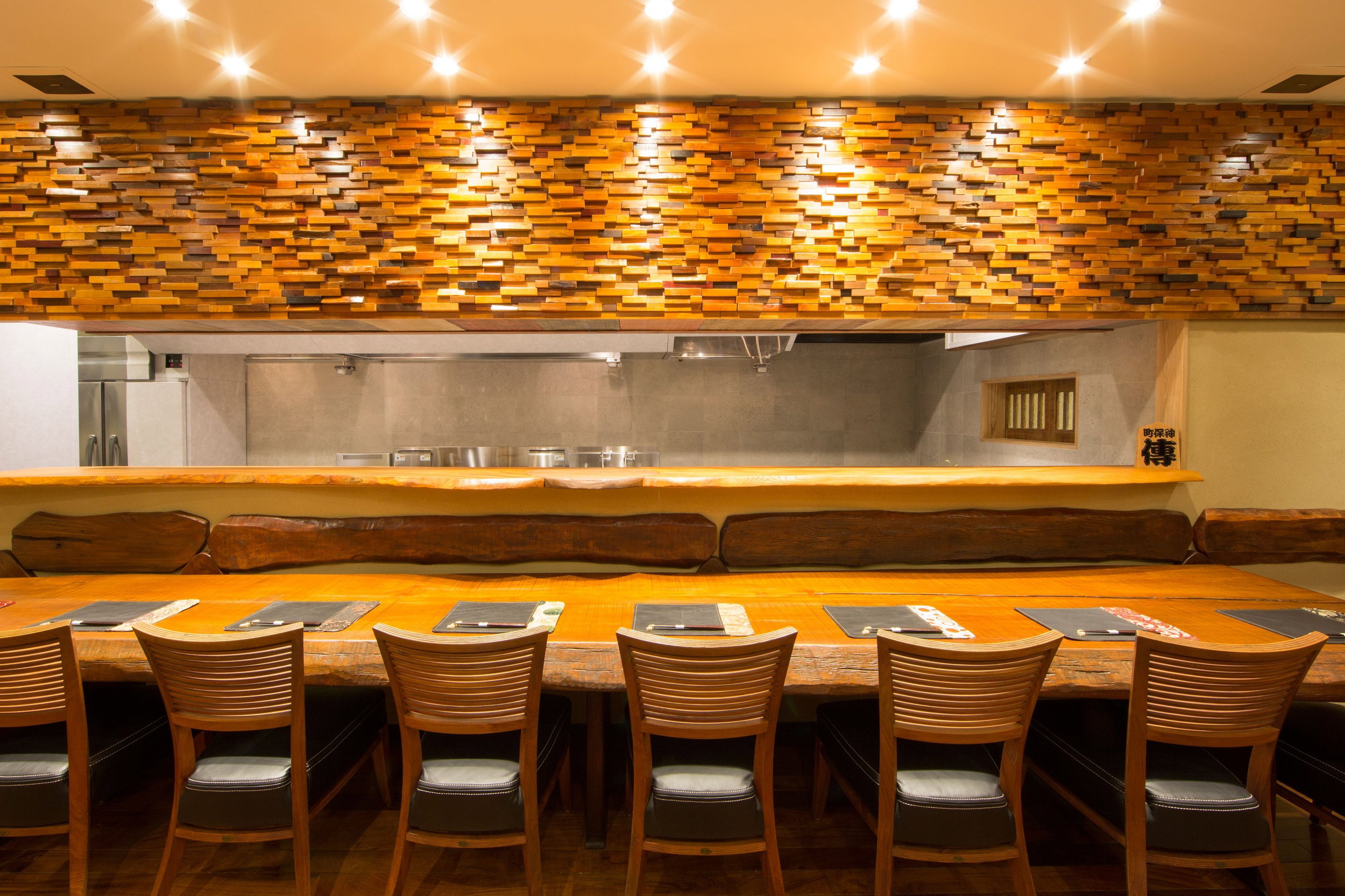
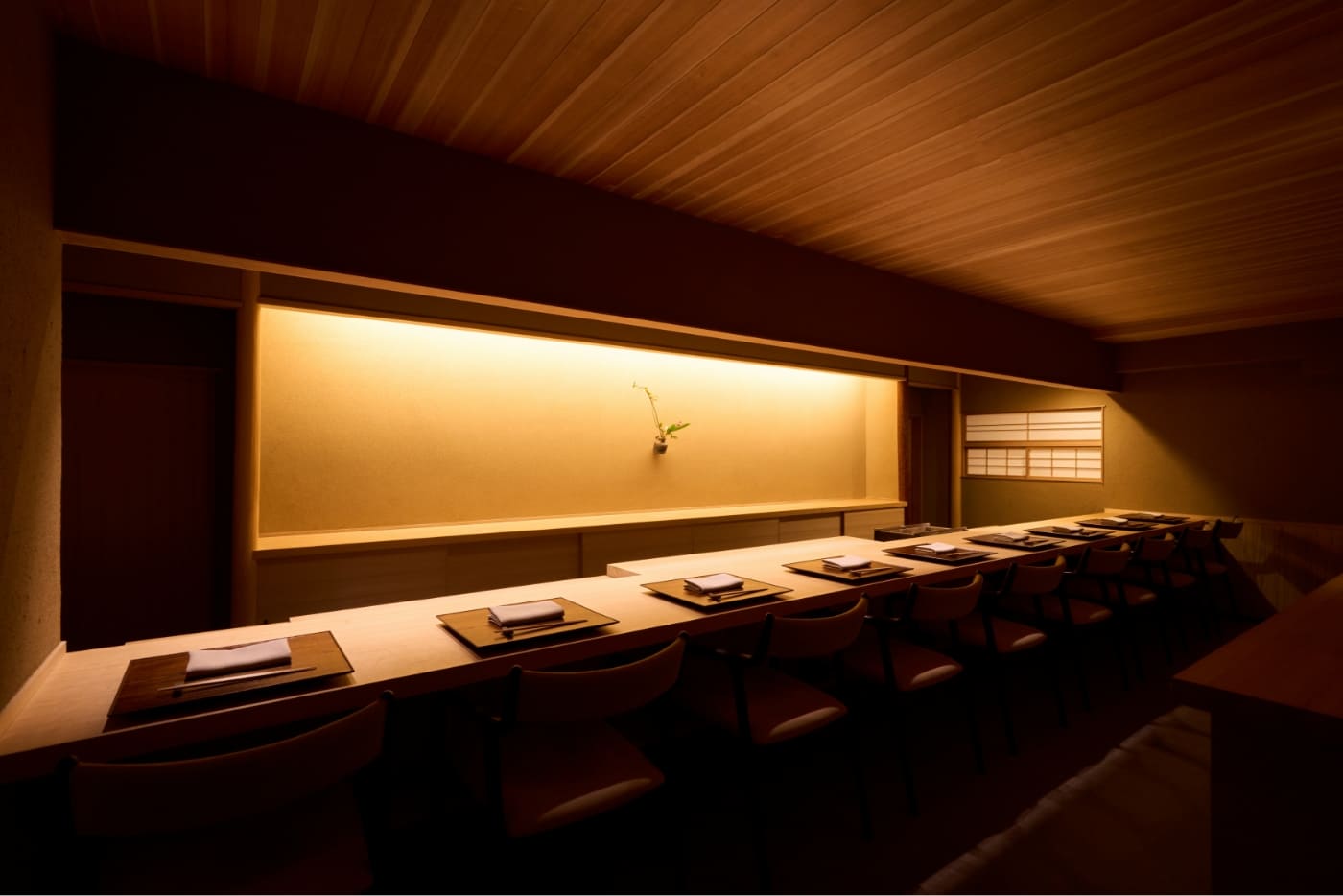
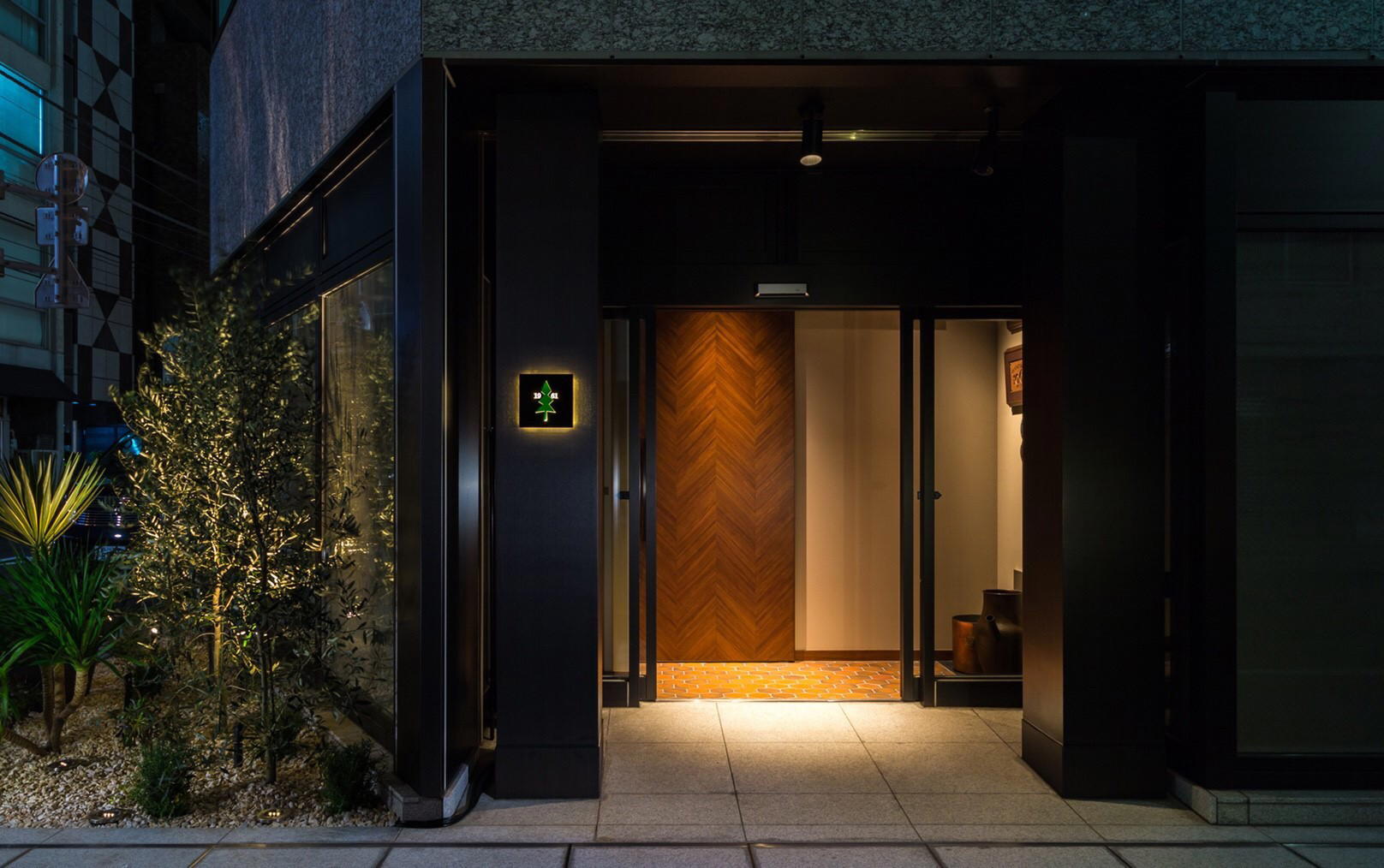
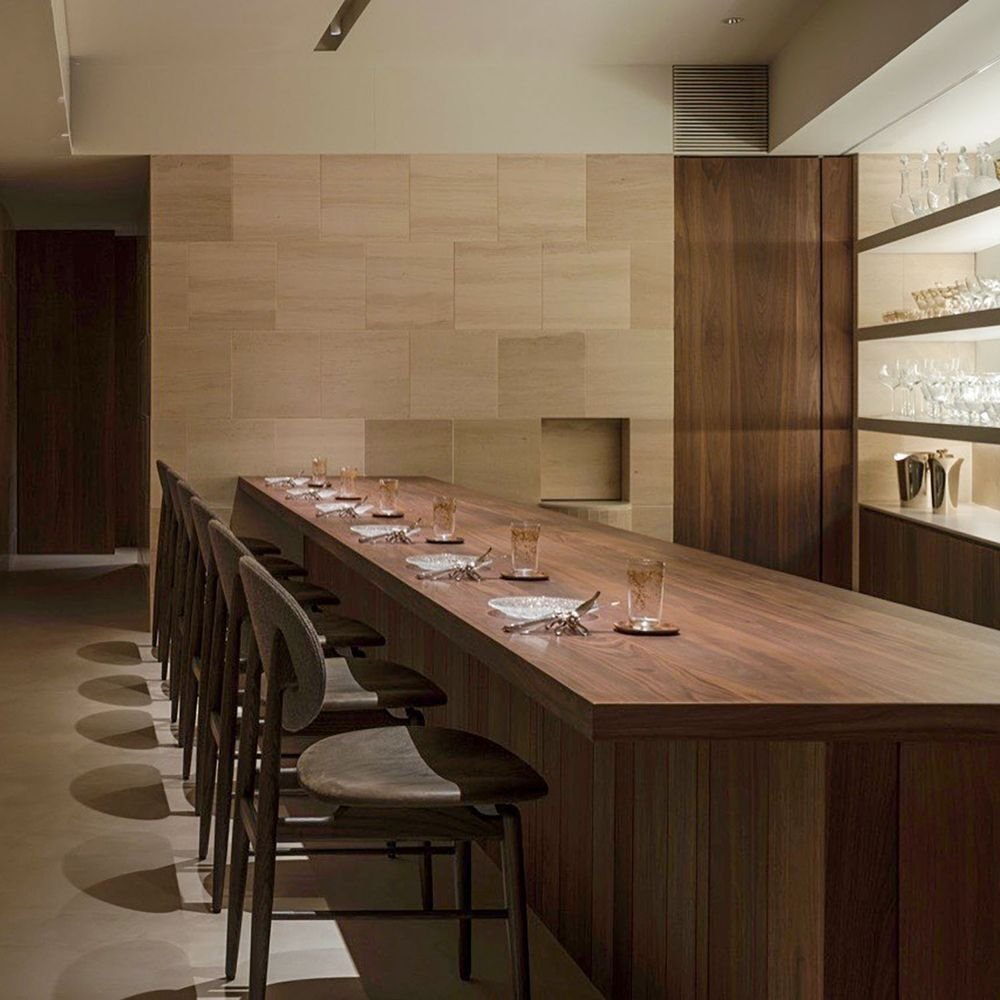
An intimate six-seat setting with a refined, quiet atmosphere; press describes its original space as rustic and raw-concrete, while the experience is tightly paced and reservation-only.
Tags
Vibe
Best For
Experience
Sourcing
At the Table
- Noise Level
- Quiet
- Service Style
- Formal
- Meal Pacing
- Extended Experience
- Capacity
- Intimate
Signature Dishes
- Rectangle seasonal fruit takeaway
- Mango-focused Rectangle
- Peach and seasonal fruit Rectangle
Know before you go
Know Before You Go
- Getting there
- Japan, 〒108-0072 Tokyo, Minato City, Shirokane, 6 Chome−16−41 1F
Planning details
Location
Japan, 〒108-0072 Tokyo, Minato City, Shirokane, 6 Chome−16−41 1F · Directions
Recognition and awards

Also consider
Also Consider
- Harutaka, Sushi, ¥¥¥¥
- RyuGin, Kaiseki, Japanese, ¥¥¥¥
- L'Effervescence, French, ¥¥¥¥
- HOMMAGE, Innovtive French, French, ¥¥¥¥
- Florilège, French, ¥¥¥
Restaurant context
Yama occupies a category of its own in Tokyo's ¥¥¥¥ tier. Where Harutaka delivers a masterclass in nigiri and RyuGin covers the full spectrum of kaiseki across savoury and sweet, Yama commits entirely to the latter half of the meal, seasonal fruit as the main event, not the conclusion. If you want a complete dinner, Yama is the wrong call. If you want something with no real equivalent elsewhere in the city, it earns its ¥¥¥¥ price point.
Against the French creative end of Tokyo's top tier, L'Effervescence and HOMMAGE both offer broader, savoury-led tasting menus with strong produce sourcing philosophies at the same price level. Either is a better choice if you want a full dinner with wine pairings across multiple savoury courses. Florilège at ¥¥¥ represents better value if budget is a factor and you want a creative, vegetable-forward French format without the commitment of ¥¥¥¥ pricing.
The honest recommendation: book Yama when the format is specifically what you want, not as a substitute for a more conventional tasting menu. For a food-focused traveller who already has a savoury dinner planned elsewhere on their Tokyo itinerary, Yama works well as the headline creative experience of a dedicated evening. For diners who want one great dinner that covers everything, RyuGin or L'Effervescence are the stronger complete packages.
Explore Tokyo
Around this place
Discover more on Pearl
Unlock the full Yama guide in Pearl, including awards, comparisons, FAQs, planning details, and nearby places.
Compare Yama
| Venue | Cuisine | Price | Booking Difficulty | Awards |
|---|---|---|---|---|
| Yama | Creative | ¥¥¥¥ | Hard | 2026 OAD Top Restaurants in Japan Ranked · #1062026 Michelin 1 Star2025 OAD Top Restaurants in Japan Ranked · #1562024 Michelin 1 Star |
| Harutaka | Sushi | ¥¥¥¥ | Unknown | 2026 Tabelog Silver · #312026 OAD Top Restaurants in Japan Ranked · #1282026 Michelin 3 Stars2026 La Liste Top RestaurantsTabelog 100 - Sushi - TOKYO - 2025 · #372025 Asia's 50 Best Restaurants · #762025 OAD Top Restaurants in Japan Ranked · #1172025 La Liste Top Restaurants2025 Tabelog Bronze |
| RyuGin | Kaiseki, Japanese | ¥¥¥¥ | Unknown | 2026 OAD Top Restaurants in Japan Ranked · #802026 Tabelog Bronze · #3772026 Michelin 3 Stars2026 La Liste Top RestaurantsTabelog 100 - Japanese cuisine - TOKYO - 2025 · #212025 OAD Top Restaurants in Japan Ranked · #542025 Michelin 3 Stars2025 La Liste Top Restaurants2025 The Best Chef Three Knives |
| L'Effervescence | French | ¥¥¥¥ | Unknown | 2026 Tabelog Silver · #682026 OAD Top Restaurants in Japan Ranked · #103Star Wine Lists 20262026 Black Pearl 2 Diamond2026 Relais Chateaux Restaurants2026 La Liste Top Restaurants2026 Michelin 3 Stars2025 Asia's 50 Best Restaurants · #692025 OAD Top Restaurants in Japan Ranked · #92 |
| HOMMAGE | Innovtive French, French | ¥¥¥¥ | Unknown | 2026 Tabelog Bronze · #1232026 OAD Top Restaurants in Japan Highly Recommended2026 Michelin 2 StarsTabelog 100 - French - TOKYO - 2025 · #762025 Asia's 50 Best Restaurants · #782025 OAD Top Restaurants in Japan Ranked · #1752025 Michelin 2 Stars2025 The Best Chef One Knife2025 La Liste Top Restaurants |
| Florilège | French | ¥¥¥ | Unknown | 2026 Asia's 50 Best Restaurants · #312026 Tabelog Bronze · #712026 OAD Top Restaurants in Japan Ranked · #1242026 Black Pearl 1 Diamond2026 Michelin 2 Stars2026 La Liste Top Restaurants2025 Asia's 50 Best Restaurants · #172025 World's 50 Best Restaurants · #36Tabelog 100 - French - TOKYO - 2025 · #68 |












Side-by-side comparison to help you decide where to book.
FAQ
Frequently Asked Questions
What should I wear to Yama?
There is no dress code confirmed in available records, but Yama holds a Michelin star and sits at #156 on OAD Japan 2025, so treat it like any serious Tokyo fine dining counter: dress neatly and avoid overly casual clothing. The Shirokane neighbourhood skews understated rather than flashy, so quiet, well-put-together works better than formal wear.
Is the tasting menu worth it at Yama?
Yes, if a dessert-only creative counter is a format you can commit to. Yama's Michelin star and OAD #156 ranking confirm it is operating at a level where the ¥¥¥¥ price tag is backed by genuine craft. Chef Katsumata's sourcing from farms across Japan and the seasonal rotation of fruits, textures, and temperatures give the menu structural depth that standard dessert courses rarely match. If you want savoury courses, this is not your venue.
How far ahead should I book Yama?
Book as far ahead as you can — a Michelin-starred counter in a residential Tokyo neighbourhood with a top-200 OAD ranking means availability is tight. Plan for at least four to six weeks minimum, and more if you are targeting a specific seasonal window such as peach or fig season. Walk-in chances are low.
What should a first-timer know about Yama?
Yama is a dessert-only counter, not a full-meal restaurant — arrive having eaten, or be prepared for a course experience built entirely around fruit, vegetables, and seasonal produce. The name references Mt. Fuji and chef Katsumata's Yamanashi origins, which frames the philosophy: seasonal Japanese produce, taken seriously, over multiple courses. Timing your visit around a fruit you specifically want is a legitimate strategy.
Is Yama worth the price?
At ¥¥¥¥, Yama is priced at the top end of Tokyo dining, but the Michelin star and OAD #156 ranking provide external validation that the kitchen is performing at that level. The value case rests on how much you want a dessert-focused counter specifically — if that is the format you are after, the produce sourcing and seasonal depth make it defensible. If you want a full savoury tasting menu, the price-to-format fit weakens.
Can I eat at the bar at Yama?
Yama operates as a counter-format venue, which in Tokyo typically means all seats face the kitchen or preparation area. No confirmed bar versus table distinction is available in current records, but a small counter in Shirokane is unlikely to have a separate casual bar option. Assume a structured, seated course experience regardless of where you sit.
Does Yama handle dietary restrictions?
No confirmed policy is available, but given that the entire menu is built around seasonal fruit, vegetables, and produce sourcing, those avoiding meat or fish are structurally well-placed. Severe allergies or restrictions should be communicated at booking — standard practice at any Michelin-starred counter in Japan.