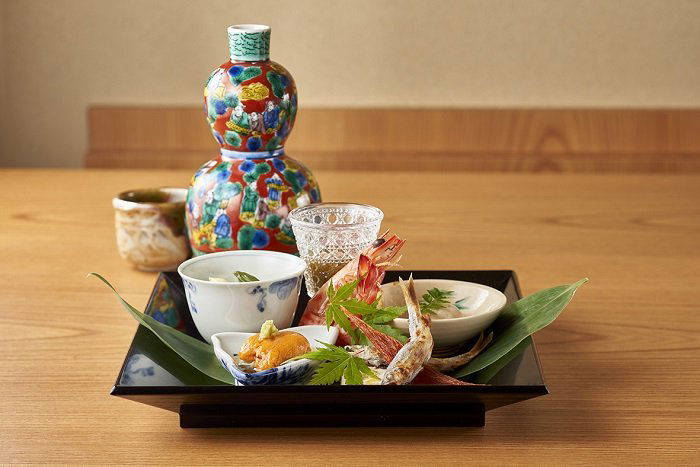


Tentempura Uchitsu
Tempura · Shibuya, Tokyo
Restaurant in Tokyo, Japan
 Book with Pearl
The Read
Owner-Counter Tempura Precision
Price
$150–200per person
Chef
Takashi Uchitsu
Dress
Smart Casual
Why go
Tentempura Uchitsu is a Michelin-starred tempura counter in Hiroo with three consecutive Opinionated About Dining rankings and. Evening-only, Monday to Saturday, at ¥¥¥¥ pricing — there's no lunch option, so every visit is a full commitment. Book two to three months out minimum; this counter fills fast and walk-ins are not a realistic option.
About Tentempura Uchitsu
A Michelin-starred tempura counter in Hiroo that earns its ¥¥¥¥ price tag — but only if you book months ahead
Opinionated About Dining has ranked it among Japan's leading restaurants three years running — #123 in 2023, #199 in 2024, and #192 in 2025, a trajectory that tells you this is a kitchen with staying power rather than a flash of early hype. If you've already visited once, the question isn't whether Uchitsu is worth it. It is. The question is how to get the most from your return.
The Experience
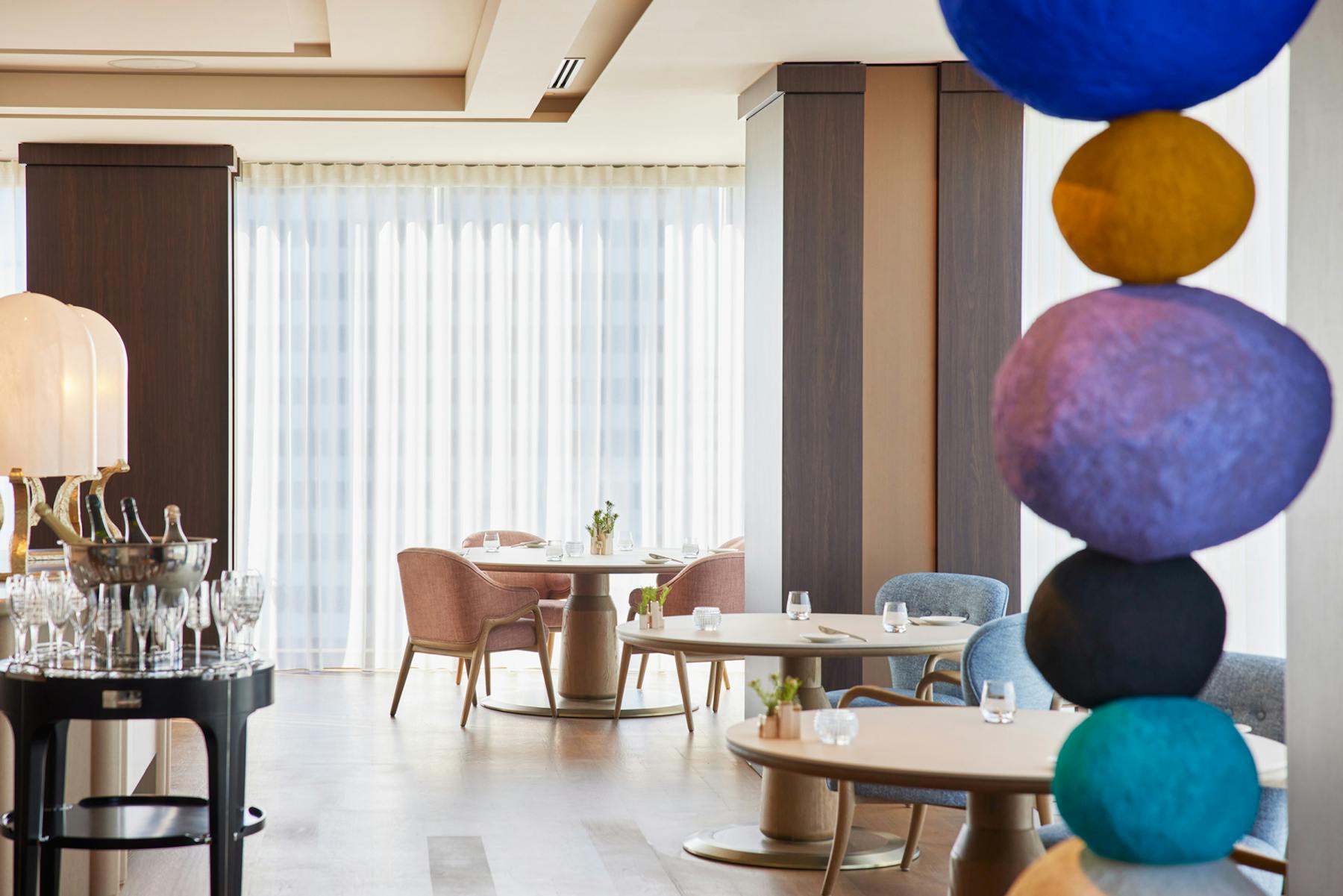
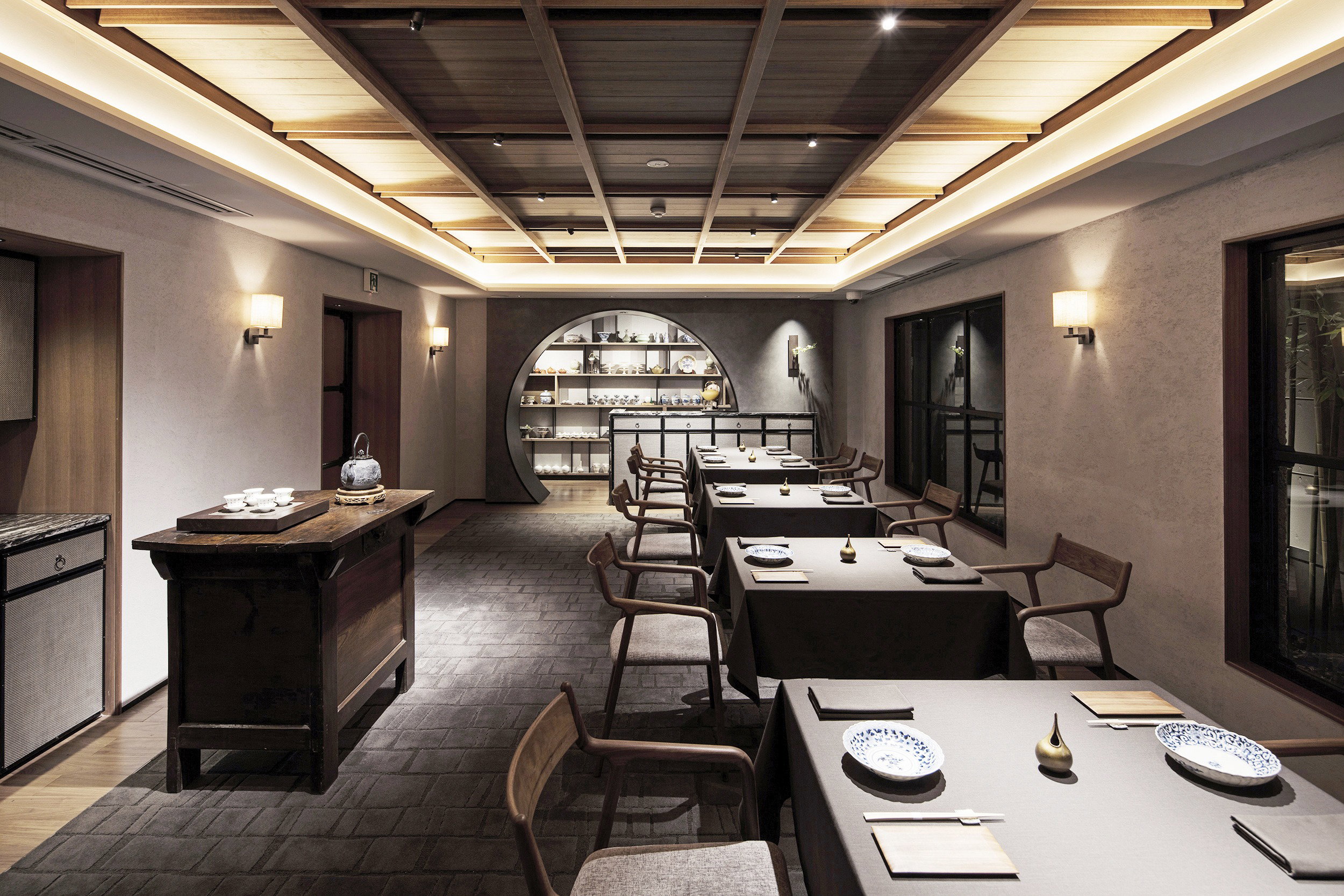
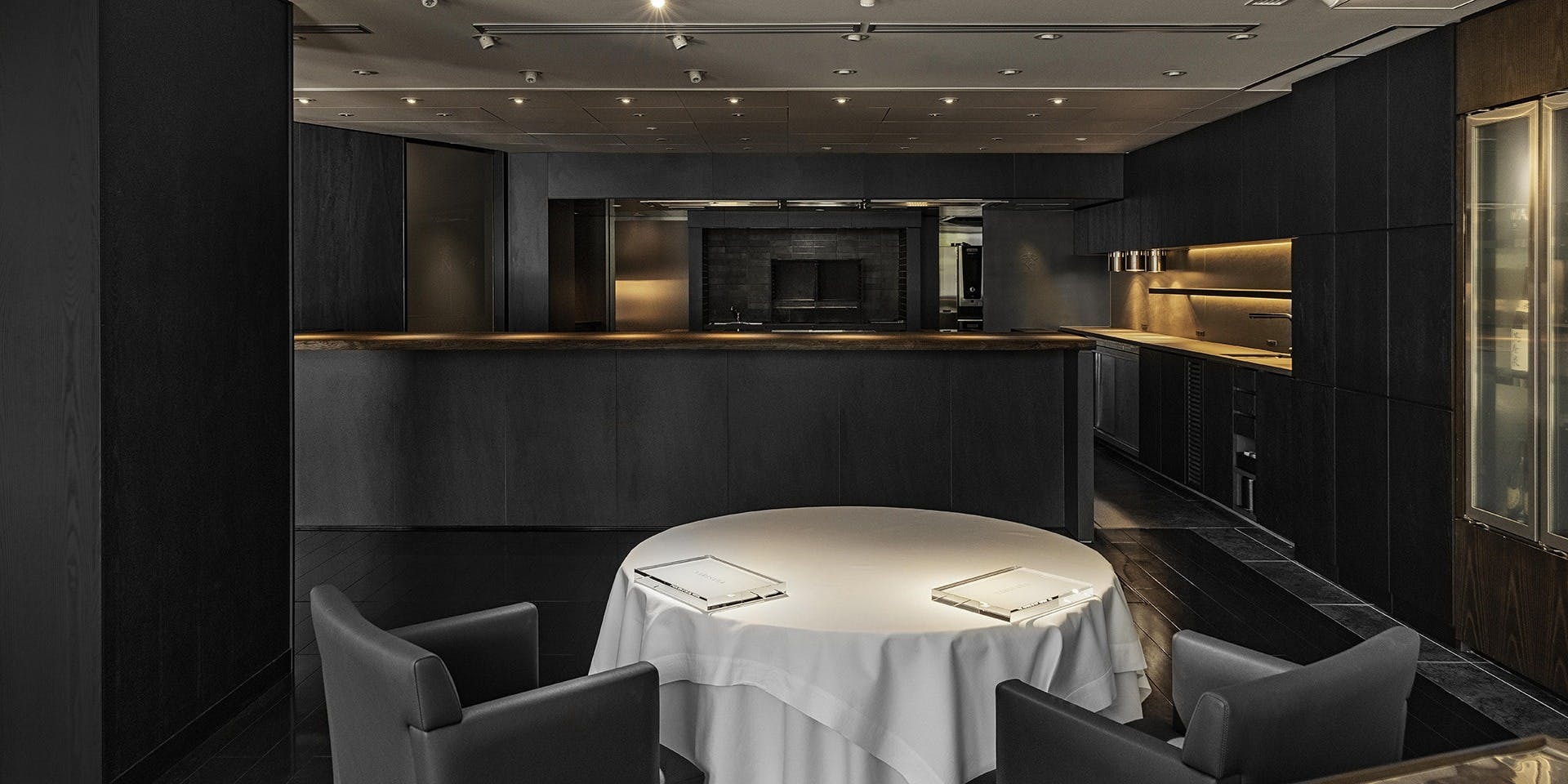
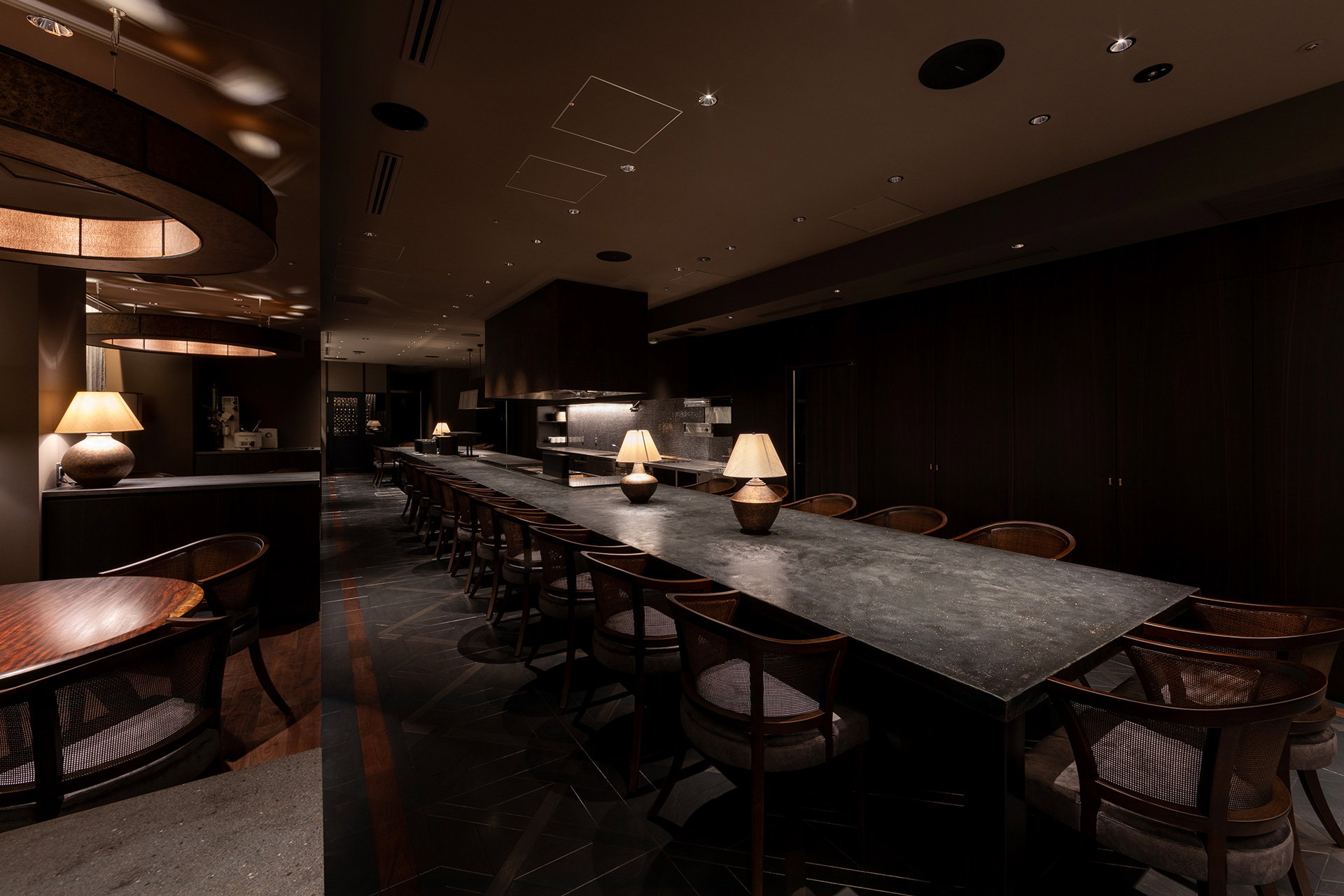
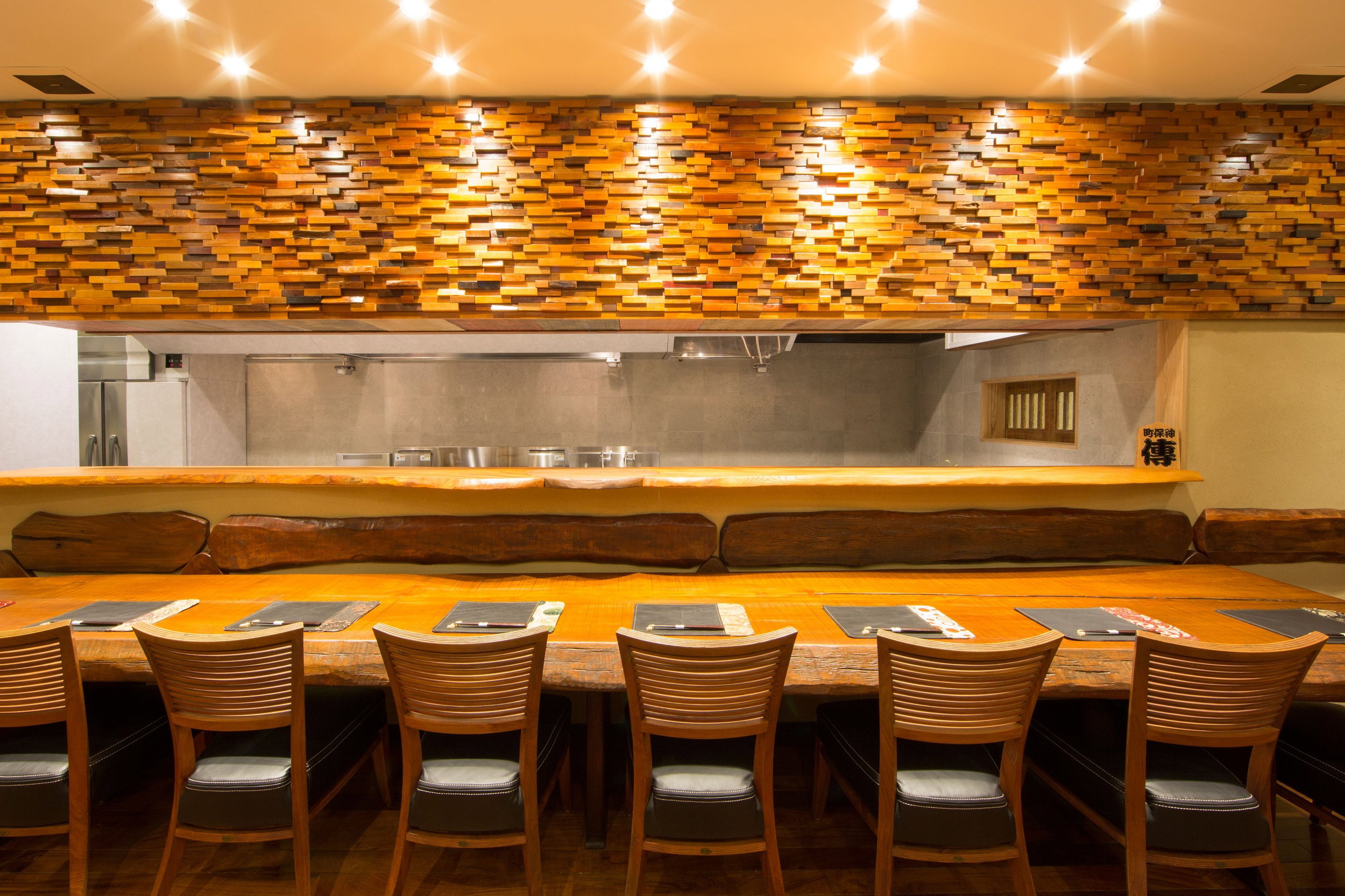
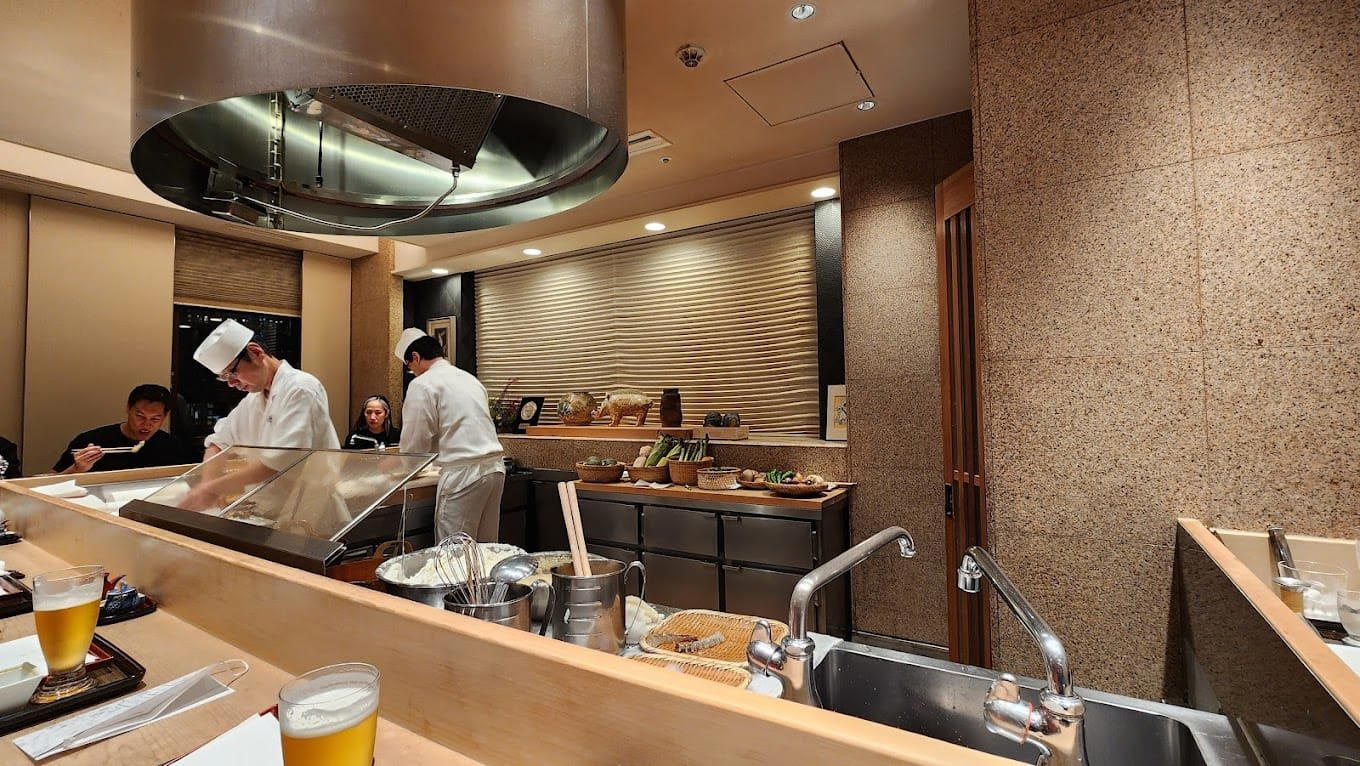
Tentempura Uchitsu operates out of a first-floor space at 5 Chome-25-4 Hiroo, in the quieter, residential-leaning stretch of Shibuya that sits a world away from the neighborhood's commercial noise. The atmosphere here runs counter to what you might expect from a Michelin-starred room: the energy is controlled and focused rather than ceremonial. Counter tempura dining in Tokyo tends toward a particular mood, the sound of oil, the deliberate pace of a chef working in front of you, the absence of background music filling space, and Uchitsu fits that template. This is a room where the cooking is the ambient sound. If you found the atmosphere composed on your first visit, a return confirms it: the calm is structural, not accidental.
Chef Takashi Uchitsu runs an evening-only operation, open Monday through Saturday from 6 to 11 pm, with Sundays closed. There is no lunch service. That distinction matters more than it might seem. At ¥¥¥¥ pricing, tempura counters that offer both lunch and dinner seatings often use the midday slot to offer a condensed or value-tier menu, a reasonable entry point for first-timers. Uchitsu doesn't give you that option. Every visit is a dinner visit, which means every visit carries the full price commitment. This is worth knowing before you book, particularly if you're comparing it against venues like Tempura Kondo or Tempura Motoyoshi, where lunch seatings exist and offer a lower-cost way to assess the kitchen.
Lunch vs. Dinner: What the Evening-Only Format Means for Value
The absence of a lunch option at Uchitsu is the single most important practical fact for repeat visitors weighing return value. At comparable tempura counters across Tokyo, lunch tends to run 30–40% cheaper than dinner for a similar course structure, a meaningful gap at ¥¥¥¥ tier pricing. Fukamachi and Tempura Ginya both offer daytime access points if price efficiency matters to your planning. At Uchitsu, you're paying full dinner rates every time, and the question for a returning guest is whether the consistency and credential of the evening experience justifies that on a second or third visit. Given the OAD ranking consistency and the Michelin recognition, the answer is yes for most people in the ¥¥¥¥ bracket. But if you're building a tempura tour of Tokyo across multiple meals, the value math shifts in favor of pairing Uchitsu with a lunch counter elsewhere rather than returning here twice.
For seasonal context, Tokyo's tempura counters tend to emphasize spring and autumn produce, the months when Japanese ingredient quality peaks most visibly. If you're planning a return visit, timing it for March through May or September through November will likely give you the most interesting course composition, even without knowing the specific menu in advance. The evening format also suits the cooler months better atmospherically: a long counter dinner in Hiroo in autumn carries a different weight than the same meal in summer heat.
Booking
Getting a seat here is genuinely difficult. Between Michelin recognition, consistent OAD rankings, and a small counter format, demand runs well ahead of availability. Plan for a minimum of two to three months lead time, and expect that popular dates, Friday and Saturday evenings especially, fill faster. There is no website listed in current venue data, and no phone number is publicly available through this record, which means your most reliable booking route is through a hotel concierge if you're staying at a Tokyo property with strong restaurant relationships, or through a specialist reservation service. Walk-in access is not a realistic option. If you're visiting Tokyo and tempura is a priority, Uchitsu should be your first booking, not your last.
Practical Details
The restaurant is located at 5 Chome-25-4 Hiroo, Shibuya, Tokyo, the Hiroo neighborhood is well-connected by subway and practical to reach from most central Tokyo hotels. Service runs Monday through Saturday, 6 to 11 pm only. Sundays are closed, so don't plan around a weekend dinner if you're arriving on a Saturday and leaving Sunday. Pricing sits at ¥¥¥¥, placing it at the upper tier of Tokyo's restaurant market. For broader planning, our full Tokyo restaurants guide covers the city's leading tables across all price points, and our Tokyo hotels guide can help you identify properties with concierge access to high-demand reservations like this one. If you're extending your Japan trip, HAJIME in Osaka, Gion Sasaki in Kyoto, and akordu in Nara are worth considering as part of a wider itinerary. For tempura specifically beyond Tokyo, Numata in Osaka and Mudan Tempura in Taipei are the most credentialed regional comparisons. You can also explore our guides to Tokyo bars, Tokyo wineries, and Tokyo experiences for a fuller picture of what the city offers around a dinner like this.
Other Tokyo Tempura Counters Worth Knowing
If Uchitsu is unavailable or you're building a broader tempura itinerary, Tempura Kondo and Tempura Motoyoshi are the most direct comparisons at the same price tier. Edomae Shinsaku offers a different format worth considering if you want variety across your Tokyo dining. For a wider read on what's available, Goh in Fukuoka, 1000 in Yokohama, and 6 in Okinawa round out a picture of Japan's broader high-end dining options if your trip extends beyond the capital.
Planning details
- Hours
- Monday: 6–11 pm · Tuesday: 6–11 pm
- Location
- Japan, 〒150-0012 Tokyo, Shibuya, Hiroo, 5 Chome−25−4 宝ビル 1階
- Website
- tempura-uchitsu.com
- Phone
- +81 3-6408-9591
The take
The Take
The Vibe
Tentempura Uchitsu operates with the quiet precision of a traditional Tokyo tempura counter. The room is compact and deliberately arranged around a few feet of hinoki or lacquered wood, so the fryer and the cook are always in view. The experience feels restrained rather than theatrical: everything from batter temperature to oil recovery is controlled with an exacting, almost architectural logic. Located in Hiroo’s understated streets, the restaurant leans on neighborhood calm instead of district flash, producing a small, focused environment where craft and reserve define the mood.
Best For
This is a destination for people who prize chef-led, counter-style dining—especially those seeking a refined evening meal. The format suits solo diners and pairs or very small parties who want to watch technique up close; ground-floor seating typically runs between eight and twelve seats, keeping the service intimate and timed piece by piece. It’s also well suited to food-focused special evenings where the emphasis is culinary precision rather than boisterous socializing. Because the counter is central, expect a tightly paced sequence of dishes that reward attentive, engaged guests.
Ordering Tips
Sit at the counter and watch the flow: pieces move from fryer to plate in seconds, and the cook times and serves each item with fine-grained control. Let the chef dictate pacing rather than trying to stretch the sequence—this is a relay built around timing. Highlight signature items such as uni tempura in a shiso leaf, the mushroom soup with tempura fish, and abalone tempura when ordering; those dishes are explicitly noted as standouts and showcase the restaurant’s technical focus.
Venue details
Ambiance
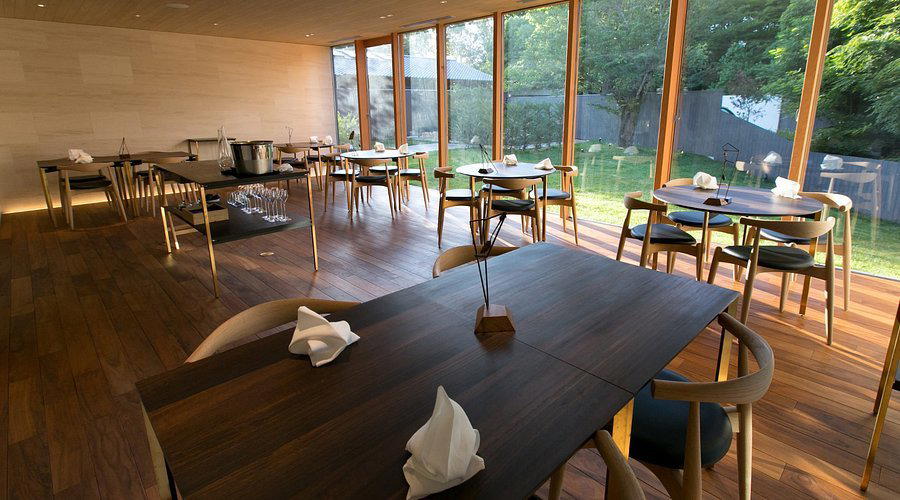
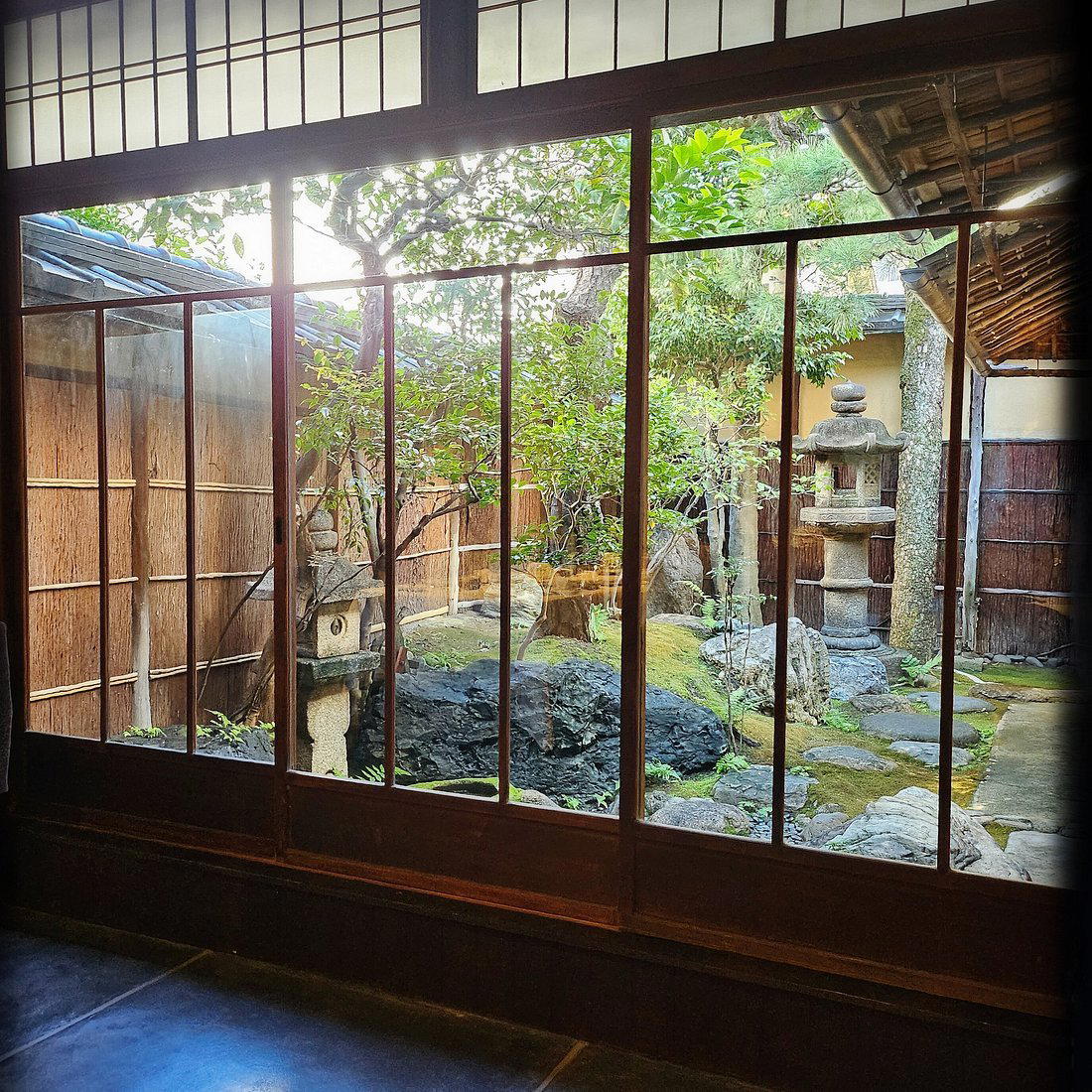
Warm and elegant counter seating facing a large bay window with illuminated trees and Japanese maples, creating a serene, countryside-like escape in urban Tokyo.
Tags
Vibe
Best For
Experience
View
At the Table
- Dress Code
- Smart Casual
- Noise Level
- Quiet
- Service Style
- Formal
- Meal Pacing
- Leisurely
- Capacity
- Intimate
- Kitchen
- Seasonal
- Menu Format
- Omakase, Counter dining
- Drinks Focus
- Sake
Signature Dishes
- uni tempura in shiso leaf
- mushroom soup with tempura fish
- abalone tempura
Know before you go
Know Before You Go
- Getting there
- Japan, 〒150-0012 Tokyo, Shibuya, Hiroo, 5 Chome−25−4 宝ビル 1階
Planning details
Hours
- Monday
- 6–11 pm
- Tuesday
- 6–11 pm
- Wednesday
- 6–11 pm
- Thursday
- 6–11 pm
- Friday
- 6–11 pm
- Saturday
- 6–11 pm
- Sunday
- Closed
Location
Japan, 〒150-0012 Tokyo, Shibuya, Hiroo, 5 Chome−25−4 宝ビル 1階 · Directions

Also consider
Also Consider
- Harutaka, Sushi, ¥¥¥¥
- L'Effervescence, French, ¥¥¥¥
- RyuGin, Kaiseki, Japanese, ¥¥¥¥
- HOMMAGE, Innovtive French, French, ¥¥¥¥
- Crony, Innovative, French, ¥¥¥¥
Restaurant context
Within Tokyo's ¥¥¥¥ tier, Tentempura Uchitsu occupies a specific niche: a single-cuisine counter with Michelin and OAD credentials, evening-only, in a quiet residential pocket of Shibuya. If your Tokyo dining budget covers one high-end meal and tempura is the format you want, Uchitsu is the clearest choice in its category. The competition at the same price point is largely cross-format. Harutaka offers sushi at the same tier and is the comparison most worth making if you're deciding between Japan's two great counter formats, Harutaka's booking difficulty is comparable, but sushi counters tend to offer more flexibility on course length and pace. If tempura is your target, Uchitsu wins that comparison on credential depth.
Against the broader ¥¥¥¥ field, RyuGin offers kaiseki at a similar price point with stronger international name recognition, easier to justify to a travelling companion who isn't already sold on tempura as a format. L'Effervescence is the right call if French technique in a Tokyo setting is more compelling to you than Japanese tradition; it also tends to be slightly more accessible to book than Uchitsu. For something more contemporary, Crony and HOMMAGE both work the innovative French register and may suit diners who want a looser, less format-bound evening.
The practical verdict: if you are building a multi-night Tokyo itinerary and want one traditional Japanese counter experience at the ¥¥¥¥ level, Uchitsu is a stronger choice than RyuGin for tempura purists and a credible alternative to Harutaka for anyone not already committed to sushi. Book Uchitsu first, its combination of Michelin recognition, OAD consistency, and small counter size makes it the hardest to secure of this peer group. Use the other venues as fallback options or to fill different nights with different formats.
Explore Tokyo
Around this place
Discover more on Pearl
Unlock the full Tentempura Uchitsu guide in Pearl, including awards, comparisons, FAQs, planning details, and nearby places.
Compare Tentempura Uchitsu
| Venue | Awards | Price |
|---|---|---|
| Tentempura Uchitsu | 2026 OAD Top Restaurants in Japan Recommended2025 OAD Top Restaurants in Japan Ranked · #1922024 OAD Top Restaurants in Japan Ranked · #1992024 Michelin 1 Star2023 OAD Top Restaurants in Japan Ranked · #123 | ¥¥¥¥ |
| Harutaka | 2026 Tabelog Silver · #312026 OAD Top Restaurants in Japan Ranked · #1282026 Michelin 3 Stars2026 La Liste Top RestaurantsTabelog 100 - Sushi - TOKYO - 2025 · #372025 Asia's 50 Best Restaurants · #762025 OAD Top Restaurants in Japan Ranked · #1172025 La Liste Top Restaurants2025 Tabelog Bronze | ¥¥¥¥ |
| L'Effervescence | 2026 Tabelog Silver · #682026 OAD Top Restaurants in Japan Ranked · #103Star Wine Lists 20262026 Black Pearl 2 Diamond2026 Relais Chateaux Restaurants2026 La Liste Top Restaurants2026 Michelin 3 Stars2025 Asia's 50 Best Restaurants · #692025 OAD Top Restaurants in Japan Ranked · #92 | ¥¥¥¥ |
| RyuGin | 2026 OAD Top Restaurants in Japan Ranked · #802026 Tabelog Bronze · #3772026 Michelin 3 Stars2026 La Liste Top RestaurantsTabelog 100 - Japanese cuisine - TOKYO - 2025 · #212025 OAD Top Restaurants in Japan Ranked · #542025 Michelin 3 Stars2025 La Liste Top Restaurants2025 The Best Chef Three Knives | ¥¥¥¥ |
| HOMMAGE | 2026 Tabelog Bronze · #1232026 OAD Top Restaurants in Japan Highly Recommended2026 Michelin 2 StarsTabelog 100 - French - TOKYO - 2025 · #762025 Asia's 50 Best Restaurants · #782025 OAD Top Restaurants in Japan Ranked · #1752025 Michelin 2 Stars2025 The Best Chef One Knife2025 La Liste Top Restaurants | ¥¥¥¥ |
| Crony | 2026 Asia's 50 Best Restaurants · #34Star Wine Lists 20262026 OAD Top Restaurants in Japan Recommended2026 Michelin 2 Stars2025 Asia's 50 Best Restaurants · #30Tabelog 100 - French - TOKYO - 2025 · #782025 OAD Top Restaurants in Japan Ranked · #227We're Smart World Top Restaurants 20252025 Michelin 2 Stars | ¥¥¥¥ |













Key differences to consider before you reserve.
FAQ
Frequently Asked Questions
What should I wear to Tentempura Uchitsu?
No dress code is documented for Uchitsu, but at ¥¥¥¥ pricing with Michelin recognition, the expectation is business casual at minimum. In Hiroo specifically — one of Tokyo's more quietly affluent residential districts — overdressing is rarely a mistake. Avoid athleisure or casual streetwear.
Does Tentempura Uchitsu handle dietary restrictions?
No dietary restriction policy is on record for Uchitsu. Tempura as a format is inherently seafood- and shellfish-forward, which creates real limitations for guests with relevant allergies. Reach out directly before booking — counter omakase formats have little flexibility once service begins, and a last-minute restriction at a ¥¥¥¥ counter is a harder problem to solve than at a larger kitchen.
Is Tentempura Uchitsu worth the price?
Yes, with a qualifier: the ¥¥¥¥ price point is justified by the credentials — a Michelin star held since 2024 and three consecutive years in the OAD Top Restaurants in Japan rankings — but only if a dedicated tempura omakase is what you're after. If you want a broader kaiseki or multi-cuisine experience for the same spend, RyuGin or L'Effervescence cover more ground.
Is the tasting menu worth it at Tentempura Uchitsu?
The OAD ranking (top 200 in Japan across three consecutive years, peaking at #123 in 2023) suggests consistent delivery at this level, and the Michelin star reinforces that. For a genre-specific omakase — where the entire menu is built around one technique — the format works best when you're genuinely committed to tempura. If you're undecided on the format, Tempura Kondo offers a useful comparison point.
Can I eat at the bar at Tentempura Uchitsu?
Counter seating is the format at Uchitsu — this is a counter-first restaurant, not a room with a bar option on the side. Sitting at the counter is the full experience, not an alternative. Walk-in availability is not documented; given the Michelin star and small capacity, assume advance booking is required regardless of seating preference.
What should a first-timer know about Tentempura Uchitsu?
Three things matter most: it's dinner-only (6–11 pm, Monday through Saturday), so there is no lunch fallback; it operates from a first-floor space in Hiroo, Shibuya, which is quieter and more residential than central Tokyo's main dining clusters; and demand runs ahead of supply. Book as far out as your schedule allows, confirm your reservation, and arrive on time — small counters don't absorb late arrivals well.