
Restaurant in Tokyo, Japan
Sushi Takeuchi
220Pearl PointsCredentialled Tokyo sushi, easier to book.

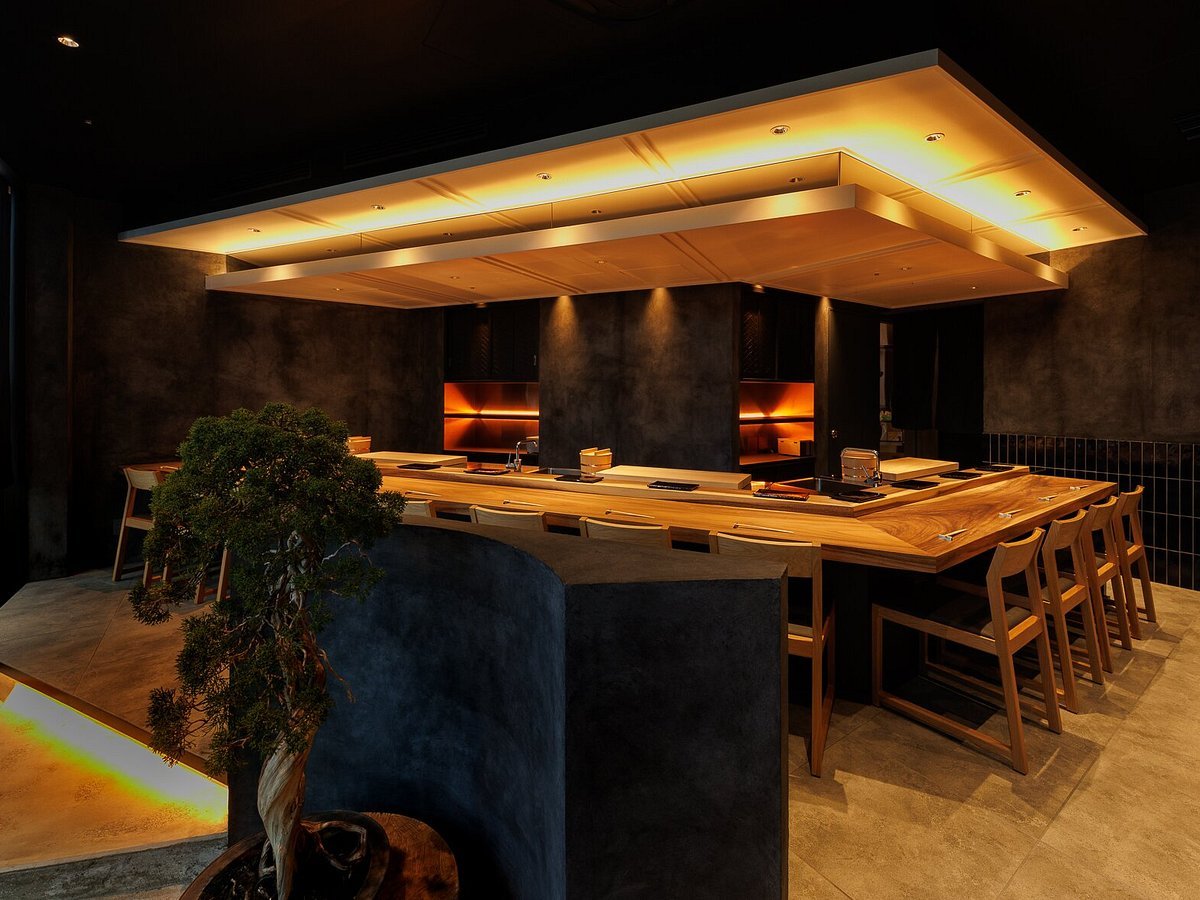
About Sushi Takeuchi
A credentialled neighbourhood sushi counter in Daikanyama, Sushi Takeuchi holds OAD recognition and a 4.6 Google rating without the booking difficulty of Tokyo's most-hyped omakase rooms. It is the right call for a first-timer who wants serious, sourcing-led sushi in a calm setting — book lunch for the best value entry, and confirm pricing directly before you go.
Who Should Book Sushi Takeuchi — and When
Sushi Takeuchi is the right call for a first-timer who wants a serious, neighbourhood-rooted sushi experience in Tokyo without the booking gauntlet that comes with the city's most-decorated counters. Situated in Sarugakucho, a quiet residential pocket of Daikanyama in Shibuya, this is a counter for people who care about craft over credentials — and who are willing to show up on their own terms rather than wait months for a confirmation email. If you are planning a special lunch in Daikanyama or want a reliable dinner anchor for a Shibuya evening, this is a strong candidate.
What Sushi Takeuchi Is
Ranked #569 on Opinionated About Dining's 2025 Leading Restaurants in Japan list, and carrying an OAD Recommended designation from 2023, Sushi Takeuchi sits in the tier of Tokyo sushi that serious eaters track without it being a household name outside Japan. This is not the place to benchmark against Jiro or the city's Michelin-starred omakase giants; it operates in a different register, one that rewards diners who value the sourcing decisions behind each piece over the prestige of the address.
The editorial angle worth understanding here is sourcing. Edomae sushi at this level lives or dies on ingredient decisions: which fish market, which seasonal cut, which rice vinegar ratio. Without published menu details in the public record, the OAD recognition is the clearest signal that those sourcing choices are being made thoughtfully. At restaurants in this OAD tier, the ingredient logic is typically what separates a memorable meal from a generic one, and Daikanyama's location, away from the tourist-heavy Ginza sushi corridor, suggests a kitchen working for regulars rather than for the room. Compare this to Edomae Sushi Hanabusa or Sushi Kanesaka, where the Edomae tradition is more formally documented, Takeuchi offers a less institutionalised take on the same lineage.
Booking and Access
Booking difficulty is rated Easy, which is a meaningful differentiator in Tokyo's sushi scene. You do not need a concierge connection or a three-month lead time here. Reservations: Recommended but manageable, book directly or through your hotel concierge. Hours: Monday, Tuesday, Friday, Saturday, Sunday, lunch 12:00–2:00 pm, dinner 6:00–10:30 pm. Wednesday and Thursday are closed. Location: MI代官山 1F, Sarugakucho 5-8, Daikanyama, Shibuya, Tokyo. Dress: No stated code, but smart casual is the appropriate register for a counter at this level. Budget: Price range is not published, contact the venue directly or ask your hotel to confirm current per-head costs before booking, as omakase pricing in this tier can vary significantly by season and course count.
How Sushi Takeuchi Compares
For context on where Takeuchi sits in the broader Tokyo sushi picture, Harutaka and Sukiyabashi Jiro Roppongiten operate at a higher price point and with considerably more booking friction. Hiroo Ishizaka offers a comparable neighbourhood feel in a different part of the city. If you are building a broader Tokyo itinerary, our full Tokyo restaurants guide covers the range, and our Tokyo hotels guide can help you position your stay relative to the Daikanyama area. For sushi at this level of OAD recognition outside Japan, Sushi Shikon in Hong Kong and Shoukouwa in Singapore are the regional reference points worth knowing. Elsewhere in Japan, serious eaters cross-reference against Gion Sasaki in Kyoto, HAJIME in Osaka, and Goh in Fukuoka when planning a multi-city Japan trip. For more experimental options beyond sushi, our Tokyo bars guide and Tokyo experiences guide fill out the picture.
The Verdict
Book Sushi Takeuchi if you want a credentialled, lower-friction sushi counter in a neighbourhood setting rather than a destination performance. The OAD recognition is a credible quality signal, the booking process is direct by Tokyo standards, and the Daikanyama location gives you a more local feel than the Ginza omakase corridor. Confirm pricing before you go, and go for lunch if your schedule allows, since the daytime sitting tends to be the easier entry point at counters like this.
Frequently Asked Questions
Is lunch or dinner better at Sushi Takeuchi?
Lunch is the stronger practical case. Sushi Takeuchi runs the same 12–2 pm service Monday, Tuesday, Friday, Saturday, and Sunday, and lunch sittings at mid-tier Tokyo sushi counters are typically easier to book and easier on the wallet. Dinner runs to 10:30 pm on the same days, which suits a slower pace if you want the full counter experience without a midday time constraint. Wednesday and Thursday are closed, so plan around that.
Can I eat at the bar at Sushi Takeuchi?
Counter seating is the standard format at a sushi-ya of this type, so bar dining is effectively the default experience here. The venue is a neighbourhood counter in Daikanyama, Shibuya, not a large multi-room restaurant, so there is no meaningful distinction between bar and table seating.
What should I order at Sushi Takeuchi?
Specific menu items are not documented in Pearl's venue data, so naming dishes here would be guesswork. At an OAD-ranked sushi counter at this level, omakase is the typical format and the right way to let the kitchen direct the meal. Ask the chef or confirm the format when booking.
Is Sushi Takeuchi good for a special occasion?
Yes, with the right expectations. Sushi Takeuchi carries an OAD Top Restaurants in Japan ranking (#569 in 2025) and an OAD Recommended designation from 2023, which gives it real credibility without the pressure-cooker formality of a Michelin three-star. It is a better fit for an occasion where you want serious food and a relaxed neighbourhood setting than for a full destination-dining performance.
What are alternatives to Sushi Takeuchi in Tokyo?
Harutaka and Sukiyabashi Jiro Roppongiten operate at a higher price point and with harder booking, so they suit a different budget and commitment level. If you want to stay in the credentialled-but-accessible tier, Sushi Takeuchi is the cleaner call. For something entirely different in Tokyo's broader fine-dining scene, RyuGin (Japanese kaiseki) and Florilège (French) are OAD-recognised options, though neither is a like-for-like sushi comparison.
What should a first-timer know about Sushi Takeuchi?
Booking difficulty is rated Easy by Pearl, which is a genuine advantage in Tokyo's sushi scene where top counters often require months of lead time or a concierge connection. The restaurant is on the ground floor of a building in Sarugakucho, Daikanyama. Wednesday and Thursday are closed, so double-check your dates before planning around it.
Can Sushi Takeuchi accommodate groups?
Specific group capacity data is not available in Pearl's venue record. As a neighbourhood sushi counter, seating is likely limited in the way most small Tokyo sushi-ya are. For groups larger than four, check the venue's official channels to confirm availability before planning around it.
Location
Japan, 〒150-0033 Tokyo, Shibuya, Sarugakucho, 5−8 MI代官山 1F
Tokyo, Japan
Compare Sushi Takeuchi
| Venue | Awards | Price |
|---|---|---|
| Sushi Takeuchi | Opinionated About Dining Top Restaurants in Japan Ranked #569 (2025); Opinionated About Dining Top Restaurants in Japan Recommended (2023) | |
| Harutaka | Michelin 3 Star, World's 50 Best | ¥¥¥¥ |
| RyuGin | Michelin 3 Star, World's 50 Best | ¥¥¥¥ |
| L'Effervescence | Michelin 3 Star, World's 50 Best | ¥¥¥¥ |
| HOMMAGE | Michelin 2 Star, World's 50 Best | ¥¥¥¥ |
| Florilège | Michelin 2 Star, World's 50 Best | ¥¥¥ |
What to weigh when choosing between Sushi Takeuchi and alternatives.
Also Consider
- Harutaka, Sushi, ¥¥¥¥
- RyuGin, Kaiseki, Japanese, ¥¥¥¥
- L'Effervescence, French, ¥¥¥¥
- HOMMAGE, Innovtive French, French, ¥¥¥¥
- Florilège, French, ¥¥¥
Sushi Takeuchi sits in a different tier from Tokyo's highest-friction omakase counters, and that is part of its value. Harutaka is the cleaner comparison point for a genuine quality step-up: it carries stronger name recognition among international sushi travellers and commands a higher price, but the booking process is considerably harder. If prestige and pedigree matter more than accessibility, Harutaka wins. If you want OAD-recognised quality without a months-long wait, Takeuchi is the more practical choice.
For diners who are open to moving beyond sushi, RyuGin offers a kaiseki format at a similar luxury tier, more theatrical, more varied, and better suited to guests who want a broader expression of Japanese seasonal cooking rather than a fish-focused counter. Florilège is the best alternative if you want a high-craft meal with greater dietary flexibility; its French format accommodates more varied tables and is often easier to book than Tokyo's top sushi counters. L'Effervescence and HOMMAGE operate in a different idiom entirely, ingredient-driven French cooking, but both serve diners who prioritise sourcing logic, which is the same instinct that leads serious eaters to Takeuchi.
The short version: book Sushi Takeuchi if you want a no-drama, well-regarded sushi counter in a neighbourhood you actually want to spend time in. Book Harutaka if name weight and top-tier prestige justify harder logistics. Choose Florilège or RyuGin if your group has mixed dietary needs or wants a format beyond the counter.
Hours
- Monday
- 12–2 pm, 6–10:30 pm
- Tuesday
- 12–2 pm, 6–10:30 pm
- Wednesday
- Closed
- Thursday
- Closed
- Friday
- 12–2 pm, 6–10:30 pm
- Saturday
- 12–2 pm, 6–10:30 pm
- Sunday
- 12–2 pm, 6–10:30 pm
Recognized By

Explore Tokyo
Save or rate Sushi Takeuchi on Pearl
Keep this venue in your Pearl passport, rate it after you visit, and track it alongside every other place you collect.