

Sushi Ichijo
Sushi · Chūō, Tokyo
Restaurant in Tokyo, Japan
 Book with Pearl
The Read
Red-Vinegar Edomae Precision
Price
¥¥¥
Chef
Satoshi Ichjijo
Dress
Smart Casual
Why go
Sushi Ichijo holds a Michelin star and brings rigorous Edo-style technique to a quieter Higashinihonbashi counter at ¥¥¥ — a tier below the most expensive Tokyo sushi rooms. Chef Satoshi Ichijo's red-vinegar rice and comparison-tasting preparations signal a kitchen where sourcing decisions drive the menu. Book well in advance; a hotel concierge call is the most reliable route to a reservation.
About Sushi Ichijo
Who Should Book Sushi Ichijo
Sushi Ichijo is the right call for a special occasion dinner when you want Michelin-recognised Edo-style sushi without climbing to the four-symbol price tier. If you are planning a significant date night, a business meal where quality signals matter, or a solo pilgrimage to one of Tokyo's more considered sushi counters, this is a credible choice. If your priority is pure prestige or you want the most celebrated name on your receipt, Harutaka or Sukiyabashi Jiro Roppongiten operate at a higher price point and carry heavier reputations. Ichijo is the option where you get Michelin credibility at ¥¥¥, not ¥¥¥¥.
The Portrait
Sushi Ichijo holds a Michelin star (2024) and a ranking of #548 on Opinionated About Dining's Leading Restaurants in Japan list for 2025, placing it firmly within the serious but not stratospheric tier of Tokyo sushi. The address is 3 Chome-1-3 Higashinihonbashi in Chuo City — east of the traditional sushi heartland around Ginza, but historically connected to Tokyo's old merchant quarters, where Edo-style sushi has deep roots. The neighbourhood is quieter than central Ginza, which shapes the mood: this is not a loud room.
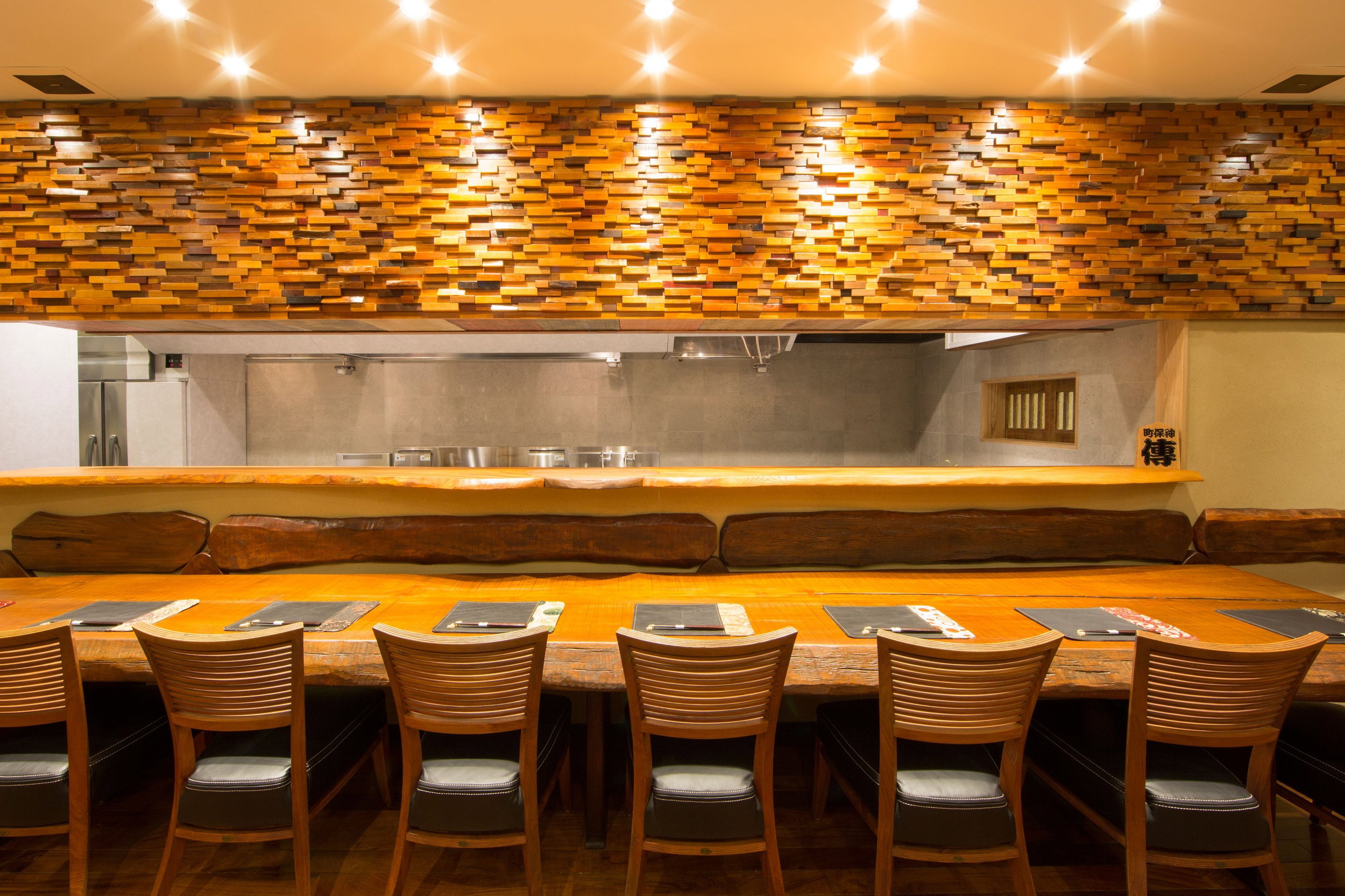
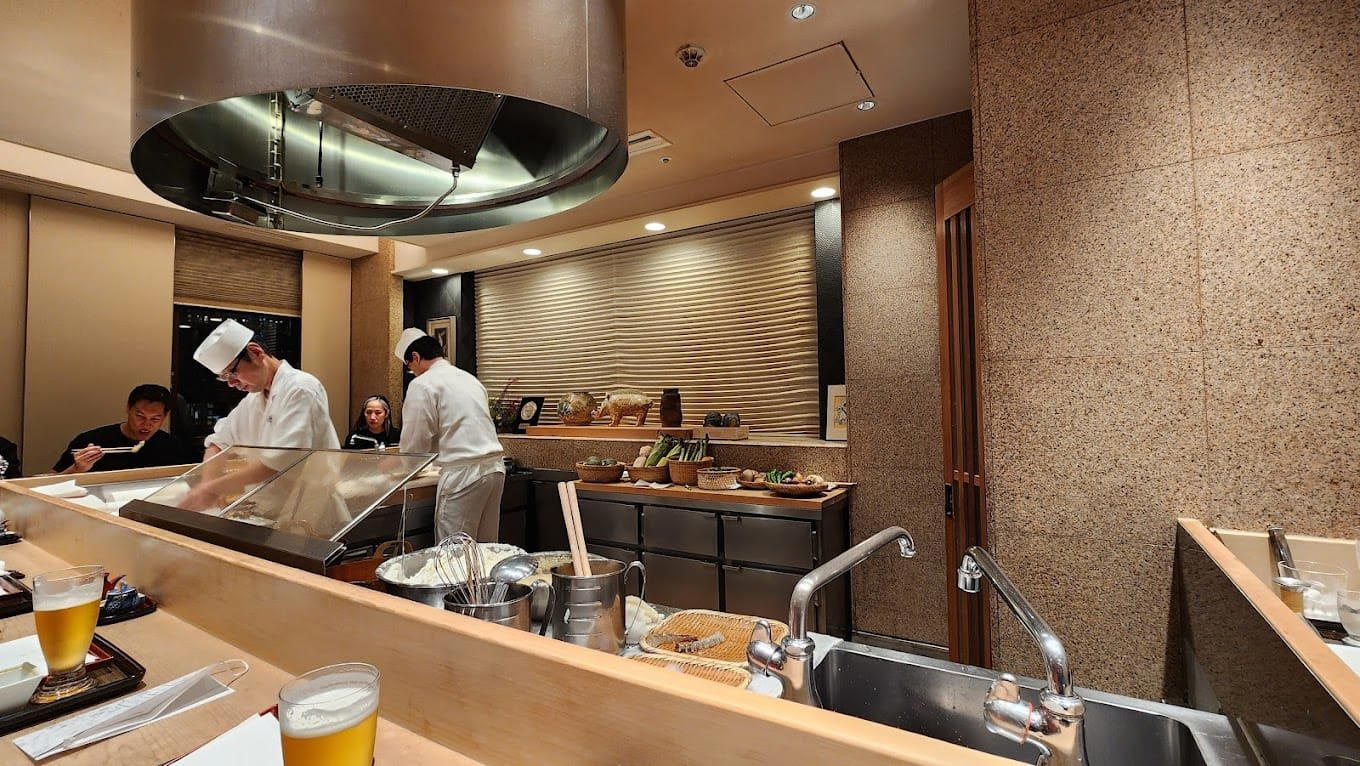
The atmosphere at a counter like this runs composed and deliberate. Expect the kind of focus that comes with a small, skilled kitchen operating at pace: low conversation between pieces, attention on the chef, and a rhythm dictated by the sequence of nigiri rather than by the clock. It is not a room for extended side conversations if you are sitting at the counter. For a special occasion where the meal itself is the event, that restraint is a feature, not a limitation.
Chef Satoshi Ichijo works within the Edo-style tradition — a discipline defined by specific sourcing choices and technique rather than by a sprawling ingredient list. The Michelin documentation notes that Japanese halfbeak and horse mackerel are accented with ginger and a mirin-soy reduction, and that simmered conger eel is served in two preparations: salted and sauce-dipped, side by side, so the diner can compare. That comparison-tasting approach is a deliberate sourcing and technique statement. It tells you that the kitchen is confident enough in its ingredient quality to let two versions of the same fish make the argument. Rice is seasoned with red vinegar rather than the more common white vinegar, a marker of Edomae authenticity and a choice that affects flavour balance across the entire meal.
These decisions point to a kitchen where sourcing is the foundation, not the garnish. Edo-style sushi at this level is built on the quality and selection of fish, the skill of the aging and curing process, and the precision of vinegar-seasoned rice. When a menu highlights specific preparations for halfbeak and horse mackerel, fish that are relatively modest in prestige compared to tuna or sea urchin, it signals that the sourcing philosophy extends to the whole counter, not just the headline pieces. That is what justifies the price tier and separates this from a technically competent but ingredient-agnostic sushi experience.
For comparison, Sushi Kanesaka and Edomae Sushi Hanabusa also operate within the Edomae tradition in Tokyo, each with its own approach to rice seasoning and fish sourcing. If Edo-style sushi is the format you want to explore across a visit, comparing two or three counters across different meals is a legitimate strategy in Tokyo, where the density of quality at this tier is genuinely high.
If you are also considering other Tokyo dining options during your trip, Hiroo Ishizaka offers a different register entirely, and our full Tokyo restaurants guide covers the range of options across cuisines and price tiers. For wider trip planning, see also our Tokyo hotels guide, bars guide, and experiences guide.
If you are building a Japan itinerary beyond Tokyo, comparable serious sushi and kaiseki experiences exist at Gion Sasaki in Kyoto, HAJIME in Osaka, and Goh in Fukuoka. For Edomae-style sushi outside Japan, Sushi Shikon in Hong Kong and Shoukouwa in Singapore are the regional reference points worth knowing.
Ratings and Recognition
- Michelin: 1 Star (2024)
- Opinionated About Dining: #548, Leading Restaurants in Japan (2025)
- 4.2 / 5 (145 reviews)
Booking
Booking difficulty at Sushi Ichijo is rated hard. At a Michelin-starred sushi counter in Tokyo operating at ¥¥¥, demand reliably exceeds availability. Book as far in advance as possible, weeks, not days. Walk-in availability is not something to plan around. No booking method, phone number, or website is confirmed in Pearl's current data; the most reliable approach is to ask your hotel concierge to call on your behalf, or to check reservation platforms that aggregate Tokyo sushi counters. A concierge call in Japanese is often the practical difference between a booking and a waitlist.
Practical Details
| Detail | Sushi Ichijo | Harutaka | Sushi Kanesaka |
|---|---|---|---|
| Cuisine | Edomae Sushi | Sushi | Edomae Sushi |
| Price tier | ¥¥¥ | ¥¥¥¥ | ¥¥¥¥ |
| Michelin | 1 Star (2024) | Yes | Yes |
| Booking difficulty | Hard | Hard | Hard |
| Leading for | Special occasion, solo | Prestige splurge | Edomae purists |
| Neighbourhood | Higashinihonbashi | Ginza area | Ginza area |
Planning details
- Location
- 3 Chome-1-3 Higashinihonbashi, Chuo City, Tokyo 103-0004, Japan
- Website
- sushi-ichijo.com
- Phone
- +81 3-6661-1335
The take
The Take
The Vibe
Sushi Ichijo reads as a quietly assured Edomae counter rather than a theatrical sushi destination. The Michelin star and the write-up’s emphasis on technique — rice temperature, fish aging, knife work — position the counter as fundamentally traditional and refined. The room scale and location in Higashi‑Nihonbashi, a less touristy commercial neighborhood, further mute spectacle in favor of focused craftsmanship. Diners encounter a restrained, sophisticated atmosphere where the point of interest is the sequence of nigiri and the quality of ingredients rather than elaborate service rituals.
Best For
This is a venue for diners who prize technique and sequence over fanfare: think intimate omakase diners, couples seeking a considered evening, and solo guests at the counter who want a focused tasting. The profile — a Michelin-starred, mid-tier omakase in a quieter commercial district — makes it especially suitable for people calibrating Tokyo sushi budgets who want a high level of craft without the three‑star price bracket. Expect a composed, low-key evening centered on precise nigiri service.
Ordering Tips
Book with the expectation of an omakase counter experience: the meal is presented as a sequence of nigiri with rice and fish prepared to Edomae practice. Lean into the chef’s progression and ask about seasonal or signature shellfish — hamaguri, awabi and akagai are highlighted here — rather than specifying a la carte substitutions. The profile suggests better value than the pricier Ginza counters, so set expectations around craft and provenance rather than theatrical presentation.
Venue details
Ambiance
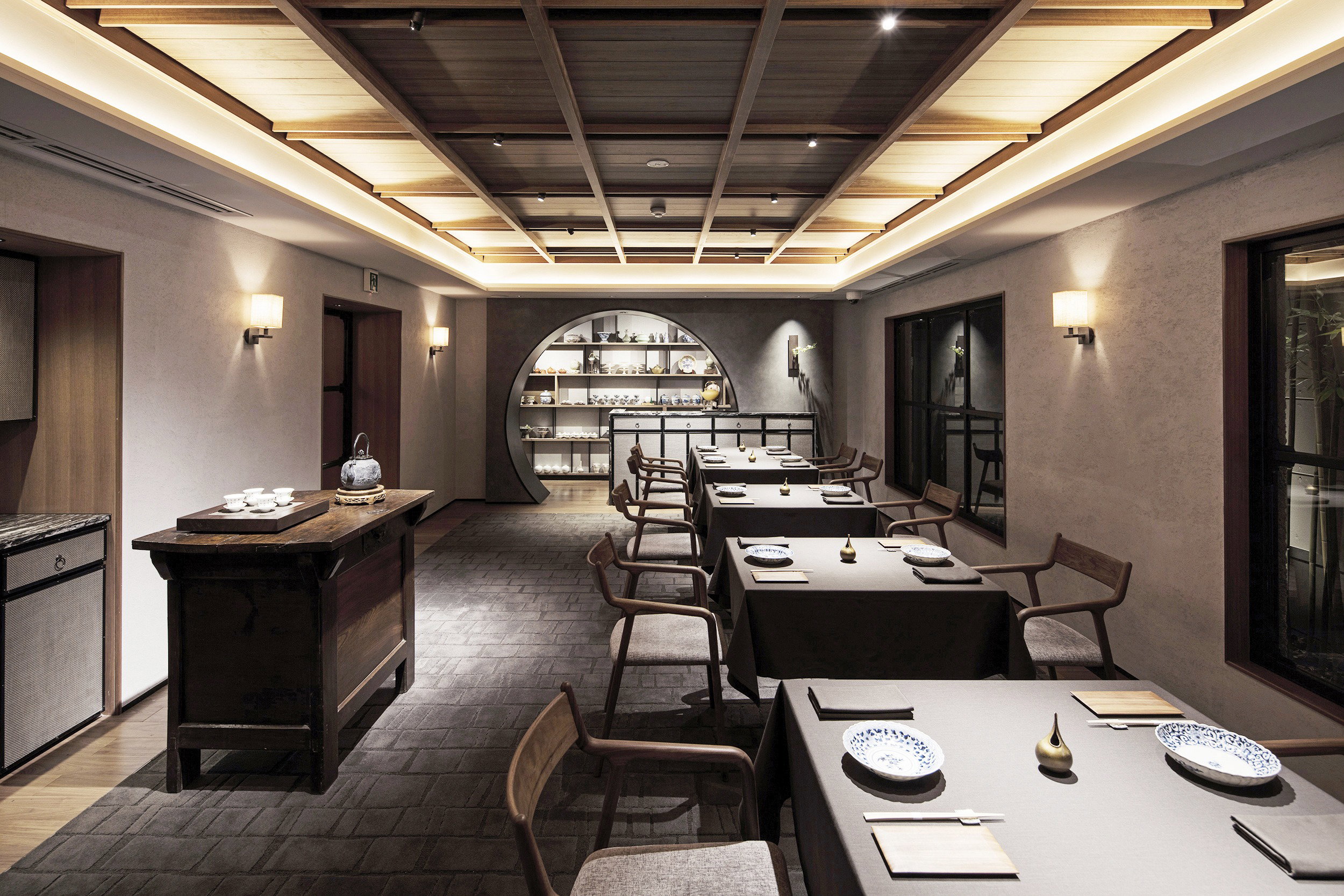
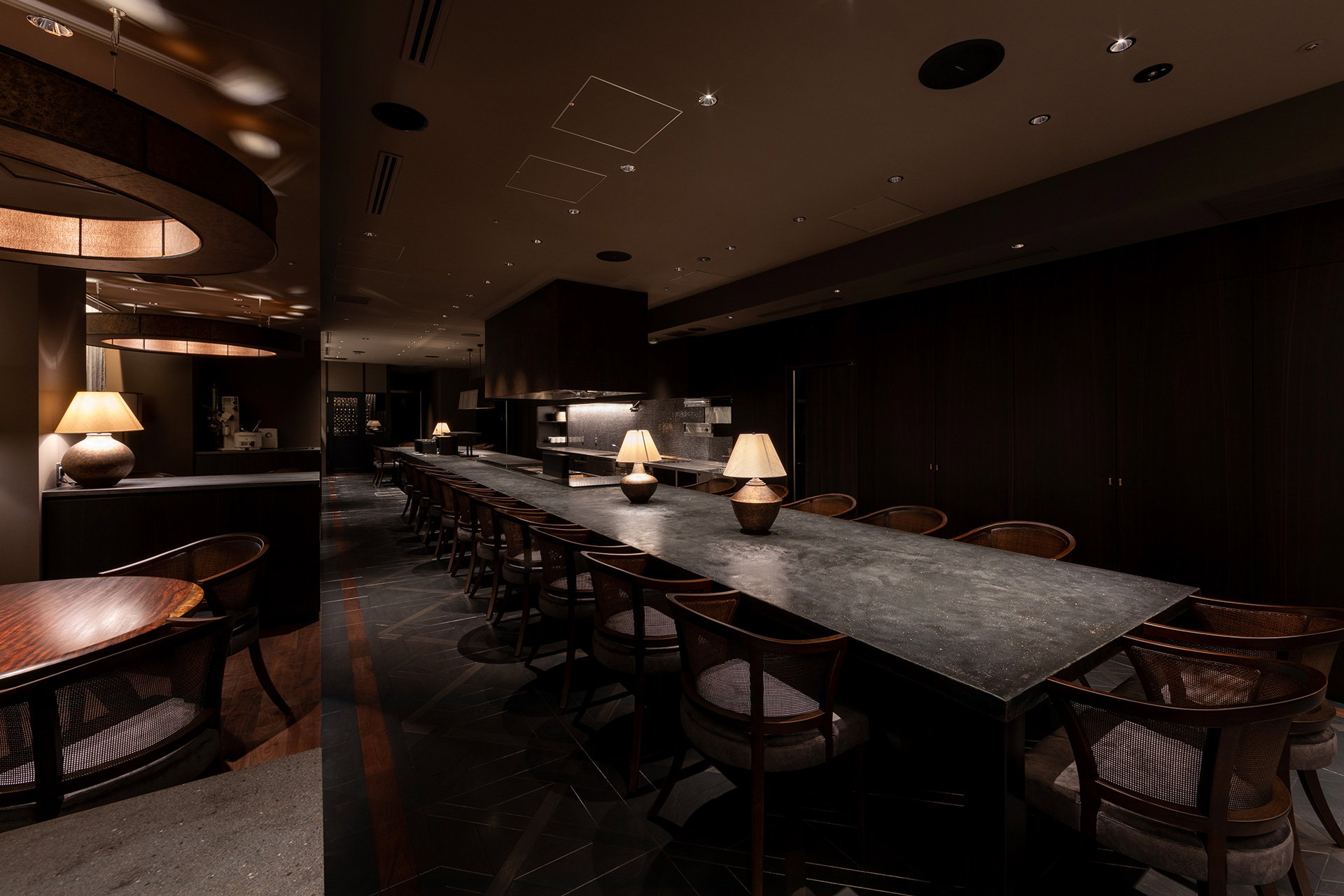
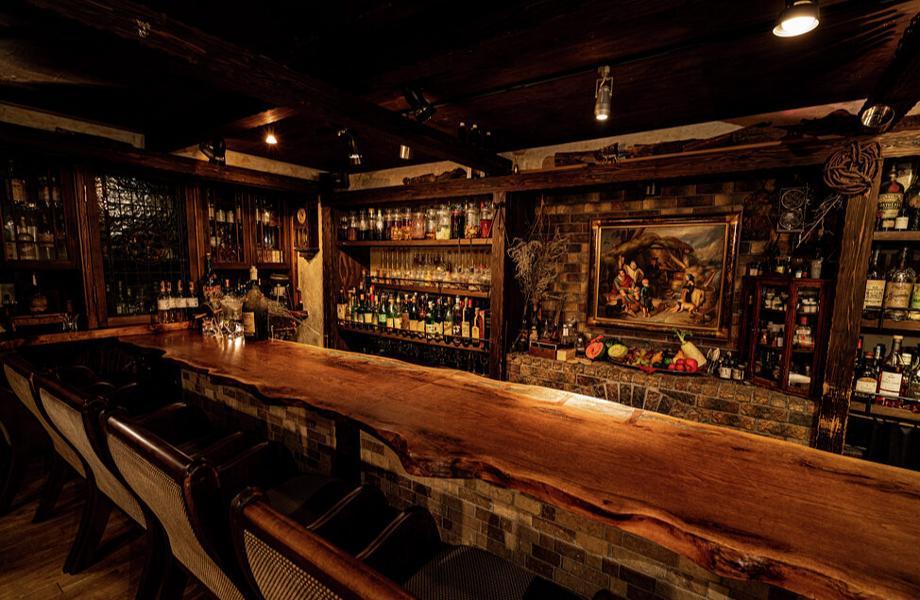
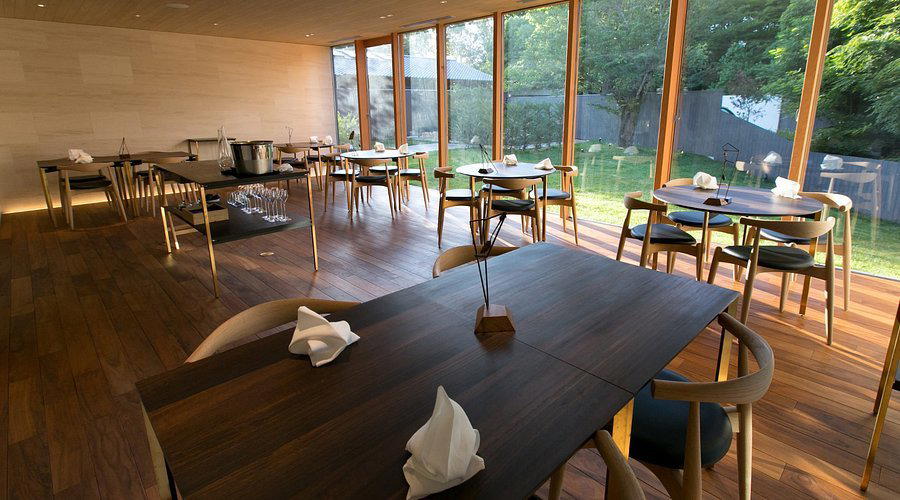
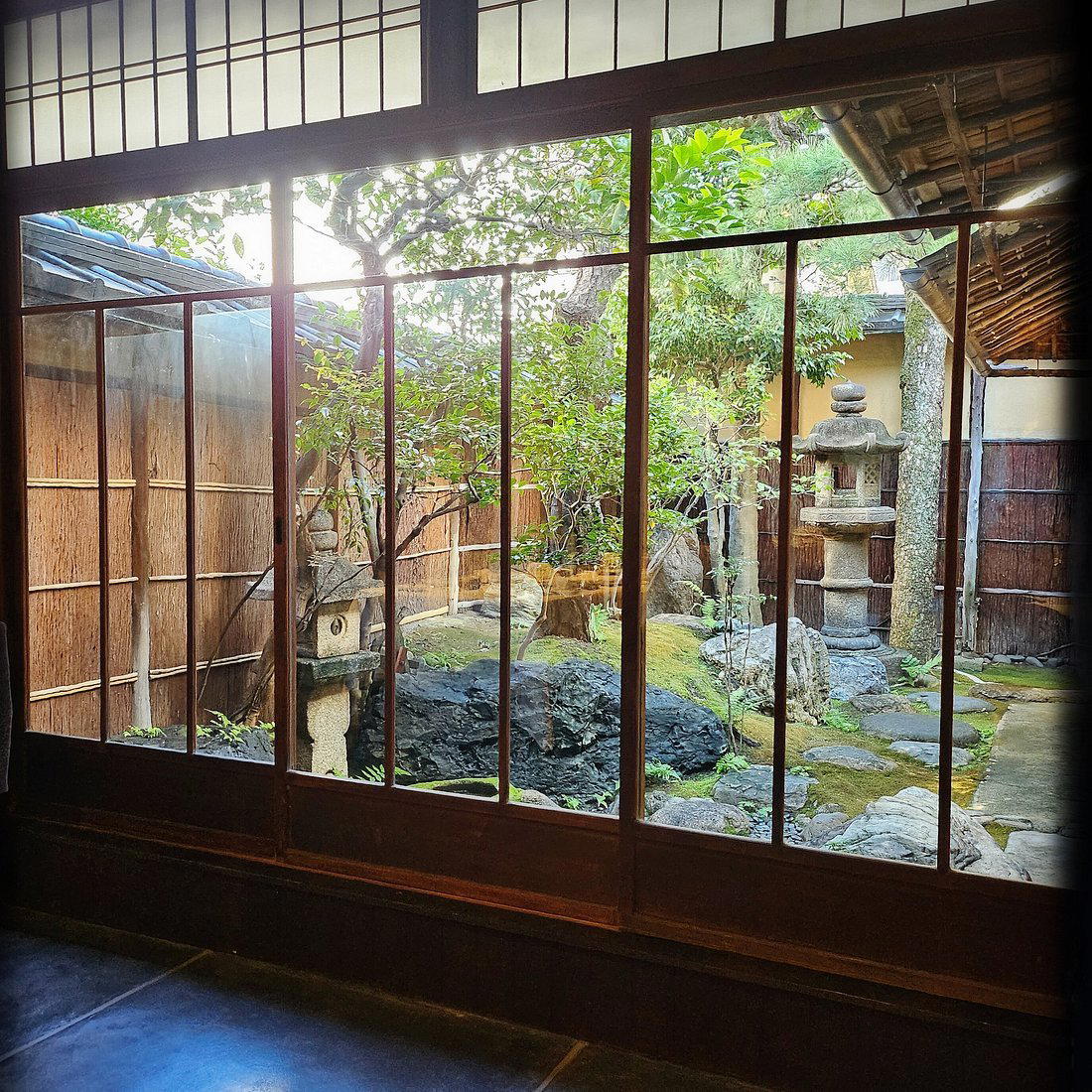
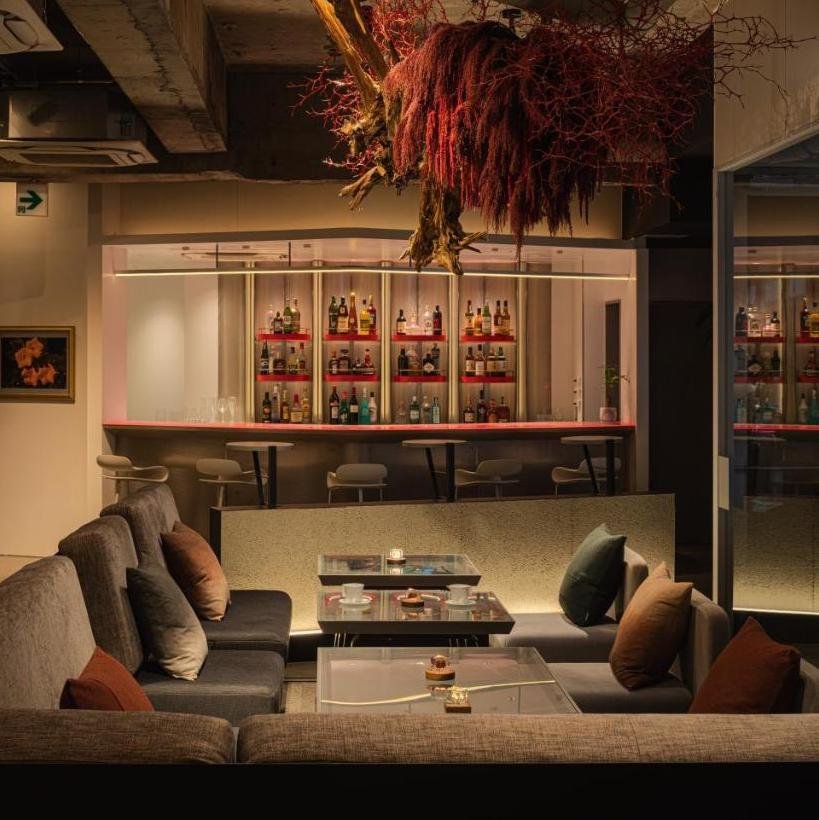
Tranquil Japanese atmosphere with relaxing space and counter seating.
Tags
Vibe
Best For
Experience
Sourcing
At the Table
- Dress Code
- Smart Casual
- Noise Level
- Quiet
- Service Style
- Omakase Bar
- Meal Pacing
- Leisurely
- Capacity
- Intimate
Signature Dishes
- hamaguri
- awabi
- akagai
Know before you go
Know Before You Go
- Getting there
- 3 Chome-1-3 Higashinihonbashi, Chuo City, Tokyo 103-0004, Japan
Planning details
Location
3 Chome-1-3 Higashinihonbashi, Chuo City, Tokyo 103-0004, Japan · Directions
Recognition and awards

Also consider
Also Consider
- Harutaka, Sushi, ¥¥¥¥
- RyuGin, Kaiseki, Japanese, ¥¥¥¥
- L'Effervescence, French, ¥¥¥¥
- HOMMAGE, Innovtive French, French, ¥¥¥¥
- Florilège, French, ¥¥¥
Restaurant context
Within Tokyo sushi, Sushi Ichijo sits at a practical sweet spot: Michelin-starred credibility at ¥¥¥, a price tier below Harutaka, which operates at ¥¥¥¥ and carries a stronger reputation among sushi specialists. If prestige and the highest technical ceiling matter most, Harutaka is the clearer call. If you want Edomae craft with a Michelin stamp and want to spend less, Ichijo delivers the core of that experience without the top-tier invoice.
Against Tokyo's French rooms, the comparison is a format question rather than a quality one. RyuGin, L'Effervescence, and HOMMAGE all operate at ¥¥¥¥ and offer longer, more theatrical tasting sequences. Florilège matches Ichijo on price tier at ¥¥¥ but is a French counter with a different kind of sourcing philosophy. For a special occasion where the format matters, counter sushi with direct chef interaction versus a multi-course French service, Ichijo is the right pick if you want the intimacy of nigiri served piece by piece.
On booking difficulty, all five comparison venues are hard to secure. Ichijo's relative lower profile compared to Harutaka may give it a marginal edge in availability, but do not count on it. For a special occasion trip to Tokyo where sushi is the priority, treat all of these as requiring advance planning of at least several weeks, with concierge assistance as the most reliable path to a confirmed seat.
Explore Tokyo
Around this place
Discover more on Pearl
Unlock the full Sushi Ichijo guide in Pearl, including awards, comparisons, FAQs, planning details, and nearby places.
Compare Sushi Ichijo
| Venue | Cuisine | Awards | Booking Difficulty |
|---|---|---|---|
| Sushi Ichijo | Sushi | 2026 OAD Top Restaurants in Japan Recommended2026 Michelin 1 Star2025 OAD Top Restaurants in Japan Ranked · #5482024 Michelin 1 Star | Hard |
| Harutaka | Sushi | 2026 Tabelog Silver · #312026 OAD Top Restaurants in Japan Ranked · #1282026 Michelin 3 Stars2026 La Liste Top RestaurantsTabelog 100 - Sushi - TOKYO - 2025 · #372025 Asia's 50 Best Restaurants · #762025 OAD Top Restaurants in Japan Ranked · #1172025 La Liste Top Restaurants2025 Tabelog Bronze | Unknown |
| RyuGin | Kaiseki, Japanese | 2026 OAD Top Restaurants in Japan Ranked · #802026 Tabelog Bronze · #3772026 Michelin 3 Stars2026 La Liste Top RestaurantsTabelog 100 - Japanese cuisine - TOKYO - 2025 · #212025 OAD Top Restaurants in Japan Ranked · #542025 Michelin 3 Stars2025 La Liste Top Restaurants2025 The Best Chef Three Knives | Unknown |
| L'Effervescence | French | 2026 Tabelog Silver · #682026 OAD Top Restaurants in Japan Ranked · #103Star Wine Lists 20262026 Black Pearl 2 Diamond2026 Relais Chateaux Restaurants2026 La Liste Top Restaurants2026 Michelin 3 Stars2025 Asia's 50 Best Restaurants · #692025 OAD Top Restaurants in Japan Ranked · #92 | Unknown |
| HOMMAGE | Innovtive French, French | 2026 Tabelog Bronze · #1232026 OAD Top Restaurants in Japan Highly Recommended2026 Michelin 2 StarsTabelog 100 - French - TOKYO - 2025 · #762025 Asia's 50 Best Restaurants · #782025 OAD Top Restaurants in Japan Ranked · #1752025 Michelin 2 Stars2025 The Best Chef One Knife2025 La Liste Top Restaurants | Unknown |
| Florilège | French | 2026 Asia's 50 Best Restaurants · #312026 Tabelog Bronze · #712026 OAD Top Restaurants in Japan Ranked · #1242026 Black Pearl 1 Diamond2026 Michelin 2 Stars2026 La Liste Top Restaurants2025 Asia's 50 Best Restaurants · #172025 World's 50 Best Restaurants · #36Tabelog 100 - French - TOKYO - 2025 · #68 | Unknown |












Side-by-side comparison to help you decide where to book.
FAQ
Frequently Asked Questions
What are alternatives to Sushi Ichijo in Tokyo?
Harutaka in Ginza is a direct alternative at a comparable tier — Michelin-recognised, Edo-style, and similarly difficult to book. For a step up in prestige and price, RyuGin offers a more theatrical multi-course format. If you want Edo-style sushi at a slightly lower booking difficulty, exploring counters outside central Tokyo can yield Michelin Bib Gourmand options at lower cost.
What should I wear to Sushi Ichijo?
No dress code is confirmed in available venue data, but the setting — a Michelin-starred sushi counter in Chuo City — calls for neat, understated clothes. Avoid heavy perfume or cologne, which is standard etiquette at any serious sushi counter in Japan, as it interferes with the subtlety of the fish.
Is the tasting menu worth it at Sushi Ichijo?
Yes, at ¥¥¥, Sushi Ichijo's Michelin-recognised format delivers clear technical value: red-vinegar-seasoned rice, Edo-style shaping, and specific course comparisons like salted versus sauce-dipped conger eel are the kind of deliberate craft touches that justify the price. If you want to eat à la carte or prefer variety over precision, this counter format is not the right fit.
Can I eat at the bar at Sushi Ichijo?
Counter seating is the standard format at a sushi restaurant of this type — the chef works directly in front of guests, which is central to the Edo-style experience at Sushi Ichijo. Specific seating configurations are not confirmed in available data, so contact the restaurant when booking if a particular seat matters to you.
Is Sushi Ichijo worth the price?
At ¥¥¥ with a 2024 Michelin star and an OAD ranking of #548 in Japan for 2025, Sushi Ichijo sits at a price point justified by verifiable recognition rather than hype. The Edo-style technique — red vinegar rice, fish-specific accents, deliberate course comparisons — points to a kitchen focused on craft over spectacle. For the price, you are paying for precision; if that trade-off suits you, it is worth it.
Is Sushi Ichijo good for a special occasion?
Yes — a Michelin-starred Edo-style counter in Tokyo is a strong choice for a dinner that needs to mark something. The format is focused and the setting is serious without being showy. Book as far ahead as possible given the hard booking difficulty; last-minute availability at this tier in Tokyo is rare.