

Sushi Hashimoto
Sushi · Chūō, Tokyo
Restaurant in Tokyo, Japan
 Book with Pearl
The Read
Edo Precision, Avant-Garde Punctuation
Price
$200–300per person
Chef
Hiroyuki Hashimoto
Dress
Smart Casual
Why go
A Michelin one-star sushi counter in Chuo with three consecutive years inside OAD's Top 110 in Japan. Chef Hiroyuki Hashimoto's Edo-influenced approach, wide-cut toppings, blended shari, restrained nikiri, makes a credible case at ¥¥¥¥. Book four to six weeks ahead; dinner slots fill fast.
About Sushi Hashimoto
Verdict
Sushi Hashimoto is not the place to come if you want a quiet, anonymous omakase experience. It is, by design, a room built for conversation around the counter, and that accessibility is a feature, not a compromise. Behind the approachable atmosphere is a technically serious kitchen: a Michelin one-star that has held a ranking inside the Opinionated About Dining Top 110 restaurants in Japan for three consecutive years, most recently at #102 in 2025. If you are weighing whether this belongs on your Tokyo itinerary, the answer is yes, but book early. Securing a seat here requires planning several weeks out, sometimes longer for international visitors unfamiliar with the reservation process.
Portrait
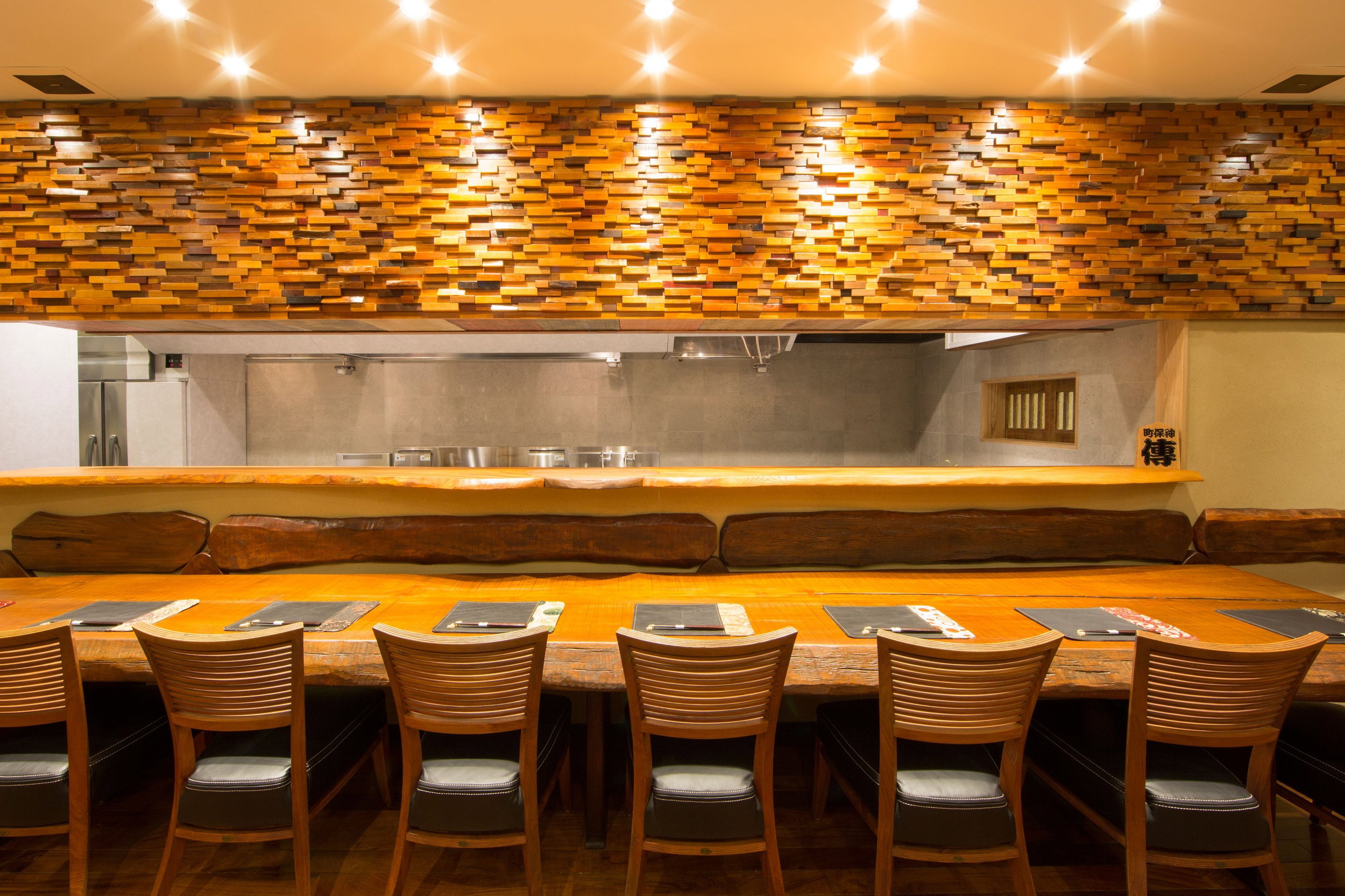
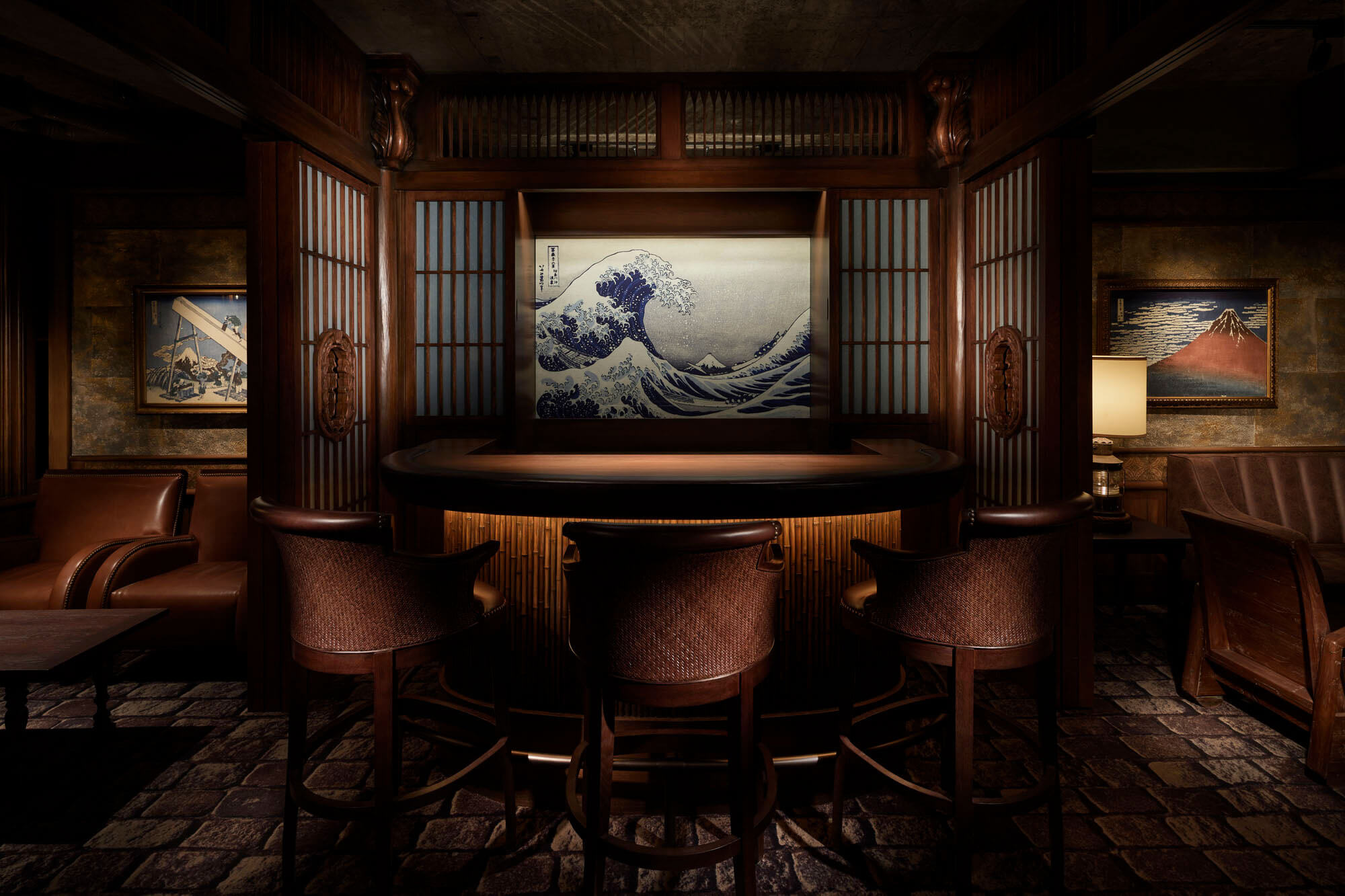
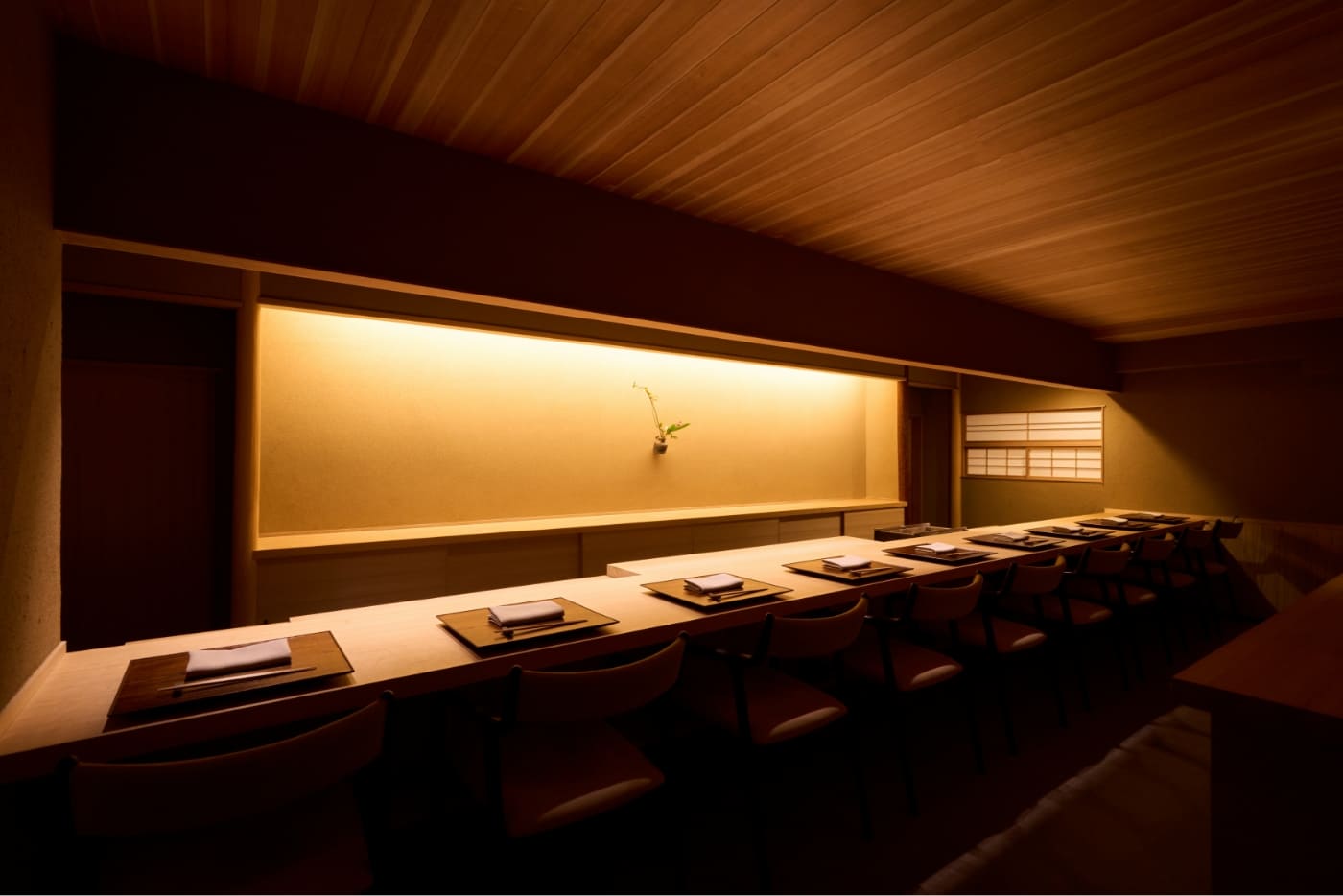
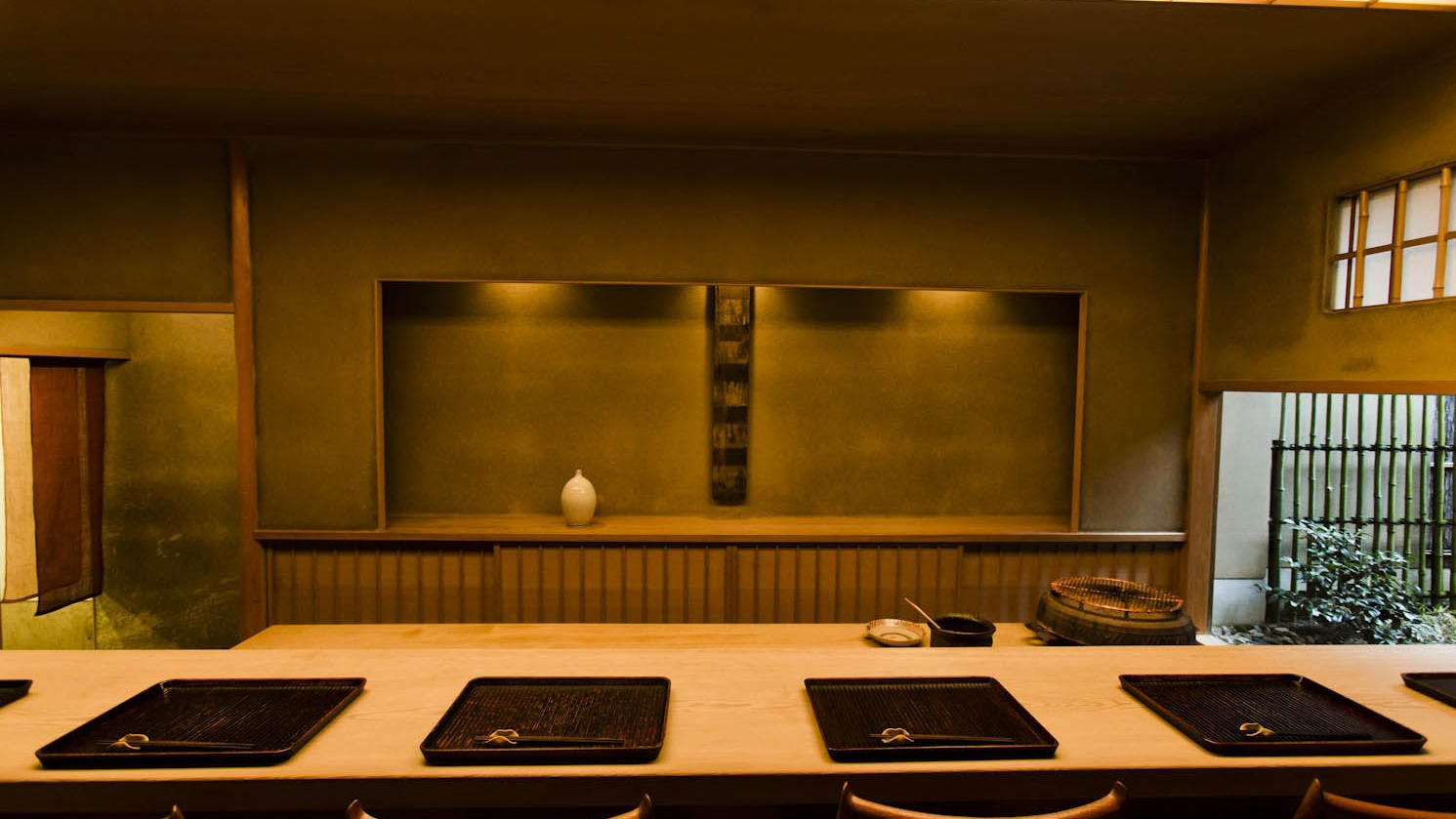
The most common misconception about Sushi Hashimoto is that the accessible, casual atmosphere signals a lower level of technical ambition. It does not. Chef Hiroyuki Hashimoto runs a counter built by artisans specifically to create a harmonious, unhurried setting, but the sushi itself is as deliberate as anything you will find at higher-profile Tokyo addresses. The room is designed to make you comfortable enough to pay attention to what matters: what is on the rice.
At this price tier (¥¥¥¥), sourcing and preparation choices are where the real argument for a booking gets made. The kitchen's approach to fish is worth understanding before you arrive. Toppings are cut in wide strips that wrap around the shari, a technique that prioritises the textural relationship between fish and rice over the visual geometry many counters favour. The sushi rice itself is a blend, calibrated to draw out the flavour of the topping rather than assert its own seasoning. Nikiri is applied sparingly, a sign of confidence in the fish's intrinsic quality, not an oversight.
Two preparations define the kitchen's range. The gizzard shad stuffed with minced fish is a direct inheritance from Edo-style sushi, a method that requires sourcing fish of sufficient quality and freshness to hold up under manipulation. If the ingredient is not right, this dish fails. The straw-smoked Spanish mackerel dressed in mustard reads differently: it is the same sourcing rigour applied to a contemporary technique, one that creates a light aromatic char at the moment of preparation. The scent of straw smoke from the kitchen is brief but signals when this course is being prepared, and it is the most vivid sensory marker of the meal. These two pieces together tell you the kitchen is not committed to one school, it is committed to the fish.
Hashimoto runs three services on most operating days: a lunch seating (12–2pm) and two dinner seatings (5–7:30pm and 7:45–10pm), Monday and Thursday through Sunday. Tuesday and Wednesday are closed. The double dinner format means the kitchen is cooking at pace through the evening, which also means the later seating (7:45pm) is worth requesting if you prefer the room slightly more settled. Lunch is the most practical entry point for first-time visitors who want a shorter service window.
At this level of Tokyo sushi, the guest base skews toward repeat visitors and knowledgeable diners. A 4.6 here carries more weight than the same score at a high-volume tourist-facing counter.
Sushi Hashimoto is located in Chuo City, Shintomi, a quieter part of central Tokyo away from the concentrated restaurant clusters of Ginza and Roppongi. If you are building a broader Tokyo dining itinerary, pair it with our full Tokyo restaurants guide, and consider the Tokyo hotels guide for accommodation near this part of the city. For other high-level sushi in Tokyo, Harutaka, Sukiyabashi Jiro Roppongiten, and Sushi Kanesaka are the natural comparisons in the same price bracket. For something closer to Hashimoto's accessible-counter ethos, Edomae Sushi Hanabusa is worth considering. And if you are travelling beyond Tokyo, the same sourcing-first philosophy is visible at Gion Sasaki in Kyoto and HAJIME in Osaka, both worth adding to a broader Japan itinerary.
For sushi outside Japan at a comparable level, Sushi Shikon in Hong Kong and Shoukouwa in Singapore both operate in the same Edo-influenced tradition. Neither replicates what Hashimoto does, but both give you a useful reference point for how far Tokyo-trained technique travels.
Booking
Booking difficulty is rated Hard. The three-service-per-day structure means there are more seats available than at a single-seating counter, but demand consistently outpaces supply, particularly for dinner. International visitors should plan a minimum of four to six weeks ahead, and longer for prime Saturday dinner slots. There is no website or phone number published in the current record, reservations are typically made through a concierge service or third-party booking platform familiar with Tokyo fine dining. If you are relying on a hotel concierge, brief them early.
Practical Details
| Detail | Sushi Hashimoto | Harutaka | Sushi Kanesaka |
|---|---|---|---|
| Price tier | ¥¥¥¥ | ¥¥¥¥ | ¥¥¥¥ |
| Michelin stars | 1 Star (2024) | ||
| OAD ranking (Japan, 2025) | #102 | ||
| Services per day | 3 (lunch + 2 dinner) | ||
| Closed days | Tue, Wed | ||
| Booking difficulty | Hard | Hard | Hard |
| Location | Chuo, Shintomi | Ginza | Ginza |
For more dining options in this city, see our Tokyo bars guide, Tokyo wineries guide, and Tokyo experiences guide. If you are planning a wider Japan trip, also see akordu in Nara, Goh in Fukuoka, 1000 in Yokohama, and 6 in Okinawa for reference points across the country. Tokyo's broader high-end dining field, from Hiroo Ishizaka to the full range of ¥¥¥¥ counters, is covered in our Tokyo restaurant guide.
Planning details
- Hours
- Monday: 12–2 pm, 5–7:30 pm, 7:45–10 pm · Tuesday: Closed
- Location
- Japan, 〒104-0041 Tokyo, Chuo City, Shintomi, 1 Chome−8−2 1F
- Reservations
- Book on Omakase
- Website
- xn--68j8at1fy133e.jp
- Phone
- +81 50-5488-2603
The take
The Take
The Vibe
Sushi Hashimoto positions itself squarely between Edo-period orthodoxy and contemporary reinterpretation. The kitchen reads as rigorously traditional — curing, ageing and other Edomae techniques anchor the menu — yet the execution occasionally pushes beyond strict historical practice. The itamae’s knife work and the decision to wrap wide strips of fish around the shari alter the bite’s architecture, making the rice perform a different role. The result is a quietly sophisticated, intimate counter experience that privileges technique and nuance over flash, with a restrained elegance that rewards careful tasting.
Best For
This is an omakase counter built for focused dining: Michelin recognition, precise itamae technique and an intimate counter format make it ideal for special occasions, date nights and solo diners who want a concentrated sushi experience. Service reads as formal and attentive, centered on the sequence and craft of each piece rather than casual sharing. Expect a pace driven by the itamae, with courses delivered at the counter so you can watch the preparation and appreciate the interplay between prepared fish and seasoned rice.
Ordering Tips
Opt for the omakase to experience the itamae’s sequence and the house approach to prepared fish; the profile of the meal depends on curing, ageing, marinating and subtle seasoning of the shari. Pay close attention to signature nigiri—kohada, sawara, awabi in liver sauce, kuruma prawn and uni—since the write-up highlights those pieces. Taste each piece as presented: the chef’s cutting and the choice to wrap fish around the rice are deliberate, altering texture and the rice-to-fish balance you’ll want to savour.
Venue details
Ambiance
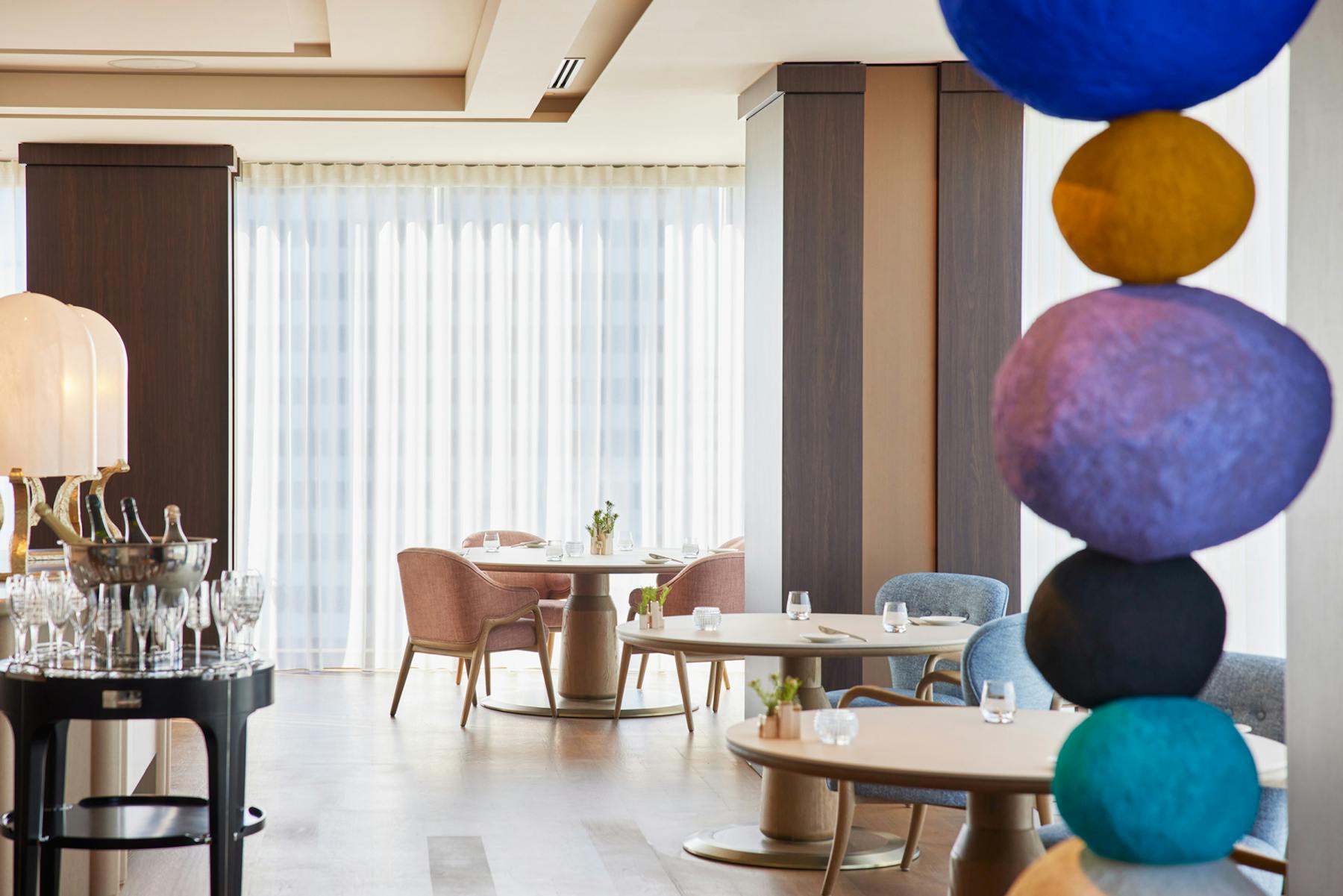
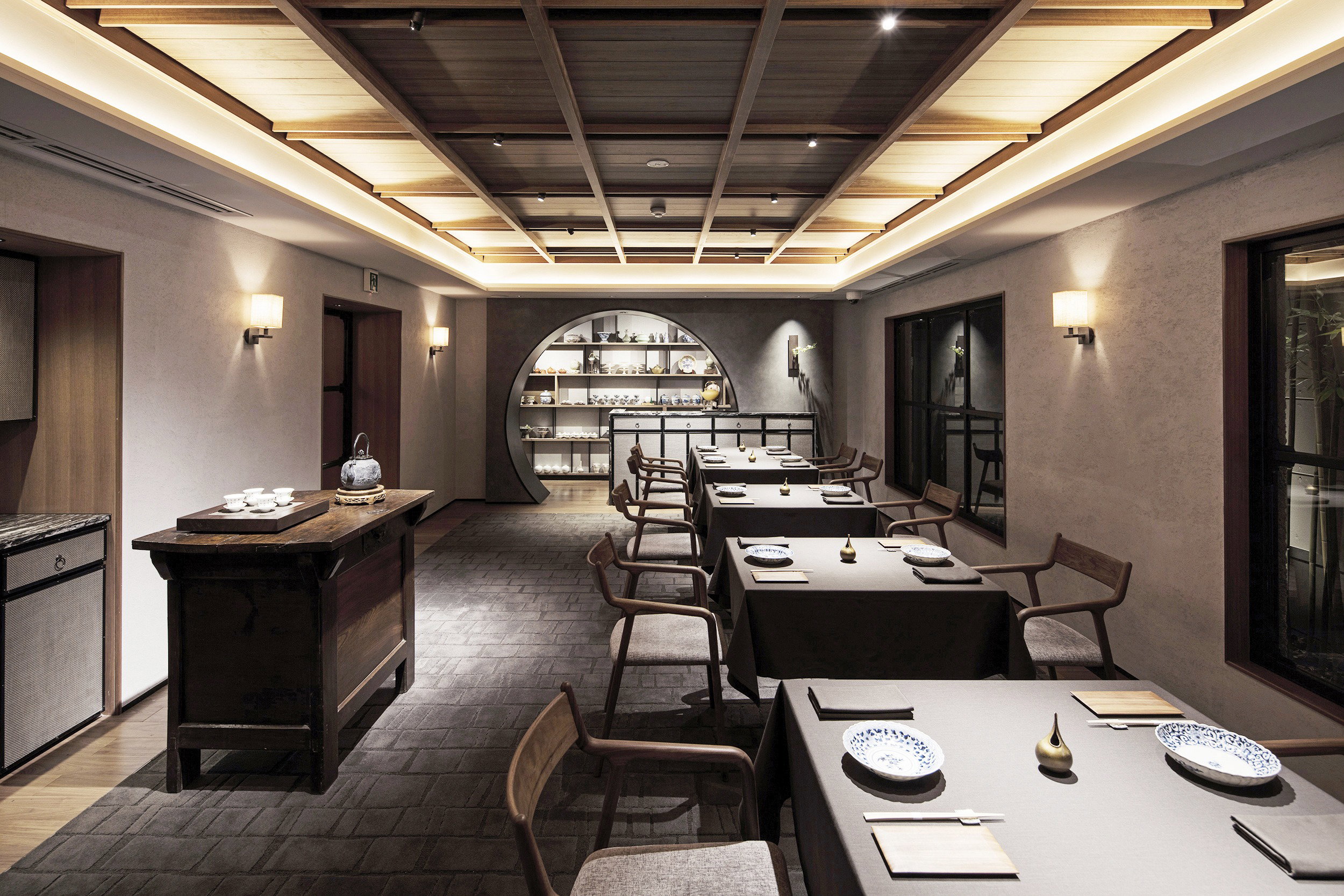
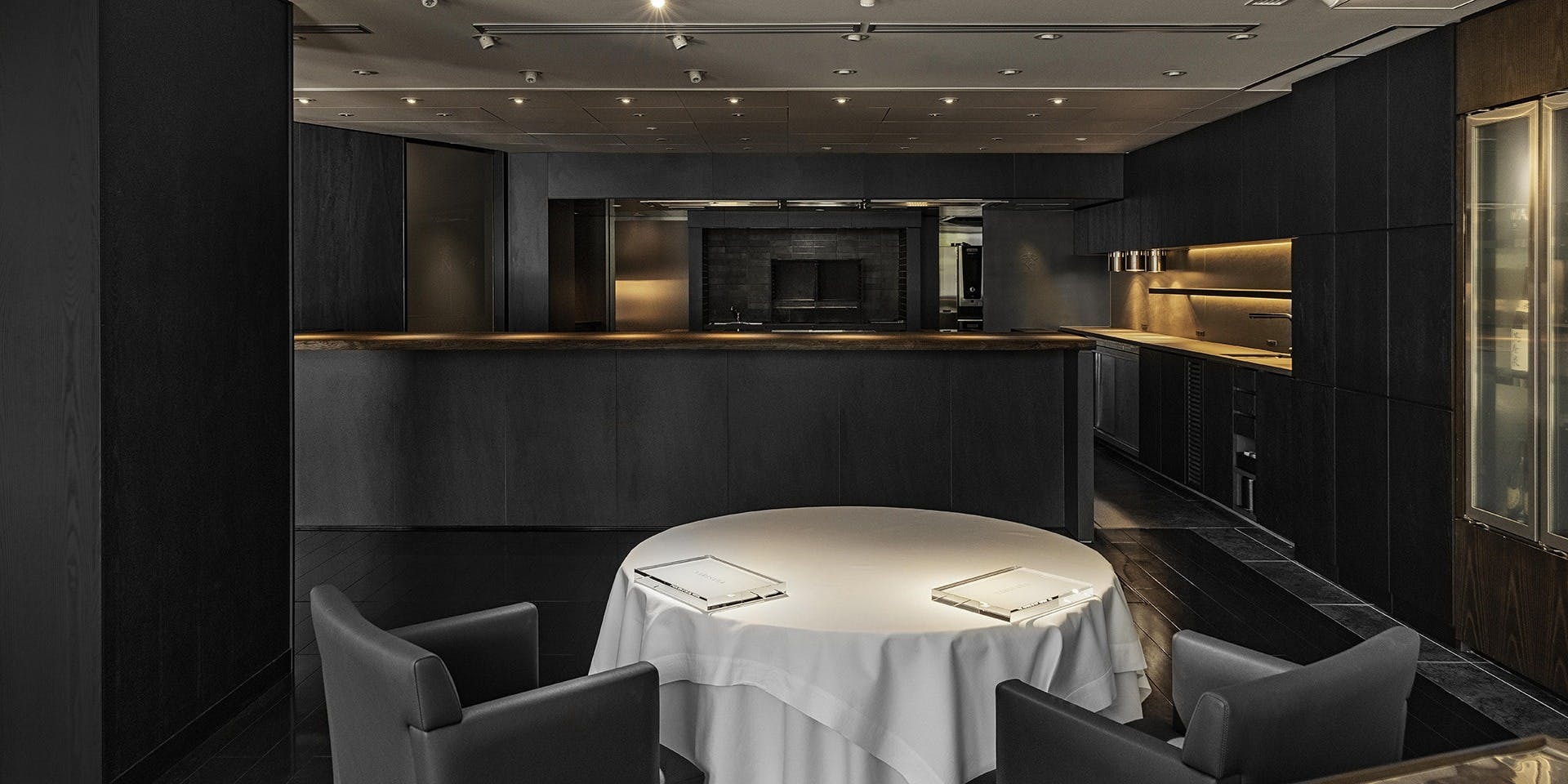
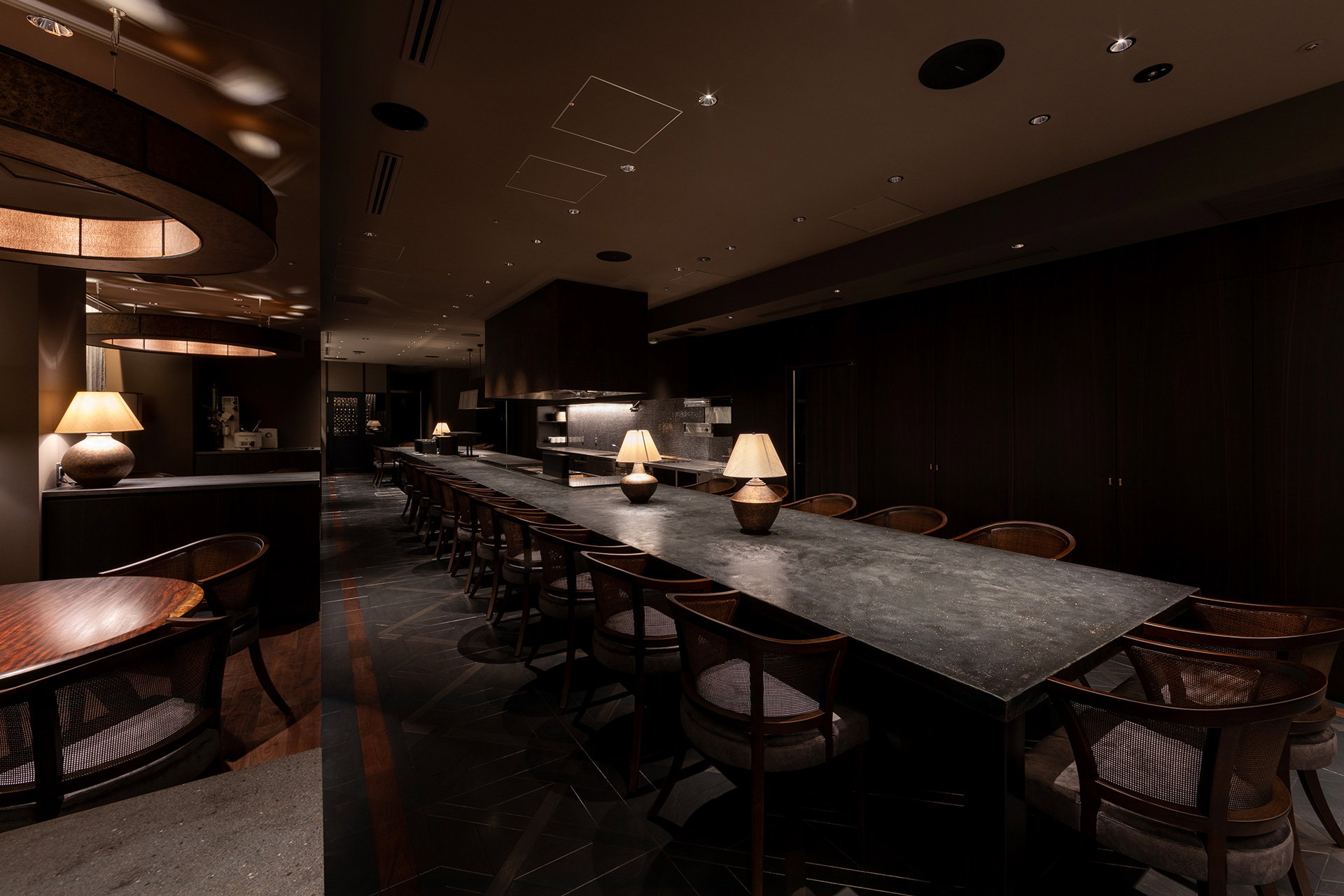
Intimate counter setting with only 8 seats, warm and relaxed atmosphere enhanced by hinoki wood counter and carefully selected sake vessels; minimal conversation but genuine hospitality from chef.
Tags
Vibe
Best For
Experience
At the Table
- Dress Code
- Smart Casual
- Noise Level
- Quiet
- Service Style
- Omakase Bar
- Meal Pacing
- Extended Experience
- Capacity
- Intimate
- Kitchen
- Traditional
- Menu Format
- Omakase, Counter dining, Tasting menu
- Drinks Focus
- Sake
Signature Dishes
- kohada nigiri
- sawara nigiri
- awabi in liver sauce
- kuruma prawn
- uni nigiri
Know before you go
Know Before You Go
- Getting there
- Japan, 〒104-0041 Tokyo, Chuo City, Shintomi, 1 Chome−8−2 1F
Planning details
Hours
- Monday
- 12–2 pm, 5–7:30 pm, 7:45–10 pm
- Tuesday
- Closed
- Wednesday
- Closed
- Thursday
- 12–2 pm, 5–7:30 pm, 7:45–10 pm
- Friday
- 12–2 pm, 5–7:30 pm, 7:45–10 pm
- Saturday
- 12–2 pm, 5–7:30 pm, 7:45–10 pm
- Sunday
- 12–2 pm, 5–7:30 pm, 7:45–10 pm
Location
Japan, 〒104-0041 Tokyo, Chuo City, Shintomi, 1 Chome−8−2 1F · Directions

Also consider
Also Consider
- Harutaka, Sushi, ¥¥¥¥
- L'Effervescence, French, ¥¥¥¥
- RyuGin, Kaiseki, Japanese, ¥¥¥¥
- HOMMAGE, Innovtive French, French, ¥¥¥¥
- Crony, Innovative, French, ¥¥¥¥
Restaurant context
At ¥¥¥¥ with a Michelin star and a consistent OAD Top 110 ranking, Sushi Hashimoto sits in the middle tier of Tokyo's high-end sushi field, more accessible in atmosphere than the city's most austere counters, but technically serious enough to compete with them. Compared to Harutaka, which operates in Ginza with a similarly focused Edomae approach, Hashimoto's Shintomi location feels less destination-driven and the three-service format gives it more scheduling flexibility. If Ginza is where you are based or eating that evening, Harutaka is the easier choice logistically. If you are willing to make the trip to Chuo, Hashimoto's counter atmosphere and technique make it worth the detour.
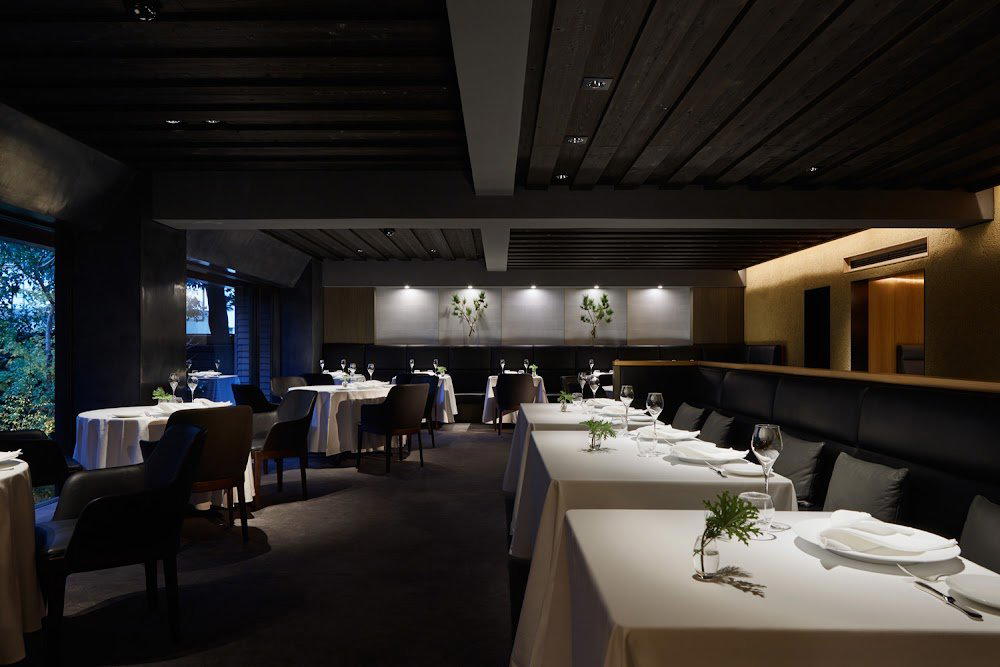
For diners weighing a full evening against non-sushi alternatives at the same price tier, the comparison shifts. RyuGin at ¥¥¥¥ offers kaiseki with a broader ingredient range and a more theatrical service format, the right choice if you want the full sweep of Japanese seasonal produce rather than a focused sushi counter. L'Effervescence operates at ¥¥¥¥ in a French idiom and is the better call if you want a long, wine-paired tasting menu rather than a counter experience. Neither competes directly with what Hashimoto does, but both are worth knowing if you are deciding how to allocate one high-spend dinner on a Tokyo trip.
For visitors whose priority is booking ease, Crony and HOMMAGE, both innovative French at ¥¥¥¥, typically have more accessible reservation windows than Hashimoto and offer a different register entirely. They are not substitutes for a sushi counter, but if your Tokyo itinerary is already sushi-heavy, they provide strong contrast at the same price point. For sushi specifically, Hashimoto is the more approachable booking compared to Sukiyabashi Jiro Roppongiten, where securing a seat is harder and the experience is considerably more formal.
Explore Tokyo
Around this place
Discover more on Pearl
Unlock the full Sushi Hashimoto guide in Pearl, including awards, comparisons, FAQs, planning details, and nearby places.
Compare Sushi Hashimoto
| Venue | Cuisine | Price | Booking Difficulty | Awards |
|---|---|---|---|---|
| Sushi Hashimoto | Sushi | ¥¥¥¥ | Hard | 2026 OAD Top Restaurants in Japan Ranked · #1202026 Michelin 1 Star2025 OAD Top Restaurants in Japan Ranked · #1022024 OAD Top Restaurants in Japan Ranked · #1022024 Michelin 1 Star2023 OAD Top Restaurants in Japan Ranked · #108 |
| Harutaka | Sushi | ¥¥¥¥ | Unknown | 2026 Tabelog Silver · #312026 OAD Top Restaurants in Japan Ranked · #1282026 Michelin 3 Stars2026 La Liste Top RestaurantsTabelog 100 - Sushi - TOKYO - 2025 · #372025 Asia's 50 Best Restaurants · #762025 OAD Top Restaurants in Japan Ranked · #1172025 La Liste Top Restaurants2025 Tabelog Bronze |
| L'Effervescence | French | ¥¥¥¥ | Unknown | 2026 Tabelog Silver · #682026 OAD Top Restaurants in Japan Ranked · #103Star Wine Lists 20262026 Black Pearl 2 Diamond2026 Relais Chateaux Restaurants2026 La Liste Top Restaurants2026 Michelin 3 Stars2025 Asia's 50 Best Restaurants · #692025 OAD Top Restaurants in Japan Ranked · #92 |
| RyuGin | Kaiseki, Japanese | ¥¥¥¥ | Unknown | 2026 OAD Top Restaurants in Japan Ranked · #802026 Tabelog Bronze · #3772026 Michelin 3 Stars2026 La Liste Top RestaurantsTabelog 100 - Japanese cuisine - TOKYO - 2025 · #212025 OAD Top Restaurants in Japan Ranked · #542025 Michelin 3 Stars2025 La Liste Top Restaurants2025 The Best Chef Three Knives |
| HOMMAGE | Innovtive French, French | ¥¥¥¥ | Unknown | 2026 Tabelog Bronze · #1232026 OAD Top Restaurants in Japan Highly Recommended2026 Michelin 2 StarsTabelog 100 - French - TOKYO - 2025 · #762025 Asia's 50 Best Restaurants · #782025 OAD Top Restaurants in Japan Ranked · #1752025 Michelin 2 Stars2025 The Best Chef One Knife2025 La Liste Top Restaurants |
| Crony | Innovative, French | ¥¥¥¥ | Unknown | 2026 Asia's 50 Best Restaurants · #34Star Wine Lists 20262026 OAD Top Restaurants in Japan Recommended2026 Michelin 2 Stars2025 Asia's 50 Best Restaurants · #30Tabelog 100 - French - TOKYO - 2025 · #782025 OAD Top Restaurants in Japan Ranked · #227We're Smart World Top Restaurants 20252025 Michelin 2 Stars |













How Sushi Hashimoto stacks up against the competition.
FAQ
Frequently Asked Questions
What should a first-timer know about Sushi Hashimoto?
Come expecting technical precision in a deliberately relaxed setting, the casual atmosphere is intentional, not a signal of lesser ambition. Chef Hiroyuki Hashimoto works in an Edo tradition with avant-garde touches: wide-cut fish wrapped around sushi rice, straw-smoked Spanish mackerel with mustard, and a counter built by artisans to encourage conversation. At ¥¥¥¥ pricing with a Michelin star and consecutive OAD Top 110 rankings in Japan, you are paying for craft, not ceremony. First-timers who prefer a more formal, silent omakase format may find the room more sociable than expected.
What are alternatives to Sushi Hashimoto in Tokyo?
For a stricter, more reverent counter experience at a comparable price point, Harutaka is the natural reference point. If you want to stay in the top tier of Tokyo dining but move outside sushi entirely, RyuGin offers modern Japanese cuisine with similar critical standing. Sushi Hashimoto suits diners who want rigorous technique without the hushed formality that defines some of its peers.
How far ahead should I book Sushi Hashimoto?
Book at least four to six weeks in advance for a realistic chance at your preferred service slot. The three-service-per-day structure (lunch at 12pm, early evening at 5pm, late sitting at 7:45pm) creates more total seats than a single-seating counter, but the Michelin star and sustained OAD rankings keep demand consistently ahead of supply. Tuesday and Wednesday closures tighten availability further across the week.
Is the tasting menu worth it at Sushi Hashimoto?
At ¥¥¥¥, Sushi Hashimoto sits in Tokyo's top pricing bracket, and the credentials justify it: a Michelin star since 2024 and OAD rankings placing it in Japan's top 110 restaurants across three consecutive years. The value case is strongest if you want Edo-style sushi with a distinct point of view, the wide-cut fish technique and straw-smoked preparations are not standard omakase fare. If you are primarily seeking volume or variety over individuality of style, a broader kaiseki format elsewhere may give better return.
Can Sushi Hashimoto accommodate groups?
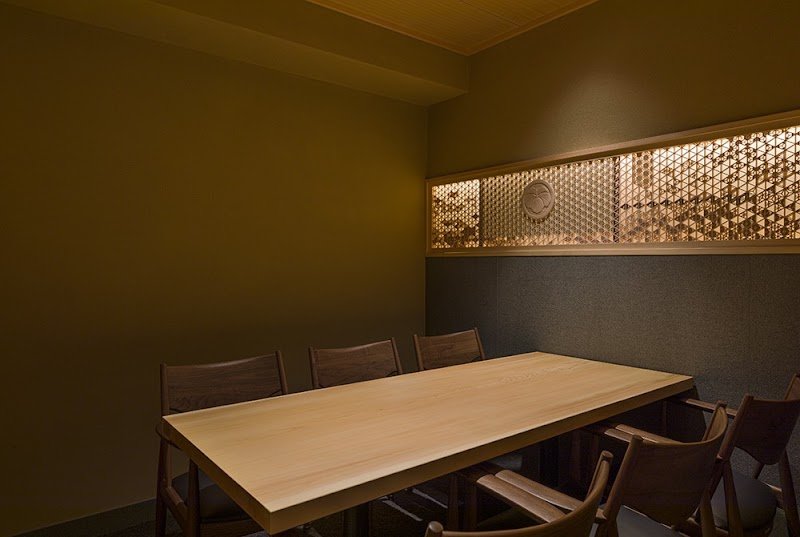
The counter format limits group size, and the venue is better suited to pairs or small parties of three to four than to larger gatherings. There is no evidence in available records of a private dining room. Groups wanting a shared high-end Tokyo experience with more flexible seating should consider RyuGin or L'Effervescence, where room configurations are more adaptable.