
Serata
Yakitori · Minato, Tokyo
Restaurant in Tokyo, Japan
 Book with Pearl
The Read
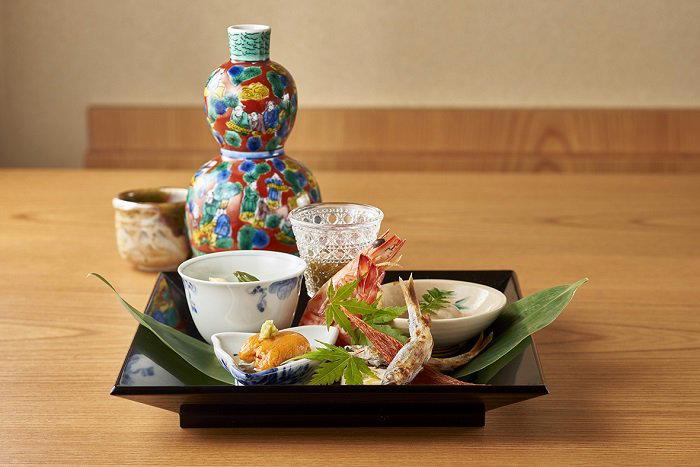
Binchōtan-Driven Yakitori
Price
$500+per person
Chef
Kentaro Sera
Dress
Smart Casual
Why go
A three-year OAD-ranked yakitori counter in Azabujuban, Serata is the right booking for a focused, seasonal dinner in an intimate fifth-floor room. Chef Kentaro Sera runs a kitchen that adjusts with the seasons — autumn is the strongest window. Easier to book than Tokyo's most competitive tables, it suits pairs and small groups over large parties.
About Serata
Serata, Azabujuban — Pearl Verdict
Serata is a credible, OAD-ranked yakitori counter in Azabujuban worth booking for a focused dinner in the ¥¥¥ tier, particularly if you want the intimacy of a fifth-floor room rather than the more tourist-trafficked yakitori circuits elsewhere in Tokyo. Chef Kentaro Sera has built a steady following — ranked #377 on Opinionated About Dining's Japan list in 2024 and climbing to #451 in 2025 (a ranking shift that reflects increased competition in a crowded field, not a drop in quality). For a special occasion dinner built around seasonal yakitori, this is a dependable choice. If you want grander ceremony or a more internationally recognised name, RyuGin or L'Effervescence operate at a higher price and production level. But for what Serata does, precise, seasonal yakitori in a quiet neighbourhood setting, it earns its place.
The Room and the Format
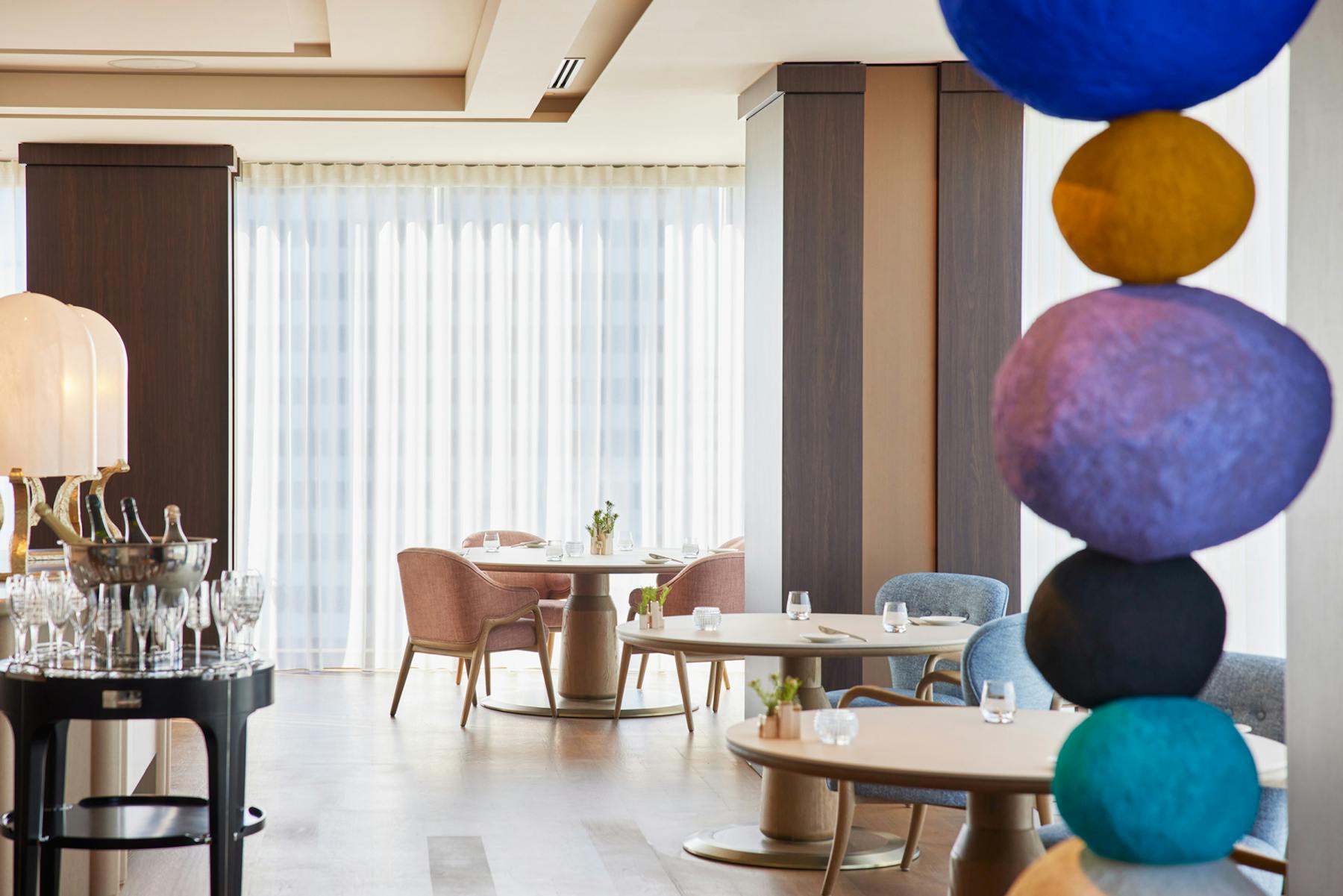
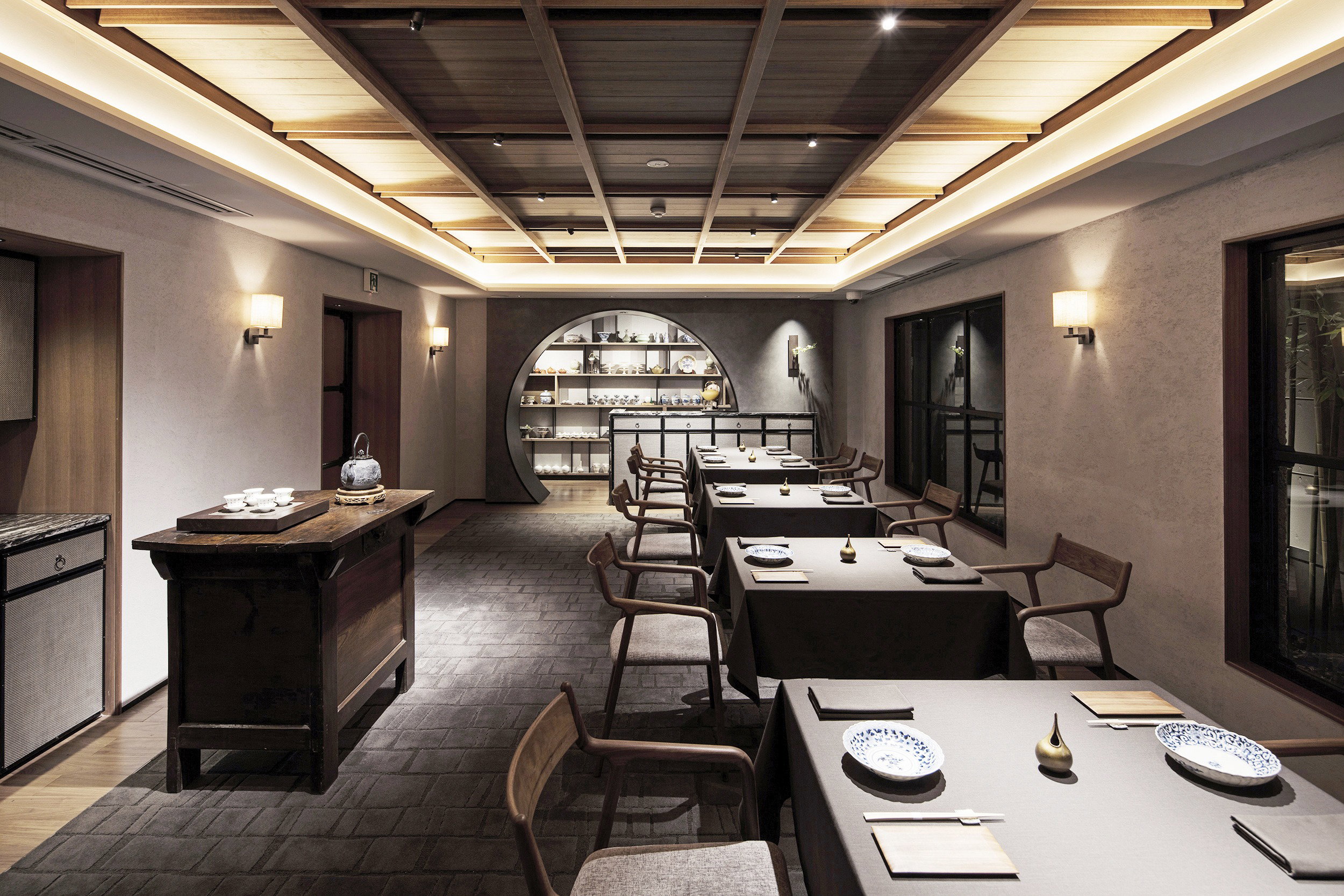
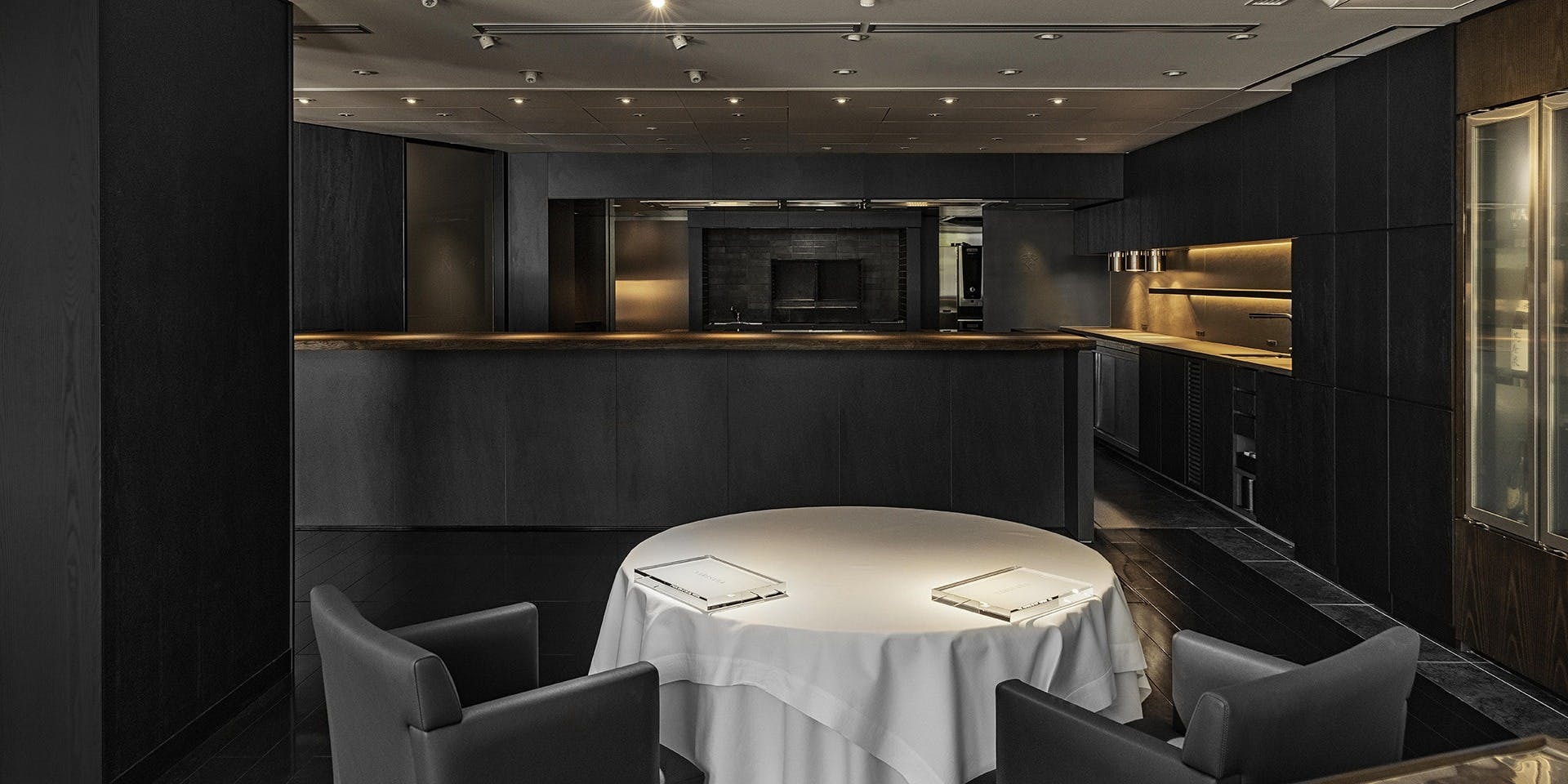
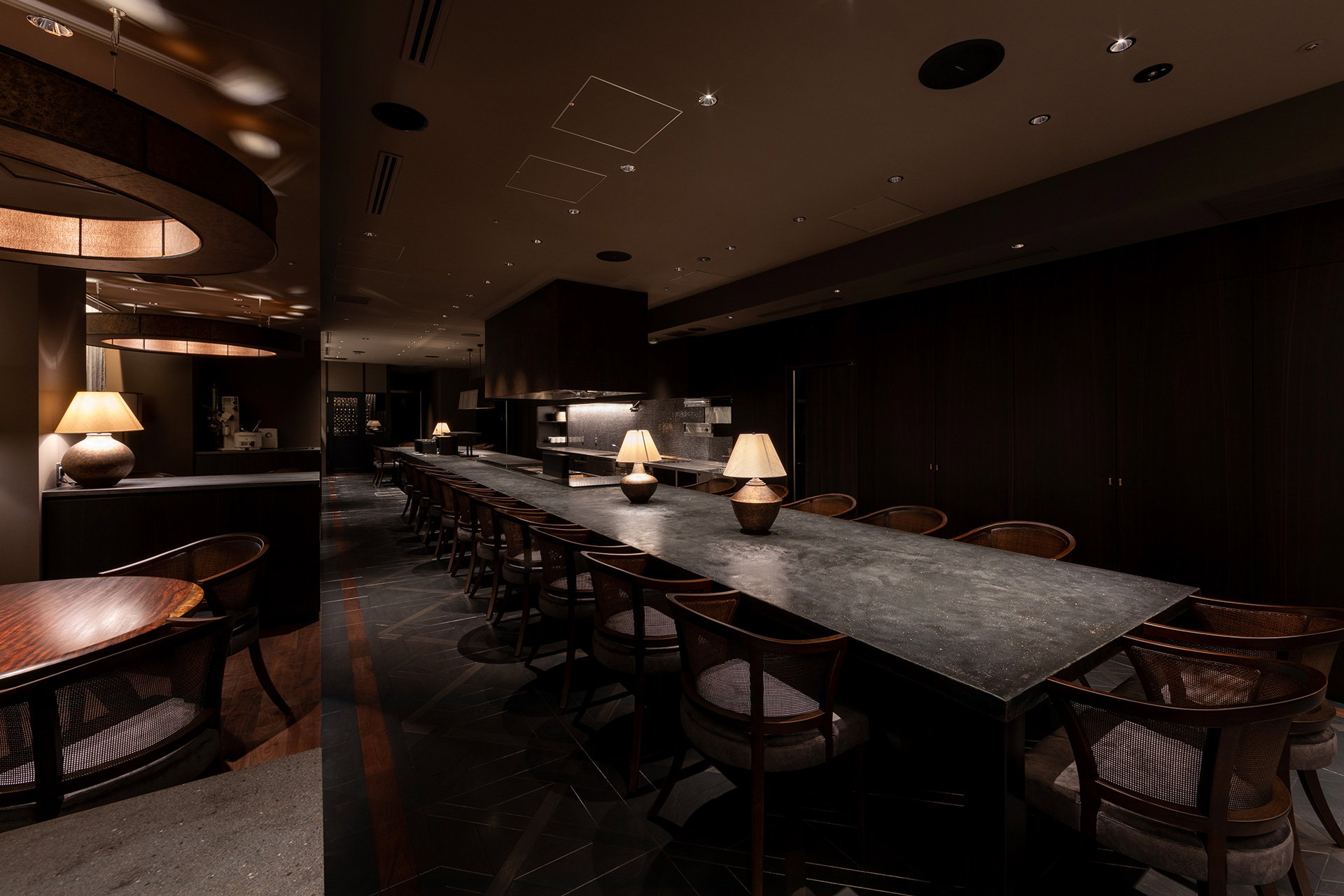
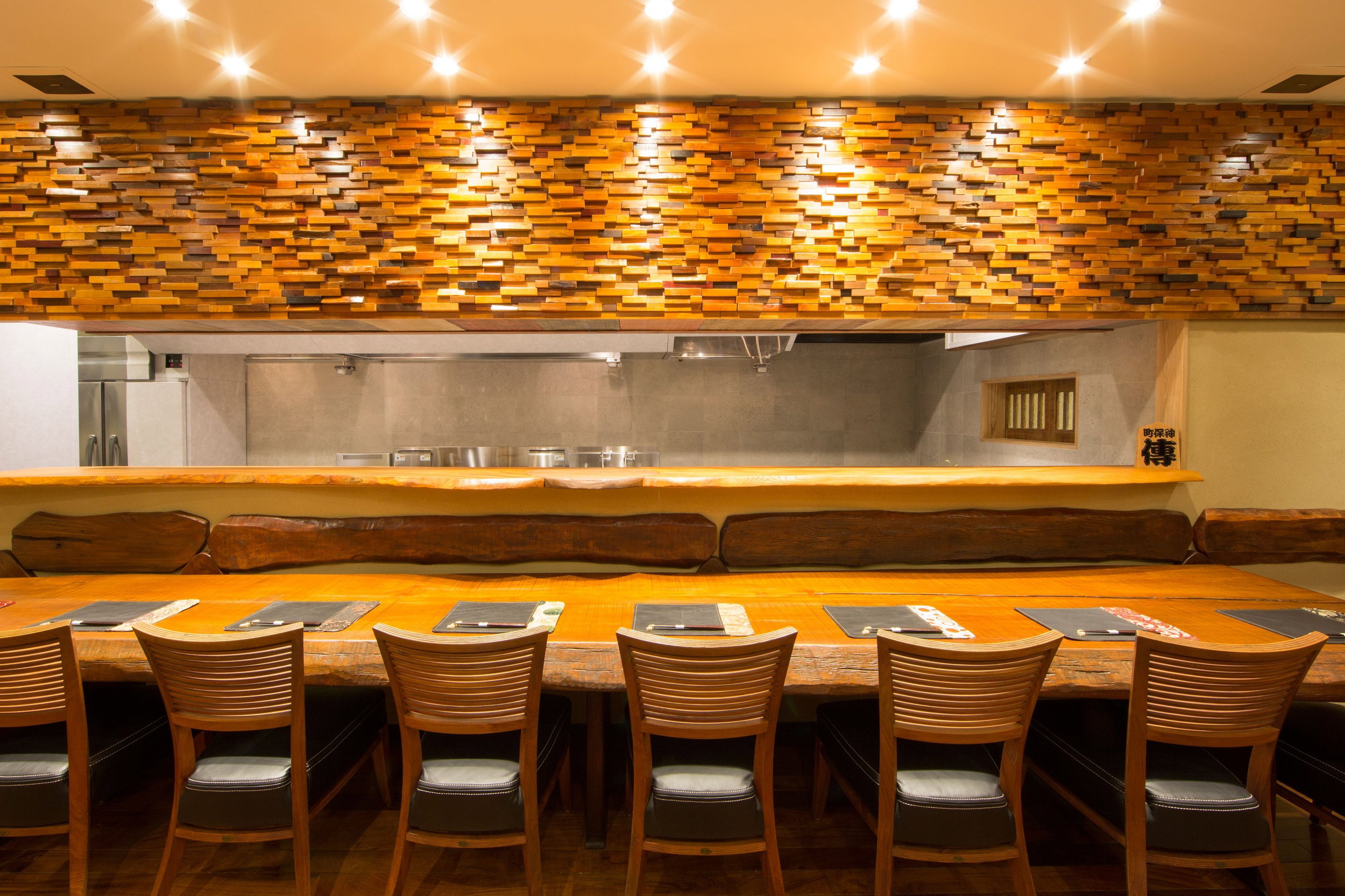
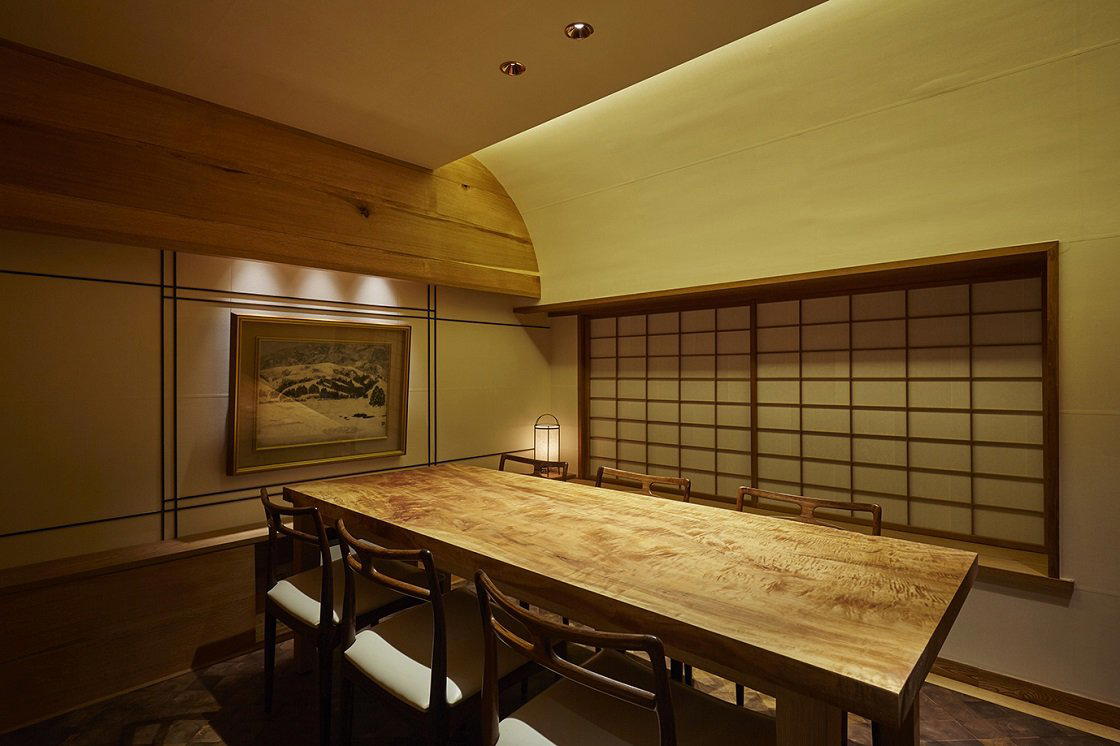
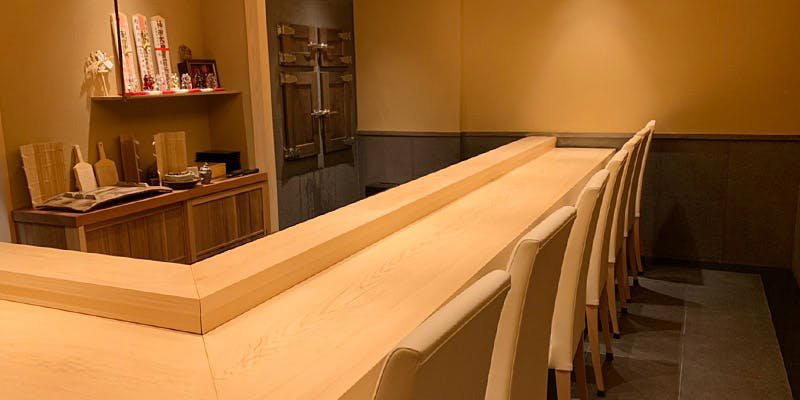
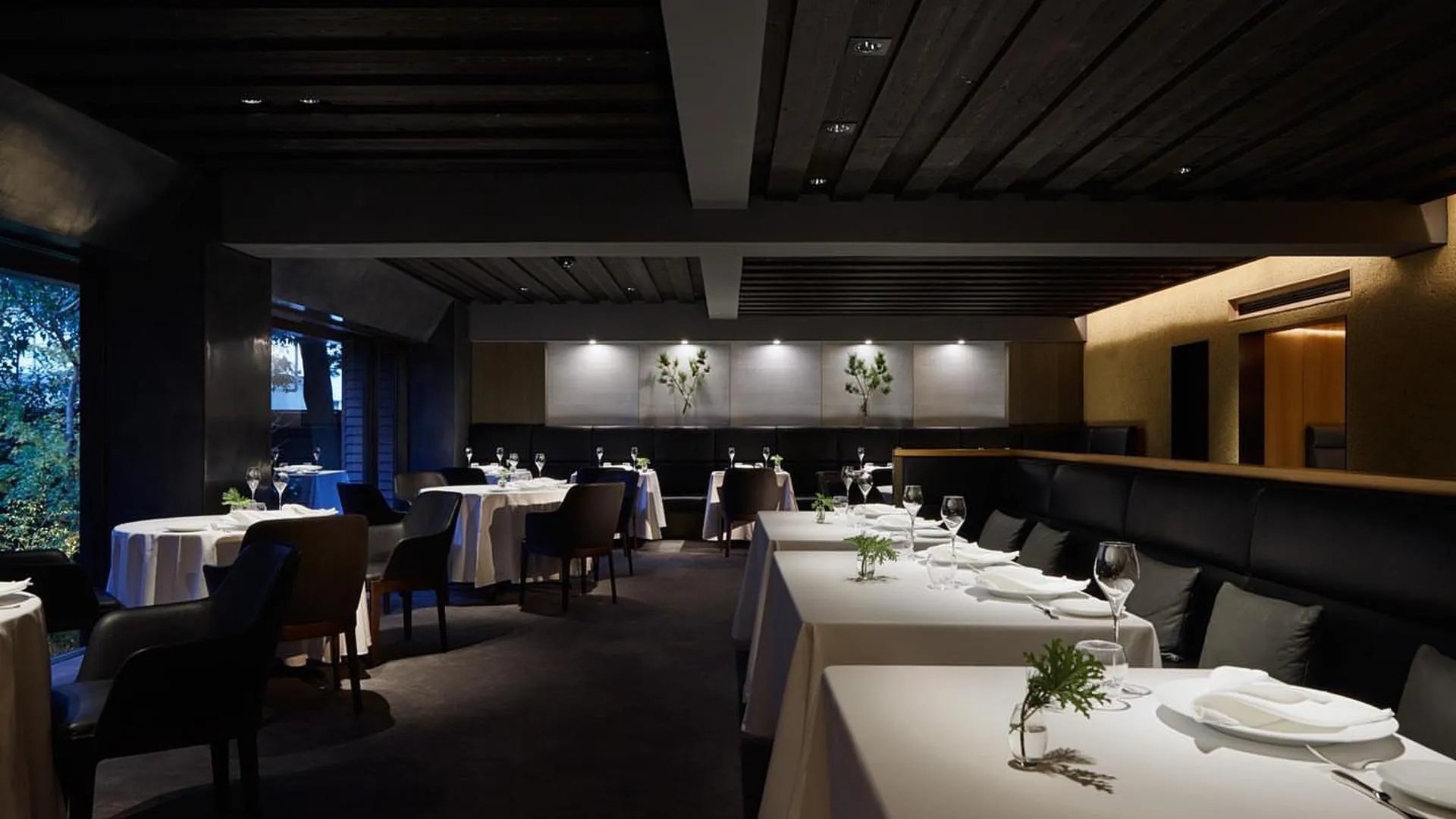
Serata occupies the fifth floor of the Hasebaya Building in Azabujuban's low-key commercial stretch, a neighbourhood that sits comfortably between Roppongi's energy and Hiroo's residential calm. The elevator arrival and upper-floor positioning create a sense of remove from the street, which suits the counter-dining format well. Spatially, this is an intimate, close-in room: you are near the grill, the heat is present, and the pacing is dictated by what is ready rather than a rush. For a date or a quiet celebratory dinner, that works in your favour. For large groups looking for a lively, communal table setup, it is less suited, the format rewards pairs and small parties who are content to let the evening unfold at the kitchen's rhythm.
Seasonal Rotation: Why Timing Matters Here
Yakitori at this level is not a static menu. Serata's value as a destination is closely tied to what is in season, and the kitchen adjusts accordingly. Spring brings lighter preparations as ingredients transition; summer shifts toward more direct, high-heat cooking; autumn is widely considered the strongest period for poultry-forward menus in Japan, when birds are at their leading and supplementary seasonal produce adds range to the skewers. Winter counters tend toward richer, more substantial courses. If you have flexibility, booking in October or November gives you the leading chance of catching the kitchen at its most expressive. Sunday hours are shorter (6–8 pm only), so plan a full evening by arriving Monday through Saturday during the 5–10:30 pm window.
Booking and Logistics
Serata sits comfortably in the easy-to-book tier relative to Tokyo's most competitive tables. Unlike the months-out waits required for counters such as Harutaka, you can generally secure a reservation with reasonable notice, though the OAD recognition has brought more attention, so don't assume a same-week booking is guaranteed on weekends. No phone or website is listed in the public record, so your most reliable route is through a hotel concierge if you are staying at a Tokyo property, or via a reservation platform that covers Azabujuban. The address is 1 Chome-7-7 Azabujuban, Minato City, 5F, confirm your reservation method before arriving, as walk-in access to a fifth-floor counter is not advisable without a confirmed seat.
How Serata Compares in Tokyo's Yakitori Scene
Within the Tokyo yakitori circuit, Serata sits above the casual robatayaki tier but below the highest-profile destination counters. BIRD LAND in Ginza is the most internationally referenced benchmark in the category, OAD-listed, with a longer track record and easier name recognition for overseas visitors. Yakitori Omino and Asagaya BIRD LAND offer comparable neighbourhood-counter energy at varying price points. Aramaki and 124. KAGURAZAKA represent alternative options if you want to stay in the OAD-tracked yakitori tier but prefer different neighbourhoods. Serata's case is its Azabujuban location and a kitchen that has maintained consistent OAD recognition across three consecutive years, recommended in 2023, ranked in 2024, ranked again in 2025. That consistency is more meaningful than a single-year spike.
For Special Occasions
Serata works well for a considered dinner between two people, an anniversary, a quiet birthday, or a business dinner where the counter format enables conversation without a loud backdrop. It is less suited to milestone celebrations requiring a private room, elaborate plating theatre, or a wine list with depth. If the occasion calls for more formal production, RyuGin or Florilège operate at a higher register. For yakitori specifically as the occasion, Serata delivers a focused, unhurried experience that holds up for a meaningful dinner.
Pearl Picks: More Tokyo Dining
- BIRD LAND, The Ginza yakitori reference point
- Yakitori Omino, Neighbourhood counter alternative
- Aramaki, OAD-tracked, different area
- 124. KAGURAZAKA, Kagurazaka yakitori option
- Asagaya BIRD LAND, Further afield, worth the trip
- Torisaki, If you're continuing to Kyoto
- Torisho Ishii, Osaka yakitori for the same trip
Explore More in Tokyo and Beyond
- Our full Tokyo restaurants guide
- Our full Tokyo hotels guide
- Our full Tokyo bars guide
- Our full Tokyo wineries guide
- Our full Tokyo experiences guide
- HAJIME in Osaka
- Gion Sasaki in Kyoto
- akordu in Nara
- Goh in Fukuoka
- 1000 in Yokohama
- 6 in Okinawa
FAQ: Serata, Tokyo
- What should a first-timer know about Serata? It is a counter-format yakitori restaurant in Azabujuban, OAD-ranked in Japan for three consecutive years (2023–2025). Arrive knowing that the kitchen controls the pace and the menu follows seasonal availability. Book in advance rather than walking in, the fifth-floor location is counter-only, and the seasonal focus means what you eat depends heavily on when you visit. Autumn is the strongest window.
- Is lunch or dinner better at Serata? Dinner only, Serata does not offer lunch service. Hours run Monday through Saturday from 5–10:30 pm, with a compressed Sunday window of 6–8 pm. If your schedule allows, avoid Sunday and give yourself a full evening on any weekday to get the most from the counter format without feeling rushed.
- How far ahead should I book Serata? A week to ten days is a reasonable minimum for weekday seatings; allow two to three weeks for weekend bookings, particularly since OAD recognition has brought broader attention. Serata is easier to book than the hardest tables in Tokyo, but it is not a walk-in venue. Use a hotel concierge or a Japan-focused reservation service if you do not have a direct booking route.
- Can Serata accommodate groups? Small groups of two to four are well suited to the counter format. Larger parties should confirm availability and seating configuration before booking, as intimate counter spaces in Tokyo typically have capacity constraints. No phone or website is publicly listed, so group inquiries are leading handled through a concierge or reservation platform.
- Does Serata handle dietary restrictions? Yakitori is a meat-forward format centred on chicken and offal, making it a poor fit for vegetarians or guests with poultry restrictions. For other dietary needs, communicate restrictions at the time of booking rather than on arrival, counter kitchens prepare courses in sequence and have limited flexibility mid-service. Confirm your specific requirements through whichever booking channel you use.
- What should I wear to Serata? Smart casual is appropriate. Azabujuban is a polished neighbourhood and the OAD-tracked counter setting warrants effort, but there is no formal dress code on record. Avoid overly casual attire (shorts, athletic wear) and note that yakitori cooking produces smoke and heat, light layers work better than heavy fabrics if you are sensitive to smoke at the counter.
Planning details
- Hours
- Monday: 5–10:30 pm · Tuesday: 5–10:30 pm
- Location
- Japan, 〒106-0045 Tokyo, Minato City, Azabujuban, 1 Chome−7−7 はせべやビル 5F
- Phone
- +81 3-3405-2882
The take
The Take
The Vibe
Serata reads like a quiet, classic yakitori specialist tucked into Azabu-Juban. The copy emphasizes small rooms and a discipline-driven approach to grilling over binchōtan charcoal, giving the restaurant a calm, focused atmosphere rather than a buzzy dining-room energy. Writing about sourcing obsession and technical seriousness places the kitchen in a high-attention register — not flashy, but exacting. The neighbourhood setting in residential, embassy-lined Azabu-Juban reinforces a polished, low-key tone: this is a place where craft and restraint take center stage, and the room feels like a contemplative, neighbourhood anchor.
Best For
Serata suits diners who prize focused technique and quiet refinement. Its placement in Azabu-Juban and description as a neighbourhood-focused yakitori-ya signal a clientele of local professionals and residents seeking meticulous grilling rather than raucous after-work crowds. The restaurant’s small-room format and emphasis on sourcing make it appropriate for special occasions where precision and provenance matter; it also appeals to diners who prefer restrained, craft-led meals over loud, high-volume evening scenes. Reservations and a patient approach to service will reward visitors looking for a composed dining experience.
Ordering Tips
The venue is described as a specialist yakitori-ya with "no printed menus" and a strong sourcing focus, so expect a compact, chef-led selection rather than à la carte abundance. Treat the meal as a sequence of carefully chosen skewers and preparations that showcase ingredient quality and charcoal technique. Given the emphasis on technical seriousness and neighbourhood service, lean into the chef’s choices: allow the kitchen to pace the meal and prioritize items that highlight binchōtan grilling and the restaurant’s sourcing strengths.
Venue details
Ambiance
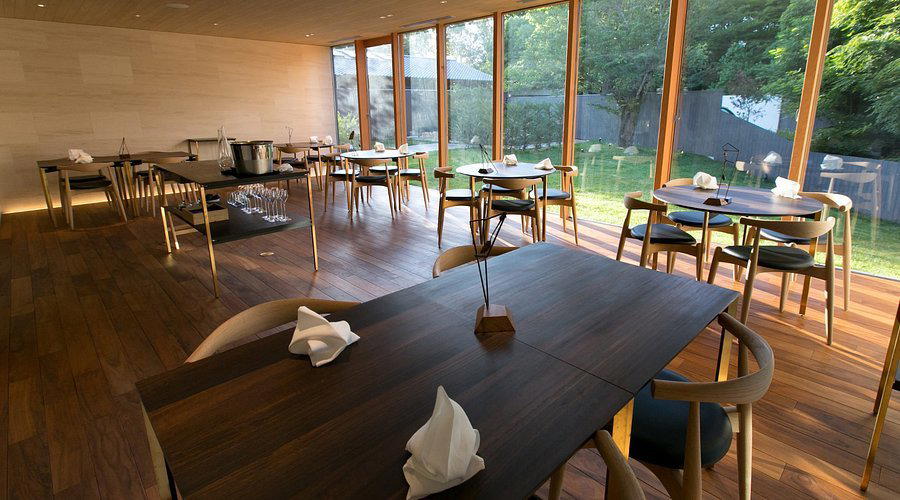
Intimate fifth-floor counter seating in a relaxing space.
Tags
Vibe
Best For
At the Table
- Dress Code
- Smart Casual
- Noise Level
- Quiet
- Service Style
- Upscale Casual
- Meal Pacing
- Leisurely
- Capacity
- Intimate
- Kitchen
- Traditional
- Menu Format
- Counter dining
- Wine Program
- Curated
- Drinks Focus
- Sake
Know before you go
Know Before You Go
- Getting there
- Japan, 〒106-0045 Tokyo, Minato City, Azabujuban, 1 Chome−7−7 はせべやビル 5F
Planning details
Hours
- Monday
- 5–10:30 pm
- Tuesday
- 5–10:30 pm
- Wednesday
- 5–10:30 pm
- Thursday
- 5–10:30 pm
- Friday
- 5–10:30 pm
- Saturday
- 5–10:30 pm
- Sunday
- 6–8 pm
Location
Japan, 〒106-0045 Tokyo, Minato City, Azabujuban, 1 Chome−7−7 はせべやビル 5F · Directions

Also consider
Also Consider
- Harutaka, Sushi, ¥¥¥¥
- RyuGin, Kaiseki, Japanese, ¥¥¥¥
- L'Effervescence, French, ¥¥¥¥
- HOMMAGE, Innovtive French, French, ¥¥¥¥
- Florilège, French, ¥¥¥
Restaurant context
Serata operates in a different category from most of the high-profile Tokyo tables visitors plan around. Against RyuGin or L'Effervescence, the comparison is almost beside the point, those are multi-course kaiseki and French tasting-menu experiences at the top of Tokyo's price range, with the production and booking difficulty to match. Serata's case is format and focus: a yakitori counter that has earned consistent OAD recognition without operating at the ¥¥¥¥ level. If you want the highest-ceremony dining in Tokyo, book RyuGin. If you want a focused, seasonal counter dinner at a lower price point, Serata is the stronger choice.
Within the yakitori category specifically, BIRD LAND in Ginza is the most internationally referenced comparison, it carries more name recognition among overseas visitors and has a longer established record. Serata in Azabujuban offers a quieter neighbourhood setting and comparable OAD credibility. Florilège and HOMMAGE are French-leaning alternatives for diners who want the same special-occasion register but a more elaborate tasting format, both operate at ¥¥¥–¥¥¥¥ and are harder to book. Serata wins on accessibility and neighbourhood calm.
For value-conscious diners choosing between an OAD-tracked yakitori counter and one of Tokyo's French or sushi options, the decision comes down to format preference. Sushi at Harutaka is a more demanding booking at ¥¥¥¥ with months-long waits; Serata is easier to secure and delivers a different but equally considered experience. If your priority is seasonal Japanese cooking in a counter setting without the booking friction of the hardest Tokyo tables, Serata is the practical choice.
Explore Tokyo
Around this place
Discover more on Pearl
Unlock the full Serata guide in Pearl, including awards, comparisons, FAQs, planning details, and nearby places.
Compare Serata
| Venue | Location | Cuisine | Awards | Price |
|---|---|---|---|---|
| Serata | Tokyo | Yakitori | 2026 OAD Top Restaurants in Japan Recommended2025 OAD Top Restaurants in Japan Ranked · #4512024 OAD Top Restaurants in Japan Ranked · #3772023 OAD Top Restaurants in Japan Recommended | , |
| Harutaka | Tokyo | Sushi | 2026 Tabelog Silver · #312026 OAD Top Restaurants in Japan Ranked · #1282026 Michelin 3 Stars2026 La Liste Top RestaurantsTabelog 100 - Sushi - TOKYO - 2025 · #372025 Asia's 50 Best Restaurants · #762025 OAD Top Restaurants in Japan Ranked · #1172025 La Liste Top Restaurants2025 Tabelog Bronze | ¥¥¥¥ |
| RyuGin | Tokyo | Kaiseki, Japanese | 2026 OAD Top Restaurants in Japan Ranked · #802026 Tabelog Bronze · #3772026 Michelin 3 Stars2026 La Liste Top RestaurantsTabelog 100 - Japanese cuisine - TOKYO - 2025 · #212025 OAD Top Restaurants in Japan Ranked · #542025 Michelin 3 Stars2025 La Liste Top Restaurants2025 The Best Chef Three Knives | ¥¥¥¥ |
| L'Effervescence | Tokyo | French | 2026 Tabelog Silver · #682026 OAD Top Restaurants in Japan Ranked · #103Star Wine Lists 20262026 Black Pearl 2 Diamond2026 Relais Chateaux Restaurants2026 La Liste Top Restaurants2026 Michelin 3 Stars2025 Asia's 50 Best Restaurants · #692025 OAD Top Restaurants in Japan Ranked · #92 | ¥¥¥¥ |
| HOMMAGE | Tokyo | Innovtive French, French | 2026 Tabelog Bronze · #1232026 OAD Top Restaurants in Japan Highly Recommended2026 Michelin 2 StarsTabelog 100 - French - TOKYO - 2025 · #762025 Asia's 50 Best Restaurants · #782025 OAD Top Restaurants in Japan Ranked · #1752025 Michelin 2 Stars2025 The Best Chef One Knife2025 La Liste Top Restaurants | ¥¥¥¥ |
| Florilège | Tokyo | French | 2026 Asia's 50 Best Restaurants · #312026 Tabelog Bronze · #712026 OAD Top Restaurants in Japan Ranked · #1242026 Black Pearl 1 Diamond2026 Michelin 2 Stars2026 La Liste Top Restaurants2025 Asia's 50 Best Restaurants · #172025 World's 50 Best Restaurants · #36Tabelog 100 - French - TOKYO - 2025 · #68 | ¥¥¥ |












How Serata Tokyo compares with similar nearby venues.
FAQ
Frequently Asked Questions
Can Serata accommodate groups?
Counter-format yakitori venues like Serata are built for small parties. Two to four people is the sweet spot; larger groups will likely face split seating or booking difficulty. If you are planning a group of five or more, a restaurant with private dining is a more practical choice in Tokyo's dining scene.
What should a first-timer know about Serata?
Serata is a focused yakitori counter on the fifth floor of the Hasebaya Building in Azabujuban — not a casual grill bar. Chef Kentaro Sera's kitchen has ranked in OAD's Top Restaurants in Japan three consecutive years (2023–2025), reaching #377 in 2024 and #451 in 2025. Come expecting a structured, course-driven dinner rather than an informal skewer-and-beer session.
Is lunch or dinner better at Serata?
Serata is dinner-only. The kitchen opens at 5 pm Monday through Saturday, with a shorter Sunday window of 6–8 pm. Sunday evening is the tightest sitting, so a weeknight dinner gives you the most comfortable experience.
How far ahead should I book Serata?
Serata sits in the easier-to-book tier relative to Tokyo's most competitive counters — you are not looking at the months-out waits that venues like Harutaka or RyuGin require. A week to two weeks of lead time is generally sufficient, though weekends will fill faster. Sunday evenings, with their narrow 6–8 pm window, are worth booking as early as possible.
What should I wear to Serata?
Serata is a serious counter with three consecutive years of OAD recognition, so treat it accordingly. Neat, presentable clothing is appropriate — think the kind of outfit you would wear to a considered dinner with someone you want to impress, without the need for a jacket or tie. Avoid anything you would wear to a casual izakaya.