

Sato Burian
Yakiniku · Suginami, Tokyo
Restaurant in Tokyo, Japan
 Book with Pearl
The Read
Reservation-Only Yakiniku Coursing
Price
$150–200per person
Chef
Akihiro Sato
Dress
Smart Casual
Why go
Sato Burian is one of Tokyo's most consistently recognised yakiniku restaurants, holding a Tabelog 100 listing every year since 2018 and a Gold Award as recently as 2017. At JPY 20,000–29,999 per head for a personalised chef's course, it delivers serious quality in a calm Asagaya setting with private rooms available and a notable wine programme.
About Sato Burian
Is Sato Burian worth booking?
Yes, book it — particularly if you want a serious yakiniku dinner in Tokyo without the frantic energy of a central-city dining room. That combination of peer-rated quality and broad diner satisfaction is a reliable signal. The Asagaya address puts it a two-minute walk from the station, but outside the tourist circuit — which keeps the atmosphere calmer and the reservation situation more manageable than comparable spots closer to Shinjuku or Roppongi.
What to expect at Sato Burian
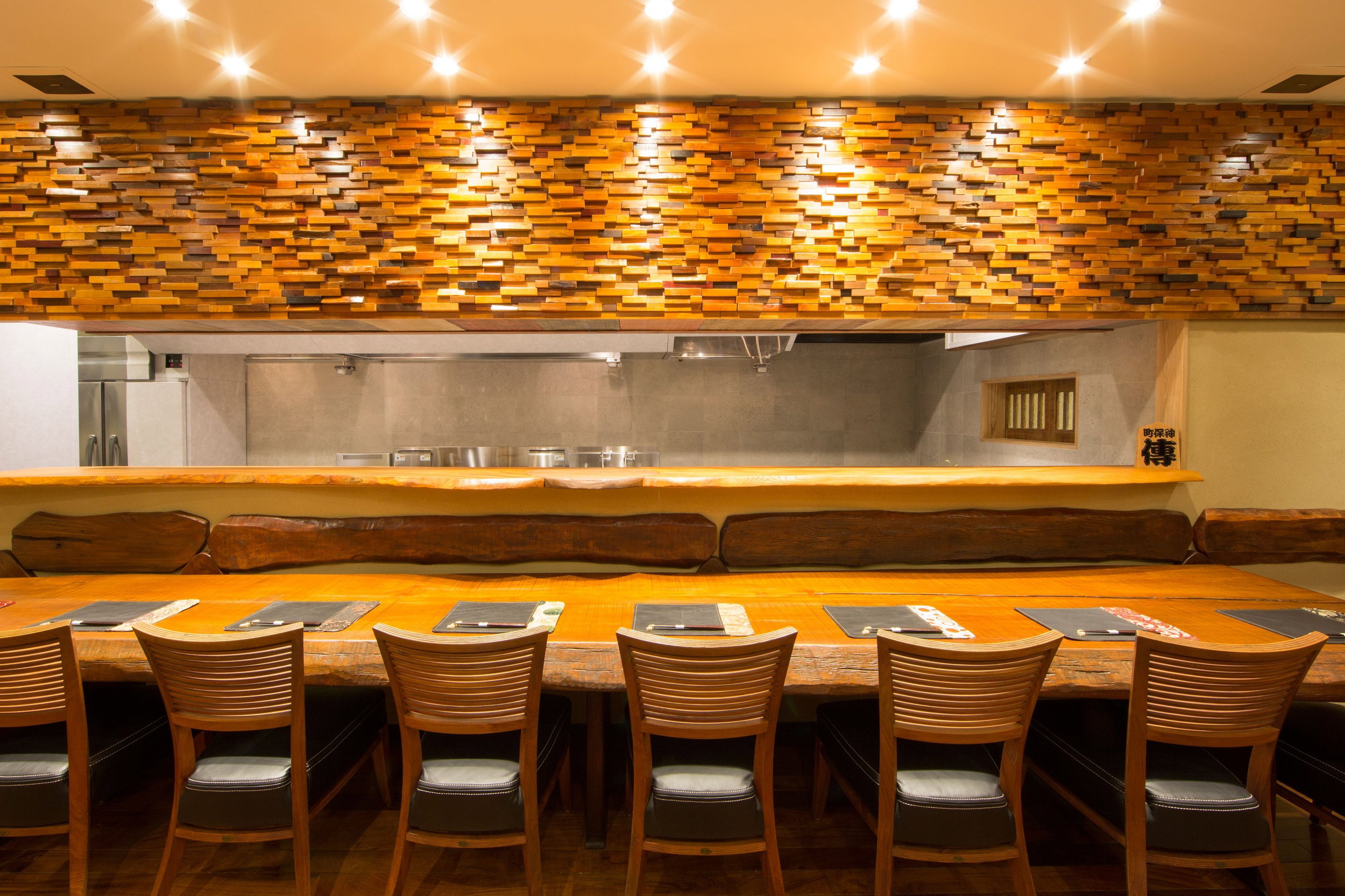
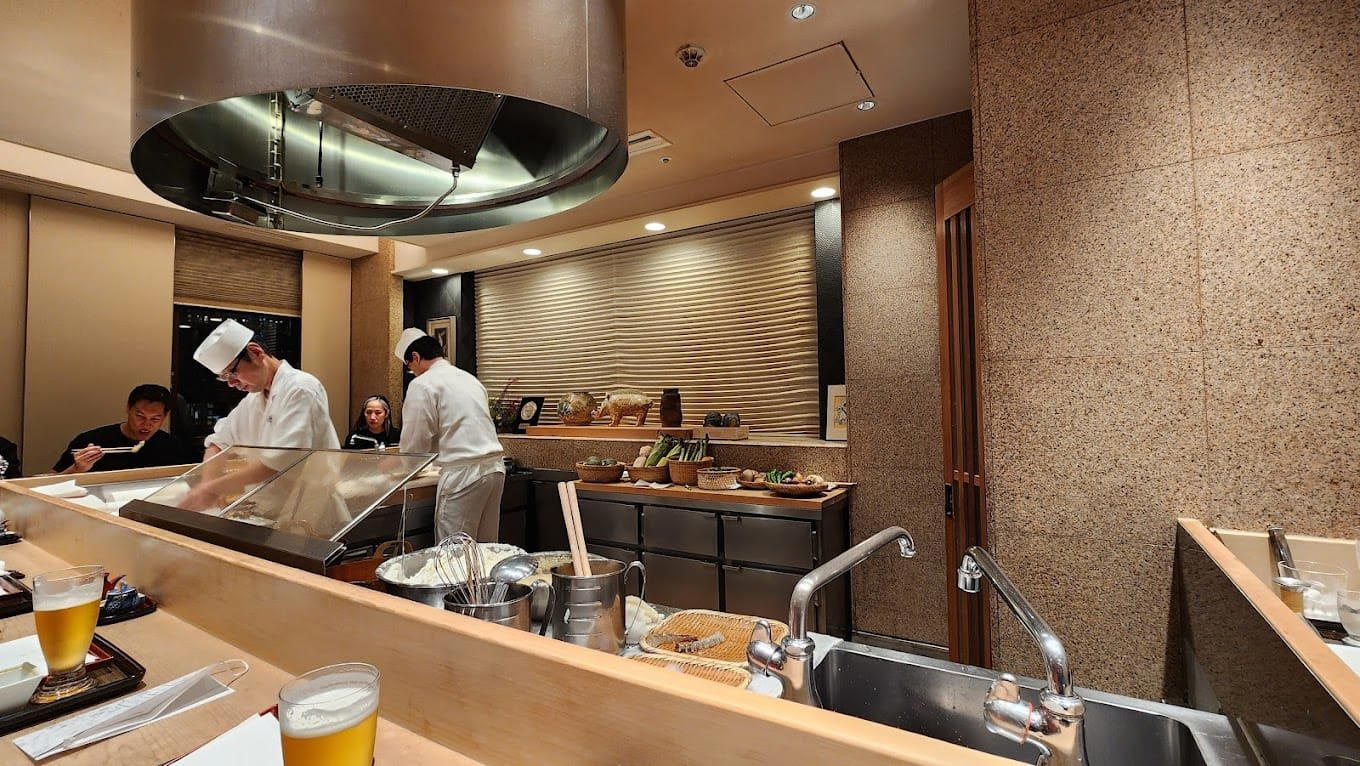
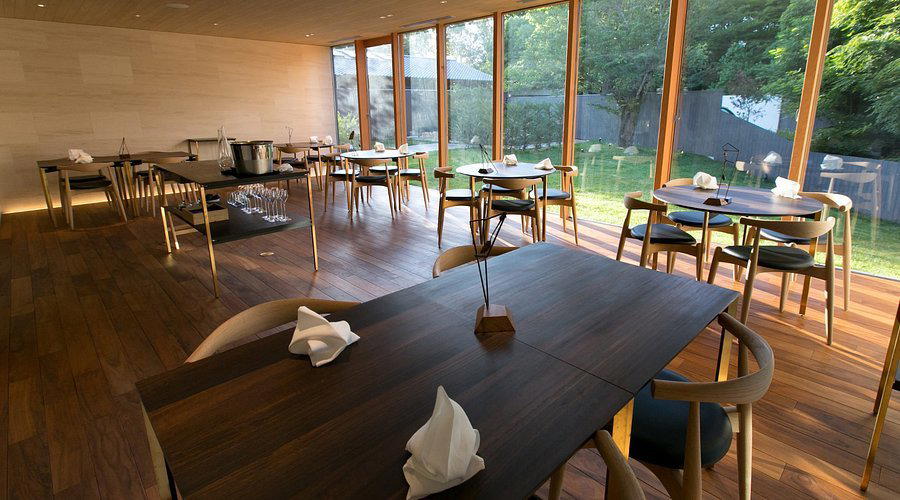
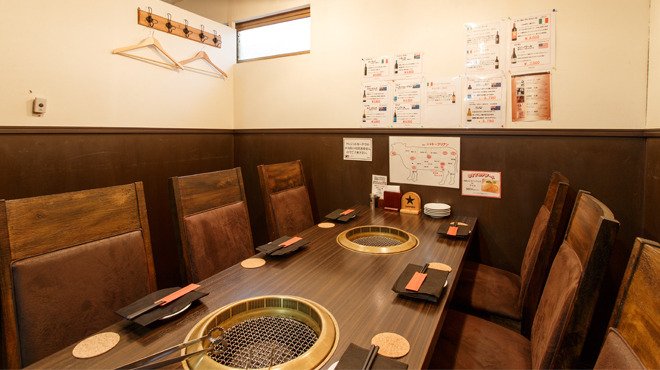
Sato Burian operates as a reservation-only yakiniku restaurant with 24 seats across a relaxed, spaciously arranged room. The format is a chef's special course tailored to your preferences, there is no à la carte walk-in option.
The service model here is worth understanding before you book. Courses run two hours (the booking system displays 2.5 hours, but actual table time is two hours), and the kitchen offers a personalised course structure rather than a fixed menu. That chef-led format means the quality of your evening depends significantly on how well staff read your preferences, it is a higher-touch service proposition than most yakiniku restaurants at this price, and the venue's sustained recognition across eight consecutive years of Tabelog 100 selection suggests it is delivering on that promise consistently. The occasion category on Tabelog is tagged as business and friends, both recommended by many reviewers, which tells you this is a room that handles both professional entertaining and relaxed social dining without feeling mismatched for either.
Private rooms are available for parties of four or six, and for parties of two on a course reservation. That flexibility makes it a sensible choice for groups who want separation, but note that full private-use buyout is not available. Children of elementary school age and above are accepted, though the price point and two-hour course format make it better suited to adults or older children who will be eating a full course. The restaurant is non-smoking indoors, with an ashtray outside the entrance for smokers.
Drinks lean toward sake, shochu, and wine, the venue notes a particular focus on wine selection, which is worth factoring in if you are planning to spend on a pairing. Credit cards (Visa, Mastercard, JCB, Amex, Diners) are accepted; electronic money and QR payments are not. There is no parking on site.
The Asagaya location is part of a small group. Related venues include SATO Brian Nigou (a second location), Sato Buri DA, SATO Brian Sangou, and SATO Brian Hiruburi, all in the same Suginami area. If your preferred date is full at the main store, checking availability at the Nigou location (which accommodates up to eight people) is a practical alternative, especially for larger groups. Comparable Tokyo yakiniku worth knowing alongside Sato Burian includes Jumbo Hanare, Nikusho Horikoshi, and Kiraku-Tei, while Kinryuzan and Cossott'e cover adjacent meat-focused formats in the city.
For context on the broader Tokyo dining picture, see our full Tokyo restaurants guide. If you are planning a wider Japan trip, notable dining references include HAJIME in Osaka, Gion Sasaki in Kyoto, akordu in Nara, Goh in Fukuoka, 1000 in Yokohama, and 6 in Okinawa. For yakiniku outside Japan, Nikushou in Hong Kong and Gyu-Kaku Japanese BBQ in Los Angeles offer relevant comparisons. Tokyo's broader food and drink scene is covered across our Tokyo hotels guide, bars guide, wineries guide, and experiences guide.
Recognition
- Tabelog Award Gold, 2017
- Tabelog Award Silver, 2018, 2019
- Tabelog Award Bronze, 2020 through 2026 (seven consecutive years)
- Tabelog Yakiniku Tokyo 100, every year from 2018 through 2025
- Opinionated About Dining Leading Restaurants in Japan: #107 (2023), #138 (2024), #185 (2025)
Booking
Reservations are required, there are no walk-ins. Book via the venue's online reservation system at satobriand.yoyaku.at. The main store takes parties of two to six; if you need a larger table (up to eight), book the Nigou location instead. Cancellations within seven days of your reservation incur a 100% fee, so confirm your plans before committing. The system shows a 2.5-hour slot but actual dining time is two hours, plan your evening accordingly.
Planning details
- Hours
- Monday: 2:30–10 pm · Tuesday: 2:30–10 pm
- Location
- Japan, 〒166-0001 Tokyo, Suginami City, Asagayaminami, 3 Chome−44−2 新井ビル
- Website
- satobriand.yoyaku.at
- Phone
- +81 3-6915-1638
- Price per head (dinner)
- JPY 20,000–29,999JPY 15,000–30,000+
- Format
- Course only, reservation requiredMix of course and à la carte
- Private rooms
- Yes (4 or 6 guests; 2 guests on course)Varies, often not available at this size
- Booking difficulty
- EasyEasy to moderate
- Access
- 2-min walk from Asagaya Station south exitVaries by location
- Children
- Elementary school age and aboveOften adults-only or ambiguous
The take
The Take
The Vibe
Sato Burian presents yakiniku as a refined, disciplined dining form rather than a casual grill. The 24-seat Asagaya spot reads like a neighbourhood institution: consistent critical recognition across Tabelog and other rankings positions it as steady and serious, not trendy. Service is course-driven and meticulous, with an approach that places sourcing and technique at the forefront. The overall impression is sophisticated and classic — a place where the grilling table becomes a stage for curated beef and careful pacing, and where the meal is framed as an intentional, elevated experience.
Best For
This is a dinner destination for diners who treat a grill meal as fine dining: think special-occasion evenings, date nights, group dinners where everyone wants a focused, high-quality experience, and business dinners that call for a composed, reservation-only venue. The restaurant runs chef-led courses and sits in a higher price bracket (JPY 20,000–29,999 per person), so it suits guests prepared to invest in sourcing, technique and the guided format rather than casual late-night or budget meals.
Ordering Tips
Reservations are mandatory and the kitchen runs a chef’s special course tailored to each table, so book ahead and note any preferences when you reserve. Expect a prix‑fixe, guided grilling experience priced around JPY 20,000–29,999 per person; the staff shapes the progression, so allow them to lead. Highlighted items to look out for in coverage are Chateaubriand, Buri-Meshi and the Chateaubriand Cutlet Sandwich. Given the restaurant’s small 24-seat footprint and its long-standing acclaim, secure a booking well in advance.
Venue details
Ambiance
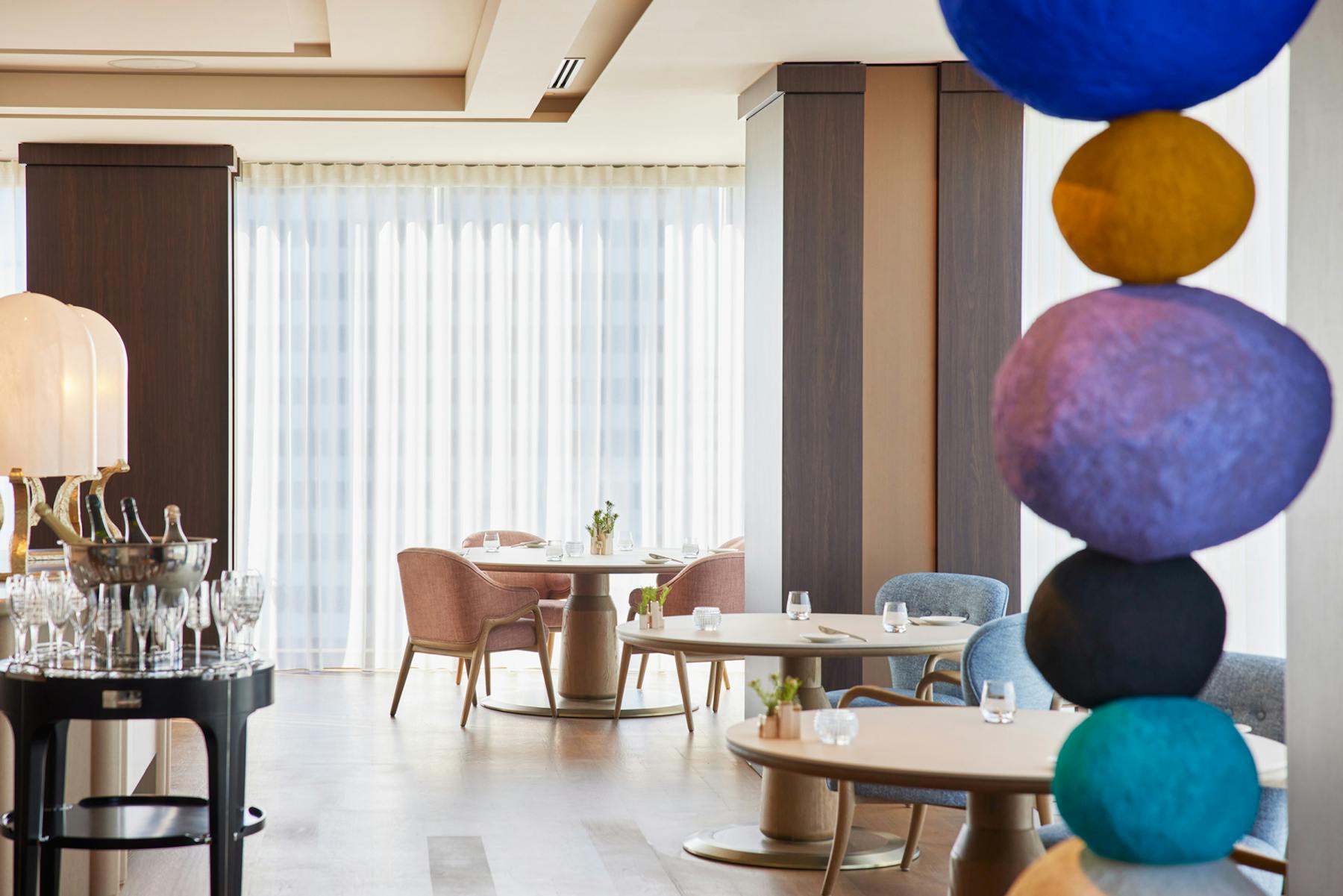
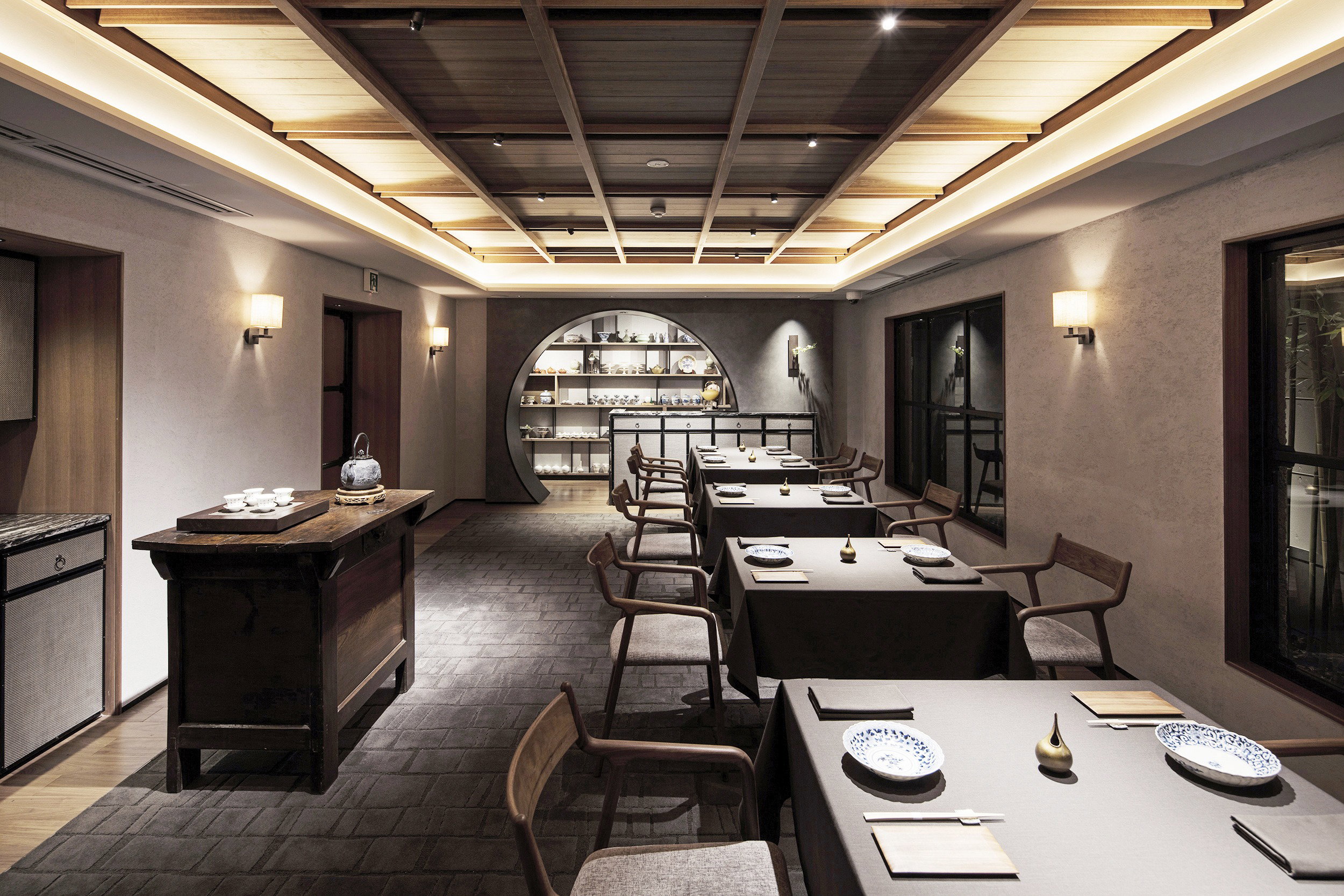
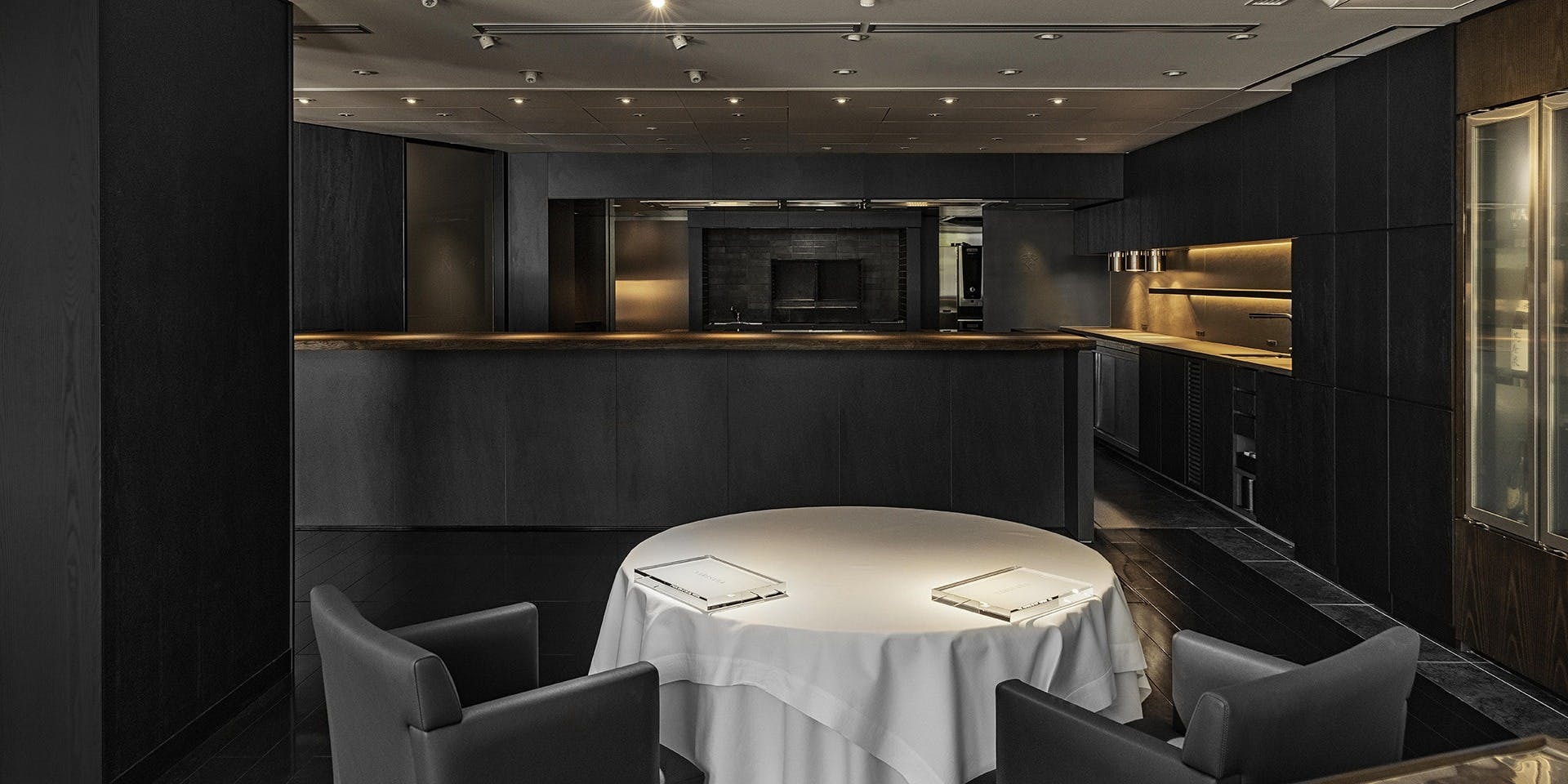
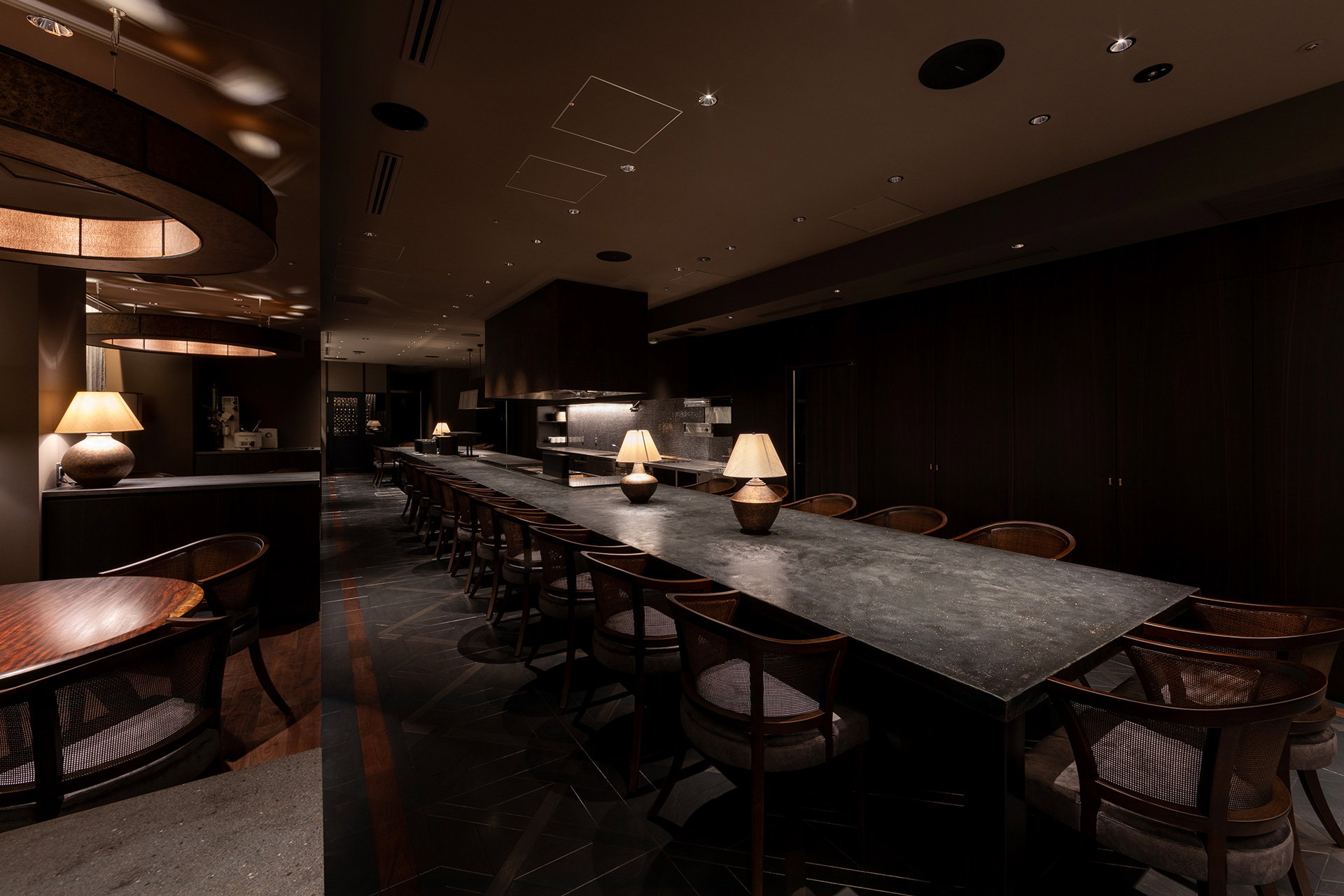
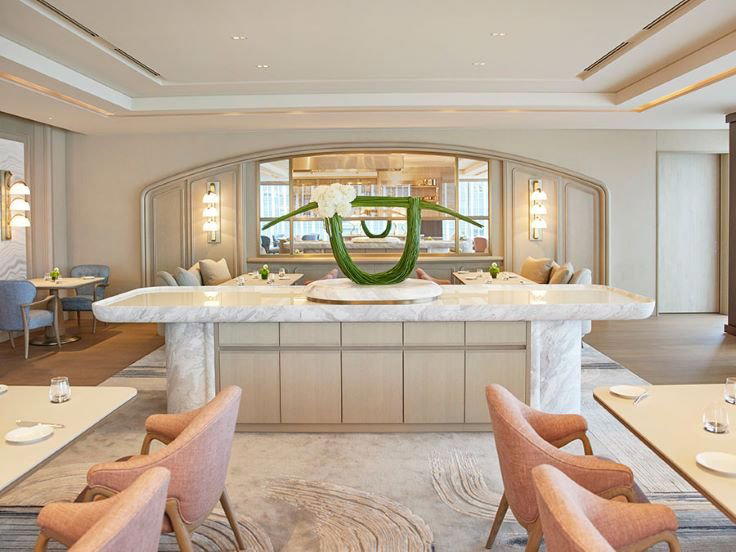
Cozy and relaxed atmosphere with spacious, relaxing seating that feels less formal than typical fine-dining yakiniku spots.
Tags
Vibe
Best For
Sourcing
At the Table
- Dress Code
- Smart Casual
- Noise Level
- Conversational
- Service Style
- Upscale Casual
- Meal Pacing
- Leisurely
- Capacity
- Intimate
- Seats
- 2420–40
- Kitchen
- Modern
- Menu Format
- Omakase, Set menu
- Wine Program
- Curated
- Private Dining
- Available
Signature Dishes
- Chateaubriand
- Buri-Meshi
- Chateaubriand Cutlet Sandwich
Know before you go
Know Before You Go
- Getting there
- Japan, 〒166-0001 Tokyo, Suginami City, Asagayaminami, 3 Chome−44−2 新井ビル
Planning details
Hours
- Monday
- 2:30–10 pm
- Tuesday
- 2:30–10 pm
- Wednesday
- 2:30–10 pm
- Thursday
- 2:30–10 pm
- Friday
- 2:30–10 pm
- Saturday
- 2:30–10 pm
- Sunday
- 2:30–10 pm
Location
Japan, 〒166-0001 Tokyo, Suginami City, Asagayaminami, 3 Chome−44−2 新井ビル · Directions
Recognition and awards

Also consider
Also Consider
- Harutaka, Sushi, ¥¥¥¥
- L'Effervescence, French, ¥¥¥¥
- RyuGin, Kaiseki, Japanese, ¥¥¥¥
- HOMMAGE, Innovtive French, French, ¥¥¥¥
- Crony, Innovative, French, ¥¥¥¥
Restaurant context
At JPY 20,000–29,999 per head, Sato Burian sits in the same price tier as Tokyo's top-tier kaiseki and sushi counters, so the honest comparison is not just other yakiniku restaurants but the full range of what that budget buys. Against RyuGin (kaiseki) or Harutaka (sushi omakase), Sato Burian trades the ceremonial restraint of those formats for a more sociable, interactive evening. If you want to eat well with a group and have a conversation, yakiniku wins on atmosphere. If technical precision and a single chef's narrative arc matter more, RyuGin or Harutaka justify their positioning more clearly.
Against the French-leaning options at this price, L'Effervescence, HOMMAGE, or Crony, Sato Burian offers a very different proposition: louder, more participatory, and less service-formal. Those French rooms deliver more elaborate plating and a more controlled service arc; Sato Burian delivers more energy and a personalised meat course that adapts to what you actually want to eat. For a business dinner where impression-making matters, the French options signal harder. For a table of friends who eat well and drink wine, Sato Burian competes on every metric that counts.
Within yakiniku specifically, Sato Burian's seven consecutive Tabelog Bronze Awards and eight-year Tabelog 100 run give it a credential advantage over most competitors in the category. Booking here is rated Easy, a real differentiator at this quality tier, where comparable spots in central Tokyo often require planning weeks out. If you want a high-quality yakiniku dinner without the booking anxiety, Sato Burian in Asagaya is the more accessible call than hunting for a table at a Roppongi or Ginza equivalent.
Explore Tokyo
Around this place
Discover more on Pearl
Unlock the full Sato Burian guide in Pearl, including awards, comparisons, FAQs, planning details, and nearby places.
FAQ
Frequently Asked Questions
What are alternatives to Sato Burian in Tokyo?
For a different format at a similar price point, RyuGin offers kaiseki precision in a central Tokyo location, while Crony is a better call if you want a more convivial, less formal room. Harutaka and L'Effervescence serve entirely different cuisines (sushi and French, respectively), so they only make sense as alternatives if yakiniku is not the priority. Sato Burian holds a consistent advantage in the grilled-meat category, having appeared on the Tabelog Yakiniku Tokyo Top 100 every year from 2018 through 2025.
Is lunch or dinner better at Sato Burian?
Dinner is the stronger choice on price-to-experience terms: the dinner budget averages JPY 20,000–29,999 versus JPY 15,000–19,999 at lunch, suggesting a fuller course at dinner. Both sessions run the same chef's special course format, so if budget is a factor, lunch delivers much of the same experience at a lower spend. The restaurant opens at 14:30 daily, so the line between lunch and an early dinner is blurry — the first seating is effectively a premium late lunch.
How far ahead should I book Sato Burian?
Book as early as the reservation system allows. The main store seats only 24 people and is reservation-only with zero walk-in access, and a 100% cancellation fee applies to any cancellation made within seven days of the reservation date — meaning held slots rarely open up late. For weekend evenings, book at least four to six weeks out; weekday afternoons at the first seating give you the best chance of a shorter lead time.
Is Sato Burian good for a special occasion?
Yes — private rooms are available for parties of four or six, and the venue is explicitly recommended for business and friend group occasions on Tabelog. The 24-seat room, relaxed layout, and coursed format make it a better fit for a celebratory dinner than a casual night out. The 100% cancellation policy within seven days means you need to commit early, but the private room option gives groups the separation that special occasions usually call for.
What should I order at Sato Burian?
The format is a chef's special course tailored to your preferences — there is no à la carte menu to select from. This means you do not order individual dishes; the kitchen structures the meal. Communicate any preferences or restrictions at the time of booking or before the visit, as the course is built around diner input.
What should a first-timer know about Sato Burian?
The actual dining time is two hours, not the two-and-a-half hours shown in the booking system — account for that when planning your evening. Children below elementary school age are not admitted. The restaurant is a two-minute walk from the south exit of Asagaya Station, which puts it well outside the central Tokyo dining belt: factor in travel time if you are coming from Shinjuku or Shibuya. Reservations must be made online at satobriand.yoyaku.at.
Does Sato Burian handle dietary restrictions?
The chef's special course is described as tailored to your preferences, which indicates some flexibility, but the venue database does not document specific dietary accommodation policies. Given the course-only format, communicate any restrictions clearly at the time of booking rather than on arrival. The restaurant does not provide courses for children who will not be dining, which signals that the kitchen is building courses per confirmed diner.