
Ranjatai
Yakitori · Shibuya, Tokyo
Restaurant in Tokyo, Japan
 Book with Pearl
The Read
Charcoal-Focused Counter Precision
Chef
Hideyuki Wadahama
Dress
Smart Casual
Why go
Ranjatai in Shibuya's Sarugakucho is among Tokyo's most technically serious yakitori addresses, earning Pearl Recommended status for 2025 under chef Hideyuki Wadahama. Book here if you want to understand what yakitori looks like when treated as a discipline rather than a casual night out. Booking is rated Easy, making it one of the more accessible high-end yakitori counters in the city.
About Ranjatai
Ranjatai Is Not the Yakitori You Think You Know
If you arrive at Ranjatai in Sarugakucho expecting casual skewers and cold beer, you will need to recalibrate. This Shibuya address, under chef Hideyuki Wadahama, treats yakitori as a serious cooking discipline — one that rewards the same level of attention you would bring to an omakase dinner or a kaiseki meal. The common assumption that yakitori is Tokyo's most approachable genre is true in general; at Ranjatai, it is also its most technically demanding expression. That distinction matters when you are deciding whether to book here or spend the same evening elsewhere.
What Ranjatai Does in the Kitchen
Yakitori's technical demands are frequently underestimated. Controlling heat across multiple cuts simultaneously, reading doneness without thermometers, and sequencing skewers so each one arrives at peak texture — this is precision work. For food enthusiasts who seek genuine craft rather than spectacle, this is the right address.
The Shibuya location, specifically the Sarugakucho pocket near Daikanyama, puts Ranjatai in a quieter, more residential stretch than the main Shibuya scramble. The neighbourhood has its own culinary density, see our full Tokyo restaurants guide for context, but Ranjatai does not lean on location as a selling point. The cooking is the argument.
How It Compares to Other Yakitori in Tokyo
Within Tokyo's yakitori category, the reference points are well established. BIRD LAND in Ginza is the benchmark many visitors reach for first, with a longer track record and easier international name recognition. Yakitori Omino and Asagaya BIRD LAND serve different neighbourhoods with their own loyal followings. 124. KAGURAZAKA and Aramaki round out the serious end of the field. Against this set, Ranjatai's 4.9 rating is a differentiator. For food-focused travellers who want to understand what yakitori looks like at its most refined, Ranjatai is the more instructive booking. If you want the famous name with guaranteed walk-in potential, BIRD LAND is the safer choice. If you are building a broader Japan itinerary, the yakitori tradition extends well beyond Tokyo: Torisaki in Kyoto and Torisho Ishii in Osaka are both worth knowing.
Practical Details
Reservations: Booking is rated Easy, this is one of the more accessible serious yakitori counters in the city, and you do not need to plan months ahead as you would for a Michelin three-star. Still, advance booking is advisable, particularly on weekends. Address: 30-8 Sarugakucho, Shibuya, Tokyo 150-0033. Awards: Pearl Recommended Restaurant (2025). Dress: No formal dress code is documented, but the seriousness of the cooking warrants smart-casual at minimum, avoid arriving as if you stumbled in from a konbini run. Budget: Specific pricing is not published, but yakitori at this level in Tokyo typically sits in the mid-to-upper range for the category; expect to spend meaningfully more than a casual yakitori-ya, and plan accordingly. Getting There: Sarugakucho is walkable from both Daikanyama and Nakameguro stations, and a short taxi or train ride from central Shibuya.
If You Are Travelling Beyond Tokyo
Ranjatai fits naturally into a Japan itinerary built around serious eating. If you are moving between cities, the roster of Pearl-recommended restaurants across the country gives you comparable depth: HAJIME in Osaka, Gion Sasaki in Kyoto, akordu in Nara, Goh in Fukuoka, 1000 in Yokohama, and 6 in Okinawa are all within the same conversation. For everything you need in Tokyo beyond restaurants, see our guides to hotels, bars, wineries, and experiences.
Planning details
- Location
- 30-8 Sarugakucho, Shibuya, Tokyo 150-0033, Japan
- Website
- arigataya12345.com
- Phone
- +81 3-5459-3431
The take
The Take
The Vibe
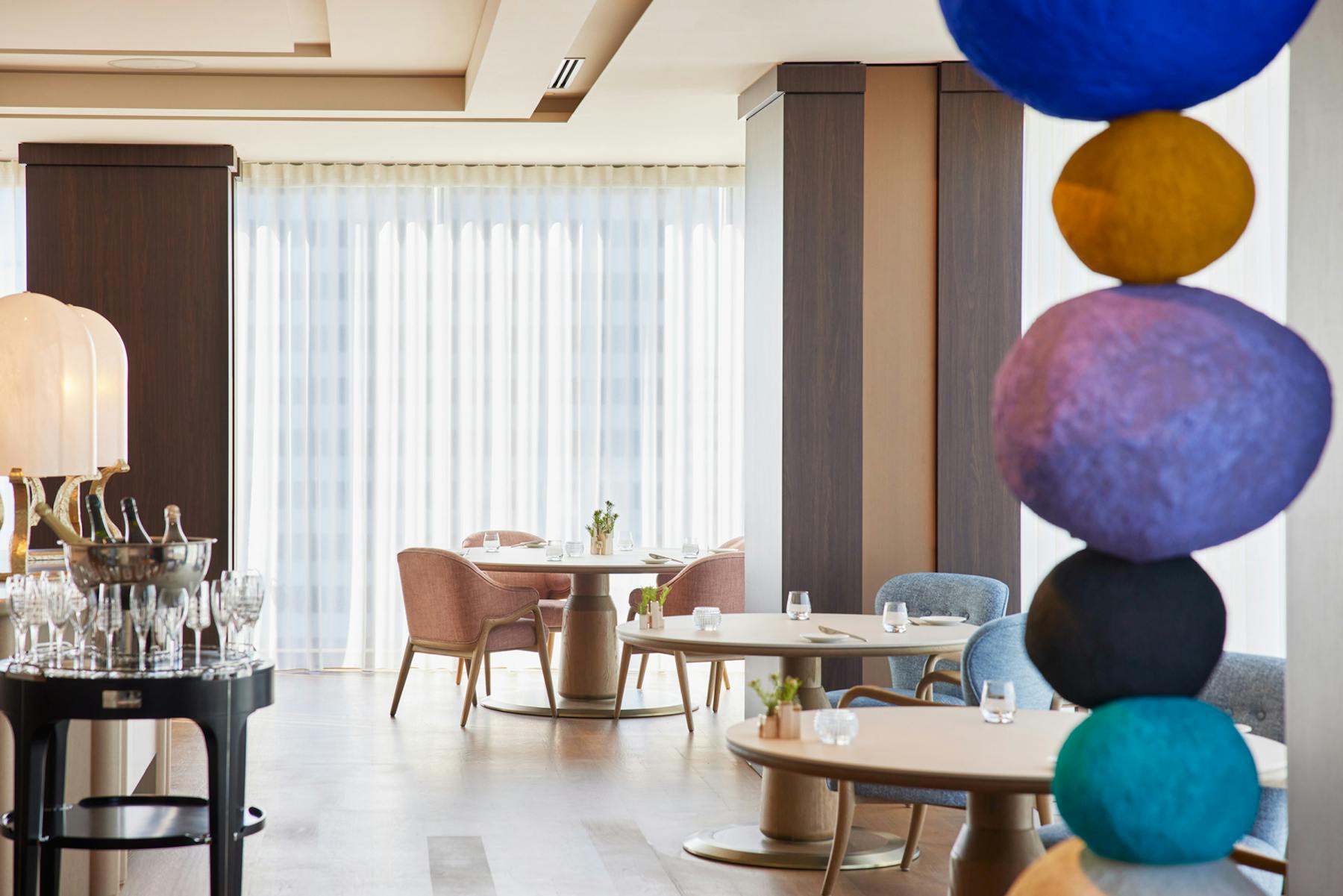
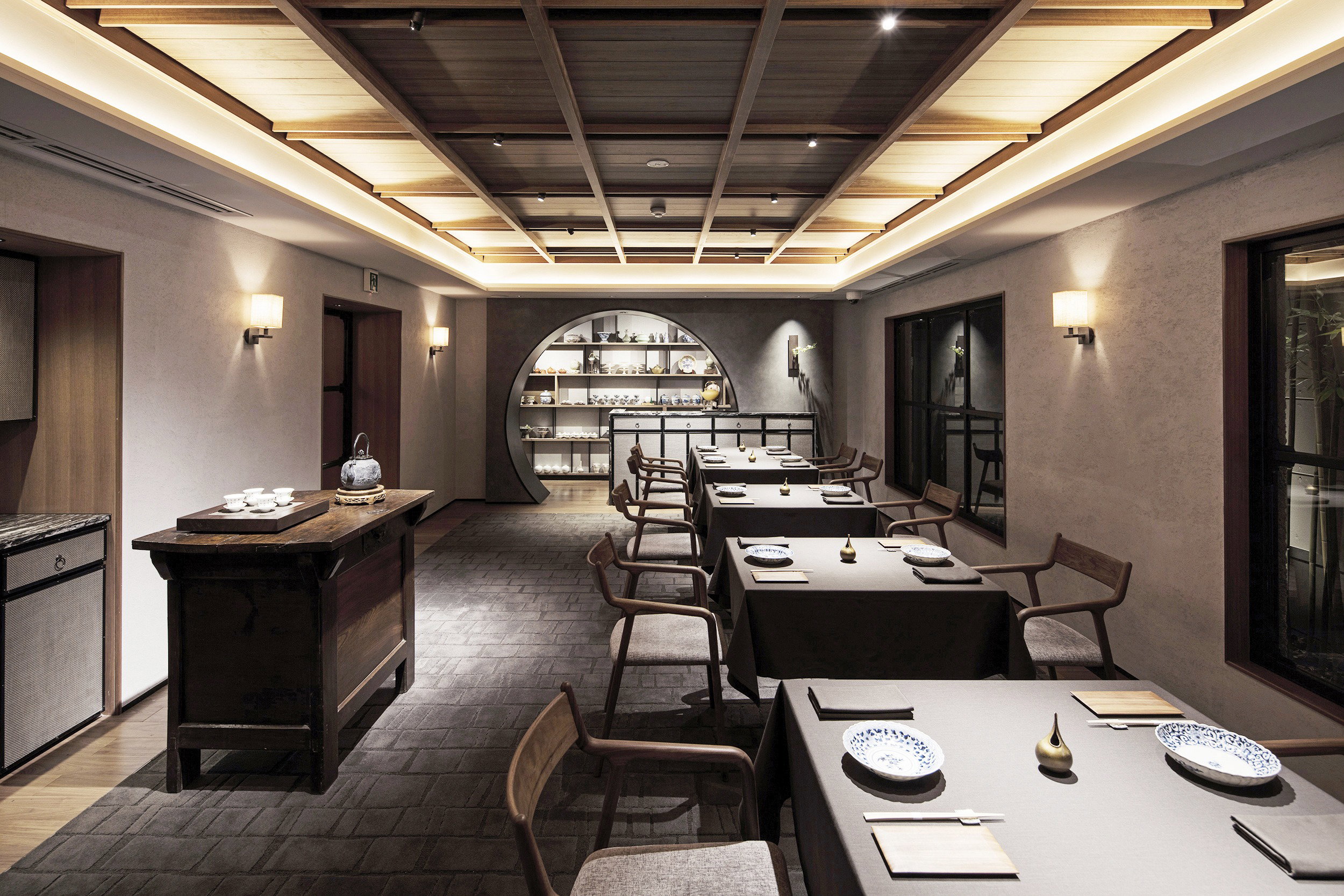
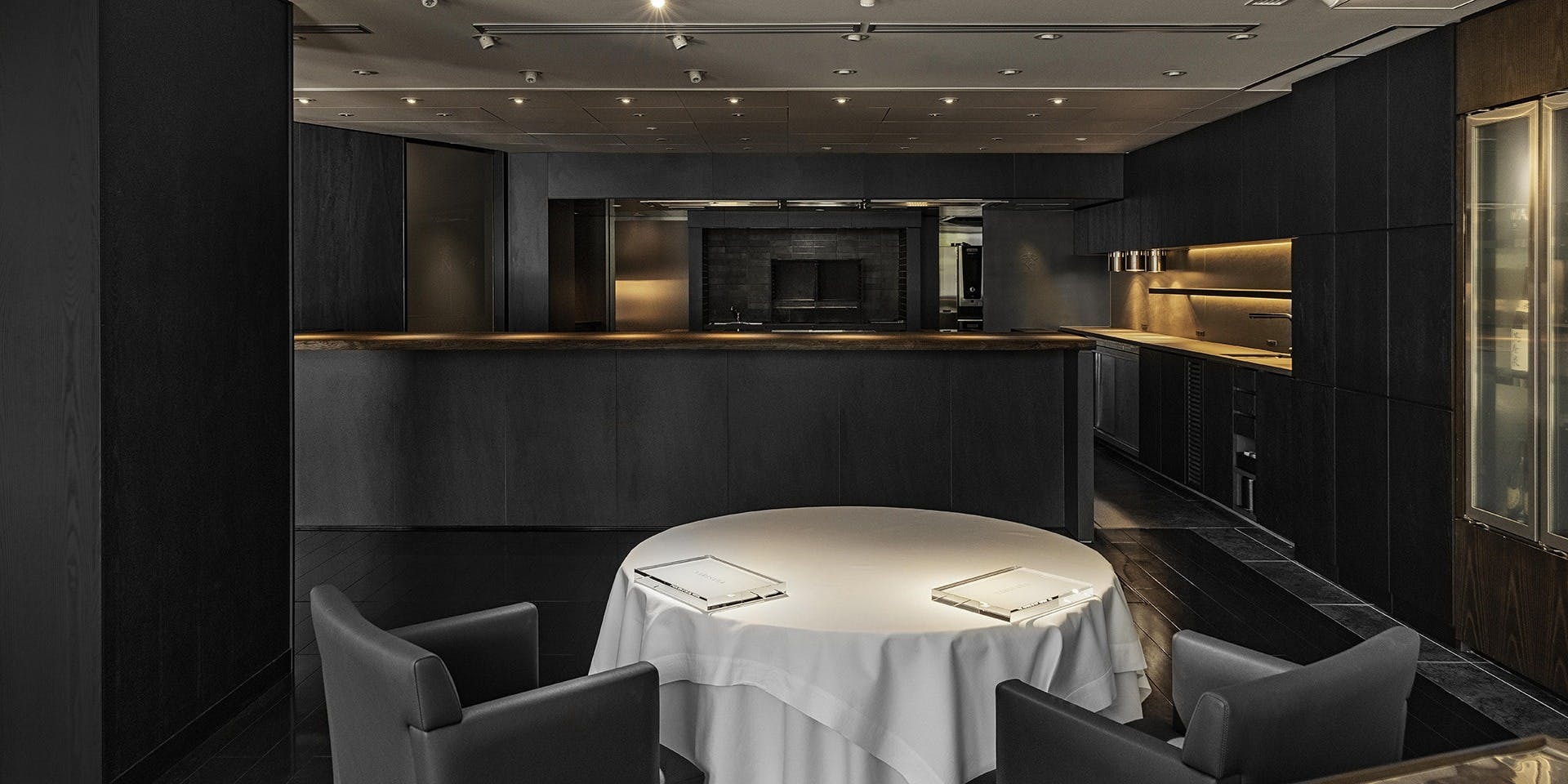
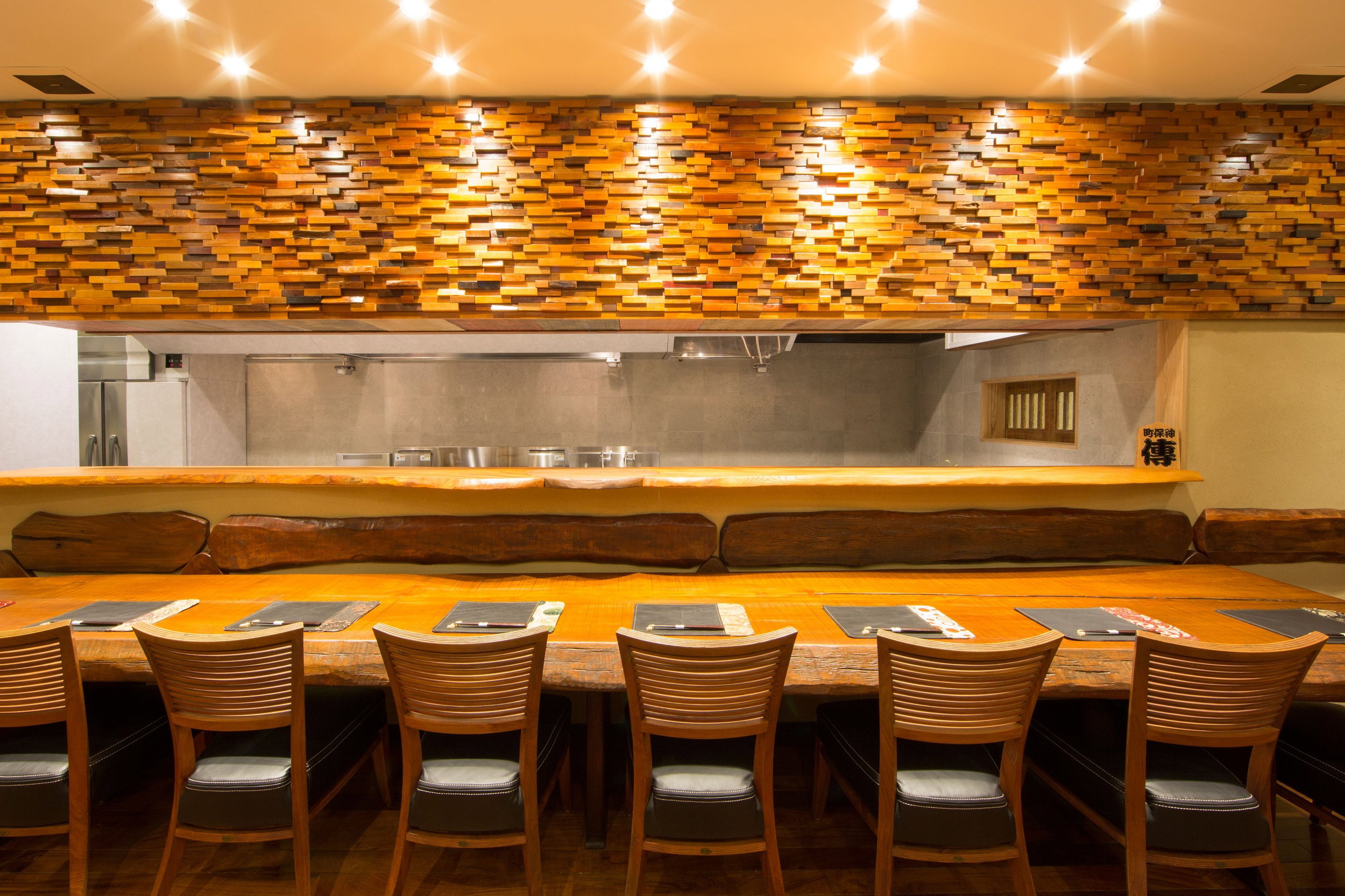
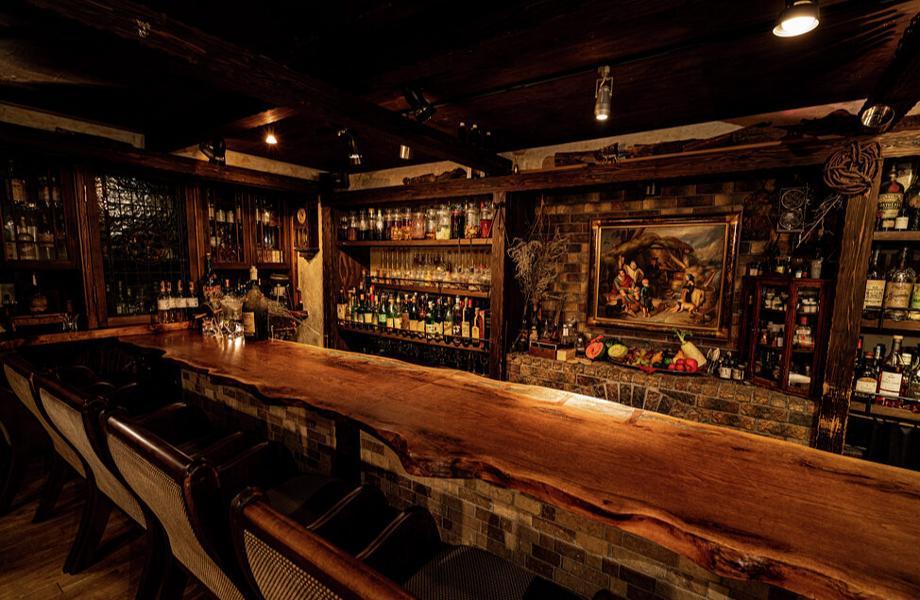
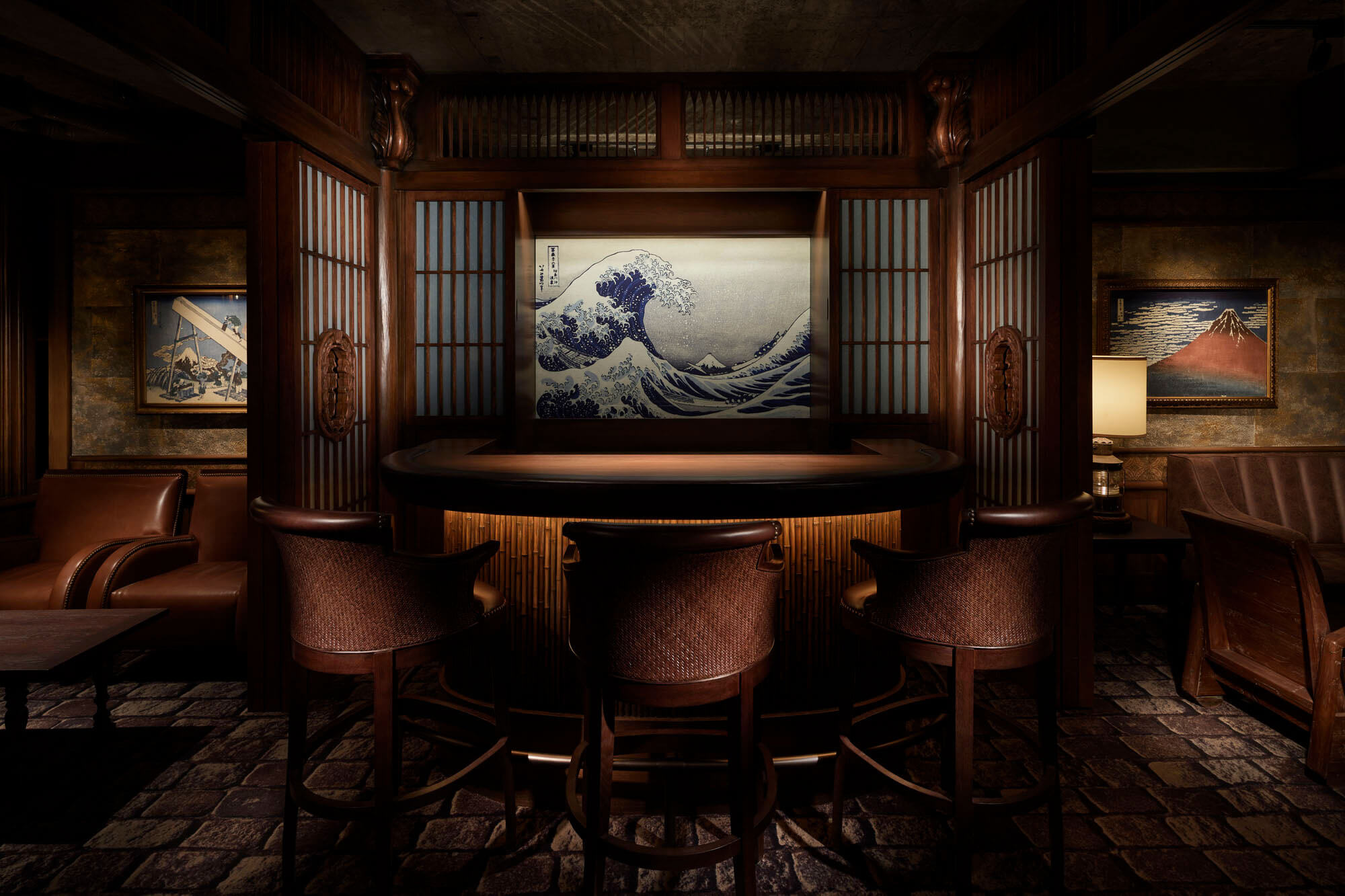
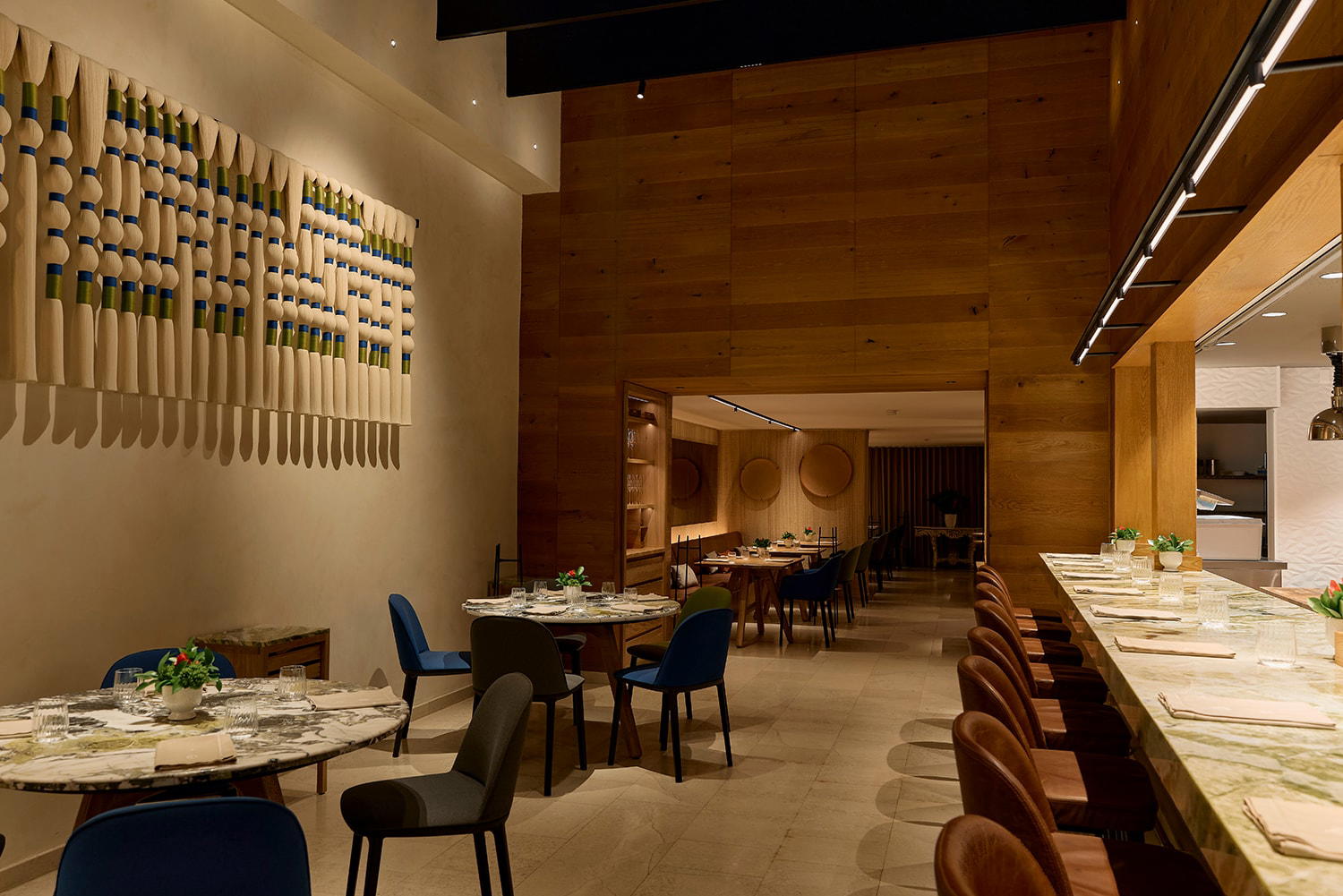
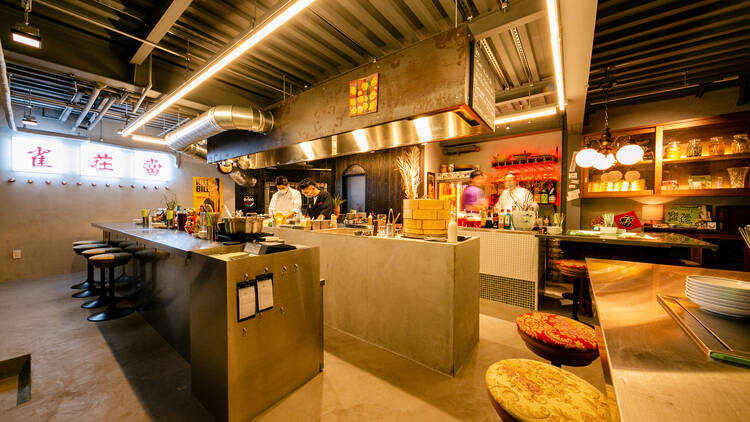
Ranjatai reads like a refined, low-key counter tucked into the calmer flank of Shibuya. It foregrounds charcoal-grilled technique, careful bird provenance and a sake programme that moves with the meal, giving the counter a quietly serious, almost kaiseki-adjacent sensibility. The storefronts around Sarugakucho are low-signage and discreet, so the room rewards reservations and focused attention rather than casual foot traffic. The overall impression is understated and exacting: everything feels curated toward the food and drink, with an approachable restraint that keeps the atmosphere relaxed rather than theatrical.
Best For
This counter is best for an intentional evening—think date nights and special-occasion dinners where the meal is the focus. The format centers on sequential skewers and sake, so it suits diners who want to lean into a paced tasting experience rather than a rapid, casual izakaya run. Because Ranjatai operates in a quieter neighbourhood and emphasizes provenance and pairing, it works well for small parties who appreciate attentive service and thoughtful drink matches; reservations are implied to be necessary given the discreet storefront setting.
Ordering Tips
Book ahead and plan to follow the counter's progression: the kitchen and beverage selections are designed to unfold together. The menu privileges charcoal and lineage of bird, so let the chef guide the sequence rather than skipping around. Give the sake programme a chance—lighter junmai styles are noted for pairing with early, delicate skewers, moving to fuller selections as richer cuts arrive. Try the house signatures such as the Hinai chicken skewers and chicken liver pâté, and consider asking the staff for sake matches to track the meal’s flavour arc.
Venue details
Ambiance
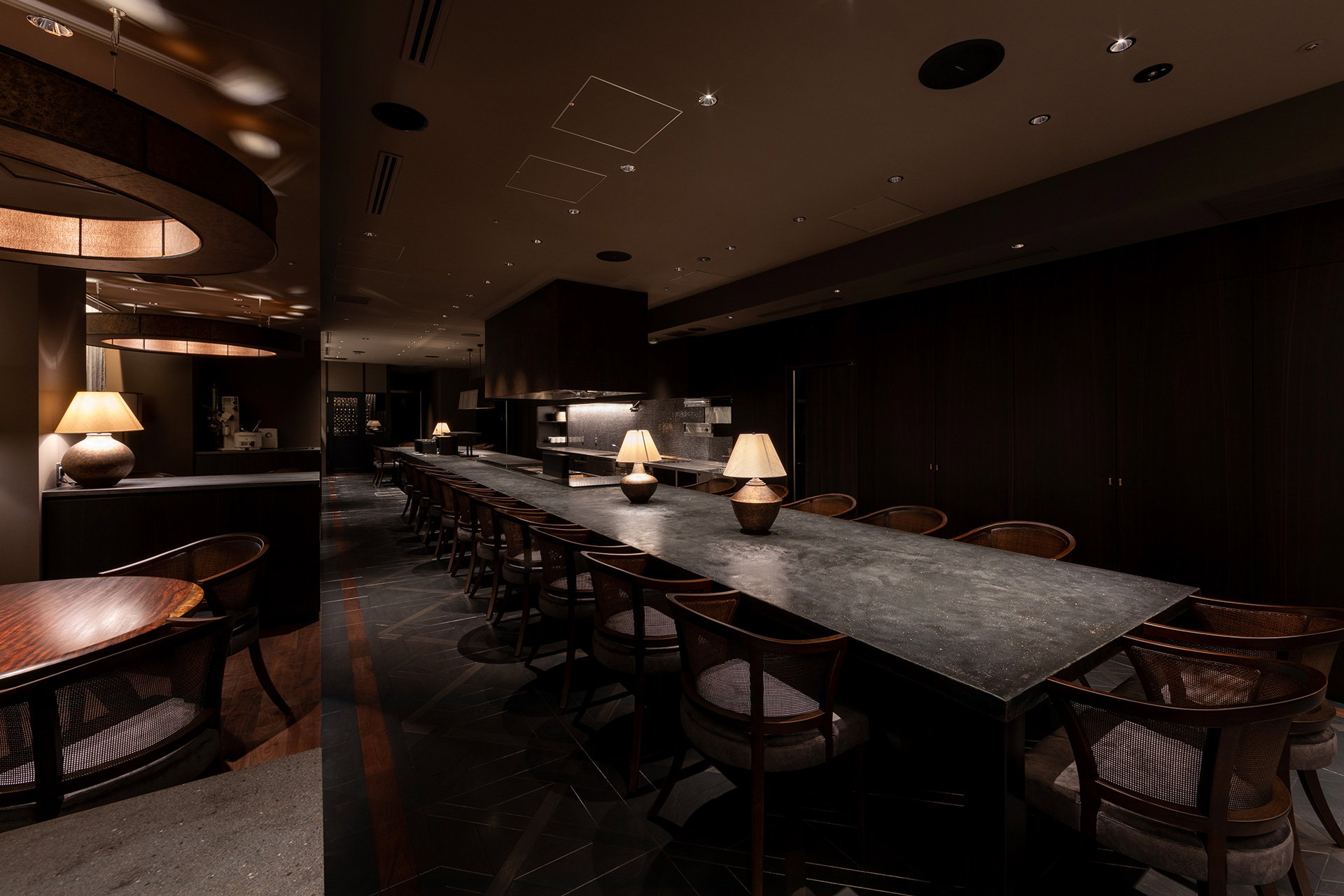
Understated Japanese elegance with intimate counter seating overlooking the chef's meticulous charcoal grilling.
Tags
Vibe
Best For
Experience
At the Table
- Dress Code
- Smart Casual
- Noise Level
- Conversational
- Service Style
- Formal
- Meal Pacing
- Leisurely
- Capacity
- Intimate
Signature Dishes
- Hinai chicken skewers
- chicken liver pate
Know before you go
Know Before You Go
- Getting there
- 30-8 Sarugakucho, Shibuya, Tokyo 150-0033, Japan
Planning details
Location
Recognition and awards
Also consider
Also Consider
- Harutaka, Sushi, ¥¥¥¥
- RyuGin, Kaiseki, Japanese, ¥¥¥¥
- L'Effervescence, French, ¥¥¥¥
- HOMMAGE, Innovtive French, French, ¥¥¥¥
- Florilège, French, ¥¥¥
Restaurant context
Ranjatai operates in a different register to most of Tokyo's top-tier dining. Compared to Harutaka, the city's sushi benchmark at ¥¥¥¥, Ranjatai likely comes in at a lower per-head spend while delivering comparable craft intensity. The difference is format: sushi omakase is a global shorthand for Tokyo fine dining; yakitori at this level is a less obvious choice, which means fewer international visitors competing for seats. That is a practical advantage if your schedule is tight.
RyuGin and L'Effervescence both sit at ¥¥¥¥ and represent multi-course, long-form dining with considerable ceremony. If you want that kind of structural weight to your evening, they are the better fit. Ranjatai is a more focused proposition: one ingredient category, one cooking method, pursued with precision. For a food enthusiast building a Tokyo itinerary, Ranjatai and RyuGin solve different problems, book both if the trip allows.
Florilège at ¥¥¥ is the value argument in this comparison set, with strong editorial credentials and a French format that travels well for international diners. HOMMAGE sits at ¥¥¥¥ and skews toward the innovation end of French cooking in Tokyo. Neither competes directly with Ranjatai, they are different cuisines and different experiences. The honest framing is this: if your Tokyo trip has room for one yakitori dinner at a serious level, Ranjatai's combination of a 4.9 rating, Pearl Recommended status, and Easy booking difficulty makes it the straightforward answer in the category.
Explore Tokyo
Around this place
Discover more on Pearl
Unlock the full Ranjatai guide in Pearl, including awards, comparisons, FAQs, planning details, and nearby places.
Compare Ranjatai
| Venue | Location | Cuisine | Awards | Price |
|---|---|---|---|---|
| Ranjatai | Tokyo | Yakitori | Pearl Recommended Restaurants | , |
| Harutaka | Tokyo | Sushi | 2026 Tabelog Silver · #312026 OAD Top Restaurants in Japan Ranked · #1282026 Michelin 3 Stars2026 La Liste Top RestaurantsTabelog 100 - Sushi - TOKYO - 2025 · #372025 Asia's 50 Best Restaurants · #762025 OAD Top Restaurants in Japan Ranked · #1172025 La Liste Top Restaurants2025 Tabelog Bronze | ¥¥¥¥ |
| RyuGin | Tokyo | Kaiseki, Japanese | 2026 OAD Top Restaurants in Japan Ranked · #802026 Tabelog Bronze · #3772026 Michelin 3 Stars2026 La Liste Top RestaurantsTabelog 100 - Japanese cuisine - TOKYO - 2025 · #212025 OAD Top Restaurants in Japan Ranked · #542025 Michelin 3 Stars2025 La Liste Top Restaurants2025 The Best Chef Three Knives | ¥¥¥¥ |
| L'Effervescence | Tokyo | French | 2026 Tabelog Silver · #682026 OAD Top Restaurants in Japan Ranked · #103Star Wine Lists 20262026 Black Pearl 2 Diamond2026 Relais Chateaux Restaurants2026 La Liste Top Restaurants2026 Michelin 3 Stars2025 Asia's 50 Best Restaurants · #692025 OAD Top Restaurants in Japan Ranked · #92 | ¥¥¥¥ |
| HOMMAGE | Tokyo | Innovtive French, French | 2026 Tabelog Bronze · #1232026 OAD Top Restaurants in Japan Highly Recommended2026 Michelin 2 StarsTabelog 100 - French - TOKYO - 2025 · #762025 Asia's 50 Best Restaurants · #782025 OAD Top Restaurants in Japan Ranked · #1752025 Michelin 2 Stars2025 The Best Chef One Knife2025 La Liste Top Restaurants | ¥¥¥¥ |
| Florilège | Tokyo | French | 2026 Asia's 50 Best Restaurants · #312026 Tabelog Bronze · #712026 OAD Top Restaurants in Japan Ranked · #1242026 Black Pearl 1 Diamond2026 Michelin 2 Stars2026 La Liste Top Restaurants2025 Asia's 50 Best Restaurants · #172025 World's 50 Best Restaurants · #36Tabelog 100 - French - TOKYO - 2025 · #68 | ¥¥¥ |













How Ranjatai Tokyo compares with similar nearby venues.
FAQ
Frequently Asked Questions
What should I wear to Ranjatai?
Neat, presentable clothing is the right call. Ranjatai is a serious counter restaurant under a Pearl Recommended chef — it is not a casual izakaya, so avoid athletic wear or beachwear. That said, Tokyo's yakitori culture does not demand formal attire; clean and put-together is enough.
How far ahead should I book Ranjatai?
Booking is rated Easy, which makes Ranjatai one of the more accessible serious yakitori counters in Tokyo. You do not need months of lead time, but booking at least one to two weeks out is sensible, especially if your travel dates are fixed. This is a meaningful advantage over Tokyo's hardest-to-book restaurants.
What should I order at Ranjatai?
Yakitori counters at this level typically follow a set or chef-led sequence — do not expect a large à la carte menu to pick through. Follow chef Hideyuki Wadahama's lead and trust the progression; the technical control across different cuts is precisely what earns Ranjatai its Pearl Recommended status.
Can I eat at the bar at Ranjatai?
The counter format is core to the Ranjatai experience — sitting at the bar puts you close to the grill and the chef, which is the point. Confirm your seating preference when booking, but counter seating here is an asset, not a compromise.
Can Ranjatai accommodate groups?
Yakitori counters are inherently better suited to pairs and small parties of three or four. Larger groups should contact Ranjatai directly to ask about capacity and configuration before assuming availability; counter restaurants in this category often have limited total seats.
What should a first-timer know about Ranjatai?
Arrive knowing that this is not casual skewer-and-beer yakitori. Ranjatai in Sarugakucho, Shibuya, is a chef-led counter where the focus is precision and technique across multiple cuts — Pearl Recommended for 2025. The relatively easy booking process means you can plan this without the stress of Tokyo's most competitive reservations, so there is little reason not to lock it in.