.png?width=1200&quality=80)
Noto Kanazawanosachi Ginza Furuta
Japanese · Chūō, Tokyo
Restaurant in Tokyo, Japan
 Book with Pearl
The Read
Noto-to-Ginza Regionalism
Price
$100–150per person
Dress
Smart Casual
Why go
A Michelin Plate-recognised restaurant in Ginza dedicated to the food culture of Ishikawa Prefecture. At the ¥¥ price tier, it offers serious regional Japanese cooking — Nanao fish, Kaga vegetables, Noto Peninsula wild plants — sourced directly by the husband-and-wife team who run it. Easy to book and genuinely distinctive for the food-focused Tokyo visitor.
About Noto Kanazawanosachi Ginza Furuta
A ¥¥ entry point into Ishikawa Prefecture's leading ingredients, served in the heart of Ginza
At the ¥¥ price tier, Noto Kanazawanosachi Ginza Furuta is one of the more accessible ways to eat serious regional Japanese food in central Tokyo. This is not a budget concession — the restaurant's Michelin Plate recognition in both 2024 and 2025 signals a kitchen operating with genuine care and consistency. What you are paying for is direct access to ingredients sourced from Ishikawa Prefecture: fish from Nanao Bay, vegetables from Kaga, and edible wild plants gathered from the Noto Peninsula. For the food-focused traveller who wants to eat something genuinely rooted in a specific Japanese region without committing to a ¥¥¥¥ kaiseki bill, this is a smart booking.
What the room and the plate tell you immediately
The restaurant occupies a basement-to-ground-floor space in a building on Ginza 5-chome, one of Tokyo's most concentrated dining corridors. Visually, what distinguishes the experience is the produce itself: the rosy skin of whole-cooked sea perch, the translucent strands of vinegared mozuku seaweed, the green depth of Kaga vegetables prepared in their seasonal form. These are not decorative choices. They are the visual evidence of a supply chain that the husband-and-wife team behind the restaurant have built through personal relationships — visiting farms and sake breweries in Ishikawa, working directly with producers rather than through a standard wholesale channel. The plate communicates that provenance before you taste anything.
The chef-owner handles the fish cookery; his wife manages front-of-house and carries the context of the region's food culture, she was born in Nanao, the port city whose catch anchors the menu. That combination of personal geography and professional partnership gives the restaurant a clarity of focus that is rarer than it sounds in Tokyo's dining scene. You are not eating a chef's interpretation of a region; you are eating food prepared by people who have a lived connection to it. For travellers oriented toward our full Tokyo restaurants guide, this distinction matters when choosing between venues that claim regional identity and those that actually live it.
When to go, and how the timing shapes the meal
Ishikawa Prefecture's seasonal rhythm is pronounced. The Noto Peninsula's wild plant harvest peaks in spring, when mountain vegetables and foraged greens arrive at their most vivid. Kaga vegetables, a group of traditional cultivars largely specific to the Kanazawa area, follow their own seasonal calendar, with autumn and winter yielding some of the most compelling varieties. If you are travelling to Tokyo in late spring or early autumn, the seasonal alignment between what is being harvested in Ishikawa and what arrives on the plate here is at its strongest. That said, Nanao's fish supply runs year-round, so the menu retains its identity regardless of season.
For day-of-week timing, a weekday lunch or early dinner sitting will give you the quietest room and the most focused service. Ginza draws significant foot traffic at weekends, and a basement restaurant with a small, personal operation benefits from being experienced at a measured pace rather than at peak volume.Kagurazaka Ishikawa, which has a significantly higher profile and corresponding booking difficulty.
Who books here and why it works for them
This restaurant suits a specific type of diner well: someone who already has a framework for Japanese regional food and wants to eat something that tests that knowledge rather than validates it. If you have been to Kanazawa, eaten at Gion Sasaki in Kyoto or HAJIME in Osaka, and have a sense of how Japan's regional food traditions differ from one another, Furuta gives you direct access to an Ishikawa-specific perspective that is hard to find outside the prefecture itself. The ¥¥ price point means you can treat this as one anchor meal among several on a Tokyo itinerary rather than the single high-stakes reservation of the trip.
Solo diners will find this works well at the counter or smaller tables, the personal, couple-run format means service is attentive without being theatrical, which suits the single traveller who wants to eat with focus rather than with an audience. For a special occasion, the setting is intimate rather than grand; if the occasion calls for visual drama or an extensive wine list, venues such as Myojaku or Azabu Kadowaki would deliver a more formal register. Furuta's strength is sincerity and ingredient quality, not ceremony.
The regional context that makes this worth understanding
Ishikawa Prefecture, and the Noto Peninsula specifically, has a food culture that remains relatively unknown to international visitors who concentrate their Japan travel on Tokyo, Kyoto, and Osaka. The region's fishing traditions, mountain foraging culture, and heritage vegetable cultivation represent a distinct food identity. Restaurants that do the work of sourcing from that region directly, as the owners of Furuta do, by building personal relationships with producers rather than relying on intermediary markets, are doing something that goes beyond menu differentiation. For anyone building a broader understanding of Japanese cuisine across regions, a meal here functions as a reference point. See also akordu in Nara and 1000 in Yokohama for comparable regional-focus propositions elsewhere in Japan.
Practical details
Noto Kanazawanosachi Ginza Furuta is located at 5-10-11 Ginza, Chuo City, Tokyo, basement and ground floor of the Kawashima Building. Price tier: ¥¥. Booking difficulty: easy, a few days' advance notice is typically sufficient. No website or phone number is available in our current data; booking via a third-party reservation platform or walk-in enquiry is the most practical route. For broader trip planning, see our full Tokyo hotels guide, our full Tokyo bars guide, and our full Tokyo experiences guide.
Also worth considering on the same itinerary: Ginza Fukuju and Jingumae Higuchi for Japanese dining in the same central Tokyo area; Goh in Fukuoka and 6 in Okinawa for regional-focus Japanese restaurants if you are travelling beyond Tokyo; and Isshisoden Nakamura in Kyoto and Kashiwaya Osaka Senriyama for the classic regional Japanese format at a higher price tier.
Quick reference:
Planning details
- Location
- Japan, 〒104-0061 Tokyo, Chuo City, Ginza, 5 Chome−10−11 川島ビル B1F~1F
- Reservations
- Book on the venue's website
- Website
- noto-jidaiya.jp
- Phone
- +81 80-9825-7505
The take
The Take
The Vibe
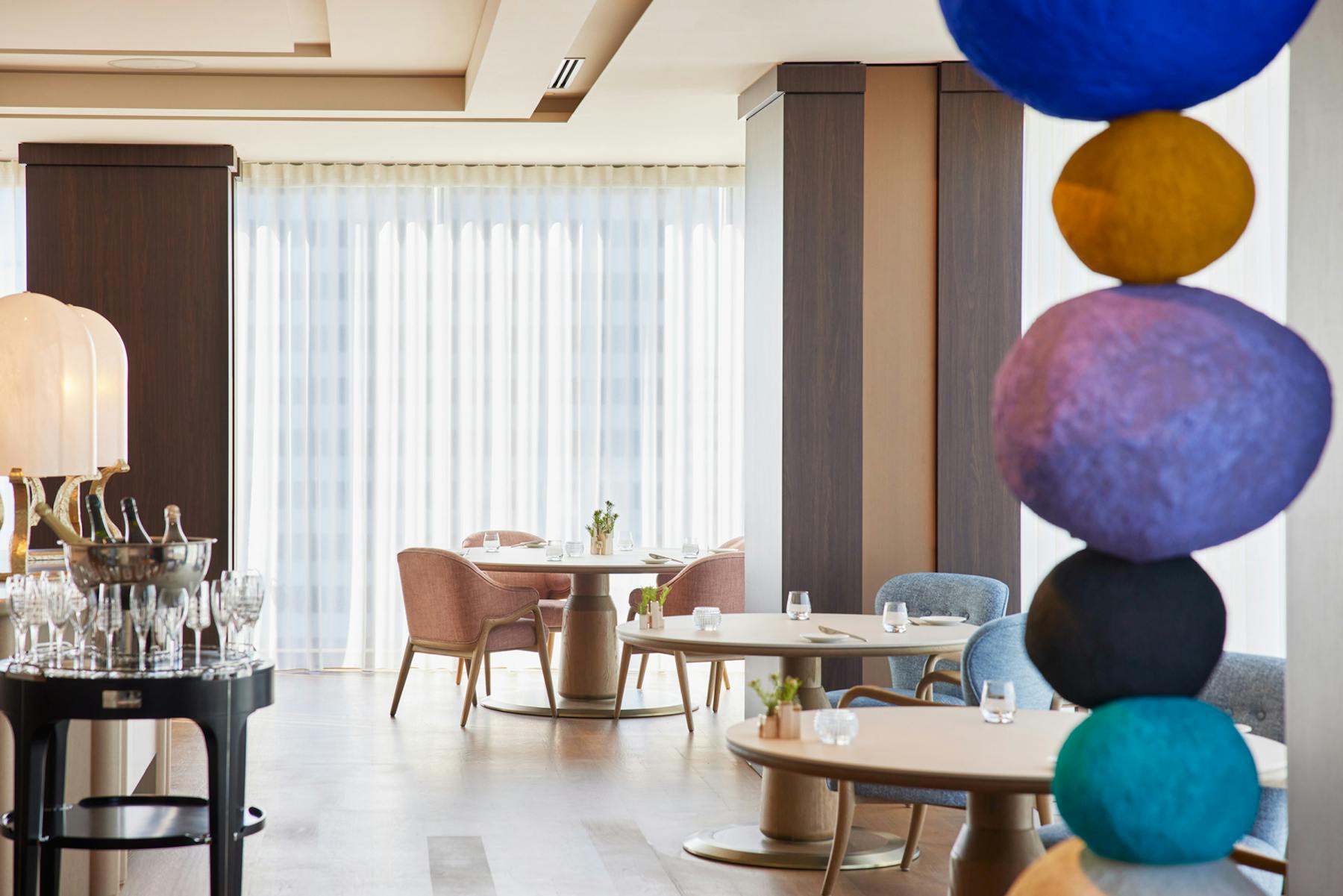
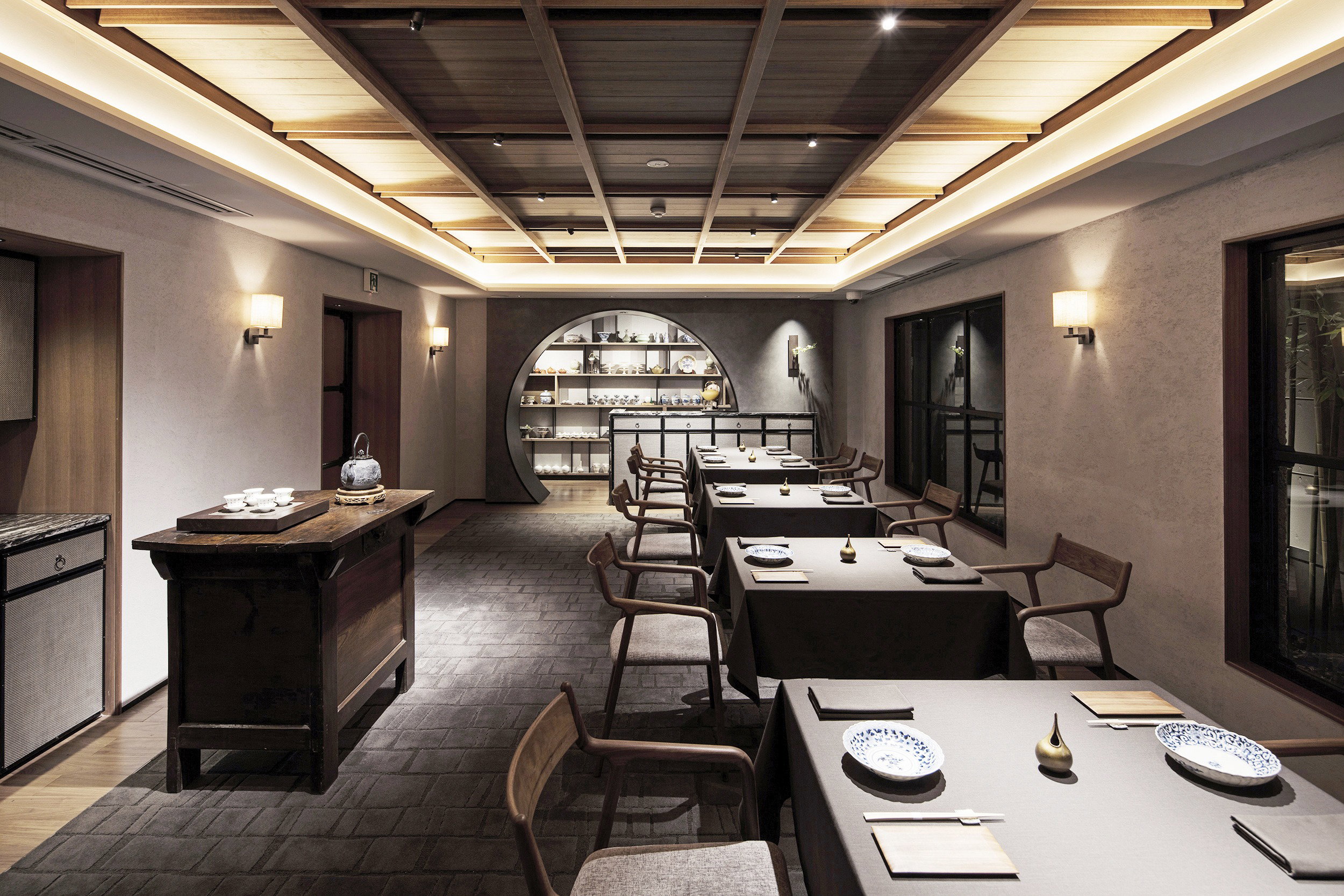
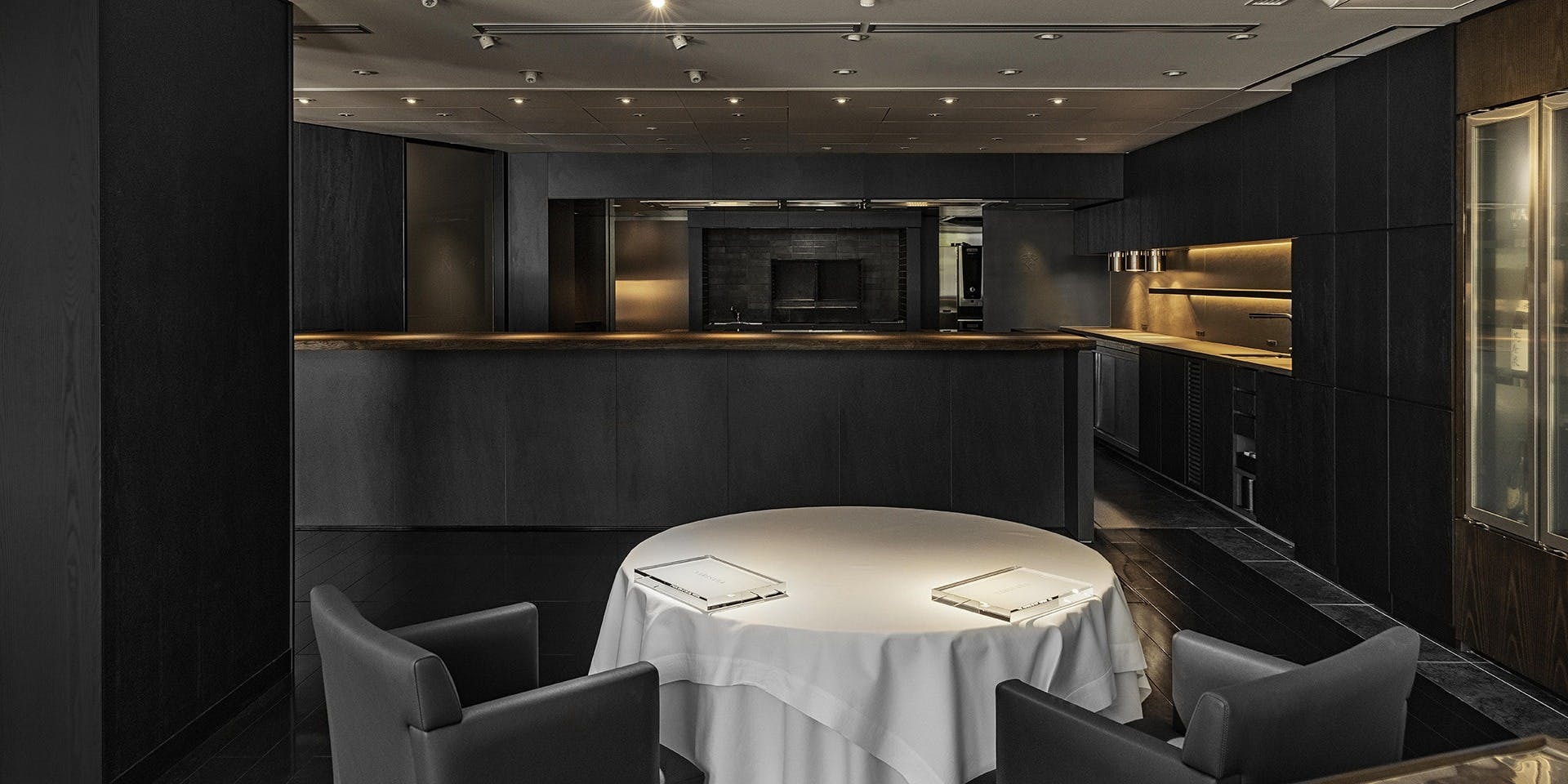
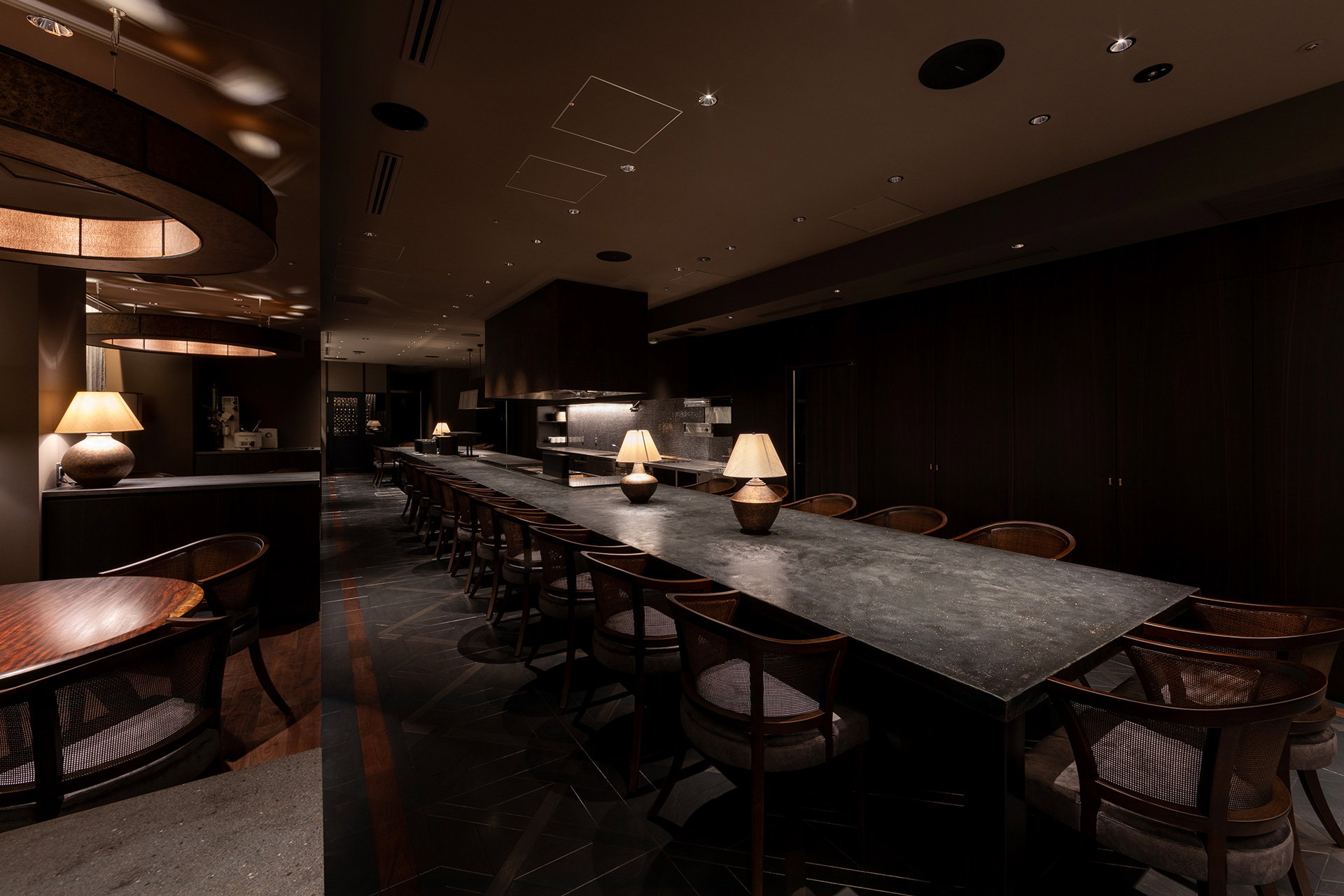
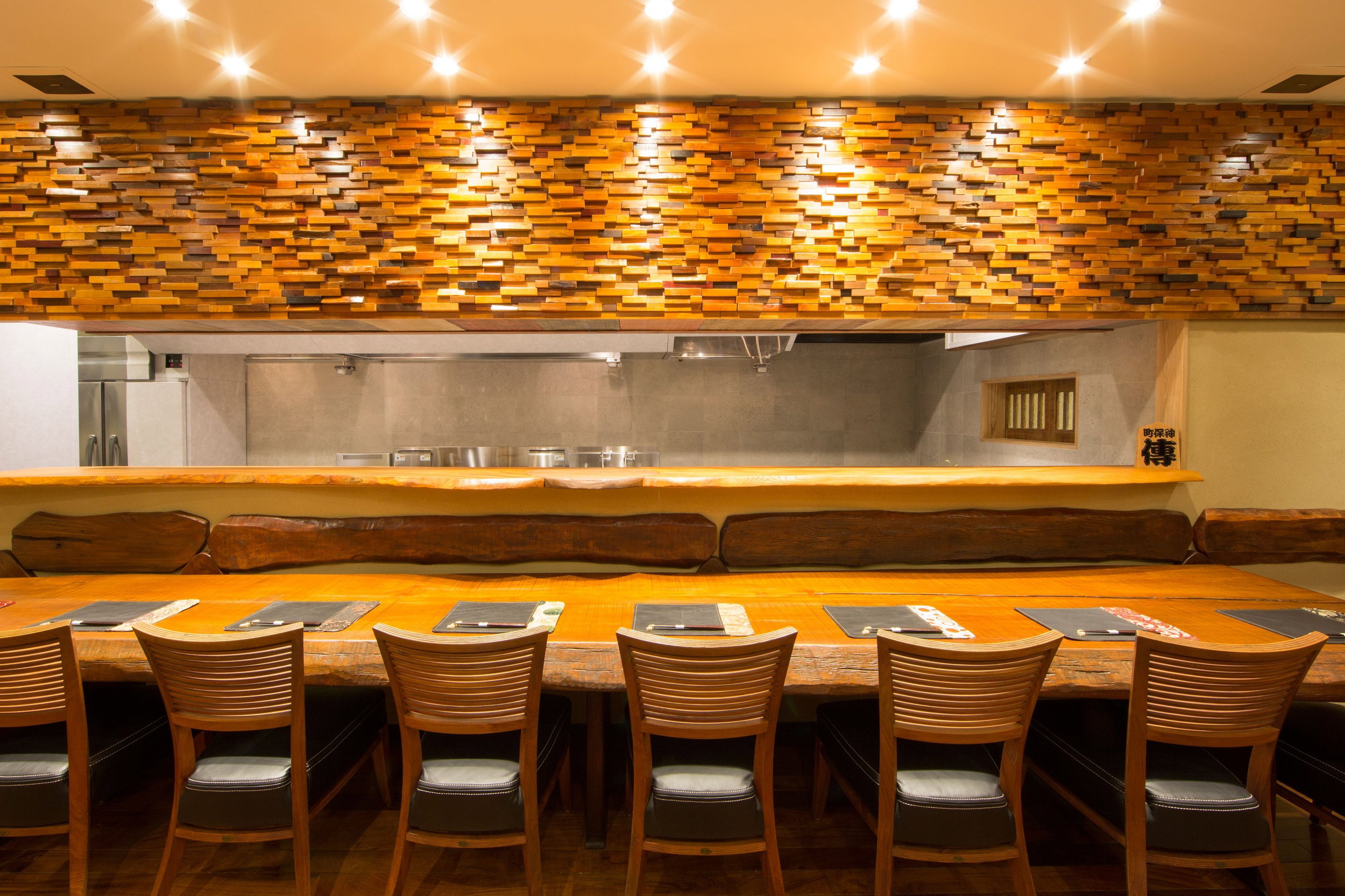
Noto Kanazawanosachi Ginza Furuta reads as a quietly confident, intimate kaiseki outpost in the heart of Ginza. The room leans minimalist and elegant, and the service and pacing reflect a sophisticated, restrained approach: ingredients are allowed to speak for themselves rather than being subsumed into ornate composition. The writing frames Furuta as a hidden gem for diners interested in regional specificity — particularly the fish and wild plants of Ishikawa — so the overall impression is refined, thoughtful and intentionally low-key rather than theatrical.
Best For
This is principally a dinner destination for discerning diners seeking a regional kaiseki experience in Ginza. It suits business dinners and special occasions where a composed, formal meal and attentive service are expected, and it also makes for a quiet, intimate date-night choice. The focus on Noto and Kaga ingredients—fresh local fish, wild mountain produce and a strong sake lineage—means the restaurant rewards guests who are curious about provenance and seasonal detail rather than loud, casual dining.
Ordering Tips
Center your ordering on the restaurant’s Noto specialties: look for nodoguro (blackthroat seaperch), Noto natural fish sashimi and whole- or specially prepared rosy sea perch, which are called out in the description. Expect dishes that foreground provenance—vinegared mozuku and whole-cooked fish are cited examples—so ask staff about what’s freshest from the Noto Peninsula and inquire about Ishikawa sake pairings to complement the seafood-driven menu. Because the kitchen emphasizes ingredient-led preparations, prioritize signature fish and local seasonal items.
Venue details
Ambiance
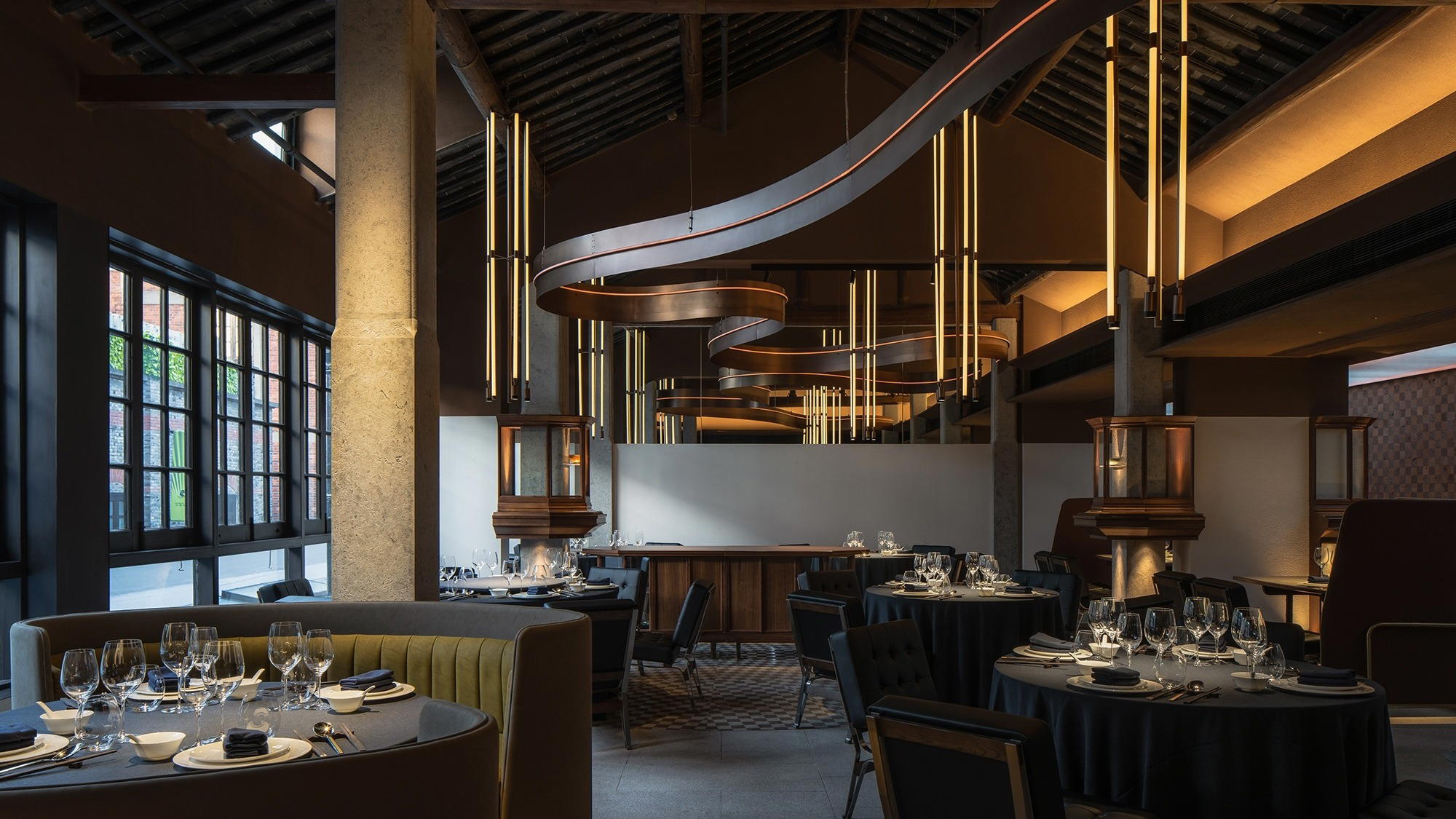
Minimalist pale wood counter in a relaxing, stylish space with quiet, gracious service focusing on the chef's precise choreography.
Tags
Vibe
Best For
Experience
Sourcing
At the Table
- Dress Code
- Smart Casual
- Noise Level
- Quiet
- Service Style
- Formal
- Meal Pacing
- Leisurely
- Capacity
- Intimate
- Kitchen
- Seasonal
- Menu Format
- Tasting menu, Counter dining
- Wine Program
- Curated
- Drinks Focus
- Sake, Wine
- Dietary
- Pescatarian friendly
- Private Dining
- Available
Signature Dishes
- nodoguro
- Noto natural fish sashimi
- rosy sea perch
Know before you go
Know Before You Go
- Getting there
- Japan, 〒104-0061 Tokyo, Chuo City, Ginza, 5 Chome−10−11 川島ビル B1F~1F
Planning details
Location
Japan, 〒104-0061 Tokyo, Chuo City, Ginza, 5 Chome−10−11 川島ビル B1F~1F · Directions
Recognition and awards
Also consider
Also Consider
- Harutaka, Sushi, ¥¥¥¥
- RyuGin, Kaiseki, Japanese, ¥¥¥¥
- L'Effervescence, French, ¥¥¥¥
- HOMMAGE, Innovtive French, French, ¥¥¥¥
- Florilège, French, ¥¥¥
Restaurant context
Against Tokyo's top-tier Japanese restaurants, Noto Kanazawanosachi Ginza Furuta occupies a different category entirely, and that is its advantage. RyuGin and Harutaka both operate at ¥¥¥¥, require significant advance booking, and deliver experiences with a much higher degree of ceremony and technical elaboration. Furuta's ¥¥ positioning means you can eat here without the planning overhead or the budget commitment those venues require. If your priority is technical excellence and you are prepared to invest the time and money, RyuGin is the stronger choice for kaiseki depth. If regional sincerity and accessible booking matter more, Furuta wins on both counts.
Against the French options in the comparison set, L'Effervescence, HOMMAGE, and Florilège, Furuta is simply a different decision. All three are ¥¥¥ or ¥¥¥¥, French in idiom, and suited to diners who want a Western fine-dining structure applied to Japanese ingredients. Furuta is for the diner who wants to eat Japanese food in an explicitly Japanese regional register. If you are building a Tokyo itinerary and want one meal that is anchored in Japan's food geography rather than its international fine-dining reputation, Furuta does that job more directly than any of the French alternatives.
Within the regional Japanese category specifically, Kagurazaka Ishikawa is the closest peer, it also focuses on Ishikawa Prefecture cuisine but operates at a higher price tier with correspondingly more competitive reservations. If you can get a table at Kagurazaka Ishikawa and the budget allows, it represents a more formally accomplished version of the same regional proposition. If you want the Ishikawa experience at a lower commitment level, or simply want to book this week rather than next month, Furuta is the practical choice.
Explore Tokyo
Around this place
Discover more on Pearl
Unlock the full Noto Kanazawanosachi Ginza Furuta guide in Pearl, including awards, comparisons, FAQs, planning details, and nearby places.
Compare Noto Kanazawanosachi Ginza Furuta
| Venue | Price | Awards |
|---|---|---|
| Noto Kanazawanosachi Ginza Furuta | ¥¥ | 2026 Michelin Plate2025 Michelin Plate2024 Michelin Plate |
| Harutaka | ¥¥¥¥ | 2026 Tabelog Silver · #312026 OAD Top Restaurants in Japan Ranked · #1282026 Michelin 3 Stars2026 La Liste Top RestaurantsTabelog 100 - Sushi - TOKYO - 2025 · #372025 Asia's 50 Best Restaurants · #762025 OAD Top Restaurants in Japan Ranked · #1172025 La Liste Top Restaurants2025 Tabelog Bronze |
| RyuGin | ¥¥¥¥ | 2026 OAD Top Restaurants in Japan Ranked · #802026 Tabelog Bronze · #3772026 Michelin 3 Stars2026 La Liste Top RestaurantsTabelog 100 - Japanese cuisine - TOKYO - 2025 · #212025 OAD Top Restaurants in Japan Ranked · #542025 Michelin 3 Stars2025 La Liste Top Restaurants2025 The Best Chef Three Knives |
| L'Effervescence | ¥¥¥¥ | 2026 Tabelog Silver · #682026 OAD Top Restaurants in Japan Ranked · #103Star Wine Lists 20262026 Black Pearl 2 Diamond2026 Relais Chateaux Restaurants2026 La Liste Top Restaurants2026 Michelin 3 Stars2025 Asia's 50 Best Restaurants · #692025 OAD Top Restaurants in Japan Ranked · #92 |
| HOMMAGE | ¥¥¥¥ | 2026 Tabelog Bronze · #1232026 OAD Top Restaurants in Japan Highly Recommended2026 Michelin 2 StarsTabelog 100 - French - TOKYO - 2025 · #762025 Asia's 50 Best Restaurants · #782025 OAD Top Restaurants in Japan Ranked · #1752025 Michelin 2 Stars2025 The Best Chef One Knife2025 La Liste Top Restaurants |
| Florilège | ¥¥¥ | 2026 Asia's 50 Best Restaurants · #312026 Tabelog Bronze · #712026 OAD Top Restaurants in Japan Ranked · #1242026 Black Pearl 1 Diamond2026 Michelin 2 Stars2026 La Liste Top Restaurants2025 Asia's 50 Best Restaurants · #172025 World's 50 Best Restaurants · #36Tabelog 100 - French - TOKYO - 2025 · #68 |













Side-by-side comparison to help you decide where to book.
FAQ
Frequently Asked Questions
What are alternatives to Noto Kanazawanosachi Ginza Furuta in Tokyo?
If regional Japanese authenticity at ¥¥ is the draw, Furuta has few direct rivals in central Tokyo at this price tier. For a step up in formality and cost, Harutaka (Ginza, omakase sushi) is the comparison for serious fish-forward dining. If you want modern Japanese cuisine with a prestige format rather than a regional ingredient story, RyuGin or Florilège operate in a different register entirely — higher price, more theatrical presentation.
Is Noto Kanazawanosachi Ginza Furuta good for solo dining?
Yes, and it suits solo diners well. The basement-to-ground-floor setup in the Kawashima Building on Ginza 5-chome works for a single diner who wants to eat attentively rather than socially. The couple-run format means the experience has a personal, low-pressure quality that often works better for one than for a group.
How far ahead should I book Noto Kanazawanosachi Ginza Furuta?
Book at least two to three weeks ahead, more for spring and autumn when Ishikawa's seasonal harvests peak and demand rises accordingly. The restaurant is a small, owner-operated venue in one of Tokyo's most competitive dining corridors, and it holds a Michelin Plate (2024 and 2025), which keeps occupancy steady. Walk-in availability is unlikely.
Is the tasting menu worth it at Noto Kanazawanosachi Ginza Furuta?
At the ¥¥ price tier, the format delivers strong value if you are specifically interested in Ishikawa Prefecture's food culture. The kitchen sources directly from producers, touring farms and sake breweries in Noto, which means you are eating ingredients with a traceable regional identity rather than generic seasonal Japanese. If that narrative is not part of what you are paying for, a broader izakaya or sushi counter would serve you better.
Is Noto Kanazawanosachi Ginza Furuta good for a special occasion?
It works for a low-key special occasion between two people who care about food provenance and regional Japanese cooking. The couple-run kitchen and sourcing story give it a personal quality. For a high-ceremony celebratory dinner with full tableside service and a long wine list, a venue like RyuGin or L'Effervescence fits that brief more closely.
Is Noto Kanazawanosachi Ginza Furuta worth the price?
At ¥¥ in Ginza, with two consecutive Michelin Plate recognitions and a kitchen sourcing directly from Noto Peninsula farms and fisheries, Furuta offers a return on investment that most central Tokyo restaurants at this price cannot match. You are not paying for spectacle — you are paying for ingredients that do not routinely appear in Tokyo dining rooms, prepared by the people most invested in making the case for them.