


Niku Kappō JŌ
Beef Kaiseki · Minato, Tokyo
Restaurant in Tokyo, Japan
 Book with Pearl
The Read
Kappo-Discipline Wagyu Counter
Price
$200–300per person
Chef
Jyotaro Okubo
Dress
Smart Casual
Why go
Niku Kappō JŌ applies kappo-style Japanese precision to wagyu omakase, treating beef with the same seasonal care usually reserved for top-tier sushi. Ranked #251 on OAD's Top Restaurants in Japan (2025), this Nishiazabu counter is the right call for serious first-timers to the beef kaiseki format — and easier to book than most Tokyo restaurants at this level.
About Niku Kappō JŌ
Is Niku Kappō JŌ worth booking in Tokyo?
Yes — if you are serious about wagyu and want more than a direct steakhouse. Niku Kappō JŌ applies the discipline of kappo-style Japanese cooking to beef, treating each cut with the same precision and seasonal sensitivity usually reserved for high-end sushi or kaiseki. For first-timers to this format, the experience reframes what wagyu can be: not simply rich and marbled, but structured, layered, and expressed through technique. Ranked #251 on Opinionated About Dining's Leading Restaurants in Japan (2025), and previously at #300 (2024) and Highly Recommended (2023), the trajectory here is consistently upward.
What to Expect on Your First Visit
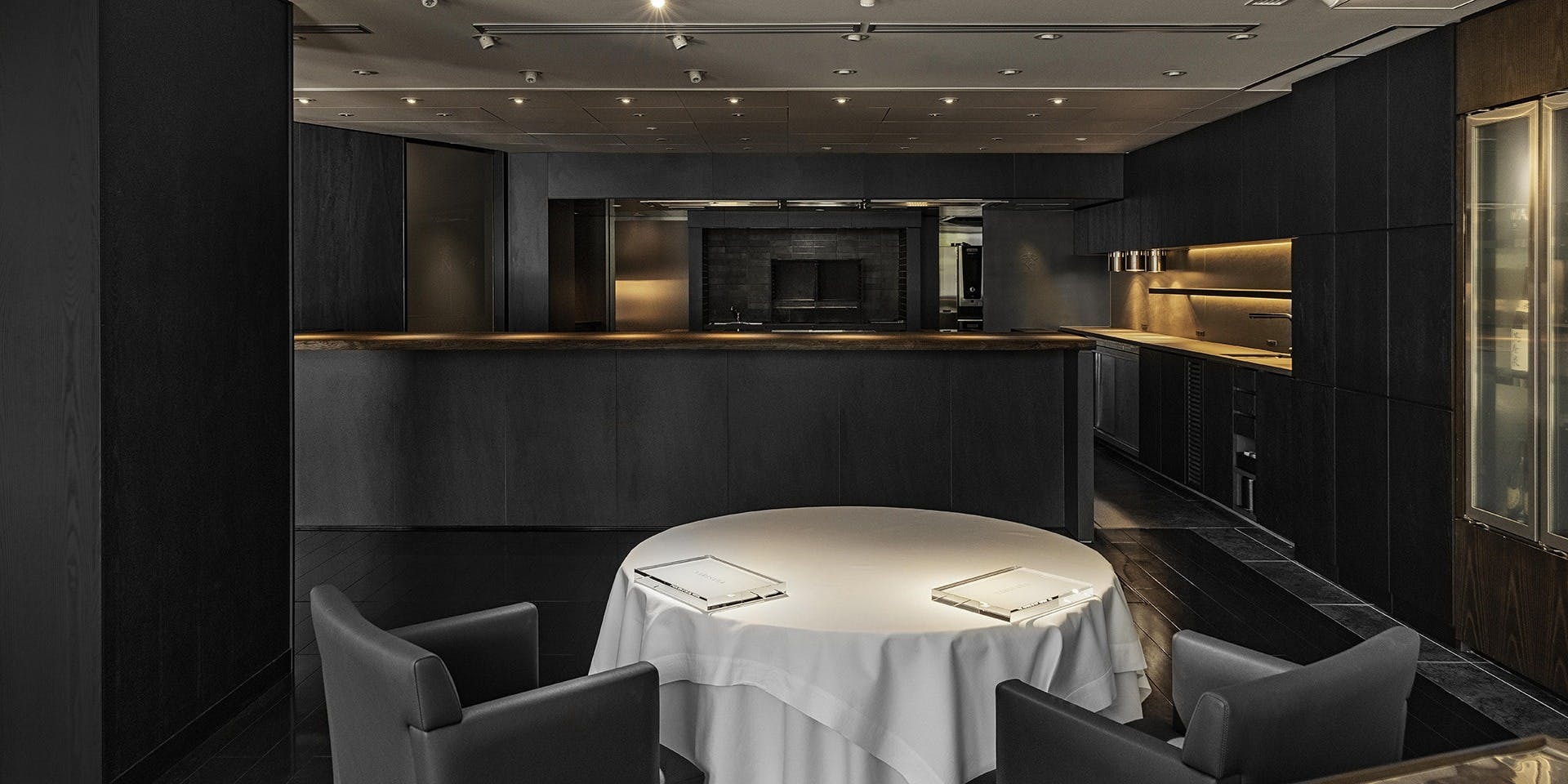
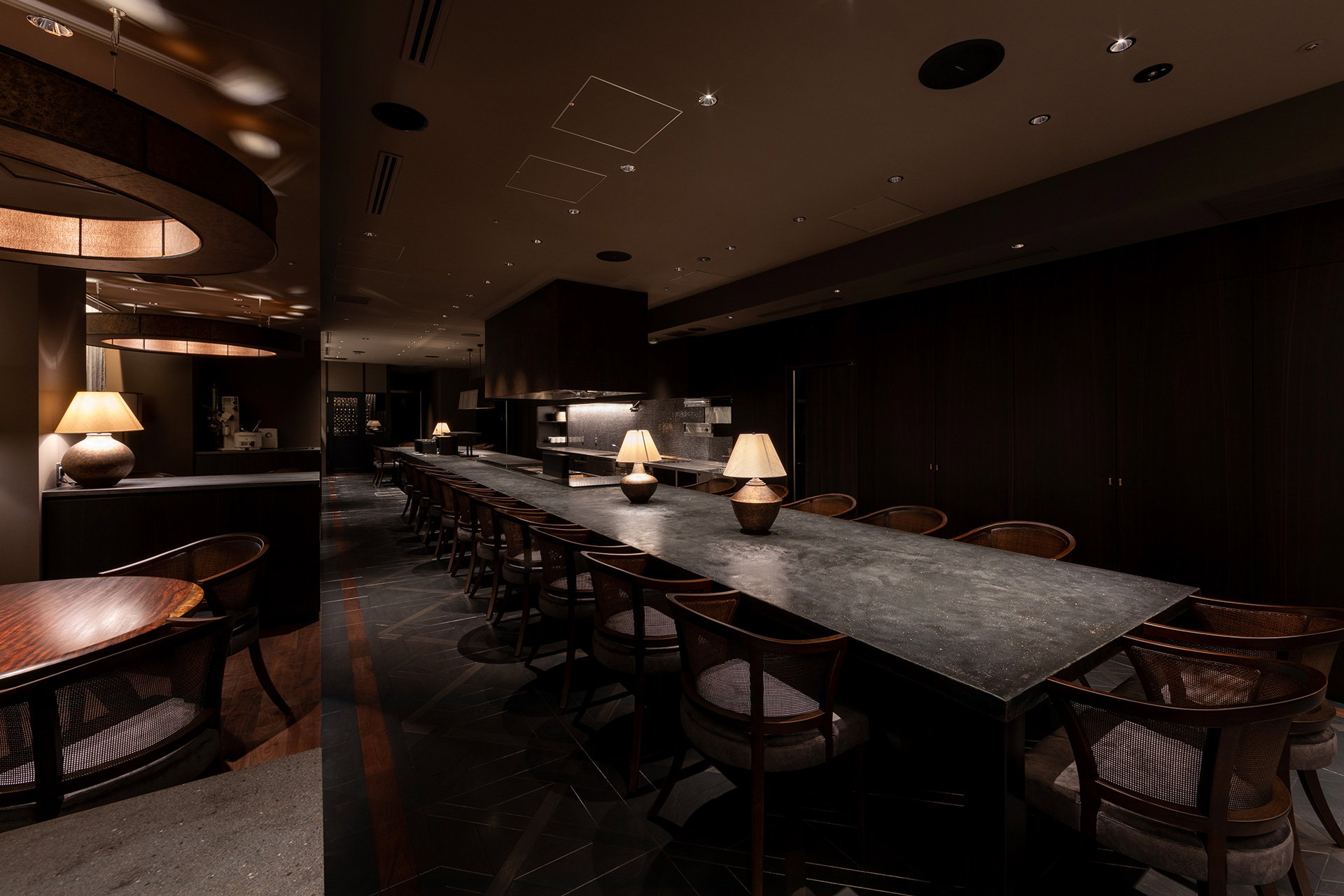
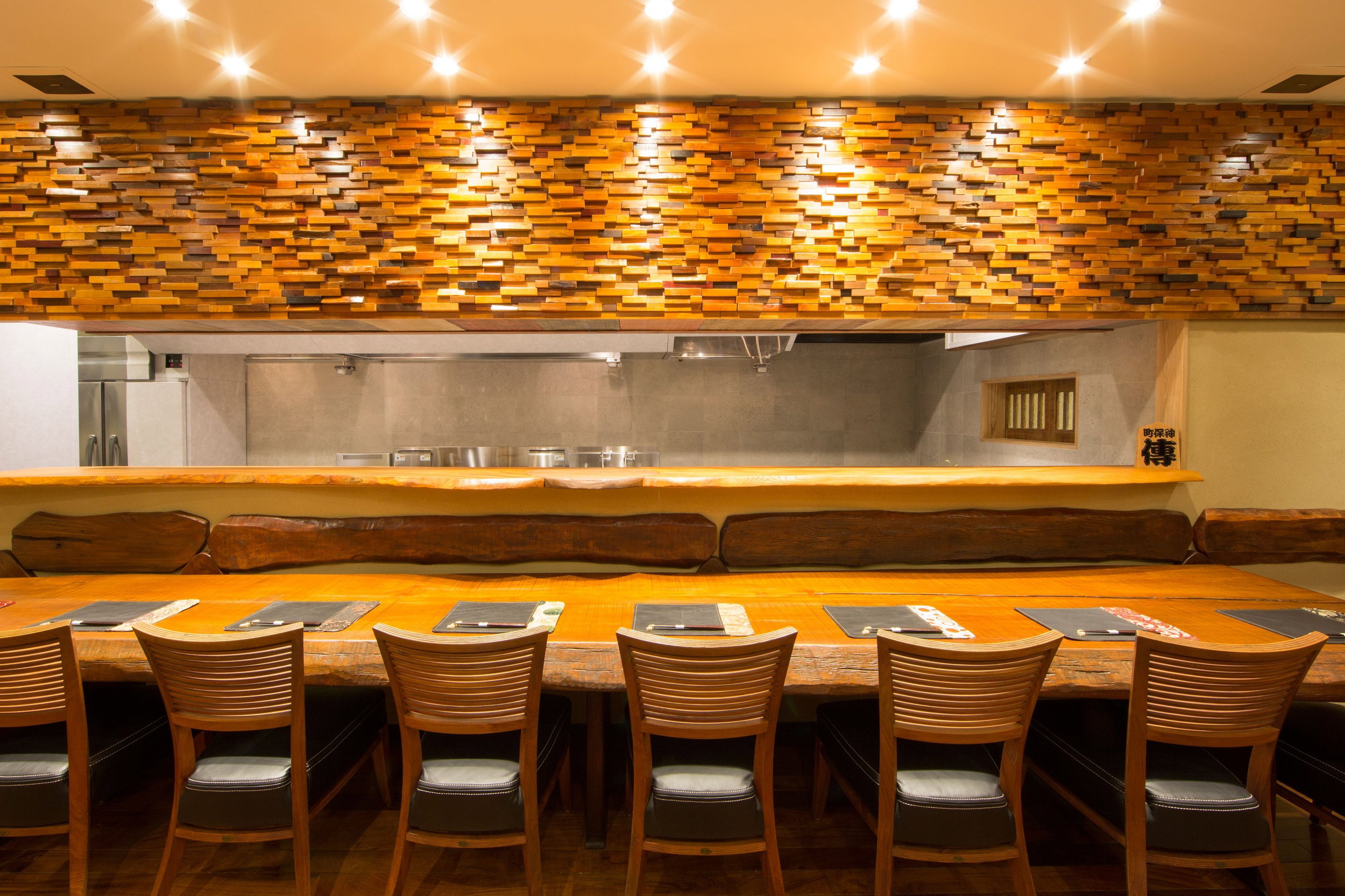
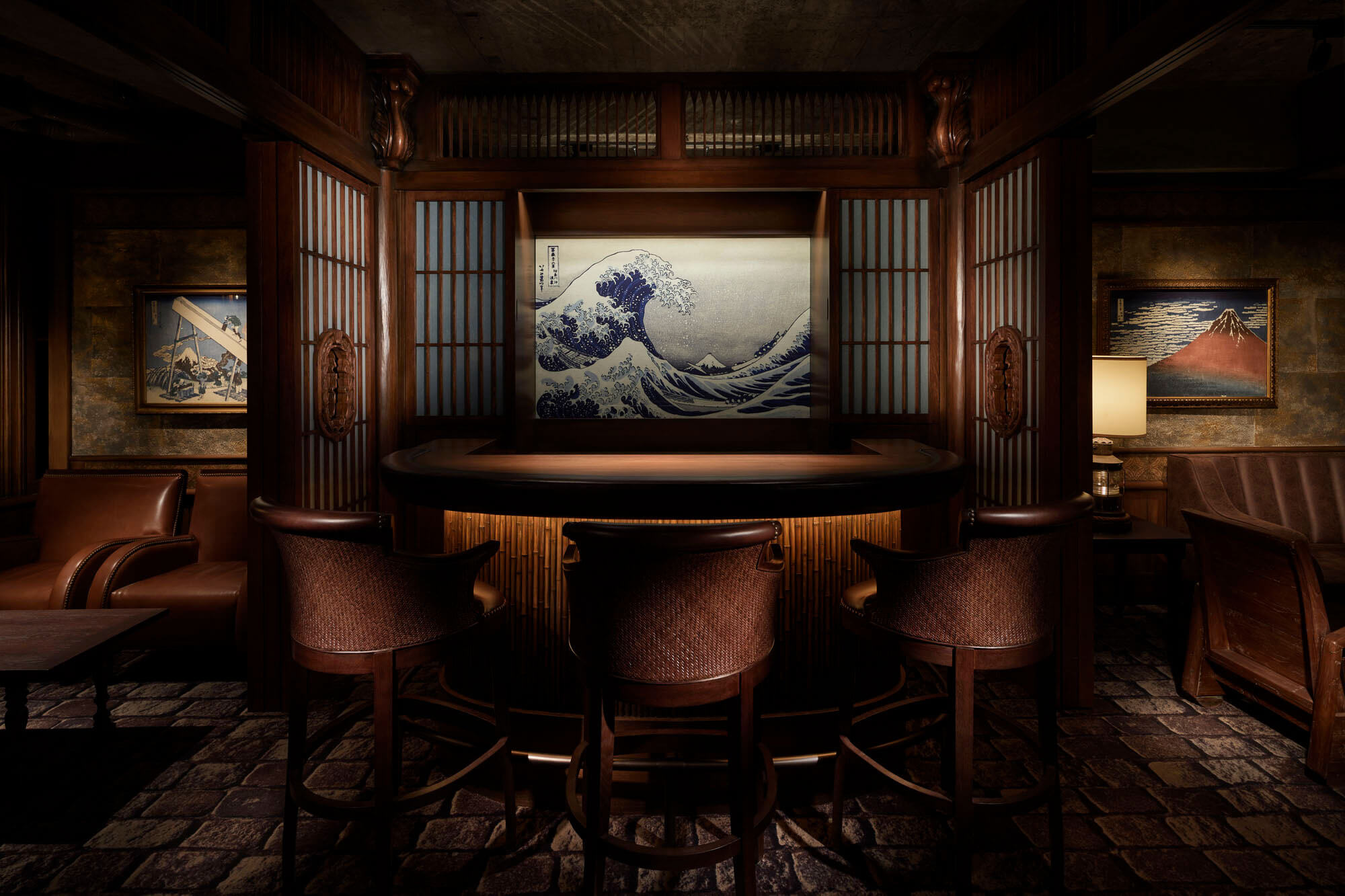
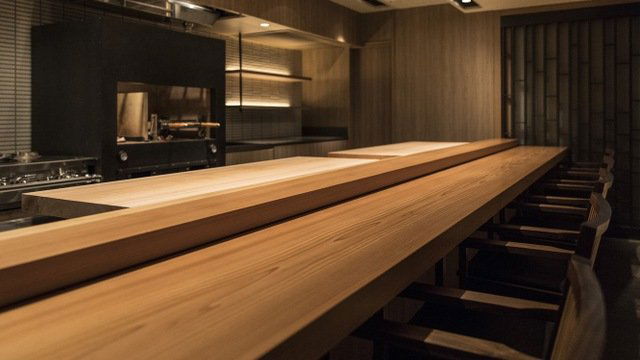
Niku Kappō JŌ sits in Nishiazabu, Minato City — one of Tokyo's quieter, more residential pockets of high-end dining, in a basement-level space that signals intimacy before you sit down. The counter format means you are watching Chef Jyotaro Okubo work directly; the theatre is quiet and precise rather than performative. This is not a loud wagyu grill where the spectacle is the fire. The focus is on the beef itself.
The omakase format means your decisions are made for you once you book. Wagyu is prepared using a binchotan charcoal grill alongside other techniques drawn from kappo tradition, wet-aged Japanese Black cattle, including cuts from regions such as Kagoshima and Omi, form the backbone of the menu. The flavour profile leans toward umami depth and clean finish rather than sheer fat richness, which distinguishes this from most wagyu-only restaurants. Sake and Japanese whisky pairings are available to complement the beef's profile without competing with it. If you are visiting Tokyo for the first time and want to understand why serious diners treat Japanese beef as a category of its own, this is the reservation to make.
The restaurant opens at 5:30 pm Tuesday through Saturday (closed Sunday), with last entry implied by the 11:30 pm closing. Booking is rated Easy on this platform, which is relatively accessible for a counter restaurant at this level, plan ahead, but you are not facing the multi-month wait common at Tokyo's hardest tables.
The Private and Group Experience
With seating limited to a small counter, Niku Kappō JŌ is structurally built around solo and paired dining rather than group bookings. The counter format is the experience, being seated in the main room, watching the chef work at close range, is the point. There is no confirmed private dining room in the venue data, and the intimate counter configuration means groups larger than three or four may find the setting awkward rather than celebratory. For a special occasion with one or two guests, the counter delivers a personal, attentive experience that a larger private room cannot replicate. If you are planning for a group of six or more, consider whether the format suits the occasion before booking, the counter is designed for focus, not for a party atmosphere. Solo diners, by contrast, are well served here; the direct engagement with the chef and the omakase pacing make solitary visits genuinely rewarding rather than isolating.
Quick reference: Nishiazabu, Tokyo; dinner only; Tuesday–Saturday from 5:30 pm; closed Sunday; omakase format; counter seating; booking rated Easy.
How It Compares
See the full comparison below.
Also in Tokyo and Japan
If you are building a broader Tokyo dining itinerary, Nikuya Tanaka is the closest direct peer in the beef kaiseki category. For high-end omakase dining in adjacent formats, Harutaka is Tokyo's benchmark for sushi at this level, while RyuGin and Sézanne cover kaiseki and French fine dining respectively. For the full picture across restaurants, hotels, bars, and experiences, see our full Tokyo restaurants guide, Tokyo hotels guide, Tokyo bars guide, Tokyo wineries guide, and Tokyo experiences guide.
Elsewhere in Japan, the beef kaiseki format has strong representation at Gyuho in Osaka and Miyoshi in Kyoto. For broader fine dining across Japan, HAJIME in Osaka, Gion Sasaki in Kyoto, akordu in Nara, Goh in Fukuoka, 1000 in Yokohama, and 6 in Okinawa are all worth considering depending on your itinerary.
Planning details
- Hours
- Monday: 5:30–11:30 pm · Tuesday: 5:30–11:30 pm
- Location
- Japan, 〒106-0031 Tokyo, Minato City, Nishiazabu, 2 Chome−24−14 Barbizon 73, B1F
- Reservations
- Book on TableCheck
- Website
- jo-tokyo.jp
- Phone
- +81 3-3486-2929
The take
The Take
The Vibe
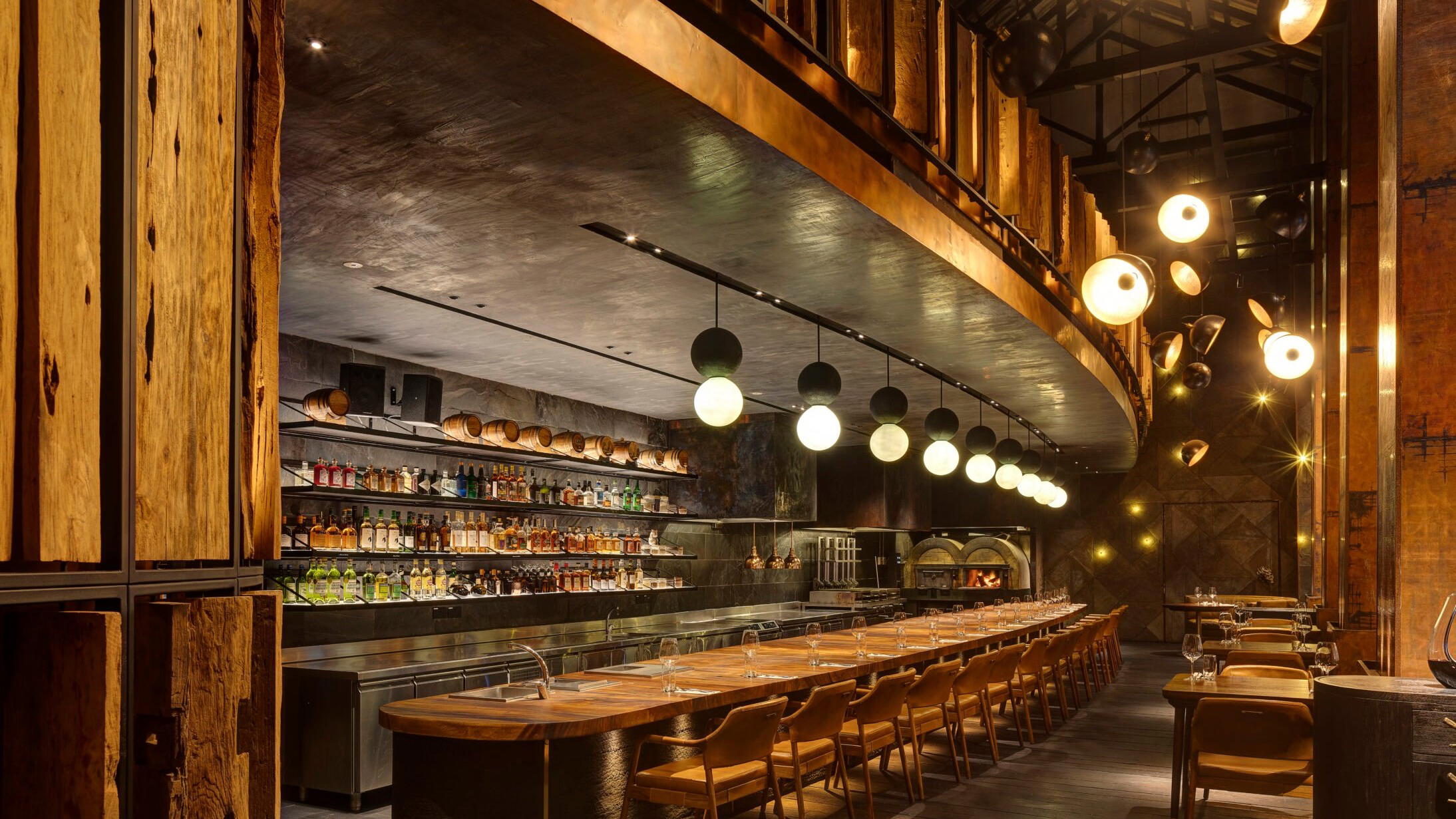
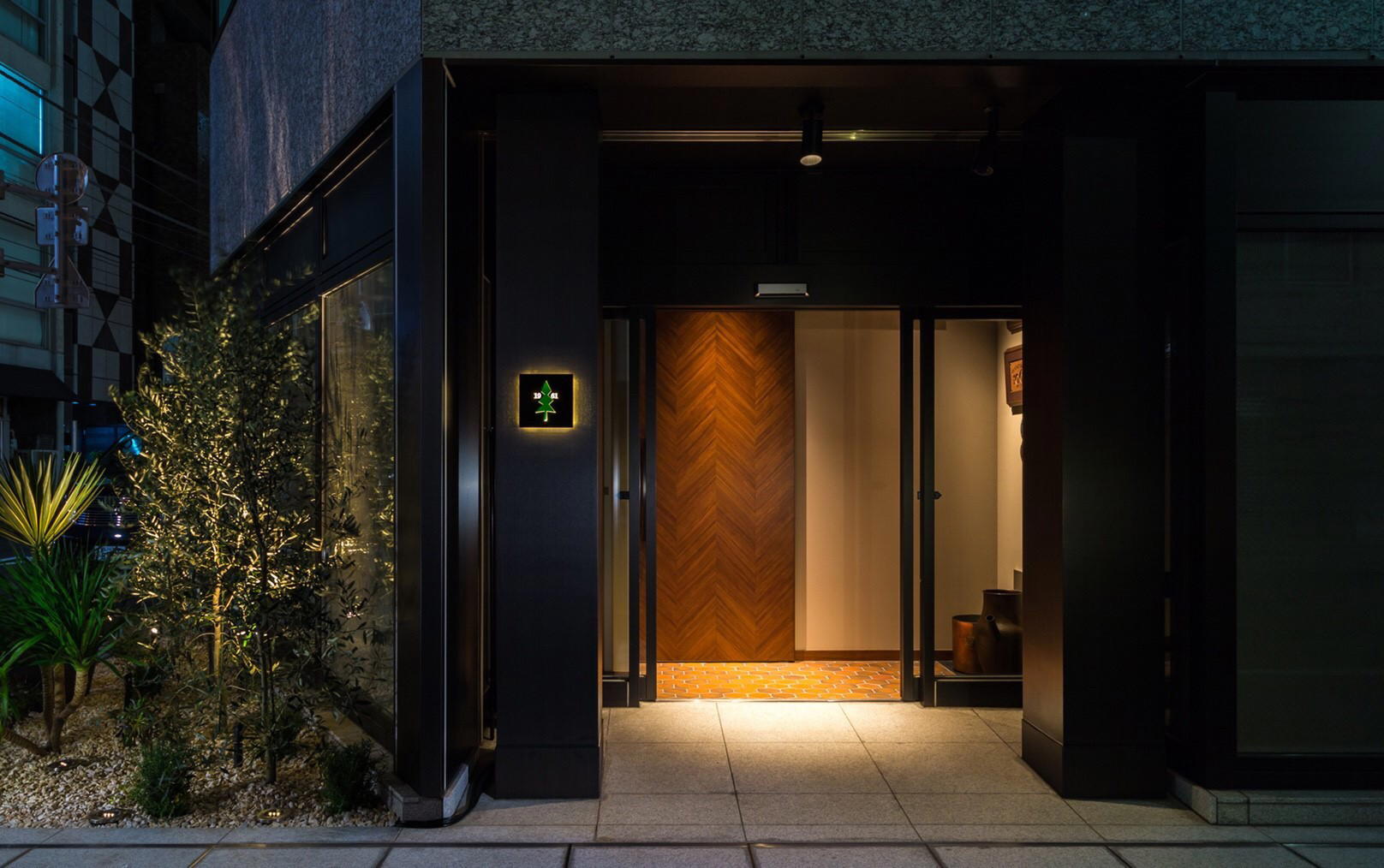
Niku Kappō JŌ reads like a hidden, minimalist counter tucked below street level. The basement setting and minimal signage make it feel discrete — a place that rewards research rather than impulse. Service and cooking are precise and restrained: kappo logic and a beef-focused kaiseki approach emphasize seasonal nuance, knife discipline, and careful sequencing. The counter format concentrates attention on the chef’s technique, so the room stays hushed and focused. Expect a refined, low-key evening where the drama comes from the food’s subtle shifts rather than theatrical presentation.
Best For
This is primarily an evening destination best suited to dinner, particularly for guests seeking a considered, intimate experience. The beef kaiseki format and counter seating make it well suited to date nights, special-occasion meals, or quiet business dinners where conversation is paired with attentive, chef-led service. The neighbourhood context — Nishiazabu’s small, precise dining scene — aligns with diners who prefer depth over spectacle. Note that the operation runs six evenings a week and eschews walk-ins, so plan ahead for a reservation.
Ordering Tips
The kitchen operates with kappo and omakase-like sequencing, so the easiest and most satisfying strategy is to accept the chef’s selections and timing: the staff choose cuts, control temperatures, and pace courses to reveal the beef’s nuance. Expect courses that play supporting roles alongside wagyu rather than straightforward steak presentations. Look out for signature highlights such as Beef Tartare with Uni, Blue Cheese Truffle Spring Roll, Shabu‑Shabu Sirloin and Wagyu Katsu. The restaurant occupies a B1F counter with minimal signage and no walk-in trade, so book in advance and allow the chef to set the rhythm.
Venue details
Ambiance
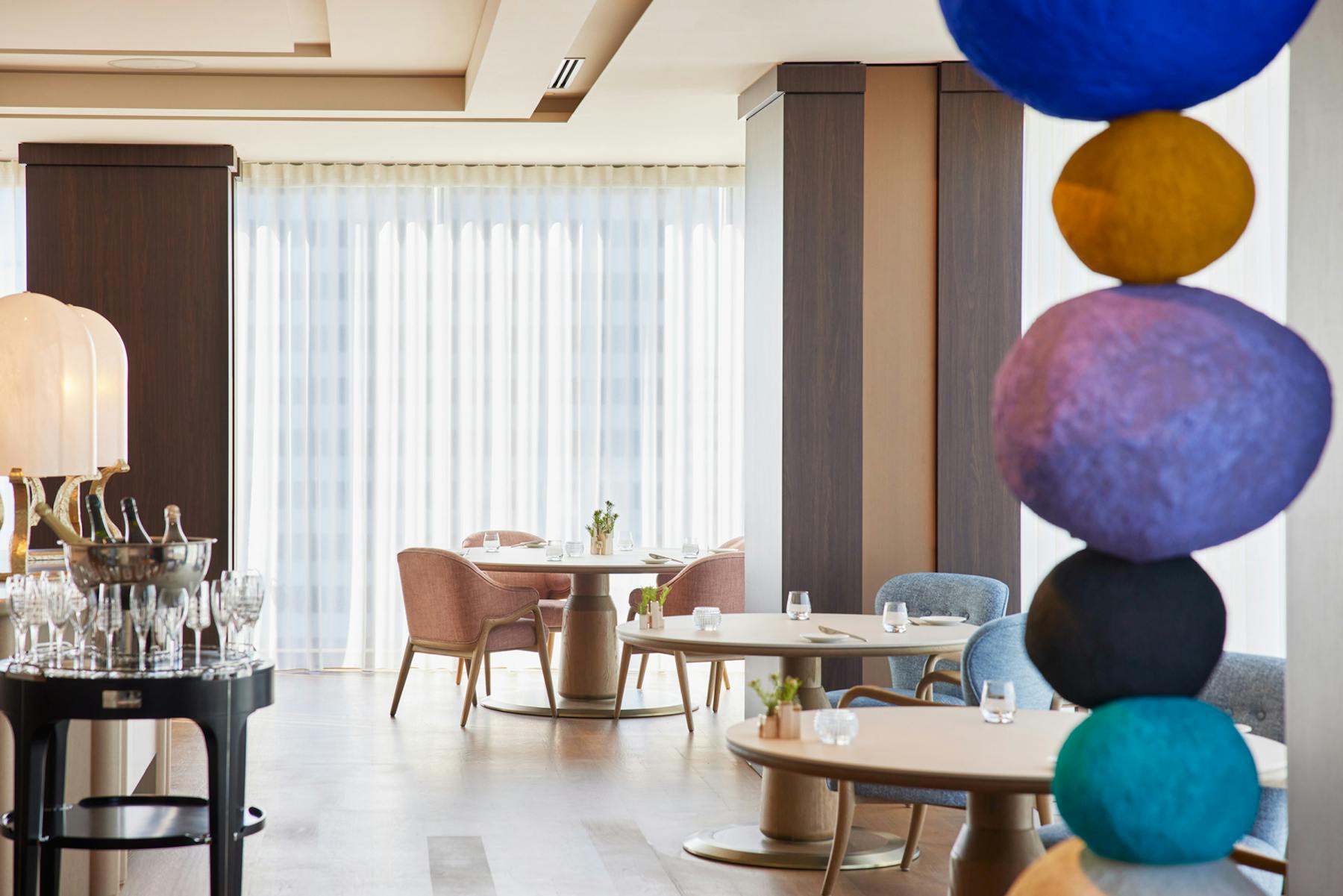
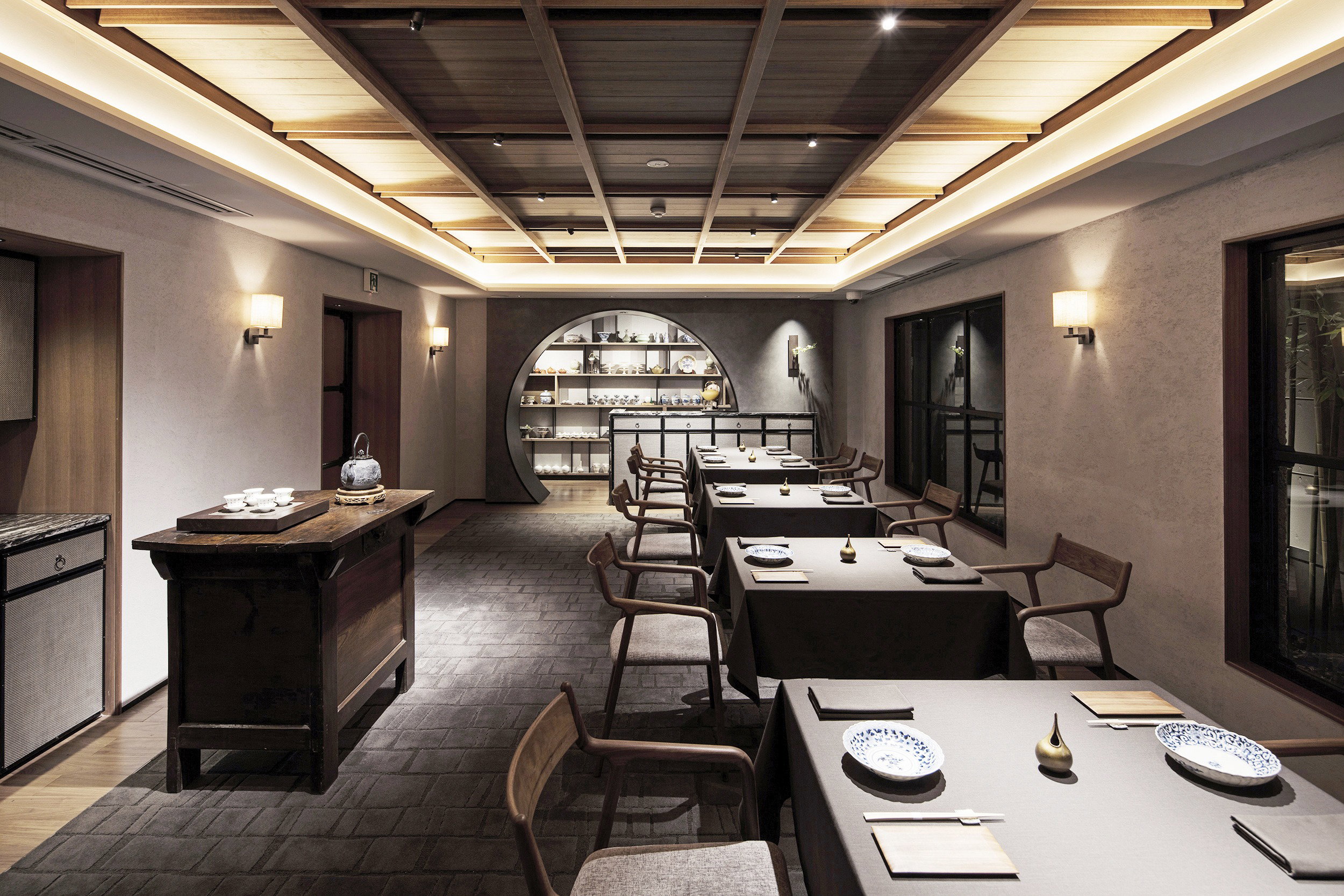
Serene, refined basement setting with counter seating focused on the open kitchen, creating an elegant and intimate atmosphere.
Tags
Vibe
Best For
Experience
At the Table
- Dress Code
- Smart Casual
- Noise Level
- Quiet
- Service Style
- Formal
- Meal Pacing
- Extended Experience
- Capacity
- Intimate
- Kitchen
- Modern
- Menu Format
- Omakase, Tasting menu, Counter dining
- Wine Program
- Curated
- Drinks Focus
- Sake, Wine
- Private Dining
- Available
Signature Dishes
- Beef Tartare with Uni
- Blue Cheese Truffle Spring Roll
- Shabu-Shabu Sirloin
- Wagyu Katsu
Know before you go
Know Before You Go
- Getting there
- Japan, 〒106-0031 Tokyo, Minato City, Nishiazabu, 2 Chome−24−14 Barbizon 73, B1F
Planning details
Hours
- Monday
- 5:30–11:30 pm
- Tuesday
- 5:30–11:30 pm
- Wednesday
- 5:30–11:30 pm
- Thursday
- 5:30–11:30 pm
- Friday
- 5:30–11:30 pm
- Saturday
- 5:30–11:30 pm
- Sunday
- Closed
Location
Japan, 〒106-0031 Tokyo, Minato City, Nishiazabu, 2 Chome−24−14 Barbizon 73, B1F · Directions


Also consider
Also Consider
- Harutaka, Sushi, ¥¥¥¥
- L'Effervescence, French, ¥¥¥¥
- RyuGin, Kaiseki, Japanese, ¥¥¥¥
- HOMMAGE, Innovtive French, French, ¥¥¥¥
- Crony, Innovative, French, ¥¥¥¥
Restaurant context
Niku Kappō JŌ sits in a narrow category, beef kaiseki at an omakase counter, which means most comparisons in Tokyo are cross-format rather than direct. Against RyuGin, Tokyo's benchmark for traditional kaiseki, the gap is in breadth: RyuGin covers a wider seasonal range with fish, vegetables, and multi-course structure, while Niku Kappō JŌ goes deep on one ingredient. If you want the full kaiseki canvas, RyuGin is the better call. If wagyu is specifically what you are there for, Niku Kappō JŌ delivers more focused depth. Both are in the same prestige tier and booking difficulty is comparable.
L'Effervescence and HOMMAGE are the better choices if French technique at a high level is what you are after, they offer more variety in a single sitting and tend to appeal to diners who want a conventional multi-course progression rather than a single-ingredient focus. Crony skews younger and more informal for its price point, making it the stronger option for diners who find the quiet precision of counter omakase overly ceremonious. Harutaka is the most useful comparison for format, also a counter omakase with a single-ingredient focus (sushi) at a comparable level. Between the two, the decision comes down to whether you are there for fish or beef; the experience structure is similar in pacing and intensity.
On booking difficulty, Niku Kappō JŌ rates Easy on this platform, which gives it a practical advantage over several peers at equivalent prestige. If you are building a Tokyo itinerary and need to secure at least one serious counter reservation, this is a more accessible entry point than many alternatives without sacrificing quality. For a first visit to Tokyo's fine dining circuit, it pairs well with Harutaka on a separate night to cover both the beef and sushi sides of the counter omakase format.
Explore Tokyo
Around this place
Discover more on Pearl
Unlock the full Niku Kappō JŌ guide in Pearl, including awards, comparisons, FAQs, planning details, and nearby places.
Compare Niku Kappō JŌ
| Venue | Location | Cuisine | Awards | Price |
|---|---|---|---|---|
| Niku Kappō JŌ | Tokyo | Beef Kaiseki | 2026 Michelin 1 Star2025 World's Best Steaks 101 Best Steak Restaurants · #832025 OAD Top Restaurants in Japan Ranked · #2512024 OAD Top Restaurants in Japan Ranked · #3002023 OAD Top Restaurants in Japan Highly Recommended | , |
| Harutaka | Tokyo | Sushi | 2026 Tabelog Silver · #312026 OAD Top Restaurants in Japan Ranked · #1282026 Michelin 3 Stars2026 La Liste Top RestaurantsTabelog 100 - Sushi - TOKYO - 2025 · #372025 Asia's 50 Best Restaurants · #762025 OAD Top Restaurants in Japan Ranked · #1172025 La Liste Top Restaurants2025 Tabelog Bronze | ¥¥¥¥ |
| L'Effervescence | Tokyo | French | 2026 Tabelog Silver · #682026 OAD Top Restaurants in Japan Ranked · #103Star Wine Lists 20262026 Black Pearl 2 Diamond2026 Relais Chateaux Restaurants2026 La Liste Top Restaurants2026 Michelin 3 Stars2025 Asia's 50 Best Restaurants · #692025 OAD Top Restaurants in Japan Ranked · #92 | ¥¥¥¥ |
| RyuGin | Tokyo | Kaiseki, Japanese | 2026 OAD Top Restaurants in Japan Ranked · #802026 Tabelog Bronze · #3772026 Michelin 3 Stars2026 La Liste Top RestaurantsTabelog 100 - Japanese cuisine - TOKYO - 2025 · #212025 OAD Top Restaurants in Japan Ranked · #542025 Michelin 3 Stars2025 La Liste Top Restaurants2025 The Best Chef Three Knives | ¥¥¥¥ |
| HOMMAGE | Tokyo | Innovtive French, French | 2026 Tabelog Bronze · #1232026 OAD Top Restaurants in Japan Highly Recommended2026 Michelin 2 StarsTabelog 100 - French - TOKYO - 2025 · #762025 Asia's 50 Best Restaurants · #782025 OAD Top Restaurants in Japan Ranked · #1752025 Michelin 2 Stars2025 The Best Chef One Knife2025 La Liste Top Restaurants | ¥¥¥¥ |
| Crony | Tokyo | Innovative, French | 2026 Asia's 50 Best Restaurants · #34Star Wine Lists 20262026 OAD Top Restaurants in Japan Recommended2026 Michelin 2 Stars2025 Asia's 50 Best Restaurants · #30Tabelog 100 - French - TOKYO - 2025 · #782025 OAD Top Restaurants in Japan Ranked · #227We're Smart World Top Restaurants 20252025 Michelin 2 Stars | ¥¥¥¥ |













How Niku Kappō JŌ Tokyo compares with similar nearby venues.
FAQ
Frequently Asked Questions
Is Niku Kappō JŌ good for solo dining?
Yes — the counter format is built for it. Seating is limited to a small number of guests arranged at a single counter, which means solo diners get direct access to the chef and the full pacing of the omakase without compromise. For solo wagyu dining in Tokyo, this format is more engaging than a table-service steakhouse.
Can Niku Kappō JŌ accommodate groups?
Not comfortably. The restaurant is a small counter with very limited seats, so groups of four or more will likely not fit side by side and should look elsewhere. For a group beef dinner in Tokyo, a venue with private dining rooms would be a more practical choice.
What are alternatives to Niku Kappō JŌ in Tokyo?
Nikuya Tanaka is the closest peer in the beef kaiseki category. For omakase dining that shifts the focus from meat to fish, Harutaka is a strong counter alternative in the same city. If you want a full kaiseki experience with broader seasonal range, RyuGin is the reference point.
What should I wear to Niku Kappō JŌ?
Dress neatly — the Nishiazabu setting, basement counter format, and OAD ranking signal a serious dining environment where overly casual dress would feel out of place. There is no published dress code in the available data, but the tone of the room skews formal-adjacent.
Is Niku Kappō JŌ good for a special occasion?
Yes, provided you and your guest are genuinely interested in wagyu at this level of precision. The intimate counter, omakase format, and OAD Top 251 ranking in Japan (2025) make it a credible choice for a milestone dinner — but it is a focused, quiet experience rather than a celebratory atmosphere with toasts and crowd energy.