
Mitsui
Sushi · Minato, Tokyo
Restaurant in Tokyo, Japan
 Book with Pearl
The Read
Edomae Wabi Precision
Price
¥¥¥¥
Dress
Smart Casual
Why go
Mitsui is a wabi-inspired sushi counter in Azabujuban earning a Michelin Plate (2025) with a traditional edomae progression, a distinctive three-piece tuna sequence, and brazier snacks that arrive smelling of charcoal. Booking is currently easy for a counter at this level and price. Best for solo diners and couples on a proper occasion.
About Mitsui
Who Should Book Mitsui — and When
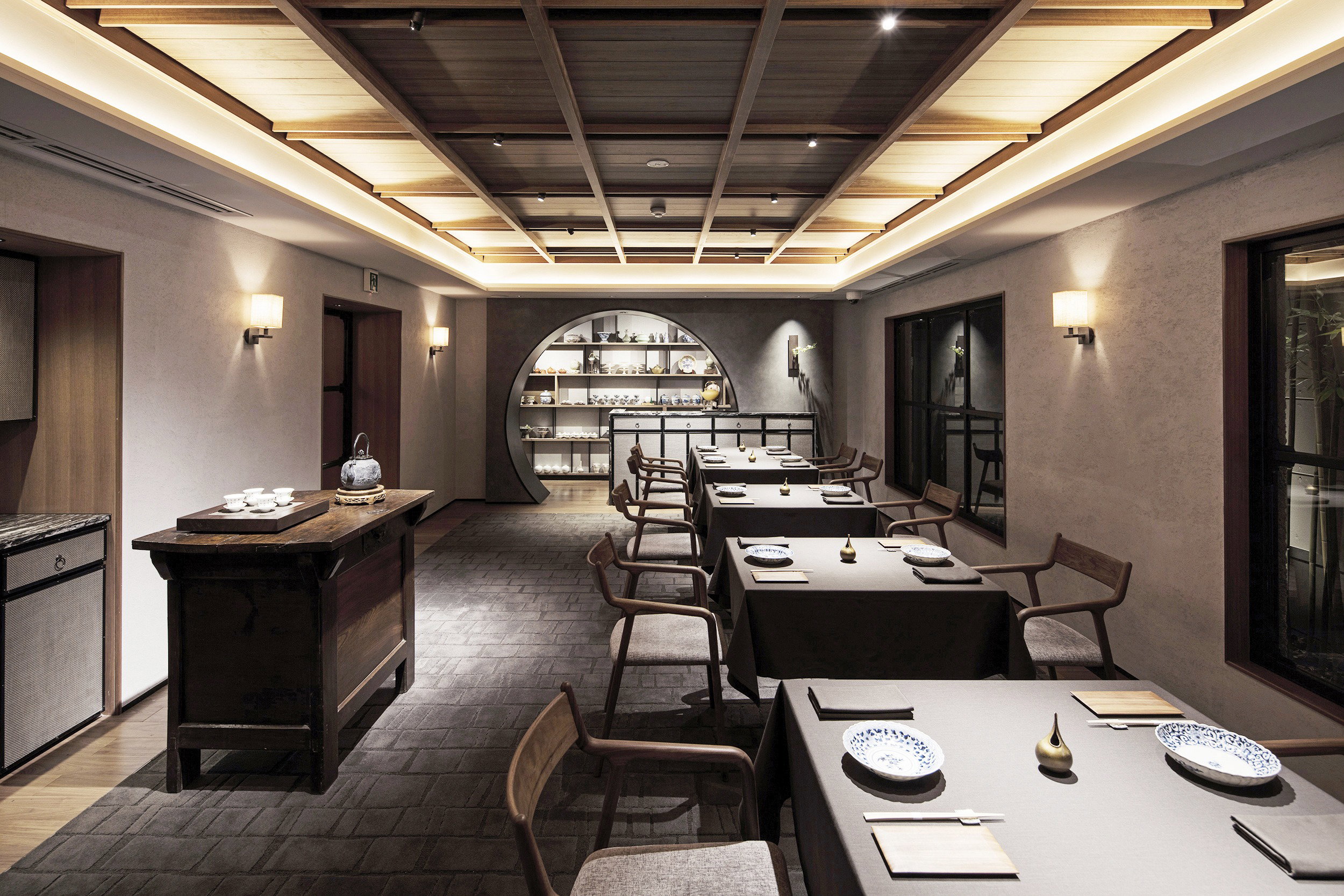
Mitsui in Azabujuban is the right call for a solo diner or a couple marking a proper occasion: a birthday, a work trip that deserves a real meal, or a first night in Tokyo when you want the city to make an impression. The wabi-inspired counter format — a traditional tearoom aesthetic, charcoal brazier in plain view, rice from Nagano cooking in a broad-brimmed pot, is built for an intimate, attentive meal rather than a group celebration. If you are coming in a party of four or more, or you want a louder, more social dining room, look elsewhere. If you want to sit close enough to the kitchen to smell the smoky snacks coming off the brazier, Mitsui is worth serious consideration.
A Counter Experience Built Around the Senses
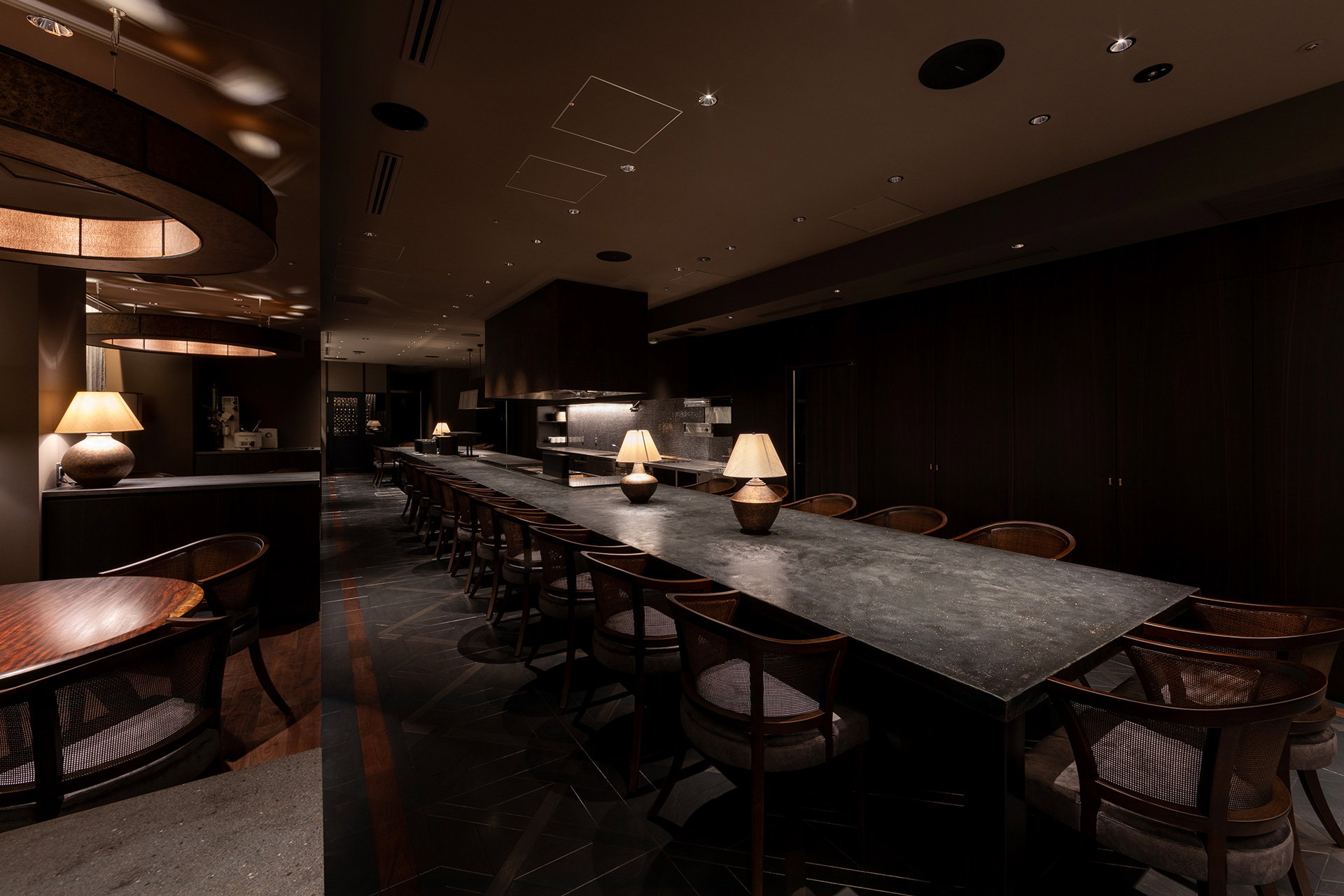
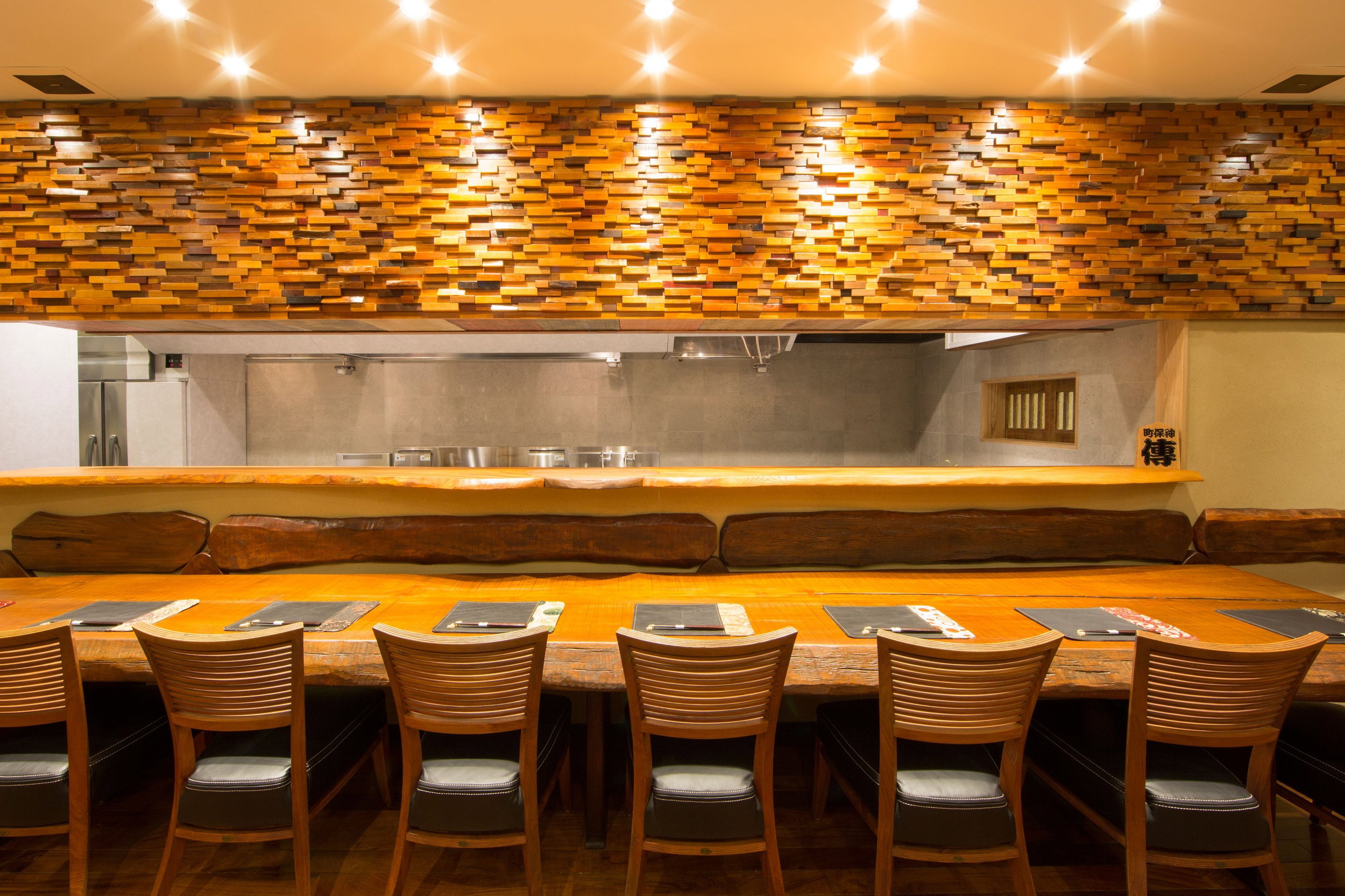
The counter at Mitsui is not incidental to the meal, it is the meal's architecture. The Michelin Plate recognition (2025) signals consistent quality in the kitchen, and the format lets you watch the logic of the progression unfold in real time. The traditional cook stove mounted in the kitchen means charcoal-grilled snacks arrive with their scent preceding them; the smoky aroma of those brazier bites is one of the first things that signals you are somewhere doing things with intention. That smell, wood smoke, toasted rice, the faint brine of fresh fish, is the room telling you what to expect before the first piece arrives in your hands.
The nigirizushi programme runs close to tradition: white-fleshed fish, tuna, gizzard shad, shrimp, sea urchin, and conger eel form the core sequence. The tuna progression is the section worth paying attention to, three pieces in succession, starting with salt-seasoned medium-fatty tuna, moving to soy-sauce marinated tuna, and finishing on rich fatty underbelly. That three-piece arc is a deliberate editorial statement about the fish rather than just a volume play. The rice, cooked from the chef's native Nagano and seasoned with salt and vinegar, is calibrated to keep the meal moving and the sake pairing functional rather than sweet or heavy. At ¥¥¥¥ pricing, this is a serious-spend meal, but the sequencing and the counter proximity put it in direct competition with Tokyo's better sushi counters rather than the merely competent ones.
Azabujuban address, fifth floor of THE CITY 麻布十番 LIBERTA, is worth knowing in advance. This is not street-level discovery; you are walking into a building and heading upstairs, which is typical for serious Tokyo dining but can catch first-timers off guard. The neighbourhood itself is one of Tokyo's more residential and quietly affluent pockets, sitting between Roppongi and Hiroo, which means the mood outside the restaurant is calm rather than hectic. That calm carries into the room.
Recent Context: Chef and Evolution
Chef name in the current record, Letlhogonolo Sentsima, is an unusual signal for a traditional Japanese sushi counter, and it points to a meaningful recent evolution at Mitsui. A non-Japanese chef working within the edomae tradition, with a kitchen that still honours rice from Nagano and a wabi aesthetic, suggests a counter that is worth watching as it develops its own position. The Michelin Plate in 2025 is an early credential, not a ceiling. For Tokyo sushi at this price tier, that trajectory matters when you are deciding whether to go now or wait.
How Mitsui Compares to Tokyo's Sushi Tier
Tokyo has more serious sushi counters per square kilometre than any other city, and ¥¥¥¥ pricing puts Mitsui in a bracket where the competition is real. Harutaka and Sushi Kanesaka are the reference points for technically precise edomae sushi at this level. Sukiyabashi Jiro Roppongiten carries more name recognition internationally and the booking difficulty to match. Edomae Sushi Hanabusa and Hiroo Ishizaka are worth comparing if Azabujuban is inconvenient. Mitsui's current distinction is the combination of counter intimacy, the sensory specificity of the brazier and Nagano rice, and a chef whose background makes the kitchen an interesting one to follow. For regional Japan dining beyond Tokyo, HAJIME in Osaka, Gion Sasaki in Kyoto, and Goh in Fukuoka each represent comparable commitment at the same price tier. For sushi outside Japan, Sushi Shikon in Hong Kong and Shoukouwa in Singapore are the regional benchmarks.
Practical Details
Mitsui is at 3 Chome-10-2 THE CITY 麻布十番 LIBERTA, 5th floor, Azabujuban, Minato City, Tokyo. Booking difficulty is rated easy at present, a positive signal given that many counters at this price tier require lead times of several weeks. Current hours and a direct booking method are not listed in the Pearl database; confirm via the restaurant directly before planning your evening. Dress expectations for a counter of this style in Azabujuban lean smart-casual at minimum; a suit or equivalent for a special occasion is appropriate and will not feel out of place. See our full Tokyo restaurants guide, our full Tokyo hotels guide, our full Tokyo bars guide, our full Tokyo experiences guide, and our full Tokyo wineries guide for further planning. For broader Japan context, consider akordu in Nara, 1000 in Yokohama, and 6 in Okinawa.
Quick reference: Azabujuban, 5F | ¥¥¥¥ | Michelin Plate 2025 | Sushi counter | Booking: easy | Leading for solo diners and couples.
Planning details
- Location
- Japan, 〒106-0045 Tokyo, Minato City, Azabujuban, 3 Chome−10−2 THE CITY 麻布十番 LIBERTA5階
- Website
- omakase.in/ja/r/ng595754
- Phone
- +81 3-4400-3023
The take
The Take
The Vibe
Mitsui reads like a quiet, classic sushi counter tucked into Azabu-Juban’s midtown fabric. It operates on the smaller, counter-focused end of Tokyo’s omakase scene, favoring careful technique over spectacle. The Michelin Plate recognition signals technical accomplishment while the fifth-floor location and low-profile address give the room a discreet, insider feel. Service is centered on the bar: the counter creates an intimate, composed rhythm between chef and guest, and the neighbourhood setting keeps the energy restrained. Overall, Mitsui feels like a reserved, deliberate expression of sushi tradition rather than a destination built on star power.
Best For
Mitsui is best for diners who want a focused omakase experience without the institutional fuss of multi-month waitlists and headline-starred counters. The format rewards guests who value craft and the counter ritual—regulars and neighbourhood patrons alike—making it well suited to measured celebrations, quiet date nights, and anyone seeking a refined, low-key tasting sequence. Its location in Azabu-Juban also appeals to those who prefer proximity to residential Minato over the bustle of Roppongi, so the overall visit skews toward attentive, relaxed dining rather than spectacle.
Ordering Tips
This is a counter-centric omakase that emphasizes a direct chef-to-guest experience; expect seating arranged around the bar and a tasting rhythm set by the kitchen. Unlike Tokyo’s allocation-only addresses, Mitsui’s Michelin Plate positioning implies critical recognition without the same level of booking machinery, but the venue still occupies a small, fifth-floor space that filters casual foot traffic. Note the discreet location on the main Azabu-Juban strip—knowing the address beforehand and preparing for a concentrated counter seating will help you get the most from the service format and signature nigiri-driven menu.
Venue details
Ambiance
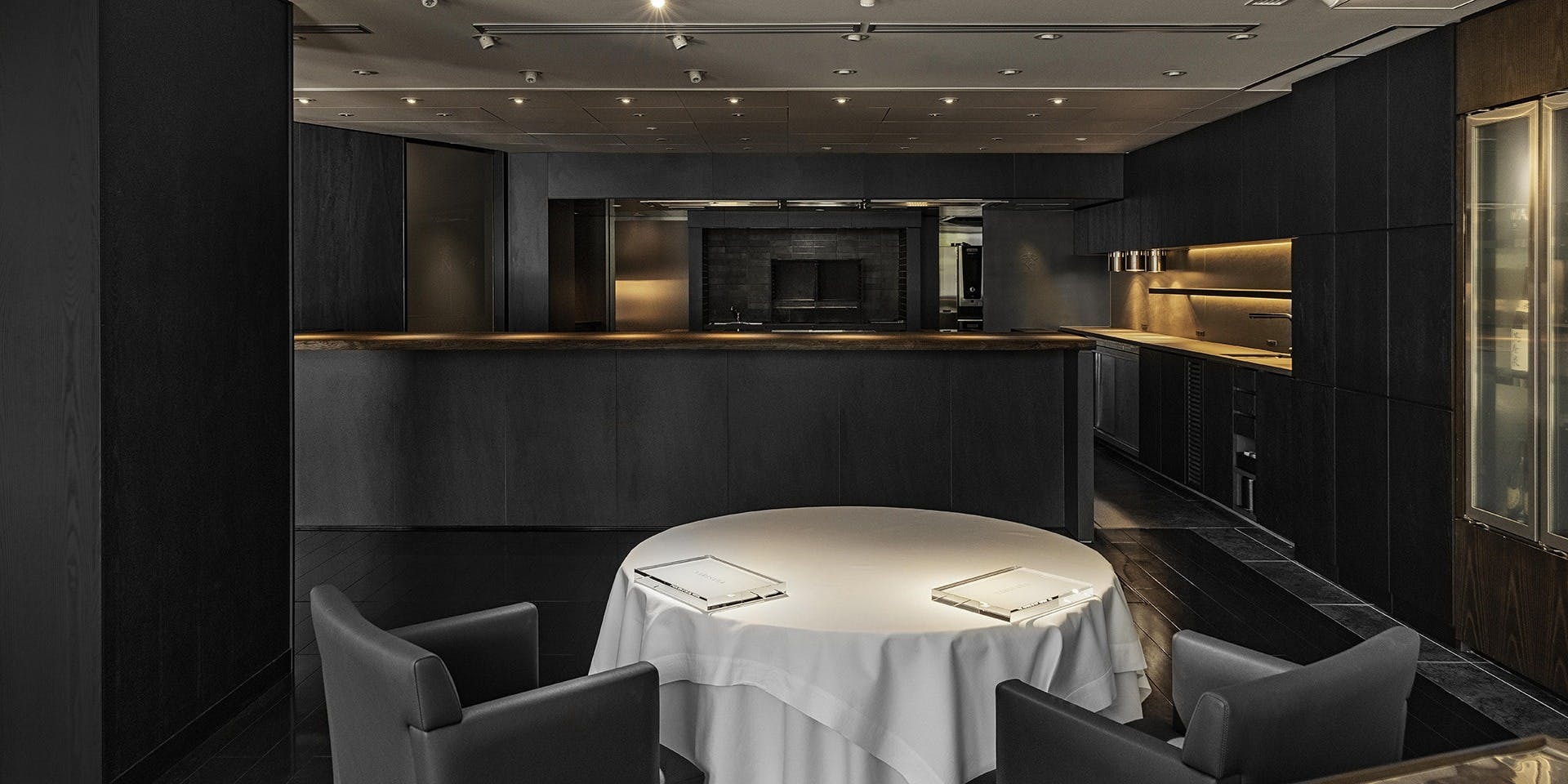
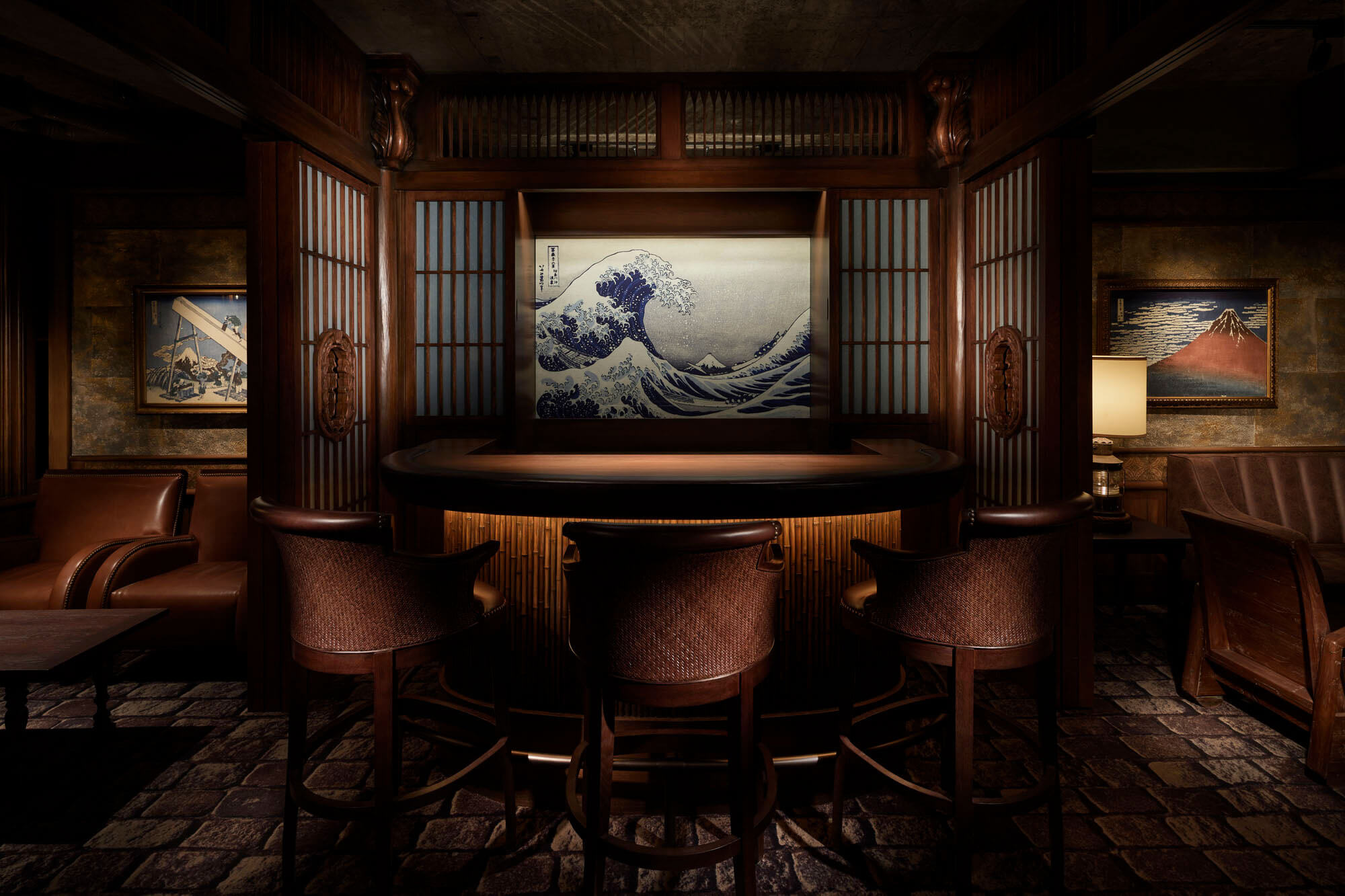
Modern Japanese space unified in black with deep counter seating in a basement location, creating an intimate adult-oriented atmosphere with stylish, relaxing design.
Tags
Vibe
Best For
Experience
Sourcing
At the Table
- Dress Code
- Smart Casual
- Noise Level
- Quiet
- Service Style
- Omakase Bar
- Meal Pacing
- Leisurely
- Capacity
- Intimate
Signature Dishes
Wagyu Beef Roll with Sea Urchin Top
Know before you go
Know Before You Go
- Getting there
- Japan, 〒106-0045 Tokyo, Minato City, Azabujuban, 3 Chome−10−2 THE CITY 麻布十番 LIBERTA5階
Planning details
Location
Japan, 〒106-0045 Tokyo, Minato City, Azabujuban, 3 Chome−10−2 THE CITY 麻布十番 LIBERTA5階 · Directions
Recognition and awards
Also consider
Also Consider
- Harutaka, Sushi, ¥¥¥¥
- L'Effervescence, French, ¥¥¥¥
- RyuGin, Kaiseki, Japanese, ¥¥¥¥
- HOMMAGE, Innovtive French, French, ¥¥¥¥
- Crony, Innovative, French, ¥¥¥¥
Restaurant context
At ¥¥¥¥, Mitsui sits in the same price bracket as Harutaka, which is the stronger technical reference point for edomae sushi in Tokyo and carries harder booking as a result. If precision and pedigree are your primary criteria and you can plan weeks ahead, Harutaka edges Mitsui on established reputation. Mitsui's current advantage is accessibility: easy booking at a Michelin-recognised counter is a meaningful practical differentiator in a city where the best-known rooms fill months out.
If you are weighing Mitsui against a broader Tokyo fine dining evening rather than specifically a sushi counter, RyuGin at the same price tier offers kaiseki rather than sushi, more range in ingredients and techniques, a different kind of occasion. L'Effervescence is the better call if French-rooted seasonal cooking appeals more than the sushi counter format. Neither is a substitute for what Mitsui specifically does; they are alternatives if the omakase counter format is not what you are after.
HOMMAGE and Crony are both ¥¥¥¥ French-influenced rooms worth knowing if you want creative cooking rather than tradition-led sushi. For a special occasion dinner in Tokyo where the format itself is part of the point, the counter, the charcoal, the rice, the tuna progression, Mitsui is the more coherent choice among this peer group right now, particularly given how accessible it currently is to book.
Explore Tokyo
Around this place
Discover more on Pearl
Unlock the full Mitsui guide in Pearl, including awards, comparisons, FAQs, planning details, and nearby places.
Compare Mitsui
| Venue | Price | Booking Difficulty | Awards |
|---|---|---|---|
| Mitsui | ¥¥¥¥ | Easy | 2026 Michelin Plate2025 Michelin Plate2025 Michelin 3 Stars |
| Harutaka | ¥¥¥¥ | Unknown | 2026 Tabelog Silver · #312026 OAD Top Restaurants in Japan Ranked · #1282026 Michelin 3 Stars2026 La Liste Top RestaurantsTabelog 100 - Sushi - TOKYO - 2025 · #372025 Asia's 50 Best Restaurants · #762025 OAD Top Restaurants in Japan Ranked · #1172025 La Liste Top Restaurants2025 Tabelog Bronze |
| L'Effervescence | ¥¥¥¥ | Unknown | 2026 Tabelog Silver · #682026 OAD Top Restaurants in Japan Ranked · #103Star Wine Lists 20262026 Black Pearl 2 Diamond2026 Relais Chateaux Restaurants2026 La Liste Top Restaurants2026 Michelin 3 Stars2025 Asia's 50 Best Restaurants · #692025 OAD Top Restaurants in Japan Ranked · #92 |
| RyuGin | ¥¥¥¥ | Unknown | 2026 OAD Top Restaurants in Japan Ranked · #802026 Tabelog Bronze · #3772026 Michelin 3 Stars2026 La Liste Top RestaurantsTabelog 100 - Japanese cuisine - TOKYO - 2025 · #212025 OAD Top Restaurants in Japan Ranked · #542025 Michelin 3 Stars2025 La Liste Top Restaurants2025 The Best Chef Three Knives |
| HOMMAGE | ¥¥¥¥ | Unknown | 2026 Tabelog Bronze · #1232026 OAD Top Restaurants in Japan Highly Recommended2026 Michelin 2 StarsTabelog 100 - French - TOKYO - 2025 · #762025 Asia's 50 Best Restaurants · #782025 OAD Top Restaurants in Japan Ranked · #1752025 Michelin 2 Stars2025 The Best Chef One Knife2025 La Liste Top Restaurants |
| Crony | ¥¥¥¥ | Unknown | 2026 Asia's 50 Best Restaurants · #34Star Wine Lists 20262026 OAD Top Restaurants in Japan Recommended2026 Michelin 2 Stars2025 Asia's 50 Best Restaurants · #30Tabelog 100 - French - TOKYO - 2025 · #782025 OAD Top Restaurants in Japan Ranked · #227We're Smart World Top Restaurants 20252025 Michelin 2 Stars |
.png?width=1200&quality=80)













What to weigh when choosing between Mitsui and alternatives.
FAQ
Frequently Asked Questions
Is the tasting menu worth it at Mitsui?
Yes, if traditional nigiri is your format. The progression through white-fleshed fish, gizzard shad, shrimp, sea urchin, and three successive tuna cuts is structured and deliberate — this is not a venue padding its menu with unnecessary courses. The Michelin Plate recognition (2025) confirms consistent execution at the ¥¥¥¥ price point. If you want more experimental or contemporary omakase, look at RyuGin instead.
What should I wear to Mitsui?
The venue has a wabi-inspired aesthetic modelled on a traditional tearoom, which sets a quiet, restrained tone. Dress neatly — nothing that signals you've come straight from a tourist itinerary. Polished casual to business casual works; the atmosphere does not demand a suit, but would not suit shorts and sneakers either.
How far ahead should I book Mitsui?
Booking difficulty is currently rated easy, which means you are not fighting a months-long waitlist the way you would at three-Michelin-star counters elsewhere in Tokyo. That said, the counter seats are limited and Azabujuban draws a local dining crowd, so 1 to 2 weeks ahead is a sensible minimum. Don't assume walk-in availability at a ¥¥¥¥ sushi counter.
Is Mitsui good for solo dining?
Mitsui is one of the stronger calls for solo diners in Azabujuban. Counter seating at a sushi bar is the format most suited to dining alone — you face the chef, watch the rice cook in the broad-brimmed pot, and follow the meal at a natural pace. A solo seat here is not a compromise; it is arguably the right way to experience this kind of counter.
Is Mitsui worth the price?
At ¥¥¥¥, Mitsui earns its price if you value classical technique and a restrained, tea-room-style environment over spectacle or name recognition. The Michelin Plate (2025) confirms the kitchen is cooking at a consistent standard. For the same spend with more theatrical presentation, RyuGin or Harutaka may appeal more — but Mitsui is the stronger pick for diners who want the craft without the performance.
Can I eat at the bar at Mitsui?
The counter is the primary format at Mitsui — it is not a bar in the incidental sense, but the central dining position where you watch the chef work the charcoal brazier and rice pot. This is standard for Tokyo sushi counters at this price level, and it is the experience you are booking.