
La Bombance
Kaiseki, French · Minato, Tokyo
Restaurant in Tokyo, Japan
 Book with Pearl
The Read
Kaiseki-French Synthesis
Dress
Smart Casual
Why go
La Bombance in Nishiazabu blends kaiseki structure with French technique under Chef Masaru Seki, earning consistent Opinionated About Dining recognition in Japan's national rankings. Reservations are relatively easy to secure compared to Tokyo's most competitive rooms. Lunch is the value entry point; dinner suits special occasions. Closed Sundays.
About La Bombance
La Bombance, Nishiazabu, Tokyo
If you have eaten at La Bombance once and are weighing a return, the honest answer is: it holds up. Chef Masaru Seki's kaiseki-meets-French format in Nishiazabu is not a novelty that exhausts itself on the first visit. The kitchen's dual-language fluency, drawing on the structural discipline of traditional kaiseki and the technique of French cuisine, gives the menu enough range that a second booking rarely covers the same ground as the first. That consistency is also what makes it worth considering as a first choice for a special occasion, a business dinner, or a date where the meal needs to carry weight.
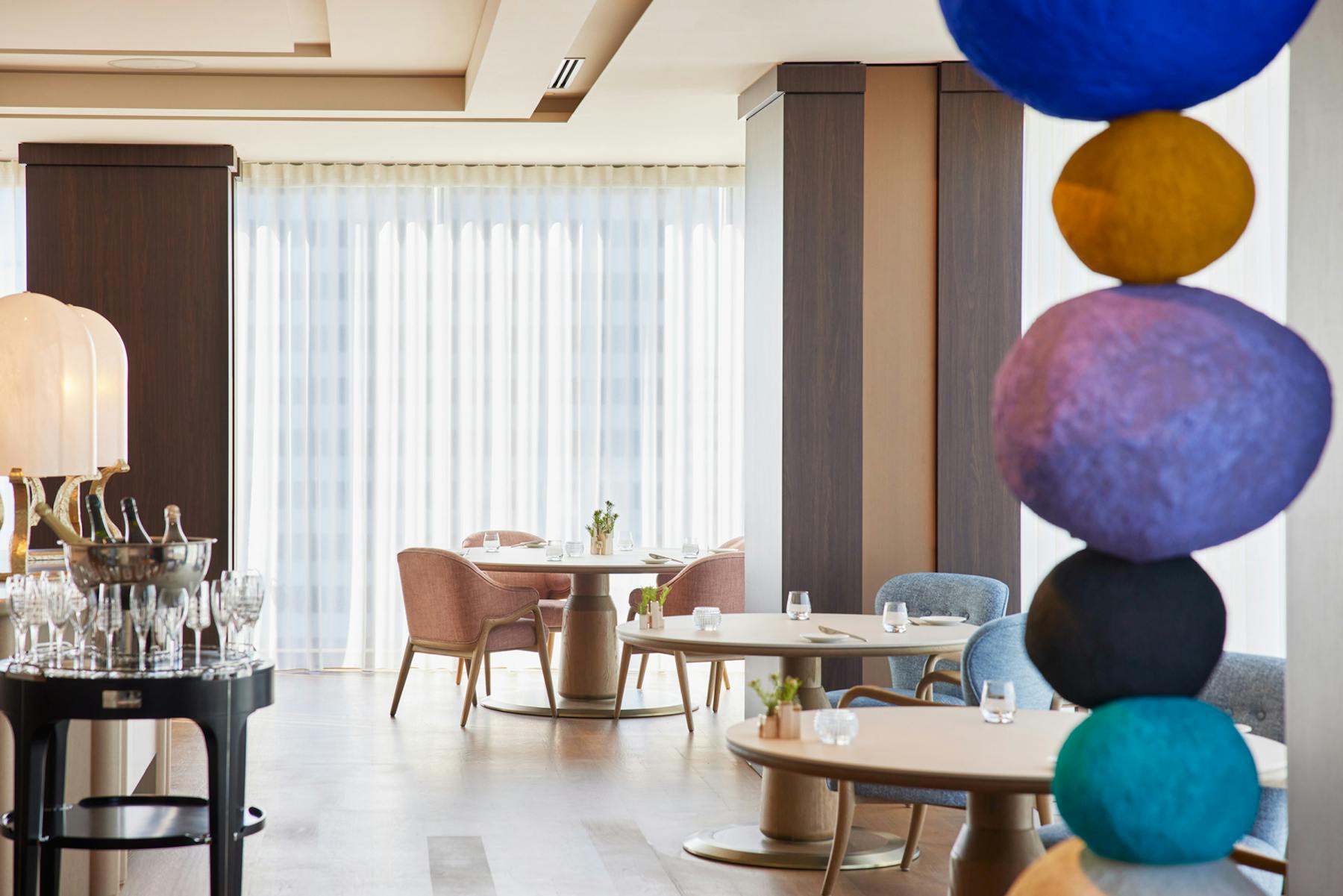
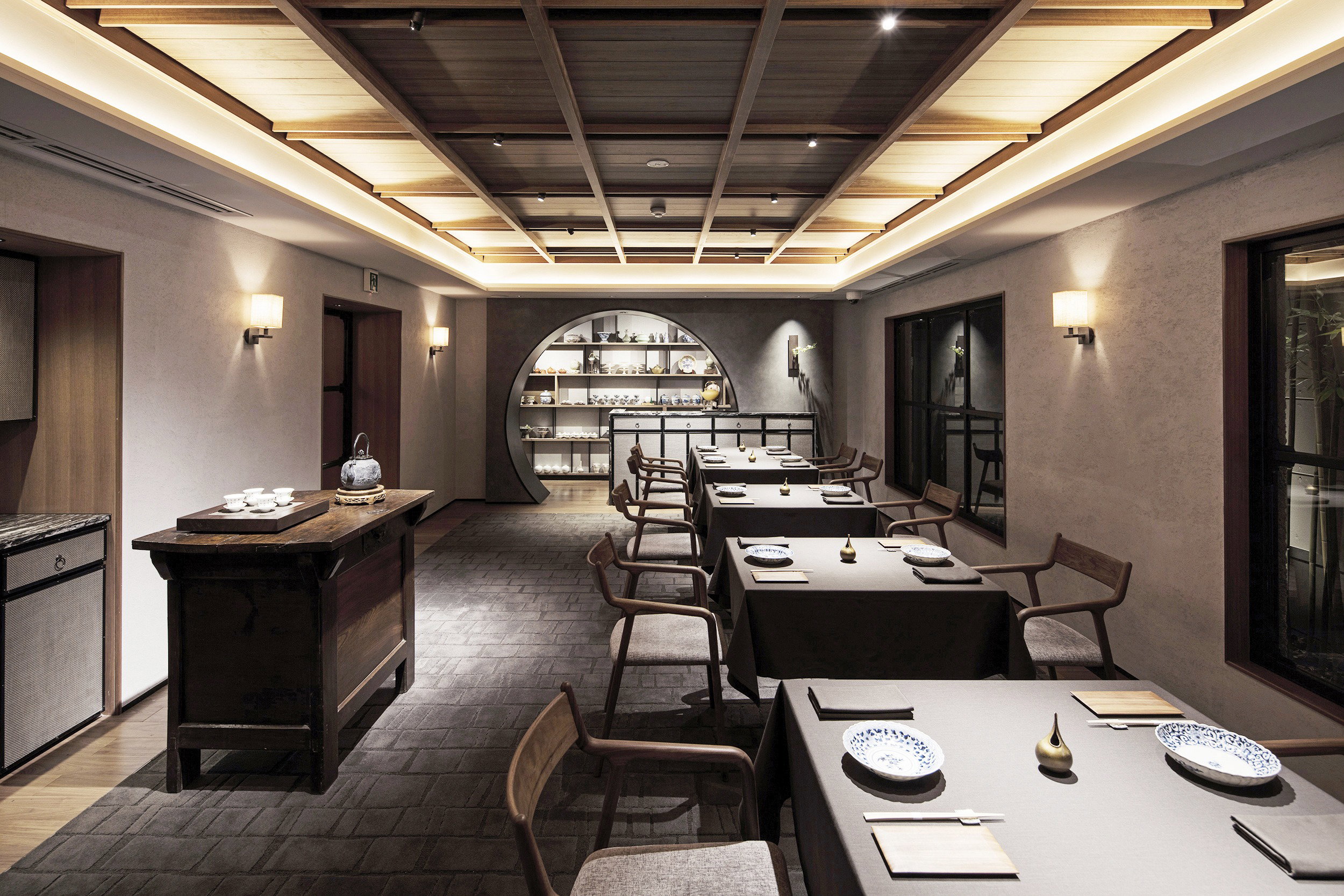
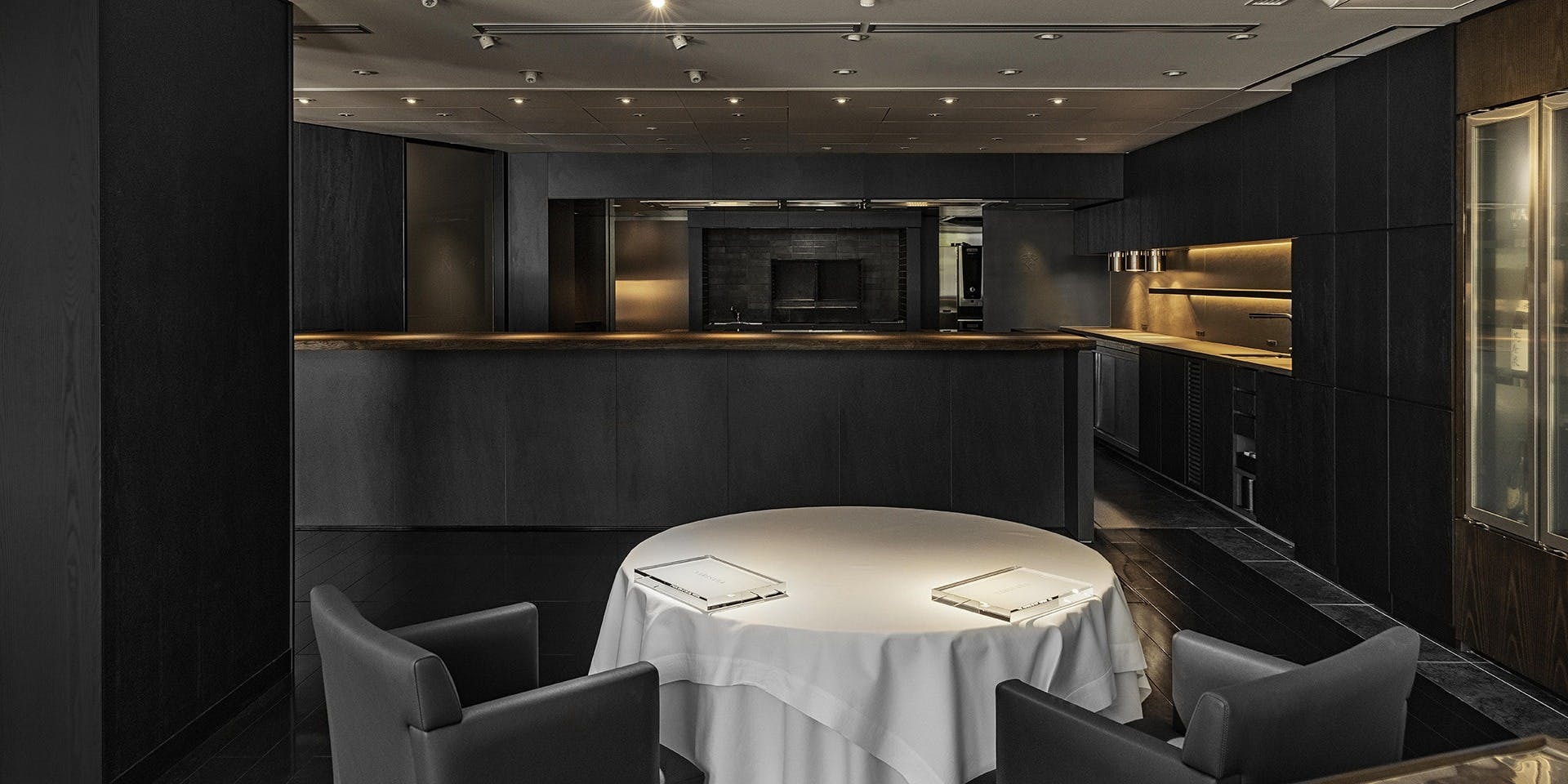
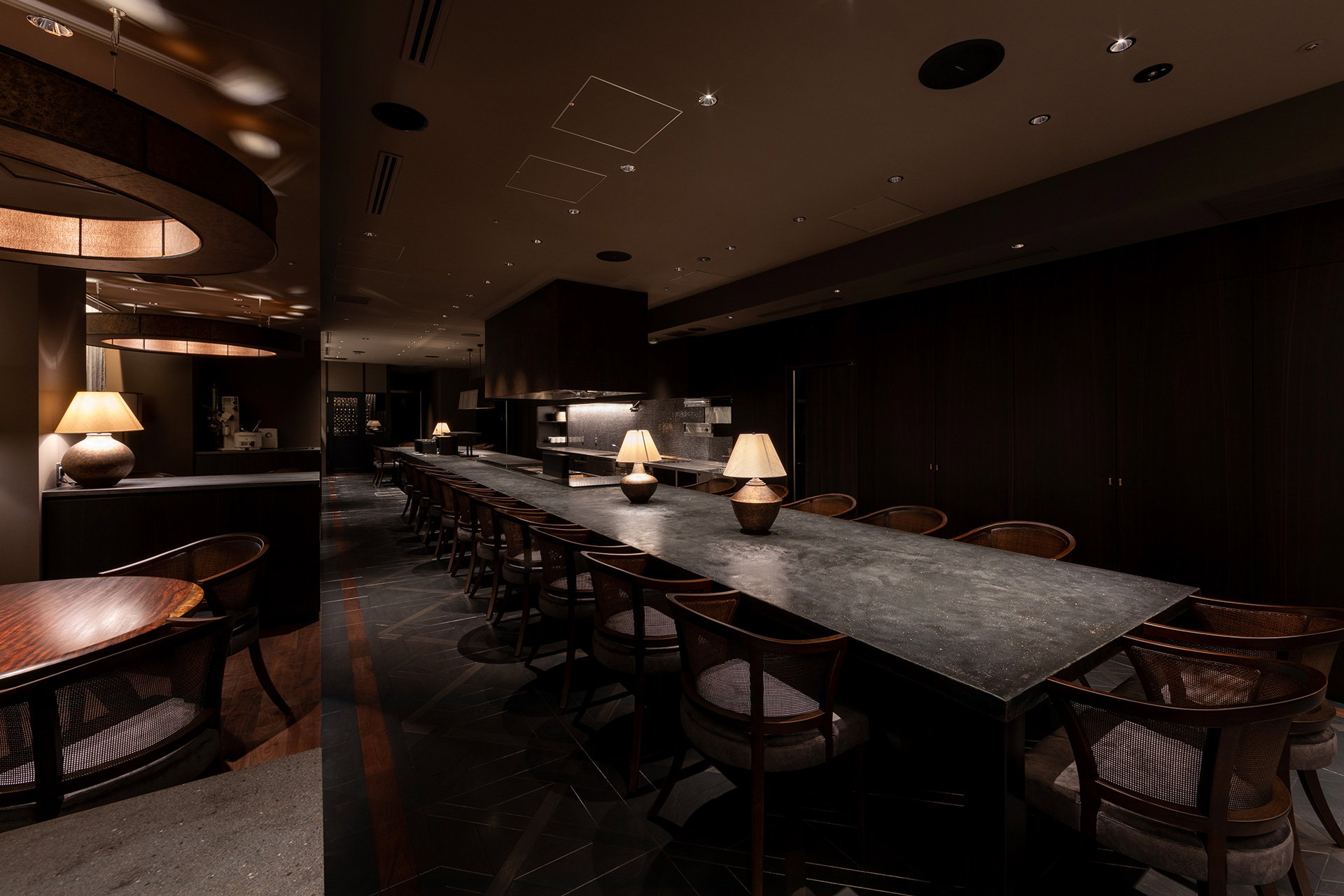
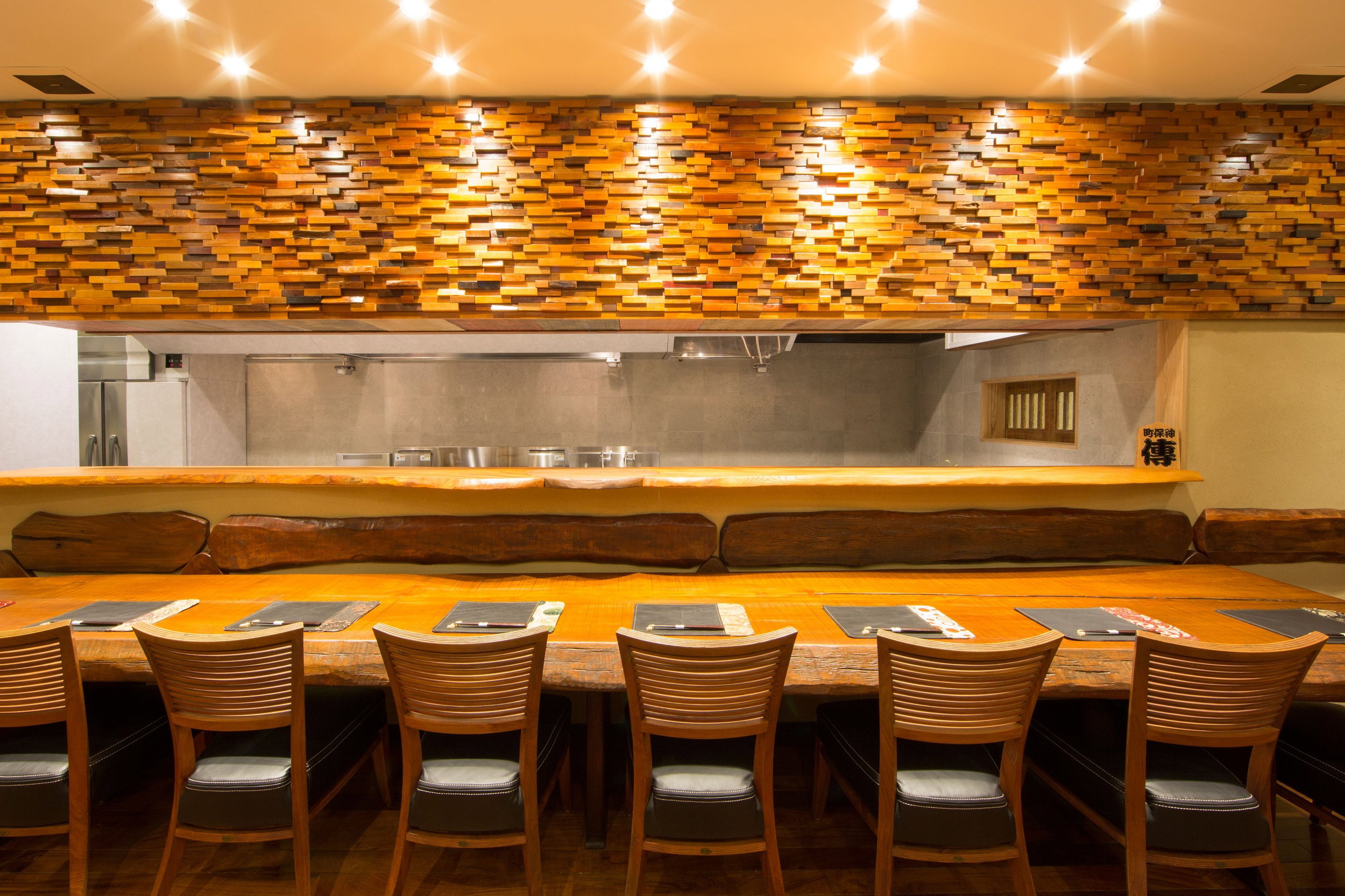
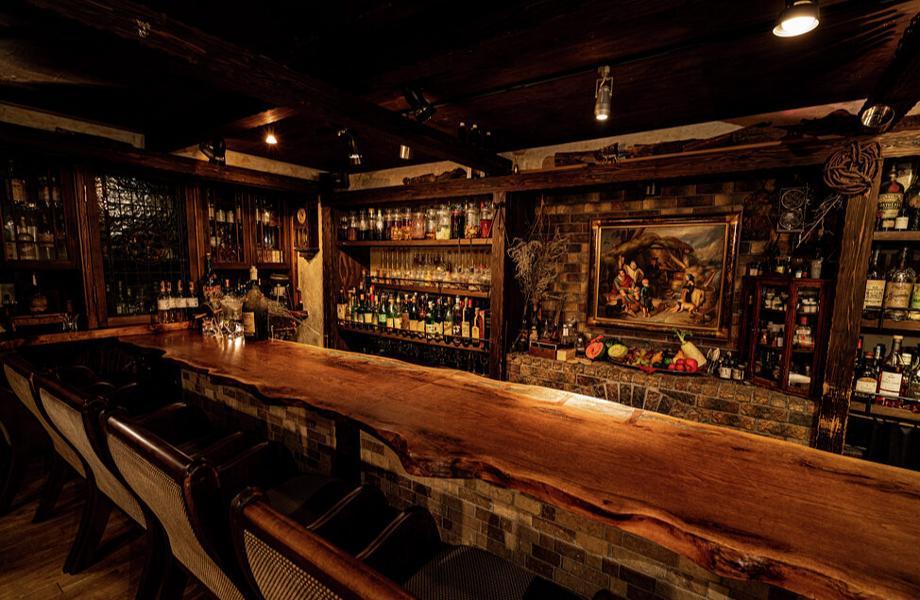
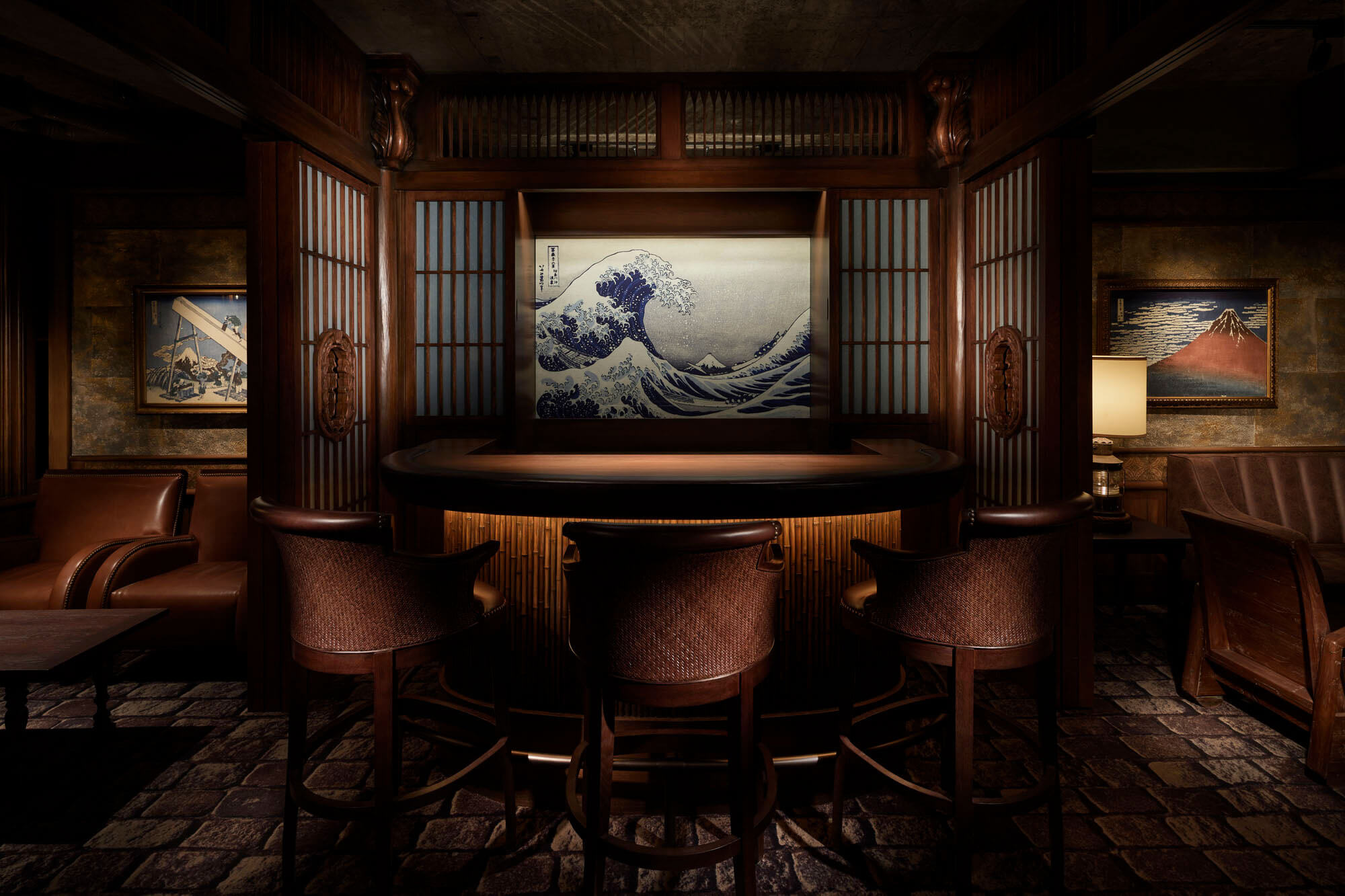
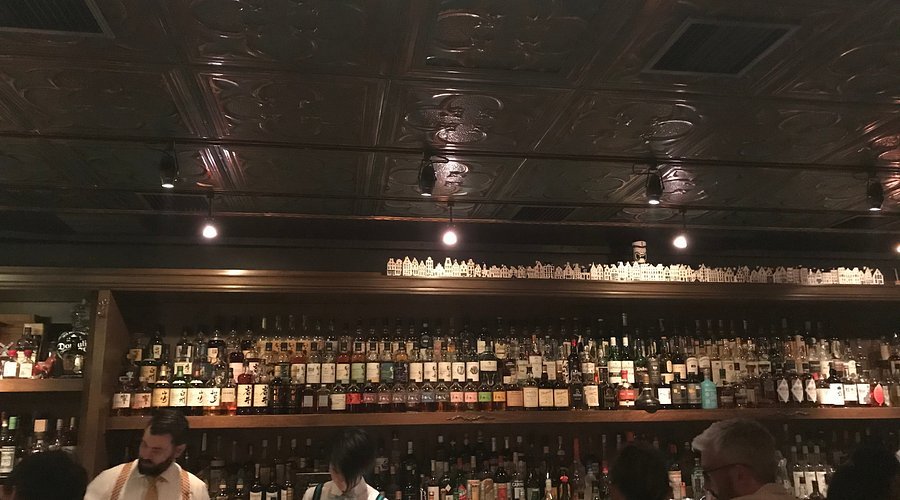
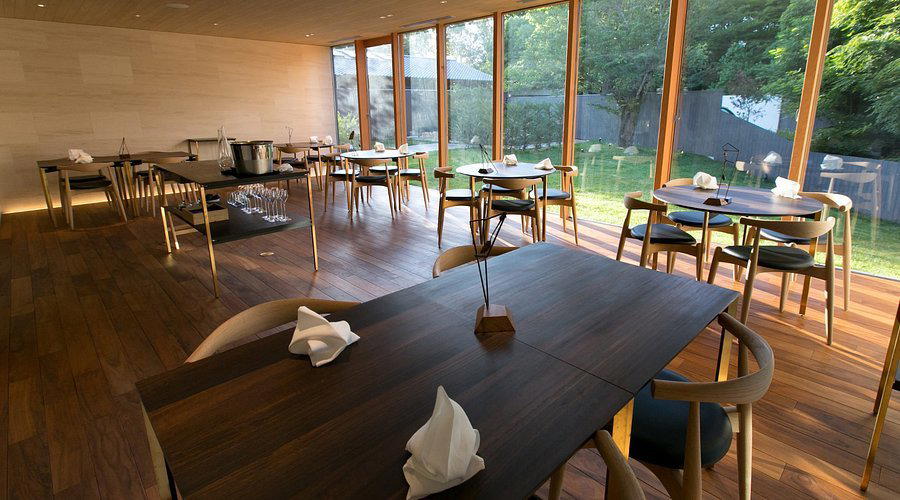
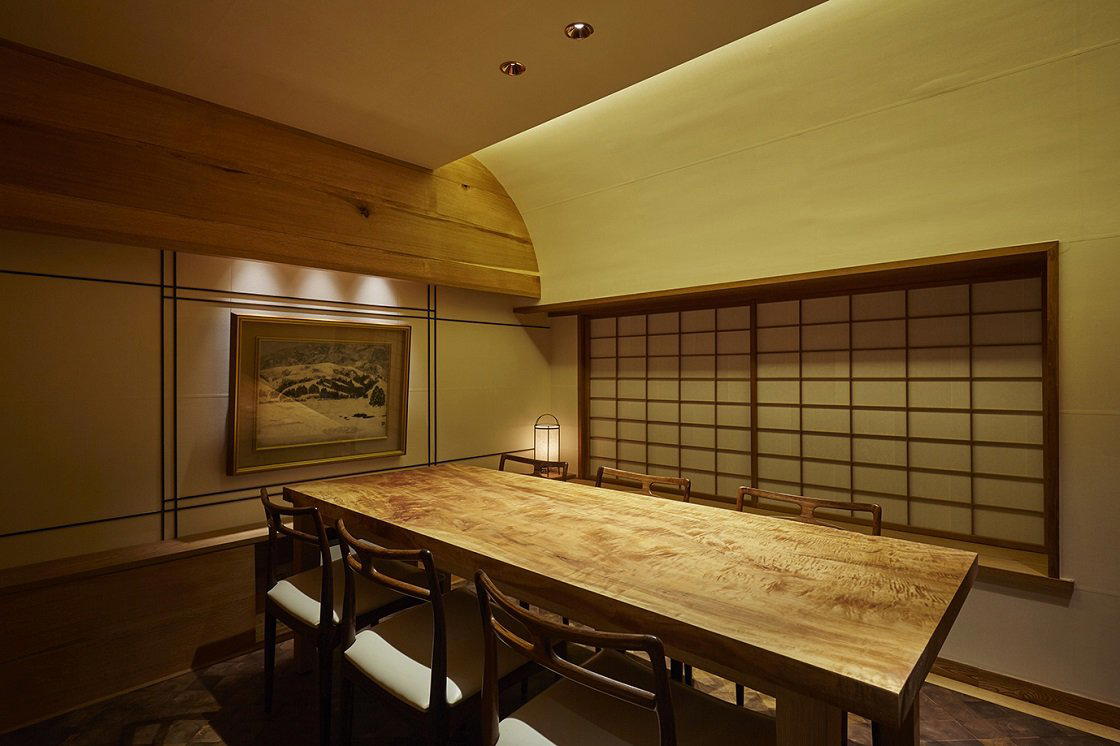
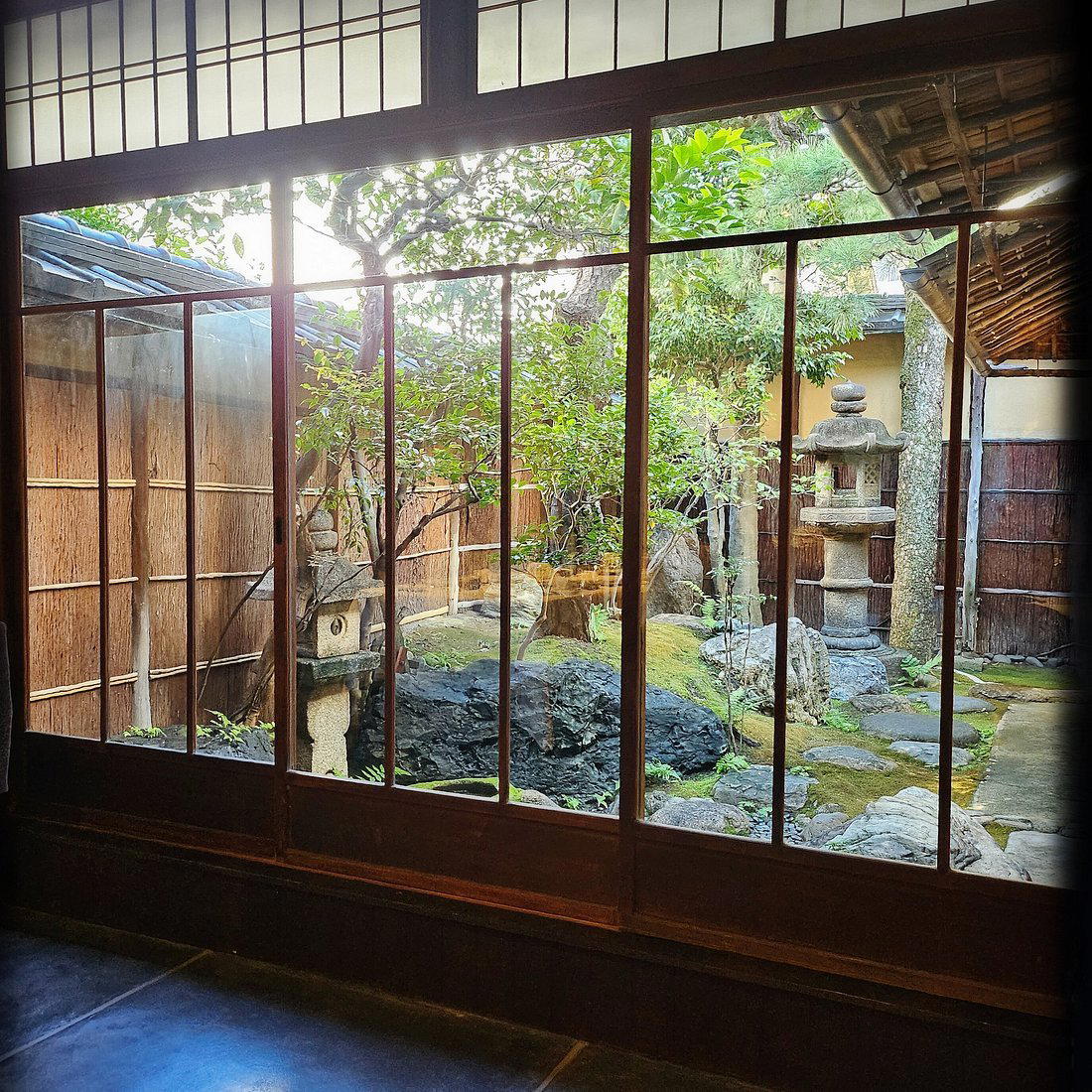
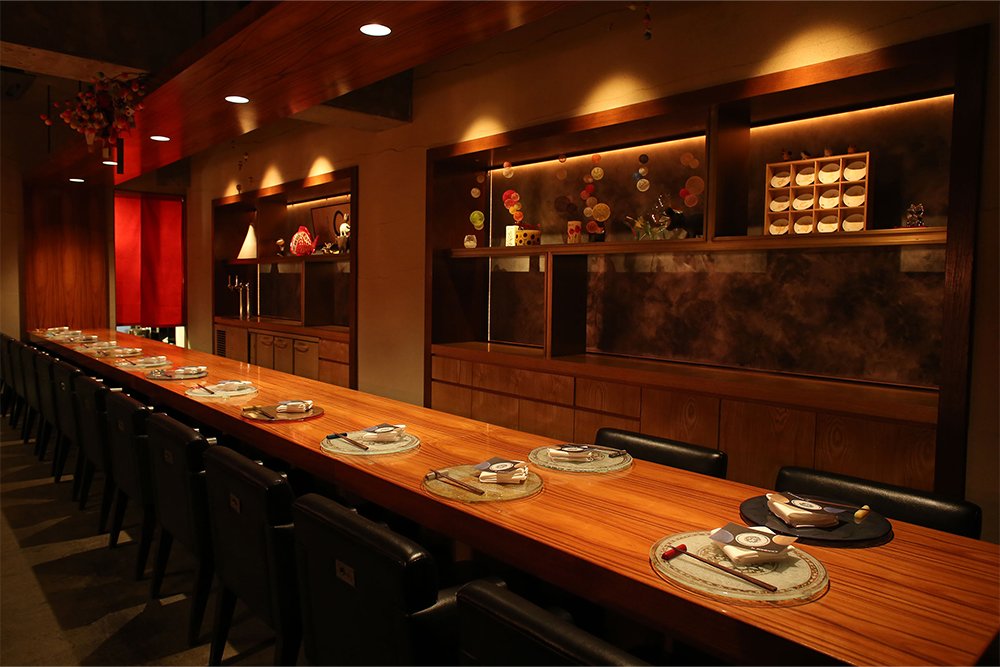
The dining room in Nishiazabu sets a tone that suits those occasions. The atmosphere is calm without being stiff, the kind of room where a conversation does not have to compete with the room around it. Noise levels stay measured through both lunch and evening service, which matters if you are booking around a specific purpose — a proposal, a client meal, or a milestone dinner where you actually want to hear the person across the table. Compared to louder, more scene-driven rooms in Tokyo's French category, this is a place that stays out of the way and lets the meal do the work.
Lunch vs. Dinner: Which Sitting Is Worth It
La Bombance runs two sittings Monday through Saturday — lunch from 11:30 am to 2:30 pm and dinner from 6 pm to 11:30 pm, with Sunday closed entirely. The lunch sitting is the more accessible entry point. In kaiseki-influenced formats across Tokyo, lunch menus typically represent a shorter, more focused version of the evening experience at a lower price point, and that pattern generally holds here. If your schedule allows it and you are visiting Tokyo for a limited window, lunch at La Bombance is worth prioritising: you get the kitchen at full attention during a quieter service, and the atmosphere in the early afternoon carries a different, slightly more relaxed energy than the dinner room. For a first-time visit on a tighter budget, lunch is the better test of whether the format works for you before committing to a full evening spend.
Dinner, however, is the version to book for a significant occasion. Evening service at this level of restaurant in Tokyo tends to run longer, with more courses and more ceremony. If you are entertaining, marking something important, or simply want the full expression of what Chef Seki's kitchen is doing, the dinner sitting delivers that. Book dinner if the occasion justifies it; book lunch if you want a strong meal without the full evening investment.
Booking and Logistics
Reservations at La Bombance are rated as easy to secure, which puts it in a different position to some of Tokyo's most pressure-tested rooms. You are not competing for a seat months out the way you would be at a Michelin three-star or a 50 Best fixture. That said, easy does not mean walk-in territory, particularly for dinner sittings on Thursday through Saturday. Give yourself at least a week's lead time for a weeknight dinner, and aim for two weeks if you need a specific date on a weekend evening. Sunday is closed, so factor that into any travel itinerary. The Nishiazabu address, Minato City, 2 Chome-26-21 Duetto Nishi-Azabu I, is accessible from Hiroo and Roppongi stations.
It is not carrying the weight of a Michelin star at this stage, but the OAD recognition in a competitive national ranking is a meaningful signal in this category. For context on how Tokyo's broader restaurant scene sits around it, our full Tokyo restaurants guide covers the wider field.
Who Should Book
La Bombance works well for diners who want a serious meal without the ceremony overhead of Tokyo's most formal kaiseki rooms. The French-kaiseki hybrid format means the menu will read more accessibly than a purely traditional sequence, which makes it a practical choice for international visitors who want culinary ambition without needing a specialist's knowledge to appreciate it. It is also a sound option for business dining: the room's composed atmosphere and the meal's structure support conversation in a way that noisier, more fashionable rooms do not. For other kaiseki-influenced experiences in Japan, Gion Sasaki in Kyoto operates at the traditional end of the format, while HAJIME in Osaka sits at the avant-garde end. Both require significantly more planning to book than La Bombance. If you are also exploring Tokyo's broader dining options, Sézanne and L'Effervescence are the main French-category alternatives worth comparing directly. For stays in the city, our Tokyo hotels guide covers the full accommodation range, and the Tokyo bars guide is worth checking if you want to build an evening around the dinner sitting.
Planning details
- Hours
- Monday: 11:30 am–2:30 pm, 6–11:30 pm · Tuesday: 11:30 am–2:30 pm, 6–11:30 pm
- Location
- Japan, 〒106-0031 Tokyo, Minato City, Nishiazabu, 2 Chome−26−21 ドゥーエ西麻布I
- Website
- bombance.com
- Phone
- +81 3-5778-6511
The take
The Take
The Vibe
La Bombance reads as a disciplined, ingredient-forward restaurant where kaiseki restraint meets classical French structure. The writing emphasizes seasonality and sourcing as the governing logic, so the dining room feels carefully calibrated rather than showy. Located in quiet Nishiazabu, it sits among serious, understated peers away from heavier tourist traffic, lending the experience a composed, tucked-away quality. The overall impression is refined and thoughtful: service mirrors the cuisine’s architecture, courses arrive with purpose, and the focus stays on the quality of primary ingredients rather than theatrical technique.
Best For
This is a dinner destination for diners who prize seasonality, composure and culinary discipline. La Bombance’s kaiseki-French crossover and its sustained recognition on critic lists make it well suited to special-occasion and celebratory meals, business dinners where a quiet, professional atmosphere matters, and date nights that favor intimacy and refined technique. Its placement in Nishiazabu—removed from tourist-heavy corridors—reinforces the notion that guests come for the food itself and the carefully ordered progression of a multi-course tasting experience.
Ordering Tips
Expect a seasonal, progression-driven menu; the restaurant frames its cooking around what’s at peak right now, so choose the seasonal tasting sequence if available. Make a point of trying the venue’s highlighted signatures—foie gras chawanmushi, kamadaki rice with sanma and the seasonal clay-pot rice—to get a clear sense of the kaiseki-French dialogue. Because the menu is organized by the season and ingredient rhythm, ask the staff about current seasonal specialties and where those signature items fall in the meal so you can plan your selections accordingly.
Venue details
Ambiance
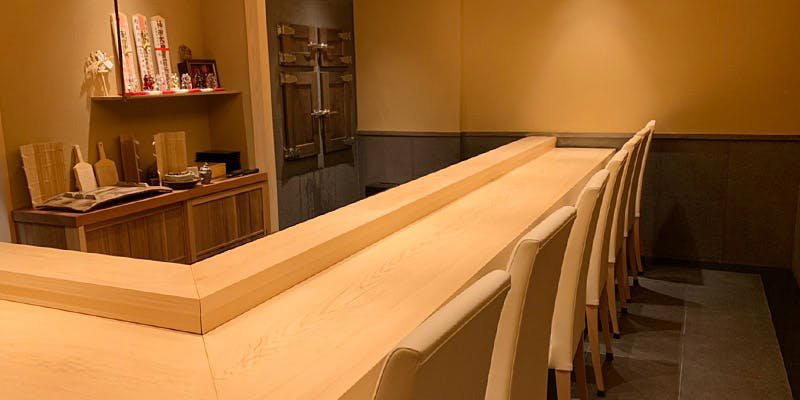
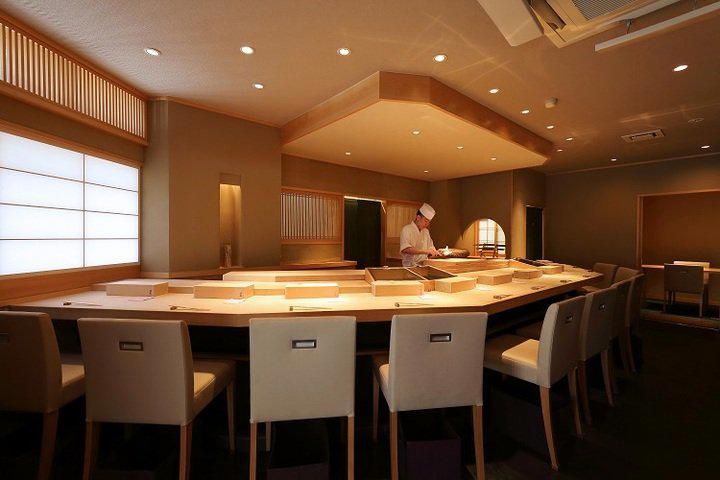
Bright and lively underground space with refined, modern décor featuring art pieces created by owner Chef Okamoto; intimate counter and table seating in a cozy, sophisticated setting.
Tags
Vibe
Best For
Experience
Sourcing
Accessibility
At the Table
- Dress Code
- Smart Casual
- Noise Level
- Conversational
- Service Style
- Upscale Casual
- Meal Pacing
- Extended Experience
- Capacity
- Small
Signature Dishes
- Foie gras chawanmushi
- Kamadaki rice with sanma
- Seasonal clay pot rice
Know before you go
Know Before You Go
- Getting there
- Japan, 〒106-0031 Tokyo, Minato City, Nishiazabu, 2 Chome−26−21 ドゥーエ西麻布I
Planning details
Hours
- Monday
- 11:30 am–2:30 pm, 6–11:30 pm
- Tuesday
- 11:30 am–2:30 pm, 6–11:30 pm
- Wednesday
- 11:30 am–2:30 pm, 6–11:30 pm
- Thursday
- 11:30 am–2:30 pm, 6–11:30 pm
- Friday
- 11:30 am–2:30 pm, 6–11:30 pm
- Saturday
- 11:30 am–2:30 pm, 6–11:30 pm
- Sunday
- Closed
Location
Japan, 〒106-0031 Tokyo, Minato City, Nishiazabu, 2 Chome−26−21 ドゥーエ西麻布I · Directions

Also consider
Also Consider
- Harutaka, Sushi, ¥¥¥¥
- RyuGin, Kaiseki, Japanese, ¥¥¥¥
- L'Effervescence, French, ¥¥¥¥
- HOMMAGE, Innovtive French, French, ¥¥¥¥
- Florilège, French, ¥¥¥
Restaurant context
For kaiseki in Tokyo, RyuGin is the reference point at the top of the category: a harder booking, a higher price floor, and a more formally theatrical experience. If the occasion demands the full weight of a Michelin three-star kaiseki room, RyuGin wins on prestige. La Bombance sits below that ceiling in both price and profile, which makes it the more practical choice for diners who want kaiseki-influenced cooking without the booking pressure or maximum spend that RyuGin requires.
On the French side, L'Effervescence and Florilège are the main comparisons. L'Effervescence at ¥¥¥¥ runs a more purely French program with strong sustainability credentials and is the better pick if you want a Western fine-dining format with no ambiguity. Florilège at ¥¥¥ is the value play in Tokyo's French category and easier to justify for a weeknight dinner that does not need to be an event. La Bombance sits between these two in intent: the kaiseki-French hybrid format gives it a specific character that neither L'Effervescence nor Florilège replicates, and that distinctiveness is either a reason to book it or a reason to pick one of the purer alternatives, depending on what you are after. HOMMAGE is worth considering if innovative French is the priority, with a format that rewards diners who want the kitchen to take more risks than a traditional kaiseki structure allows.
For sushi, Harutaka is a different decision entirely, a counter-format omakase that operates in a separate category from La Bombance. If the choice is between kaiseki-French and sushi for a Tokyo special occasion dinner, that comes down to format preference rather than quality comparison. La Bombance is the stronger pick if you want a multi-course seated experience with room for conversation; Harutaka is the pick if you want precision sushi in an intimate counter setting. See also LA BONNE TABLE for another French-influenced option in the city.
Explore Tokyo
Around this place
Discover more on Pearl
Unlock the full La Bombance guide in Pearl, including awards, comparisons, FAQs, planning details, and nearby places.
Compare La Bombance
| Venue | Location | Cuisine | Awards | Price |
|---|---|---|---|---|
| La Bombance | Tokyo | Kaiseki, French | 2026 OAD Top Restaurants in Japan Recommended2025 OAD Top Restaurants in Japan Ranked · #4932024 OAD Top Restaurants in Japan Ranked · #4032023 OAD Top Restaurants in Japan Recommended | , |
| Harutaka | Tokyo | Sushi | 2026 Tabelog Silver · #312026 OAD Top Restaurants in Japan Ranked · #1282026 Michelin 3 Stars2026 La Liste Top RestaurantsTabelog 100 - Sushi - TOKYO - 2025 · #372025 Asia's 50 Best Restaurants · #762025 OAD Top Restaurants in Japan Ranked · #1172025 La Liste Top Restaurants2025 Tabelog Bronze | ¥¥¥¥ |
| RyuGin | Tokyo | Kaiseki, Japanese | 2026 OAD Top Restaurants in Japan Ranked · #802026 Tabelog Bronze · #3772026 Michelin 3 Stars2026 La Liste Top RestaurantsTabelog 100 - Japanese cuisine - TOKYO - 2025 · #212025 OAD Top Restaurants in Japan Ranked · #542025 Michelin 3 Stars2025 La Liste Top Restaurants2025 The Best Chef Three Knives | ¥¥¥¥ |
| L'Effervescence | Tokyo | French | 2026 Tabelog Silver · #682026 OAD Top Restaurants in Japan Ranked · #103Star Wine Lists 20262026 Black Pearl 2 Diamond2026 Relais Chateaux Restaurants2026 La Liste Top Restaurants2026 Michelin 3 Stars2025 Asia's 50 Best Restaurants · #692025 OAD Top Restaurants in Japan Ranked · #92 | ¥¥¥¥ |
| HOMMAGE | Tokyo | Innovtive French, French | 2026 Tabelog Bronze · #1232026 OAD Top Restaurants in Japan Highly Recommended2026 Michelin 2 StarsTabelog 100 - French - TOKYO - 2025 · #762025 Asia's 50 Best Restaurants · #782025 OAD Top Restaurants in Japan Ranked · #1752025 Michelin 2 Stars2025 The Best Chef One Knife2025 La Liste Top Restaurants | ¥¥¥¥ |
| Florilège | Tokyo | French | 2026 Asia's 50 Best Restaurants · #312026 Tabelog Bronze · #712026 OAD Top Restaurants in Japan Ranked · #1242026 Black Pearl 1 Diamond2026 Michelin 2 Stars2026 La Liste Top Restaurants2025 Asia's 50 Best Restaurants · #172025 World's 50 Best Restaurants · #36Tabelog 100 - French - TOKYO - 2025 · #68 | ¥¥¥ |












How La Bombance Tokyo compares with similar nearby venues.
FAQ
Frequently Asked Questions
What should I order at La Bombance?
La Bombance runs a kaiseki-meets-French format under Chef Masaru Seki, so the menu follows a set structure rather than à la carte selection. Go in expecting a tasting progression and let the kitchen lead — that is the format this room is built around. Trying to order selectively would work against the experience.
Does La Bombance handle dietary restrictions?
Contact La Bombance directly ahead of your reservation to discuss restrictions — the kaiseki-French format means courses are planned in advance, and last-minute requests are harder to accommodate in a kitchen working to a structured progression. The relatively accessible booking process gives you time to communicate needs early, which is the right move here.
What are alternatives to La Bombance in Tokyo?
For stricter traditional kaiseki, RyuGin carries heavier credentials and more ceremony. L'Effervescence and Florilège are stronger picks if you want the French side weighted more heavily. HOMMAGE sits in a similar hybrid register to La Bombance. Harutaka is the go-to if you want to shift format entirely toward omakase sushi. La Bombance's OAD ranking (#403 in 2024, #493 in 2025) puts it in solid but not elite company among Tokyo's ranked rooms.
Is La Bombance good for a special occasion?
Yes, with a caveat: La Bombance suits occasions where you want a considered meal without the stiff formality of Tokyo's most ceremonial kaiseki rooms. Chef Masaru Seki's French-kaiseki approach gives the evening a distinctive shape, and OAD recognition (ranked in Japan's top 500 across multiple years) gives it enough credibility to hold up as an occasion choice. If maximum prestige signalling matters, RyuGin carries more weight.
Is lunch or dinner better at La Bombance?
Dinner is the stronger booking for a proper occasion — the 6 pm to 11:30 pm window gives the meal room to breathe. Lunch (11:30 am to 2:30 pm, Monday through Saturday) is the practical option if you want to fit a serious meal into a packed Tokyo itinerary without committing a full evening. Both sittings run the same days; Sunday is closed entirely, so plan accordingly.