.png?width=1200&quality=80)
l'Odorante par Minoru Nakijin
French · Chūō, Tokyo
Restaurant in Tokyo, Japan
 Book with Pearl
The Read
Aroma-Led Franco-Japanese
Price
¥¥¥
Dress
Smart Casual
Why go
A Michelin Plate Franco-Japanese restaurant in Ginza where the chef's training in Grasse, France's perfume capital, shapes an aromatic approach to French technique and Japanese ingredients. At ¥¥¥, it sits below the city's top-tier French addresses in price and booking pressure, making it a practical choice for food enthusiasts who want depth of explanation alongside quality cooking.
About l'Odorante par Minoru Nakijin
The Verdict
If you have already eaten at l'Odorante par Minoru Nakijin once, the question on a return visit is whether the experience has deepened or plateaued. The answer, based on what the restaurant consistently delivers, is that it deepens. The chef's commitment to explaining each dish means repeat visitors tend to leave with more context than they arrived with — and that context is what justifies the ¥¥¥ price point rather than pushing you toward a cheaper option. For an explorer who wants Franco-Japanese cooking with a genuine conceptual thread running through it, this Ginza basement is a sound booking. For anyone who wants Japanese food in a more classical key, RyuGin is the more decorated alternative. For French cooking at a higher spend, L'Effervescence carries more Michelin weight. l'Odorante sits in a productive middle ground: serious enough to reward attention, approachable enough not to intimidate.
About the Restaurant
The name comes from Grasse, the southern French town historically regarded as the centre of the global perfume industry. The chef trained there, and the experience shaped how he thinks about food — not just as flavour, but as scent architecture. 'L'Odorante' translates roughly as 'the aromatic' or 'the pungent', and that framing is not decorative. Aroma is the explicit organising principle of the menu, which means the kitchen is working along a sensory dimension that most French restaurants in Tokyo do not prioritise. Whether that distinction moves the needle for you depends on how much you engage with the story. If you eat with your nose switched off and your phone out, you will still have a competent French dinner. If you want to understand why each dish smells the way it does, the chef will tell you.
The restaurant holds a Michelin Plate for 2024, which signals recognised quality without the booking pressure that a star would create. That is practically useful: you are not competing with tour operators and corporate expense accounts for a table. A 4.1 at this price tier in Ginza is not a red flag, it reflects a venue doing something specific for a specific audience rather than optimising for broad appeal.
Cuisine pairs classic French technique with Japanese ingredients, which is a formula with many practitioners in Tokyo. What differentiates l'Odorante is the aromatic lens: the selection of ingredients and their combinations are filtered through a question about scent that most Franco-Japanese kitchens are not asking. Whether that produces meaningfully different results from, say, Florilège or ESqUISSE is something you would need to judge at the table. What is verifiable is that the conceptual framework is consistent and the chef communicates it actively rather than leaving it implicit.
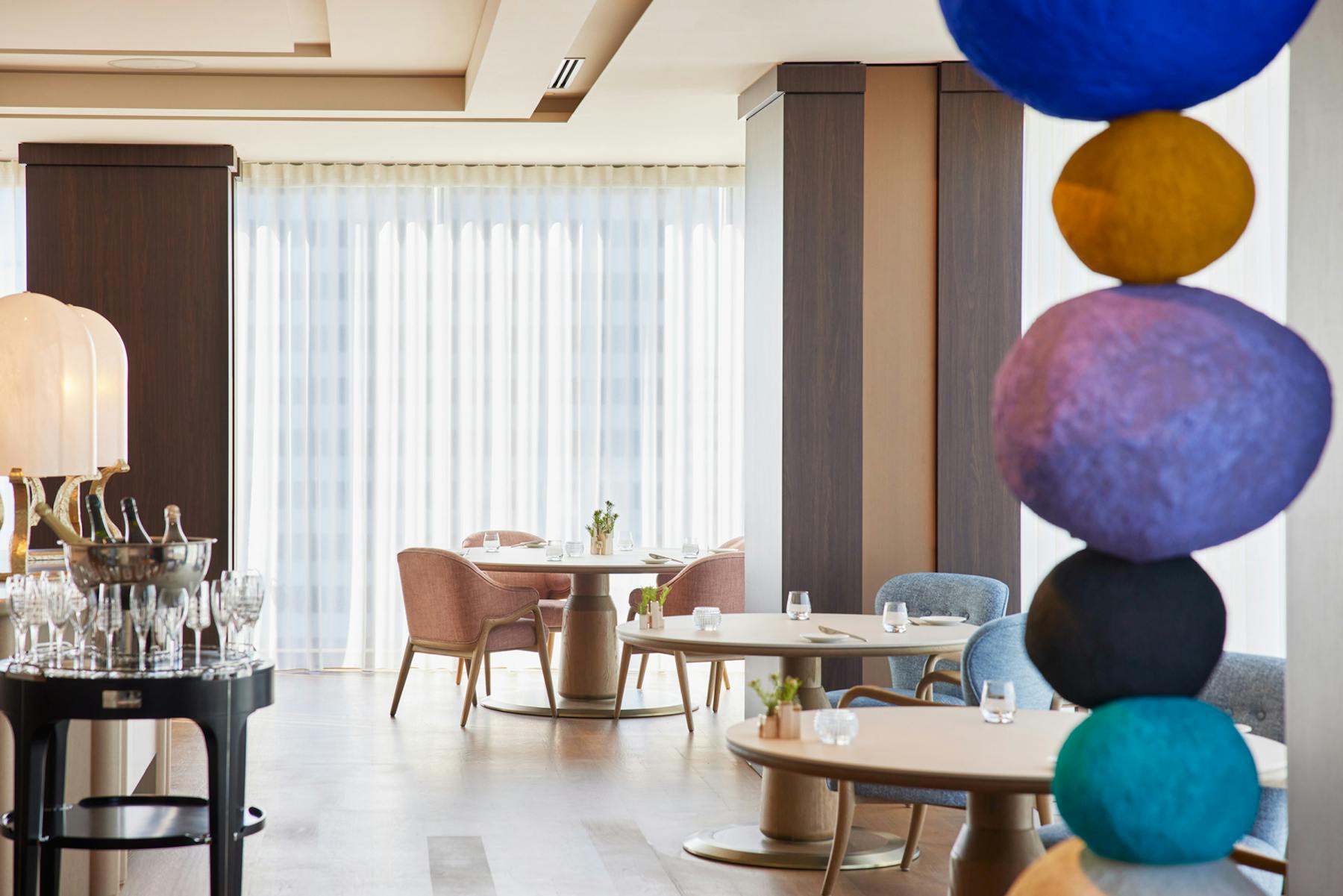
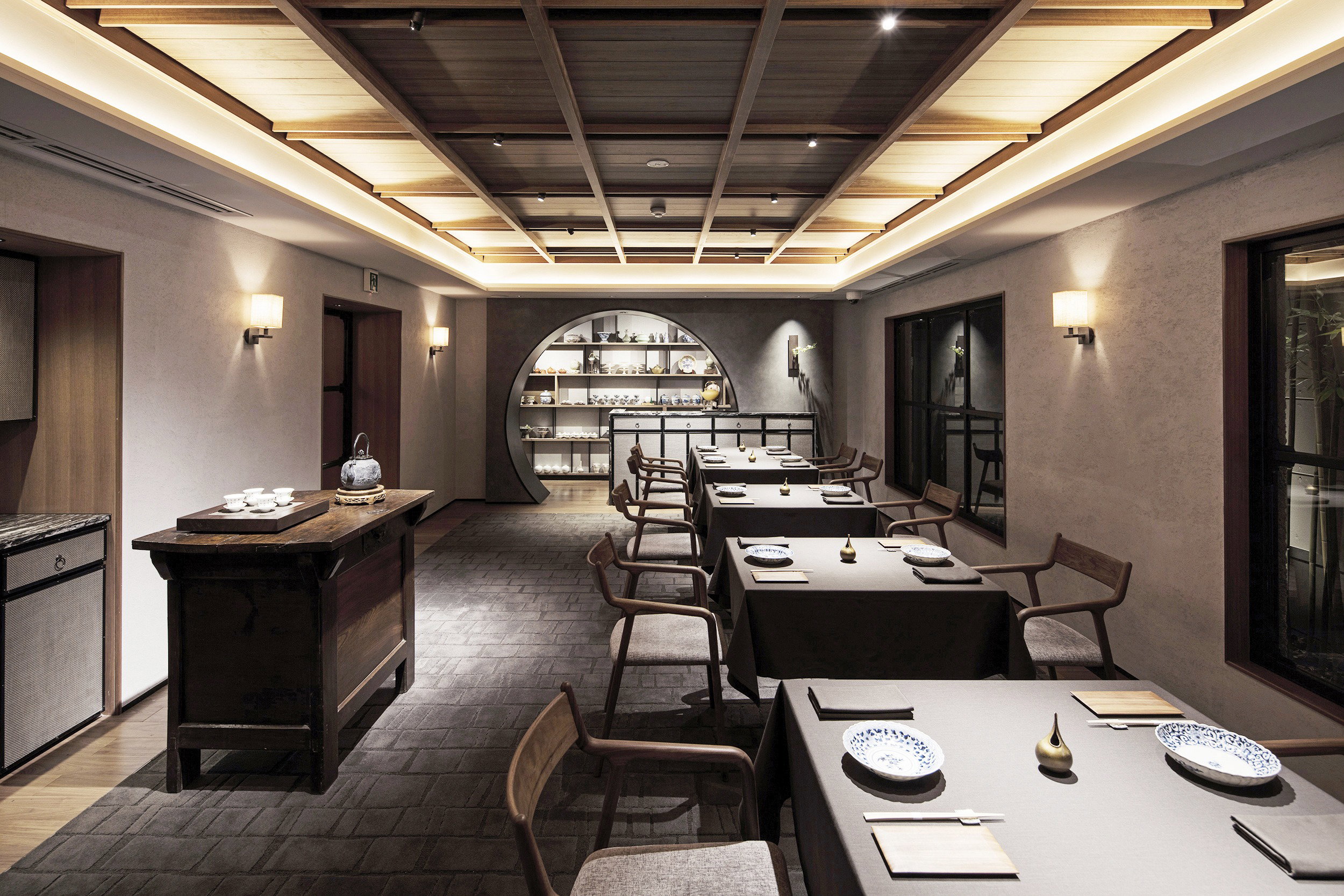
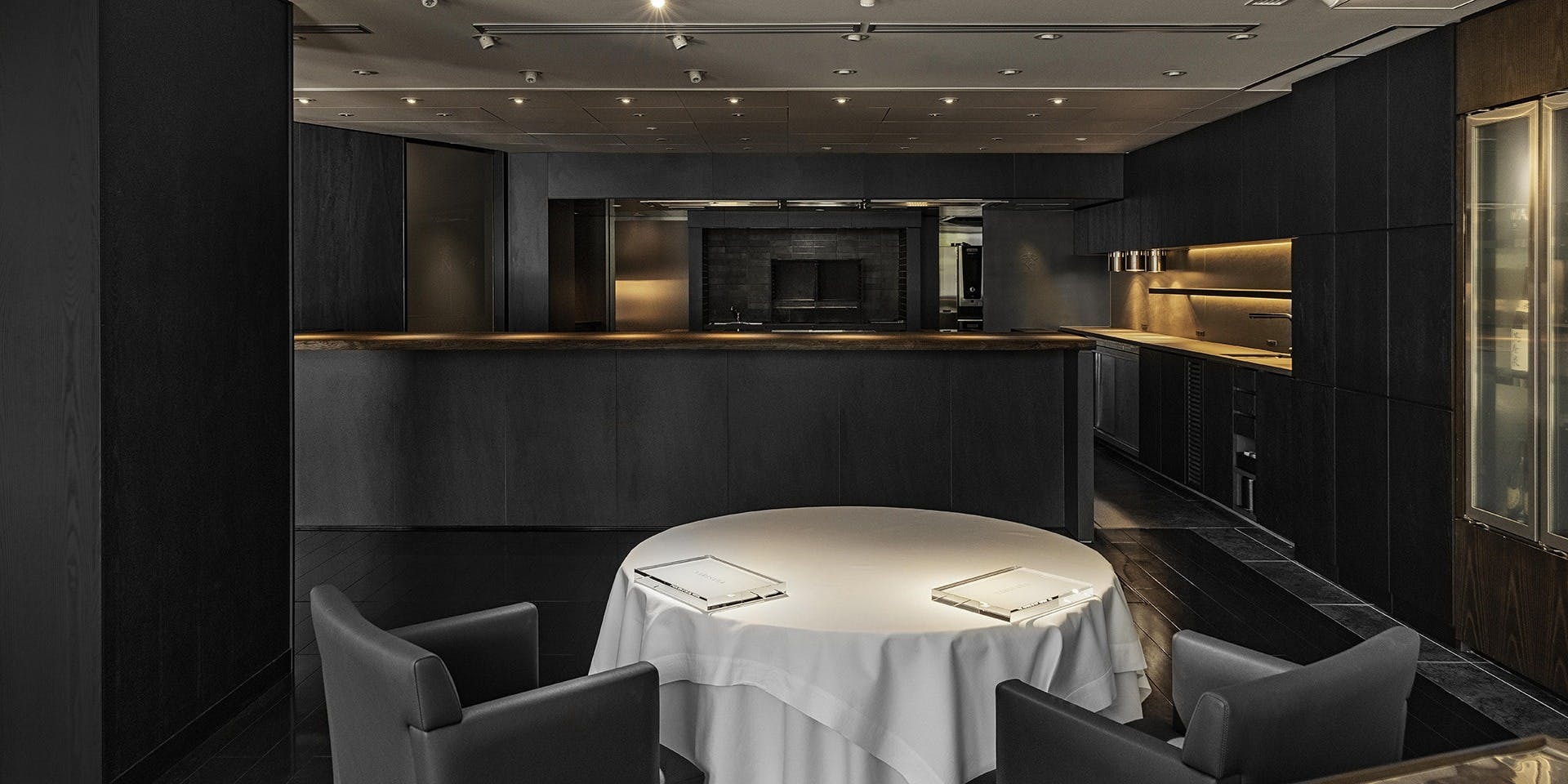
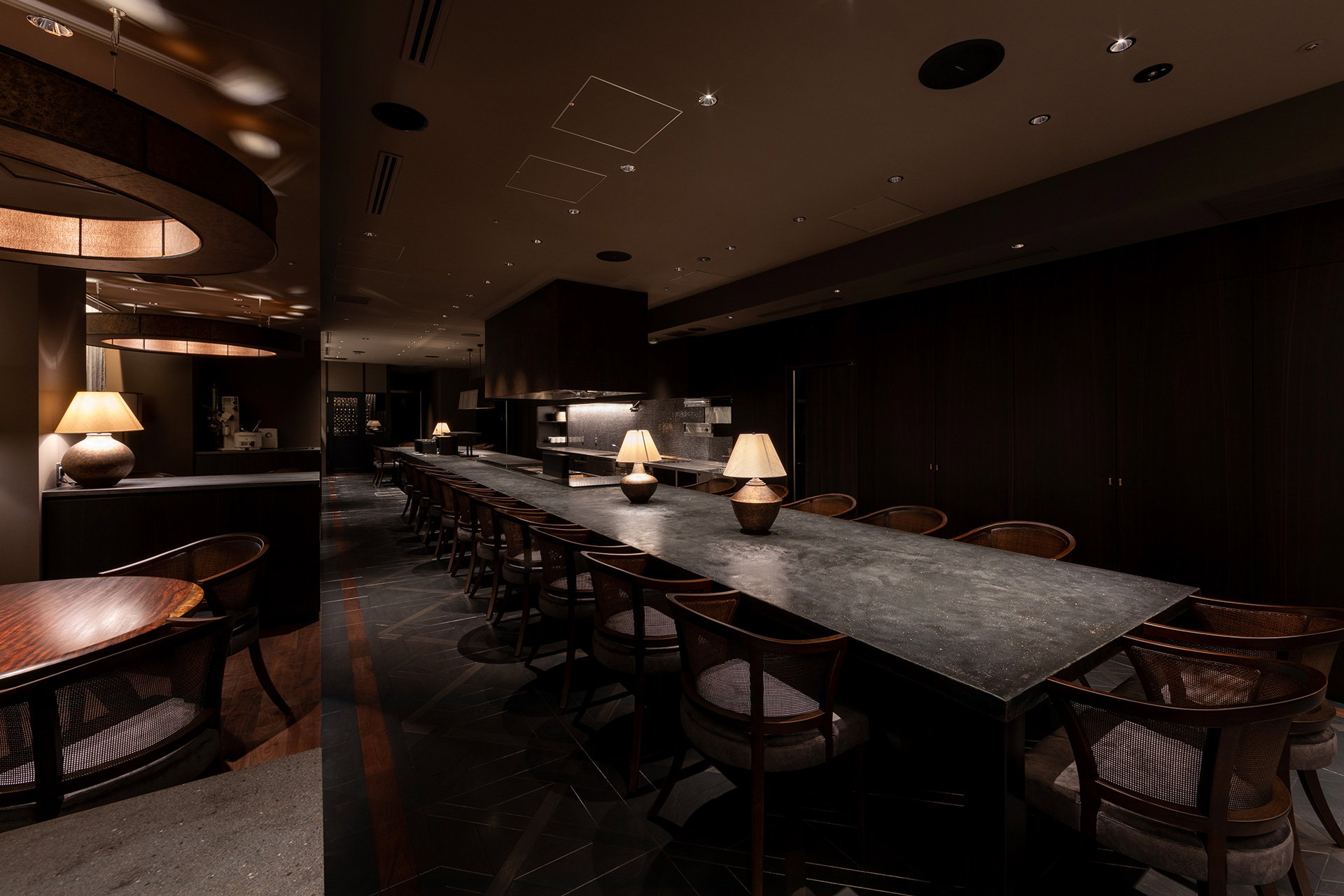
Service philosophy is the axis on which the value case turns. The chef's practice of explaining the background to each dish means this is not a venue where the food arrives in silence and you are left to interpret it alone. That is a genuine differentiator from larger or more formal French restaurants in the city, where the chef-to-table distance can make the experience feel transactional. At l'Odorante, the service interaction is part of the product. If you find that kind of engagement unnecessary or intrusive, you will be paying for something you do not want. If you find it clarifying, it is one of the better reasons to choose this room over a more expensive one. The address, a basement on Ginza's Chome 7 block, reinforces the intimate register. This is not a grand dining room. The setting asks you to focus on the plate and the conversation around it.
For the food and travel enthusiast who tracks cooking across cities and formats, l'Odorante fits alongside venues like HAJIME in Osaka or akordu in Nara as a place where a clear philosophy shapes every decision on the menu. It is less theatrical than HAJIME and less terroir-driven than akordu, but the aromatic focus gives it a specific character that makes it worth a detour from Tokyo's higher-profile French addresses. If you are building a wider Japan itinerary, Gion Sasaki in Kyoto and Goh in Fukuoka offer different registers for comparison. For a broader view of where l'Odorante sits within the Tokyo dining picture, see our full Tokyo restaurants guide. You can also explore our full Tokyo hotels guide, our full Tokyo bars guide, and our full Tokyo experiences guide to plan around your dinner.
Ratings at a Glance
- Michelin: Plate (2024)
- Price tier: ¥¥¥
Practical Details
Address: Ginza 7-7-19, New Center Building B1, Chuo City, Tokyo. Booking difficulty: Easy, the Michelin Plate rather than a star keeps demand manageable; walk-ins may be possible but a reservation is the safer approach. Budget: ¥¥¥, positioning it below the ¥¥¥¥ tier occupied by L'Effervescence and Château Restaurant Joël Robuchon. Dress: Smart casual is a reasonable baseline for a Ginza restaurant at this price point; erring toward neat is never wrong. Hours: Not available, confirm directly before visiting. Phone/Website: Not available in current data, search the restaurant name for current booking channels.
How It Compares
Explore More
Beyond Tokyo, French cooking with a strong conceptual identity turns up at Les Amis in Singapore and, at the European end of the tradition, Hotel de Ville Crissier in Crissier. For Franco-Japanese cooking within Tokyo, Sézanne operates at a higher price and recognition tier and is worth comparing if budget is not a constraint. 1000 in Yokohama and 6 in Okinawa offer further reference points if you are building a regional dining itinerary. See our full Tokyo wineries guide if you want to extend the evening with a wine-focused visit nearby.
Planning details
- Location
- Japan, 〒104-0061 Tokyo, Chuo City, Ginza, 7 Chome−7−19 ニューセンタービルB1
- Website
- minorunakijin.com
- Phone
- +81 3-5537-7635
The take
The Take
The Vibe
L'Odorante par Minoru Nakijin presents a discreet, technically focused take on French dining tucked below street level in Ginza. The B1 location and owner-operated format prioritise the kitchen’s craft over showy frontage, so the room reads as restrained and low-key rather than theatrical. The cooking sits firmly in a serious Franco-Japanese lineage—precise, measured and refined—so the overall impression is one of considered classic fine dining delivered with an intimate, unobtrusive temperament. Guests encounter a quiet, disciplined room where attention belongs to the food rather than spectacle.
Best For
This restaurant is well suited to occasions that call for focused, elevated dining—think intimate dates, business dinners and small special celebrations. Its placement within Ginza’s hierarchy of technically serious French rooms and its 2024 Michelin Plate signal reliable execution and a level of formality appropriate for important meals where quality of technique matters. The basement setting reinforces a discreet, private feel that helps conversations and attention remain on the plates, making it a natural choice when the goal is quietly impressive, refined French cooking in a polished Ginza context.
Ordering Tips
The venue consistently frames itself as kitchen-centric, so plan to approach the meal with an emphasis on the cooking rather than à la carte theatrics. The Michelin Plate and the description of technically grounded, owner-run cuisine indicate that fundamentals and execution are the priority, so centre your expectations on disciplined technique and balanced flavours. Because the space and service lean discreet and refined, let the quality of dishes guide your choices and expect a composed, course-by-course progression rather than boisterous sharing plates or loud presentation flourishes.
Venue details
Ambiance
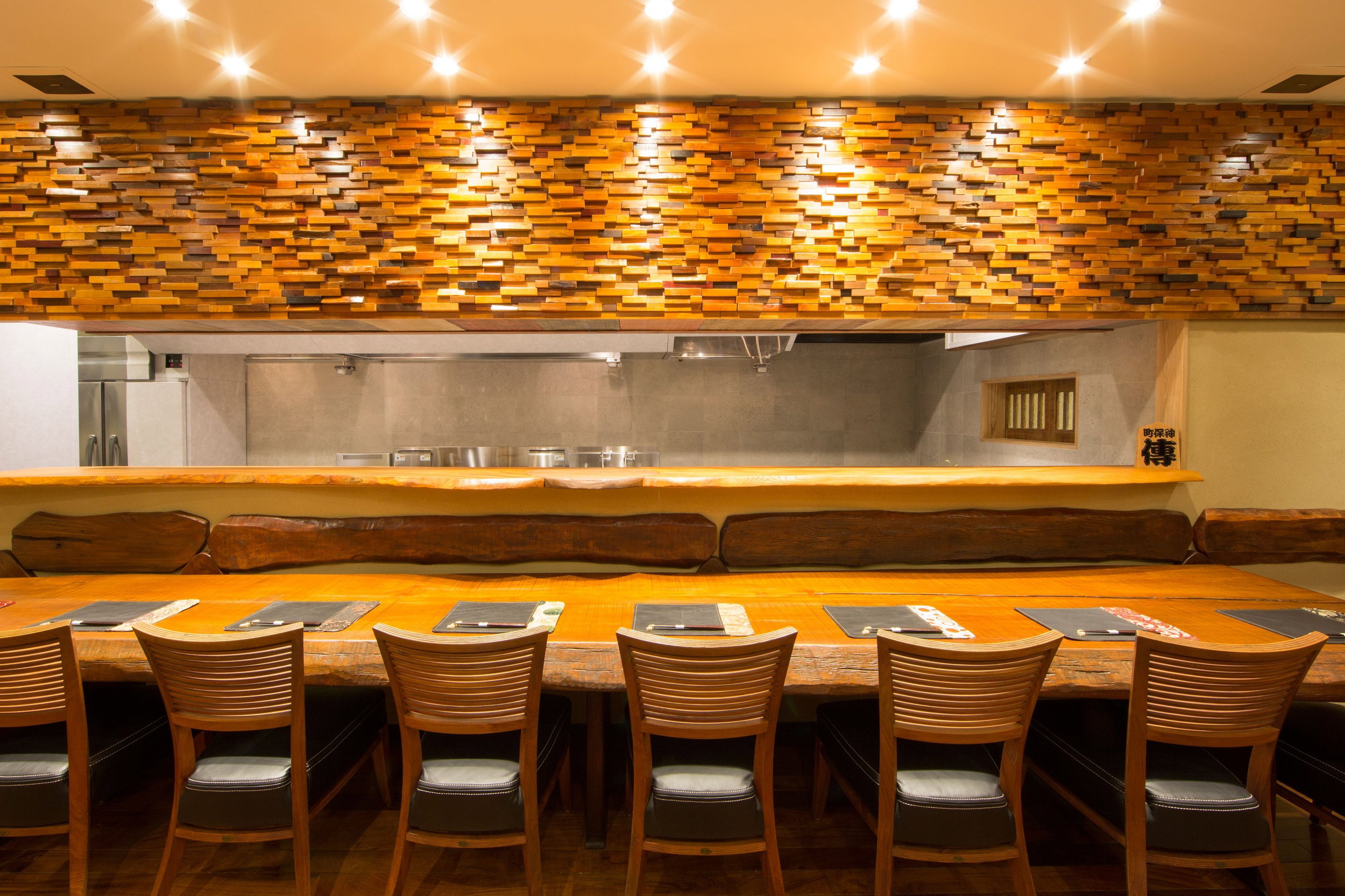
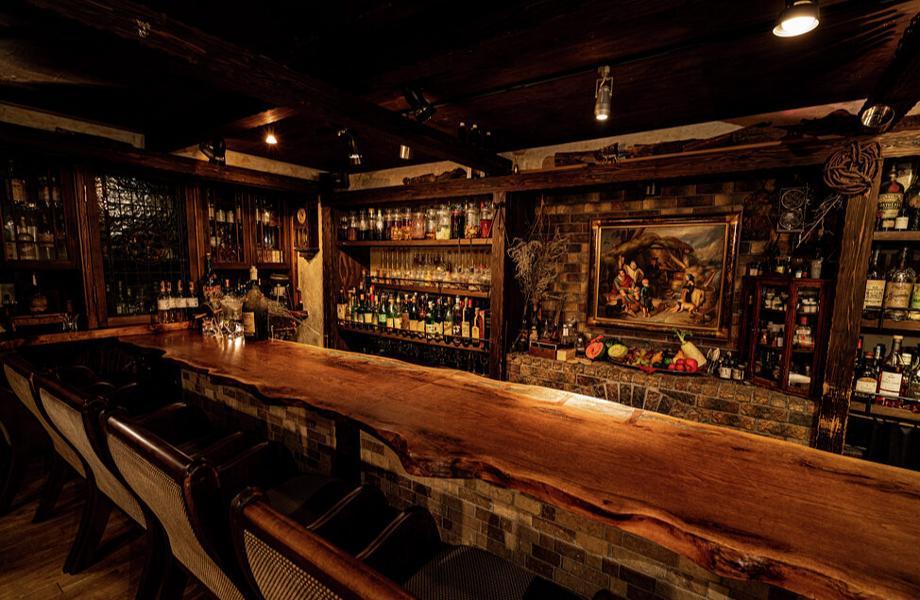
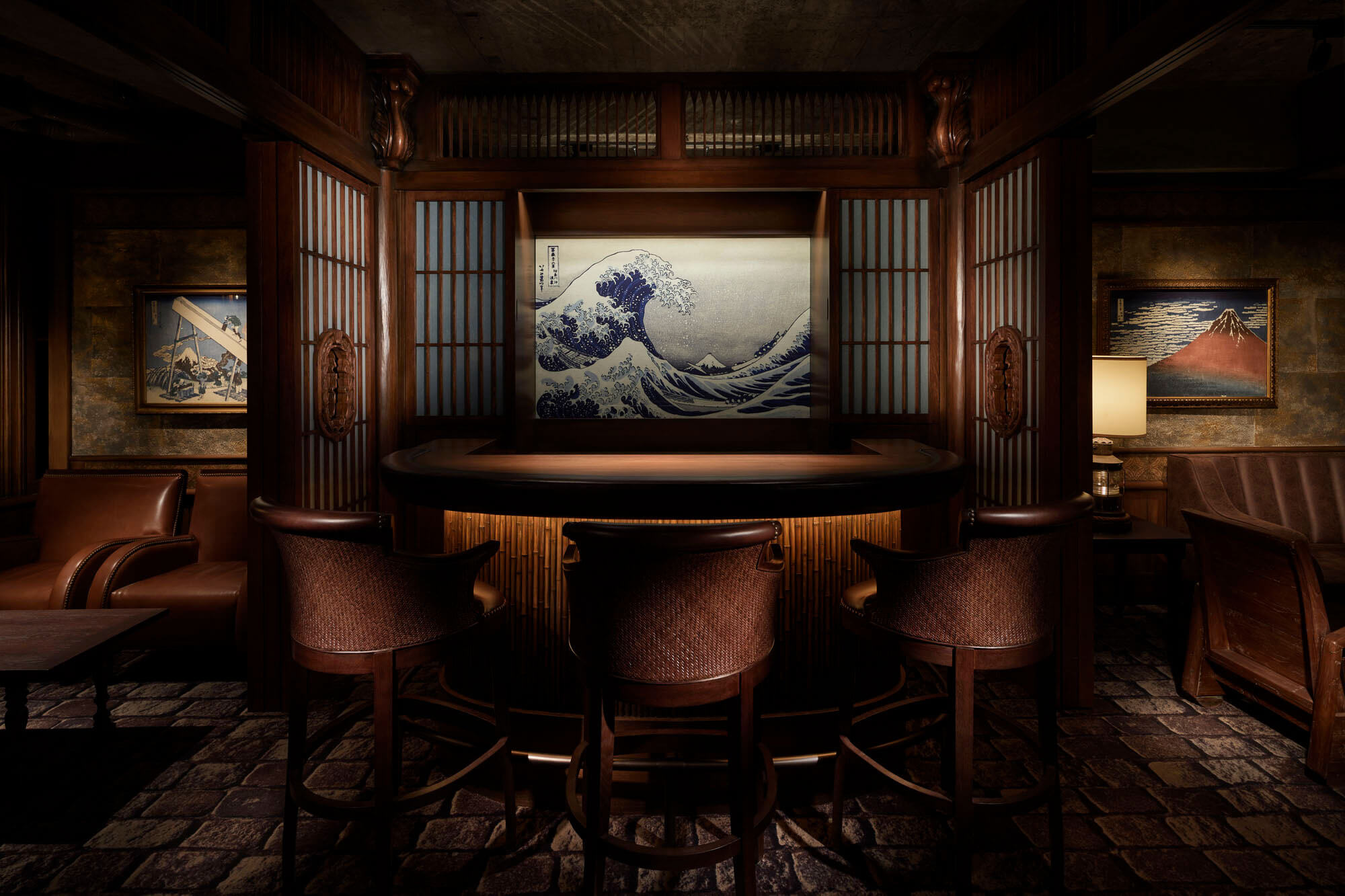
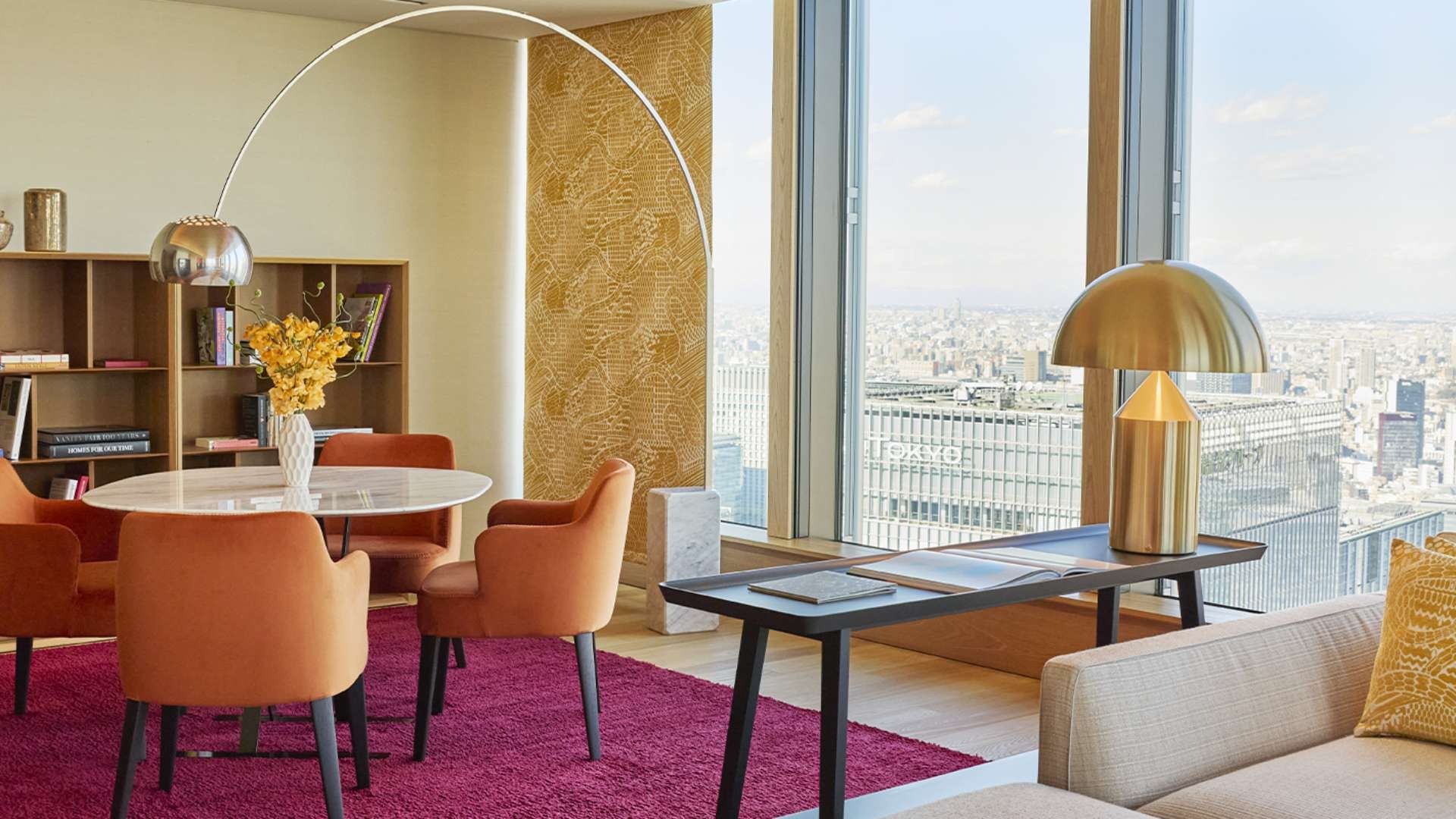
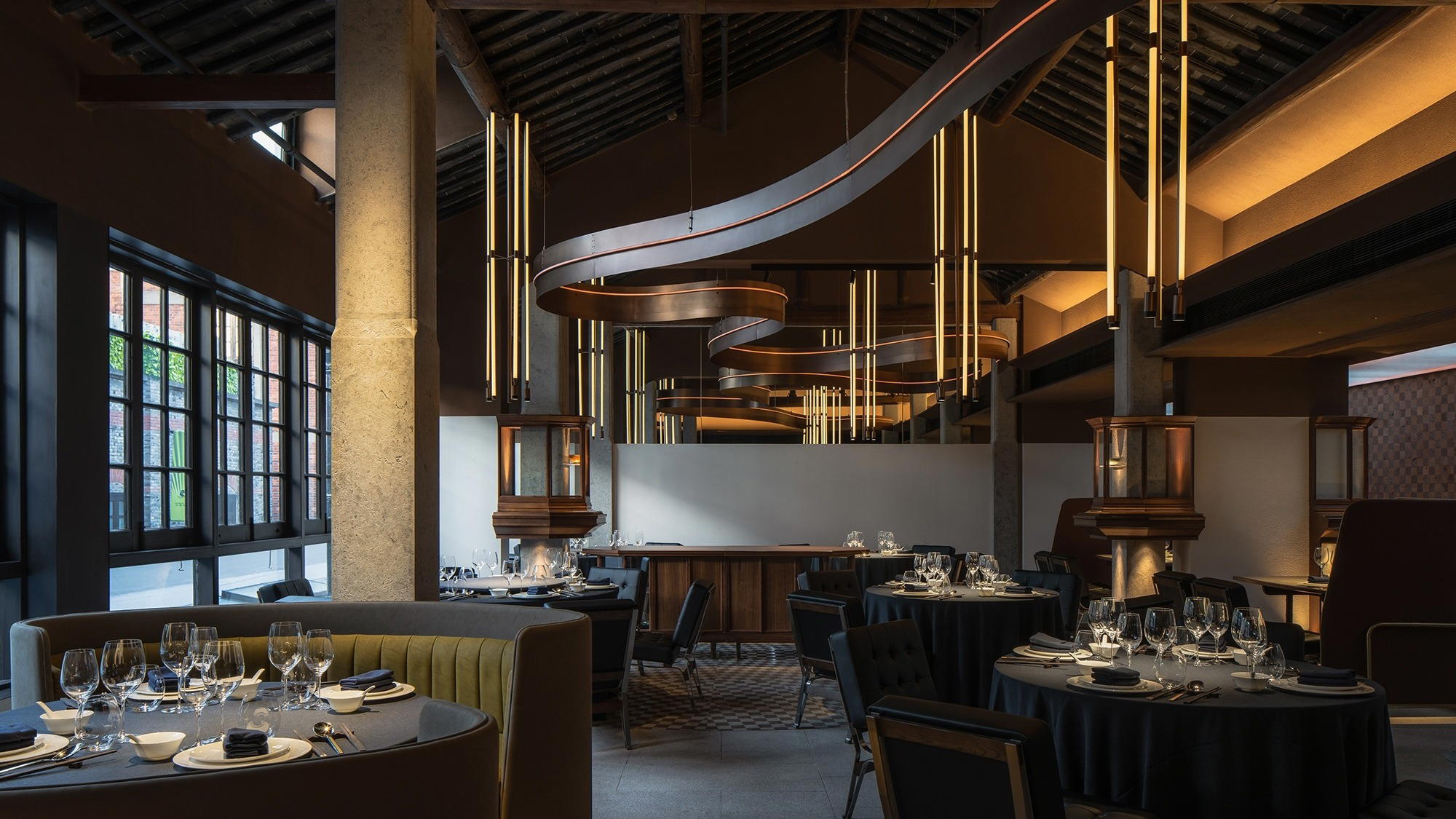
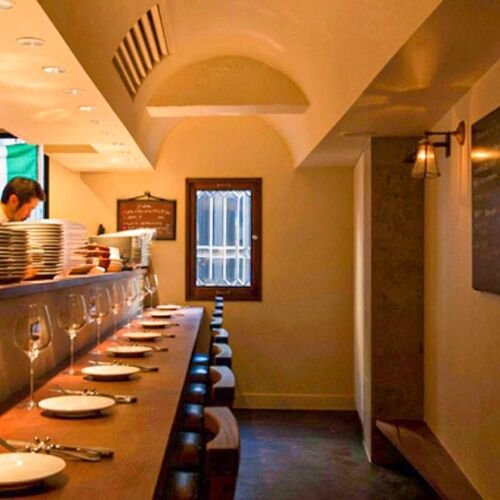
Relaxing, stylish space with couple and sofa seating in a basement hideout, offering an intimate and refined atmosphere.
Tags
Vibe
Best For
Experience
At the Table
- Dress Code
- Smart Casual
- Noise Level
- Quiet
- Service Style
- Formal
- Meal Pacing
- Leisurely
- Capacity
- Intimate
Know before you go
Know Before You Go
- Getting there
- Japan, 〒104-0061 Tokyo, Chuo City, Ginza, 7 Chome−7−19 ニューセンタービルB1
Planning details
Location
Japan, 〒104-0061 Tokyo, Chuo City, Ginza, 7 Chome−7−19 ニューセンタービルB1 · Directions
Recognition and awards
Also consider
Also Consider
- Harutaka, Sushi, ¥¥¥¥
- RyuGin, Kaiseki, Japanese, ¥¥¥¥
- L'Effervescence, French, ¥¥¥¥
- HOMMAGE, Innovtive French, French, ¥¥¥¥
- Florilège, French, ¥¥¥
Restaurant context
Against the ¥¥¥¥ tier, l'Odorante at ¥¥¥ offers a clear cost advantage without a proportionate drop in seriousness. L'Effervescence and HOMMAGE both carry more Michelin recognition and operate at a higher price point, they are the right choice if credentials and formal room scale matter to you. Harutaka and RyuGin are in entirely different formats (sushi and kaiseki respectively) and should not be compared directly with l'Odorante on cuisine grounds, but they are relevant if you are deciding how to allocate one or two serious dinners across a Tokyo trip.
Within the French category at the same ¥¥¥ tier, Florilège is the most direct comparison. Florilège leans harder into Japanese ingredient sourcing and has a stronger social media profile, which affects table availability. l'Odorante is easier to book and more focused on the aromatic narrative rather than visual presentation. If you want the more photographed, higher-profile room, Florilège wins. If you want a quieter setting where the chef talks you through the food, l'Odorante is the better fit.
The practical recommendation: if this is your only high-end French dinner in Tokyo and budget is a factor, l'Odorante gives you a Michelin-recognised experience at a price point that leaves room to spend elsewhere. If budget is not a constraint and you want the strongest credentials available, allocate upward to L'Effervescence or HOMMAGE. For a solo traveller or a pair who values service interaction and conceptual coherence over room grandeur, l'Odorante is the category's clearest value case at its tier.
Explore Tokyo
Around this place
Discover more on Pearl
Unlock the full l'Odorante par Minoru Nakijin guide in Pearl, including awards, comparisons, FAQs, planning details, and nearby places.
Compare l'Odorante par Minoru Nakijin
| Venue | Price | Awards |
|---|---|---|
| l'Odorante par Minoru Nakijin | ¥¥¥ | 2026 Michelin Plate2025 Michelin Plate2024 Michelin Plate |
| Harutaka | ¥¥¥¥ | 2026 Tabelog Silver · #312026 OAD Top Restaurants in Japan Ranked · #1282026 Michelin 3 Stars2026 La Liste Top RestaurantsTabelog 100 - Sushi - TOKYO - 2025 · #372025 Asia's 50 Best Restaurants · #762025 OAD Top Restaurants in Japan Ranked · #1172025 La Liste Top Restaurants2025 Tabelog Bronze |
| RyuGin | ¥¥¥¥ | 2026 OAD Top Restaurants in Japan Ranked · #802026 Tabelog Bronze · #3772026 Michelin 3 Stars2026 La Liste Top RestaurantsTabelog 100 - Japanese cuisine - TOKYO - 2025 · #212025 OAD Top Restaurants in Japan Ranked · #542025 Michelin 3 Stars2025 La Liste Top Restaurants2025 The Best Chef Three Knives |
| L'Effervescence | ¥¥¥¥ | 2026 Tabelog Silver · #682026 OAD Top Restaurants in Japan Ranked · #103Star Wine Lists 20262026 Black Pearl 2 Diamond2026 Relais Chateaux Restaurants2026 La Liste Top Restaurants2026 Michelin 3 Stars2025 Asia's 50 Best Restaurants · #692025 OAD Top Restaurants in Japan Ranked · #92 |
| HOMMAGE | ¥¥¥¥ | 2026 Tabelog Bronze · #1232026 OAD Top Restaurants in Japan Highly Recommended2026 Michelin 2 StarsTabelog 100 - French - TOKYO - 2025 · #762025 Asia's 50 Best Restaurants · #782025 OAD Top Restaurants in Japan Ranked · #1752025 Michelin 2 Stars2025 The Best Chef One Knife2025 La Liste Top Restaurants |
| Florilège | ¥¥¥ | 2026 Asia's 50 Best Restaurants · #312026 Tabelog Bronze · #712026 OAD Top Restaurants in Japan Ranked · #1242026 Black Pearl 1 Diamond2026 Michelin 2 Stars2026 La Liste Top Restaurants2025 Asia's 50 Best Restaurants · #172025 World's 50 Best Restaurants · #36Tabelog 100 - French - TOKYO - 2025 · #68 |













What to weigh when choosing between l'Odorante par Minoru Nakijin and alternatives.
FAQ
Frequently Asked Questions
What should I wear to l'Odorante par Minoru Nakijin?
The ¥¥¥ price point and Michelin Plate recognition place this squarely in formal-casual Ginza territory. In Tokyo's upscale dining culture, that generally means no trainers, no shorts, and a collared shirt or equivalent for men. Overdressing slightly is safer than underdressing at this address.
Does l'Odorante par Minoru Nakijin handle dietary restrictions?
No specific dietary policy is confirmed in the venue record. French tasting menus built around a conceptual throughline — here, aroma and Franco-Japanese technique — can be harder to adapt than à la carte formats. Raise restrictions at the time of booking, not on arrival, to give the kitchen a realistic chance to accommodate.
Is l'Odorante par Minoru Nakijin worth the price?
At ¥¥¥ with a Michelin Plate rather than a star, this sits in a reasonable tier for Ginza French dining. The value case rests on the chef's distinct identity — training in Grasse and a cuisine built around refined fragrance — rather than trophy credentials. If conceptual French cooking with Japanese ingredients interests you, the price is defensible. If you want a starred room for the same spend, L'Effervescence or Florilège offer that.
Is the tasting menu worth it at l'Odorante par Minoru Nakijin?
The format is designed around the chef explaining the philosophy behind each course, so the tasting menu is the intended experience here, not an optional add-on. The Grasse-trained aromatic approach gives it a specific point of view that separates it from generic Franco-Japanese menus around Ginza. Worth it if you want substance behind the courses; less so if you prefer browsing à la carte.
How far ahead should I book l'Odorante par Minoru Nakijin?
Demand is manageable here — the Michelin Plate rather than a star keeps it off the high-pressure reservation circuit. One to two weeks ahead should be sufficient for most dates, though Ginza on a Friday or Saturday evening warrants booking earlier. Significantly easier to secure than nearby starred venues.
Is l'Odorante par Minoru Nakijin good for solo dining?
The chef's habit of explaining the background to each dish makes solo dining a reasonable fit — you get the full narrative without splitting attention across a group. The basement setting in Ginza's New Center Building keeps the room intimate. Solo diners at tasting-menu restaurants in Tokyo are generally well accommodated, and the ¥¥¥ price point is less punishing solo here than at starred alternatives.