
Kikuchi
Kaiseki · Taitō, Tokyo
Restaurant in Tokyo, Japan
 Book with Pearl
The Read
Neighbourhood Kaiseki Precision
Price
$100–150per person
Chef
Takashi Kikuchi
Dress
Smart Casual
Why go
Kikuchi is a classical kaiseki restaurant in Tokyo's Ueno district, ranked #431 on Opinionated About Dining's Top Restaurants in Japan list for both 2024 and 2025. Dinner-only, Monday through Saturday, it is the right call for a first-timer who wants disciplined seasonal kaiseki without the theatrics of Tokyo's more high-profile destinations. Booking difficulty is rated Easy.
About Kikuchi
Should You Book Kikuchi?
If you're deciding between Kikuchi and Tokyo's higher-profile kaiseki destinations, the calculus is direct: RyuGin offers more theatrical ambition and international prestige, but Kikuchi is the more considered choice for a first-timer who wants disciplined, classical kaiseki without the ceremony overhead. Ranked #431 on the Opinionated About Dining Leading Restaurants in Japan list in both 2024 and 2025, and holding a recommendation from the same guide since 2023, Kikuchi has built a consistent track record that earns it a place on any serious Tokyo itinerary. Book it.
The Room and the Format
Kikuchi sits in Ueno's Taito City, a neighbourhood more associated with museums and market streets than kaiseki dining, which already signals something about the restaurant's disposition: it is not performing for tourists or competing for attention. The ground-floor space in the Kameda Building is compact, and the format is dinner-only, running Monday through Saturday from 6 to 10 PM. Sunday is closed. For a first-timer, that four-hour evening window matters: kaiseki meals at this level are not rushed, and the pace is built into the format. Arrive on time.
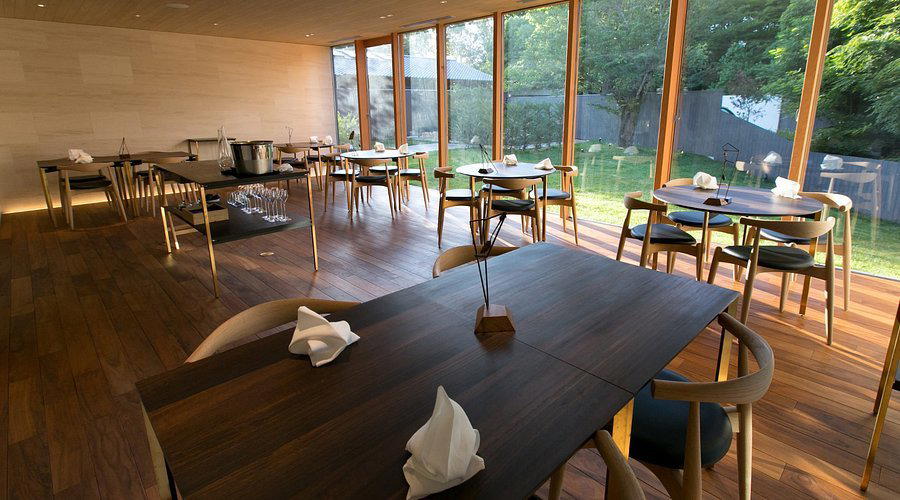
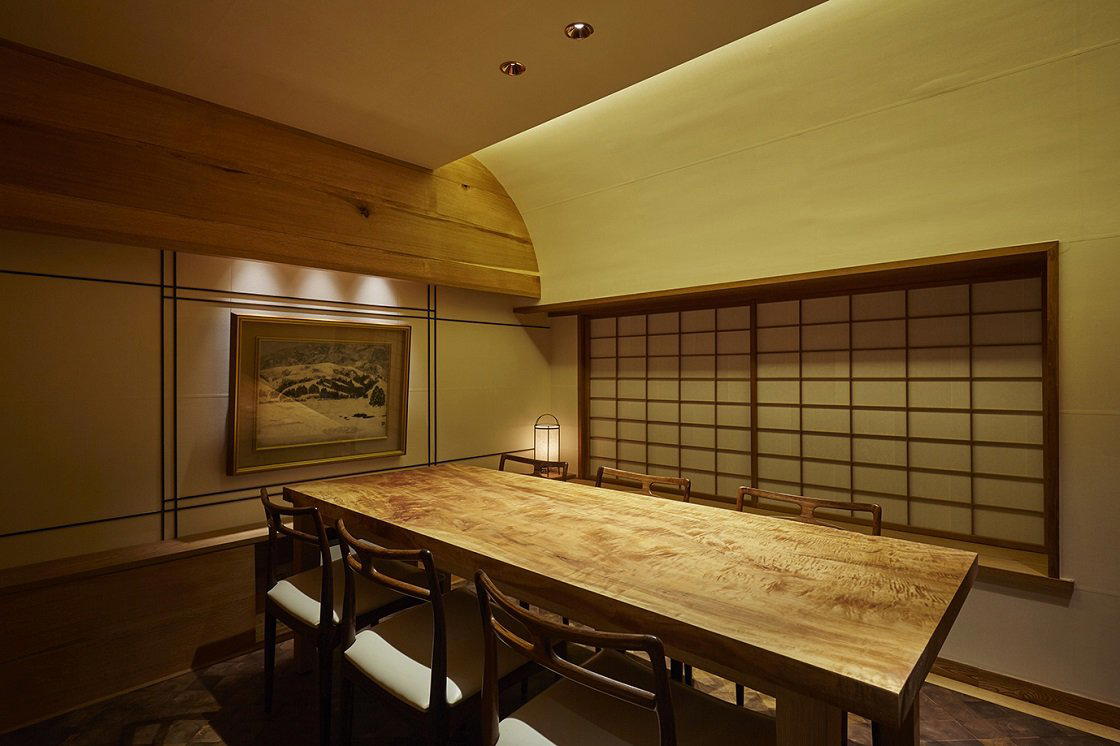
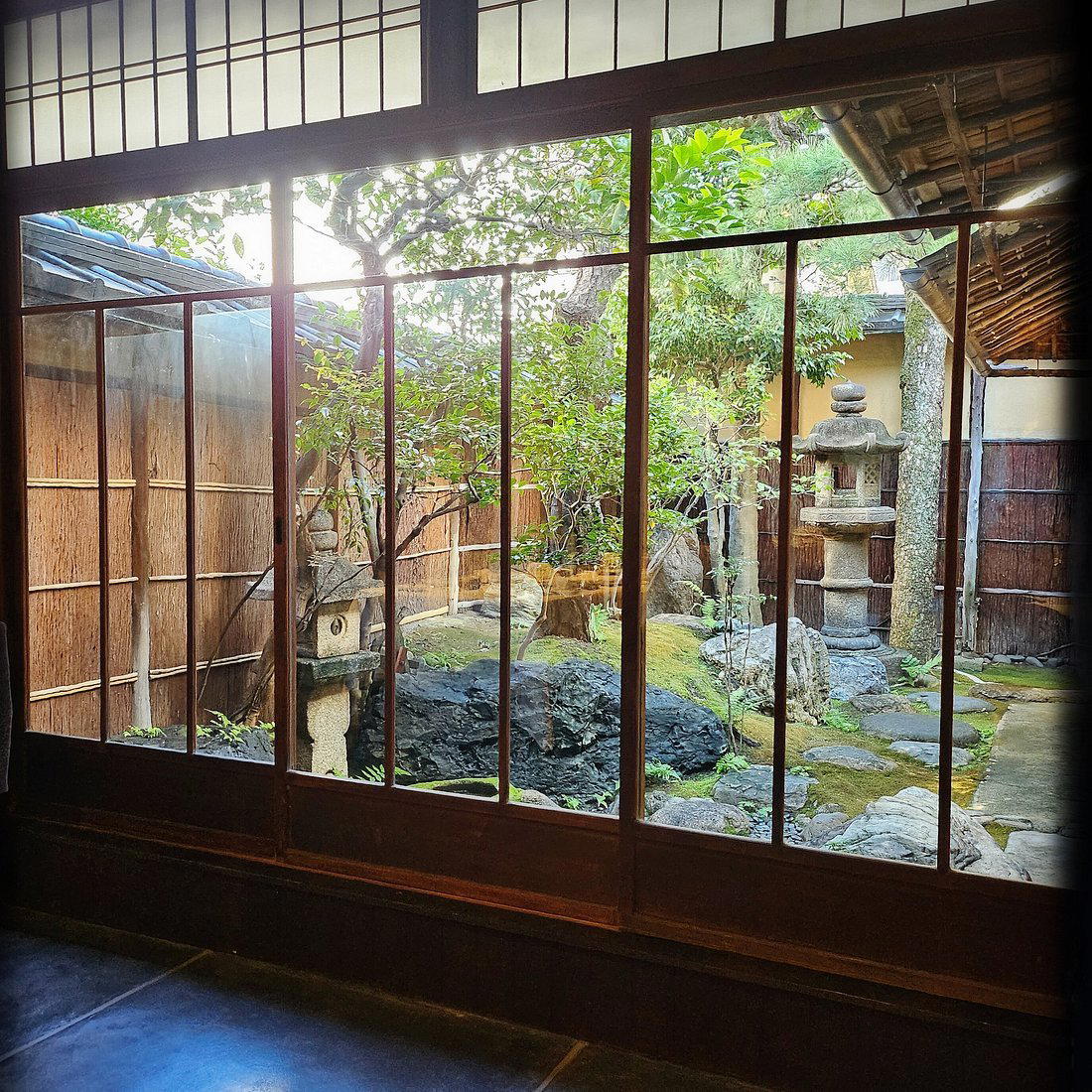
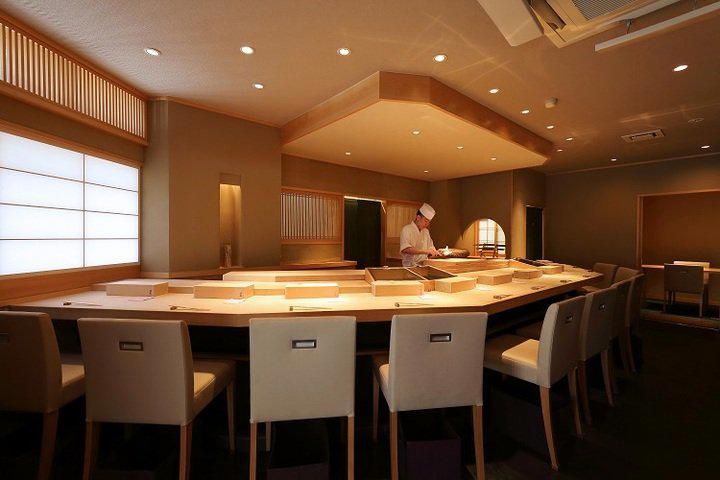
The physical scale here is intimate. This is not a sprawling ryotei with tatami suites and private garden views. That trade-off works in your favour if you want proximity to the kitchen's craft — and works against you if you're planning a group celebration that needs space. For a party of two treating kaiseki as the main event of an evening in Tokyo, the room is close to ideal. For groups of six or more, look elsewhere.
What the Kitchen Does Well
Chef Takashi Kikuchi runs a kaiseki kitchen grounded in classical technique rather than reinterpretation. Kaiseki, as a format, is one of the most demanding disciplines in Japanese cooking: each course is governed by seasonal logic, ingredient hierarchy, and presentation precision. The Opinionated About Dining recognition, maintained across three consecutive years, suggests the kitchen is executing that discipline at a level the serious dining community has repeatedly validated. This is not a venue coasting on an early reputation.
For comparison: Kikunoi Tokyo and Hirosaku both operate in Tokyo's kaiseki tier, and each takes a different approach to the tradition. Kikuchi sits closer to the restrained, ingredient-focused end of the spectrum than the showpiece end. That makes it a particularly good choice if you want to understand what seasonal kaiseki tastes like when it isn't competing for Instagram.
If you're touring Japan's kaiseki circuit more broadly, it's worth knowing that the tradition reads differently city by city. Gion Sasaki in Kyoto and Ifuki and Ankyu in Kyoto all offer the Kyo-kaiseki tradition in its home context. Kikuchi's Tokyo version is a legitimate alternative, not a consolation.
Ratings and Trust Signals
- Opinionated About Dining: Leading Restaurants in Japan, Ranked #431 (2024 and 2025)
- Opinionated About Dining: Recommended (2023), three consecutive years of recognition
How to Book
Booking difficulty is rated Easy, which is worth taking seriously. Many Tokyo kaiseki restaurants at this recognition level require advance reservations weeks out, and some require a local intermediary or hotel concierge referral. If Kikuchi is genuinely accessible by direct reservation, book it directly. No phone number or website is listed in our current data, so contact through your hotel concierge or a reservation service is the recommended route. Do not assume walk-ins are possible for a kaiseki format at dinner-only hours.
Know Before You Go
- Cuisine: Kaiseki (classical Japanese multi-course)
- Chef: Takashi Kikuchi
- Location: Taito City (Ueno area), Tokyo, ground floor, Kameda Building
- Hours: Monday–Saturday, 6–10 PM | Sunday: Closed
- Price range: Not confirmed in current data, expect kaiseki-tier pricing (budget accordingly)
- Booking difficulty: Easy
- Awards: Opinionated About Dining Leading Restaurants in Japan, Ranked #431 (2024 & 2025)
- Leading for: Couples and pairs; serious kaiseki first-timers; Tokyo dinner as the main event
- Not ideal for: Large groups; walk-ins; those wanting a la carte flexibility
More to Explore in Tokyo and Beyond
Kikuchi is one entry point into Tokyo's serious dining scene. For a broader view, see our full Tokyo restaurants guide, our full Tokyo hotels guide, our full Tokyo bars guide, and our full Tokyo experiences guide. Other Tokyo kaiseki and Japanese restaurants worth considering include Ajihiro, Akasaka Ogino, and Aoyama Jin. If you're travelling beyond Tokyo, HAJIME in Osaka, Goh in Fukuoka, akordu in Nara, 1000 in Yokohama, and 6 in Okinawa all belong on your Japan dining shortlist.
Planning details
- Hours
- Monday: 6–10 pm · Tuesday: 6–10 pm
- Location
- Japan, 〒110-0005 Tokyo, Taito City, 台東区Ueno, 1-chōme−12−2 亀田ビル 1階
- Website
- twitter.com/kikunoike
- Phone
- +81 3-3839-3382
The take
The Take
The Vibe
Kikuchi reads like a neighbourhood kaiseki tucked into Ueno rather than a lacquered Ginza showcase. It operates from a modest first-floor room and wears its locality openly: shotengai storefronts and izakaya lanterns are part of the immediate texture. The kitchen applies kaiseki discipline to seasonal small plates, but the overall feeling is less curated and more lived-in — intimate and quietly convivial rather than ceremonially distant. Diners encounter thoughtful, technical cooking in an unassuming setting where communal sharing and the neighbourhood’s character shape the mood.
Best For
This is an ideal spot for an intimate date night or special-occasion dinner that favors substance over show. Because the kaiseki here emphasizes a sequence of small, shareable preparations, it also suits small groups who enjoy lingering over courses and conversing as the meal unfolds. The place attracts diners who want refined, seasonal cooking in a modest, neighbourhood setting rather than the formality of Ginza; it’s for those who appreciate technical kaiseki served with a relaxed, communal rhythm.
Ordering Tips
Embrace the shared, sequential nature of the meal: plan to sample multiple small seasonal plates rather than hunt for a single standout entrée. Given Kikuchi’s strengths, try the venue’s signature grilled items — grilled beltfish and grilled yellowtail — as part of the progression. Pace your party to enjoy the accumulated rhythm of courses; the write-up notes that the flow here is as much set by guests as by the kitchen, so take your time between plates and treat the meal as a social, shared experience.
Venue details
Ambiance
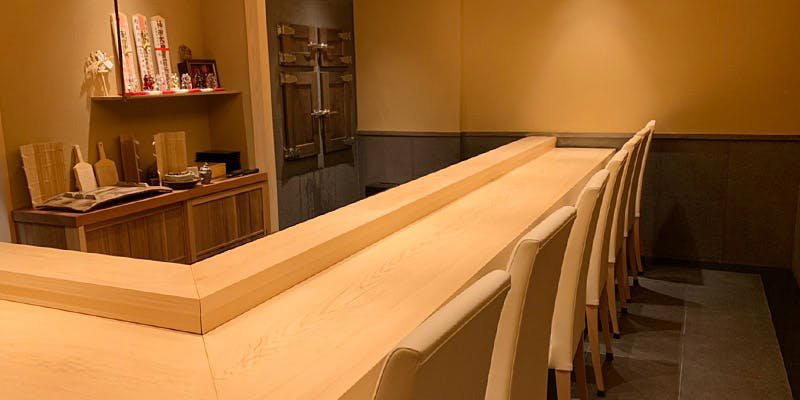
Homely and rustic with a quiet, personal atmosphere centered around the chef's counter.
Tags
Vibe
Best For
Experience
Sourcing
At the Table
- Dress Code
- Smart Casual
- Noise Level
- Quiet
- Service Style
- Upscale Casual
- Meal Pacing
- Leisurely
- Capacity
- Intimate
- Kitchen
- Traditional
- Menu Format
- Omakase
- Wine Program
- Curated
- Drinks Focus
- Sake
Signature Dishes
- grilled beltfish
- grilled yellowtail
Know before you go
Know Before You Go
- Getting there
- Japan, 〒110-0005 Tokyo, Taito City, 台東区Ueno, 1-chōme−12−2 亀田ビル 1階
Planning details
Hours
- Monday
- 6–10 pm
- Tuesday
- 6–10 pm
- Wednesday
- 6–10 pm
- Thursday
- 6–10 pm
- Friday
- 6–10 pm
- Saturday
- 6–10 pm
- Sunday
- Closed
Location
Japan, 〒110-0005 Tokyo, Taito City, 台東区Ueno, 1-chōme−12−2 亀田ビル 1階 · Directions

Also consider
Also Consider
- Harutaka, Sushi, ¥¥¥¥
- RyuGin, Kaiseki, Japanese, ¥¥¥¥
- L'Effervescence, French, ¥¥¥¥
- HOMMAGE, Innovtive French, French, ¥¥¥¥
- Florilège, French, ¥¥¥
Restaurant context
Within Tokyo's kaiseki tier, RyuGin is the obvious comparison: it carries significantly more international recognition, a higher public profile, and a more ambitious, modernist approach to the kaiseki format. If you want kaiseki as a landmark experience with contemporary technique, RyuGin is the stronger choice. Kikuchi is the better option if you want classical execution and a lower-pressure introduction to the format, and if RyuGin's booking difficulty or pricing pushes past your threshold.
For a different category comparison, Harutaka sits at the top of Tokyo's sushi tier at ¥¥¥¥ and draws a very different type of diner. If your Tokyo dinner decision is kaiseki versus sushi omakase, both formats demand the full evening and deliver a chef-driven set experience, the choice comes down to whether you want breadth of courses (kaiseki) or depth of single-ingredient mastery (sushi). Kikuchi answers the kaiseki side of that question reliably.
If you're weighing Tokyo's high-end French options against Kikuchi, L'Effervescence, HOMMAGE, or Florilège, the case for Kikuchi is specificity: kaiseki is a Tokyo dining experience that French cuisine cannot replicate. All three French venues are well-regarded in their own right, but if you have one serious dinner in Tokyo, a kaiseki meal at a three-year Opinionated About Dining-recognised kitchen is a stronger use of the occasion than a French restaurant that could exist in any major city.
Explore Tokyo
Around this place
Discover more on Pearl
Unlock the full Kikuchi guide in Pearl, including awards, comparisons, FAQs, planning details, and nearby places.
Compare Kikuchi
| Venue | Location | Cuisine | Awards | Price |
|---|---|---|---|---|
| Kikuchi | Tokyo | Kaiseki | 2026 OAD Top Restaurants in Japan Recommended2025 OAD Top Restaurants in Japan Ranked · #4312024 OAD Top Restaurants in Japan Ranked · #4312023 OAD Top Restaurants in Japan Recommended | , |
| Harutaka | Tokyo | Sushi | 2026 Tabelog Silver · #312026 OAD Top Restaurants in Japan Ranked · #1282026 Michelin 3 Stars2026 La Liste Top RestaurantsTabelog 100 - Sushi - TOKYO - 2025 · #372025 Asia's 50 Best Restaurants · #762025 OAD Top Restaurants in Japan Ranked · #1172025 La Liste Top Restaurants2025 Tabelog Bronze | ¥¥¥¥ |
| RyuGin | Tokyo | Kaiseki, Japanese | 2026 OAD Top Restaurants in Japan Ranked · #802026 Tabelog Bronze · #3772026 Michelin 3 Stars2026 La Liste Top RestaurantsTabelog 100 - Japanese cuisine - TOKYO - 2025 · #212025 OAD Top Restaurants in Japan Ranked · #542025 Michelin 3 Stars2025 La Liste Top Restaurants2025 The Best Chef Three Knives | ¥¥¥¥ |
| L'Effervescence | Tokyo | French | 2026 Tabelog Silver · #682026 OAD Top Restaurants in Japan Ranked · #103Star Wine Lists 20262026 Black Pearl 2 Diamond2026 Relais Chateaux Restaurants2026 La Liste Top Restaurants2026 Michelin 3 Stars2025 Asia's 50 Best Restaurants · #692025 OAD Top Restaurants in Japan Ranked · #92 | ¥¥¥¥ |
| HOMMAGE | Tokyo | Innovtive French, French | 2026 Tabelog Bronze · #1232026 OAD Top Restaurants in Japan Highly Recommended2026 Michelin 2 StarsTabelog 100 - French - TOKYO - 2025 · #762025 Asia's 50 Best Restaurants · #782025 OAD Top Restaurants in Japan Ranked · #1752025 Michelin 2 Stars2025 The Best Chef One Knife2025 La Liste Top Restaurants | ¥¥¥¥ |
| Florilège | Tokyo | French | 2026 Asia's 50 Best Restaurants · #312026 Tabelog Bronze · #712026 OAD Top Restaurants in Japan Ranked · #1242026 Black Pearl 1 Diamond2026 Michelin 2 Stars2026 La Liste Top Restaurants2025 Asia's 50 Best Restaurants · #172025 World's 50 Best Restaurants · #36Tabelog 100 - French - TOKYO - 2025 · #68 | ¥¥¥ |












How Kikuchi Tokyo compares with similar nearby venues.
FAQ
Frequently Asked Questions
Does Kikuchi handle dietary restrictions?
Kaiseki as a format is built around a fixed sequence of courses calibrated to seasonal produce and classical technique, which leaves limited room for substitutions. Contact Kikuchi directly well in advance if you have restrictions — this is standard practice at kaiseki restaurants at this level, and the kitchen is more likely to accommodate if notified early. Severe allergies or vegan requirements are difficult to reconcile with the format.
Can I eat at the bar at Kikuchi?
No bar-seating option is documented for Kikuchi. The restaurant operates dinner service only, Monday through Saturday, 6–10 pm, and the format is kaiseki — a structured, course-by-course progression that does not typically lend itself to drop-in counter dining the way an omakase sushi bar might.
What should I order at Kikuchi?
Kaiseki is a set-menu format, so there is no à la carte ordering at Kikuchi. Chef Takashi Kikuchi composes the progression of courses, and the kitchen drives the experience. Your role as a diner is to show up, communicate restrictions in advance, and let the sequence unfold.
Is lunch or dinner better at Kikuchi?
Dinner is the only option. Kikuchi operates 6–10 pm, Monday through Saturday, with no lunch service listed. If your schedule requires a daytime kaiseki, you'll need to look elsewhere — Kyoto has stronger options for lunch-format kaiseki.
What should a first-timer know about Kikuchi?
Kikuchi has been ranked #431 on Opinionated About Dining's Top Restaurants in Japan list in both 2024 and 2025, putting it in credible but not top-tier OAD territory — a good entry point into serious Tokyo kaiseki without the booking difficulty of the city's most decorated rooms. It sits in Ueno's Taito City, not a neighbourhood typically associated with high-end dining, so factor that into logistics. Dinner runs 6–10 pm; arrive on time, as kaiseki timing is structured.
Can Kikuchi accommodate groups?
No group capacity data is available for Kikuchi. Given its Ueno address in what appears to be a first-floor space in a modest building, assume a small dining room — large groups should enquire directly and well in advance. For groups of six or more, a private room at a larger Tokyo kaiseki venue may be a more practical fit.