

Jukuseizushi Yorozu
Sushi · Shibuya, Tokyo
Restaurant in Tokyo, Japan
 Book with Pearl
The Read
Aged-Fish Edomae Counter
Price
$200–300per person
Chef
Akira Shirayama
Dress
Smart Casual
Why go
Jukuseizushi Yorozu holds a 2024 Michelin star and an OAD Top 370 ranking in Japan, making it one of Tokyo's most credible specialist sushi counters. Chef Akira Shirayama's aged-fish omakase is a deliberate, polarising choice — compelling if jukusei-style sushi is what you're after. Book four to six weeks out minimum; concierge assistance is recommended for international visitors.
About Jukuseizushi Yorozu
Verdict
Jukuseizushi Yorozu earned its Michelin star in 2024 and landed at #370 on the Opinionated About Dining Leading Restaurants in Japan list for 2025 — two signals that point in the same direction: this is a serious sushi counter in Shibuya's Higashi neighbourhood that rewards the effort to book. Chef Akira Shirayama's focus on aged sushi (jukusei) puts Yorozu in a specific subcategory of Tokyo sushi, and if that style aligns with your preferences, the case for booking is strong. At the ¥¥¥¥ price tier, you are paying for precision and a defined point of view, not a generalist omakase. If you want the most technically conventional Edomae experience at this price level, look at Harutaka instead. If aged nigiri is the draw, Yorozu is worth the chase.
The Counter, the Concept, and the Case for Going
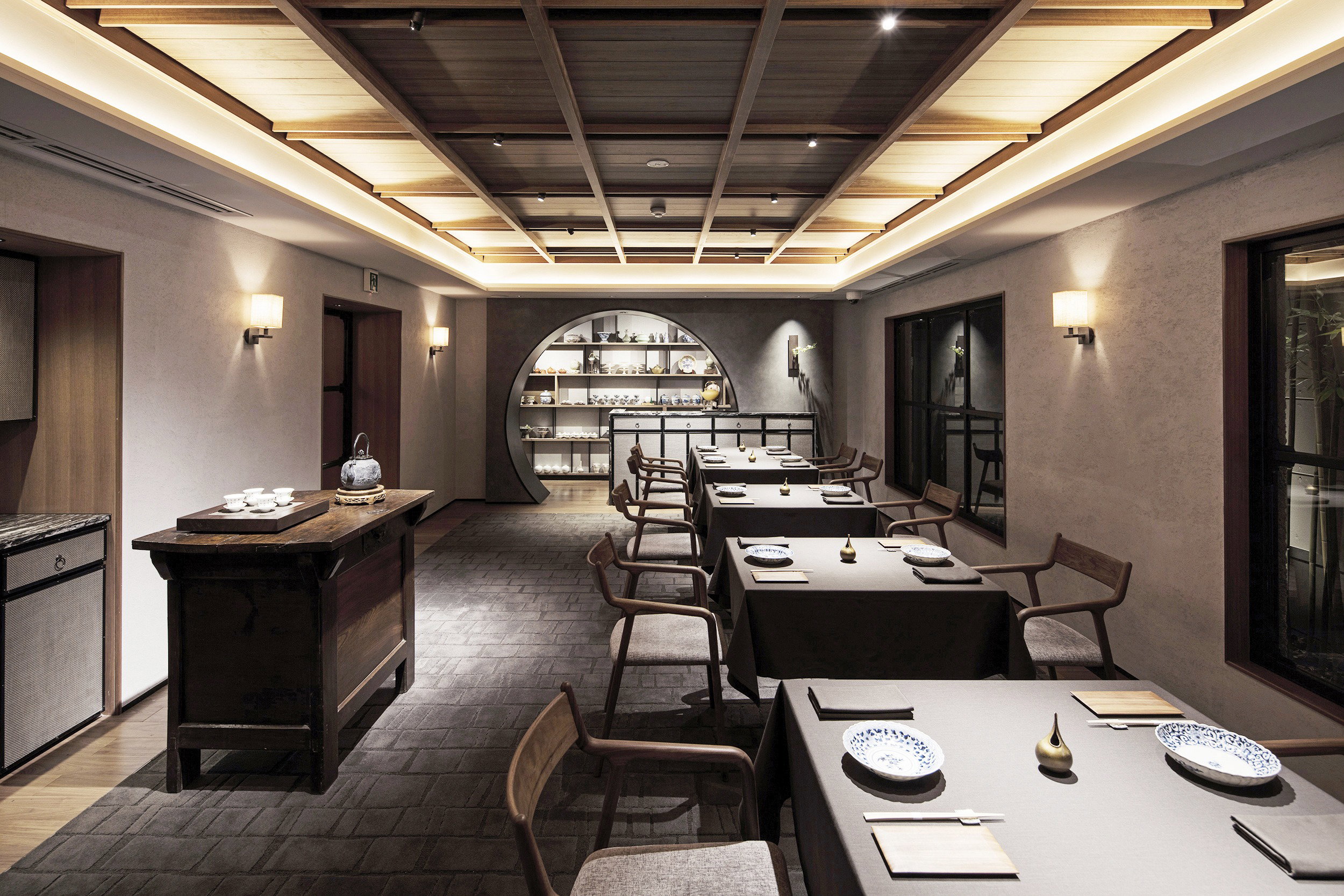
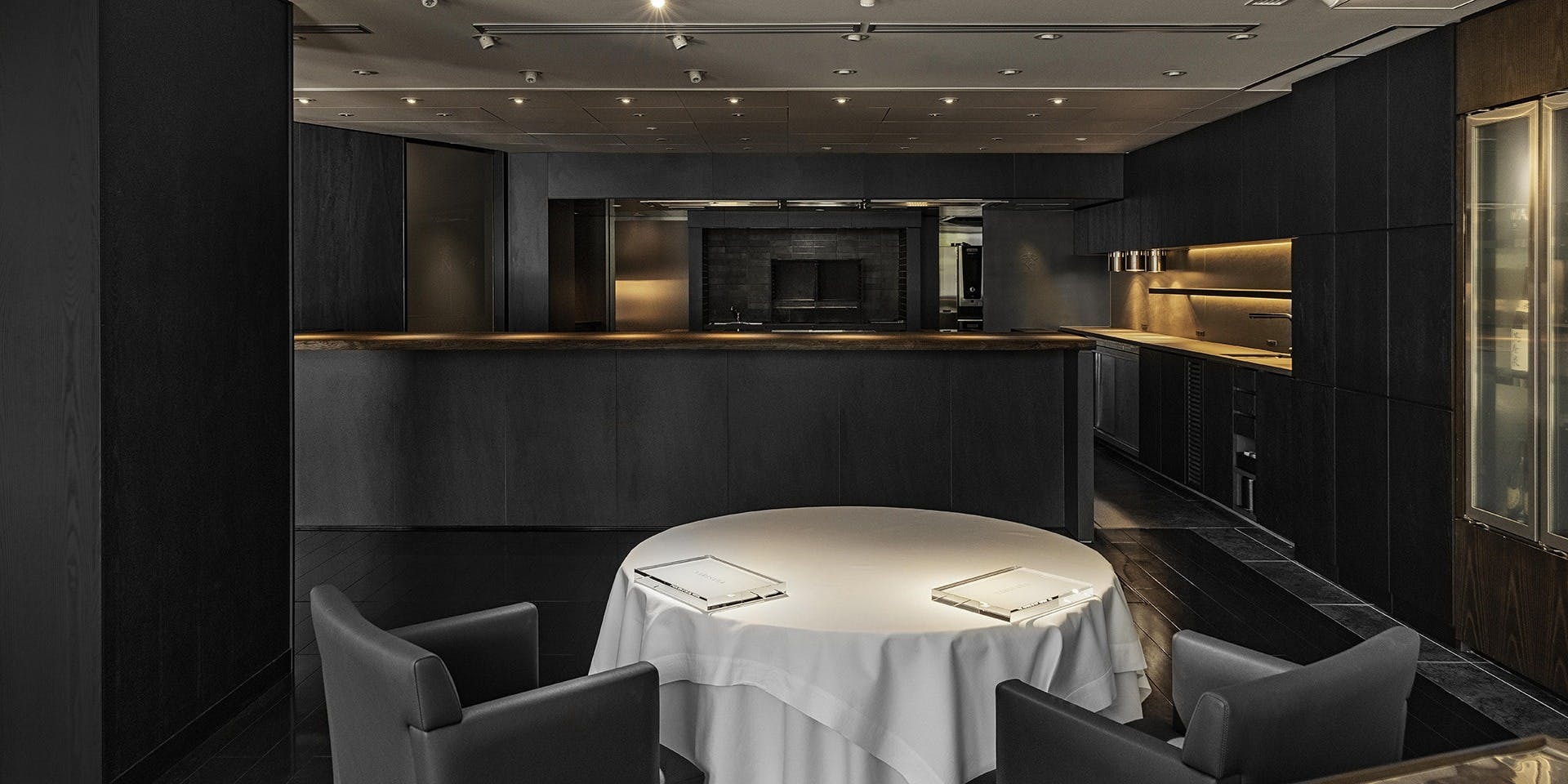
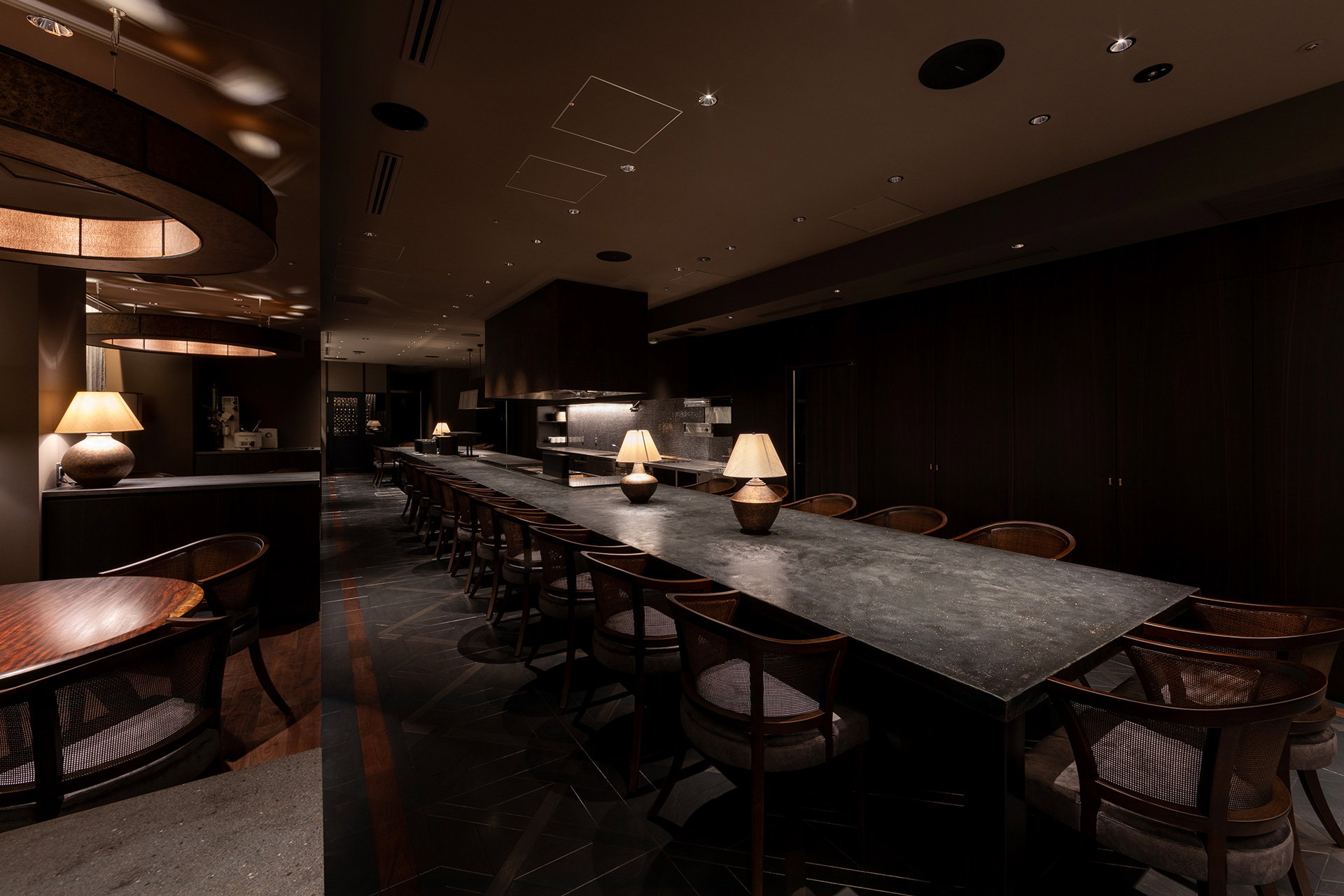
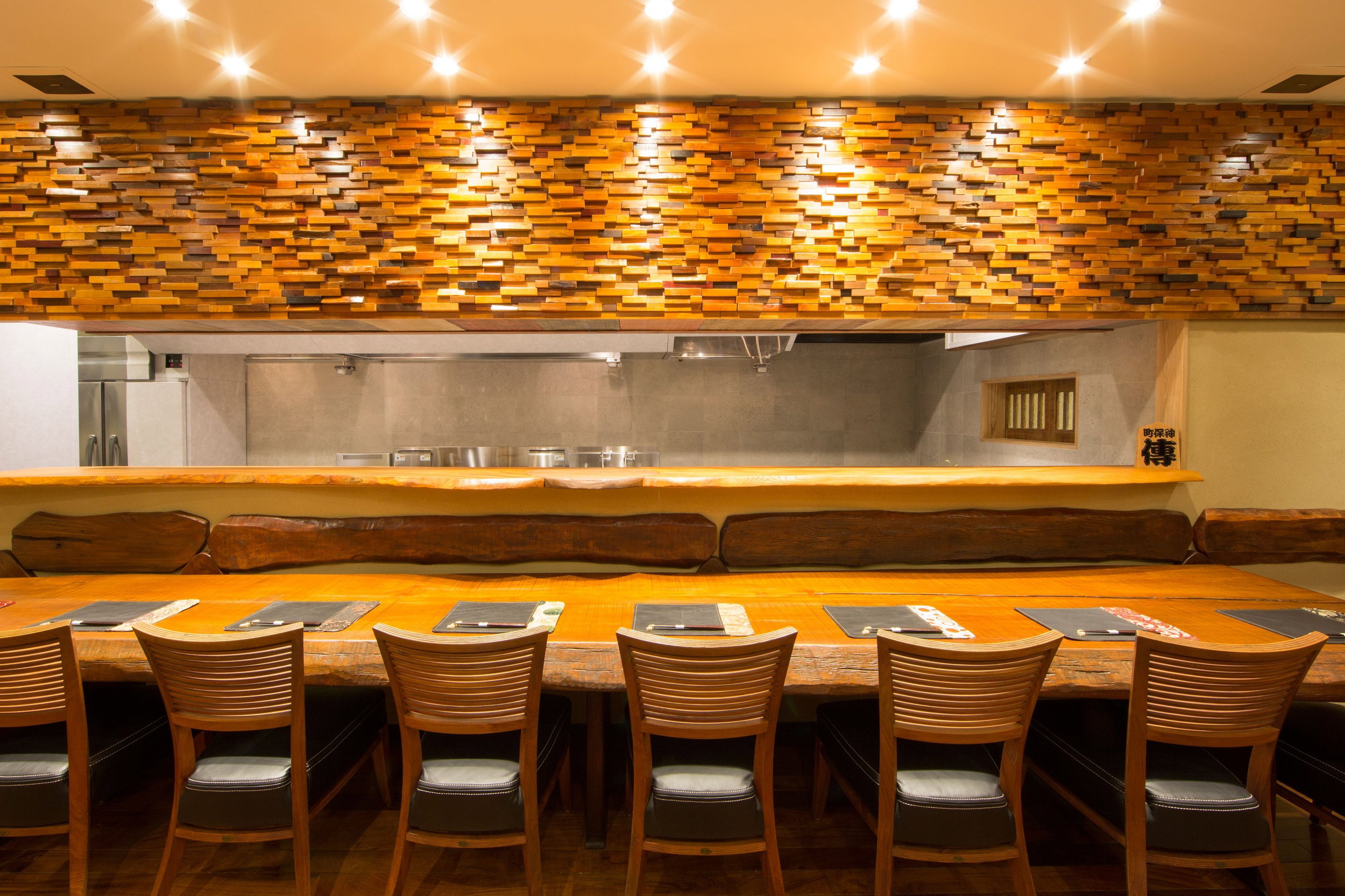
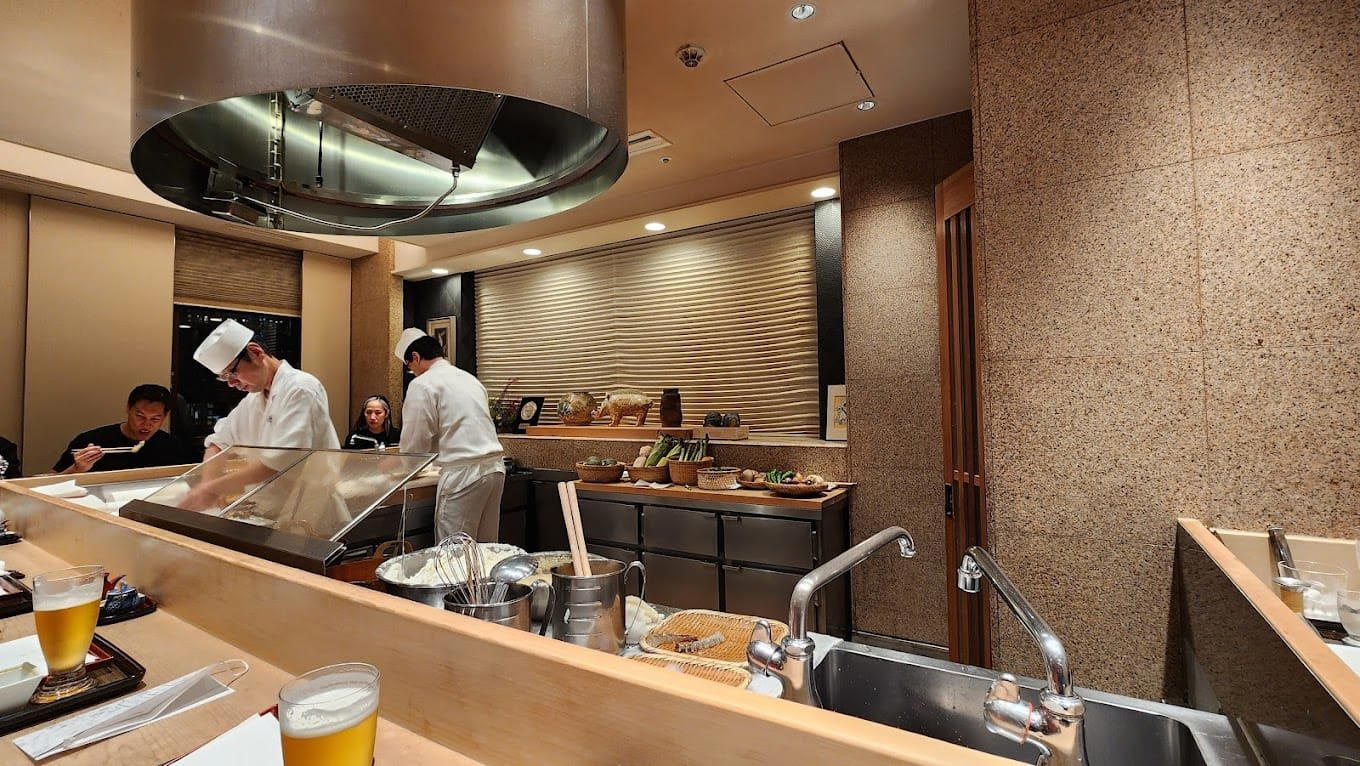
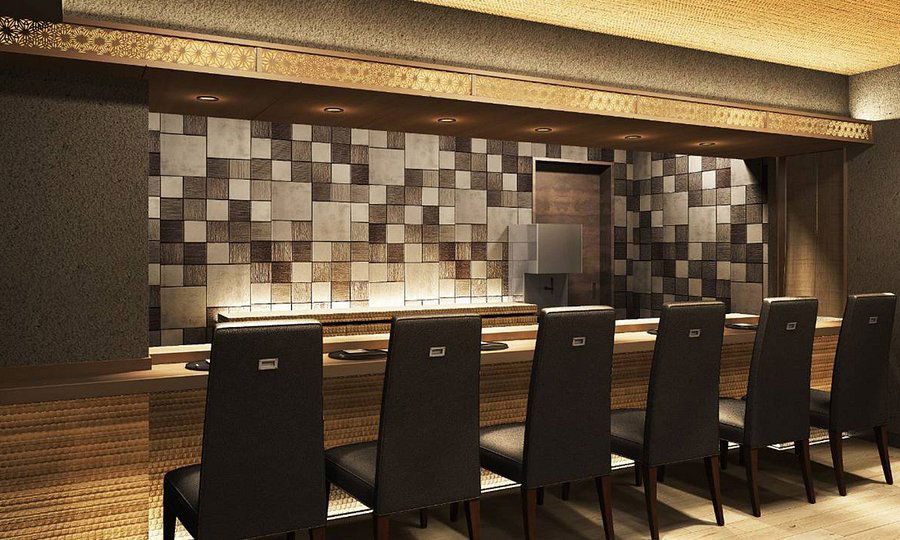
Shibuya is not where most Tokyo sushi pilgrims look first. The neighbourhood runs younger and louder than Ginza or Minami-Aoyama, and the address — a third-floor unit in a residential block on Higashi, keeps Yorozu deliberately low-profile. That address filters the room: the guests here tend to know what jukusei means before they arrive, and the counter reflects that. Spatially, this is an intimate setting. A small sushi counter in Tokyo typically seats eight to twelve, and Yorozu fits that pattern. The physical arrangement focuses attention on Shirayama's work, there is nothing decorative or theatrical about the room. For a food-focused traveller seeking depth over spectacle, that restraint is a feature, not a gap.
The concept of aged sushi deserves context. Jukusei, carefully controlled maturation of fish before it reaches the rice, produces a flavour profile that is richer, more complex, and further from the bright, clean cuts of a traditional Edomae counter. It is a polarising style: some diners consider it the most interesting development in contemporary Tokyo sushi; others prefer the immediacy of fish served at peak freshness. Yorozu does not hedge. The name signals the philosophy, and the omakase delivers it consistently. If you are the kind of diner who reads about this distinction before booking, Yorozu is likely already on your list. If you are uncertain whether aged fish appeals to you, spend time with that question before committing to a ¥¥¥¥ reservation.
Lunch vs Dinner: Where the Value Lands
This is the practical question that matters most for trip planning. Tokyo's leading sushi counters often offer a lunch service at a meaningfully lower price point than dinner, the same chef, the same rice, a shorter sequence of courses. At Yorozu, specific lunch and dinner pricing is not publicly confirmed in our data, but the pattern at comparable Michelin-starred sushi counters in Tokyo is consistent: lunch omakase runs roughly 30–40% less than the evening equivalent. If your primary goal is experiencing Shirayama's aged fish technique rather than a full extended sitting, a lunch booking is the higher-value entry point. Dinner at a counter like this is the better call when you want more time, more courses, and the full arc of the meal. For a first visit, lunch is the lower-risk, lower-spend way to determine whether Yorozu belongs on your return list. For a special occasion where the event itself matters, dinner earns its premium.
The broader Tokyo comparison reinforces this logic. Counters at the same price tier, Sushi Kanesaka and Sukiyabashi Jiro Roppongiten among them, follow the same lunch-dinner pricing architecture. Booking lunch at any of these venues when the itinerary is already expensive elsewhere in Tokyo is direct financial sense.
Booking and Practical Details
Yorozu is a hard reservation. A Michelin star acquired in 2024, a small seat count, and a specialist style that has built a committed following means availability is limited at most times of year. International visitors face an additional constraint: many counters at this level require Japanese-language reservations or a local intermediary, and Yorozu's booking method is not publicly confirmed in our data. Concierge assistance through your Tokyo hotel is the most reliable route in. Build in a four-to-six week lead time minimum; eight weeks is safer if your travel dates are fixed.
Reservations: Hard, book 4–6 weeks out minimum; hotel concierge recommended for international visitors. Budget: ¥¥¥¥, lunch likely offers the leading value entry; exact pricing not publicly confirmed. Dress: Smart casual minimum; formal dress is appropriate and common at this price tier. Location: 3F, 4 Chome-6-5 Higashi, Shibuya, a low-profile residential block address; allow extra time to locate the entrance.
How It Compares
See the comparison section below for full peer context. For Tokyo sushi specifically: Harutaka is the first alternative if you want orthodox Edomae execution at the same price tier. Edomae Sushi Hanabusa and Hiroo Ishizaka are worth considering if your interest in aged or specialist technique extends further. For sushi outside Japan at a comparable level, Sushi Shikon in Hong Kong and Shoukouwa in Singapore are the regional benchmarks.
Context for the Explorer
A Tokyo trip built around serious dining rewards cross-genre comparison. If your itinerary sits alongside Yorozu, consider how the ¥¥¥¥ tier plays out across different cuisines: RyuGin for kaiseki and L'Effervescence for French technique both operate at the same spend level with very different propositions. Outside Tokyo, HAJIME in Osaka, Gion Sasaki in Kyoto, and Goh in Fukuoka are comparable-tier destinations worth building a wider Japan trip around. For planning beyond the table, our full Tokyo restaurants guide, Tokyo hotels guide, and Tokyo bars guide cover the rest of the trip. Further afield: akordu in Nara, 1000 in Yokohama, and 6 in Okinawa round out the picture for a serious Japan itinerary. Tokyo experiences and Tokyo wineries complete the planning set.
Planning details
- Location
- 301 4 Chome-6-5 Higashi, Shibuya, Tokyo 150-0011, Japan
- Reservations
- Book on Omakase
- Website
- omakase.in/r/xw287006
- Phone
- +81 50-1807-6857
The take
The Take
The Vibe
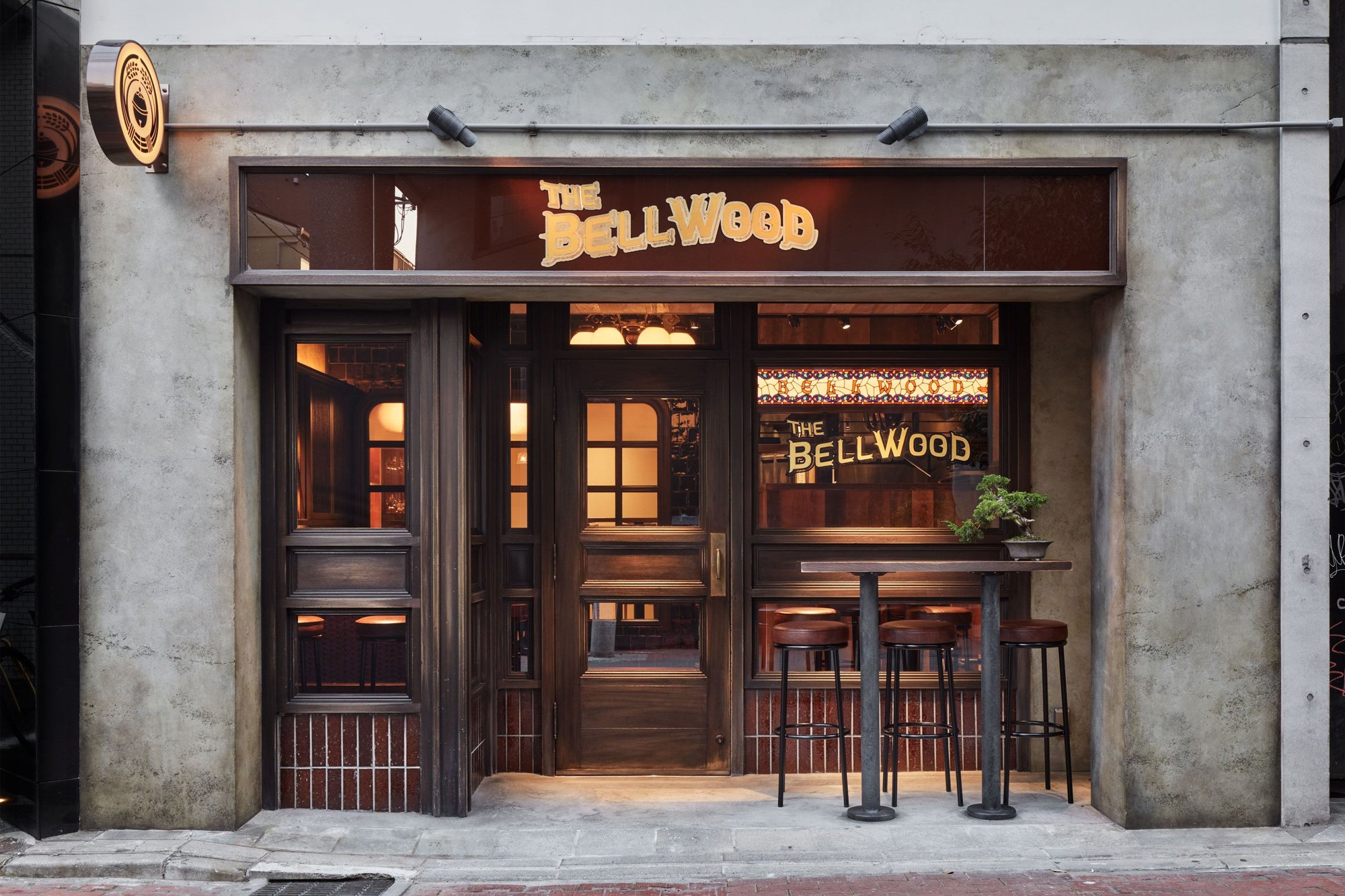
Jukuseizushi Yorozu presents a restrained, quietly persuasive presence in Higashi Shibuya. The exterior offers no spectacle; instead the counter relies on silence and precision as its signature. Inside, the mood leans on Edomae tradition and careful technique — aging fish to develop deeper flavour and texture — which gives the room a classical, almost academic air. The Michelin one-star status and the ¥¥¥¥ price bracket reinforce a serious, low-key elegance: this is a sushi counter for focused tasting, where the absence of clamor is part of the craft and the experience.
Best For
This counter suits diners who prize technique and close attention to fish provenance and texture. It occupies a specific tier in Tokyo’s dining hierarchy — above neighbourhood staples but below the highest-priced multi-starred rooms — which makes it well matched to special evenings or quietly important meals. The format encourages small parties or solo guests who can engage with the chef’s sequence of pieces; it particularly rewards diners with existing knowledge or curiosity about Edomae aging methods and those seeking a Michelin-recognized, chef-led sushi tasting.
Ordering Tips
Trust the chef’s sequence here and approach the menu with a willingness to experience aged fish; the counter’s central thesis is maturation rather than same-day lightness. Signature items to try include the aged chutoro, aged toro and aged white fish, which illustrate the counter’s technique. Given the price tier and the focused, counter-driven service, expect a deliberate tasting pace and prioritize the chef’s guidance rather than à la carte substitutions. Reservations are advisable at high-end counters of this sort, and come prepared to appreciate subtle textural and flavour developments that aging delivers.
Venue details
Ambiance
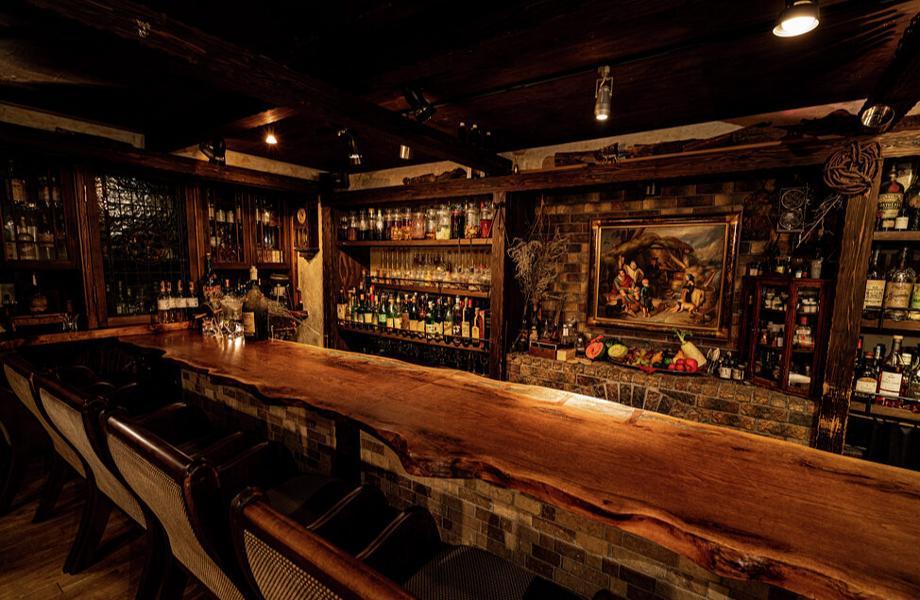
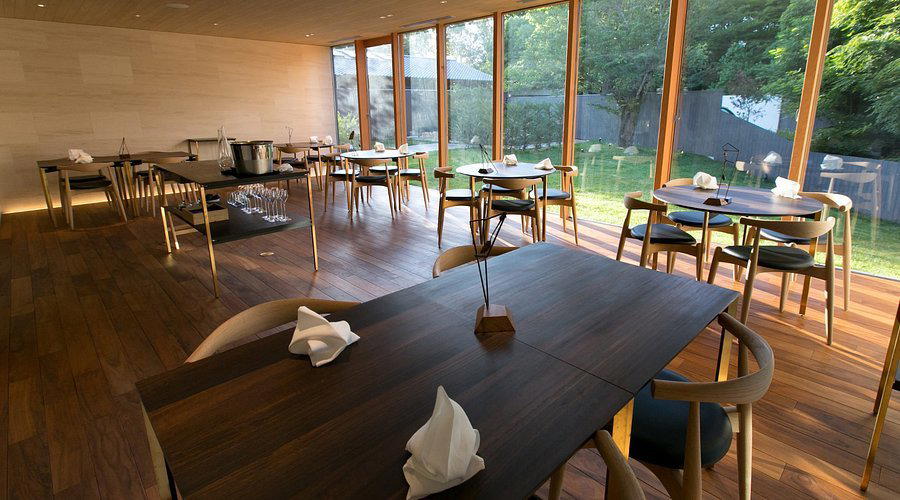
Cozy black and natural wood interior with adjustable subtle lighting that shifts with the meal progression.
Tags
Vibe
Best For
Experience
Sourcing
At the Table
- Dress Code
- Smart Casual
- Noise Level
- Quiet
- Service Style
- Omakase Bar
- Meal Pacing
- Extended Experience
- Capacity
- Intimate
- Kitchen
- Modern
- Menu Format
- Omakase, Counter dining
- Wine Program
- Curated
- Drinks Focus
- Sake
Signature Dishes
- aged chutoro
- aged toro
- aged white fish
Know before you go
Know Before You Go
- Getting there
- 301 4 Chome-6-5 Higashi, Shibuya, Tokyo 150-0011, Japan
Planning details
Location
301 4 Chome-6-5 Higashi, Shibuya, Tokyo 150-0011, Japan · Directions
Recognition and awards

Also consider
Also Consider
- Harutaka, Sushi, ¥¥¥¥
- L'Effervescence, French, ¥¥¥¥
- RyuGin, Kaiseki, Japanese, ¥¥¥¥
- HOMMAGE, Innovtive French, French, ¥¥¥¥
- Crony, Innovative, French, ¥¥¥¥
Restaurant context
Within Tokyo's ¥¥¥¥ sushi tier, Harutaka is the most direct comparison. Both carry Michelin recognition and operate as intimate counters, but Harutaka's profile is more conventionally Edomae, technically precise, broadly approachable, and marginally easier to book for foreign visitors. If you want a sushi counter that will satisfy across a range of diner preferences, Harutaka is the safer pick. Yorozu is the better choice if the aged-fish style is a specific draw rather than a general preference for high-quality nigiri.
Comparing across cuisines at the same price tier, RyuGin (kaiseki) and L'Effervescence (French) both offer a fuller theatrical arc than a small sushi counter, longer meals, more courses, and a dining room experience with more spatial presence. If the occasion demands a sense of event, either of those will deliver more room atmosphere than Yorozu's counter setting. HOMMAGE and Crony operate in innovative French territory at the same spend level and are worth considering if your trip already includes a dedicated sushi night elsewhere.
For a visitor planning a single serious sushi meal in Tokyo: Yorozu is the call if aged technique is the specific interest and you are comfortable with a harder booking process and a lower-profile address. Harutaka is the call if you want a reliably acclaimed Edomae counter with broader appeal. The two are not interchangeable, the point-of-view at Yorozu is more defined, which is either a reason to go or a reason to look elsewhere, depending on what you want from the meal.
Explore Tokyo
Around this place
Discover more on Pearl
Unlock the full Jukuseizushi Yorozu guide in Pearl, including awards, comparisons, FAQs, planning details, and nearby places.
Compare Jukuseizushi Yorozu
| Venue | Cuisine | Awards | Booking Difficulty |
|---|---|---|---|
| Jukuseizushi Yorozu | Sushi | 2026 OAD Top Restaurants in Japan Recommended2025 OAD Top Restaurants in Japan Ranked · #3702024 Michelin 1 Star | Hard |
| Harutaka | Sushi | 2026 Tabelog Silver · #312026 OAD Top Restaurants in Japan Ranked · #1282026 Michelin 3 Stars2026 La Liste Top RestaurantsTabelog 100 - Sushi - TOKYO - 2025 · #372025 Asia's 50 Best Restaurants · #762025 OAD Top Restaurants in Japan Ranked · #1172025 La Liste Top Restaurants2025 Tabelog Bronze | Unknown |
| L'Effervescence | French | 2026 Tabelog Silver · #682026 OAD Top Restaurants in Japan Ranked · #103Star Wine Lists 20262026 Black Pearl 2 Diamond2026 Relais Chateaux Restaurants2026 La Liste Top Restaurants2026 Michelin 3 Stars2025 Asia's 50 Best Restaurants · #692025 OAD Top Restaurants in Japan Ranked · #92 | Unknown |
| RyuGin | Kaiseki, Japanese | 2026 OAD Top Restaurants in Japan Ranked · #802026 Tabelog Bronze · #3772026 Michelin 3 Stars2026 La Liste Top RestaurantsTabelog 100 - Japanese cuisine - TOKYO - 2025 · #212025 OAD Top Restaurants in Japan Ranked · #542025 Michelin 3 Stars2025 La Liste Top Restaurants2025 The Best Chef Three Knives | Unknown |
| HOMMAGE | Innovtive French, French | 2026 Tabelog Bronze · #1232026 OAD Top Restaurants in Japan Highly Recommended2026 Michelin 2 StarsTabelog 100 - French - TOKYO - 2025 · #762025 Asia's 50 Best Restaurants · #782025 OAD Top Restaurants in Japan Ranked · #1752025 Michelin 2 Stars2025 The Best Chef One Knife2025 La Liste Top Restaurants | Unknown |
| Crony | Innovative, French | 2026 Asia's 50 Best Restaurants · #34Star Wine Lists 20262026 OAD Top Restaurants in Japan Recommended2026 Michelin 2 Stars2025 Asia's 50 Best Restaurants · #30Tabelog 100 - French - TOKYO - 2025 · #782025 OAD Top Restaurants in Japan Ranked · #227We're Smart World Top Restaurants 20252025 Michelin 2 Stars | Unknown |













Comparing your options in Tokyo for this tier.
FAQ
Frequently Asked Questions
How far ahead should I book Jukuseizushi Yorozu?
Book at least four to six weeks out, and longer if your dates are fixed. Yorozu picked up a Michelin star in 2024 and ranked #370 on the Opinionated About Dining Top Restaurants in Japan list for 2025, which means demand now outpaces its small seat count. Last-minute availability exists but should not be relied on for a trip-defining meal.
Is the tasting menu worth it at Jukuseizushi Yorozu?
At ¥¥¥¥ pricing, Yorozu is positioned at the top tier of Tokyo's sushi spend, and the Michelin star and OAD recognition both suggest the kitchen is delivering at that level. The case for spending here rests on the aged-fish (jukusei) concept, which is a meaningfully different proposition from orthodox Edomae. If you have already done a conventional omakase on this trip, Yorozu offers a clear point of distinction.
Is Jukuseizushi Yorozu good for a special occasion?
Yes, with a practical caveat: Shibuya is louder and busier than Ginza or Minami-Aoyama, so the walk to the restaurant is not the reverent approach you get at some of Tokyo's more ceremonial sushi addresses. Inside the counter, the format — chef Akira Shirayama, focused sushi service, Michelin-starred credentials — is well-suited to a celebratory meal for two.
What are alternatives to Jukuseizushi Yorozu in Tokyo?
For orthodox Edomae sushi, Harutaka is the first comparison: stricter in technique and with a longer reputation. RyuGin operates in a different category entirely — kaiseki rather than sushi — but sits in the same ¥¥¥¥ bracket and works as a cross-genre contrast on the same trip. If you want a Michelin-starred counter with an easier reservation window, survey options in the Ginza corridor before defaulting to Yorozu.
What should I order at Jukuseizushi Yorozu?
Yorozu is a counter omakase format, meaning the menu is set by chef Akira Shirayama and ordering individual dishes is not the structure. Arrive ready to eat the sequence as offered. The defining element of the restaurant is its jukusei approach to aging fish — that is the reason to choose Yorozu over a more conventional sushi counter.