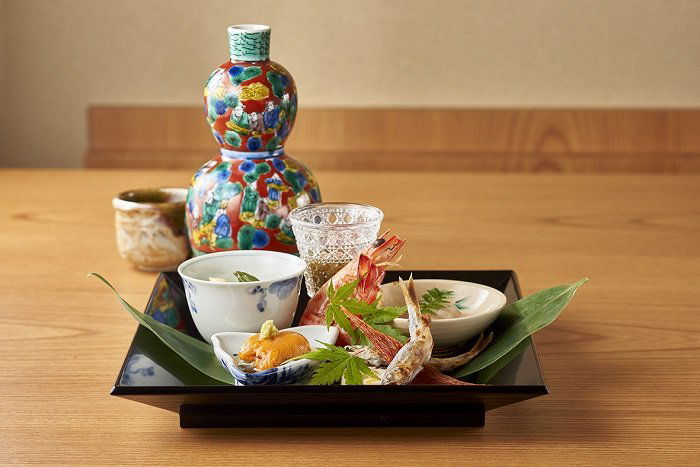

Fujisushi
Sushi · Minato, Tokyo
Restaurant in Tokyo, Japan
 Book with Pearl
The Read
Guest-Sequenced Nigiri
Price
¥¥¥
Dress
Smart Casual
Why go
A Michelin Plate-recognised sushi counter in Higashiazabu where you order what you want, in whatever order you like; a deliberate contrast to Tokyo's omakase-heavy scene. At ¥¥¥ pricing, it's one of the more accessible serious sushi options in Minato. Easy to book, solo-friendly, worth returning to precisely because the experience changes each time.
About Fujisushi
Verdict
Fujisushi in Higashiazabu earns its Michelin Plate (2025) by doing something almost countercultural in Tokyo's sushi scene: it lets you eat exactly what you want, in the order you want, at a price point that doesn't require a financial plan. If you've already done one of the city's omakase counters and want to spend a second visit eating freely rather than deferring to a fixed sequence, this is the right room. Book it early in the week for the smoothest experience, come hungry enough to order more than one piece.
The Room
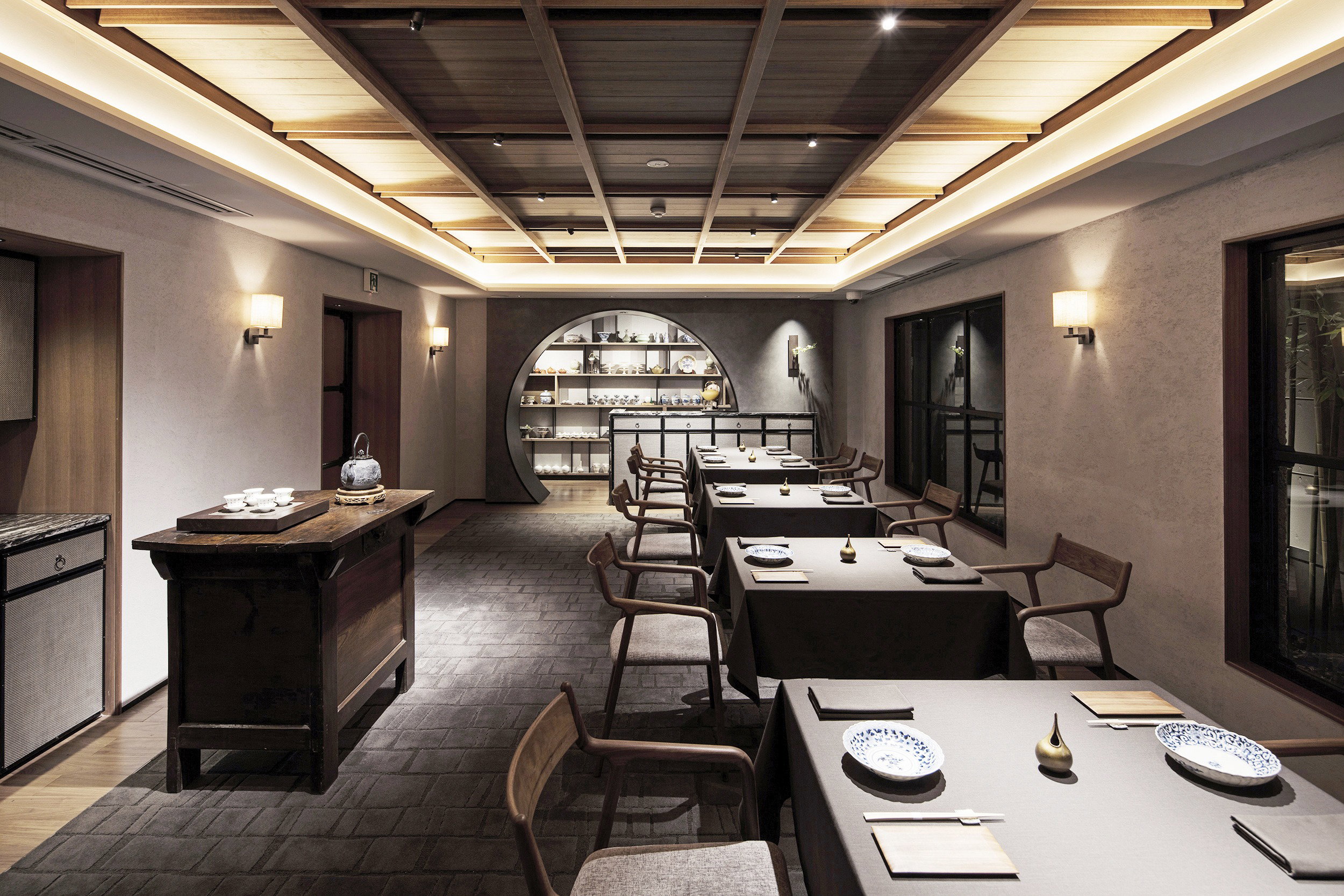
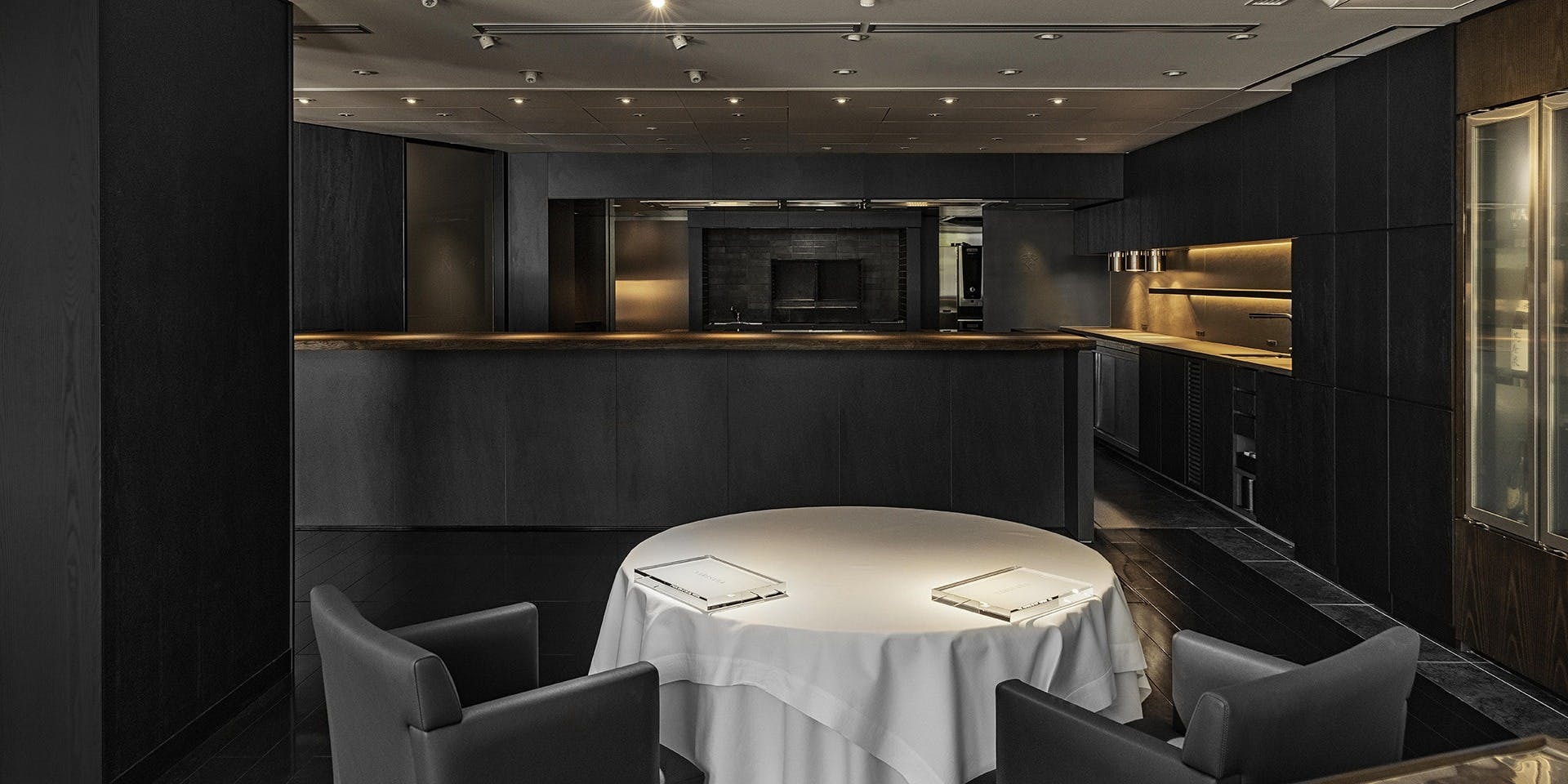
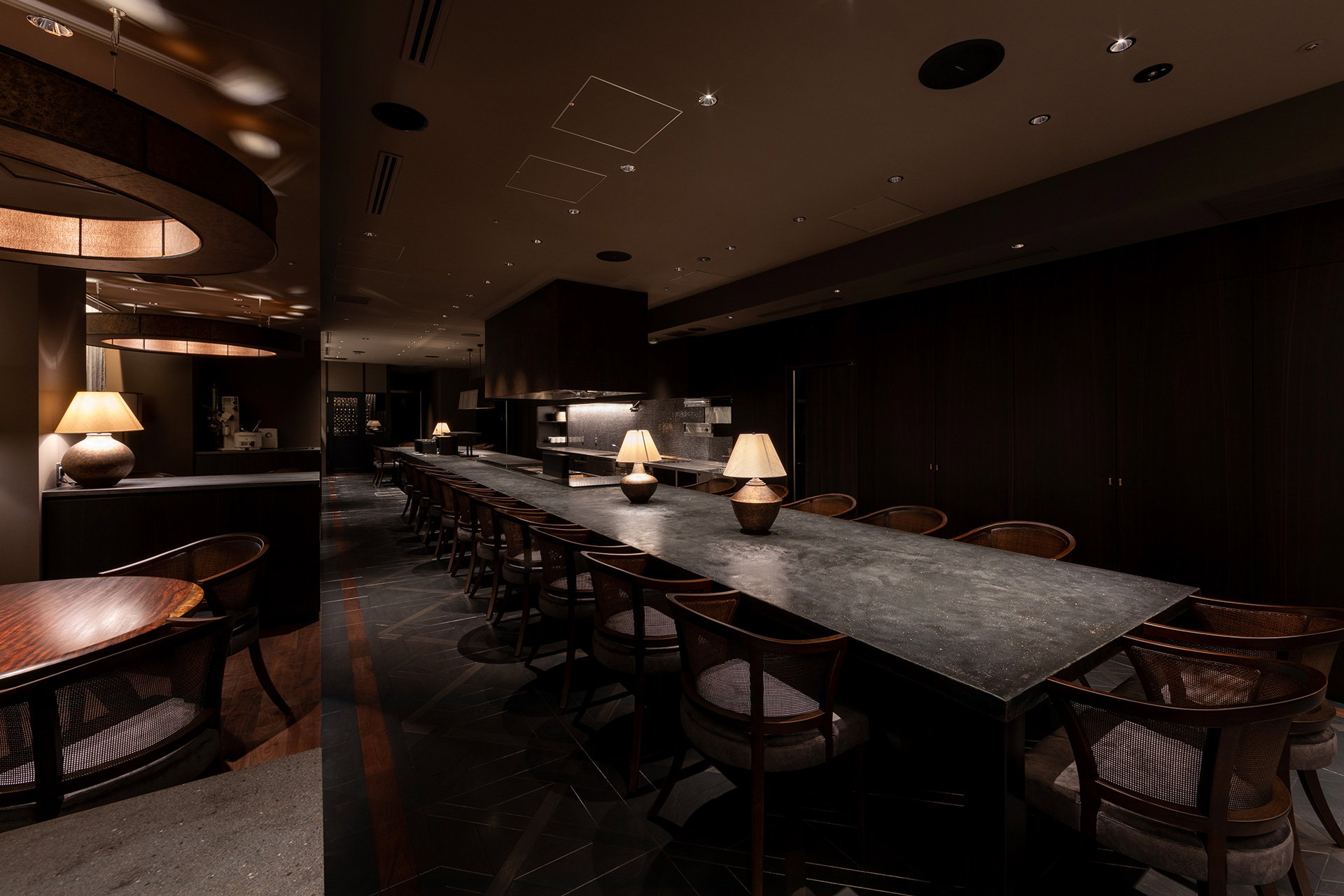
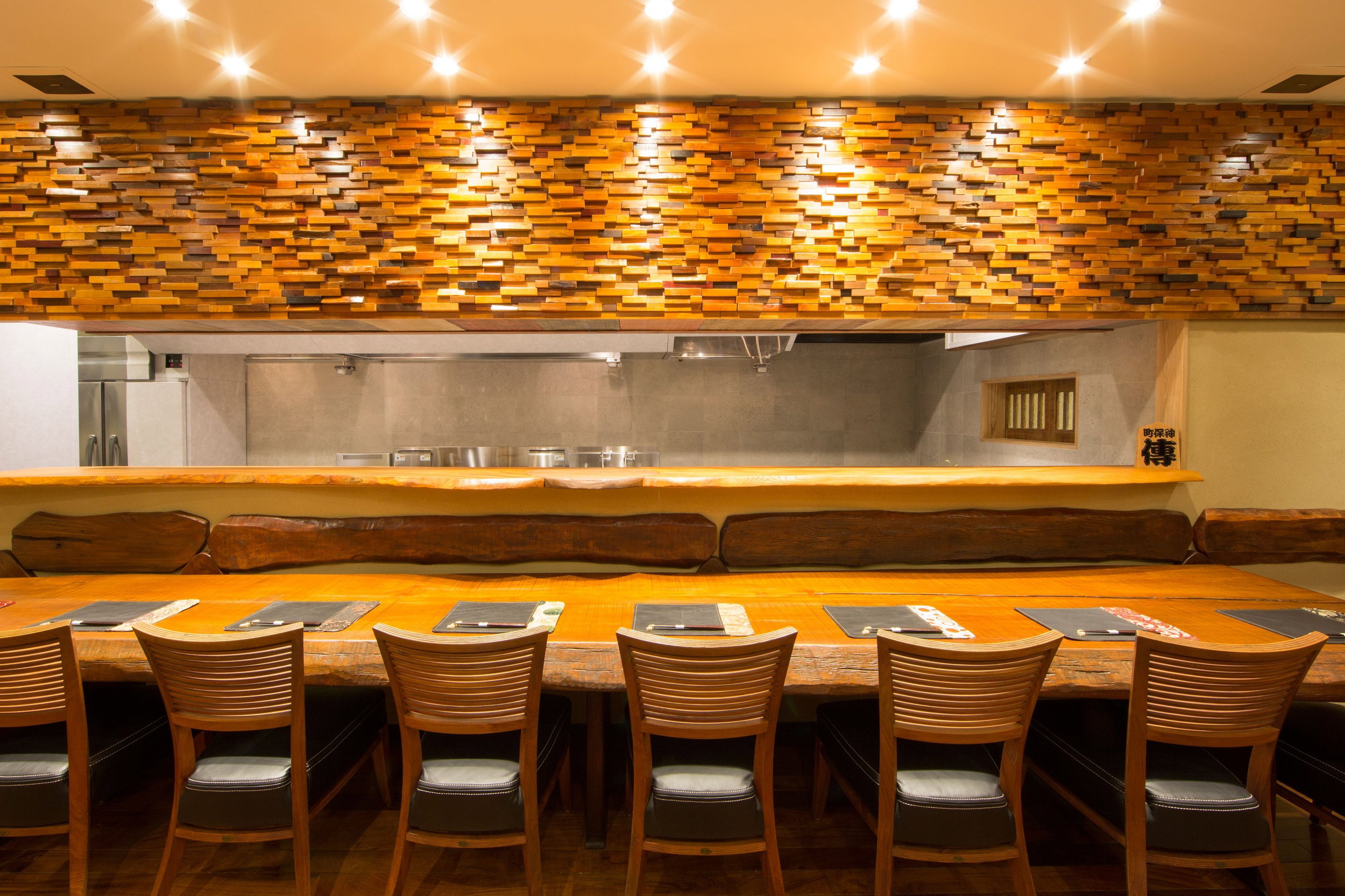
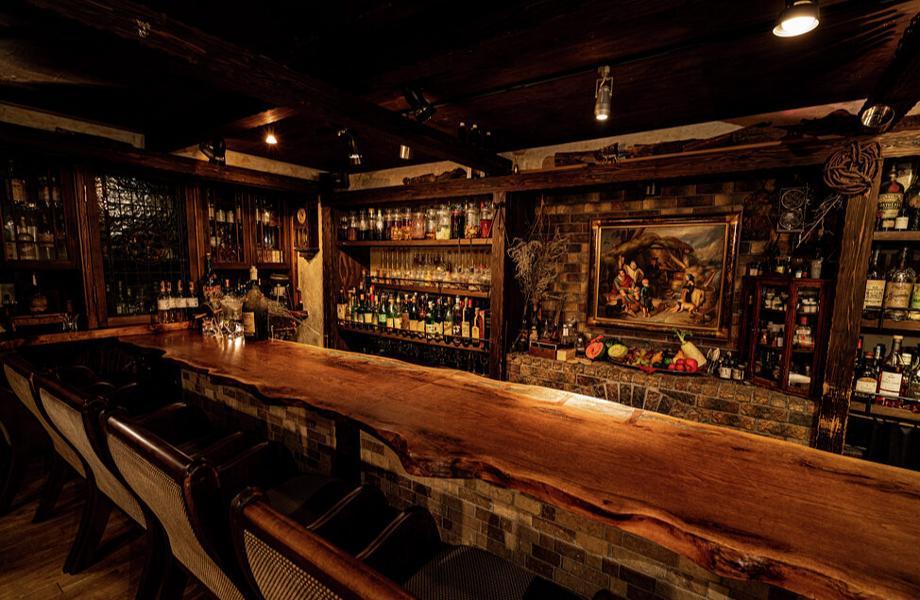
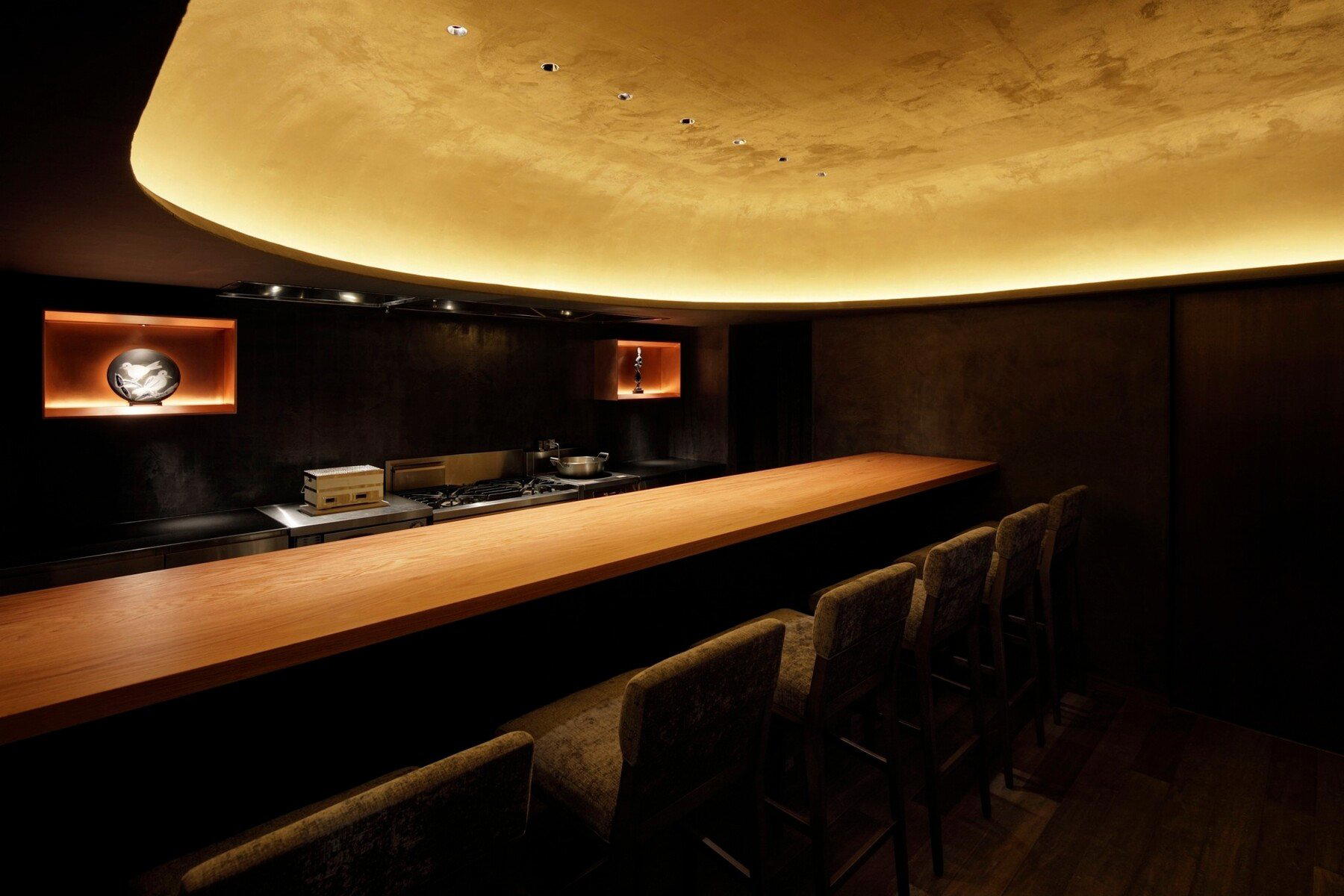
The physical space at Fujisushi is compact and counter-focused, the kind of setup that frames the chef's work rather than the diner's status. In Higashiazabu's PARKSIDE BLD, the proportions keep things personal without becoming cramped. There's no theatrical reveal, no parade of lacquerware on extended linen. What you get instead is a clean line of sight to the counter, close enough that the rice-to-fish ratio of every piece is visible before it reaches you. For solo diners, that proximity is the point. For pairs, the counter seating creates the right kind of focused attention on what's in front of you rather than on the theatre of the room. The spatial logic here is about access, not architecture.
What Makes the Visit Worth Repeating
The return-visit case for Fujisushi rests on a single operational detail: the sushi rice is polished just before cooking. That's not marketing language; it's a technical commitment that affects texture and flavour in every piece. On a first visit, you're absorbing the format. On a second, you order differently, move through the selection with more confidence, probably eat better for it. The a la carte model also means a second visit has a genuinely different shape to the first, which isn't true of fixed-menu counters where the experience repeats unless the season has turned.
Fact that dropping in for a single piece is not just tolerated but actively acceptable also changes the calculus. You're not locked into a two-hour commitment. Come after a meeting in Minato, order three pieces and a sake, leave. Or stay longer. The lack of a formal booking difficulty barrier (this is an easy-to-book venue by Tokyo standards) means a spontaneous second visit is actually plausible in a city where most serious sushi counters require weeks of lead time.
Lunch vs Dinner: Where the Value Sits
At ¥¥¥ pricing, Fujisushi sits below the ¥¥¥¥ tier that dominates serious sushi in Tokyo, which makes the lunch-versus-dinner question largely a personal scheduling call rather than a financial one. That said, lunch tends to deliver better value at this price tier across the city: shorter waits, slightly more relaxed service pacing, a counter that's unlikely to fill with the same pressure as a Friday or Saturday evening. If you want to make the most of the a la carte format without feeling any rush to vacate, a weekday lunch is the move. Evening visits work well for those pairing pieces with sake across a longer sitting, but the casual drop-in culture that defines this venue is easier to access during daylight hours.
Compared to the lunch experience at higher-end Edomae counters like Edomae Sushi Hanabusa, Fujisushi's daytime offering gives you more control over pace and spend. You're not anchored to a set sequence. That freedom is the trade-off for a less curated progression, depending on what you value, it's not a trade-off at all.
Context: Where Fujisushi Sits in Tokyo's Sushi Scene
Tokyo's sushi spectrum runs from neighborhood standbys to reservation-only counters that require months of planning. Fujisushi sits in a specific and genuinely useful tier: serious enough to hold a Michelin Plate, accessible enough to visit without a fixed menu commitment. For food-focused visitors who want to spend time across the city's different dining registers, it anchors the more relaxed end of a thoughtful sushi itinerary. Pair it with a counter-format experience at Harutaka or Sukiyabashi Jiro Roppongiten on the same trip and you get a useful range of what Tokyo sushi actually looks like across formats and price points.
If you're building a wider Japan dining itinerary beyond the capital, the contrast is instructive: HAJIME in Osaka and Gion Sasaki in Kyoto each represent the fixed-format end of Japanese fine dining. Fujisushi represents something closer to the working lunch counter ideal that Tokyo does well when it's not performing for international acclaim. That's a good sign.
For those exploring Tokyo's sushi options more broadly, Sushi Kanesaka and Hiroo Ishizaka offer a useful counterpoint at different price tiers and formats. Our full Tokyo restaurants guide covers the range in more detail, if you're planning a complete trip, our Tokyo hotels guide, bars guide, and experiences guide are worth reading alongside it.
Practical Details
Fujisushi is located at Higashiazabu 3-7-11, PARKSIDE BLD 101, Minato City, Tokyo. Booking is direct by the standards of this city. Phone and online booking details are not listed in public records at time of writing, so approach via walk-in or check directly with the venue on arrival or through hotel concierge. Minato's Higashiazabu neighbourhood is well-served by Tokyo transit, the venue's address within a ground-floor retail unit makes it easy to locate. Sake is available, small dishes supplement the nigiri selection, single-piece orders are welcome. Dress expectations lean informal; this is not a venue where code matters. For sushi lovers comparing regional options further afield, Sushi Shikon in Hong Kong and Shoukouwa in Singapore represent how the Edomae format travels across Asia, useful context if you're building a multi-city itinerary. Further Japanese options worth considering include akordu in Nara, Goh in Fukuoka, 1000 in Yokohama, and 6 in Okinawa if you're moving through the country. Tokyo's wineries guide is available at joinpearl.co/wineries/tokyo.
Is Fujisushi good for solo dining?
Yes, arguably the ideal way to visit. The counter format in a compact room makes solo dining natural rather than awkward, the a la carte model means you order precisely what you want at your own pace. At ¥¥¥ pricing, a solo session here is one of the more cost-controlled ways to eat serious sushi in Tokyo without committing to a full omakase spend.
Does Fujisushi handle dietary restrictions?
The a la carte format gives you more control over what you order than a fixed omakase menu would, which is useful for avoiding specific ingredients. That said, sushi is a narrow cuisine and the kitchen here focuses on nigiri and small dishes; if you need significant menu modification, contact the venue directly before visiting. Phone and website details were not publicly available at time of writing, so your leading route is via hotel concierge or an in-person visit to clarify in advance.
Can Fujisushi accommodate groups?
The compact counter layout makes this a better option for solo diners and pairs than for larger groups. If you're arriving with four or more people, call ahead to confirm capacity, the venue's small footprint in a ground-floor unit suggests limited flexibility for walk-in groups. For larger group sushi dinners in Tokyo, venues with private room options would be a more reliable choice.
What should a first-timer know about Fujisushi?
Format is a la carte nigiri, not omakase, you choose what you want, in any order, single pieces are acceptable. That's unusual enough in Tokyo's serious sushi scene that it's worth underlining. The venue holds a Michelin Plate (2025), which signals recognised quality without the multi-hour commitment of a starred counter. At ¥¥¥ pricing, it's a practical entry point into Minato's sushi options. Come with a rough idea of what you want to eat rather than expecting the chef to guide the entire experience.
Planning details
- Location
- Japan, 〒106-0044 Tokyo, Minato City, Higashiazabu, 3 Chome−7−11 PARKSIDE BLD 101
- Website
- fujisushi.co.jp
- Phone
- +81 70-8464-6640
The take
The Take
The Vibe
Fujisushi centers its character on a traditional counter experience that feels deliberate rather than nostalgic. The room privileges a one-piece-at-a-time rhythm — a format the write-up frames as the original mode of Tokyo sushi, not a concession to casualness. In a neighborhood of formal kaiseki and expense-account dining, Fujisushi reads as quietly corrective: focused, earnest and classic in its approach. The emphasis on direct counter interaction creates an intimate, composed atmosphere where the chef-patron exchange and the order-by-order pacing define the mood more than decor or spectacle.
Best For
This is a strong pick for diners who want a focused sushi encounter without an omakase script. Solo diners and pairs looking for an intimate, counter-led evening find the format especially suited to them, and lunchtime visits attract local workers and residents who prefer a brisk, straightforward service. Because the counter accepts à‑la‑carte orders at both lunch and dinner, the address works for direct, ingredient-forward ordering any time of day when you want to pick pieces one by one rather than surrendering the sequence to a tasting menu.
Ordering Tips
Expect to order nigiri piece by piece and to let the chef respond to your requests rather than follow a fixed tasting menu. The shop accepts drop-in single-piece orders, so you can build a meal at your own pace; lunches tend to run quicker and draw a local crowd, while evenings carry a different, more deliberate tone. If you prefer choosing cuts and pacing the progression yourself, ask for pieces individually at the counter and let the kitchen follow your lead rather than anticipating an omakase sequence.
Venue details
Ambiance
Cozy and relaxing counter seating atmosphere with a focus on intimate sushi dining.
Tags
Vibe
Best For
Experience
At the Table
- Dress Code
- Smart Casual
- Noise Level
- Quiet
- Service Style
- Upscale Casual
- Meal Pacing
- Leisurely
- Capacity
- Intimate
Planning details
Location
Japan, 〒106-0044 Tokyo, Minato City, Higashiazabu, 3 Chome−7−11 PARKSIDE BLD 101 · Directions
Recognition and awards
Also consider
Also Consider
- Harutaka; Sushi, ¥¥¥¥
- L'Effervescence; French, ¥¥¥¥
- RyuGin; Kaiseki, Japanese, ¥¥¥¥
- HOMMAGE; Innovtive French, French, ¥¥¥¥
- Crony; Innovative, French, ¥¥¥¥
Restaurant context
Fujisushi at ¥¥¥ and Harutaka at ¥¥¥¥ are serving different ambitions. Harutaka is a fixed omakase counter where the chef controls every decision; Fujisushi is where you make those decisions yourself. If you want to eat across multiple pieces of your own choosing without a set sequence, Fujisushi is the better fit and the cheaper one. If you want to be led through a carefully considered progression and have the budget for it, Harutaka justifies the premium. These two venues are not in competition; they answer different questions about what a sushi dinner should feel like.
Against the ¥¥¥¥ non-sushi options in Tokyo, the comparison shifts to format entirely. RyuGin offers kaiseki, L'Effervescence and HOMMAGE offer French fine dining, Crony brings an innovative French approach. None of these are sushi alternatives; they're separate categories entirely. If your Tokyo dining shortlist includes both sushi and a broader fine dining experience, Fujisushi and one of the ¥¥¥¥ French or kaiseki venues make a sensible pairing across two evenings. Fujisushi handles the sushi brief at reasonable cost; the ¥¥¥¥ tier handles the occasion-dinner brief with appropriate scale.
On booking difficulty, Fujisushi is the easiest option in this peer set by a considerable margin. The ¥¥¥¥ counters and dining rooms in Tokyo generally require advance planning, sometimes weeks out. Fujisushi's accessible booking and tolerance for walk-ins makes it the right call when your Tokyo schedule is still forming or when you want a reliable fallback sushi option that doesn't require a firm commitment two weeks in advance.
Explore Tokyo
Around this place
Discover more on Pearl
Unlock the full Fujisushi guide in Pearl, including awards, comparisons, FAQs, planning details, and nearby places.
Compare Fujisushi
| Venue | Cuisine | Price | Booking Difficulty | Awards |
|---|---|---|---|---|
| Fujisushi | Sushi | ¥¥¥ | Easy | 2026 Michelin Plate2025 Michelin Plate2025 Michelin 3 Stars |
| Harutaka | Sushi | ¥¥¥¥ | Unknown | 2026 Tabelog Silver · #312026 OAD Top Restaurants in Japan Ranked · #1282026 Michelin 3 Stars2026 La Liste Top RestaurantsTabelog 100 - Sushi - TOKYO - 2025 · #372025 Asia's 50 Best Restaurants · #762025 OAD Top Restaurants in Japan Ranked · #1172025 La Liste Top Restaurants2025 Tabelog Bronze |
| L'Effervescence | French | ¥¥¥¥ | Unknown | 2026 Tabelog Silver · #682026 OAD Top Restaurants in Japan Ranked · #103Star Wine Lists 20262026 Black Pearl 2 Diamond2026 Relais Chateaux Restaurants2026 La Liste Top Restaurants2026 Michelin 3 Stars2025 Asia's 50 Best Restaurants · #692025 OAD Top Restaurants in Japan Ranked · #92 |
| RyuGin | Kaiseki, Japanese | ¥¥¥¥ | Unknown | 2026 OAD Top Restaurants in Japan Ranked · #802026 Tabelog Bronze · #3772026 Michelin 3 Stars2026 La Liste Top RestaurantsTabelog 100 - Japanese cuisine - TOKYO - 2025 · #212025 OAD Top Restaurants in Japan Ranked · #542025 Michelin 3 Stars2025 La Liste Top Restaurants2025 The Best Chef Three Knives |
| HOMMAGE | Innovtive French, French | ¥¥¥¥ | Unknown | 2026 Tabelog Bronze · #1232026 OAD Top Restaurants in Japan Highly Recommended2026 Michelin 2 StarsTabelog 100 - French - TOKYO - 2025 · #762025 Asia's 50 Best Restaurants · #782025 OAD Top Restaurants in Japan Ranked · #1752025 Michelin 2 Stars2025 The Best Chef One Knife2025 La Liste Top Restaurants |
| Crony | Innovative, French | ¥¥¥¥ | Unknown | 2026 Asia's 50 Best Restaurants · #34Star Wine Lists 20262026 OAD Top Restaurants in Japan Recommended2026 Michelin 2 Stars2025 Asia's 50 Best Restaurants · #30Tabelog 100 - French - TOKYO - 2025 · #782025 OAD Top Restaurants in Japan Ranked · #227We're Smart World Top Restaurants 20252025 Michelin 2 Stars |
.png?width=1200&quality=80)













Key differences to consider before you reserve.
FAQ
Frequently Asked Questions
Is Fujisushi good for solo dining?
Solo diners are exactly who Fujisushi is built for. The counter format and the explicit permission to order a single piece at a time means you set the pace and the volume without any social pressure. At ¥¥¥ pricing, a solo visit is easy to calibrate; order light or go deep depending on appetite. Harutaka is the comparison if you want a more formal solo omakase experience, but Fujisushi is the lower-friction, lower-spend option.
Can Fujisushi accommodate groups?
Fujisushi's compact counter layout is not a group-dinner venue. It suits pairs and solo diners far better than parties of four or more. If you're organising a group sushi dinner in Tokyo at the ¥¥¥ tier, RyuGin or a venue with private room options is a more practical fit. Fujisushi works for small groups of two to three who want a relaxed, self-directed meal rather than a shared set menu format.
What should a first-timer know about Fujisushi?
The core rule at Fujisushi is that there are almost no rules: order what you want, in whatever order you want, leave after a single piece if that's enough. The sushi rice is polished just before cooking, which is an operational commitment that most sushi counters don't make. The venue holds a 2025 Michelin Plate and sits at ¥¥¥; below the ¥¥¥¥ tier of Tokyo's most formal counters; so the quality-to-cost ratio is a genuine draw. Walk-ins appear to be possible, but confirming availability ahead is sensible given the compact size.