
Daikanyama Ogawaken
Sushi · Shibuya, Tokyo
Restaurant in Tokyo, Japan
 Book with Pearl
The Read
Daikanyama Counter Edomae
Price
$150–200per person
Dress
Formal
Why go
Daikanyama Ogawaken is an OAD-recognised sushi counter in Tokyo's quieter Daikanyama neighbourhood, twice listed by Opinionated About Dining (ranked #572 in 2025, recommended in 2023). Chef Tarou Kohira leads a composed, neighbourhood-scale operation that is notably easy to book by Tokyo standards. A practical pick for food enthusiasts who want credentialed sushi without the booking difficulty of central Tokyo's top counters.
About Daikanyama Ogawaken
Should You Book Daikanyama Ogawaken?
If you are weighing Daikanyama Ogawaken against better-known sushi counters in Ginza or Roppongi, the comparison is instructive. Venues like Sukiyabashi Jiro Roppongiten or Sushi Kanesaka carry heavier reputations and harder bookings. Daikanyama Ogawaken, ranked #572 in the 2025 Opinionated About Dining Leading Restaurants in Japan and recommended in the 2023 edition, sits in a different register: credentialed but accessible, positioned in the residential calm of Daikanyama rather than the high-pressure theatre of central Tokyo. If you want a sushi meal that has earned independent recognition without the booking marathon, this is a reasonable call.
The Venue
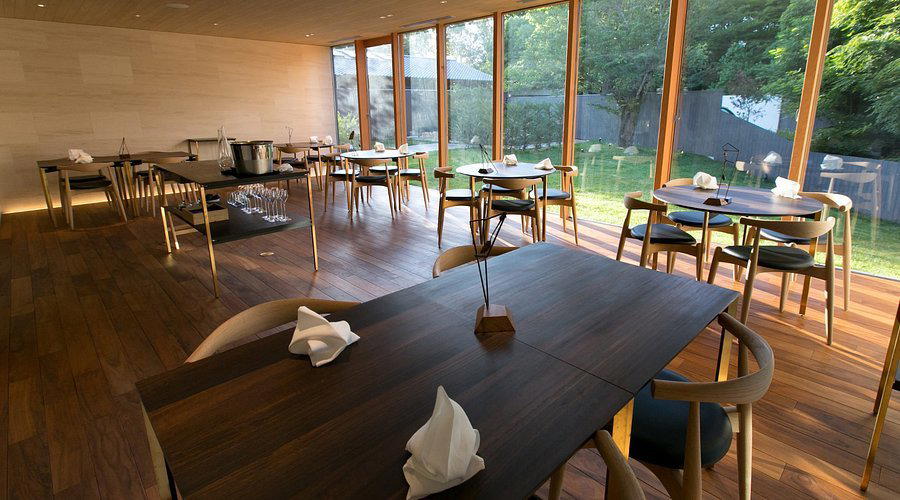
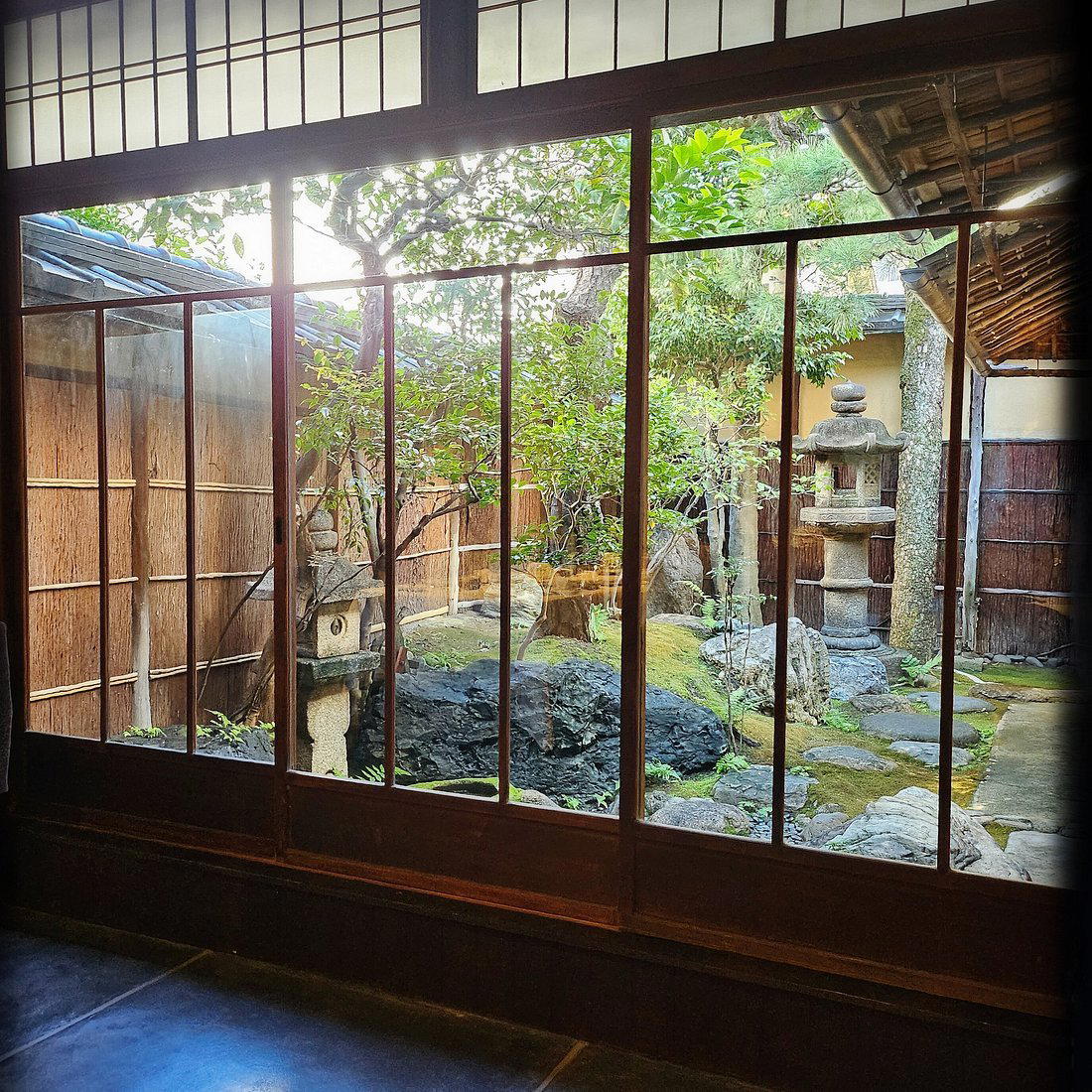
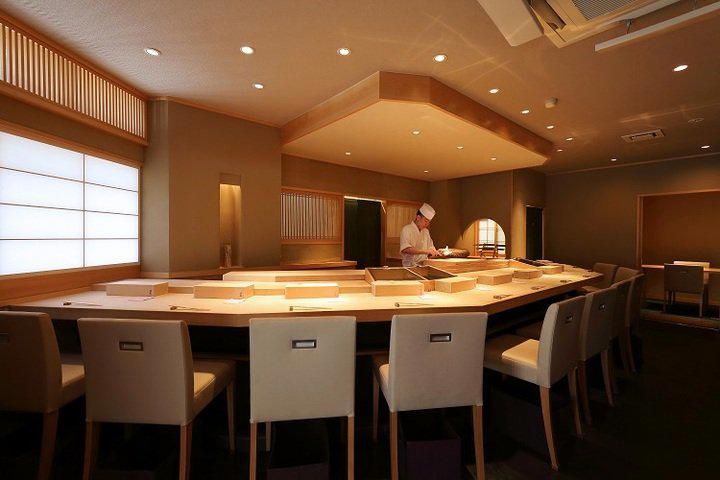
Daikanyama is one of Tokyo's quieter, more residential dining neighbourhoods, and Ogawaken fits that tone. The energy here is measured rather than kinetic — expect a composed room, not the charged buzz of a counter where every seat feels like a performance. For food enthusiasts who find that overly theatrical sushi environments work against the meal itself, that restraint is a feature. The atmosphere is conducive to paying attention to what is in front of you, which is ultimately what a sushi counter should deliver. Chef Tarou Kohira leads the kitchen, and the setting reflects a focus on the food rather than the occasion surrounding it.
The restaurant operates Tuesday through Saturday with split service: lunch runs 12–3 pm and dinner 5:30–10 pm. Sunday is closed. That lunch window is worth noting for visitors — a midday sushi sitting in Daikanyama, at a venue with OAD recognition, is a practical way to anchor a neighbourhood afternoon without the evening commitment. For context on how this fits into Tokyo's broader dining picture, see our full Tokyo restaurants guide.
Booking and Logistics
Booking difficulty is rated easy. That is a meaningful distinction in Tokyo's sushi scene, where venues at this recognition level frequently run weeks-long wait lists. No phone number or website is listed in available data, so the practical approach is to check reservation platforms or enquire through your hotel concierge. The Daikanyama address, 10-13 Daikanyamacho, Shibuya, is walkable from Daikanyama Station on the Tokyu Toyoko Line, which also connects directly to Shibuya in a few minutes. Quick reference: Mon–Sat lunch 12–3 pm, dinner 5:30–10 pm; closed Sunday; easy to book by Tokyo sushi standards.
A Note on Format and Suitability
If you are travelling as an explorer specifically interested in the depth of Tokyo's sushi tradition, Daikanyama Ogawaken offers a more grounded, neighbourhood-scale version of that experience. It is not the place to take someone whose primary interest is Instagram-worthy presentation or a big-name chef biography. It is better suited to diners who want to eat well, in a calm room, at a venue that has been independently recognised twice by Opinionated About Dining without being swamped by tourist traffic as a result. For that profile of diner, it competes well against busier, louder alternatives. Pair it with a visit to Hiroo Ishizaka or Edomae Sushi Hanabusa if you are building a multi-meal sushi itinerary across Tokyo's residential neighbourhoods. For sushi beyond Japan, Sushi Shikon in Hong Kong and Shoukouwa in Singapore offer points of comparison for how edomae traditions translate regionally.
On Takeout and Off-Premise Dining
Sushi at this level is a counter-specific experience. The pacing, temperature, and texture of nigiri are calibrated for immediate consumption at the bar, and no available data suggests Daikanyama Ogawaken operates a takeout or delivery model. As a general principle, sushi from an OAD-recognised counter does not travel well: rice temperature drops within minutes, and the deliberate sequencing of a chef-led sitting cannot be replicated in a delivery box. If your preference or circumstances require off-premise dining, the neighbourhood has casual options that will serve you better for that purpose. The recommendation here is direct: if you are booking Daikanyama Ogawaken, plan to eat in. The format only makes sense at the counter.
For broader Japan planning, consider Harutaka as a higher-commitment Tokyo sushi benchmark, or extend to other cities: HAJIME in Osaka, Gion Sasaki in Kyoto, akordu in Nara, Goh in Fukuoka, 1000 in Yokohama, or 6 in Okinawa. You can also explore our full Tokyo hotels guide, our full Tokyo bars guide, our full Tokyo wineries guide, and our full Tokyo experiences guide to round out your trip.
Planning details
- Hours
- Monday: 12–3 pm, 5:30–10 pm · Tuesday: 12–3 pm, 5:30–10 pm
- Location
- 10-13 Daikanyamacho, Shibuya, Tokyo 150-0034, Japan
- Website
- daikanyama-ogawaken.jp
- Phone
- +81 3-3463-3809
The take
The Take
The Vibe
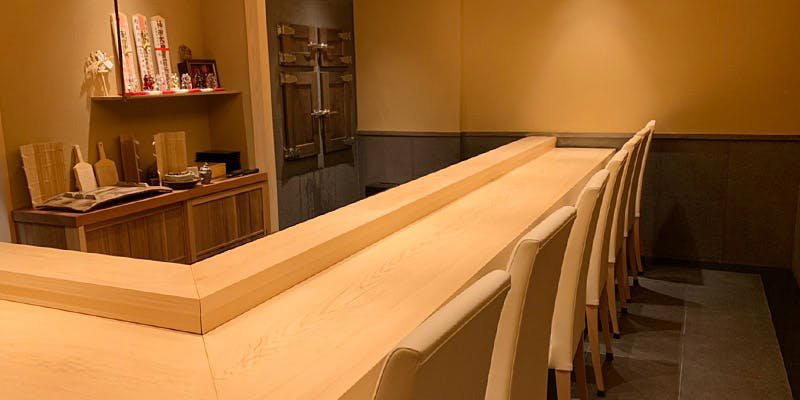
Daikanyama Ogawaken reads like a neighbourhood counter in every sense: low-rise, quiet streets give way to an intimate counter where the choreography of service and technique is the main attraction. The room rewards close observation — guests sit near enough to see knife work, temperature choices and seasoning — so the experience feels focused and quietly intense rather than theatrical. It’s the sort of place serious diners notice: not driven by Michelin theatre but by sustained critical attention. The tone is understated and refined, making the counter itself the venue’s defining character.
Best For
Ogawaken suits diners who prioritize craft and focus. It is a strong pick for date nights, business dinners and special occasions where the ritual of counter service and the intimacy of front-row seats to the cooking matter. The format also appeals to solo diners and small parties who want to engage directly with the chef’s technique and pacing. Because the restaurant occupies a quieter Daikanyama register — away from the spectacle of central sushi districts — it rewards visitors looking for a measured, food-centric evening rather than loud, social nightlife.
Ordering Tips
Book for the counter and treat the sequence as part of the meal: sit where you can watch each incision and finishing touch. Let the pacing be guided by the chef — the counter arrangement is the primary argument here, and the close service benefits tasting-led choices. Signal interest in the kitchen’s highlights: signature items such as Sea Bream Carpaccio, Scallops in Saffron Sauce, Stewed Beef and the homelier Omurice and Beef Curry appear among the kitchen’s offerings and are logical anchors when deciding what to try.
Venue details
Ambiance
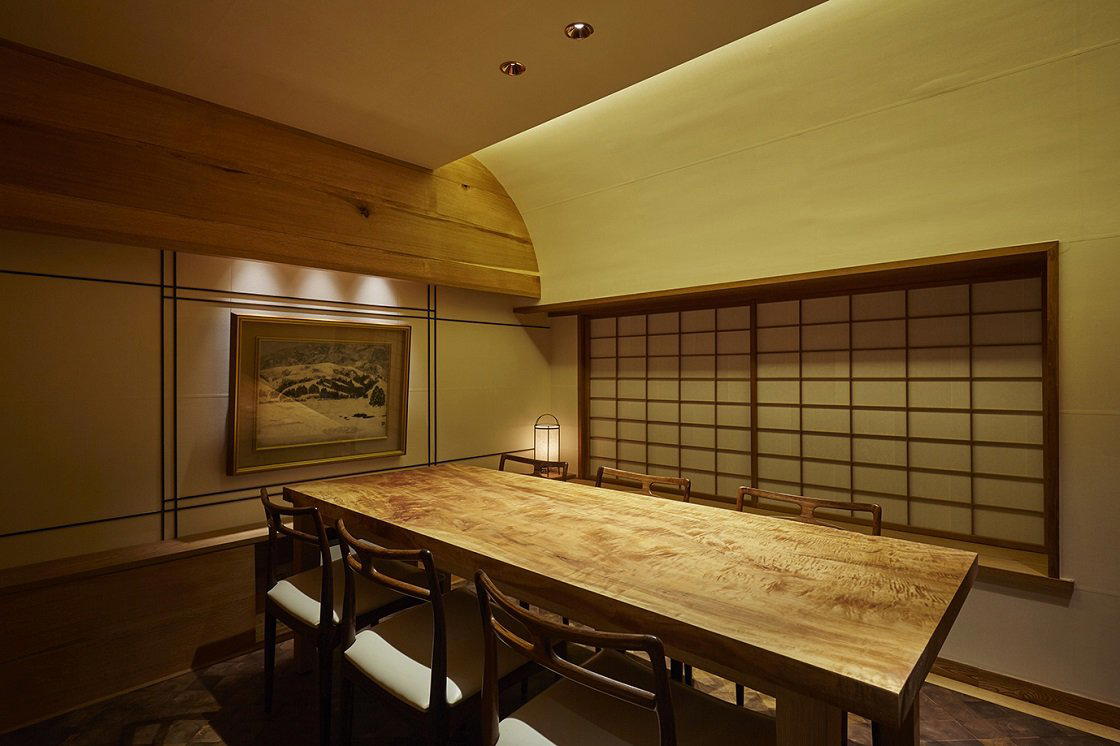
Simple yet classy interior with an open kitchen concept; quiet atmosphere punctuated by the soothing sounds of the working kitchen; stylish street-front space that blends seamlessly with the Daikanyama surroundings.
Tags
Vibe
Best For
Experience
Sourcing
At the Table
- Dress Code
- Formal
- Noise Level
- Quiet
- Service Style
- Formal
- Meal Pacing
- Leisurely
- Capacity
- Small
- Kitchen
- Traditional
- Menu Format
- A la carte, Set menu, Prix fixe
- Wine Program
- Curated
- Drinks Focus
- Wine
- Private Dining
- Available
Signature Dishes
- Sea Bream Carpaccio
- Stewed Beef
- Omurice
- Beef Curry
- Scallops in Saffron Sauce
Know before you go
Know Before You Go
- Getting there
- 10-13 Daikanyamacho, Shibuya, Tokyo 150-0034, Japan
Planning details
Hours
- Monday
- 12–3 pm, 5:30–10 pm
- Tuesday
- 12–3 pm, 5:30–10 pm
- Wednesday
- 12–3 pm, 5:30–10 pm
- Thursday
- 12–3 pm, 5:30–10 pm
- Friday
- 12–3 pm, 5:30–10 pm
- Saturday
- 12–3 pm, 5:30–10 pm
- Sunday
- Closed
Location
10-13 Daikanyamacho, Shibuya, Tokyo 150-0034, Japan · Directions

Also consider
Also Consider
- Harutaka, Sushi, ¥¥¥¥
- RyuGin, Kaiseki, Japanese, ¥¥¥¥
- L'Effervescence, French, ¥¥¥¥
- HOMMAGE, Innovtive French, French, ¥¥¥¥
- Florilège, French, ¥¥¥
Restaurant context
Within Tokyo's sushi category, Harutaka sits clearly above Daikanyama Ogawaken in terms of prestige and booking difficulty, if you can get a seat at Harutaka, that is the harder and arguably more rewarding target. Ogawaken's case is different: two OAD appearances, an easy booking rating make it the more accessible option for visitors who want independent recognition without a reservation ordeal. If the choice is between Ogawaken and a nameless neighbourhood counter with no credentials, Ogawaken wins on evidence alone.
Comparing across cuisines, RyuGin and Florilège serve entirely different formats, kaiseki and French respectively, but both address the same diner profile: someone building a serious Tokyo dining itinerary across multiple meals. Florilège at ¥¥¥ is the most accessible price point among Tokyo's top-tier restaurants and worth considering alongside Ogawaken if you are spreading budget across several bookings. L'Effervescence and HOMMAGE at ¥¥¥¥ are stronger choices if French is the priority for a special-occasion dinner.
The clearest booking logic: go to Daikanyama Ogawaken if you want OAD-credentialed sushi in a calm neighbourhood setting with minimal booking friction. Go to Harutaka if prestige and a more demanding counter experience are the priority and you have lead time to secure a table. Go to Florilège if you are pairing a fine-dining dinner with a budget that needs to stretch across a longer Japan trip.
Explore Tokyo
Around this place
Discover more on Pearl
Unlock the full Daikanyama Ogawaken guide in Pearl, including awards, comparisons, FAQs, planning details, and nearby places.
Compare Daikanyama Ogawaken
| Venue | Location | Cuisine | Awards | Price |
|---|---|---|---|---|
| Daikanyama Ogawaken | Tokyo | Sushi | 2026 OAD Top Restaurants in Japan Recommended2025 OAD Top Restaurants in Japan Ranked · #5722023 OAD Top Restaurants in Japan Recommended | , |
| Harutaka | Tokyo | Sushi | 2026 Tabelog Silver · #312026 OAD Top Restaurants in Japan Ranked · #1282026 Michelin 3 Stars2026 La Liste Top RestaurantsTabelog 100 - Sushi - TOKYO - 2025 · #372025 Asia's 50 Best Restaurants · #762025 OAD Top Restaurants in Japan Ranked · #1172025 La Liste Top Restaurants2025 Tabelog Bronze | ¥¥¥¥ |
| RyuGin | Tokyo | Kaiseki, Japanese | 2026 OAD Top Restaurants in Japan Ranked · #802026 Tabelog Bronze · #3772026 Michelin 3 Stars2026 La Liste Top RestaurantsTabelog 100 - Japanese cuisine - TOKYO - 2025 · #212025 OAD Top Restaurants in Japan Ranked · #542025 Michelin 3 Stars2025 La Liste Top Restaurants2025 The Best Chef Three Knives | ¥¥¥¥ |
| L'Effervescence | Tokyo | French | 2026 Tabelog Silver · #682026 OAD Top Restaurants in Japan Ranked · #103Star Wine Lists 20262026 Black Pearl 2 Diamond2026 Relais Chateaux Restaurants2026 La Liste Top Restaurants2026 Michelin 3 Stars2025 Asia's 50 Best Restaurants · #692025 OAD Top Restaurants in Japan Ranked · #92 | ¥¥¥¥ |
| HOMMAGE | Tokyo | Innovtive French, French | 2026 Tabelog Bronze · #1232026 OAD Top Restaurants in Japan Highly Recommended2026 Michelin 2 StarsTabelog 100 - French - TOKYO - 2025 · #762025 Asia's 50 Best Restaurants · #782025 OAD Top Restaurants in Japan Ranked · #1752025 Michelin 2 Stars2025 The Best Chef One Knife2025 La Liste Top Restaurants | ¥¥¥¥ |
| Florilège | Tokyo | French | 2026 Asia's 50 Best Restaurants · #312026 Tabelog Bronze · #712026 OAD Top Restaurants in Japan Ranked · #1242026 Black Pearl 1 Diamond2026 Michelin 2 Stars2026 La Liste Top Restaurants2025 Asia's 50 Best Restaurants · #172025 World's 50 Best Restaurants · #36Tabelog 100 - French - TOKYO - 2025 · #68 | ¥¥¥ |












How Daikanyama Ogawaken compares with similar nearby venues.
FAQ
Frequently Asked Questions
What are alternatives to Daikanyama Ogawaken in Tokyo?
Harutaka in Ginza is the step up if you want a counter with deeper critical recognition and are prepared for harder booking. For a neighbourhood sushi experience at a similar access level, Daikanyama Ogawaken holds its own as an OAD Top 572 Japan pick in 2025. If you want a completely different format, Florilège and L'Effervescence cover contemporary French at a high level but are not sushi alternatives — useful to know if your group has mixed preferences.
What should a first-timer know about Daikanyama Ogawaken?
Booking is rated easy by Tokyo sushi standards, which matters — most venues at OAD recognition level require weeks of lead time. The restaurant is in Daikanyamacho, Shibuya, a quieter residential pocket of Tokyo rather than a central dining district, so plan transit accordingly. Chef Tarou Kohira runs the counter; this is a focused sushi experience, not a multi-course kaiseki format.
Can Daikanyama Ogawaken accommodate groups?
Sushi counters in Tokyo are typically configured for small parties, and Daikanyama Ogawaken is no exception. Groups of two to four are the practical ceiling for a comfortable counter booking. Larger groups should consider venues with private dining rooms — Daikanyama Ogawaken does not have documented private room capacity in available records.
What should I wear to Daikanyama Ogawaken?
Daikanyama reads as a relaxed, residential neighbourhood rather than a formal dining district, and the venue's OAD listing reflects a grounded rather than ceremonial dining tone. Neat, understated clothing is a reasonable approach for a sushi counter in this context. Nothing in the venue record specifies a dress code, so avoid over-formalising.
Is lunch or dinner better at Daikanyama Ogawaken?
Both services run the same hours structure: 12–3 pm for lunch and 5:30–10 pm for dinner, Tuesday through Saturday (closed Sunday, open Monday). Lunch at a sushi counter of this calibre often offers better value if pricing tiers differ between services, though price data is not available for Ogawaken. If you are visiting Tokyo on a tight schedule, lunch is the lower-competition slot at most neighbourhood sushi counters.