
.png?width=1200&quality=80)

Chukasoba Ginza Hachigou
Ramen · Chūō, Tokyo
Restaurant in Tokyo, Japan
 Book with Pearl
The Read
Price
$10–20per person
Chef
Cheong Keng Lei
Dress
Smart Casual
Why go
Ginza Hachigo is a smart pick for a focused Ginza meal, especially for solo diners or pairs who want the food to drive the decision rather than a long social setting. It carries meaningful third-party recognition, but group diners should compare nearby options before treating it as a celebration venue.
About Chukasoba Ginza Hachigou
For a Tokyo food trip, the useful question is how Ginza Hachigo fits into the day. It is closed Monday and open Tuesday through Sunday from 11 AM to 4 PM. That makes it a daytime Tokyo meal to plan deliberately, especially for travelers trying to balance meals and other city time.
The clearest grounded case for Ginza Hachigo is recognition. It is listed as Tabelog 100 #74 for 2025 with 4pts, and Opinionated About Dining ranks it #19 in Casual in Japan for 2026. Those accolades are worth weighing when deciding whether it deserves a place on a Tokyo itinerary.
Choose it for a daytime Tokyo meal, not a Monday plan
Ginza Hachigo is not a Monday option, because Monday is closed. From Tuesday through Sunday, the published window is 11 AM to 4 PM, so it works well as a daytime meal around the rest of a Tokyo schedule.
Keep the planning practical. The dress code is smart casual, so guests should dress neatly without assuming a more specific format.
How to fit it into a second-visit Tokyo itinerary
The cleanest plan is to treat Ginza Hachigo as a daytime anchor. Pair it with lower-stakes exploring rather than another hard-scheduled meal. For broader planning, use Our full Tokyo restaurants guide, then keep hotels, bars, wineries, and experiences separate through Our full Tokyo hotels guide, Our full Tokyo bars guide, Our full Tokyo wineries guide, and Our full Tokyo experiences guide.
If this meal does not fit the day, keep the Tokyo list practical rather than chasing hype. Other dining options to consider include Furuta, Ginza Ibuki, Ginza Ichibun, Kobiki Cho Yuzukamiya, and Soba Sasuga, depending on what kind of meal fits the itinerary.
Quick reference: prioritize Ginza Hachigo for a smart-casual daytime Tokyo meal from Tuesday through Sunday; choose another option if Monday, dinner, or specific service details are essential to the plan.
Planning details
- Hours
- Monday: Closed · Tuesday: 11 AM–4 PM
- Location
- Japan, 〒104-0061 Tokyo, Chuo City, Ginza, 3 Chome−14−2 第一はなぶさビル 1階
- Reservations
- Book on TableCheck
- Website
- katsumoto-japan.com/ja/ginza_hachigou.html
- Phone
- +81362284141
The take
The Take
The Vibe
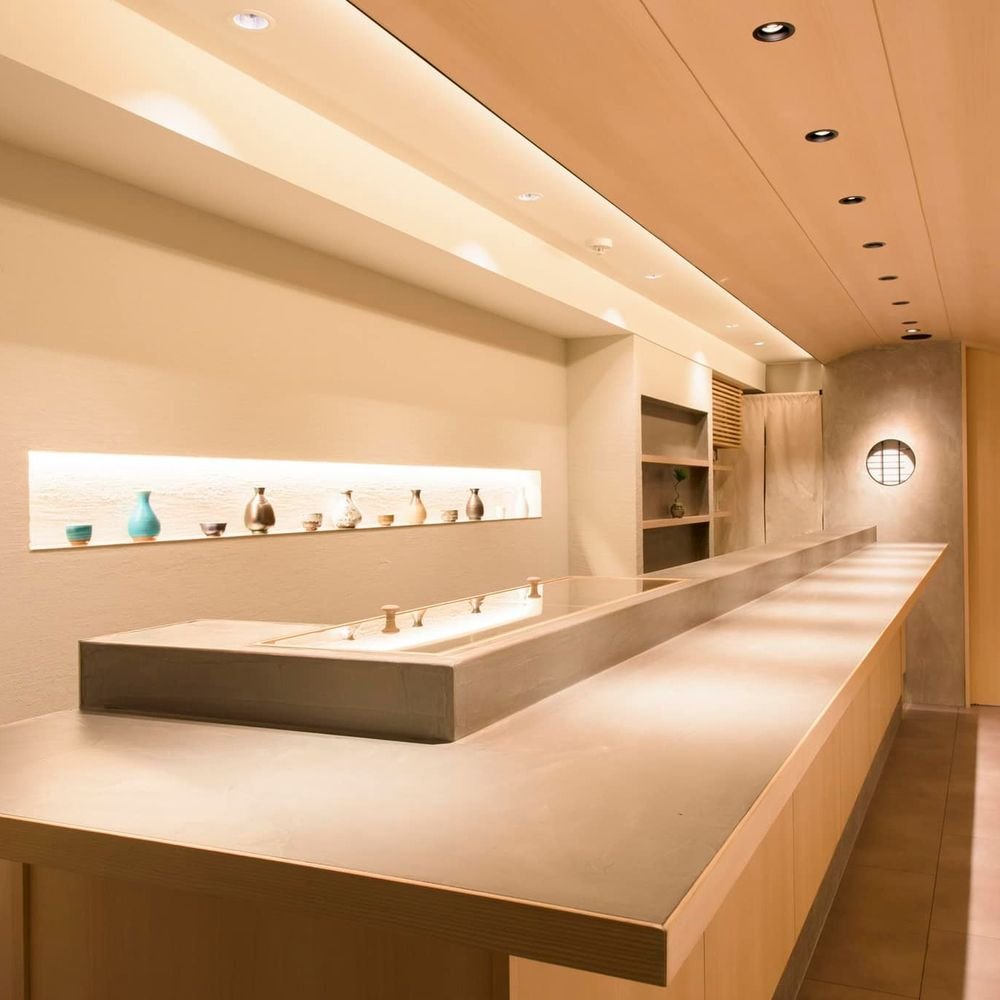
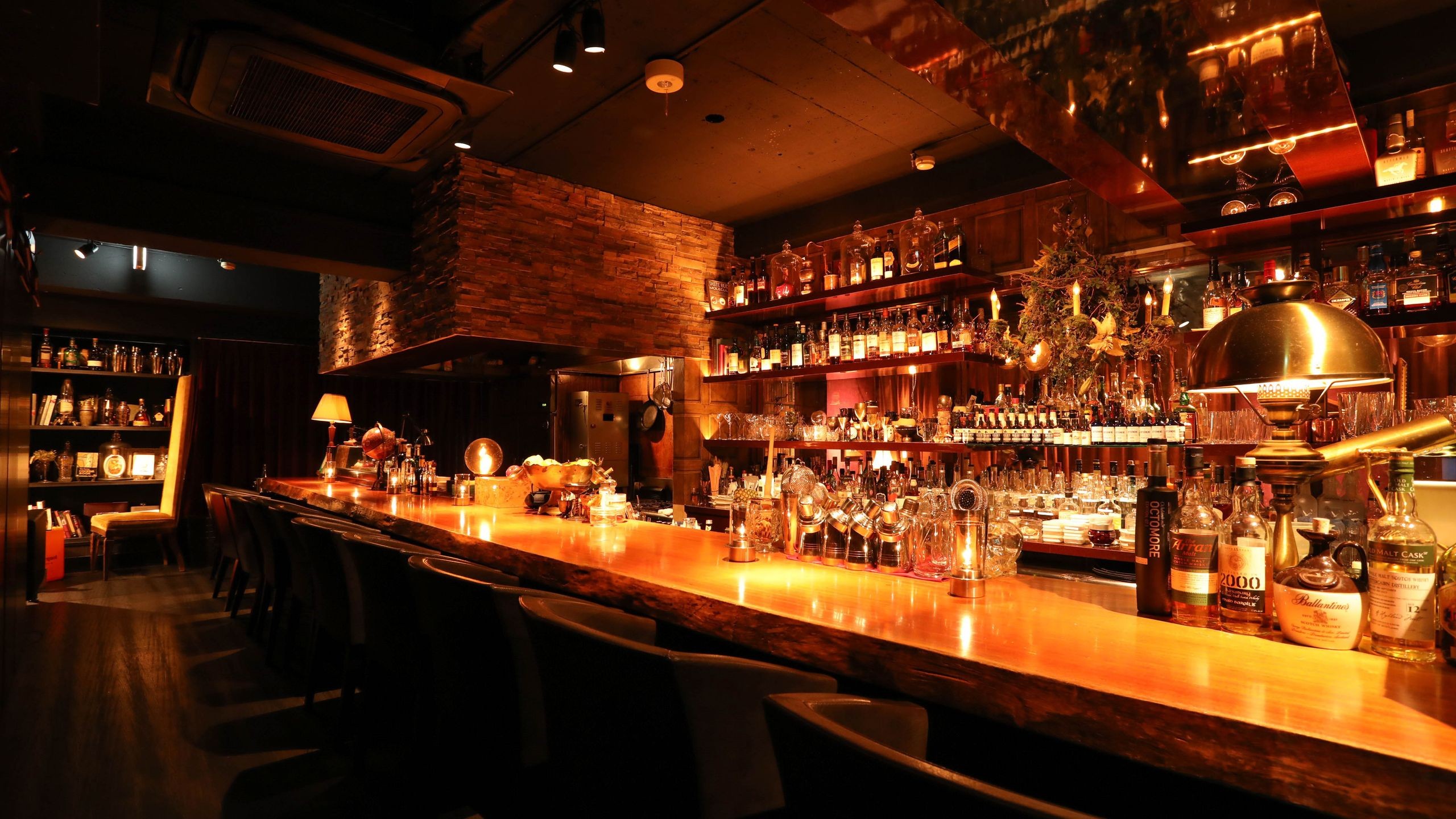
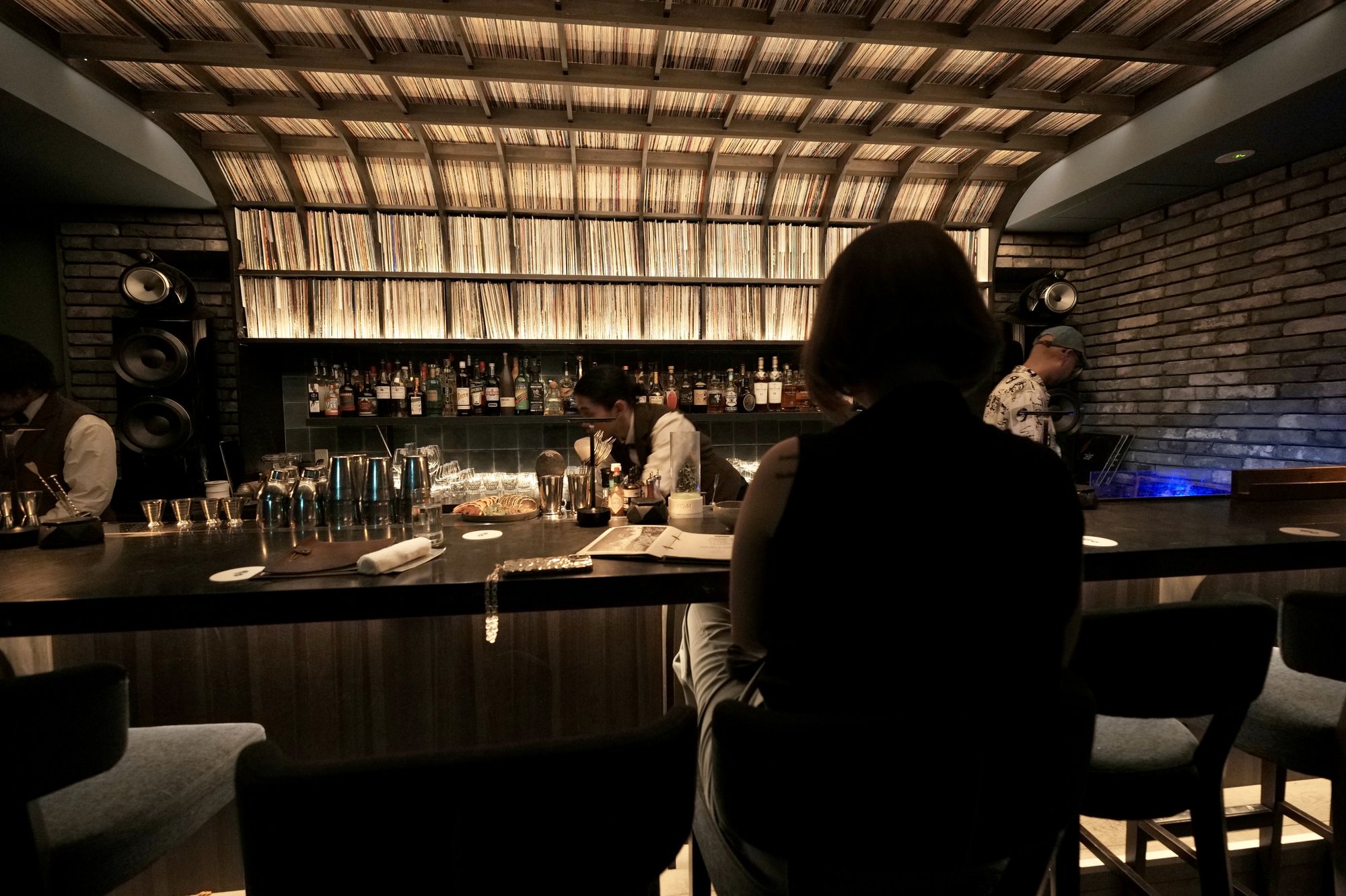
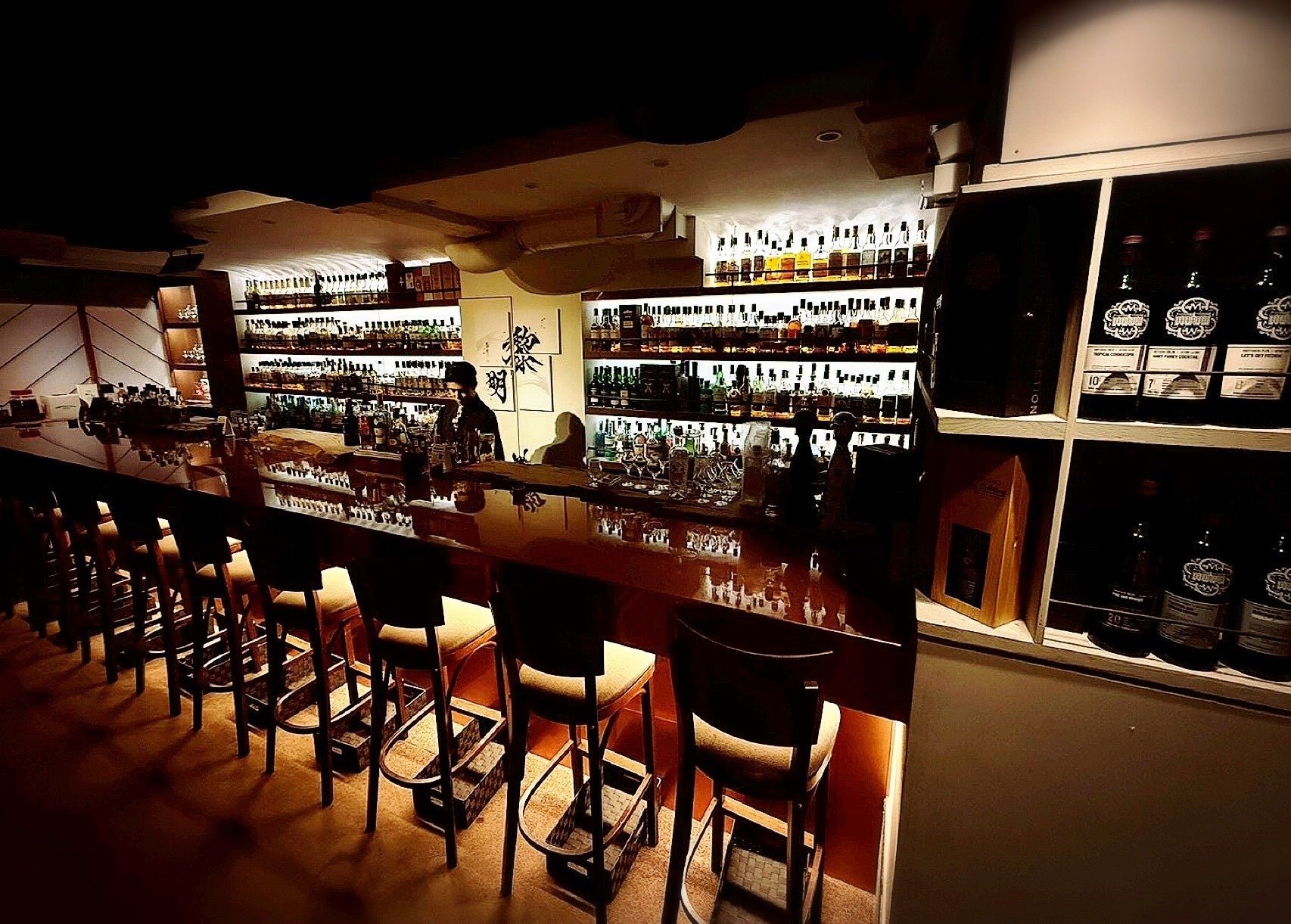
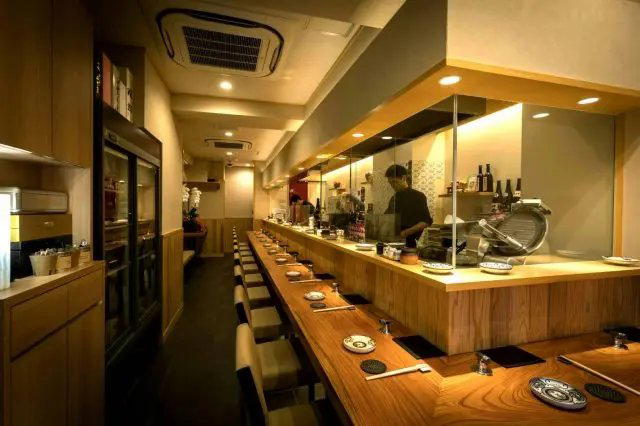
Ginza Hachigo reads like a classic Ginza counter: understated from the street, intensely focused once you sit. Narrow ground-floor frontages and muted signage frame a compact, service-driven room where precision is baseline expectation. The counter format creates an intimate, inward-facing experience; the mood is deliberate and restrained, with an emphasis on technical exactitude. Expect a place that rewards attention to detail and quiet concentration: an old-school Ginza counter that leans on craft and consistency rather than flashy gestures.
Best For
This is a venue built for focused dining: ideal for solo diners who want a concentrated tasting at the counter and for special-occasion meals that value sequence and seasonal detail. The description underlines the notable split between lunch and dinner service: lunch runs condensed and brisk, while evening unfolds with more courses and a slower rhythm. That structure makes the restaurant suitable both for a shorter midday visit and for a more immersive evening occasion where pacing and ingredients receive fuller attention.
Ordering Tips
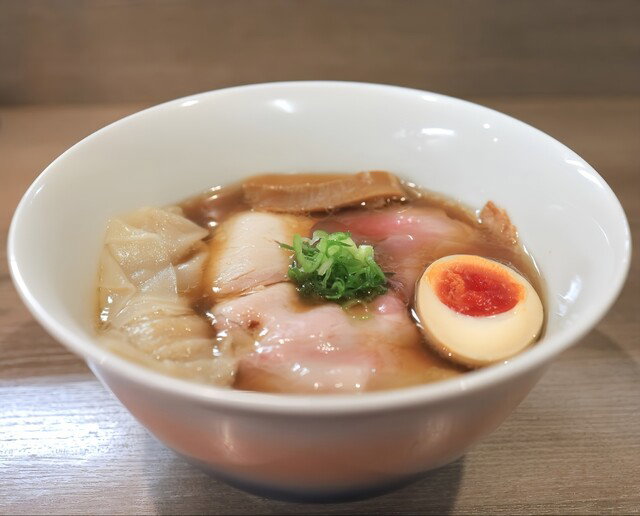
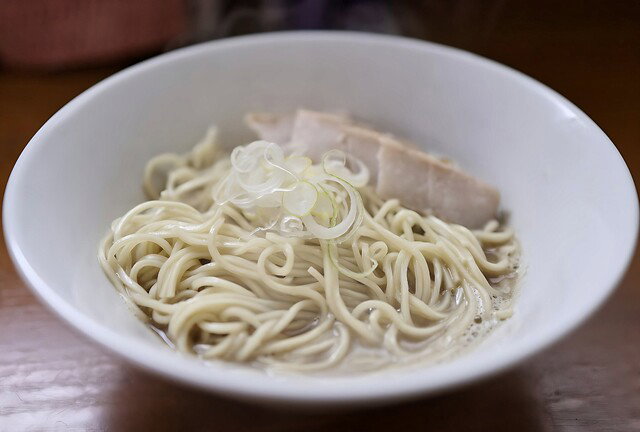
Lunch is a condensed, faster experience with prices that can run 30–50 percent below the evening offering, while dinner delivers extended sequencing and fuller seasonal engagement. If you want breadth and a slower tempo, opt for the evening; if you prefer value and speed, choose a midday visit. Given the counter format, prioritize the house specialties, such as the Chuka Soba variants listed, so you get a clear read on the kitchen's strengths.
Venue details
Ambiance
Refined and elegant counter seating with a Japanese kaiseki atmosphere, quiet and sophisticated.
Tags
Vibe
Best For
Experience
At the Table
- Dress Code
- Smart Casual
- Noise Level
- Quiet
- Service Style
- Counter Service
- Meal Pacing
- Standard
- Capacity
- Intimate
- Kitchen
- Modern
- Menu Format
- Counter dining
Signature Dishes
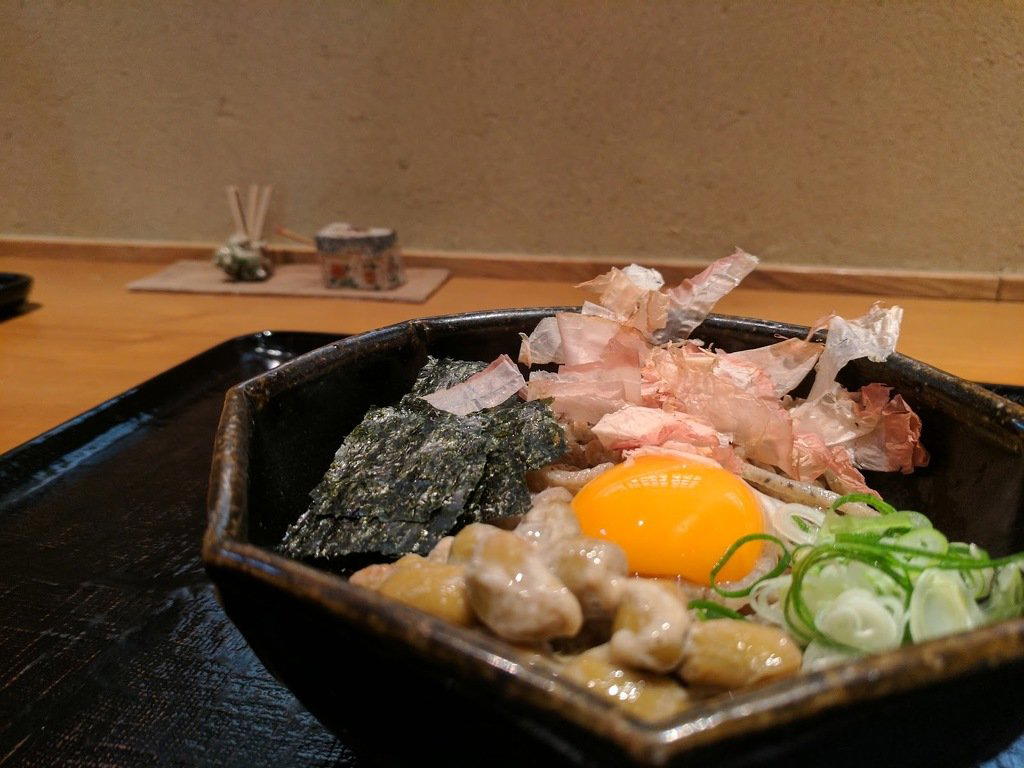
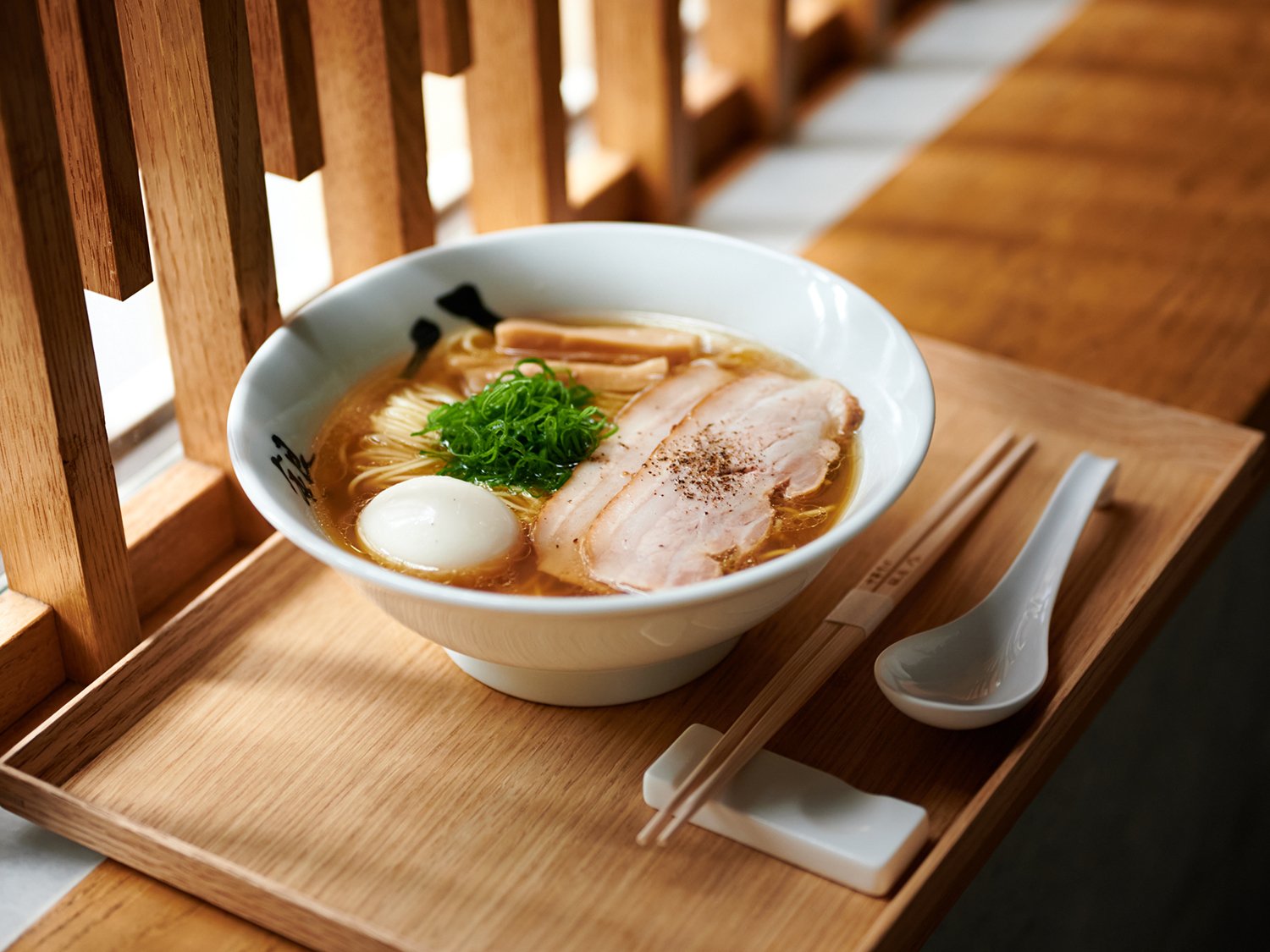
- Chuka Soba
- Ajitama Chuka Soba
- Chashu Chuka Soba
- Ravioli Gourmandise Chuka Soba
Know before you go
Know Before You Go
- Getting there
- Japan, 〒104-0061 Tokyo, Chuo City, Ginza, 3 Chome−14−2 第一はなぶさビル 1階
Planning details
Hours
- Monday
- Closed
- Tuesday
- 11 AM–4 PM
- Wednesday
- 11 AM–4 PM
- Thursday
- 11 AM–4 PM
- Friday
- 11 AM–4 PM
- Saturday
- 11 AM–4 PM
- Sunday
- 11 AM–4 PM
Location
Japan, 〒104-0061 Tokyo, Chuo City, Ginza, 3 Chome−14−2 第一はなぶさビル 1階 · Directions

Also consider
Also Consider
- Soba Sasuga, JPY 10,000 - JPY 14,999 JPY 1,000 - JPY 1,999, JPY 10,000 - JPY 14,999 JPY 1,000 - JPY 1,999
- Ginza Ichibun, JPY 20,000 - JPY 29,999, JPY 20,000 - JPY 29,999
- Ginza Ibuki, JPY 15,000 - JPY 19,999 JPY 10,000 - JPY 14,999, JPY 15,000 - JPY 19,999 JPY 10,000 - JPY 14,999
- Kobiki Cho Yuzukamiya, JPY 1,000 - JPY 1,999 JPY 1,000 - JPY 1,999 View spending breakdown, JPY 1,000 - JPY 1,999 JPY 1,000 - JPY 1,999 View spending breakdown
- Furuta, Chinese, Chinese
Restaurant context
How it compares in Ginza
Choose Ginza Hachigo when the priority is a compact, focused Ginza meal rather than a long-format splurge. Ginza Ichibun sits at JPY 20,000 - JPY 29,999, so it is the clearer choice when the budget supports a more expensive occasion. Ginza Ibuki falls into JPY 15,000 - JPY 19,999 and JPY 10,000 - JPY 14,999 bands, making it a stronger cross-shop when the brief is polished but not as spendy as Ginza Ichibun.
For value-led dining, Kobiki Cho Yuzukamiya is the practical counterweight at JPY 1,000 - JPY 1,999 for both listed spend bands. Soba Sasuga gives another route, with a higher JPY 10,000 - JPY 14,999 band alongside a lower JPY 1,000 - JPY 1,999 band, so it suits diners who want a more flexible spend profile.
Furuta is the category shift: pick it if the group wants Chinese cooking instead of another Ginza counter-style plan. For ease, Ginza Hachigo is a sensible target, but for larger groups or a meal where ambiance matters as much as the food, Ginza Ichibun or Ginza Ibuki will usually make more sense.
Explore Tokyo
Around this place
Discover more on Pearl
Unlock the full Chukasoba Ginza Hachigou guide in Pearl, including awards, comparisons, FAQs, planning details, and nearby places.
Compare Chukasoba Ginza Hachigou
| Venue | Location | Cuisine | Awards | Price |
|---|---|---|---|---|
| Ginza Hachigo | Tokyo | No published awards | ||
| Soba Sasuga | Tokyo | Tabelog 100 - Soba - EAST - 2025 · #37 | JPY 10,000 - JPY 14,999 JPY 1,000 - JPY 1,999 | |
| Ginza Ichibun | Tokyo | Tabelog 100 - Sushi - TOKYO - 2025 · #54 | JPY 20,000 - JPY 29,999 | |
| Ginza Ibuki | Tokyo | 2026 OAD Top Restaurants in Japan RecommendedTabelog 100 - Japanese cuisine - TOKYO - 2025 · #100 | JPY 15,000 - JPY 19,999 JPY 10,000 - JPY 14,999 | |
| Kobiki Cho Yuzukamiya | Tokyo | Tabelog 100 - Soba - EAST - 2025 · #88 | JPY 1,000 - JPY 1,999 JPY 1,000 - JPY 1,999 View spending breakdown | |
| Furuta | Tokyo | Chinese | 2026 Tabelog Silver · #25Tabelog 100 - Chinese cuisine - TOKYO - 2026 · #792026 OAD Top Restaurants in Japan Recommended2025 OAD Top Restaurants in Japan Ranked · #2532025 Tabelog Silver2024 OAD Top Restaurants in Japan Ranked · #1032023 OAD Top Restaurants in Japan Ranked · #95 |
How Ginza Hachigo Tokyo compares with similar nearby venues.
FAQ
Frequently Asked Questions
How far ahead should I plan for Ginza Hachigo?
Plan ahead if Ginza Hachigo is important to your Tokyo itinerary. The hours are Tuesday to Sunday from 11 AM to 4 PM, with Monday closed, and its recognition includes Tabelog 100 #74 (2025) with 4pts and OAD Casual in Japan #19 (2026).
What are alternatives to Ginza Hachigo in Tokyo?
Other Tokyo dining options to consider include Soba Sasuga, Ginza Ichibun, Ginza Ibuki, Furuta, and Kobiki Cho Yuzukamiya.
Is lunch or dinner better at Ginza Hachigo?
The hours run Tuesday to Sunday from 11 AM to 4 PM, and Ginza Hachigo is closed Monday. Based on those hours, it is a daytime Tokyo plan rather than a dinner reservation.
Is Ginza Hachigo good for a special occasion?
It can fit a special daytime meal if the schedule and smart-casual dress code suit the occasion.