.png?width=1200&quality=80)


ARMANI / RISTORANTE
Italian · Chūō, Tokyo
Restaurant in Tokyo, Japan
 Book with Pearl
The Read
Pan-Italian Seasonal Precision
Price
¥¥¥
Dress
Smart Casual
Why go
ARMANI / RISTORANTE is a Michelin Plate-recognised Italian room on floors 10–11 of the Armani / Ginza Tower, combining pan-regional Italian cooking with Japanese seasonal ingredients. At ¥¥¥, it sits below Tokyo's most demanding fine dining tier and books easily — making it a practical choice for a polished occasion dinner in central Ginza without the scarcity of a starred room.
About ARMANI / RISTORANTE
Who Should Book ARMANI / RISTORANTE — and When
If you are planning a meal that doubles as a statement — a business dinner in Ginza, an anniversary that needs to feel considered rather than flashy, or a first serious Italian meal in Tokyo, ARMANI / RISTORANTE on floors 10 and 11 of the Armani / Ginza Tower is a strong candidate. It is not the right choice for every Italian craving: at the ¥¥¥ price point it sits below the ¥¥¥¥ tier of Tokyo's most celebrated fine dining rooms, which means the entry cost is more manageable, but the experience trades some of the intensity of a chef-driven tasting counter for a broader, more composed luxury setting. The occasion match here is the polished, occasion-driven dinner rather than the obsessive deep-dive into a single cuisine tradition. For food and wine enthusiasts who want Italian cooking that takes Japanese ingredients and seasons seriously, the timing argument is clear: come when the seasonal ingredient story is at its peak, late autumn for the transition into winter produce, or early spring when Japanese ingredients shift noticeably.
The Kitchen: Italian Regions, Japanese Ingredients
Seafood preparations follow the southern Italian approach, olive oil as the primary fat, restraint with dairy, an emphasis on clean flavour. Northern Italy shows up through cutlets and stuffed pasta, giving the menu a range that is practical for a table with mixed preferences. The defining editorial choice, however, is the integration of Japanese ingredients throughout: the kitchen uses seasonal Japanese produce to express the time of year in a way that a straight Italian import approach would not. This is not fusion in the blurring sense, it is a sourcing decision that gives the menu a local anchor without abandoning Italian technique. For wine and food explorers, that intersection is the most interesting thing on the plate: Italian structure meeting Japanese seasonality.
The 2025 Michelin Plate recognition and a La Liste score of 78.5 points confirm the kitchen is operating at a consistently creditable level. A Michelin Plate signals food worth a detour without the full star designation, honest, well-executed cooking that does not generate the booking scarcity of a starred room. That is actually useful information: it means you can plan this dinner with reasonable lead time rather than competing for tables months in advance. Come with accurate expectations and you will not be disappointed.
The Room and the Wine Lens
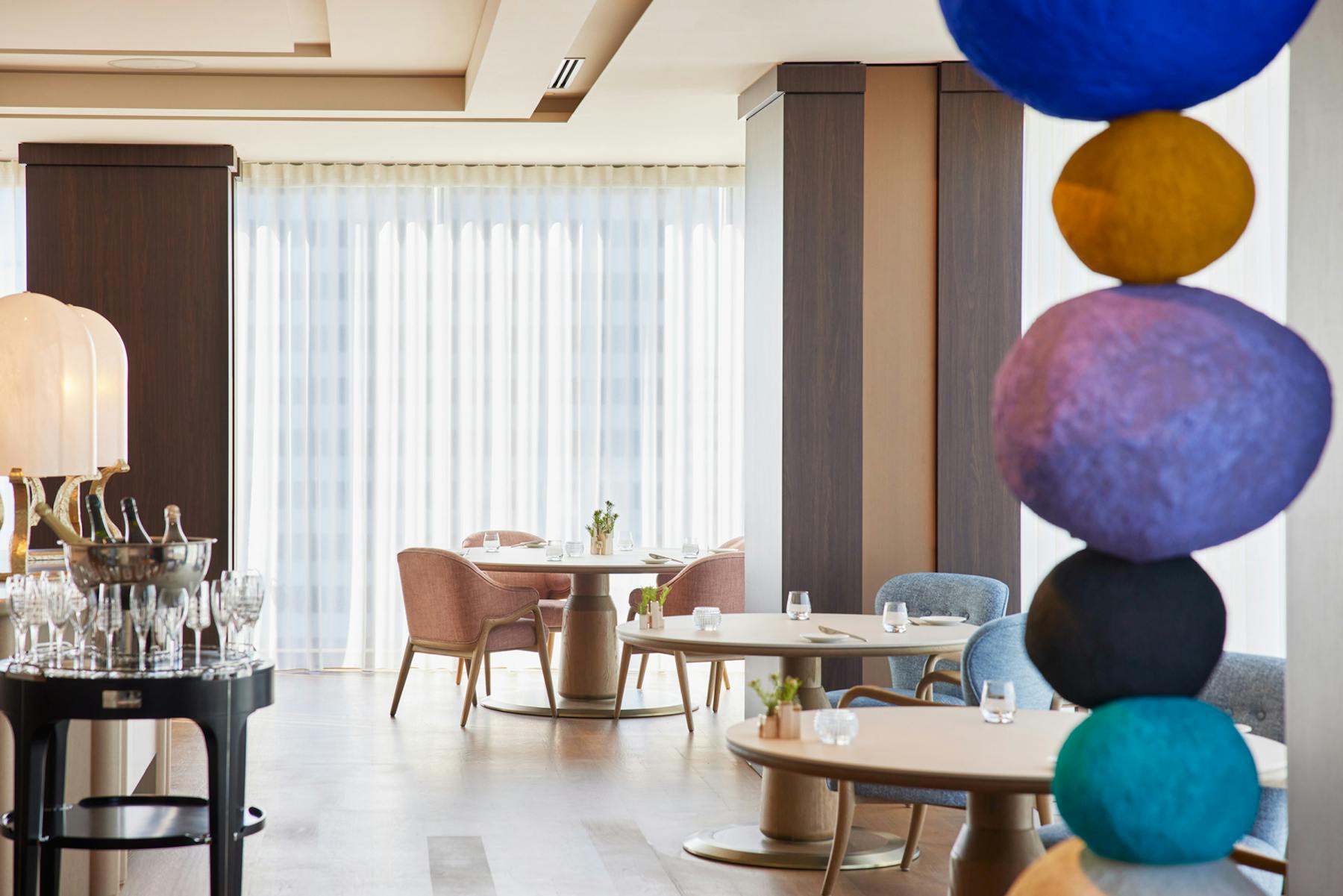
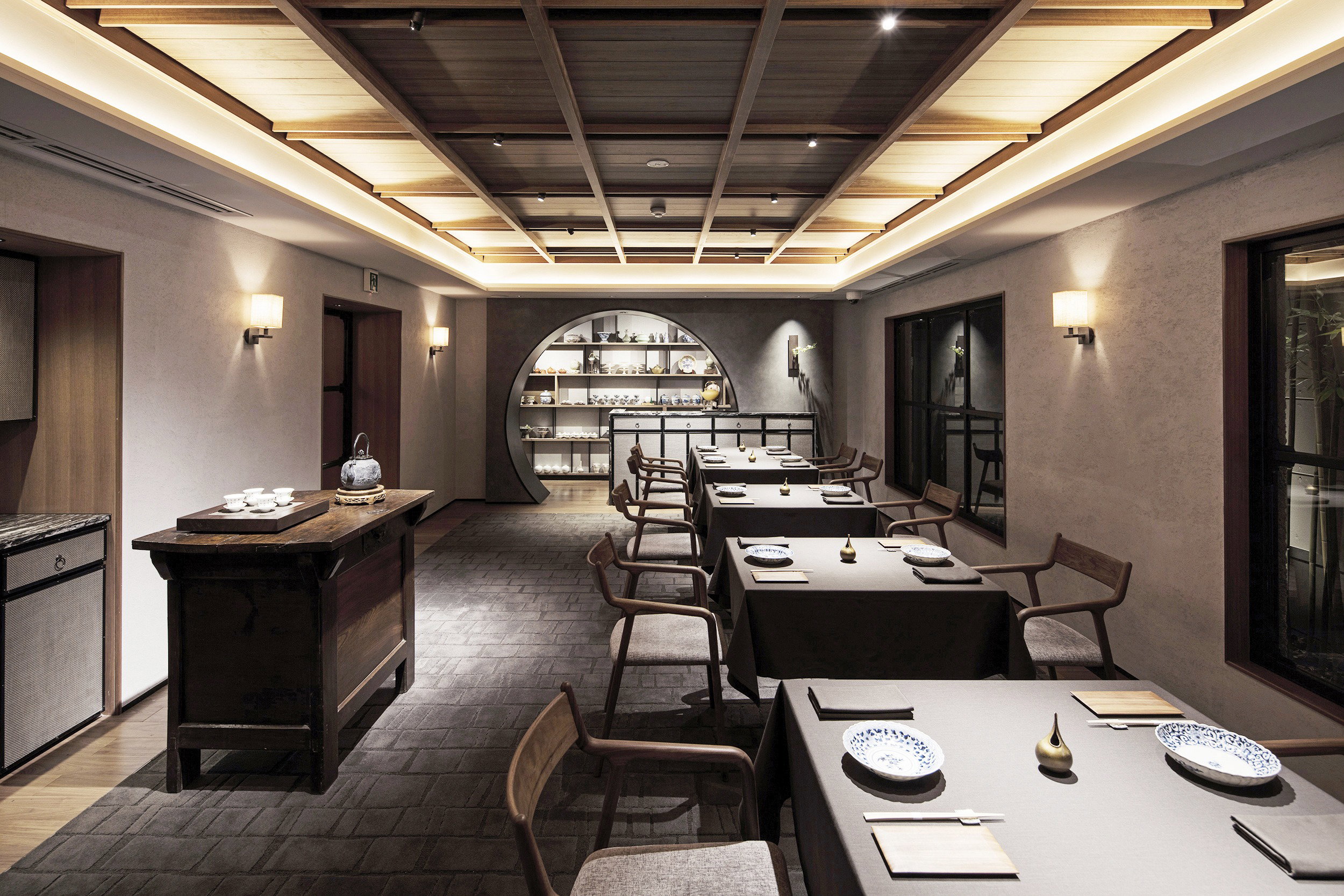
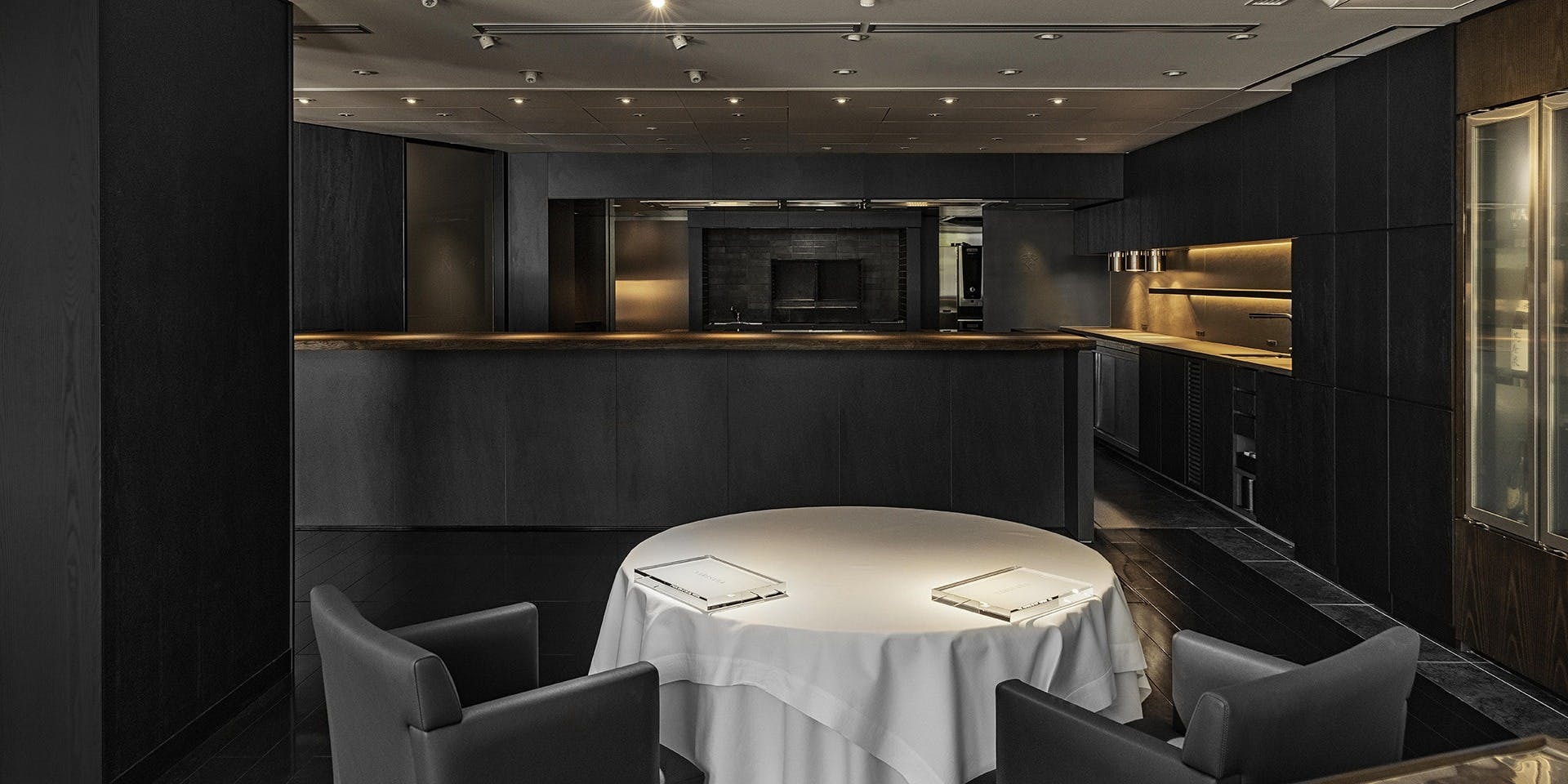
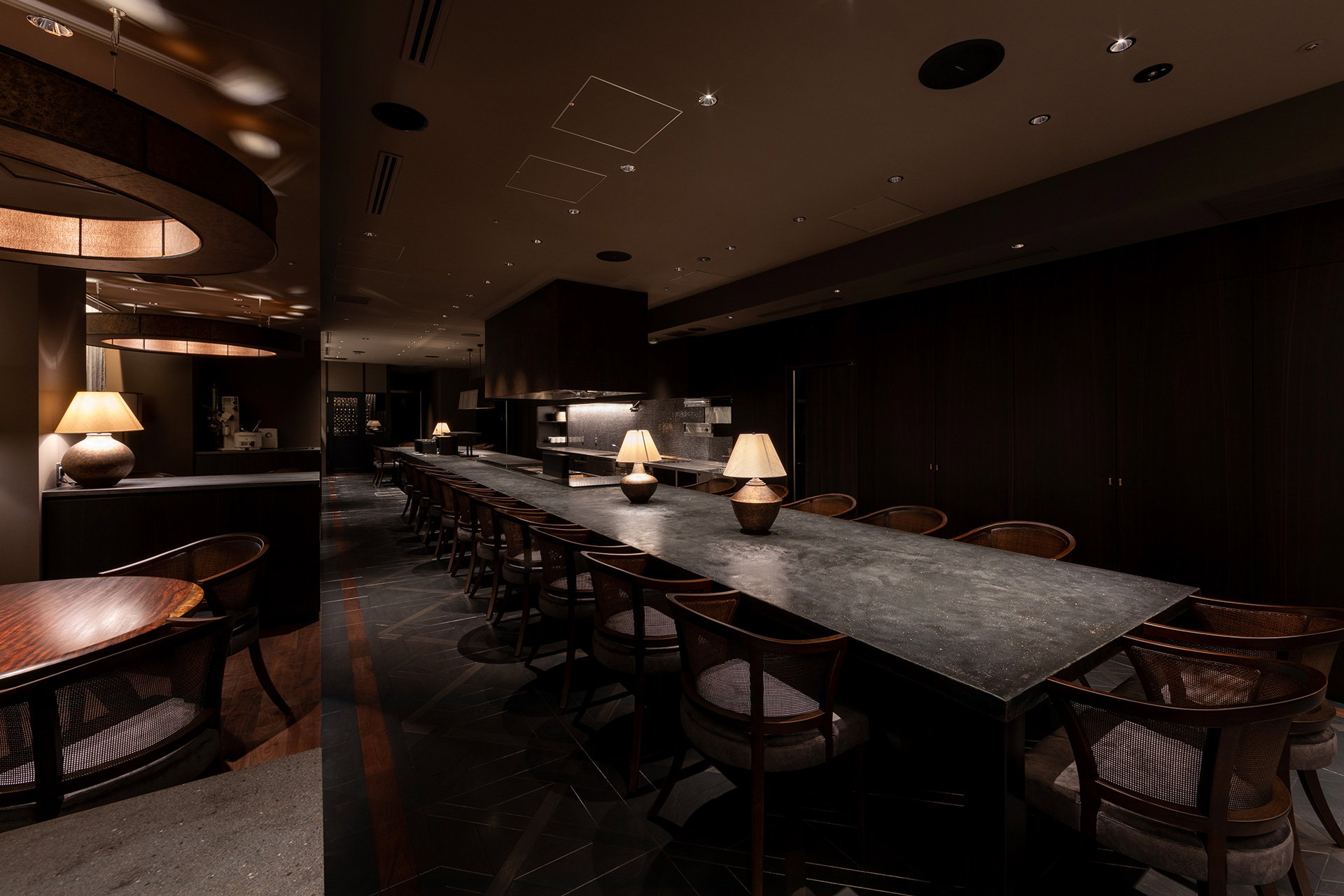
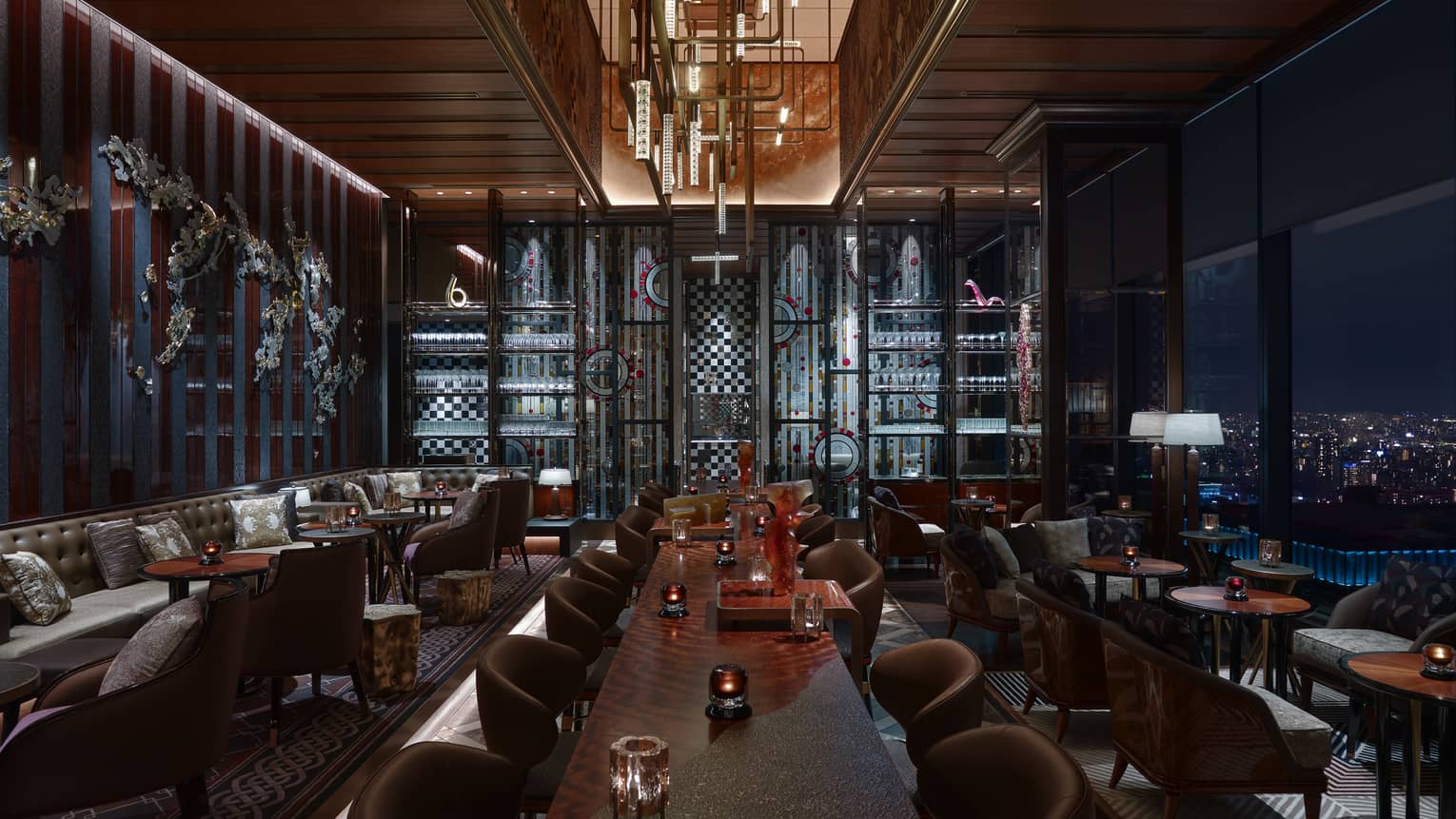
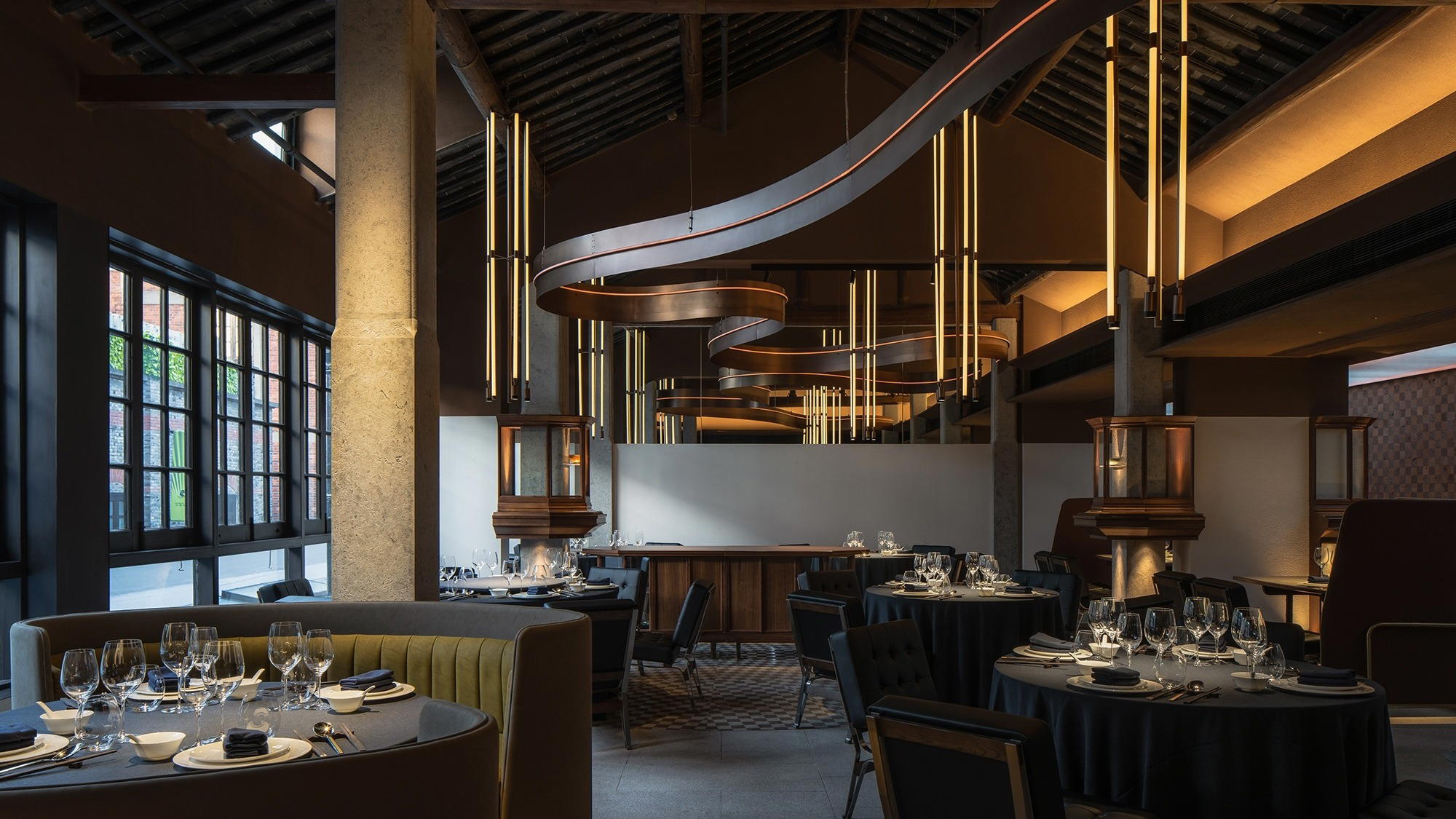
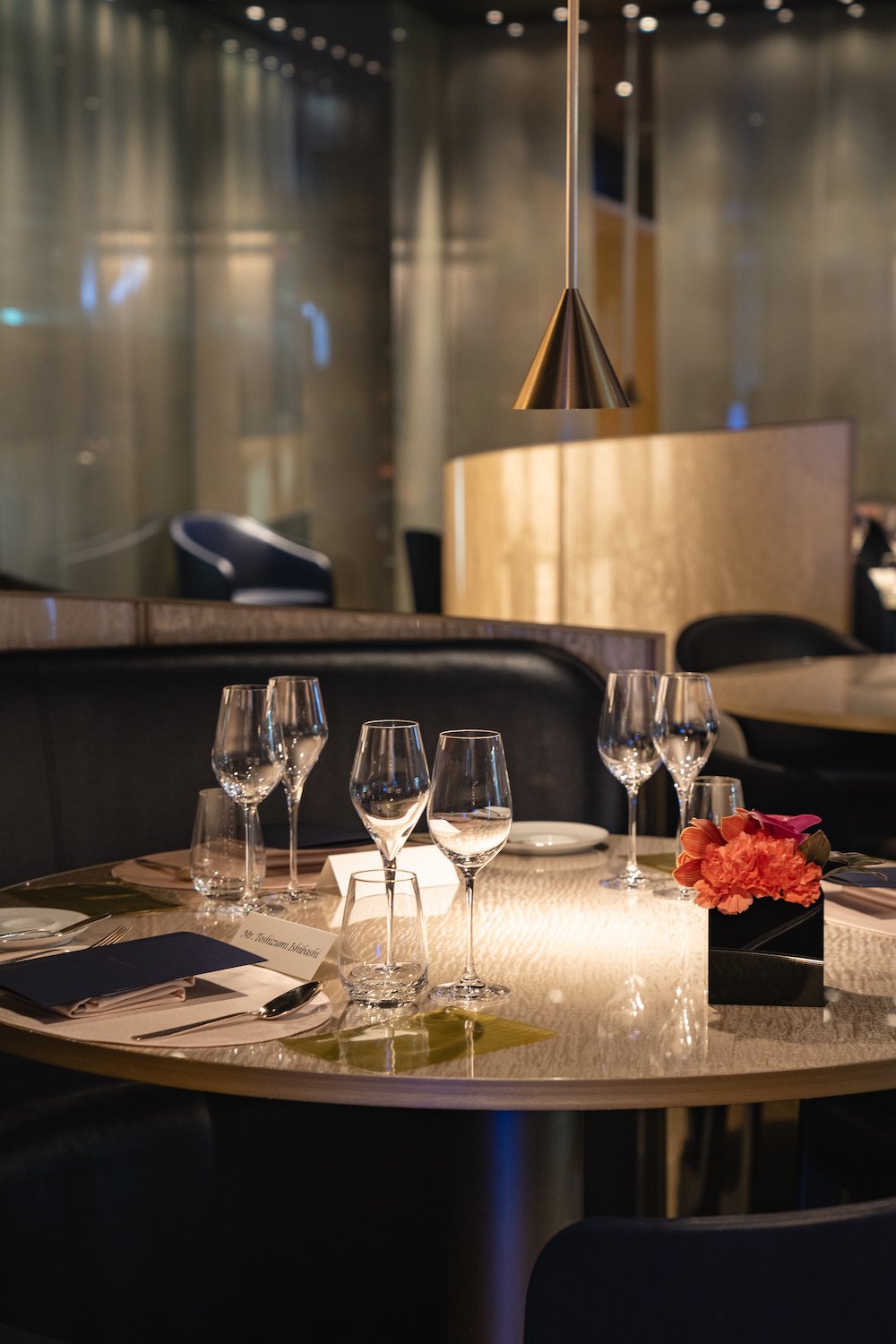
The dining room is designed around the Armani aesthetic in a literal sense: pale gold surfaces, décor and cutlery that carry the visual language of the fashion house. It is showy in a controlled way, not maximalist, but not understated either. The room works for people who want the setting to do some of the communicating. For a wine-focused evening, the environment is worth thinking about: the room's formality and the kitchen's Italian-regional range set up a wine list that, in a restaurant of this profile and price positioning, should span Italy's key appellations with enough depth to match both the southern seafood preparations and the northern pasta and meat dishes. The editorial angle here, wine program depth, matters because Italian cuisine at this level is one of the formats where the wine list can either consolidate or undercut the food's ambition. A well-structured Italian list pairing Campanian whites with the seafood courses and Piedmontese reds with the northern preparations would make this a genuinely strong evening for wine drinkers. Specific list details are not available in the data, so confirming the list's scope directly with the restaurant before booking is advisable if wine is a primary motivation.
For Italian in Tokyo with a more direct wine-and-food focus, Aroma Fresca and PRISMA are worth considering alongside this. Principio and AlCeppo offer different entry points into Tokyo's Italian scene. If the Armani brand context is part of the appeal, the comparison worth drawing is to Gucci Osteria da Massimo Bottura Tokyo, which operates a similar fashion-house-meets-fine-dining format with a different culinary identity. For Italian excellence in other Japanese cities, cenci in Kyoto is a strong regional alternative, and 8½ Otto e Mezzo Bombana in Hong Kong sets the regional benchmark for Italian fine dining in Asia.
Practical Details
Reservations: Booking difficulty is rated Easy, a few days to a week of lead time is typically sufficient, though for peak Ginza weekends or holiday periods, booking further out is sensible. Location: Armani / Ginza Tower, 5-5-4 Ginza, Chuo City, Tokyo, floors 10–11, central Ginza, direct to reach by train. Price tier: ¥¥¥, placing it below the ¥¥¥¥ tier of Tokyo's most demanding fine dining rooms and representing reasonable value for a Michelin-recognised room in this postcode. Dress: The Armani setting implies smart dress; treat it as you would any formal luxury dining room in central Tokyo. Group suitability: The room and format suit two to four guests for a business or occasion dinner; the multi-regional menu structure accommodates mixed preferences well.
Beyond Ginza: More Tokyo and Japan Context
ARMANI / RISTORANTE sits within a broader Tokyo dining picture that covers every register of ambition. For the full picture of where to eat and stay in the city, see our full Tokyo restaurants guide, our full Tokyo hotels guide, our full Tokyo bars guide, our full Tokyo wineries guide, and our full Tokyo experiences guide. If your trip extends beyond the capital, HAJIME in Osaka, Gion Sasaki in Kyoto, akordu in Nara, Goh in Fukuoka, 1000 in Yokohama, and 6 in Okinawa each represent distinct directions worth planning around.
Planning details
- Location
- Japan, 〒104-0061 Tokyo, Chuo City, Ginza, 5 Chome−5−4 Armani / Ginza Tower, 10-11F
- Website
- armani.com/ja-jp/armani-restaurant/experience/armani-ristorante-tokyo-ginza
- Phone
- +81 3-6274-7005
The take
The Take
The Vibe
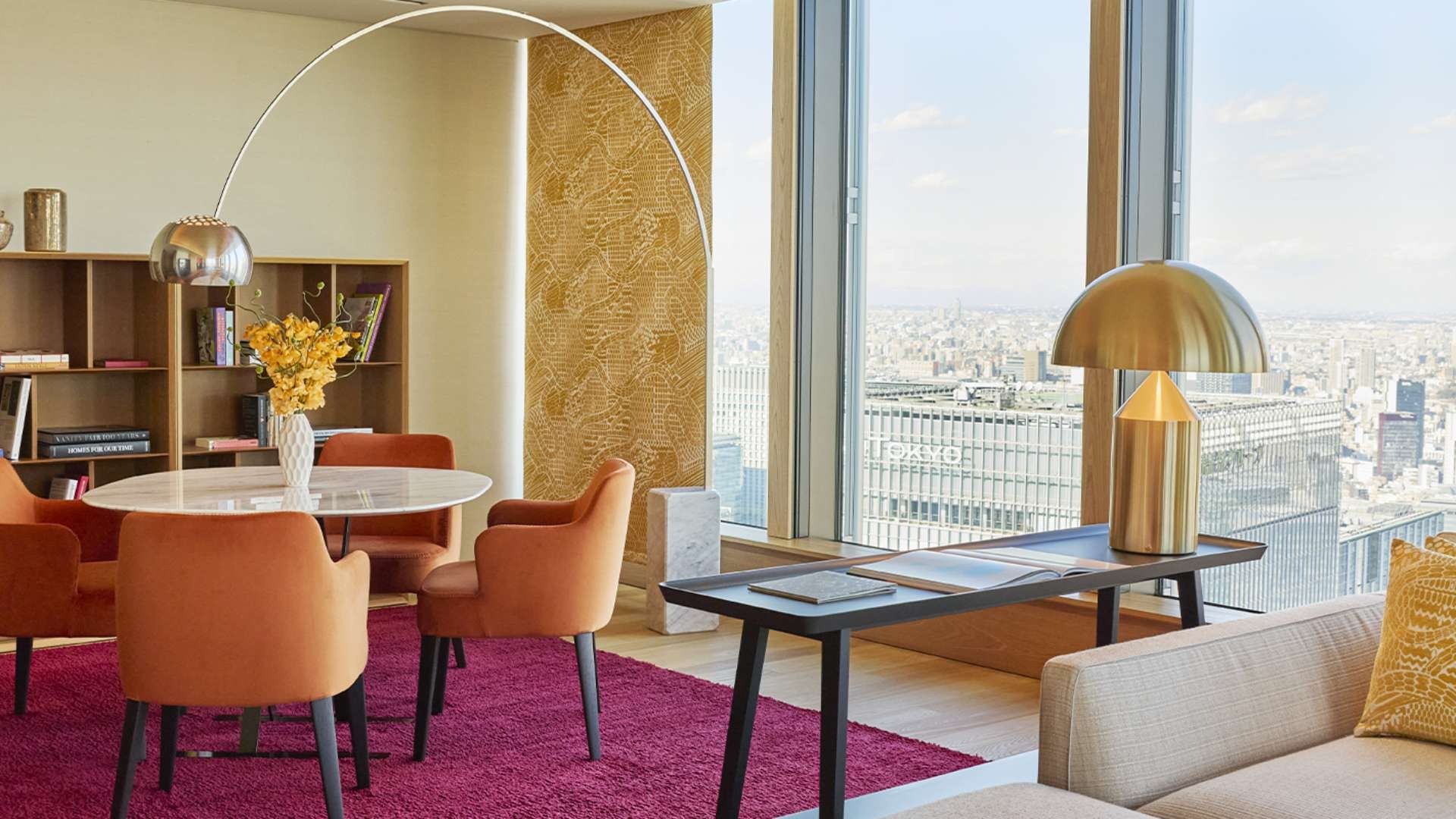
Armani/Ristorante presents a studied, minimalist take on luxury dining. The room favors pale gold tones, calibrated light and restrained materials, so the design precedes the menu and sets a quiet, controlled tone. Everything from the cutlery to the tableware is chosen with the same rigorous design logic that defines the brand below, and the dining room reads as a single, cohesive statement rather than a stage for theatrics. The result is a polished, composed atmosphere that feels deliberate and refined — an interior-first experience where subtlety and discipline create the restaurant’s primary charm.
Best For
This is a destination for elevated evenings: think business dinners, date nights and milestone celebrations in Ginza’s premium Italian tier. The restaurant’s emphasis is less on culinary novelty than on delivering a fully integrated environment — a dining room where architecture, service and menu align. That makes it especially fitting when the context of the meal matters as much as the food: meetings, formal social nights and special-occasion dinners all sit comfortably here. Given the quiet, composed atmosphere, reservations for important evenings are recommended to secure the preferred seating and time.
Ordering Tips
The kitchen treats the Italian peninsula as a source library, moving between regions rather than committing to a single provincial identity, so plan to sample dishes that showcase that range. The menu highlights include the beef carpaccio and the ravioli with black truffles — both signature items worth ordering. The description also flags seafood preparations from southern Italy, so include a seafood course to experience the menu’s geographic span. Opt for a selection that moves between land and sea to appreciate how the room’s disciplined design and the cooking work together.
Venue details
Ambiance
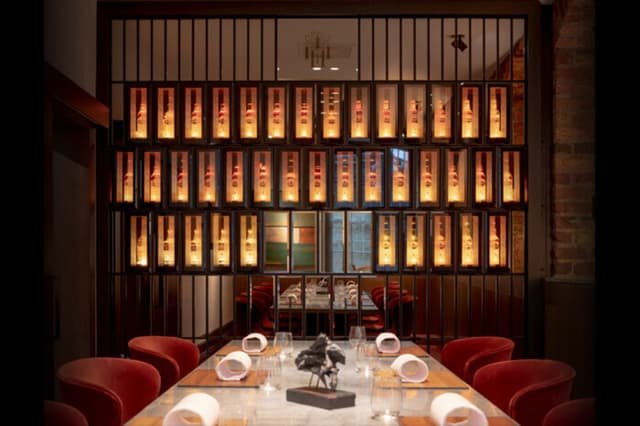
Pale gold lighting creates a bright, showy dining room with elegant, spacious tables and subtle ambient illumination reflecting the designer's sophisticated style.
Tags
Vibe
Best For
Experience
Sourcing
At the Table
- Dress Code
- Smart Casual
- Noise Level
- Quiet
- Service Style
- Formal
- Meal Pacing
- Leisurely
- Capacity
- Medium
Signature Dishes
- beef_carpaccio
- ravioli_with_black_truffles
Know before you go
Know Before You Go
- Getting there
- Japan, 〒104-0061 Tokyo, Chuo City, Ginza, 5 Chome−5−4 Armani / Ginza Tower, 10-11F
Planning details
Location
Japan, 〒104-0061 Tokyo, Chuo City, Ginza, 5 Chome−5−4 Armani / Ginza Tower, 10-11F · Directions
armani.com/ja-jp/armani-restaurant/experience/armani-ristorante-tokyo-ginza
Recognition and awards

Also consider
Also Consider
- Harutaka, Sushi, ¥¥¥¥
- L'Effervescence, French, ¥¥¥¥
- RyuGin, Kaiseki, Japanese, ¥¥¥¥
- HOMMAGE, Innovtive French, French, ¥¥¥¥
- Crony, Innovative, French, ¥¥¥¥
Restaurant context
Measured against Tokyo's top-tier fine dining options, ARMANI / RISTORANTE occupies a distinct position: it is the most accessible booking on this list, priced at ¥¥¥ against the ¥¥¥¥ tier of Harutaka, L'Effervescence, RyuGin, HOMMAGE, and Crony. If your priority is getting a reservation in a serious dining room in Tokyo without months of advance planning, ARMANI / RISTORANTE is the easiest path. That accessibility is real, but it comes with a different kind of experience: the Armani room is luxury-setting driven in a way that Harutaka's counter or RyuGin's kaiseki progression is not.
For pure culinary depth, RyuGin and L'Effervescence are stronger choices: both carry Michelin stars and deliver a more chef-driven, singular point of view than ARMANI / RISTORANTE's pan-regional Italian format. If you are choosing between this and a starred French or kaiseki room at ¥¥¥¥, book the starred room, the gap in culinary ambition is real. Where ARMANI / RISTORANTE competes more directly is on occasion-dining utility: the setting is more immediately legible as a luxury event to a non-food-obsessed guest than a ten-seat sushi counter or a tightly focused French kitchen.
The most useful peer comparison for the food-and-wine enthusiast is probably HOMMAGE or Crony, both of which operate at the innovative French end of the ¥¥¥¥ spectrum and demand more planning to book. If the Italian cuisine angle is the draw, ARMANI / RISTORANTE at ¥¥¥ delivers a creditable evening; if you want to spend the ¥¥¥¥ and commit the planning time, the starred rooms above will give you a more concentrated dining experience. Book ARMANI / RISTORANTE when the setting, the Italian cuisine preference, and the ease of reservation align, not as a substitute for Tokyo's most ambitious kitchens.
Explore Tokyo
Around this place
Discover more on Pearl
Unlock the full ARMANI / RISTORANTE guide in Pearl, including awards, comparisons, FAQs, planning details, and nearby places.
Compare ARMANI / RISTORANTE
| Venue | Price | Booking Difficulty | Awards |
|---|---|---|---|
| ARMANI / RISTORANTE | ¥¥¥ | Easy | 2026 Michelin PlateTabelog 100 - Italian - TOKYO - 2025 · #742025 Michelin Plate2025 La Liste Top Restaurants2024 Michelin Plate |
| Harutaka | ¥¥¥¥ | Unknown | 2026 Tabelog Silver · #312026 OAD Top Restaurants in Japan Ranked · #1282026 Michelin 3 Stars2026 La Liste Top RestaurantsTabelog 100 - Sushi - TOKYO - 2025 · #372025 Asia's 50 Best Restaurants · #762025 OAD Top Restaurants in Japan Ranked · #1172025 La Liste Top Restaurants2025 Tabelog Bronze |
| L'Effervescence | ¥¥¥¥ | Unknown | 2026 Tabelog Silver · #682026 OAD Top Restaurants in Japan Ranked · #103Star Wine Lists 20262026 Black Pearl 2 Diamond2026 Relais Chateaux Restaurants2026 La Liste Top Restaurants2026 Michelin 3 Stars2025 Asia's 50 Best Restaurants · #692025 OAD Top Restaurants in Japan Ranked · #92 |
| RyuGin | ¥¥¥¥ | Unknown | 2026 OAD Top Restaurants in Japan Ranked · #802026 Tabelog Bronze · #3772026 Michelin 3 Stars2026 La Liste Top RestaurantsTabelog 100 - Japanese cuisine - TOKYO - 2025 · #212025 OAD Top Restaurants in Japan Ranked · #542025 Michelin 3 Stars2025 La Liste Top Restaurants2025 The Best Chef Three Knives |
| HOMMAGE | ¥¥¥¥ | Unknown | 2026 Tabelog Bronze · #1232026 OAD Top Restaurants in Japan Highly Recommended2026 Michelin 2 StarsTabelog 100 - French - TOKYO - 2025 · #762025 Asia's 50 Best Restaurants · #782025 OAD Top Restaurants in Japan Ranked · #1752025 Michelin 2 Stars2025 The Best Chef One Knife2025 La Liste Top Restaurants |
| Crony | ¥¥¥¥ | Unknown | 2026 Asia's 50 Best Restaurants · #34Star Wine Lists 20262026 OAD Top Restaurants in Japan Recommended2026 Michelin 2 Stars2025 Asia's 50 Best Restaurants · #30Tabelog 100 - French - TOKYO - 2025 · #782025 OAD Top Restaurants in Japan Ranked · #227We're Smart World Top Restaurants 20252025 Michelin 2 Stars |












Side-by-side comparison to help you decide where to book.
FAQ
Frequently Asked Questions
Is ARMANI / RISTORANTE worth the price?
At ¥¥¥ pricing with a Michelin Plate (2025) and a La Liste score of 78.5 points, ARMANI / RISTORANTE justifies the spend for a specific kind of occasion: a business dinner, a considered anniversary, or any meal where the room needs to carry as much weight as the food. If you are after pure culinary ambition per yen, RyuGin or L'Effervescence push harder on the plate. What ARMANI / RISTORANTE offers that neither does is the Armani aesthetic made physical — pale gold room, house cutlery, a dining environment that reads as an event in itself.
How far ahead should I book ARMANI / RISTORANTE?
Booking difficulty is rated Easy, so a few days to a week of lead time is typically sufficient for most nights. For peak Ginza weekends, public holidays, or Golden Week, add more runway — a week to ten days. The 10th and 11th floors of Armani / Ginza Tower are a destination address, so Saturday evenings fill faster than the data average.
Is the tasting menu worth it at ARMANI / RISTORANTE?
The menu structure is designed around Italian regional range — southern seafood and northern pasta sitting alongside each other — so a tasting format, if available, is the most coherent way to cover that breadth. The La Liste recognition at 78.5 points and the Michelin Plate signal a kitchen operating at a consistent standard. Whether a tasting menu is currently offered or priced should be confirmed directly with the restaurant, as specific format details are not in the current record.
Does ARMANI / RISTORANTE handle dietary restrictions?
No specific dietary restriction policy is documented in the available data. Given the ¥¥¥ price point and the level of service a Ginza fine dining address at this tier typically runs, the kitchen is likely equipped to handle common requirements — but confirm directly when booking rather than assuming. Mention restrictions at reservation stage, not on arrival, especially if you need substantial menu adjustments.