

.png?width=1200&quality=80)
ALTER EGO
Italian · Chiyoda, Tokyo
Restaurant in Tokyo, Japan
 Book with Pearl
The Read
Milan-Tokyo Ingredient Dialogue
Price
$150–200per person
Chef
Hidehito Hirayama
Dress
Smart Casual
Why go
ALTER EGO brings Italian technique to Japanese seasonal ingredients in Tokyo's Jimbocho district, with an à la carte format that gives diners real control over pacing and wine pairing. Holding a Michelin Plate in 2024 and 2025 at ¥¥¥ pricing, it sits a tier below Tokyo's most expensive Italian addresses without the compromise in ambition. Book for dinner Tuesday through Saturday; Saturday lunch is available but runs only 90 minutes.
About ALTER EGO
Verdict: ALTER EGO Is Worth Booking If You Want Italian Technique with Japanese Seasonal Precision
At the ¥¥¥ price point, this is one of the more accessible entry points into concept-driven Italian dining in Tokyo, sitting a full price tier below rivals like L'Effervescence and RyuGin. If Italian food shaped by Japanese seasonality is the format you want, book it. If you are looking for classic Italian in Tokyo, Aroma Fresca or AlCeppo serve a more traditional register.
Portrait: A Jimbocho Address with a Clear Culinary Argument
ALTER EGO operates out of Kanda Jimbocho, Tokyo's book district, a neighbourhood better known for antiquarian bookshops than destination dining. The restaurant announces itself with a sugidama — a traditional ball of Japanese cedar hung from the eaves — a detail that signals the building's previous life and, more pointedly, the kitchen's orientation: this is a Japanese sensibility wearing Italian clothes.
The concept comes from Milan-based chef Yoji Tokuyoshi, with the kitchen here helmed by chef Hidehito Hirayama. The premise is direct: Italian cooking methods applied to Japanese ingredients, with preparations kept simple to let seasonal produce speak. The menu is structured around à la carte selections rather than a fixed tasting format, which matters practically. You decide how much you spend and what you eat, which suits exploratory diners who want to track a wine selection across a few well-chosen dishes rather than commit to a procession determined by the kitchen.
The sugidama outside is not decoration for its own sake. It is the clearest possible statement that this restaurant is thinking about its context. For diners who have already worked through the bigger-ticket Italian addresses in Tokyo, PRISMA, Gucci Osteria da Massimo Bottura Tokyo, or Principio, ALTER EGO offers a meaningfully different point of view rather than another variation on the same theme.
The Wine Program: Built for This Format
À la carte structure at ALTER EGO matters most when you think about it through a wine lens. A fixed tasting menu locks you into a pairing progression; à la carte dining means you can anchor your wine choices to what you are actually eating and adjust course. For a wine-focused explorer, this is the more interesting format. You are in control of the pace and the pairing logic.
Restaurant's Italian culinary framework suggests a wine list drawn primarily from Italian producers, though this is a reasonable inference rather than confirmed detail. What is clear from the concept is that the kitchen's emphasis on seasonal Japanese ingredients creates lighter, more textured preparations, the kind that reward wines with acidity and restraint over weight and oak. If you are approaching the wine list with intention, that is useful framing: lean toward producers that complement precision rather than overwhelm it. Compared to the deep-format wine programs at HOMMAGE or Crony, ALTER EGO's à la carte structure gives you more agency over how the evening unfolds.
For context on how Italian wine programs land elsewhere in the region, 8 1/2 Otto e Mezzo Bombana in Hong Kong sets the benchmark for Italian wine depth in Asia. cenci in Kyoto takes a more austere natural-leaning approach. ALTER EGO sits between those poles: Italian in its DNA, but Japanese in its restraint.
Atmosphere and Timing
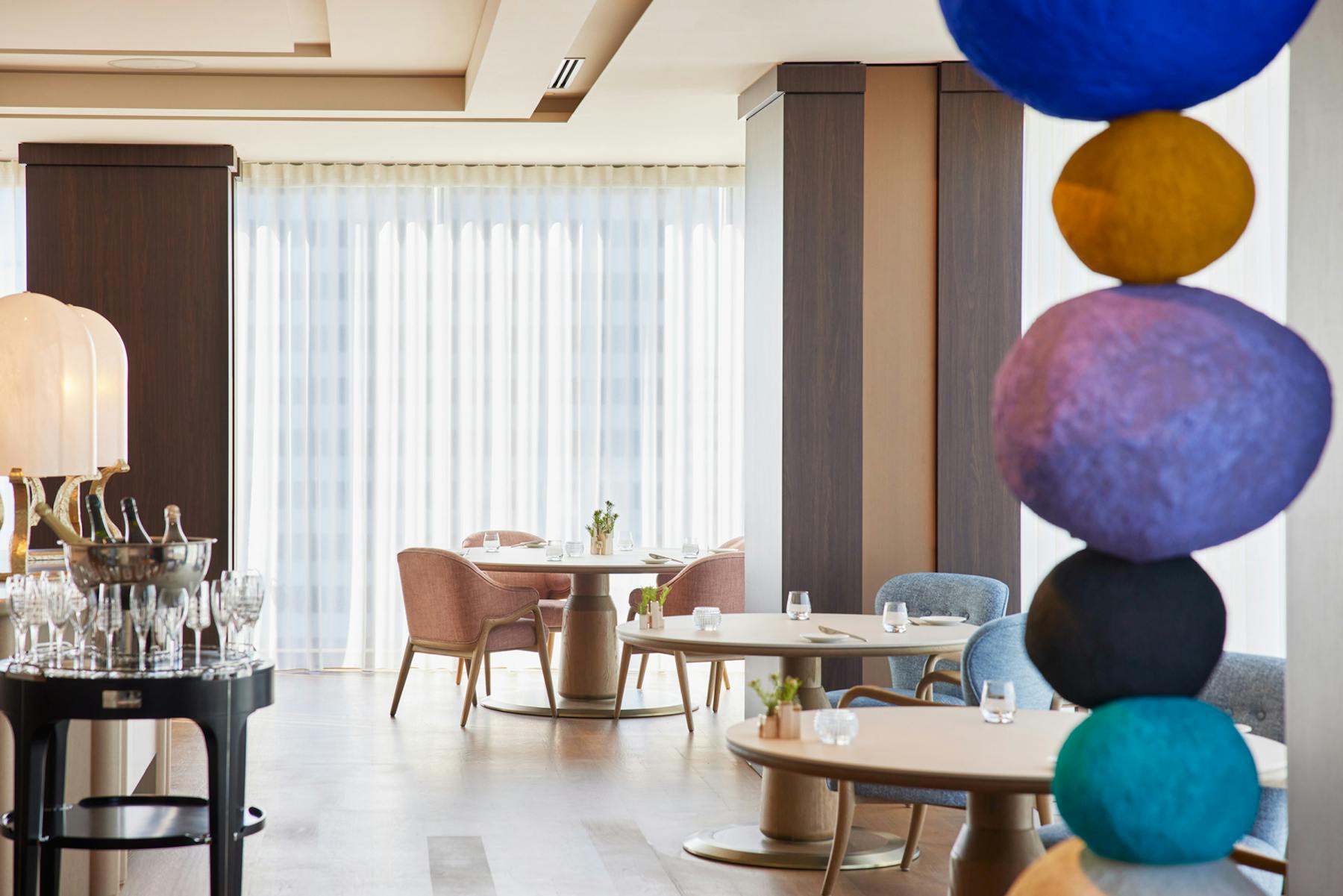
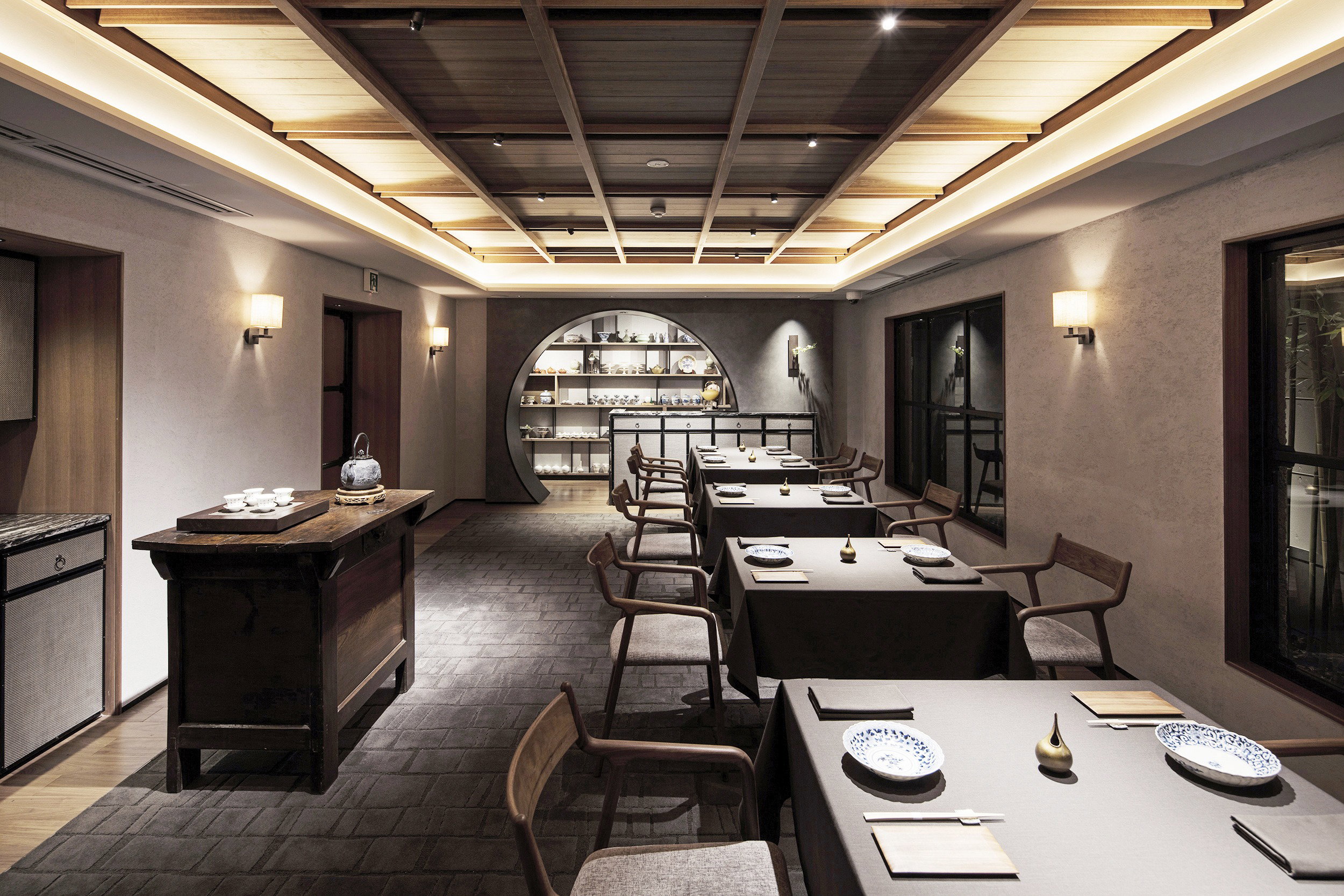
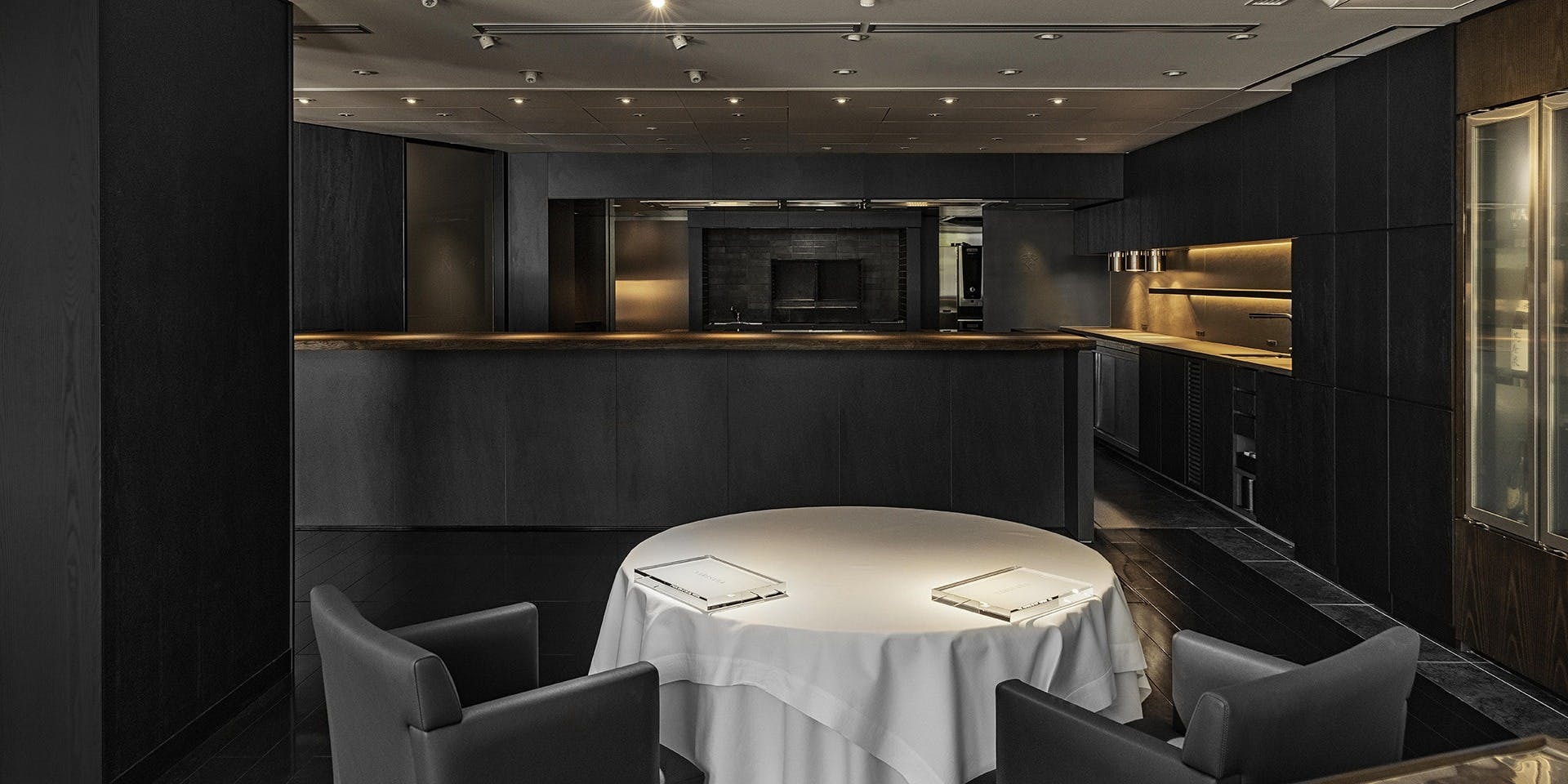
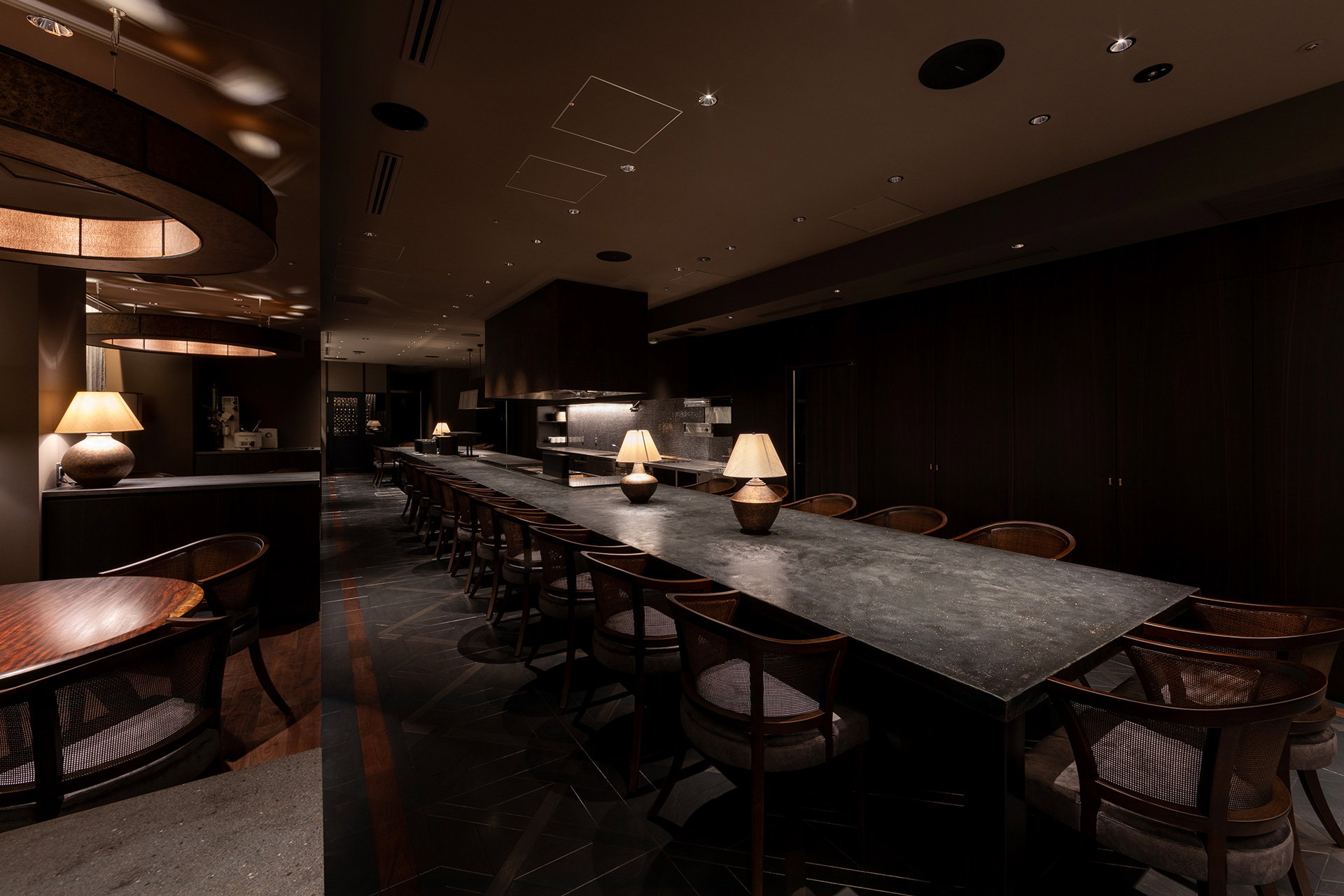
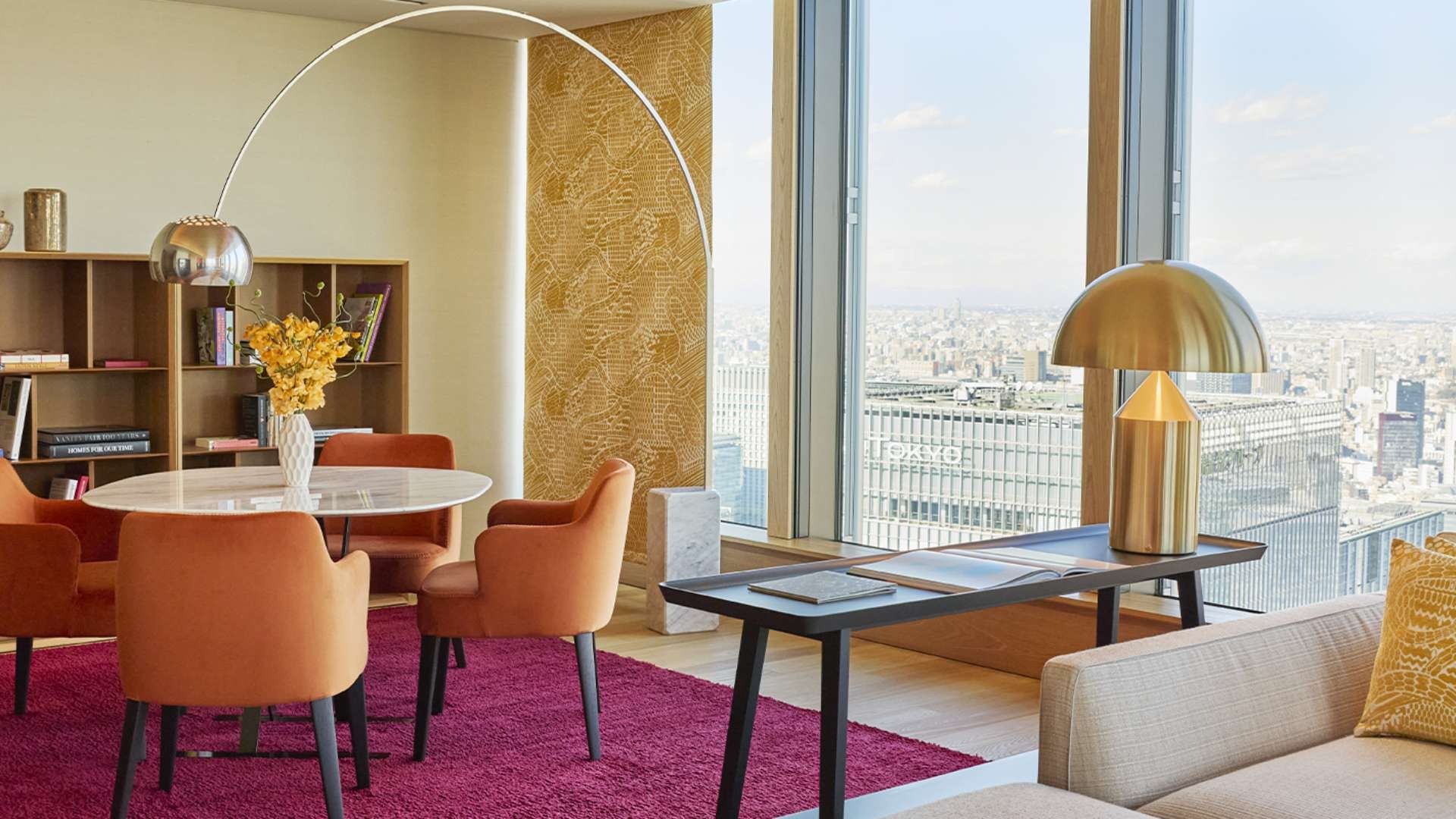
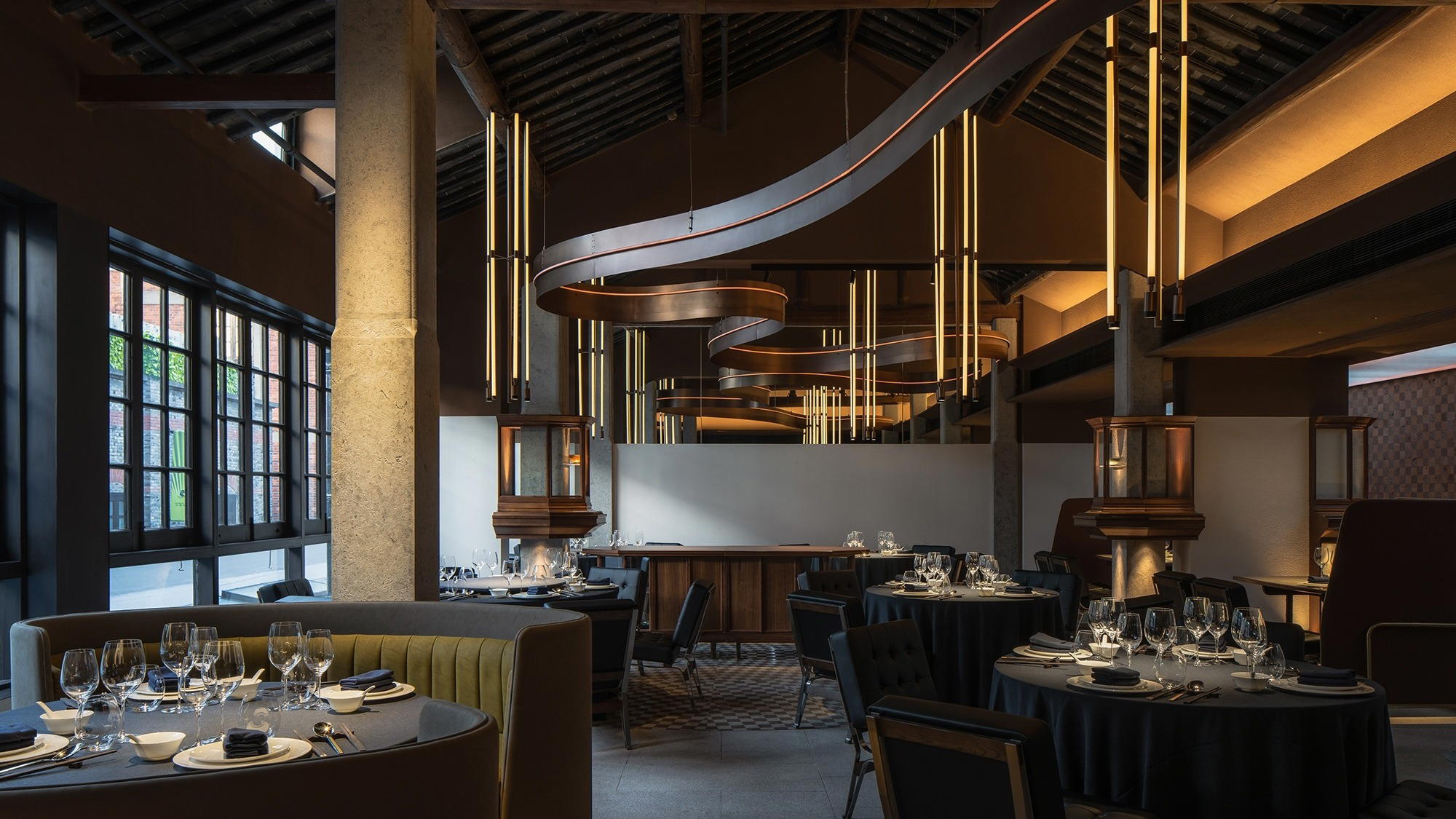
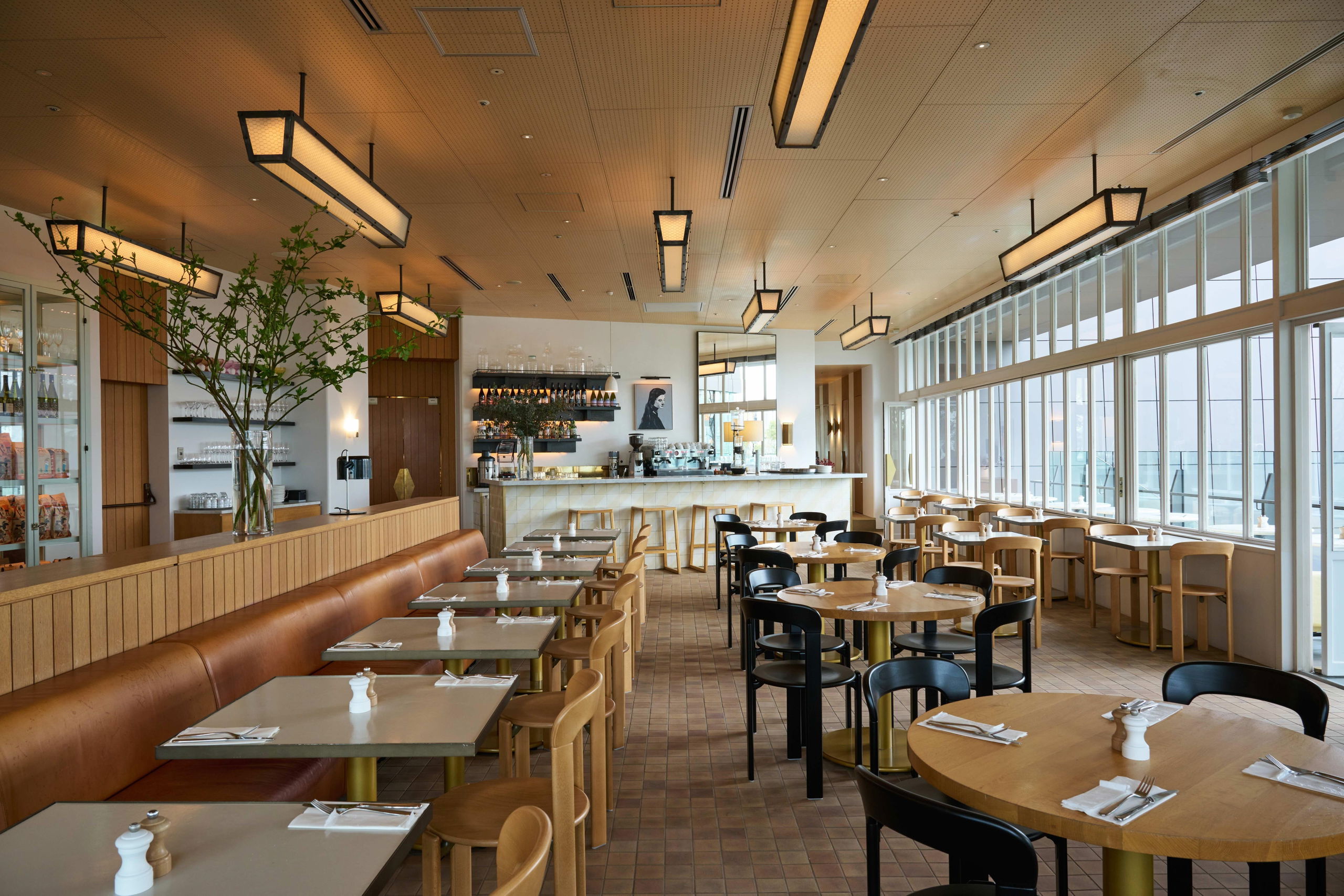
The Jimbocho location keeps the room quieter than you would expect from a Tokyo restaurant with consistent recognition, the neighbourhood draws fewer tourists than Ginza or Roppongi, and the side-street address reinforces that. This is not a loud room. It is the kind of space where conversation stays audible across the table throughout the meal, which makes it a better choice for dining with someone you actually want to talk to. The green exterior and the sugidama mark the entrance without flagging the restaurant as a destination that trades on its own fame.
Saturday is the only day with a lunch service (12:00–1:30 pm), making it a short window. The dinner service runs Tuesday through Friday plus Saturday, with Monday and Sunday closed. If your schedule is tight, build in a Tuesday-to-Friday dinner rather than relying on Saturday lunch as a backup.
This opening pattern also matters for those travelling across Japan: ALTER EGO pairs naturally with a broader itinerary that includes Gion Sasaki in Kyoto, HAJIME in Osaka, or akordu in Nara for a sequence of restaurants doing seriously cross-cultural creative work. If you are based in or near Tokyo, 1000 in Yokohama and Goh in Fukuoka are worth noting for the same exploratory appetite. See our full Tokyo restaurants guide for more context on where ALTER EGO fits in the city's broader dining picture, or browse our Tokyo hotels guide, Tokyo bars guide, Tokyo wineries guide, and Tokyo experiences guide to build the full trip. If the concept of Italian dining informed by Japanese seasonality interests you further, 6 in Okinawa takes a different but thematically related approach to ingredients and region.
Recognition and Trust
ALTER EGO holds a Michelin Plate in both 2024 and 2025, a consistent recognition that signals a kitchen operating at a serious level without yet carrying star pricing. On the Opinionated About Dining ranking for Japan, the restaurant moved from #154 in 2024 to #144 in 2025, a modest upward trajectory that suggests the kitchen is finding its footing. Neither credential makes this a prestige booking, but together they confirm it is not a speculative choice either. At ¥¥¥ pricing, you are getting documented quality at a point where the risk is low.
Practical Details
| Detail | ALTER EGO | Aroma Fresca | L'Effervescence |
|---|---|---|---|
| Cuisine | Italian (Japanese ingredients) | Italian | French |
| Price range | ¥¥¥ | ¥¥¥¥ | ¥¥¥¥ |
| Lunch available | Saturday only (12–1:30 pm) | Check directly | Check directly |
| Dinner hours | Tue–Sat 5–11 pm | Check directly | Check directly |
| Closed | Monday, Sunday | Check directly | Check directly |
| Booking difficulty | Easy | Moderate | Hard |
| Michelin recognition | Plate (2024, 2025) | Check directly | Star |
| N/A | N/A |
FAQ
Is lunch or dinner better at ALTER EGO?
- Dinner is the default here. Saturday lunch exists but runs only 90 minutes (12:00–1:30 pm), which is tight for a restaurant where à la carte pacing and wine selection are part of the point. Book a Tuesday-to-Friday dinner if your schedule allows; the longer evening window suits the format better.
Is the tasting menu worth it at ALTER EGO?
- ALTER EGO is structured around à la carte rather than a fixed tasting menu, which is actually its advantage at this price tier. You control the spend and the pacing, and you can build the meal around wine selections you want to explore. If you specifically want a tasting menu format in Tokyo, RyuGin or L'Effervescence are better fits, both at ¥¥¥¥.
What should I wear to ALTER EGO?
- No dress code is published. At ¥¥¥ pricing with Michelin Plate recognition in a quiet Jimbocho side street, smart casual is the safe and appropriate call. This is not the kind of room that enforces formality, but arriving in beachwear or gym clothes would be out of place. Treat it like a serious neighbourhood restaurant rather than a gala dinner.
Is ALTER EGO worth the price?
- At ¥¥¥, yes. Compared to the ¥¥¥¥ addresses doing adjacent creative work in Tokyo, ALTER EGO delivers a more accessible price point without dropping to the generic Italian tier. If the concept of Italian cooking built around Japanese seasonal ingredients interests you, the pricing makes it easy to recommend.
Is ALTER EGO good for solo dining?
- The à la carte format works well for solo diners. You order what you want, spend what you choose, and pace the meal to your own rhythm. Jimbocho is a quiet neighbourhood, and the restaurant's low-key profile means you are unlikely to feel out of place eating alone. If counter seating is available, request it, though seat configuration is not confirmed in available data.
What should a first-timer know about ALTER EGO?
- The menu changes with Japanese seasons, so do not arrive with a fixed idea of what you will eat. The à la carte structure means you build the meal yourself, plan to order three to four courses and pair wine deliberately rather than defaulting to a set pairing. The Jimbocho address is easy to miss; look for the green facade and the sugidama cedar ball hanging outside. Booking is direct, so there is no need to plan months ahead, but confirming a reservation before you travel is still sensible.
Planning details
- Hours
- Monday: Closed · Tuesday: 5–11 pm
- Location
- 2 Chome-2-32 Kanda Jinbocho, Chiyoda City, Tokyo 101-0051, Japan
- Reservations
- Book on TableCheck
- Website
- alterego.tokyo
- Phone
- +81 3-6380-9390
The take
The Take
The Vibe
Alter Ego presents a Milanese idea tucked into Tokyo's bookish Jimbocho neighborhood, trading flash for a quietly assured identity. The restaurant signals itself through material cues—a sugidama and a distinctive green façade—rather than prominent signage, nodding to Japanese tradition while operating in an Italian culinary grammar. The kitchen prioritizes seasonal, ingredient-led cooking informed by a chef schooled in Milan, and the result is an understated, thoughtful room that attracts local readers, scholars, and neighborhood residents rather than tourist crowds. The overall feel is quietly confident, historically resonant, and deliberately away from the city's dining hotspots.
Best For
This is a place for considered dinners: date nights, special occasions and business meals feel especially apt given the restaurant's refined Milanese framework and the chef's pedigree. Located in a quieter book district, it suits diners who value focused, ingredient-driven dishes over theatrical dining. Groups of locals or colleagues comfortable with an intimate, low-profile setting will also find it appropriate. The menu emphasizes classic pasta and composed savory plates—elements that work well for sharing or a multi-course dinner in a restrained, attentive environment.
Ordering Tips
Look for the restaurant's signature pastas and composed plates: tajarin and tagliatelle Bolognese appear among the house specialties alongside items like polenta fritta, prosciutto with burrata, bonito carpaccio and beef tagliata. The kitchen frames Italian technique around seasonality and Japanese sensibility, so prioritize dishes that showcase fresh ingredients and purposeful simplicity. Note the understated entrance marked by a sugidama and a green façade as a way to find the spot tucked into Jimbocho's quieter streets.
Venue details
Ambiance
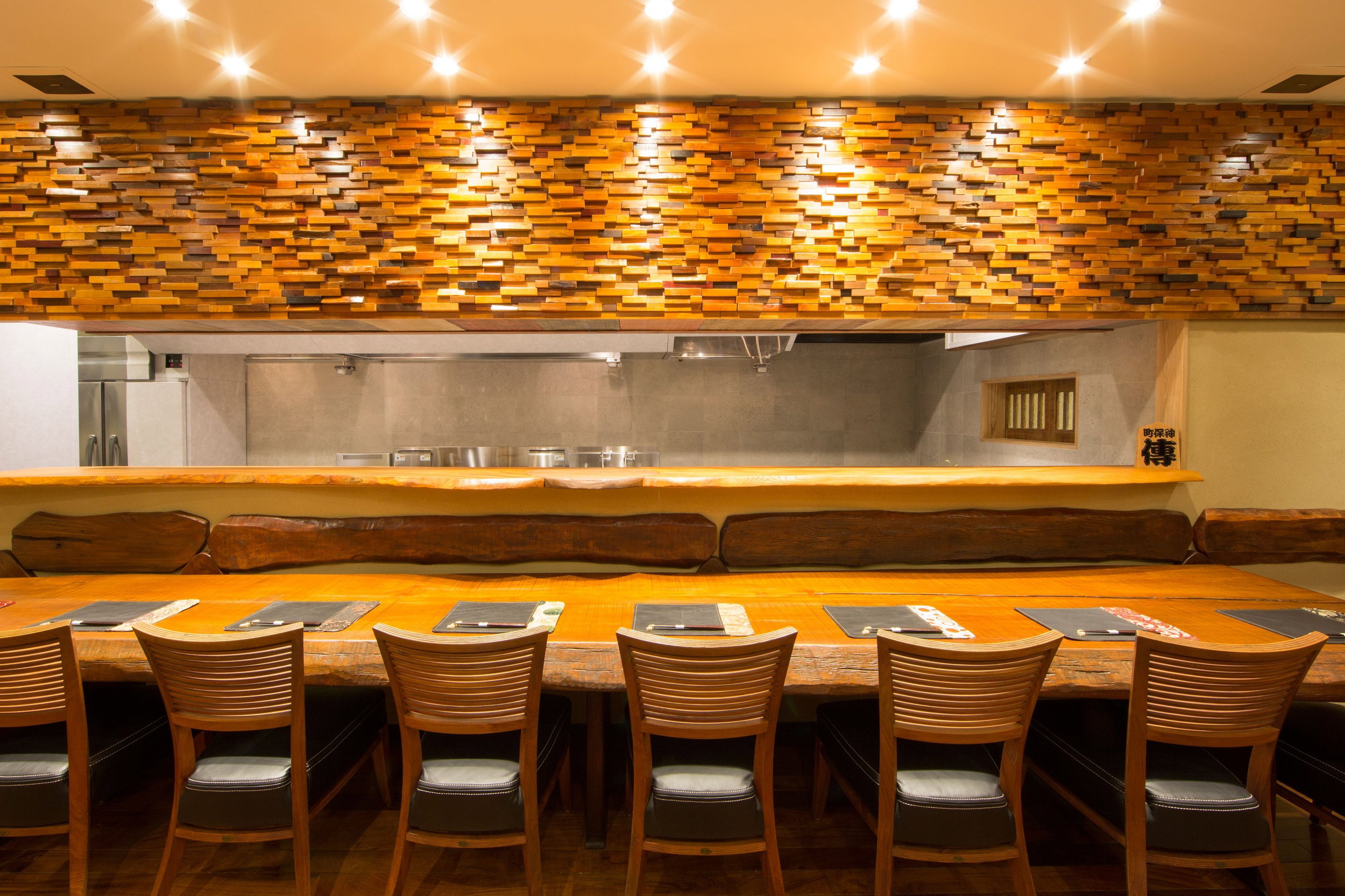
Sophisticated and lively counter dining with a distinctive green exterior featuring traditional Japanese cedar décor, creating an intimate yet energetic atmosphere.
Tags
Vibe
Best For
Experience
Sourcing
At the Table
- Dress Code
- Smart Casual
- Noise Level
- Conversational
- Service Style
- Upscale Casual
- Meal Pacing
- Leisurely
- Capacity
- Small
- Kitchen
- Fusion
- Menu Format
- A la carte, Omakase, Counter dining, Tasting menu
- Wine Program
- Curated
- Drinks Focus
- Italian wine, Wine pairing
- Dietary
- Allergy accommodating
- Private Dining
- Available
Signature Dishes
- Tajarin
- Polenta Fritta
- Prosciutto and Burrata Cheese
- Bonito Carpaccio
- Tagliatelle Bolognese
- Beef Tagliata
Know before you go
Know Before You Go
- Getting there
- 2 Chome-2-32 Kanda Jinbocho, Chiyoda City, Tokyo 101-0051, Japan
Planning details
Hours
- Monday
- Closed
- Tuesday
- 5–11 pm
- Wednesday
- 5–11 pm
- Thursday
- 5–11 pm
- Friday
- 5–11 pm
- Saturday
- 12–1:30 pm, 5–11 pm
- Sunday
- Closed
Location
2 Chome-2-32 Kanda Jinbocho, Chiyoda City, Tokyo 101-0051, Japan · Directions
Recognition and awards


Also consider
Also Consider
- Harutaka, Sushi, ¥¥¥¥
- L'Effervescence, French, ¥¥¥¥
- RyuGin, Kaiseki, Japanese, ¥¥¥¥
- HOMMAGE, Innovtive French, French, ¥¥¥¥
- Crony, Innovative, French, ¥¥¥¥
Restaurant context
ALTER EGO's clearest peer distinction is price. At ¥¥¥, it is a full tier below L'Effervescence, RyuGin, HOMMAGE, and Crony, all of which operate at ¥¥¥¥. If your priority is spending less without giving up conceptual seriousness, ALTER EGO is the practical choice in this comparison set. If you want a full tasting menu with deep wine pairing and are prepared to pay for it, L'Effervescence remains the French benchmark in Tokyo, and RyuGin is the reference point for kaiseki precision.
For Japanese-meets-European creative cooking specifically, ALTER EGO and Crony occupy adjacent territory, but Crony leans into French technique and is harder to book. ALTER EGO's à la carte structure gives it a different rhythm, more flexible, easier to pace around wine, and less committed to the kitchen's predetermined arc. That is a meaningful practical difference for a wine-focused diner. Harutaka is the choice if sushi is your format rather than Italian; comparing them is only relevant if you are deciding between cuisine types rather than between similar restaurants.
Within Tokyo's Italian category specifically, Aroma Fresca and Principio both operate at higher price points with more conventional Italian registers. ALTER EGO is the right choice if the Japanese-ingredient concept is the draw; those are the right choices if you want Italian cooking that does not use its Tokyo location as a creative premise. Both directions are legitimate. The decision depends on what you are actually in the mood for.
Explore Tokyo
Around this place
Discover more on Pearl
Unlock the full ALTER EGO guide in Pearl, including awards, comparisons, FAQs, planning details, and nearby places.
Compare ALTER EGO
| Venue | Cuisine | Awards | Booking Difficulty |
|---|---|---|---|
| ALTER EGO | Italian | Star Wine Lists 20262026 OAD Top Restaurants in Japan Recommended2026 Michelin Plate2025 OAD Top Restaurants in Japan Ranked · #1542025 Michelin Plate2024 OAD Top Restaurants in Japan Ranked · #1442024 Michelin Plate2023 OAD Top Restaurants in Japan Highly Recommended | Easy |
| Harutaka | Sushi | 2026 Tabelog Silver · #312026 OAD Top Restaurants in Japan Ranked · #1282026 Michelin 3 Stars2026 La Liste Top RestaurantsTabelog 100 - Sushi - TOKYO - 2025 · #372025 Asia's 50 Best Restaurants · #762025 OAD Top Restaurants in Japan Ranked · #1172025 La Liste Top Restaurants2025 Tabelog Bronze | Unknown |
| L'Effervescence | French | 2026 Tabelog Silver · #682026 OAD Top Restaurants in Japan Ranked · #103Star Wine Lists 20262026 Black Pearl 2 Diamond2026 Relais Chateaux Restaurants2026 La Liste Top Restaurants2026 Michelin 3 Stars2025 Asia's 50 Best Restaurants · #692025 OAD Top Restaurants in Japan Ranked · #92 | Unknown |
| RyuGin | Kaiseki, Japanese | 2026 OAD Top Restaurants in Japan Ranked · #802026 Tabelog Bronze · #3772026 Michelin 3 Stars2026 La Liste Top RestaurantsTabelog 100 - Japanese cuisine - TOKYO - 2025 · #212025 OAD Top Restaurants in Japan Ranked · #542025 Michelin 3 Stars2025 La Liste Top Restaurants2025 The Best Chef Three Knives | Unknown |
| HOMMAGE | Innovtive French, French | 2026 Tabelog Bronze · #1232026 OAD Top Restaurants in Japan Highly Recommended2026 Michelin 2 StarsTabelog 100 - French - TOKYO - 2025 · #762025 Asia's 50 Best Restaurants · #782025 OAD Top Restaurants in Japan Ranked · #1752025 Michelin 2 Stars2025 The Best Chef One Knife2025 La Liste Top Restaurants | Unknown |
| Crony | Innovative, French | 2026 Asia's 50 Best Restaurants · #34Star Wine Lists 20262026 OAD Top Restaurants in Japan Recommended2026 Michelin 2 Stars2025 Asia's 50 Best Restaurants · #30Tabelog 100 - French - TOKYO - 2025 · #782025 OAD Top Restaurants in Japan Ranked · #227We're Smart World Top Restaurants 20252025 Michelin 2 Stars | Unknown |












What to weigh when choosing between ALTER EGO and alternatives.
FAQ
Frequently Asked Questions
Is lunch or dinner better at ALTER EGO?
Lunch is the harder seat to get: ALTER EGO only opens Saturday for the midday service (12–1:30 pm), making it genuinely limited. Dinner runs Tuesday through Saturday from 5–11 pm, giving you more flexibility. If your schedule allows Saturday, the lunch slot is worth targeting for a shorter, focused visit — dinner works better if you want time to move through the à la carte menu at a relaxed pace.
Is the tasting menu worth it at ALTER EGO?
ALTER EGO runs an à la carte format rather than a fixed tasting menu, which is part of its appeal. The Michelin Plate recognition in both 2024 and 2025, alongside an OAD ranking of #144–#154 in Japan, confirms this is a kitchen operating at a serious level. The à la carte structure lets you build your own progression, which suits wine pairing and group dining better than a locked tasting format would.
What should I wear to ALTER EGO?
The venue data does not specify a dress code, but ALTER EGO's price tier (¥¥¥), Michelin Plate status, and Jimbocho address point toward a room where neat, presentable clothing is appropriate. This is not a dress-up-or-miss-out situation — Jimbocho is a low-key neighbourhood — but visibly casual attire would feel out of place at this price point.
Is ALTER EGO worth the price?
At ¥¥¥, ALTER EGO is priced in line with serious Tokyo dining, and the consistent Michelin Plate recognition across 2024 and 2025 backs that up. The concept — Italian technique applied to Japanese seasonal ingredients, from Milan-based creator Yoji Tokuyoshi — is specific enough to justify the cost if that crossover interests you. If you want straightforward Italian or a traditional kaiseki, the price-to-fit ratio is lower.
Is ALTER EGO good for solo dining?
The à la carte format and Jimbocho setting make ALTER EGO a reasonable solo option — you order at your own pace without being locked into a long tasting sequence with a group. No counter seating is specified in the available data, so it is worth confirming the table arrangement when booking. The Tuesday–Friday dinner window gives you the most date flexibility as a solo diner.
What should a first-timer know about ALTER EGO?
The kitchen is closed Sunday and Monday, so plan accordingly. The restaurant is in Kanda Jimbocho, Tokyo's book district — not a typical dining destination, which keeps the room calmer than comparable ¥¥¥ venues in Shinjuku or Ginza. The concept is Italian food built around Japanese ingredients, shaped by Milan-based chef Yoji Tokuyoshi; expect a seasonally driven à la carte menu rather than a fixed omakase progression.