
Restaurant in Tokyo, Japan
Akasaka Kitafuku
550ptsLive-Crab Kaiseki Experience


About Akasaka Kitafuku
Akasaka Kitafuku in Tokyo delivers precision Modern Japanese seafood crafted around live Hokkaido crab. Must-try dishes include the Golden Crab Set, Crab Sashimi, and Crab Shabu-Shabu. The omakase kaiseki menu pairs Kyoto-style starters with tableside crab preparation for an immersive, theatrical meal. Chef Masato Kawasaki prepares each course to highlight pure crab sweetness, with delicate sake and wine pairings. Recognized with a Michelin star (2021) and a Tabelog Bronze Award (2025, score 4.11), the restaurant balances refined technique and fresh, seasonal seafood in an intimate 7th-floor setting ideal for celebrations and business dinners.
Akasaka Kitafuku in Tokyo begins with a clear promise: live Hokkaido crab transformed into a Kyoto-inspired kaiseki sequence. Entering the 7th floor of the Kokusai Amano Building, guests first notice the quiet privacy of three small dining rooms and the focused energy of a kitchen preparing whole crabs tableside. The room smells faintly of sea salt and warm dashi; servers describe each course before it arrives. This is a Tokyo seafood restaurant where the dining ritual centers on freshness and visible technique. Reservations are required, and the meal unfolds as a deliberate, multi-course experience that places crab at the center of every plate. The restaurant name appears throughout local guides, noted for its theatrical preparation and careful sourcing.
Chef Masato Kawasaki leads the kitchen with a clear vision rooted in Hokkaido tradition and Tokyo training. Kawasaki, a Hokkaido native, opened the Akasaka restaurant after years in top Tokyo kitchens, and he shapes menus that emphasize live crab kept until the moment of service. The restaurant earned a Michelin star in 2021 and continued acclaim with multiple Tabelog awards, most recently a Bronze Award in 2025 and a 4.11 score. Those accolades reflect consistent quality and the brand’s focus on a specialist discipline: crab. Kitafuku’s philosophy centers on extracting sweetness from every part of the crustacean while pairing courses with seasonal Kyoto-style accompaniments and a curated sake and wine list.
The culinary journey at Akasaka Kitafuku follows a strict omakase progression. Meals typically open with a Kyoto-style box of seasonal delicacies—pickled vegetables, silky egg custard, and restrained vinegared bites—to set the palate. Signature sequences feature Crab Sashimi, served chilled with delicate soy and citrus; Grilled Crab, where shells are charcoal-charred to accentuate natural fats; and Boiled Crab, simmered briefly to preserve texture and saline purity. The Golden Crab Set arrives in autumn and winter, presenting richer, meatier legs and rare sections like the fundoshi for adventurous diners. The Snow Crab Set, available in winter, highlights fine, sweet meat best enjoyed with a sip of cold sake. A Crab Shabu-Shabu course lets diners briefly cook thin crab sections in clear broth, producing a clean, silky mouthfeel. Each dish emphasizes textural contrast—firm leg meat, creamy tomalley, and crisp shell edges—accompanied by simple, bright seasonings to underline crab flavor rather than mask it.
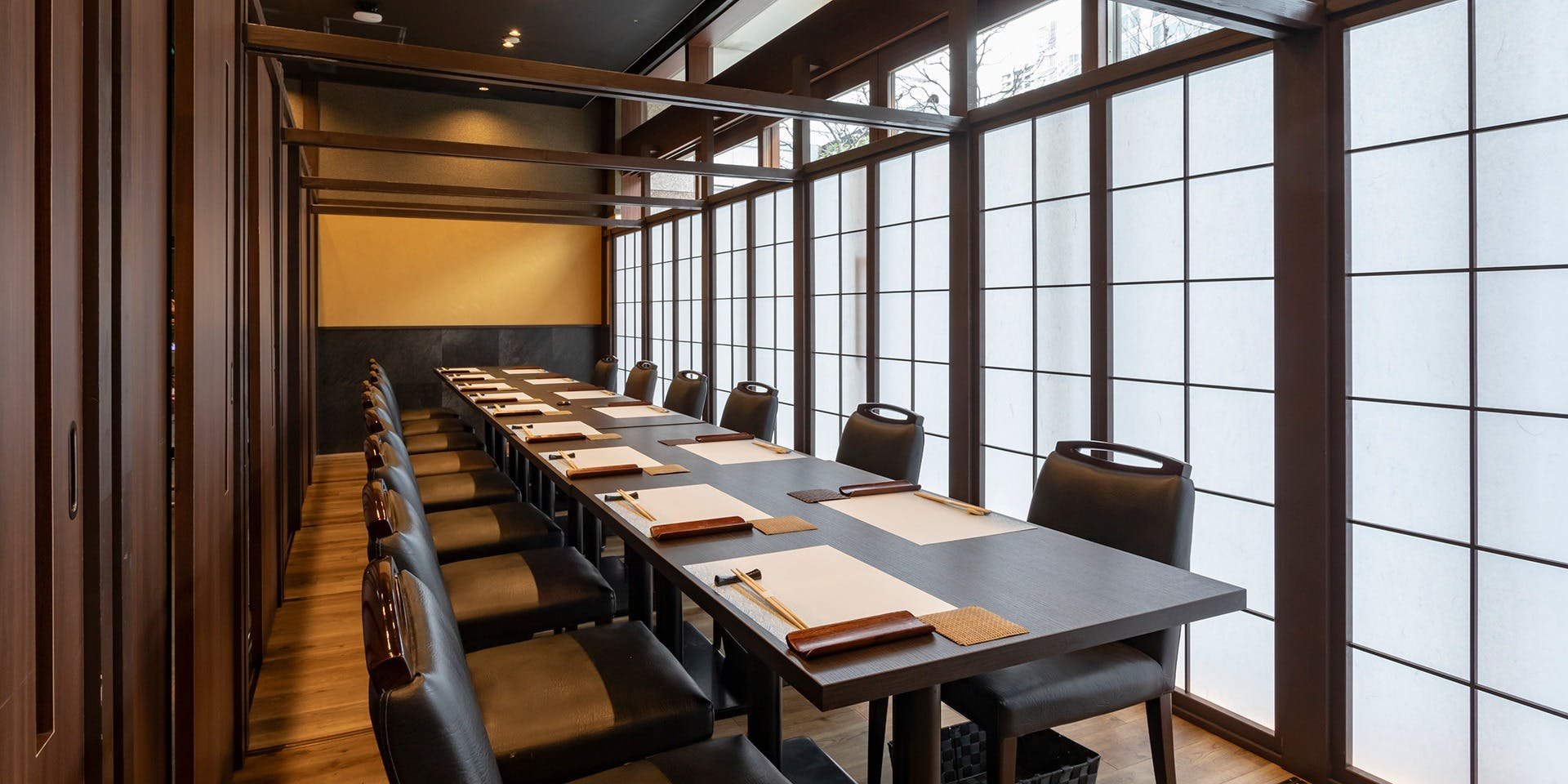
Service at Akasaka Kitafuku is attentive and instructive without being intrusive. Staff prepare crabs partly tableside, explaining techniques and demonstrating how best to taste each cut. The interior keeps a refined, low-key look: clean lines, subdued lighting, and wooden details that offer warmth without distraction. Private rooms provide seclusion for business meals or celebrations, while the counter-style seating allows for close views of the chefs’ work for smaller parties. The beverage program leans heavily on sake and shochu, with a thoughtful wine selection chosen to pair with delicate seafood notes. Expect polished plating and steady pacing; courses arrive at deliberate intervals to sustain appetite and highlight seasonal shifts.
For the best experience, book dinner rather than walk in; dinner service runs until 23:00 with last seating typically around 20:30, and lunch is available by reservation only. Prices reflect the high-end sourcing and labor—lunch ranges roughly ¥21,000–¥56,100 and dinner ¥42,100–¥56,100—so plan for a premium meal. Dress smart casual or business attire for evening service. Reservations are strongly recommended, especially for weekend dinners and during peak crab season from late autumn through winter.
Akasaka Kitafuku rewards diners seeking a focused, crab-centered tasting menu in Tokyo. The combination of Chef Masato Kawasaki’s approach, live Hokkaido sourcing, Michelin recognition, and interactive tableside preparation creates a memorable seafood experience. Book Akasaka Kitafuku early to secure a private room or counter seat, and arrive ready to taste a range of crab textures and clear, seasonal flavors.
Hours
- Monday
- 5–11:30 pm
- Tuesday
- 5–11:30 pm
- Wednesday
- 5–11:30 pm
- Thursday
- 5–11:30 pm
- Friday
- 5–11:30 pm
- Saturday
- 5–11:30 pm
- Sunday
- 5–11:30 pm
Recognized By


More restaurants in Tokyo
- SézanneOccupying the seventh floor of the Four Seasons Hotel Tokyo at Marunouchi, Sézanne earned its first Michelin star within months of opening in July 2021 and now holds three. British chef Daniel Calvert applies French technique to Japanese ingredients, producing a prix-fixe format that Tabelog has recognised with Silver awards every year from 2023 through 2026. It ranked 4th in Asia's 50 Best Restaurants in 2025 and 15th globally in 2024.
- SazenkaSazenka is the address for Chinese cuisine in Tokyo at its most technically demanding. Chef Tomoya Kawada's wakon-kansai approach — Japanese seasonal ingredients applied through Chinese culinary technique — has earned consecutive Tabelog Gold Awards from 2019 to 2026, a #71 ranking on the World's 50 Best 2025, and 99 points from La Liste 2026. At JPY 50,000–59,999 per head, it is one of the hardest tables in the city to book and worth the effort.
- NarisawaNarisawa is Tokyo's most credentialled innovative tasting menu restaurant — two Michelin stars, Asia's 50 Best number 12, and a Tabelog Silver award — running at JPY 80,000–99,999 per head. Book for a milestone occasion, confirm vegetarian or vegan needs in advance, and reserve at least two to three months out. With 15 seats and reservation-only access, this is one of Tokyo's hardest tables to secure.
- FlorilègeFlorilège delivers two Michelin stars and an Asia's 50 Best #17 ranking at a dinner price of ¥22,000 — competitive for Tokyo at this level. Chef Hiroyasu Kawate's plant-forward tasting menus around an open-kitchen counter at Azabudai Hills make this the strongest choice for contemporary French dining in Tokyo if theatrical, produce-led cooking is what you want. Book well in advance; availability is near-impossible at short notice.
- DenDen holds two Michelin stars, a World's 50 Best top-25 Asia ranking, and a Tabelog Silver Award running back to 2017 — and it books out within hours of the two-month reservation window opening. Chef Zaiyu Hasegawa's daily-changing seasonal omakase runs JPY 30,000–39,999 at dinner in a relaxed house-restaurant setting near Gaiemmae. Book by phone only, noon–5 PM JST. Lunch is irregular; plan around dinner.
- MyojakuMyojaku is a 2-Michelin-star, 14-course French-leaning omakase in Nishiazabu holding a 4.47 Tabelog score, Tabelog Silver 2025–2026, and Asia's 50 Best #45 (2025). Chef Hidetoshi Nakamura's water-forward, no-dashi approach shifts meaningfully with the seasons — making timing your reservation as important as getting one. Budget JPY 50,000–59,999 per head plus 10% service charge; reservations only, near-impossible to secure.
Similar venues by awards
Related editorial
- Best Fine Dining Restaurants in ParisFrom three-Michelin-star icons to the next generation of Parisian chefs pushing boundaries, these are the restaurants that define fine dining in the world's culinary capital.
- Best Luxury Hotels in RomeFrom rooftop terraces overlooking ancient ruins to Michelin-starred hotel dining, these are the luxury hotels that make Rome unforgettable.
- Best Cocktail Bars in KyotoFrom sleek lounges to hidden speakeasies, Kyoto's cocktail scene blends Japanese precision with global influence in ways you won't find anywhere else.
Save or rate Akasaka Kitafuku on Pearl
Keep this venue in your Pearl passport, rate it after you visit, and track it alongside every other place you collect.