
Akasaka Kappo Washi
Japanese · Minato, Tokyo
Restaurant in Tokyo, Japan
 Book with Pearl
The Read
Classical Kappo, Deliberate Deviation
Price
$150–200per person
Dress
Smart Casual
Why go
A Michelin Plate kappo counter in Akasaka where the set menu is intentionally short and à la carte additions let you direct the evening. The kitchen is serious about soba, charcoal-grilling, and Japan-raised ostrich — and at ¥¥¥, it delivers Michelin-recognised quality a clear tier below the city's starred rooms. Book a weekday evening for the best atmosphere.
About Akasaka Kappo Washi
Who Should Book Akasaka Kappo Washi — and When
If you have already done one kaiseki dinner in Tokyo and want to understand how a chef uses that tradition as a starting point rather than a ceiling, Akasaka Kappo Washi is the right next booking. This is a kappo restaurant in the older, more interactive sense: a counter-format kitchen where the chef works in front of you, the menu is partially structured and partially yours to direct, and the evening moves at a pace you help set. It works especially well for two people who want a proper conversation alongside serious food, and for anyone who found the more formal kaiseki rooms a little airless. The energy here is quieter and more focused than the buzzy izakayas lower in Akasaka's dining stack, but it never tips into ceremony for its own sake.
In terms of timing, a weekday evening is the call. The room is small and the experience benefits from that intimacy — weekend nights shift the mood slightly toward occasion dining rather than the more relaxed, regular-visitor rhythm that suits Washi leading. If you are visiting Tokyo between autumn and early spring, the kitchen's approach to slow-simmered and charcoal-grilled preparations lands with more logic when the weather is cool. That said, the soba, which the kitchen treats with particular seriousness, is worth coming for in any season.
What Akasaka Kappo Washi Is Actually Doing
The Michelin Plate recognition Washi holds for 2025 signals a kitchen that meets Michelin's technical standard without yet having the profile of the city's starred rooms. That is useful framing when you are deciding how to spend your dining budget across a Tokyo trip. At ¥¥¥, Washi sits a clear price tier below the ¥¥¥¥ rooms like RyuGin or L'Effervescence, and the Michelin Plate tells you that the quality gap is smaller than the price gap would suggest. For a second or third Tokyo dinner, this is one of the more efficient decisions you can make.
The kitchen's identity is built around a few deliberate choices. The name Washi references Japanese history and tradition, and the menu reflects that, classical technique treated as a foundation rather than a constraint. The set menu is intentionally short, stopping after a handful of structured courses, after which you can add à la carte dishes based on what interests you. That format gives you more agency than a strict omakase, and it means two people at the counter can end up eating slightly different evenings depending on what they choose to add. If you are returning after a first visit, that à la carte layer is where to focus: it is where the kitchen's more personal interests come through most clearly.
Two of those interests are worth knowing before you sit down. First, the kitchen has a clear affinity for Japan-raised ostrich meat, which appears in preparations including searing and slow simmering in soy and ginger. This is not a gimmick, ostrich is a serious protein with strong culinary precedent in Japanese farm-to-table contexts, and the kitchen's handling of it reflects genuine curiosity rather than novelty-seeking. Second, the soba preparation is treated with the kind of care you would expect from a specialist, not as an afterthought at the end of a kappo menu. If soba matters to you, this is a relevant credential. The charcoal-grilling work is the third thread worth following when you are choosing à la carte additions.
The room is on the sixth floor of an office building in Akasaka, which is a neighbourhood that rewards knowing where to look. The address puts you in a part of Tokyo that has serious dining at multiple price points, from accessible neighbourhood counters up to destination-level rooms. For the full picture of what is available in the area and across the city, our full Tokyo restaurants guide is the place to start. If you are also planning around hotels, bars, or experiences, those are covered in our Tokyo hotels guide, our Tokyo bars guide, and our Tokyo experiences guide.
For context on where Washi sits in the broader Tokyo kappo and kaiseki conversation, Kagurazaka Ishikawa and Azabu Kadowaki are two of the rooms that define the upper end of that category at the starred level. Myojaku and Ginza Fukuju are worth considering if you want to build out a broader picture of where serious Japanese cooking is happening across the city at different price points. Jingumae Higuchi is another reference point in the same quality conversation.
If your Japan trip extends beyond Tokyo, the same combination of classical grounding and personal expression shows up at Gion Sasaki in Kyoto and Isshisoden Nakamura in Kyoto, both of which operate in a similar register of serious but not stiff. In Osaka, Kashiwaya Osaka Senriyama and HAJIME represent the range from traditional to progressive. akordu in Nara and Goh in Fukuoka are worth adding if you are spending time outside the main cities. Further afield, 1000 in Yokohama and 6 in Okinawa round out the national picture.
What it does confirm is that the people who find their way here tend to leave satisfied, which is consistent with the Michelin Plate recognition and the kitchen's focused approach. There is no official website listed, so booking requires direct contact or a reservation platform; plan around that accordingly, and aim to secure your table at least one to two weeks ahead on weekday evenings.
The Drinks Program
No specific drinks list data is available for Washi. In a kappo context, the expectation is sake and Japanese whisky alongside the food, with the kitchen's pairing instincts usually running toward producers that complement the soy, ginger, and charcoal notes in the cooking. If you have a preferred sake style or want guidance on what works with the ostrich preparations specifically, that is a reasonable question to raise when booking. Kappo counters in this format typically have more flexibility on drinks than fixed omakase rooms, so it is worth engaging rather than assuming a fixed pairing is the only route.
Planning details
- Location
- Japan, 〒107-0052 Tokyo, Minato City, Akasaka, 3 Chome−13−6 国際天野ビル 6F
- Reservations
- Book on TableCheck
- Website
- akasaka-washi.co.jp
- Phone
- +81 3-6435-5484
The take
The Take
The Vibe
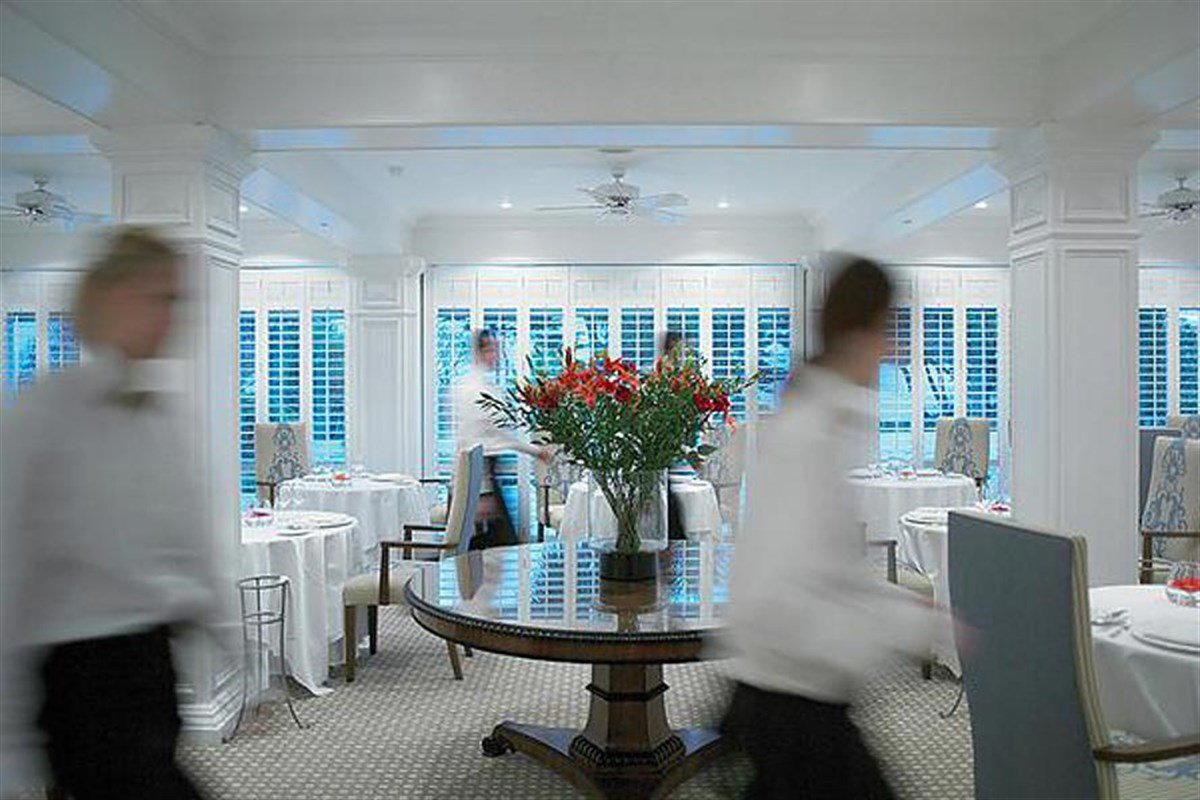
Akasaka Kappo Washi cultivates a discreet, quietly assured atmosphere. Situated on the sixth floor of a commercial building, the elevator ride and corridor arrival set a tone of privacy that aligns with kappo's low‑key traditions. Service feels intimate but conversational: the chef works at the counter in full view, shaping a relaxed exchange between kitchen and guest rather than a rigid ritual. The room privileges focus and restraint over theatricality, which makes the experience feel both classic and deliberately understated. Michelin Plate recognition reinforces that the subtlety here is a mark of craft, not of compromise.
Best For
Washi is most fitting for evening meals where the company and the food command attention. Its counter format and kappo pacing attract business diners and neighbourhood regulars who value discreet, well-executed cuisine rather than spectacle. Positioned as a mid‑price alternative in a neighbourhood known for high‑end tasting menus, it suits business entertainment or quietly elevated special occasions where a conversational service style and direct engagement with the chef are desirable. The setting and menu structure make it a dinner destination rather than a daytime or casual drop‑in.
Ordering Tips
The kitchen runs a set menu that provides the meal’s spine, but the format allows flexibility: diners are expressly able to add à la carte plates after the set concludes. That sequencing is central to the kappo approach here, so expect courses to arrive in a considered order with room to customize. Signature items to look for include the ostrich preparations noted for the venue; given the counter setup and the chef’s presence, asking the staff about recommended additions after the set is a sound way to shape the rest of the meal.
Venue details
Ambiance
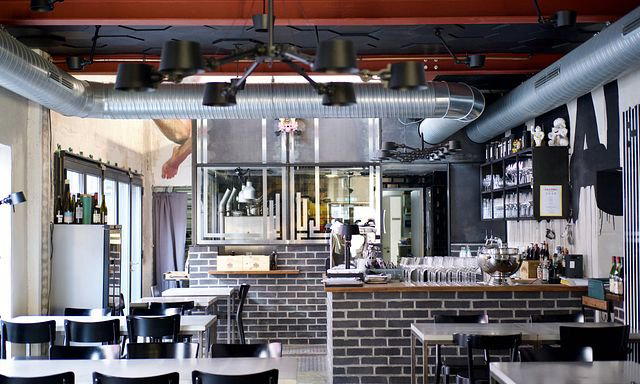
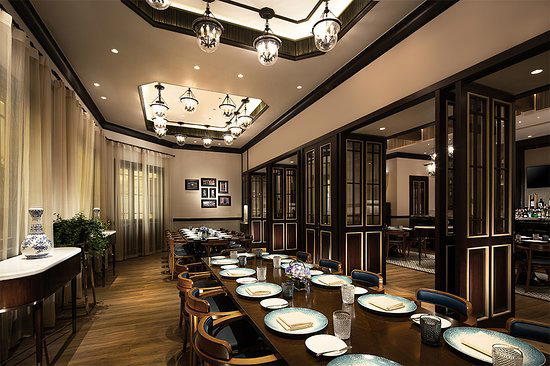
Refined and relaxing atmosphere with stylish space, counter seating, and calm private rooms.
Tags
Vibe
Best For
Experience
At the Table
- Dress Code
- Smart Casual
- Noise Level
- Quiet
- Service Style
- Formal
- Meal Pacing
- Leisurely
- Capacity
- Intimate
- Kitchen
- Seasonal
- Menu Format
- Omakase, A la carte
- Wine Program
- Curated
- Drinks Focus
- Sake program
- Private Dining
- Available
Signature Dishes
- ostrich soba
- ostrich meat preparations
Know before you go
Know Before You Go
- Getting there
- Japan, 〒107-0052 Tokyo, Minato City, Akasaka, 3 Chome−13−6 国際天野ビル 6F
Planning details
Location
Japan, 〒107-0052 Tokyo, Minato City, Akasaka, 3 Chome−13−6 国際天野ビル 6F · Directions
Recognition and awards
Also consider
Also Consider
- Harutaka, Sushi, ¥¥¥¥
- L'Effervescence, French, ¥¥¥¥
- RyuGin, Kaiseki, Japanese, ¥¥¥¥
- HOMMAGE, Innovtive French, French, ¥¥¥¥
- Crony, Innovative, French, ¥¥¥¥
Restaurant context
At ¥¥¥, Akasaka Kappo Washi sits in a different price bracket from most of its natural comparison set. RyuGin operates at ¥¥¥¥ and delivers one of Tokyo's most technically precise kaiseki experiences, but the formality is much higher and the evening is less flexible. If you want a structured progression with no decisions to make, RyuGin is the call. If you want to shape the meal as it goes, Washi's hybrid set-plus-à-la-carte format gives you more agency at a lower spend.
Harutaka is also at ¥¥¥¥ and operates in the sushi omakase format, which is a different category entirely, no useful comparison on experience type, but worth noting if you are deciding between Japanese dining styles for an evening. HOMMAGE and Crony at ¥¥¥¥ take you into innovative French territory, which is the right move if you are deliberately building a Tokyo trip that alternates between Japanese and Western kitchens. L'Effervescence is the most polished of the French options and the most different in register from Washi, it is not an either/or decision unless you are choosing for the same evening.
For the specific Akasaka Kappo Washi profile, Michelin-recognised, counter-format, kappo tradition, meaningful à la carte flexibility, and a price point that leaves room for more dining across a trip, there is no direct competitor in this list. Book Washi when you want serious Japanese cooking in a format that feels like a conversation rather than a performance. Book RyuGin when you want the full formal kaiseki statement and are prepared to spend accordingly.
Explore Tokyo
Around this place
Discover more on Pearl
Unlock the full Akasaka Kappo Washi guide in Pearl, including awards, comparisons, FAQs, planning details, and nearby places.
Compare Akasaka Kappo Washi
| Venue | Cuisine | Price | Awards | Booking Difficulty |
|---|---|---|---|---|
| Akasaka Kappo Washi | Japanese | ¥¥¥ | 2026 Michelin Plate2025 Michelin Plate2025 Michelin 3 Stars | Easy |
| Harutaka | Sushi | ¥¥¥¥ | 2026 Tabelog Silver · #312026 OAD Top Restaurants in Japan Ranked · #1282026 Michelin 3 Stars2026 La Liste Top RestaurantsTabelog 100 - Sushi - TOKYO - 2025 · #372025 Asia's 50 Best Restaurants · #762025 OAD Top Restaurants in Japan Ranked · #1172025 La Liste Top Restaurants2025 Tabelog Bronze | Unknown |
| L'Effervescence | French | ¥¥¥¥ | 2026 Tabelog Silver · #682026 OAD Top Restaurants in Japan Ranked · #103Star Wine Lists 20262026 Black Pearl 2 Diamond2026 Relais Chateaux Restaurants2026 La Liste Top Restaurants2026 Michelin 3 Stars2025 Asia's 50 Best Restaurants · #692025 OAD Top Restaurants in Japan Ranked · #92 | Unknown |
| RyuGin | Kaiseki, Japanese | ¥¥¥¥ | 2026 OAD Top Restaurants in Japan Ranked · #802026 Tabelog Bronze · #3772026 Michelin 3 Stars2026 La Liste Top RestaurantsTabelog 100 - Japanese cuisine - TOKYO - 2025 · #212025 OAD Top Restaurants in Japan Ranked · #542025 Michelin 3 Stars2025 La Liste Top Restaurants2025 The Best Chef Three Knives | Unknown |
| HOMMAGE | Innovtive French, French | ¥¥¥¥ | 2026 Tabelog Bronze · #1232026 OAD Top Restaurants in Japan Highly Recommended2026 Michelin 2 StarsTabelog 100 - French - TOKYO - 2025 · #762025 Asia's 50 Best Restaurants · #782025 OAD Top Restaurants in Japan Ranked · #1752025 Michelin 2 Stars2025 The Best Chef One Knife2025 La Liste Top Restaurants | Unknown |
| Crony | Innovative, French | ¥¥¥¥ | 2026 Asia's 50 Best Restaurants · #34Star Wine Lists 20262026 OAD Top Restaurants in Japan Recommended2026 Michelin 2 Stars2025 Asia's 50 Best Restaurants · #30Tabelog 100 - French - TOKYO - 2025 · #782025 OAD Top Restaurants in Japan Ranked · #227We're Smart World Top Restaurants 20252025 Michelin 2 Stars | Unknown |
.png?width=1200&quality=80)













What to weigh when choosing between Akasaka Kappo Washi and alternatives.
FAQ
Frequently Asked Questions
How far ahead should I book Akasaka Kappo Washi?
Book at least two to three weeks in advance for a standard weeknight visit; weekend slots at Michelin-recognised kappo counters in Akasaka fill faster. Washi's format — a short set menu that then opens to à la carte — means the kitchen can pace a limited number of covers, so last-minute walk-ins carry real risk. If you're pairing this with a broader Tokyo itinerary, lock it in before you land.
What should a first-timer know about Akasaka Kappo Washi?
The format here is a short set menu followed by optional à la carte additions — which is more relaxed than a locked kaiseki progression and lets you control the final bill within the ¥¥¥ price range. Washi's kitchen has a stated focus on Japan-raised ostrich alongside classical soba, so expect something outside the standard Tokyo fine-dining script. The restaurant is on the sixth floor of a commercial building in Akasaka; look for the building address rather than street-level signage.
Is Akasaka Kappo Washi good for a special occasion?
Yes, particularly for two people who want a counter dinner with genuine culinary intent rather than a formal banquet setting. The 2025 Michelin Plate signals technical credibility without the theatre or price ceiling of a starred room, which makes it a considered choice when you want the occasion to feel earned rather than performed. For larger groups wanting private dining, a more traditional kaiseki venue like RyuGin would give you more structural support for the format.
Is the tasting menu worth it at Akasaka Kappo Washi?
At ¥¥¥ pricing, the short set menu functions as an entry point rather than a full meal commitment — the à la carte extension is where the kitchen's focus on ostrich preparations and soba tradition becomes most apparent. If you want a fixed, fully-choreographed progression, look at RyuGin or Harutaka instead. Washi earns its Michelin Plate through technical grounding and an individual point of view, not through sheer length of menu.