

Sushi Akira
Sushi · Qingguang, Taipei
Restaurant in Taipei, Taiwan
 Book with Pearl
The Read
Red Vinegar Edomae
Price
$$$$
Chef
Kazunori Maeiwa
Dress
Smart Casual
Why go
A Michelin-starred Edomae counter in Taipei's Zhongshan district, Sushi Akira is one of the city's most technically serious sushi experiences. Chef Kazunori Maeiwa ages his own fish, blends his own red vinegars for the Hokkaido rice, runs a progression that rewards diners who understand the tradition. Book far ahead; this room fills consistently and rarely has gaps.
About Sushi Akira
The Verdict
Sushi Akira is one of Taipei's most serious Edomae counters, it earns its Michelin star without apology. If you are coming here expecting a casual sushi dinner, recalibrate: this is a technically precise, chef-driven experience built around aged fish, Hokkaido rice, a veteran's proprietary vinegar blend. First-timers should arrive with patience, a flexible palate, a reservation booked well in advance; the room fills consistently, walk-ins are not a realistic option.
What Sushi Akira Actually Does
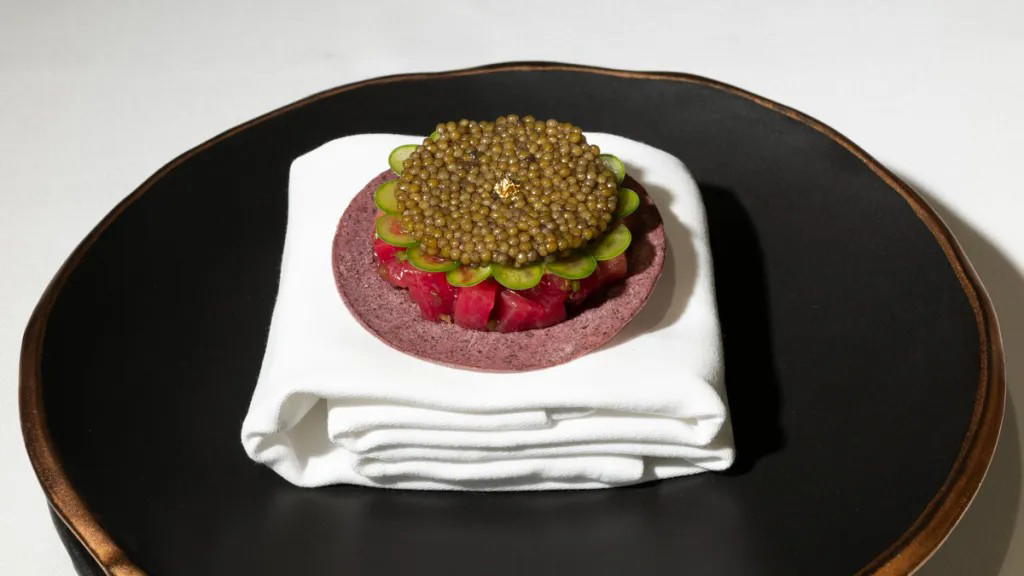
The common misconception about Sushi Akira is that it competes on novelty or fusion. It does not. Chef Kazunori Maeiwa's approach is rooted in the Edomae tradition; precise rice preparation, fish aged and conditioned in-house, a progression that builds deliberately from the zensai course through to nigiri. The tuna is the headline, consistently so: Maeiwa ages it himself, which gives it a depth and texture that sets it apart from counters serving day-fresh product. The difference is real, not marketing.
The vinegar blend Maeiwa uses on the rice, his own formulation using red vinegars, is the kind of detail that separates a technically accomplished sushi counter from one that simply assembles good ingredients. Hokkaido rice, properly seasoned, responds differently under the chef's hand than commodity rice. For a first-timer, this is the thing to pay attention to: the rice is not a supporting player here, it is the point.
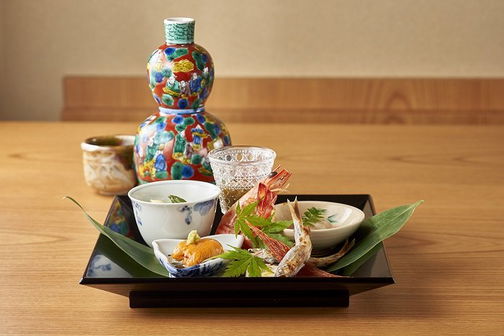
Zensai courses include preparations like unagi and abalone, designed to set appetite rather than distract from what follows. These appetisers are measured and purposeful, not showpieces. If you arrive expecting theatrical amuse-bouches, you may find the opening sequence understated. That restraint is the whole idea.
The Room and How to Sit in It
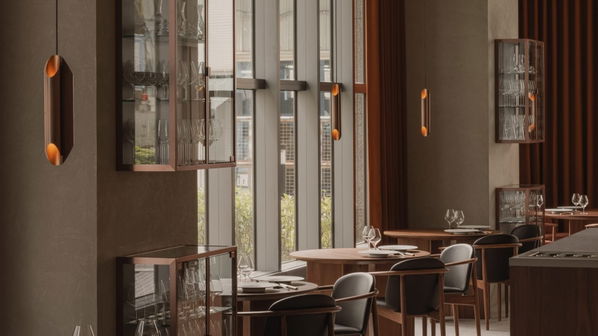
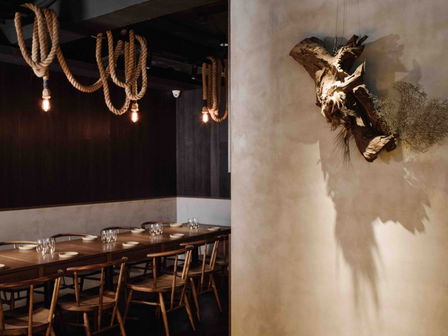
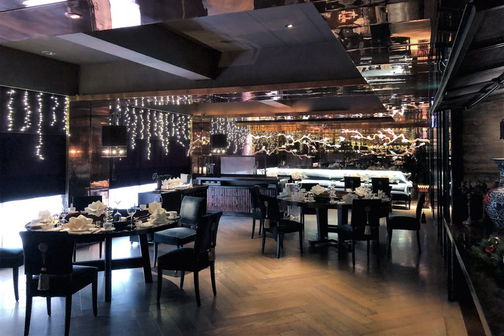
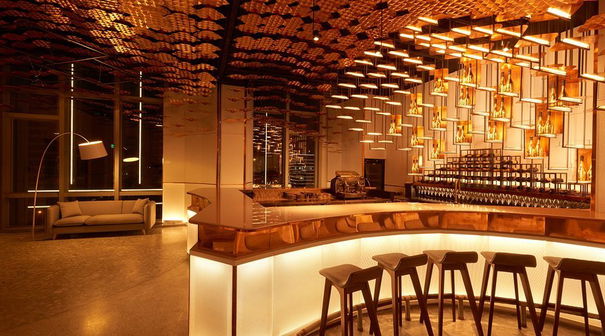
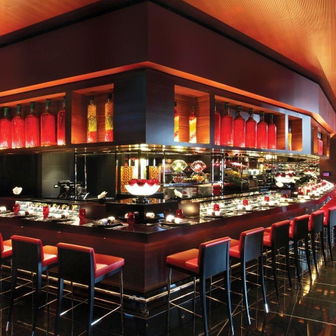
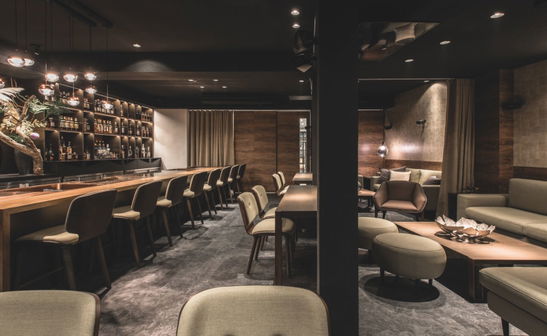
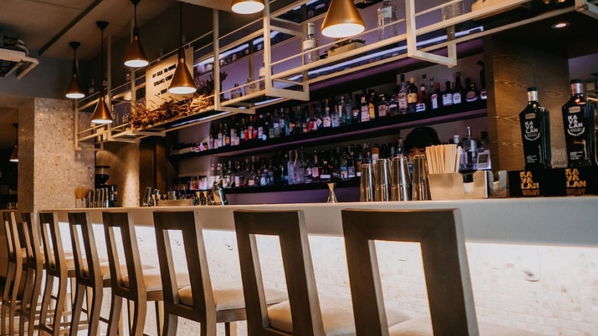
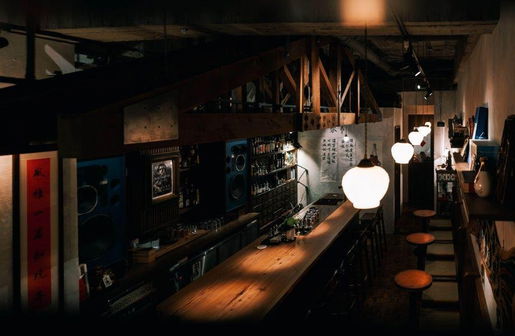
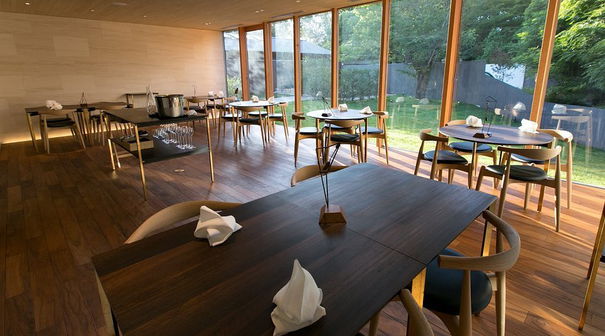
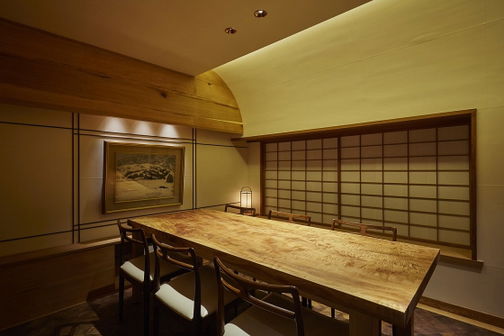
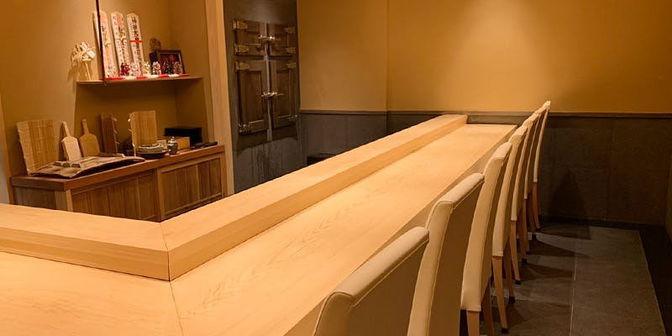
The space gives you a choice that actually matters. Counter seats put you directly in front of the action, you watch Maeiwa work, the pacing of your meal is tied to what is happening on the other side of the wood. The room seats allow for more privacy and work better for conversations you actually want to have. For a first visit, the counter is the right call: you will understand the food better for having watched it made.
The atmosphere at Sushi Akira sits closer to focused and quiet than to lively or energetic. This is a room where the ambient sound is the work itself, the slicing, the seasoning, the soft exchange between chef and diner. It is not the place to celebrate loudly. If the occasion is intimate and the conversation matters as much as the food, request the room rather than the counter. Both work; they are just different experiences.
Booking and Timing
Getting a table here is genuinely difficult. Sushi Akira is described by Michelin as often fully booked, that is not an exaggeration. Reservations should be made as far in advance as possible, this is not a two-week-out booking; plan for further ahead. The restaurant operates both lunch and dinner sessions every day of the week: lunch runs 12–2:30 pm and dinner 5–11:30 pm. Lunch sessions at high-end Edomae counters sometimes carry shorter lead times than dinner, so it is worth targeting a midweek lunch if your first choice slots are unavailable. Do not bank on cancellations.
Know Before You Go
- Address: No. 6之3號, Lane 25, Shuangcheng St, Zhongshan District, Taipei
- Hours: Daily, Lunch 12–2:30 pm, Dinner 5–11:30 pm
- Price: $$$$
- Award: Michelin 1 Star (2024)
- Booking difficulty: Hard, reserve as far in advance as possible
- Seating options: Counter (chef-facing) or room tables (more private)
- Leading for: Special occasions, serious sushi diners, intimate dinners
How It Sits in Taipei's Sushi Scene
Taipei has developed a strong Japanese sushi culture, Sushi Akira sits at the top of that category. For context within the city's wider fine dining offer, it is worth knowing what else is operating at this level. Sushi Ryu and Sushi Kajin are the most direct peer comparisons in the omakase sushi space. Kitcho offers a different Japanese format, kaiseki rather than sushi, for diners whose priority is Japanese technique across a broader range of preparations. Qi 27 (Sushi 27) and Sasa are worth considering if availability at Akira proves impossible.
For international context, Sushi Akira occupies a similar quality tier to counters like Harutaka in Tokyo and Sushi Shikon in Hong Kong, all Edomae-focused, all operating at Michelin-recognised standard. That positioning matters for calibrating expectations: this is not a regional approximation of Japanese sushi culture, it is operating within the same tradition at a comparable level.
If you are planning wider travel around Taiwan, JL Studio in Taichung is the most compelling single-restaurant reason to leave Taipei. For a fuller picture of the city's dining options across all price points and cuisines, see our full Taipei restaurants guide. If you need accommodation alongside your booking, our Taipei hotels guide covers the options by neighbourhood. For drinks before or after, the Taipei bars guide has the relevant options in Zhongshan and beyond.
Frequently Asked Questions
What should I order at Sushi Akira?
- The format here is chef-driven, so you are not ordering à la carte in the conventional sense, the menu progresses from zensai through nigiri at the chef's discretion. That said, the tuna is the standout: Maeiwa ages it in-house and it shows. The abalone and unagi preparations in the opening course are worth your full attention before the nigiri sequence begins.
Is Sushi Akira good for a special occasion?
- Yes, with a caveat on setting. The counter is immersive and the food is occasion-worthy, but the room is quiet and focused rather than celebratory. If you want a lively atmosphere for a birthday, this is not the right call. If the occasion is an anniversary or an intimate dinner where the food is the centrepiece, it works well. The Michelin 1 Star and $$$$ pricing both signal that this is a considered-spend venue, not a casual splurge.
What should a first-timer know about Sushi Akira?
- Book early, this place is regularly fully booked and does not accommodate walk-ins reliably. Arrive understanding that the experience is Edomae-focused: aged fish, seasoned Hokkaido rice, restrained zensai, a progression that builds toward the nigiri. Sit at the counter on your first visit. The room is quieter and more private, but you will get more from the meal if you can watch the preparation directly. Pricing is $$$$, so come with appetite and no other plans for the evening.
Can I eat at the bar at Sushi Akira?
- Counter seats are available and are the recommended choice for first-timers who want to engage with the chef's technique. The trade-off is that the counter offers less privacy than the room tables. If you are dining with someone and want conversation to flow without feeling observed, the room works better. Both require a reservation, there is no casual drop-in counter access here.
Is the tasting menu worth it at Sushi Akira?
- At $$$$ pricing with a Michelin star behind it, the answer is yes, if Edomae sushi is your format. The value case rests on the in-house fish aging, the proprietary vinegar blend on the rice, the overall technical consistency that earned the recognition. If you are less interested in the craft of the rice and fish aging and more interested in variety or spectacle, a multi-cuisine tasting experience like Taïrroir may return more per dollar for your preferences.
Is Sushi Akira worth the price?
- For serious sushi diners, yes. The price is not a bargain, but it is not arbitrary either, you are paying for craft that is verifiably present in the product. If your benchmark is Tokyo-tier Edomae quality outside Japan, Sushi Akira delivers it. If you want the same $$$$ spend with more format variety, Logy offers a different kind of precision at the same price point.
Planning details
- Hours
- Monday: 12–2:30 pm, 5–11:30 pm · Tuesday: 12–2:30 pm, 5–11:30 pm
- Location
- No. 6之3號, Lane 25, Shuangcheng St, Zhongshan District, Taipei City, Taiwan 10491
- Website
- m.facebook.com/%E6%98%8E%E5%A3%BD%E5%8F%B8-194176523926602
- Phone
- +886 2 2596 1069
The take
The Take
The Vibe
Sushi Akira sits tucked off a Zhongshan side lane, and that tucked-away address sets the tone: deliberate, quiet and focused. The room attracts regulars and intentional visitors rather than transient foot traffic, which keeps conversations low and attention on the food. As a Michelin one-star omakase counter, the experience privileges craft and sequence—clear sightlines, measured pacing and the small rituals of Edomae sushi. The venue balances a chef-facing counter for engaged diners with a main room that offers more privacy; both arrangements support a restrained, contemplative meal where technique and ingredient shine.
Best For
This is a place for diners who want a concentrated sushi experience—couples marking a special evening, solo guests who relish the chef’s work, and aficionados seeking high-spec fish and a tasting sequence. Its Michelin recognition and counter format make it particularly well suited to dinner, when longer omakase sequences unfold and the room’s quiet enhances the dialogue between chef and guest. The setting rewards visitors who arrive intentionally: regulars and deliberate diners populate the room, and the layout accommodates both close-up chef interaction and a more private dining option.
Ordering Tips
If you want the closest engagement with technique and tempo, choose a counter seat: the review highlights 'watching the rice being formed or the fish sliced' as a defining pleasure. The counter delivers a tighter, more engaged version of the omakase; the main room trades that proximity for privacy. Expect a tasting sequence rather than à la carte pacing—the copy explicitly frames the venue in the Michelin/omakase tier. Make a point to try the house standouts—tuna nigiri is listed among the signature items—and come ready to follow the chef’s sequence.
Planning details
Hours
- Monday
- 12–2:30 pm, 5–11:30 pm
- Tuesday
- 12–2:30 pm, 5–11:30 pm
- Wednesday
- 12–2:30 pm, 5–11:30 pm
- Thursday
- 12–2:30 pm, 5–11:30 pm
- Friday
- 12–2:30 pm, 5–11:30 pm
- Saturday
- 12–2:30 pm, 5–11:30 pm
- Sunday
- 12–2:30 pm, 5–11:30 pm
Location
No. 6之3號, Lane 25, Shuangcheng St, Zhongshan District, Taipei City, Taiwan 10491 · Directions


Also consider
Also Consider
- logy; Modern European, Asian Contemporary, $$$$
- Le Palais; Cantonese, $$$$
- Taïrroir; Taiwanese/French, Taiwanese contemporary, $$$$
- Mudan Tempura; Tempura, $$$$
- Golden Formosa; Taiwanese, $$
Restaurant context
At the $$$$ tier in Taipei, Sushi Akira competes directly with a small group of high-commitment dining rooms. For diners choosing between Japanese formats, Mudan Tempura offers the same price band but a completely different experience; refined tempura rather than nigiri, generally easier to book. If your priority is sushi specifically, Akira is the stronger technical choice, but Mudan is worth knowing as an alternative when Akira is unavailable.
For diners weighing Sushi Akira against Taipei's non-Japanese $$$$ options: Taïrroir is the most interesting counterpoint; it delivers creative Taiwanese-French cooking with more format variety per course, it is a better fit for groups with mixed preferences or diners who want spectacle alongside precision. Le Palais is the choice if Cantonese fine dining is the priority; it operates at a different culinary tradition entirely but competes for the same occasion spend. Logy is arguably Taipei's most technically inventive fine dining room right now; modern European with strong Asian influences; and worth serious consideration if you are not specifically committed to sushi.
On booking difficulty, Sushi Akira and Logy are both hard to get into; Taïrroir and Le Palais tend to have slightly more availability at short notice. On value, Golden Formosa operates at $$ and offers a very different but genuinely worthwhile Taiwanese dining experience if budget is a factor on other nights of a trip. For the specific combination of Edomae technique, Michelin recognition, chef-driven intimacy, Sushi Akira has no direct equivalent in the city.
Explore Taipei
Around this place
Discover more on Pearl
Unlock the full Sushi Akira guide in Pearl, including awards, comparisons, FAQs, planning details, and nearby places.
Compare Sushi Akira
| Venue | Price | Awards |
|---|---|---|
| Sushi Akira | $$$$ | Michelin Guide Taiwan 20262025 OAD Top Restaurants in Japan Ranked · #2062025 Michelin 1 Star2024 OAD Top Restaurants in Japan Ranked · #3132024 Michelin 1 Star2023 OAD Top Restaurants in Japan Recommended |
| logy | $$$$ | 2026 Asia's 50 Best Restaurants · #222026 OAD Top Restaurants in Asia Ranked · #22Michelin Guide Taiwan 2026Star Wine Lists 20262026 Conde Nast Traveler Hot List Restaurants2026 Black Pearl 1 Diamond2026 La Liste Top Restaurants2025 Asia's 50 Best Restaurants · #262025 OAD Top Restaurants in Asia Ranked · #32 |
| Le Palais | $$$$ | 2026 OAD Top Restaurants in Asia Ranked · #128Michelin Guide Taiwan 20262026 La Liste Top Restaurants2025 OAD Top Restaurants in Asia Ranked · #1212025 La Liste Top Restaurants2025 Michelin 3 Stars2024 OAD Top Restaurants in Asia Ranked · #1782024 Michelin 3 Stars2023 OAD Top Restaurants in Asia Ranked · #140 |
| Taïrroir | $$$$ | 2026 OAD Top Restaurants in Asia Ranked · #132Michelin Guide Taiwan 20262026 La Liste Top Restaurants2025 OAD Top Restaurants in Asia Ranked · #128Tatler Best Restaurants Asia-Pacific 20252025 Michelin 3 Stars2025 La Liste Top Restaurants2024 OAD Top Restaurants in Asia Ranked · #842024 Michelin 3 Stars |
| Mudan Tempura | $$$$ | Michelin Guide Taiwan 20262026 OAD Top Restaurants in Asia Recommended2026 La Liste Top Restaurants2025 OAD Top Restaurants in Asia Ranked · #2842025 Michelin 2 Stars2024 OAD Top Restaurants in Asia Ranked · #288 |
| Golden Formosa | $$ | Michelin Guide Taiwan 20262026 OAD Top Restaurants in Asia Recommended2025 OAD Top Restaurants in Asia Ranked · #4252025 Michelin 1 Star2024 OAD Top Restaurants in Asia Ranked · #3862024 Michelin 1 Star2023 OAD Top Restaurants in Asia Recommended |











Key differences to consider before you reserve.
FAQ
Frequently Asked Questions
What should I order at Sushi Akira?
The omakase format means ordering is not really in your hands, which is the point. Chef Maeiwa ages the fish himself and dresses Hokkaido rice with his own red vinegar blend; the tuna is specifically called out as a standout. The zensai course, which includes preparations like unagi and abalone, is designed to build into the nigiri sequence, so treat it as part of the arc rather than optional.
Is Sushi Akira good for a special occasion?
Yes, with one caveat: this is a focused, chef-led experience, not a celebratory party venue. The room offers more privacy than the counter and suits a dinner-for-two or small group occasion well. At $$$$ per head with a Michelin 1 Star (2024), the credentials back up the spend; but if you need ambient noise and a wine list to anchor the evening, consider pairing with a cocktail bar nearby beforehand.
What should a first-timer know about Sushi Akira?
Book as far in advance as possible; Michelin flags this place as often fully booked, that matches the reality. The format is traditional Edomae omakase, so there is no menu to study: you eat what Chef Maeiwa serves, at his pace. Counter seats are the more immersive option; the room seats give you privacy if the performance-style setting is not your preference.
Can I eat at the bar at Sushi Akira?
Yes, the counter is the recommended choice if you want the full experience. Sitting directly in front of Maeiwa means you follow the rhythm of the meal as he works, which is how Edomae sushi is designed to be eaten. If you are with a larger group or prefer a quieter setting, the room is available, though you trade some of that immediacy.
Is the tasting menu worth it at Sushi Akira?
For Edomae purists, yes. The aged fish, house-blended vinegar rice, chef-controlled pacing are exactly what justify a $$$$ omakase price in this category. If you are newer to omakase or prefer a la carte flexibility, this is not the place to test that preference; the format is fixed and the kitchen is built around it.
Is Sushi Akira worth the price?
At $$$$ per head, Sushi Akira sits at the top of Taipei's sushi price tier, the Michelin 1 Star (2024) confirms it belongs there. The value case rests on craft details; fish aged in-house, proprietary vinegar rice, a chef with a long-standing local reputation; rather than on theatre or novelty. If Edomae omakase is the format you want, this is one of the strongest places to spend that money in Taipei.