


Soul
Contemporary · 소공동, Seoul
Restaurant in Seoul, South Korea
 Book with Pearl
The Read
Korean Fusion Partitioned
Price
$150–200per person
Dress
Smart Casual
Why go
Soul holds a Michelin star and back-to-back La Liste recognition at 79 points, making it one of Seoul's stronger ₩₩₩ contemporary dining bets. Chef Yun Dae-hyun and Chef Kim Hee-eun run a Korean fusion concept in an intimate partitioned basement in Yongsan-gu. Book four to six weeks out for weekends — this is a hard reservation since the 2024 Michelin award.
About Soul
Soul, Seoul: The Verdict
If you have already been to Soul once, the question on a second visit is not whether the quality holds — La Liste has scored it at 79 points in both 2025 and 2026, and the Michelin star awarded in 2024 has not been a one-off conversation starter. The real question is whether the service and spatial concept continue to justify the ₩₩₩ price point against Seoul's growing field of serious contemporary restaurants. The answer is yes, with one important qualification: this venue works well when you arrive knowing what you want from it.
What Soul Is
Soul occupies a basement level on a quiet stretch of Sinheung-ro in Yongsan-gu, a district that rewards the effort of finding it. Chef Yun Dae-hyun and his wife Chef Kim Hee-eun run a husband-and-wife operation that has partitioned the space into distinct dining sections, each designed for a different register of the menu. The concept is contemporary Korean fusion — everyday Korean flavour references meeting modern fine dining technique, and the name carries the intention plainly: food that reads as considered rather than clinical.
The kitchen draws on the range of culinary traditions present in modern Korea and channels them into dishes that feel both familiar and composed. This is not the kind of contemporary tasting menu that asks you to leave Korean food behind at the door. The convergence is the point. For a return visitor, that framing becomes easier to appreciate on a second visit because you are not spending energy decoding the concept, you are simply eating.
Service Philosophy and Whether It Earns the Price
At ₩₩₩, Soul sits one tier below the ₩₩₩₩ heavy-hitters in Seoul's contemporary dining scene, and the service approach reflects that positioning honestly rather than apologetically. The husband-and-wife structure at the kitchen's core gives the front-of-house a coherence that larger brigade-run restaurants sometimes lose. You are unlikely to encounter the kind of orchestrated theatre that defines somewhere like Jungsik, but what you do get is attentive, informed service that can speak to the sourcing decisions behind the menu without reverting to scripted patter.
For a return visitor, this matters more than it did on the first visit. On your first visit you were absorbing the room. On a second visit, the service is what you are actually evaluating. Soul's team earns the price point here: the experience does not feel understaffed or indifferent, and the multi-section room layout, which could easily become logistically awkward, is handled with enough clarity that you are not left wondering who is looking after you.
Where Soul could improve relative to its price: the ₩₩₩ bracket in Seoul increasingly means consumers are choosing between this and venues like L'Amitié, where French technique brings its own service grammar. Soul's service is warmer and less formal than L'Amitié's French model, which is either a reason to book it or a reason to go elsewhere, depending on what you want from the evening.
Booking Soul: How Far Out You Need to Plan
Soul is a hard booking. The 2024 Michelin star and consistent La Liste recognition have pushed demand well beyond what a basement-level Yongsan restaurant would ordinarily field. Book a minimum of three to four weeks in advance for midweek dates; weekend tables at Soul require closer to five or six weeks' notice, particularly Friday and Saturday evenings. The restaurant operates seven days a week, noon to 10 PM, which gives you more windows than many comparable Seoul fine dining venues, but do not read that as meaning availability is easy. The lunch service on weekdays is your leading opportunity if you have flexibility.
There is no booking method confirmed in our current data, so the safest approach is to check Soul's official contact channels directly before assuming a third-party platform covers it. Seoul's leading contemporary restaurants increasingly manage reservations in-house or through Korean-language platforms that international bookers may need to navigate carefully. If you are visiting from abroad, factor in lead time for this logistics step.
For context on booking difficulty across Seoul's contemporary scene, venues at the ₩₩₩₩ tier such as Exquisine and Restaurant Allen tend to require similar or longer lead times. Soul's slightly lower price tier does not translate to easier availability.
The Room and the Experience in Practice
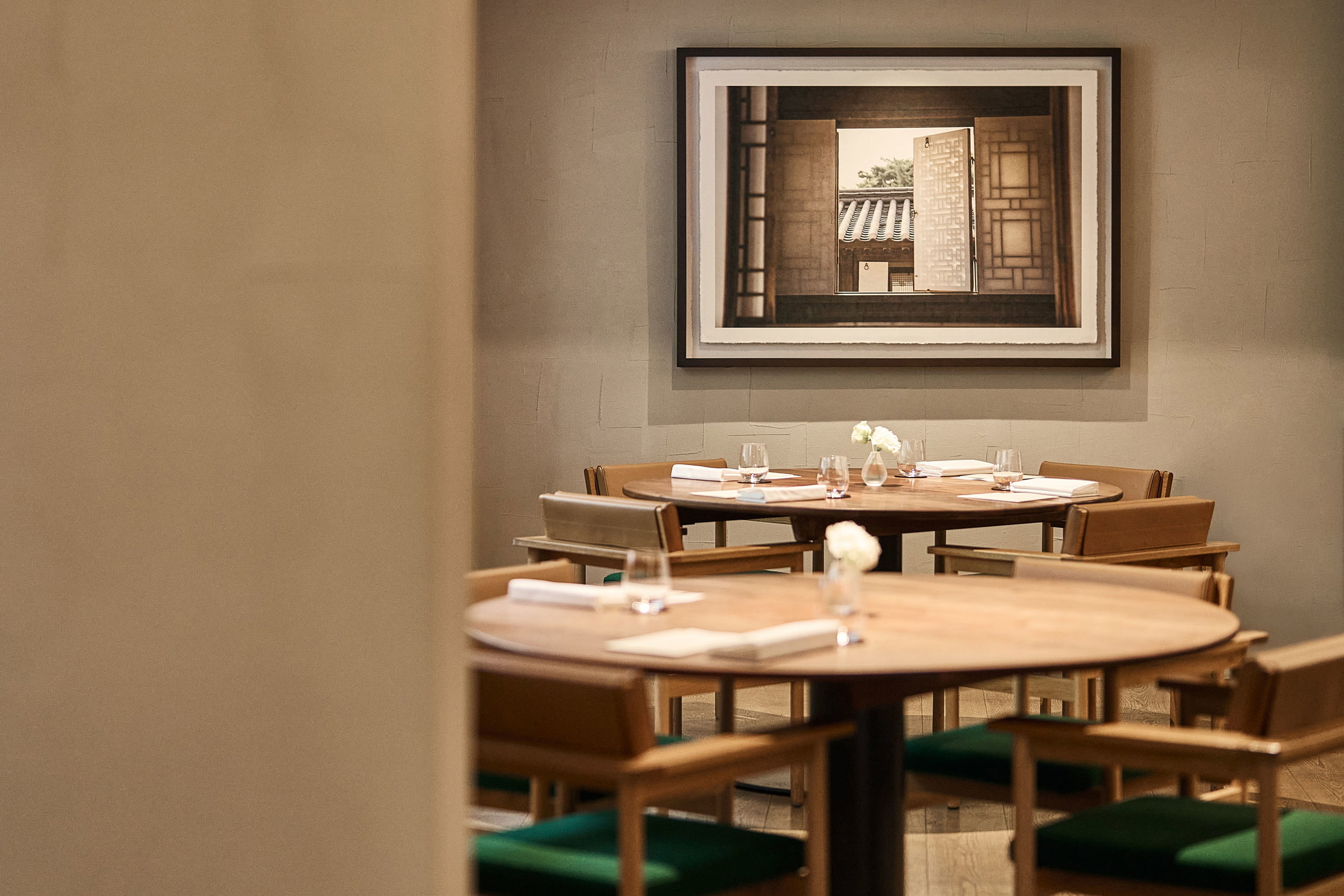
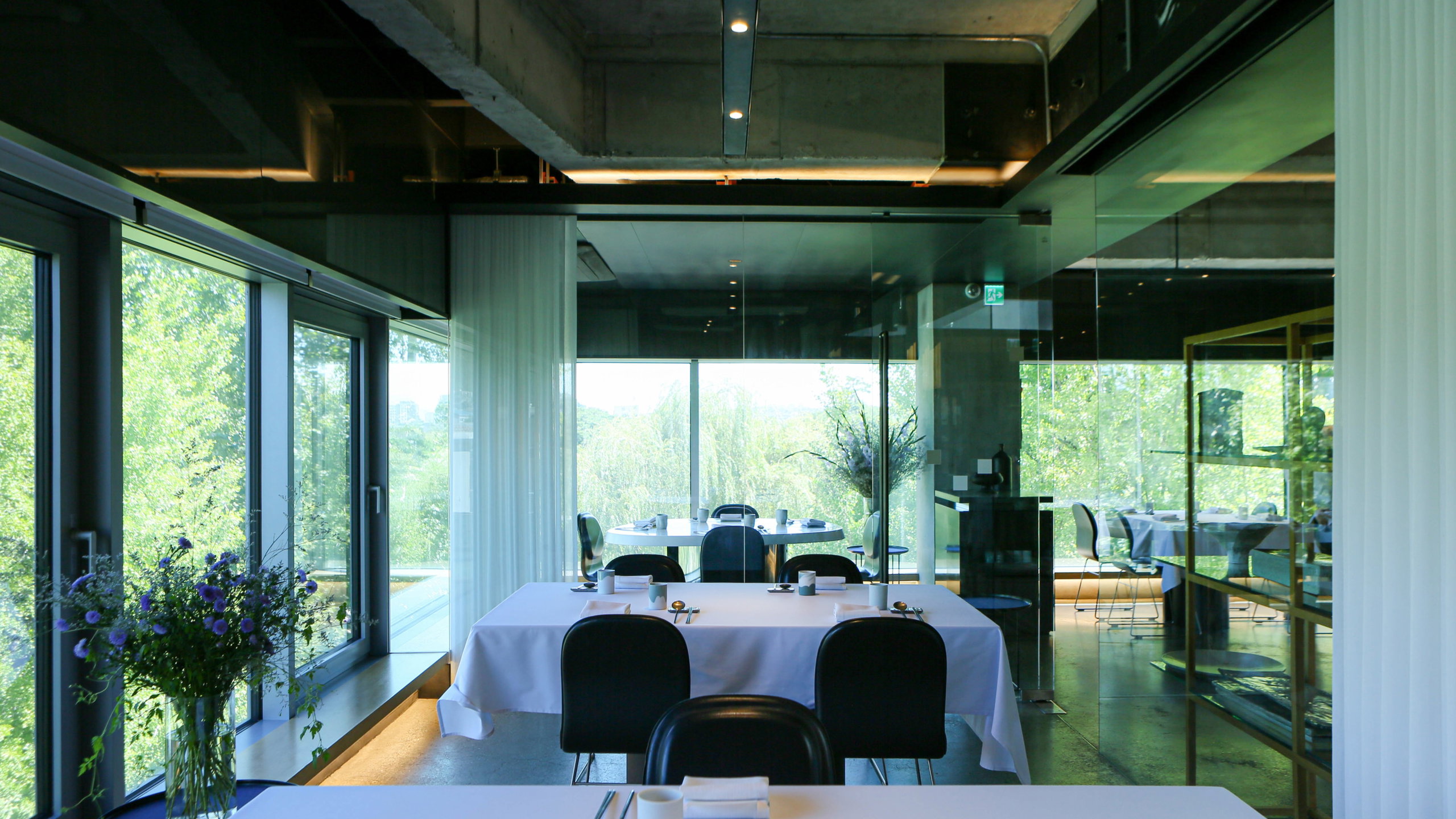
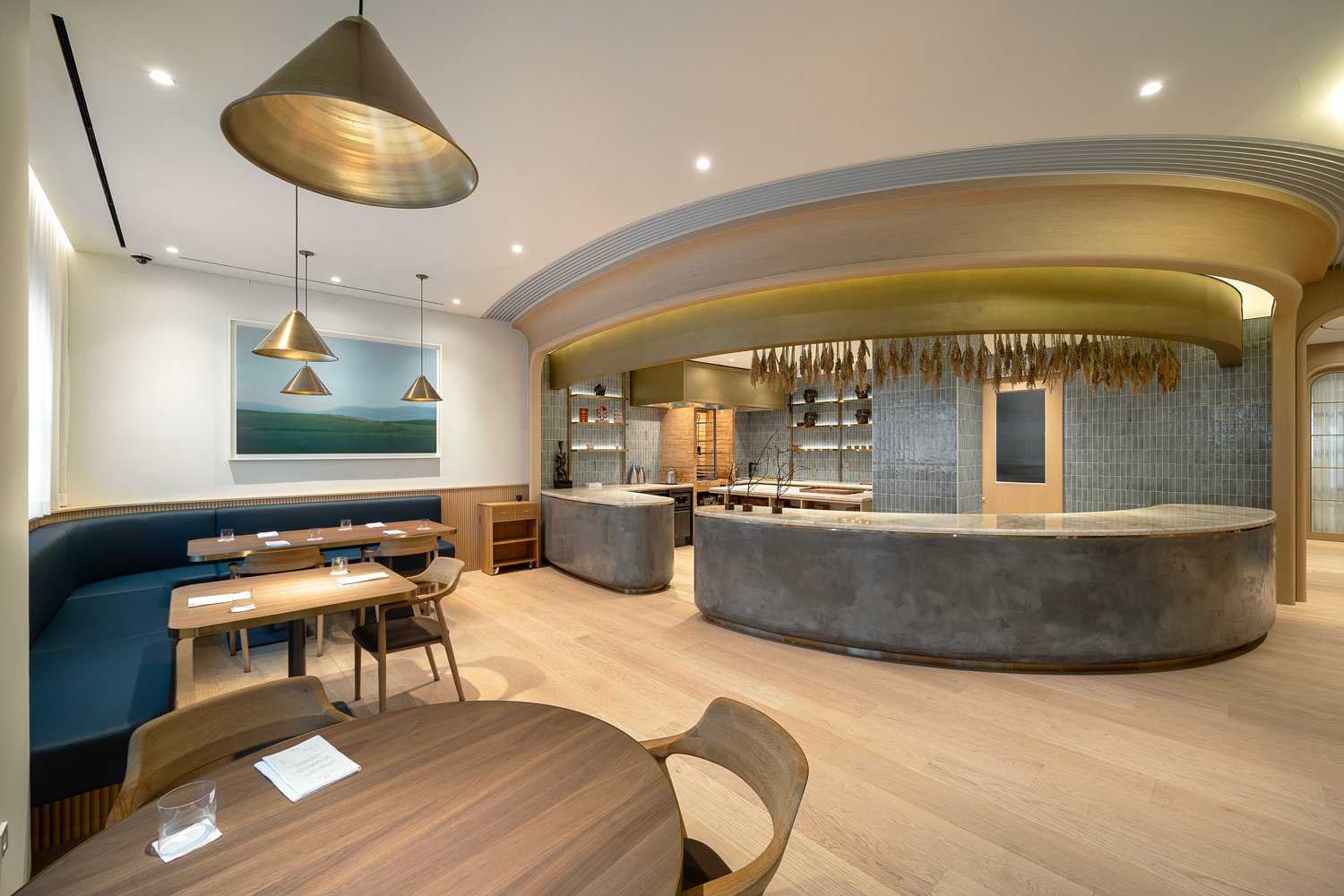
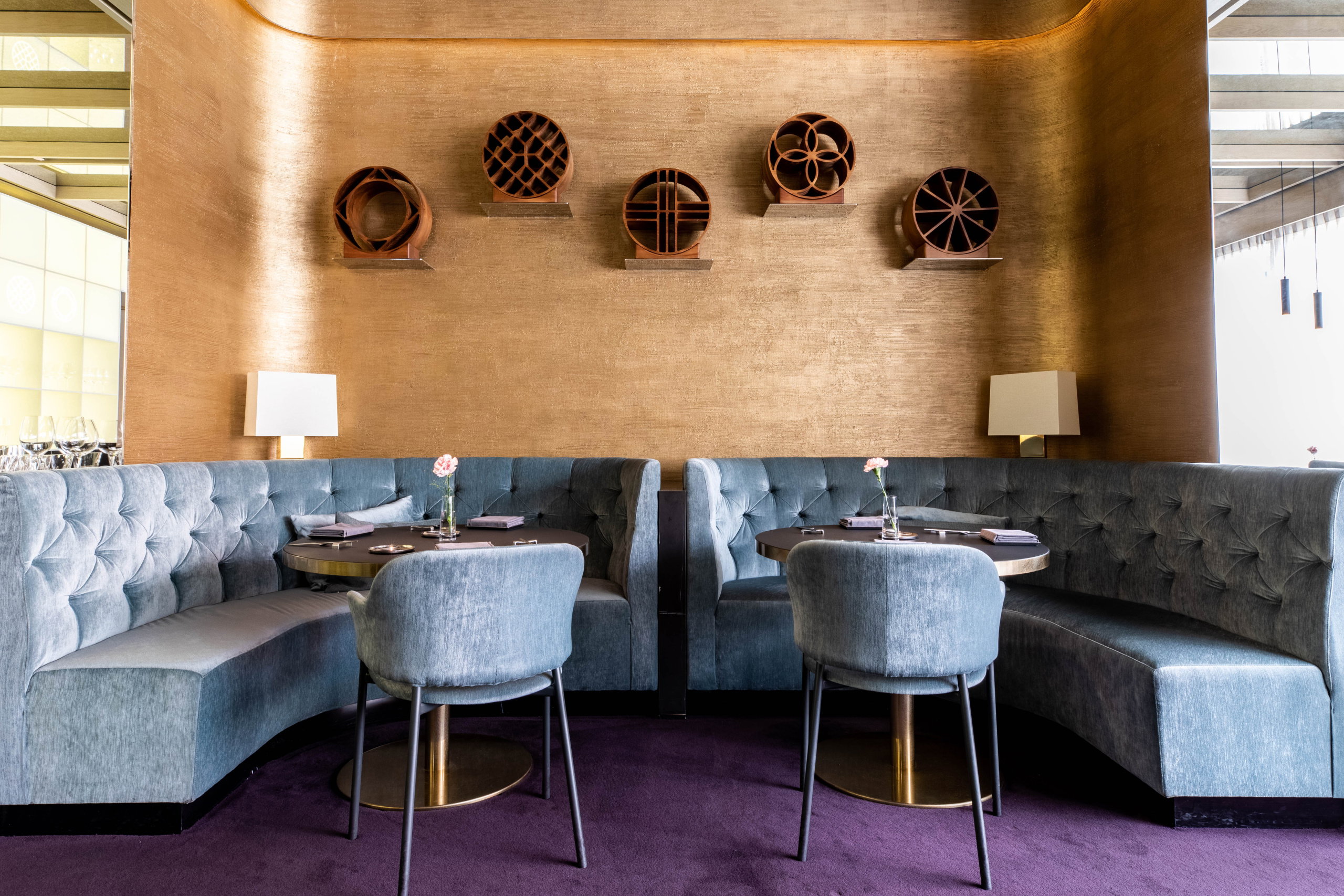
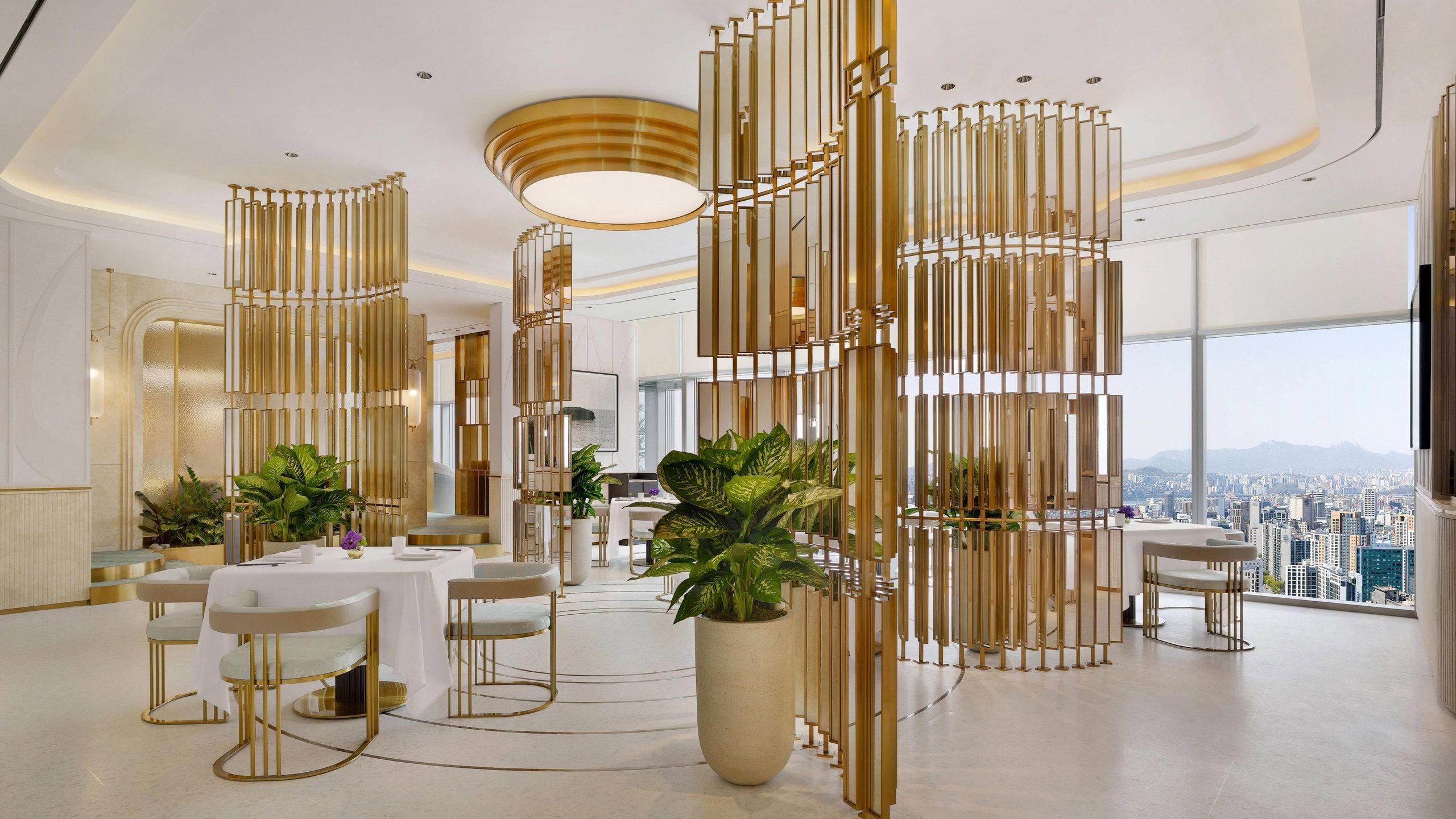
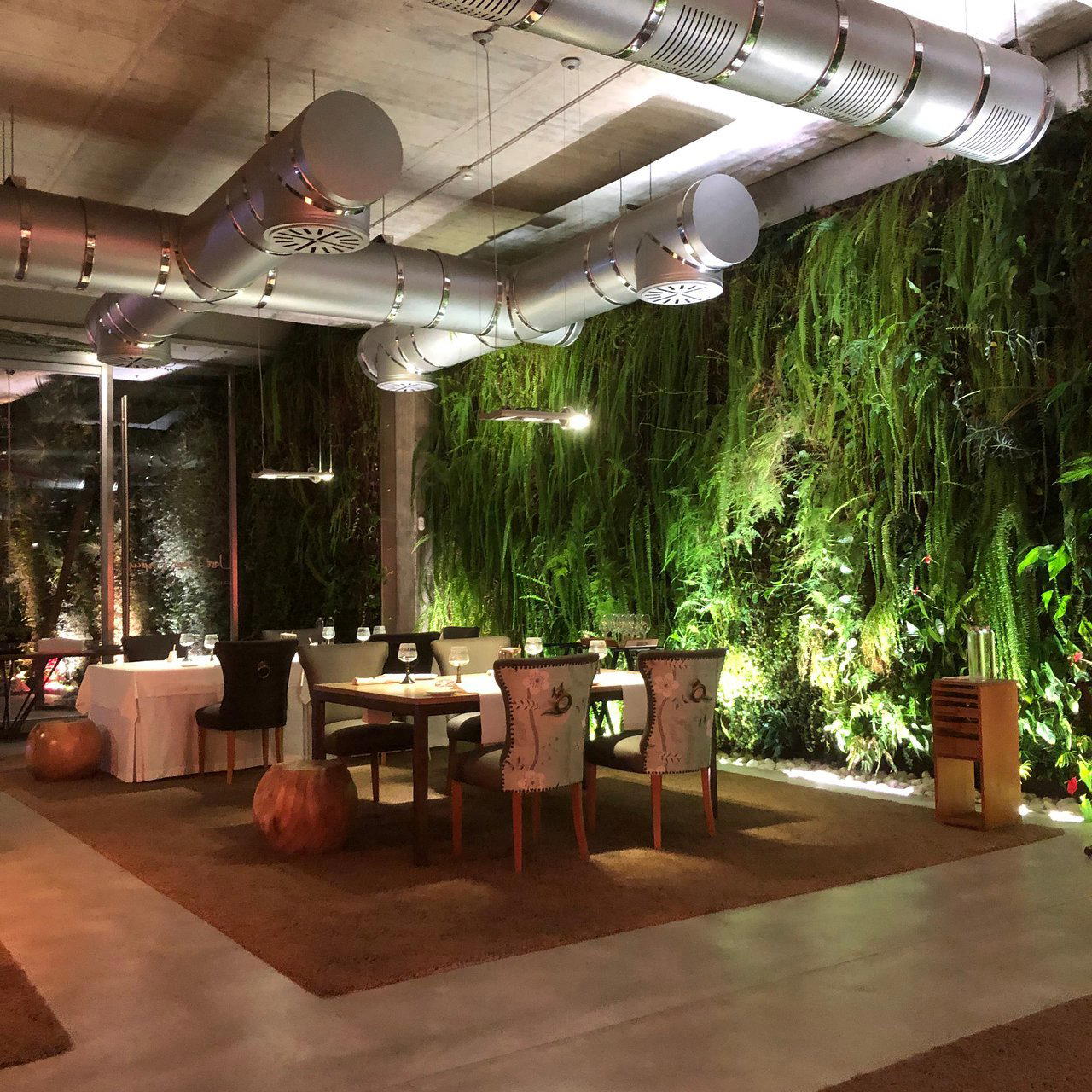
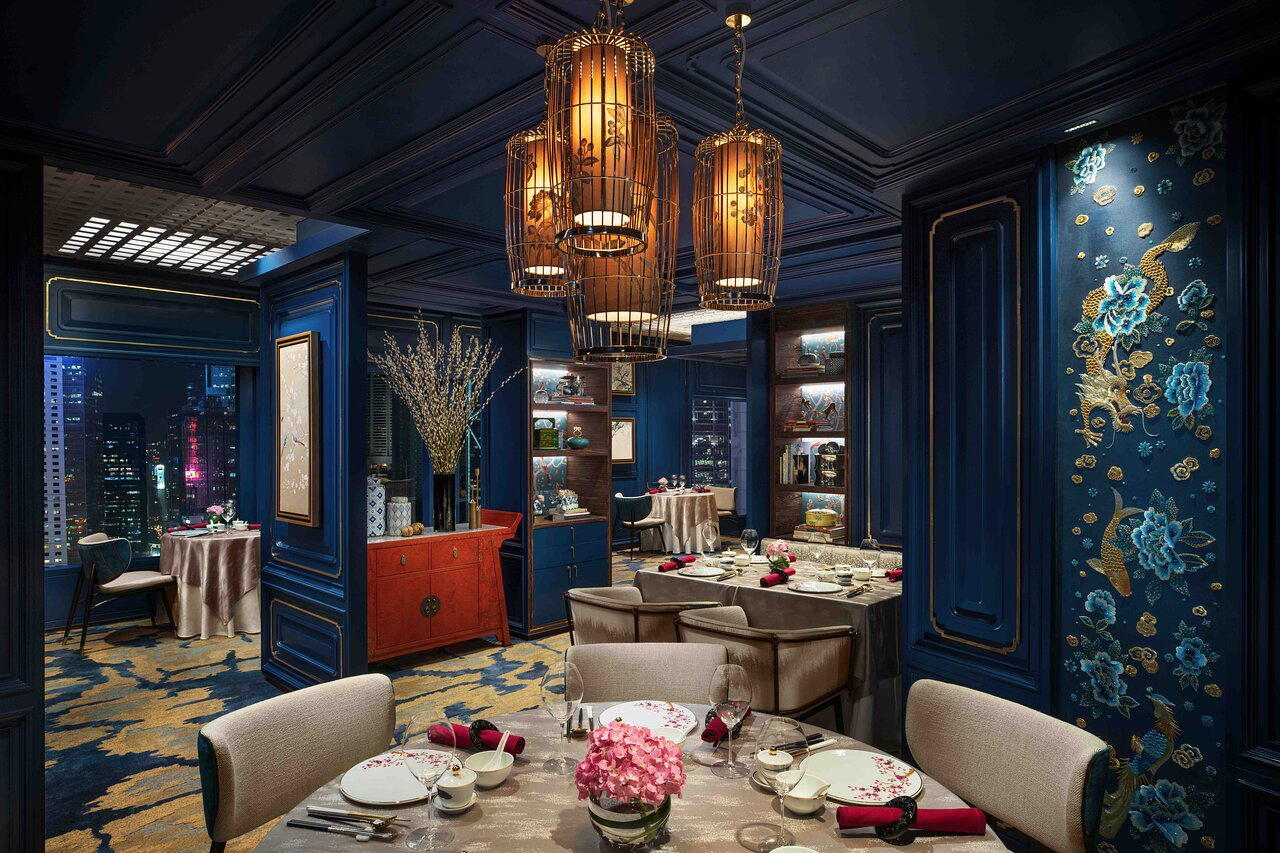
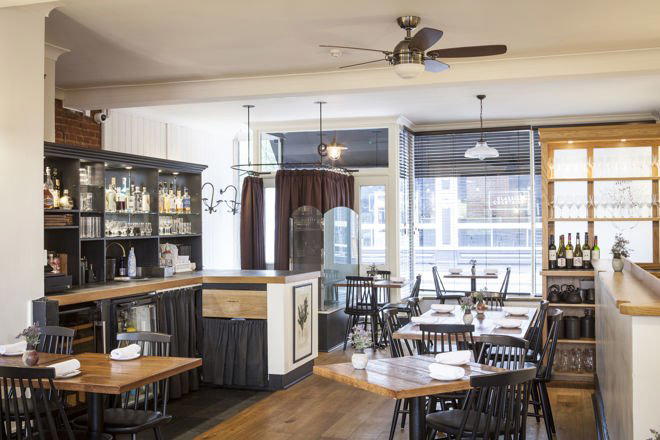
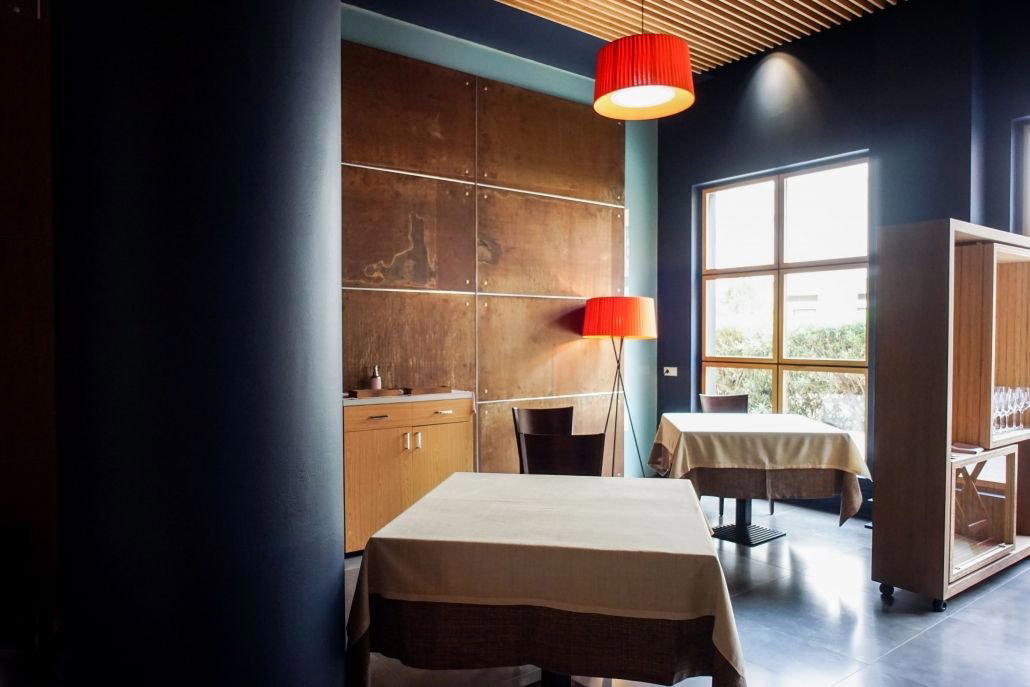
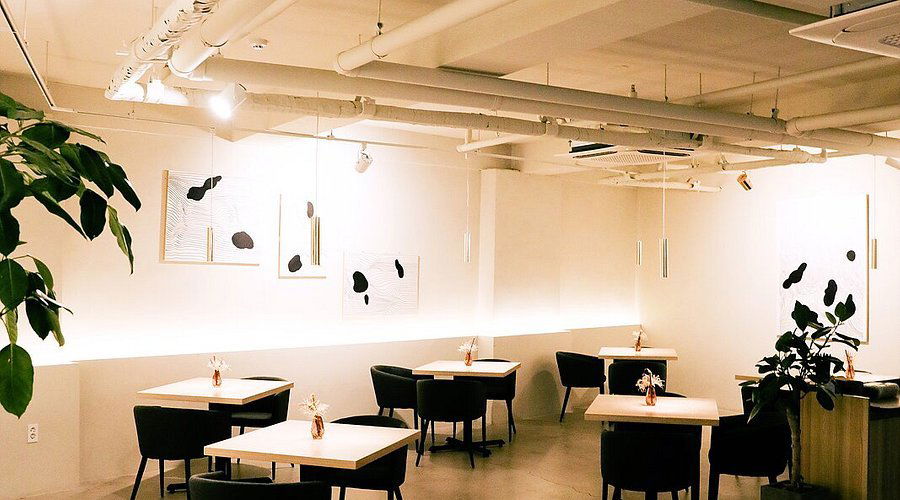
The basement setting in Yongsan-gu means the space has an intimacy that street-level Seoul dining rooms rarely achieve. The partitioned layout creates distinct dining zones, which works well for private dinners or occasions where you want some separation from adjacent tables. It is a practical asset that also contributes to a sense of occasion without requiring the full theatre of a luxury hotel dining room.
For a special occasion, Soul is a strong choice in the ₩₩₩ bracket, more considered than a generalist contemporary restaurant, more accessible in price than the Michelin-starred Korean tasting menus that regularly exceed ₩₩₩₩. If you are planning an anniversary dinner or a business dinner that needs to feel serious without being oppressive, this configuration serves that well. For larger groups, confirm the private section arrangements in advance; the partitioned layout suggests flexibility, but seat count data is not confirmed in our current record.
Return visitors looking to explore more of Seoul's fine dining circuit should consider Eatanic Garden and Solbam as reference points for how the contemporary Korean category is developing at the ₩₩₩₩ tier. For a broader picture of where Soul sits in the city's dining geography, our full Seoul restaurants guide covers the field. If you are building a full Seoul itinerary, the Seoul hotels guide, bars guide, and experiences guide cover the broader picture. Korea's fine dining scene extends well beyond the capital, Mori in Busan and Kwon Sook Soo in Gangnam-gu are worth knowing if your itinerary stretches further. For international comparisons at a similar contemporary register, Alo in Toronto and César in New York City occupy a broadly comparable position in their respective cities.
Quick reference: Soul, B1F 35 Sinheung-ro 26-gil, Yongsan-gu, Seoul. Open daily 12 PM–10 PM. Price range: ₩₩₩. Michelin 1 Star (2024). La Liste 79pts (2025 and 2026). Book 4–6 weeks out for weekends; 3–4 weeks for weekdays.
Planning details
- Hours
- Monday: 12 PM-10 PM · Tuesday: 12 PM-10 PM
- Location
- B1F, 35 Sinheung-ro 26-gil, Yongsan-gu, Seoul, 04337, South Korea
- Website
- catchtable.net/shop/souldining
- Phone
- +82 2-318-7685
The take
The Take
The Vibe
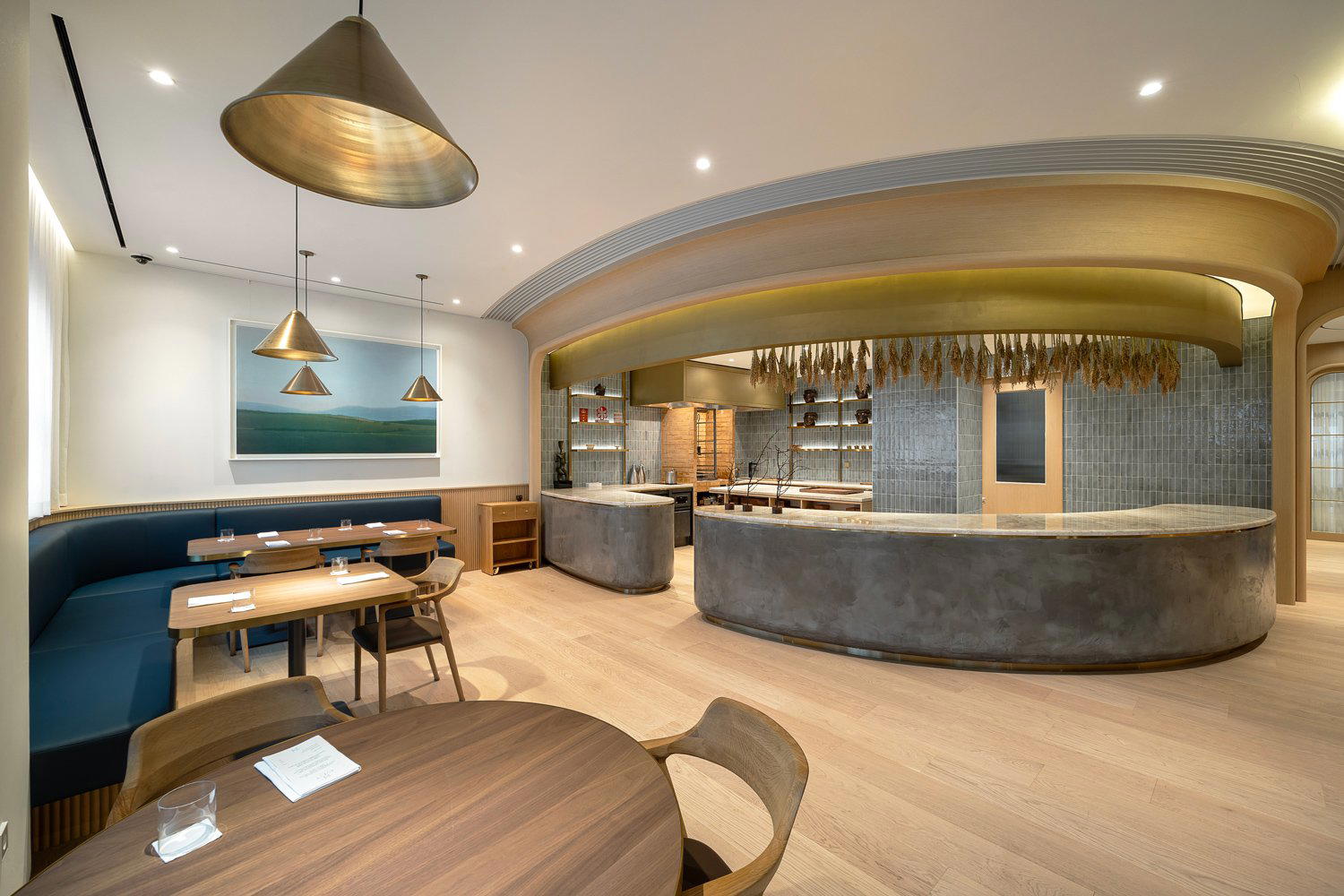
Soul sits below street level in Yongsan, and the subterranean setting shapes everything about the place: contained, acoustically softened rooms that feel deliberately removed from Seoul's retail bustle. The husband-and-wife chef team organizes the basement into distinct sections, so the dining experience reads as thoughtful and restrained rather than flashy. The writing on the wall is contemporary fine dining — ingredient-led, quietly precise and inward-facing. Expect a low-lit, calm interior where the focus is on provenance and composition, and the overall effect is intimate and contemplative rather than performative.
Best For
This is a restaurant geared toward evening occasions that call for focus and finesse. Located in a residential-adjacent pocket of Yongsan-gu, Soul is best for dinner, date nights and special occasions when you want a contained, composed experience away from tourist corridors. The partitioned dining sections let groups choose a register that suits them, from quietly romantic tables to slightly more social rooms; the subterranean acoustics keep conversation private and the mood purposeful. It’s less about passing foot traffic and more about reservations and an occasion-driven visit.
Ordering Tips
Menus at Soul foreground Korean ingredients and curated preparations; when ordering, lean into the kitchen’s signature items to understand its approach. Start with the Hanwoo Tartare and oysters to sample raw and briny textures, then move to the Blooming (Samgyetang) or Lamb Tteokgalbi for warm, composed mains. The Hanwoo Strip Loin showcases their take on premium beef, and finishing with the Bingsoo with Truffle nods to a contemporary sweet course. Portions and pacing feel aligned with fine dining service, so plan a progression of shared plates and mains for the full experience.
Venue details
Ambiance
Basement location with bright, clean lighting; peaceful and serene interior contrasting with the bustling narrow alley outside. Counter seating offers views of the open kitchen where chefs work silently.
Tags
Vibe
Best For
Experience
Sourcing
At the Table
- Dress Code
- Smart Casual
- Noise Level
- Quiet
- Service Style
- Formal
- Meal Pacing
- Extended Experience
- Capacity
- Small
- Kitchen
- Fusion
- Menu Format
- Tasting menu, Counter dining
- Wine Program
- Curated
- Drinks Focus
- Wine pairing
- Dietary
- Allergy accommodating
- Private Dining
- Available
Signature Dishes
- Hanwoo Tartare
- Blooming (Samgyetang)
- Lamb Tteokgalbi
- Hanwoo Strip Loin
- Bingsoo with Truffle
- Oyster
Know before you go
Know Before You Go
- Getting there
- B1F, 35 Sinheung-ro 26-gil, Yongsan-gu, Seoul, 04337, South Korea
Planning details
Hours
- Monday
- 12 PM-10 PM
- Tuesday
- 12 PM-10 PM
- Wednesday
- 12 PM-10 PM
- Thursday
- 12 PM-10 PM
- Friday
- 12 PM-10 PM
- Saturday
- 12 PM-10 PM
- Sunday
- 12 PM-10 PM
Location
B1F, 35 Sinheung-ro 26-gil, Yongsan-gu, Seoul, 04337, South Korea · Directions
Recognition and awards


Also consider
Also Consider
- Solbam, Contemporary, ₩₩₩₩
- Onjium, Korean, ₩₩₩₩
- 7th Door, Korean, Contemporary, ₩₩₩₩
- L'Amitié, French, ₩₩₩
- Zero Complex, Korean-French, Innovative, ₩₩₩₩
Restaurant context
How Soul Compares in Seoul
Soul's clearest advantage over its direct competition is price positioning relative to credentials. It holds a Michelin star and consistent La Liste recognition at a ₩₩₩ price point, while most of its serious competitors operate at ₩₩₩₩. Solbam and 7th Door both sit at ₩₩₩₩ in the contemporary Korean space and will give you more ceremony and a higher price tag. If the extra spend matters, Soul delivers a comparable level of culinary seriousness for less. If you want maximum production value and are comfortable paying for it, Solbam edges ahead on ambition at the top tier.
Onjium at ₩₩₩₩ is the right comparison if traditional Korean culinary heritage, temple food, court cuisine references, is what you are after. Soul does not compete on that axis; it is more interested in contemporary fusion than preservation. Zero Complex at ₩₩₩₩ is the most direct stylistic competitor: Korean-French fusion with an innovative register. If Soul's fusion concept appeals but you want more formal execution and a larger budget, Zero Complex is worth comparing directly. At the same ₩₩₩ tier, L'Amitié is the primary alternative, French rather than Korean-influenced, with a different service style, but a genuine option for diners who prefer European technique at a comparable price.
On booking difficulty, Soul and its ₩₩₩₩ peers are all hard reservations. Soul's daily noon-to-10 PM schedule gives it slightly more booking windows than venues with tighter service times, but do not let that suggest the table is easy to get. For straightforward decision-making: book Soul if you want Michelin-credentialed contemporary Korean fusion at ₩₩₩ with attentive rather than theatrical service. Book Solbam or Zero Complex if you are prepared to spend more and want a more elaborate dining production.
Explore Seoul
Around this place
Discover more on Pearl
Unlock the full Soul guide in Pearl, including awards, comparisons, FAQs, planning details, and nearby places.
Compare Soul
| Venue | Cuisine | Price | Awards | Booking Difficulty |
|---|---|---|---|---|
| Soul | Contemporary | ₩₩₩ | 2026 OAD Top Restaurants in Asia RecommendedMichelin Guide Seoul & Busan 20262026 La Liste Top Restaurants2025 La Liste Top Restaurants2025 Michelin 1 Star2024 Michelin 1 Star | Hard |
| Solbam | Contemporary | ₩₩₩₩ | 2026 Asia's 50 Best Restaurants · #552026 Wine Spectator Best of Award of Excellence2026 OAD Top Restaurants in Asia RecommendedMichelin Guide Seoul & Busan 20262026 La Liste Top Restaurants2025 Asia's 50 Best Restaurants · #552025 OAD Top Restaurants in Asia Ranked · #277Tatler Best Restaurants Asia-Pacific 20252025 Wine Spectator Best of Award of Excellence | Unknown |
| Onjium | Korean | ₩₩₩₩ | 2026 Asia's 50 Best Restaurants · #142026 OAD Top Restaurants in Asia Ranked · #852026 La Liste Top RestaurantsMichelin Guide Seoul & Busan 20262026 Wine Spectator Best of Award of Excellence2025 Asia's 50 Best Restaurants · #102025 World's 50 Best Restaurants · #572025 OAD Top Restaurants in Asia Ranked · #1342025 La Liste Top Restaurants | Unknown |
| 7th Door | Korean, Contemporary | ₩₩₩₩ | 2026 Asia's 50 Best Restaurants · #492026 OAD Top Restaurants in Asia Ranked · #842026 Black Pearl 1 DiamondMichelin Guide Seoul & Busan 20262026 La Liste Top Restaurants2025 Asia's 50 Best Restaurants · #232025 Michelin 1 Star2025 La Liste Top Restaurants2024 OAD Top Restaurants in Asia Ranked · #192 | Unknown |
| L'Amitié | French | ₩₩₩ | 2026 La Liste Top Restaurants2025 La Liste Top Restaurants2025 Michelin 1 Star2024 Michelin 1 Star | Unknown |
| Zero Complex | Korean-French, Innovative | ₩₩₩₩ | Star Wine Lists 20262026 OAD Top Restaurants in Asia Recommended2026 La Liste Top Restaurants2025 OAD Top Restaurants in Asia Ranked · #1992025 La Liste Top Restaurants2025 Michelin 1 Star2025 The Best Chef One Knife2024 OAD Top Restaurants in Asia Ranked · #2792024 Michelin 1 Star | Unknown |







Comparing your options in Seoul for this tier.
FAQ
Frequently Asked Questions
How far ahead should I book Soul?
Book at least four to six weeks out. Since receiving its 2024 Michelin star alongside consistent La Liste recognition (79 points in both 2025 and 2026), demand has outpaced capacity at this basement-level Yongsan-gu room. Weekend slots go faster than weekday lunch — if you need a specific date, aim for the earliest available online slot the moment the booking window opens.
What should a first-timer know about Soul?
Soul is a basement-level restaurant on a quiet stretch of Sinheung-ro in Yongsan-gu — it does not announce itself from the street, so confirm the address before arrival. The concept is Chef Yun Dae-hyun and Chef Kim Hee-eun's fusion of Korean culinary traditions with everyday Korean flavour references, partitioned across distinct dining sections within the one space. Come expecting a structured, chef-driven format rather than a casual drop-in dinner.
What should I wear to Soul?
The venue database does not specify a dress code, but a Michelin-starred, partitioned fine dining room at the ₩₩₩ price point in Seoul generally calls for neat, considered dress — not a suit, but not trainers and a T-shirt either. Business casual or polished casual is a reasonable read for this context.
Is the tasting menu worth it at Soul?
The format is built around Chef Yun Dae-hyun's fusion approach — Korean culinary traditions meeting everyday Korean flavour references — and La Liste has rated the kitchen at 79 points for two consecutive years, which reflects consistency rather than a one-season spike. If a structured, chef-directed progression is the format you want, the menu delivers on its premise. If you prefer à la carte flexibility, Soul is likely not the right fit.
Is Soul worth the price?
At ₩₩₩, Soul sits one tier below Seoul's most expensive contemporary dining rooms, and the Michelin star plus back-to-back La Liste recognition (79pts in 2025, 79pts in 2026) confirm the kitchen is performing at a level that justifies that positioning. The value case is strongest for diners who want a chef-driven Korean fusion experience in a more intimate setting than Seoul's larger flagship restaurants.
What are alternatives to Soul in Seoul?
Onjium is the stronger choice if Korean heritage cuisine in a formal, research-driven format is the priority. 7th Door offers a more theatrical omakase-style progression for diners who want high production value. Solbam is worth considering at a lower price point if the ₩₩₩ commitment feels steep for a first exploration of Seoul's contemporary dining scene. L'Amitié and Zero Complex are relevant if you want European-influenced fine dining rather than a Korea-forward kitchen.
Is Soul good for a special occasion?
Yes — the partitioned layout means the room can feel more private than an open-plan dining room, and the Michelin-starred, chef-driven format gives a special occasion dinner a clear anchor. The ₩₩₩ price point makes it accessible for a celebration without reaching into the top tier of Seoul fine dining spend. Book well in advance; tables on Friday and Saturday evenings are the hardest to secure.