.png?width=1200&quality=80)
Sato Omakase
Sushi · Nob Hill, San Francisco
Restaurant in San Francisco, United States
 Book with Pearl
The Read
Japantown Counter Precision
Price
$150–200per person
Why go
Sato Omakase holds consecutive Michelin Plate recognition for 2024 and 2025, making it one of San Francisco's more reliable high-end sushi options at the $$$$ tier. Book three to four weeks out minimum. It rewards repeat visits as seasonal sourcing shifts the menu, and sits in a strong peer set alongside Akikos and Wako for anyone building a San Francisco sushi rotation.
About Sato Omakase
The Insider Move: How to Get the Most Out of Sato Omakase
If you have already been to Sato Omakase once, you know the booking situation is not casual. Reservations at this Michelin Plate-recognised omakase on Post Street in San Francisco's lower Pacific Heights fill quickly, and the window to secure a return seat closes fast. The practical workaround: check for cancellations mid-week rather than on weekends, when competition for spots is heaviest. If you are planning a first visit, treat the three-to-four-week lead time as a floor, not a target.
At the $$$$ price tier, Sato Omakase is playing in the same bracket as Benu, Quince, and Saison. That context matters when you are deciding whether to return. The Michelin Plate recognition in both 2024 and 2025 signals consistent kitchen standards rather than a one-season spike, which is exactly the kind of stability that makes a multi-visit strategy worth considering.
What to Prioritise Across Multiple Visits
Omakase dining rewards repeat visits more than almost any other format. The chef controls the sequence, and what arrives in front of you reflects both the season and the kitchen's current thinking. If your first visit was in winter or spring, a return in autumn shifts the sourcing entirely, and with it the character of the meal. That seasonal rotation is not a gimmick in the omakase context — it is structural. A second visit is not the same experience with familiar faces; it is a different set of decisions expressed through different fish.
The atmosphere at Sato is worth calibrating your expectations around before you go back. Counter omakase at this price point tends toward the quieter, more focused end of the dining-out spectrum. That is a deliberate trade-off: you are in a room where the chef's work is the point of concentration, not the crowd energy. If the low noise level suited you the first time, it will suit you again. If you found it more formal than expected, a return visit to somewhere like Wako — which runs a warmer, slightly more relaxed omakase room, might serve you better for the second outing.
For regulars building a San Francisco sushi rotation, it is worth knowing where Sato sits relative to its closest peers. Akikos and Ken both operate in the high-end sushi space and are worth considering as alternating options if you are visiting San Francisco repeatedly across a year. Friends Only offers a different register entirely if you want to vary the format between visits.
Booking, Timing, and the Current Season
Right now, autumn sourcing tends to be among the strongest periods for omakase menus in Northern California, with Pacific fish at or near peak availability. That is not a Sato-specific claim, it applies across the omakase category, but it is a reason to prioritise a booking in this window if you have been on the fence.
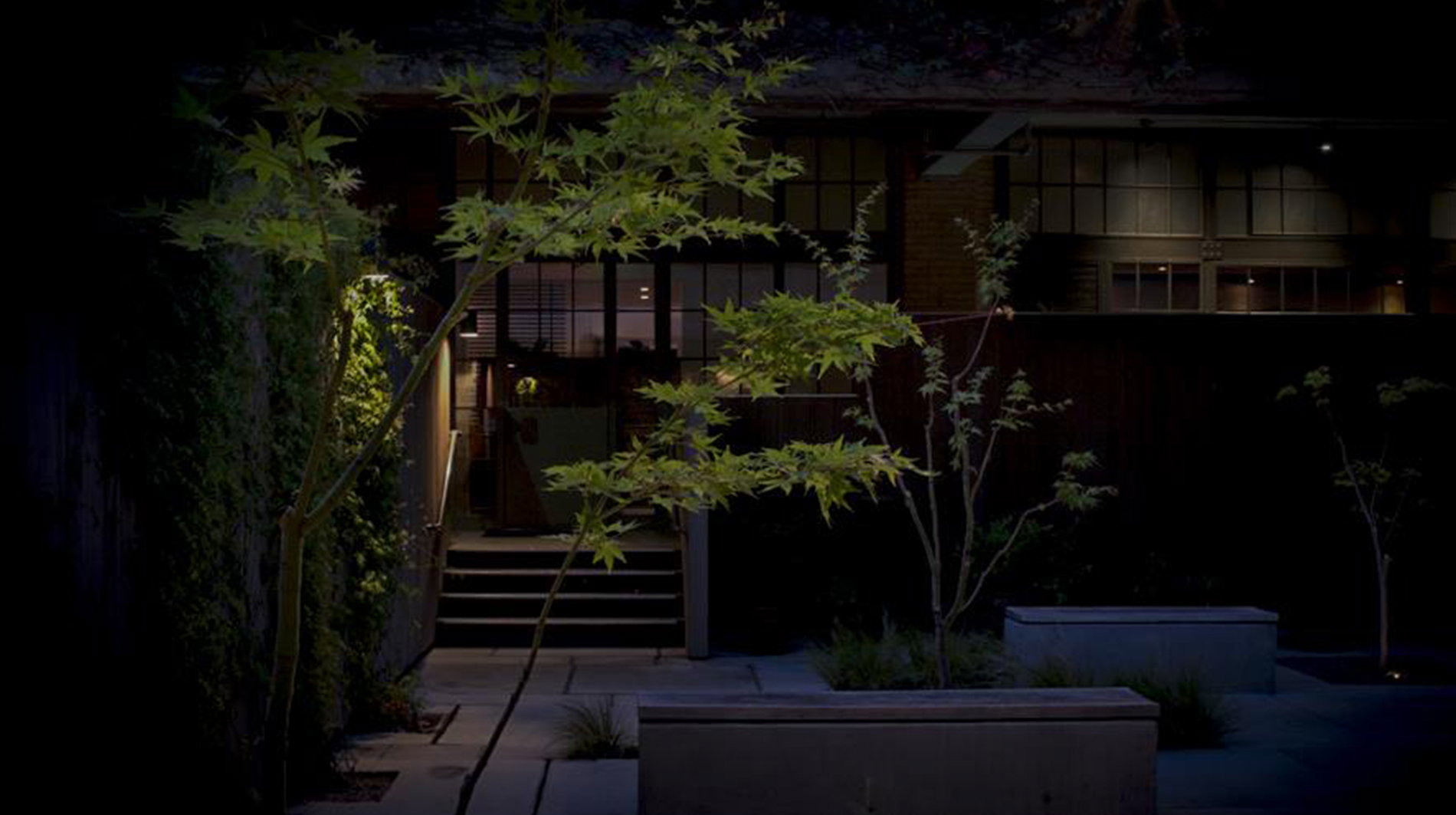
Sato Omakase is at 1122 Post St in San Francisco's lower Pacific Heights neighbourhood. The $$$$ pricing means you should plan for this to be the centrepiece of an evening rather than a stop on a longer itinerary. If you are building a full night around it, San Francisco's bar scene has strong options nearby for a post-dinner drink without travelling far. For visitors combining this with wider San Francisco planning, see our full San Francisco restaurants guide and our full San Francisco hotels guide.
Sato in the Wider Omakase Context
For context on what Michelin Plate recognition means at this price tier: it is the entry-level Michelin acknowledgment, signalling that the kitchen meets a defined quality threshold without yet reaching the star tier. Compared to starred omakase elsewhere in the country, Le Bernardin in New York City, or internationally at Harutaka in Tokyo or Sushi Shikon in Hong Kong, Sato sits in an accessible bracket. That positioning makes it a genuinely useful option for building familiarity with the omakase format before committing to higher-cost experiences, or for San Francisco regulars who want a reliable high-end sushi option that does not require the months-out booking windows of the city's most sought-after tasting-menu rooms.
If you are weighing a West Coast tasting menu trip more broadly, the comparison set extends to The French Laundry in Napa, Single Thread Farm in Healdsburg, and Providence in Los Angeles. None of those are direct sushi comparisons, but they set the price-tier context for what $$$$ dining in this region looks like across formats. For a tighter peer comparison on the format itself, Smyth in Chicago and Emeril's in New Orleans show how different cities handle the high-end tasting menu tier, though neither is sushi-specific.
The bottom line for a return visit: Sato Omakase earns a second booking if your first was positive and you want to see what the kitchen does with a different season's sourcing. Book three to four weeks out at minimum, check for mid-week cancellations, and factor the $$$$ price tier into your planning as an evening's centrepiece. For wider San Francisco planning, see our guides to experiences and wineries in the city.
How It Compares
Planning details
- Location
- 1122 Post St, San Francisco, CA 94109
- Reservations
- Book on OpenTable
- Website
- satoomakase.com
- Phone
- (415) 851-8830
The take
The Take
The Vibe
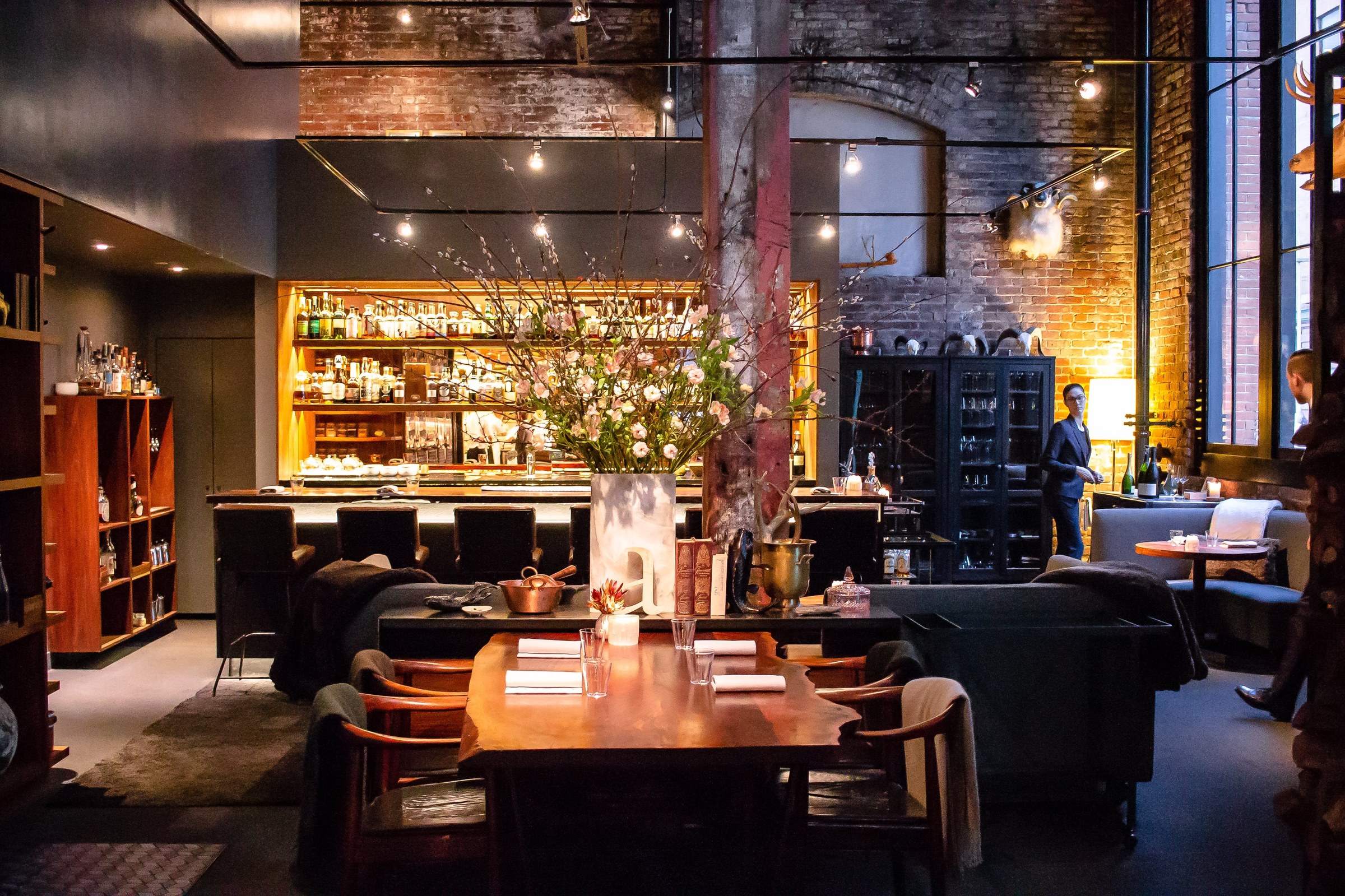
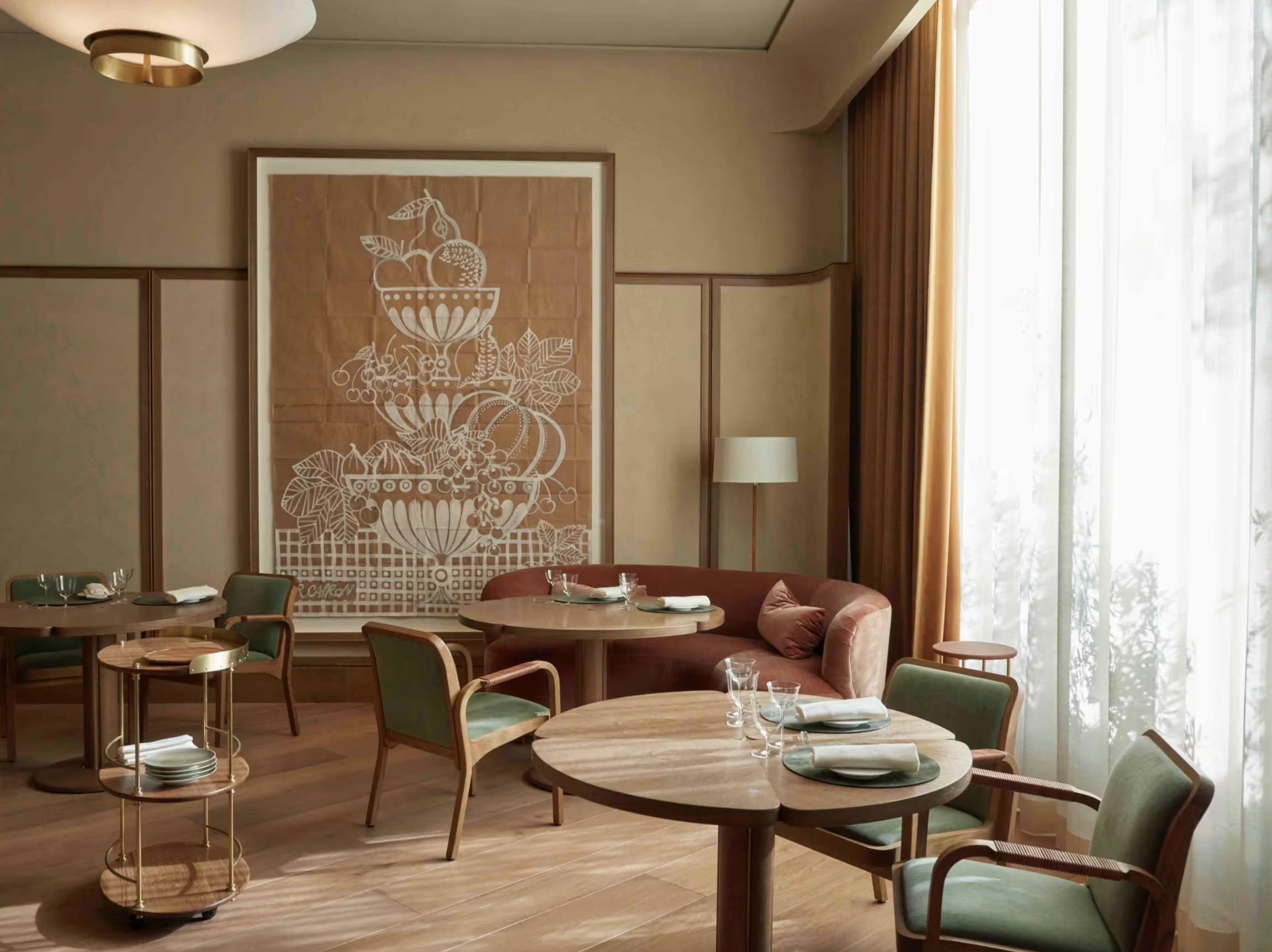
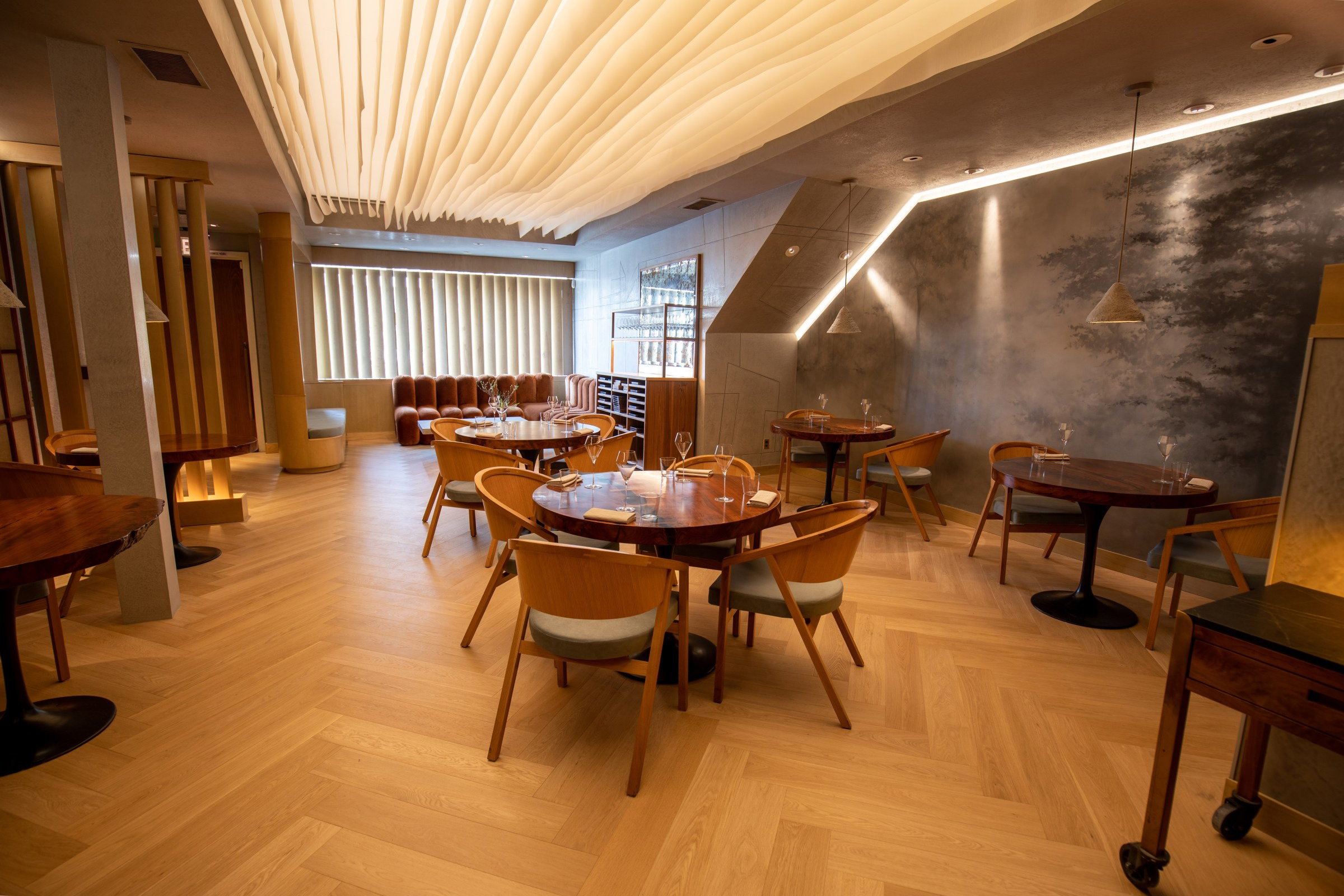
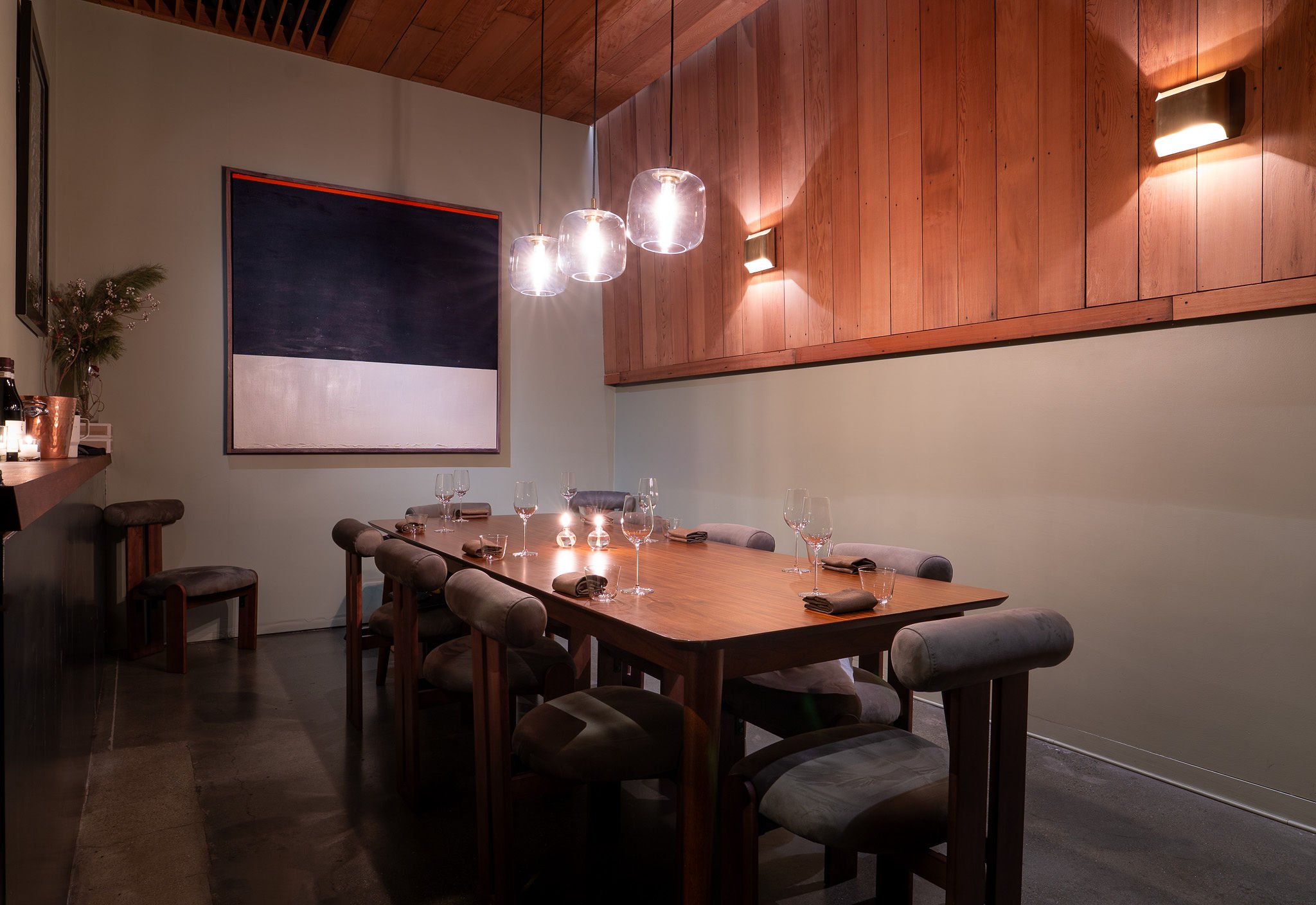
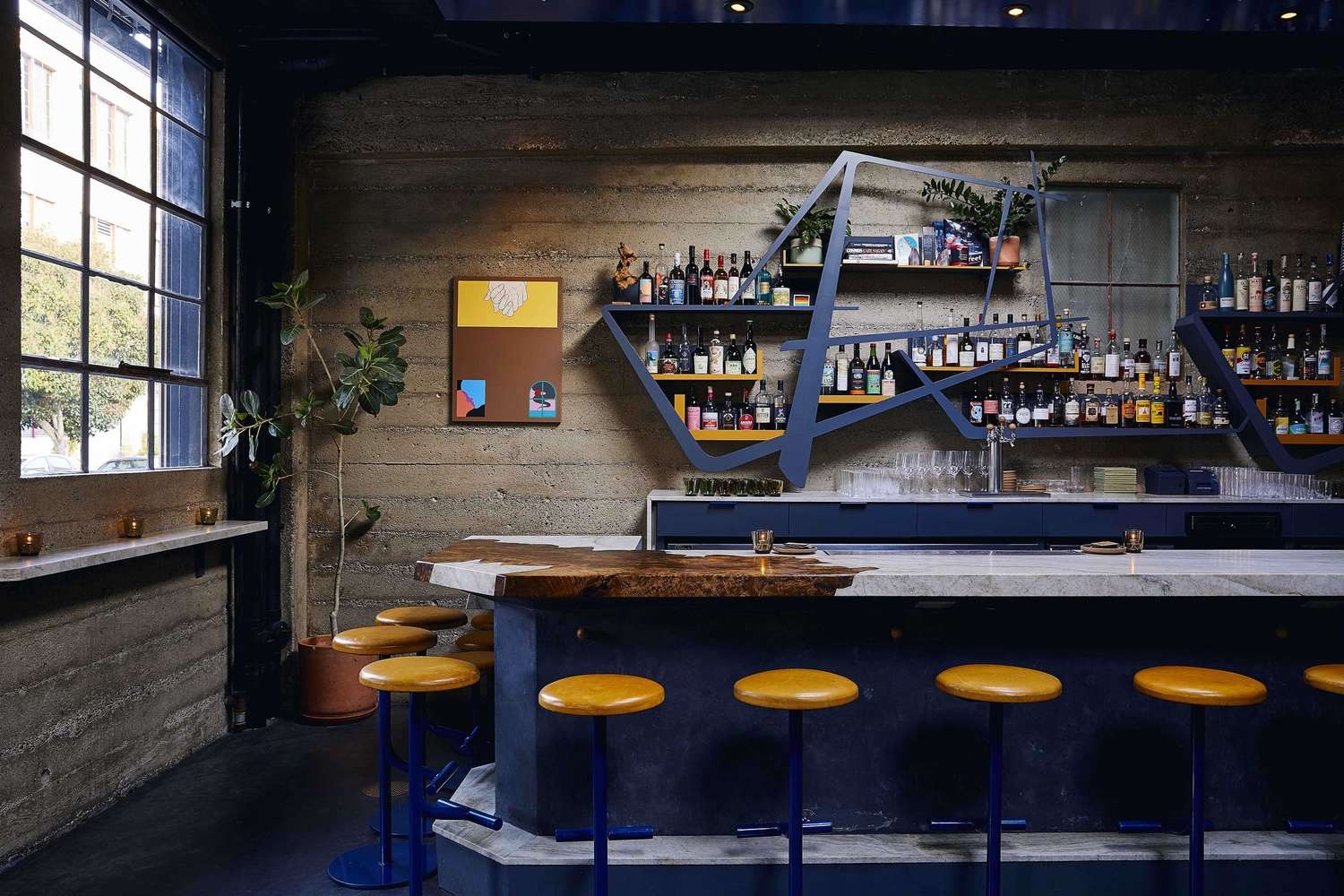
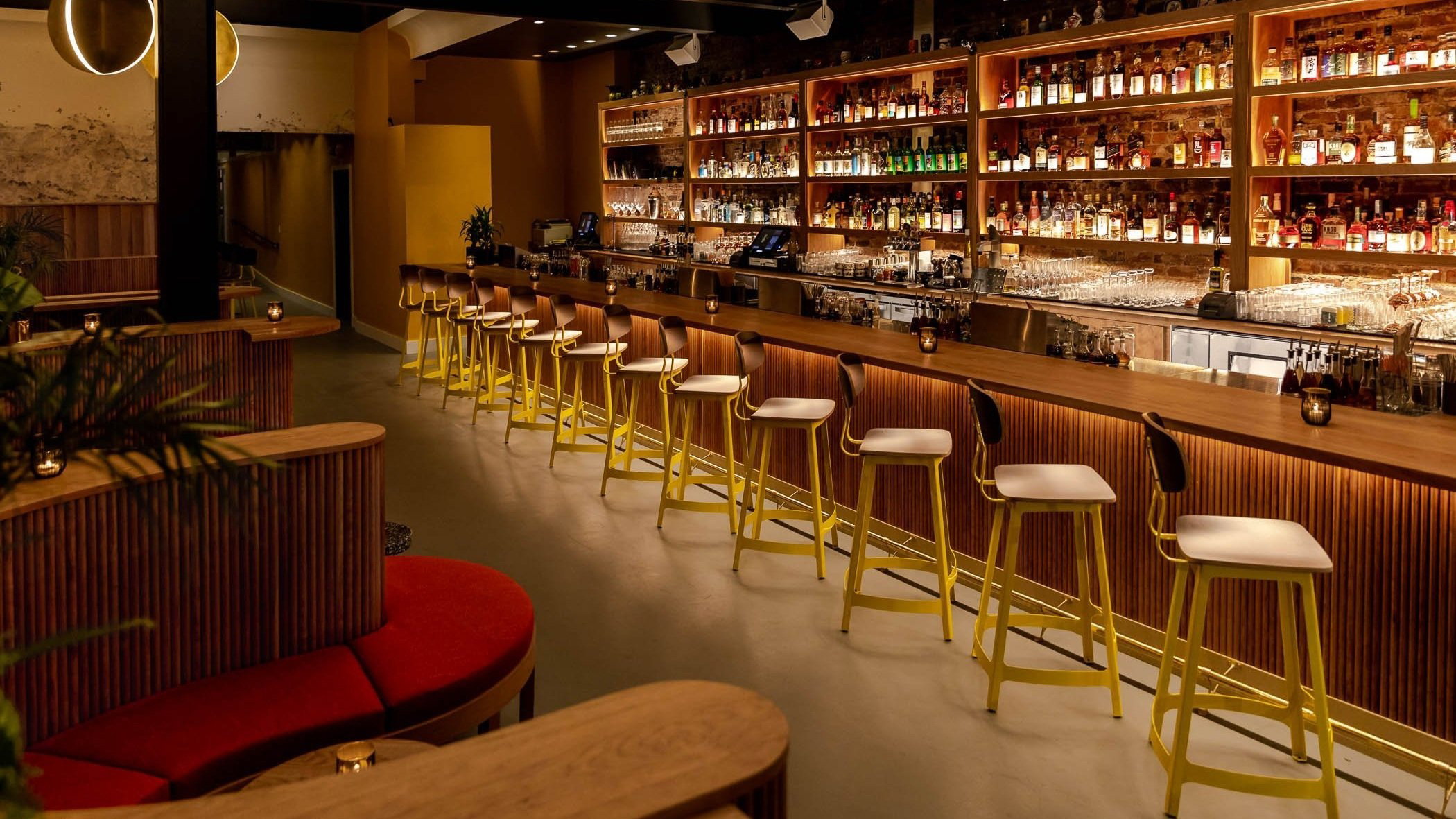
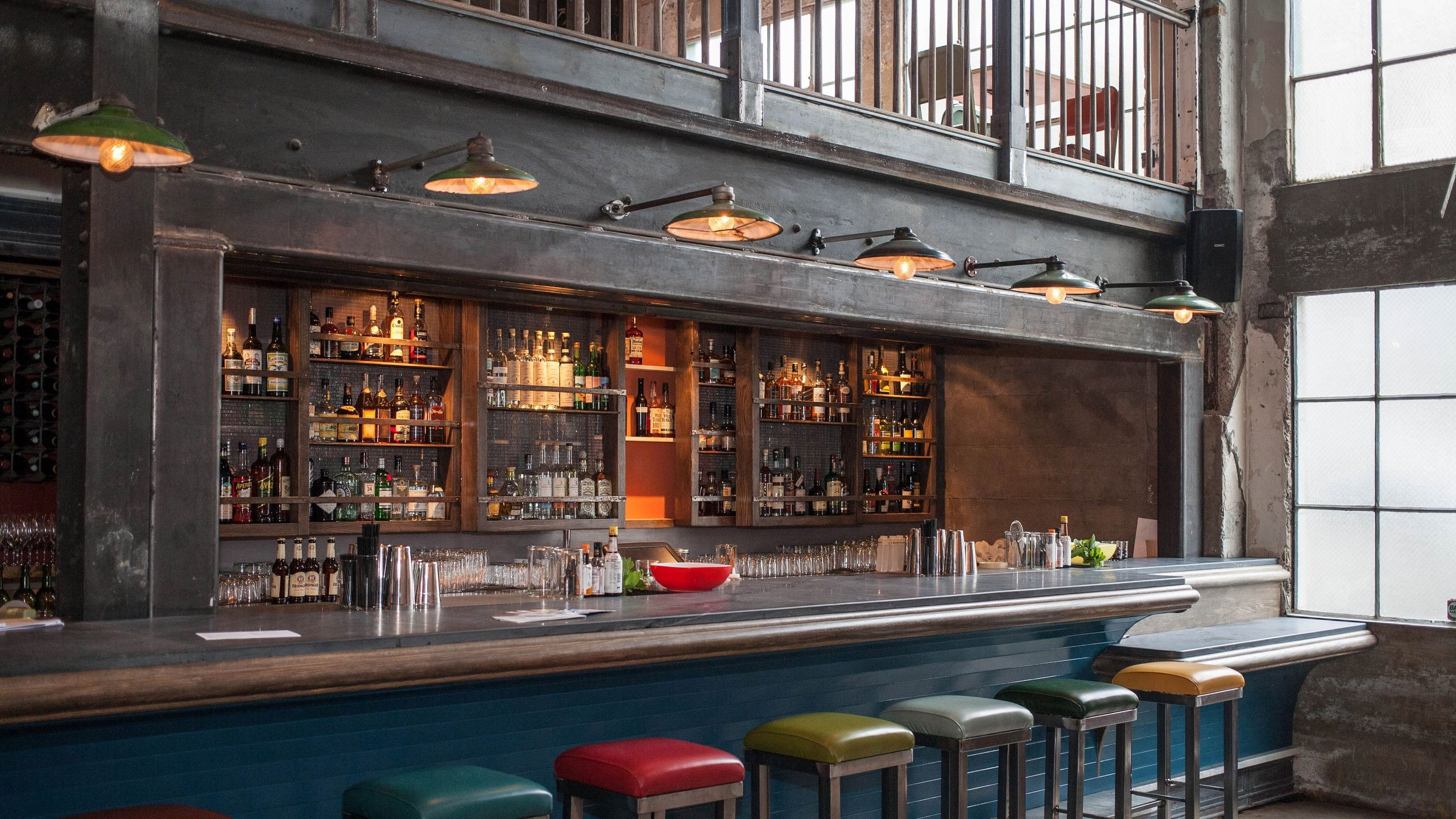
Sato Omakase presents a focused, counter‑driven experience that foregrounds the food over theater. The Post Street setting—between Japantown and Nob Hill—reinforces a sense of intent: this is a room for the meal rather than for scene-making. With consecutive Michelin Plate recognition and a market position in the top price band, the atmosphere reads refined and quietly intense rather than flashy. Service orients around the bar and the sequence of plates, so conversation tends toward attentive listening and appreciation. Diners encounter a concentrated, intimate tasting environment where the format itself shapes the mood.
Best For
This omakase suits diners who want a disciplined, high‑quality sushi counter rather than a social nightlife stop. It appeals to format‑literate locals and visitors who prioritize the sequence of the meal and culinary signals of quality—Michelin recognition and top‑tier pricing are part of the proposition. The room works well for a deliberate lunch or a focused dinner when the goal is to experience the chef’s progression without distraction. It’s particularly appropriate for those seeking a refined, food‑first outing rather than a scene‑driven evening.
Ordering Tips
When planning a visit, give the lunch sitting serious consideration: the piece argues that midday reservations often offer the same considered sequence with fewer surrounding pressures. Lunch removes the need to coordinate post‑dinner plans and lets the meal occupy a singular time window, making it easier to concentrate on the tasting. Expect a counter format and a top‑tier price point consistent with the restaurant’s Michelin Plate status; book in advance and choose the sitting that best matches your preference for a measured, format‑focused experience.
Venue details
Ambiance
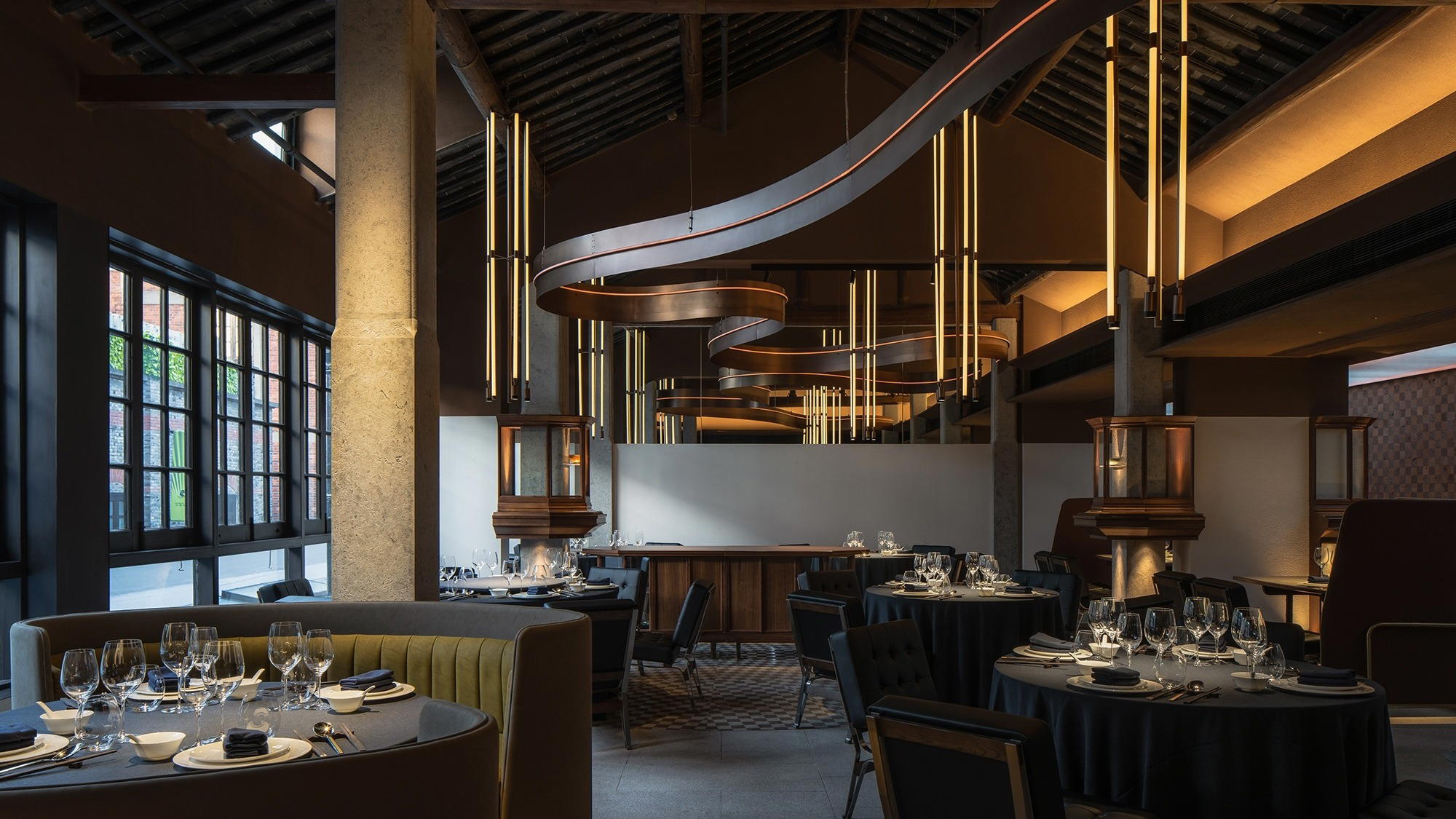
Tranquil and intimate, centered on a quiet omakase sushi bar with a refined, restrained atmosphere.
Tags
Vibe
Best For
Experience
Sourcing
At the Table
- Noise Level
- Quiet
- Service Style
- Omakase Bar
- Meal Pacing
- Extended Experience
- Capacity
- Intimate
- Kitchen
- Seasonal
- Menu Format
- Omakase, Tasting menu, Counter dining, Set menu
- Drinks Focus
- Sake, Genmaicha
- Dietary
- Pescatarian friendly
Signature Dishes
- SATO Monaka with toro, Hokkaido uni and oscietra caviar
- Sakura dai suimono
- Kombu-aged hirame nigiri
- Kinmedai with uni and asparagus cream
- Zuke akami, chu-toro and toro sequence
- Miso panna cotta
Know before you go
Know Before You Go
- Getting there
- 1122 Post St, San Francisco, CA 94109
Planning details
Location
Recognition and awards
Also consider
Also Consider
- Lazy Bear, Progressive American, Contemporary, $$$$
- Atelier Crenn, Modern French, Contemporary, $$$$
- Benu, French - Chinese, Asian, $$$$
- Quince, Italian, Contemporary, $$$$
- Saison, Progressive American, Californian, $$$$
Restaurant context
At the $$$$ tier, San Francisco gives you several strong options, and the right choice depends on what you are actually after. Sato Omakase sits in the sushi-specific lane with consecutive Michelin Plate recognition, consistent, focused, and format-driven. Benu is the most credentialed option in the city at this price point, carrying Michelin stars and a reputation that extends well beyond the Bay Area. If you are deciding between the two, Benu is the higher-stakes, higher-reward booking; Sato is the more accessible entry point into high-end San Francisco dining with a shorter booking window.
Lazy Bear and Saison both operate at $$$$ but in the progressive American lane rather than sushi. Lazy Bear offers a communal, higher-energy room that suits groups or diners who want a more social atmosphere alongside their tasting menu. Saison skews toward fire-driven cooking and a more intimate room, closer in feel to Sato's focused environment, but with a completely different culinary approach. If atmosphere matters as much as the food, choose between these based on whether you want warmth and energy (Lazy Bear) or quiet precision (Saison or Sato).
Atelier Crenn and Quince are harder to book and carry heavier credentials, which matters if you are visiting San Francisco once and want to maximise the occasion. For regulars who visit the city multiple times a year, Sato works well as part of a rotation alongside those higher-prestige rooms, it does not try to compete on star count, but it delivers a reliable, format-true omakase experience that justifies a return booking when the season shifts.
Around this place
Discover more on Pearl
Unlock the full Sato Omakase guide in Pearl, including awards, comparisons, FAQs, planning details, and nearby places.
Compare Sato Omakase
| Venue | Cuisine | Price | Awards | Booking Difficulty |
|---|---|---|---|---|
| Sato Omakase | Sushi | $$$$ | Michelin Plate 20262026 Michelin Plate2025 Michelin Plate2024 Michelin Plate | Hard |
| Lazy Bear | Progressive American, Contemporary | $$$$ | 2026 San Francisco Chronicle Top 100 Bay Area Restaurants · #100Star Wine Lists 20262026 OAD Top Restaurants in North America Highly Recommended2026 Wine Spectator Grand Award2026 Michelin 2 Stars2026 La Liste Top Restaurants2025 World's 50 North America's Best Restaurants · #252025 Robb Report 100 Greatest American Restaurants of the 21st Century · #852025 OAD Top Restaurants in North America Ranked · #176 | Unknown |
| Atelier Crenn | Modern French, Contemporary | $$$$ | 2026 San Francisco Chronicle Top 100 Bay Area Restaurants · #292026 North America's 50 Best Restaurants · #442026 OAD Top Restaurants in North America Ranked · #672026 Forbes 5-Star2026 La Liste Top Restaurants2026 Michelin 3 Stars2026 Les Grandes Tables du Monde Members2025 Robb Report 100 Greatest American Restaurants of the 21st Century · #312025 World's 50 North America's Best Restaurants · #46 | Unknown |
| Benu | French - Chinese, Asian | $$$$ | 2026 OAD Top Restaurants in North America Ranked · #122026 San Francisco Chronicle Top 100 Bay Area Restaurants · #172026 North America's 50 Best Restaurants · #33Star Wine Lists 20262026 Forbes 5-Star2026 Michelin 3 Stars2026 La Liste Top Restaurants2025 Robb Report 100 Greatest American Restaurants of the 21st Century · #62025 OAD Top Restaurants in North America Ranked · #7 | Unknown |
| Quince | Italian, Contemporary | $$$$ | Star Wine Lists 2026 · #12026 San Francisco Chronicle Top 100 Bay Area Restaurants · #182026 OAD Top Restaurants in North America Ranked · #492026 Forbes 4-Star2026 James Beard Award Nominees2026 James Beard Award Semifinalists2026 New York Times Best Restaurants in San Francisco2026 Relais Chateaux Restaurants2026 James Beard Award Winners | Unknown |
| Saison | Progressive American, Californian | $$$$ | Michelin Guide France & Monaco 20262025 Michelin Plate | Unknown |
















Key differences to consider before you reserve.
FAQ
Frequently Asked Questions
Is Sato Omakase worth the price?
At $$$$, Sato Omakase sits at the top of the San Francisco price tier, and its two consecutive Michelin Plate recognitions confirm the kitchen is operating at a consistent level. Whether that justifies the spend depends on how seriously you take omakase as a format. If sushi counters are your thing, this is a credible way to spend the money in SF. If you want a la carte flexibility, look elsewhere.
Is Sato Omakase good for a special occasion?
Yes, with conditions. The omakase format structures the meal around the chef's progression rather than your own pacing, which works well for celebrations where the event itself is the focus. The Post St address in San Francisco puts it close to Japantown, making pre- or post-dinner plans easy. For a milestone dinner where conversation matters as much as food, a chef's counter at a Michelin Plate venue reads as intentional rather than incidental.
Can I eat at the bar at Sato Omakase?
Omakase venues at this price point typically centre the counter as the primary dining format, not an add-on. Counter seating at Sato means you are watching the chef work, which is core to what you are paying for. Specific seating configurations are not confirmed in current venue data, so contact them directly to clarify counter versus table availability before booking.
How far ahead should I book Sato Omakase?
Book at least 3 to 4 weeks out as a baseline. Michelin Plate recognition in 2024 and again in 2025 has increased demand at omakase counters across San Francisco, and $$$$ sushi seats in this city fill faster than most diners expect. For Friday and Saturday seatings or special occasions, 6 weeks is safer.
What are alternatives to Sato Omakase in San Francisco?
For sushi specifically, Ju-ni and Omakase Restaurant on Sacramento St are the closest format comparisons in SF at similar or higher price points. If you want Michelin-recognised tasting menus beyond sushi, Benu and Quince are in a different performance tier but serve a similar occasion. For a more casual omakase entry point, the price difference may make alternatives at $$ or $$$ worth considering first.
Is the tasting menu worth it at Sato Omakase?
Two Michelin Plate awards in consecutive years is a signal that the kitchen delivers reliably at this format. Michelin Plate is the entry-level acknowledgment, meaning the food meets Michelin's quality threshold without reaching star level. At $$$$, you are paying for a consistent, chef-driven progression rather than a starred destination meal. That is a fair trade if omakase is your preferred format, less so if you want a more flexible dining experience.