

Utsubohommachi Gaku
Japanese · Nishi, Osaka
Restaurant in Osaka, Japan
 Book with Pearl
The Read
Fruit-Forward Kappo Pairings
Price
¥¥¥
Dress
Smart Casual
Why go
A Michelin-starred kappou in Osaka's Nishi Ward, Utsubohommachi Gaku offers both omakase and à la carte formats at the ¥¥¥ tier; well below comparable starred venues in the city. Chef Imagawa's signature fish-and-fruit pairings and a curated organic wine list set it apart from more traditional kappou rooms. Book 3–4 weeks ahead; demand is consistent and the room is not large.
About Utsubohommachi Gaku
Gaku: A Michelin-Starred Kappou Worth Booking in Osaka's West Side
At the ¥¥¥ price tier, Utsubohommachi Gaku positions itself as one of the more accessible Michelin-starred kappou experiences in Osaka; significantly below the ¥¥¥¥ outlay required at Hajime or Fujiya 1935, but with a single Michelin star (2024) and a Michelin Plate recognition in 2025 that confirm it is operating at a level above comparable-priced competition. If you have already visited once and are weighing whether to return or explore further, the answer is yes; but the choice between the omakase set menu and the à la carte kappou format is the decision that will define your second visit.
The Restaurant
Gaku sits in Nishi Ward, adjacent to Utsubo Park, which is widely regarded as the most pleasant green space in central Osaka. That location is not incidental, the restaurant draws a neighbourhood crowd as much as a destination crowd, the feel is closer to a serious local kappo than a tourist-facing tasting-menu destination. Chef Gaku Imagawa trained across both a Naniwa kappo kitchen and a bistro, that combination is visible in how the room operates: there is technical discipline in the cooking and a noticeably relaxed quality to the service.
The signature approach here is pairing seasonal fish with fruit: sweetfish with peach, barracuda with persimmon, Spanish mackerel with apple. These are not decorative garnishes. The combinations are the point, an attempt to use fruit acidity and sweetness as a structural element against rich or oily fish. Whether that approach works for you depends on your tolerance for inventive departures from classical kappou, but within the Osaka dining scene it is a genuine differentiator rather than a marketing gesture. The wine list reinforces this sensibility: a carefully selected range of organic wines chosen for affinity with each dish, which is uncommon at this price point in a Japanese kappou context.
Lunch vs. Dinner: Where the Value Sits
This is the most practically useful question for a returning visitor. At ¥¥¥ pricing, Gaku's lunch service is likely to represent the stronger value proposition, as is typical across Osaka's kappou and kaiseki tier, where lunch menus are often structured versions of the evening offering at a lower entry price. If your first visit was a dinner omakase, a return lunch visit lets you compare the à la carte kappou format in a lighter, less formal register. Conversely, if you came for lunch the first time, booking the full evening omakase is the logical next step: the fruit-and-fish pairings that define Imagawa's cooking tend to be expressed more completely across a longer sequence of courses.
The Organic Wine Program
For a returning visitor, the wine list deserves specific attention. Gaku's commitment to organic wines paired to the menu is deliberate and not standard practice at this price tier in Japanese kappou. If your first visit involved sake or beer, exploring the wine pairing on a return visit changes the experience meaningfully, particularly given the fruit-forward flavour logic already present in the food. This is one of the clearer ways the chef's bistro background intersects with the kappou tradition.
How It Compares
See the comparison section below for how Gaku sits against Osaka's broader fine-dining field.
Know Before You Go
- Price tier: ¥¥¥, accessible relative to Osaka's ¥¥¥¥ starred venues
- Awards: Michelin 1 Star (2024), Michelin Plate (2025)
- Location: Nishi Ward, beside Utsubo Park, Osaka's most central green space
- Formats available: Omakase set menu and à la carte kappou
- Wine: Organic wine list, curated for dish affinity
- Booking difficulty: Hard, plan at least 3–4 weeks ahead for dinner; lunch may offer more flexibility
- Getting there: Utsubohommachi area is accessible from central Osaka; Utsubo-Honmachi Station is the nearest stop
- Dress: Smart casual is appropriate, this is a Michelin-starred kappou, not a formal kaiseki setting
Pearl's Take
Gaku earns its star without requiring the financial commitment of Osaka's ¥¥¥¥ tier. For a second visit, the priority is choosing a format you have not tried: if you did omakase, come back for à la carte kappou; if you ate at dinner, try lunch for a value comparison. The fruit-and-fish pairings are worth ordering around, they are the most distinctive element of Imagawa's cooking and the clearest reason to return rather than divert to a safer, more traditional kappou room. For context on how Gaku fits within a broader Osaka trip, see our full Osaka restaurants guide. If you are building a multi-city itinerary, Gion Sasaki in Kyoto and akordu in Nara operate in adjacent territory at different price points and are worth comparing before you commit. Within Osaka itself, Kashiwaya Osaka Senriyama, Miyamoto, Oimatsu Hisano, Tenjimbashi Aoki, and Yugen represent the most useful comparisons in the Japanese fine-dining category. For broader Osaka planning, our Osaka hotels guide, bars guide, wineries guide, and experiences guide cover the full picture. If you are also planning time in Tokyo, Harutaka, Myojaku, and Azabu Kadowaki occupy comparable creative territory and are worth a look alongside Goh in Fukuoka, 1000 in Yokohama, and 6 in Okinawa for a fuller sense of Japan's regional fine-dining range.
Planning details
- Location
- Japan, 〒550-0004 Osaka, Nishi Ward, Utsubohonmachi, 1 Chome−14−15 本町クイーバービル
- Website
- utsubo-gaku.com
- Phone
- +81 6-6479-3459
The take
The Take
The Vibe
Utsubohommachi Gaku reads as a contemporary take on classical kappo. The kitchen leans on time-honored kappo fundamentals while deploying a clear creative streak—pairing seasonal fish with fruit in combinations that feel fresh but rooted in tradition. The experience is counter-led and chef-driven, so the food reads as meticulous and composed rather than showy. The writing emphasizes technical precision tempered by a socially relaxed tone, producing a house that balances seriousness and approachability. Situated on a quiet Hommachi street near Utsubo Park, the room projects a calm, focused energy where the tasting sequence is the principal attraction.
Best For
Gaku is best experienced as a focused evening tasting: counter-led service and an omakase format make it a natural dinner destination. The kitchen’s Michelin-tier precision and inventive seasonal pairings suit special evenings that reward attention to detail—date nights and celebratory dinners in particular. Because the program is chef-driven, the restaurant favors diners who want to engage with a curated sequence of courses and the logic behind each pairing. The setting and approach prioritize culinary nuance over casual grab-and-go dining, so plan to treat the meal as the event.
Ordering Tips
Opt for the omakase and, if available, take a counter seat to watch the chef’s work—service is explicitly counter-led and chef-driven. Pay attention to the seasonal fish-and-fruit pairings that define the menu: barracuda with persimmon, sweetfish with peach, Spanish mackerel with apple, and the wagyu rump steak are singled out as signatures. Ask the staff about the day’s produce-led combinations so you can follow the through-line of kappo logic in each course. The meal rewards curiosity and an appetite for subtle, well-calibrated contrasts.
Venue details
Ambiance
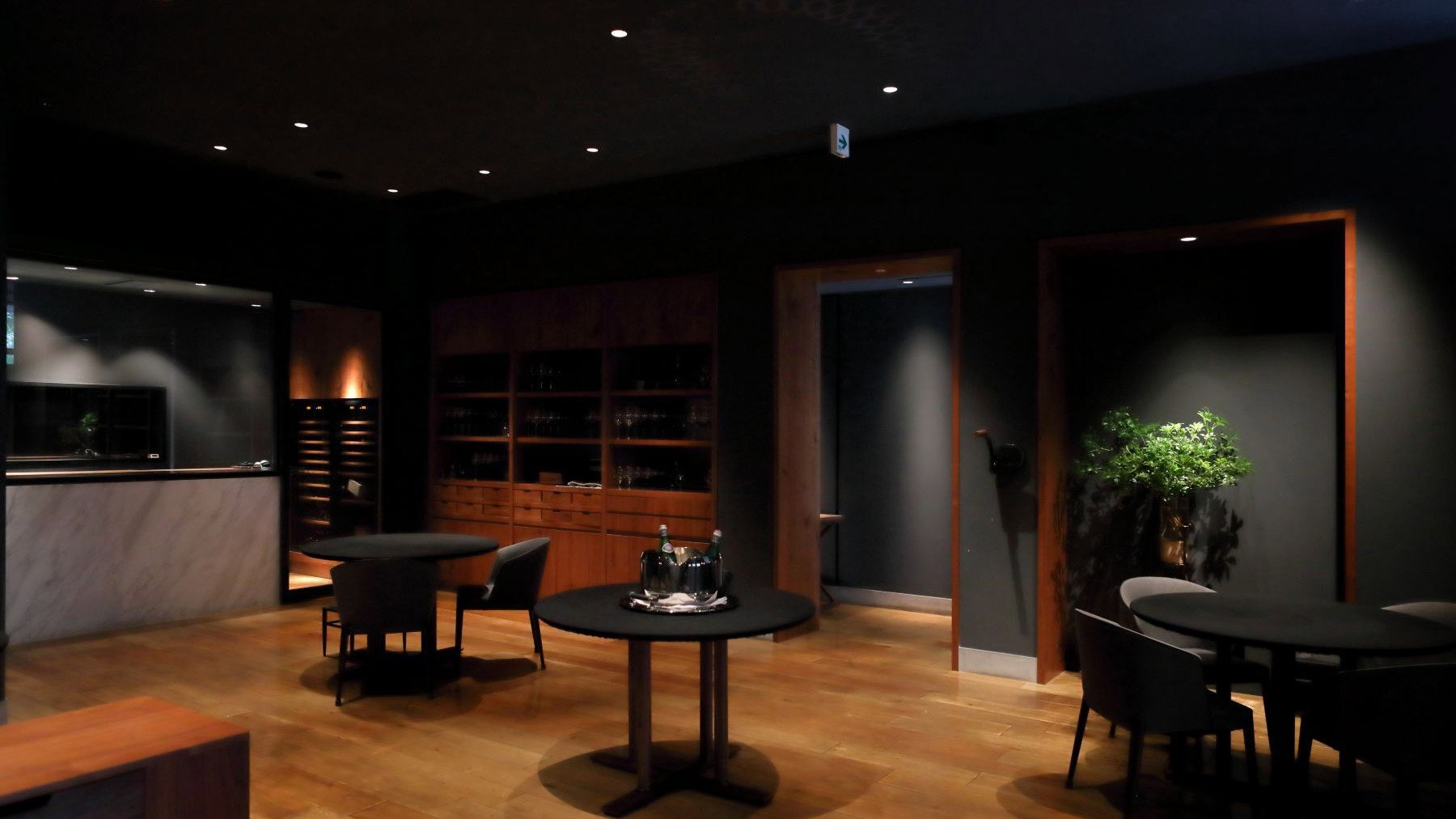
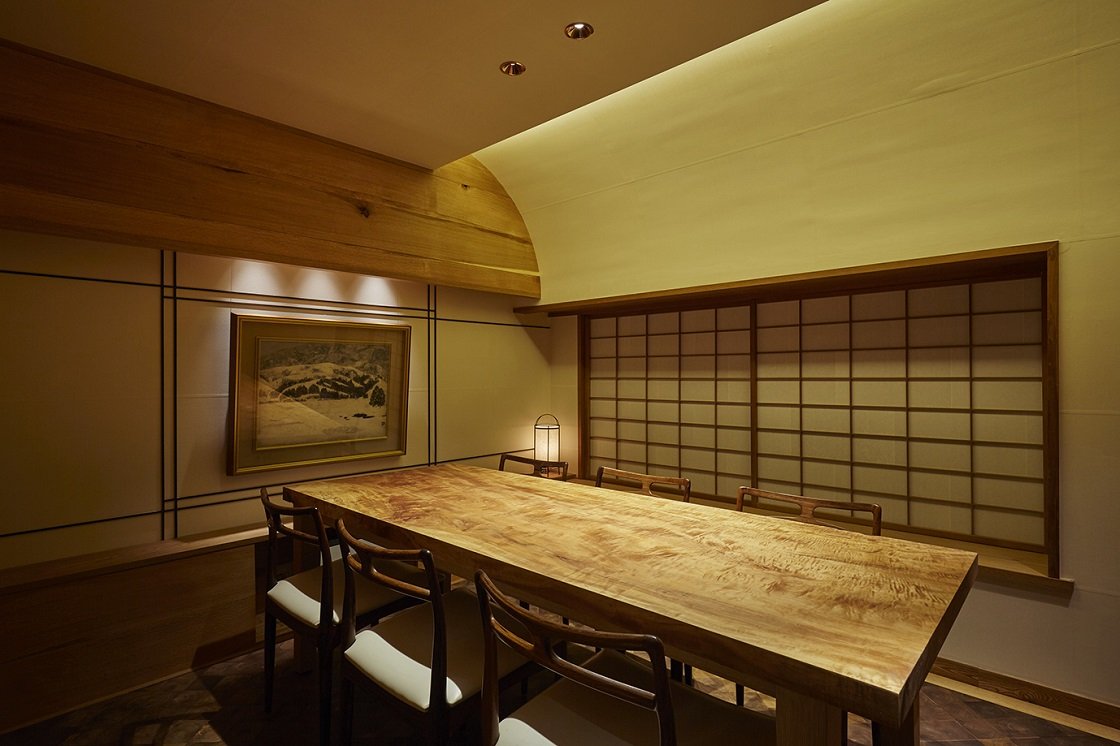
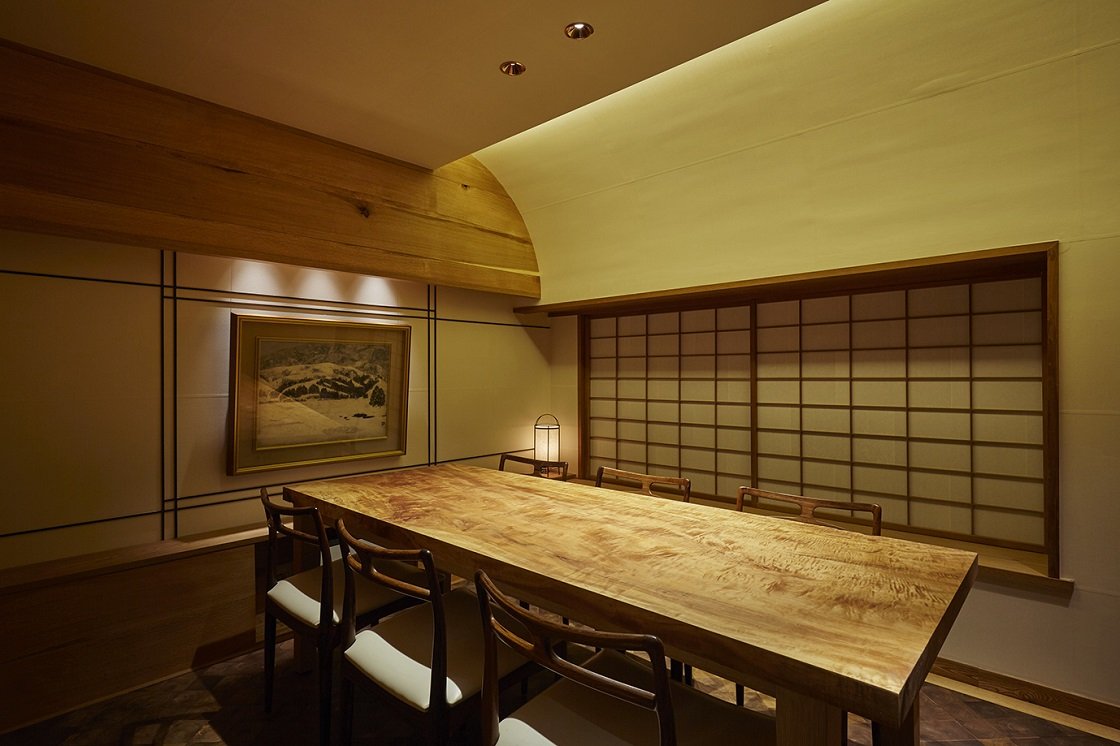
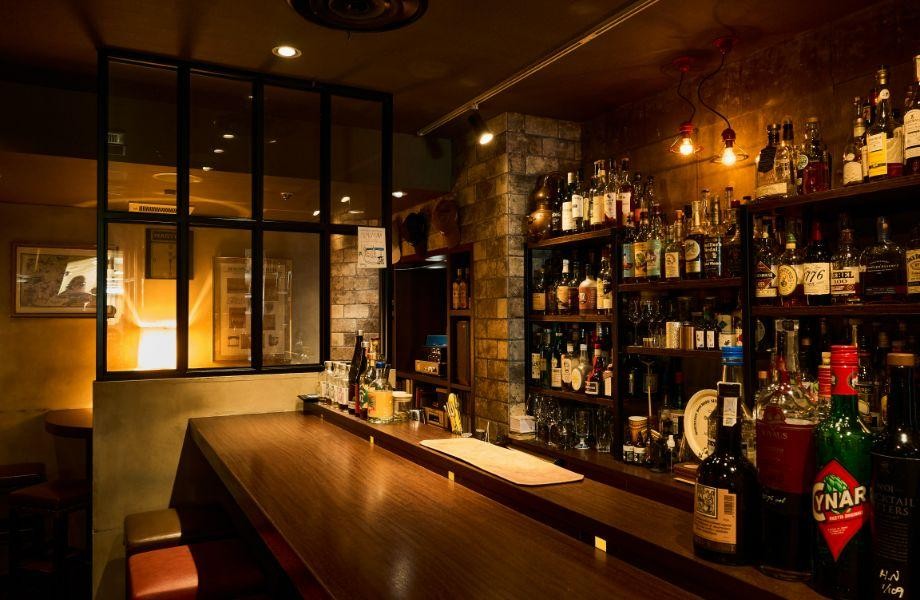
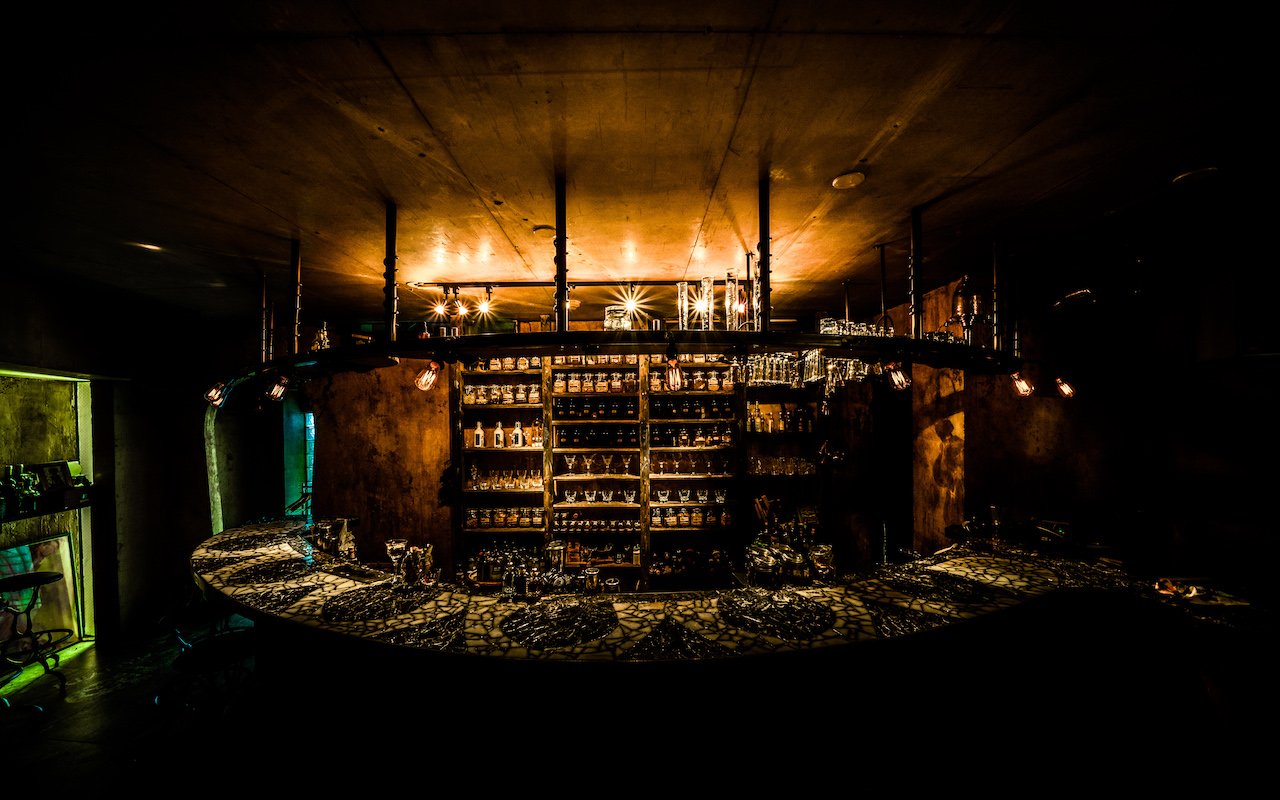
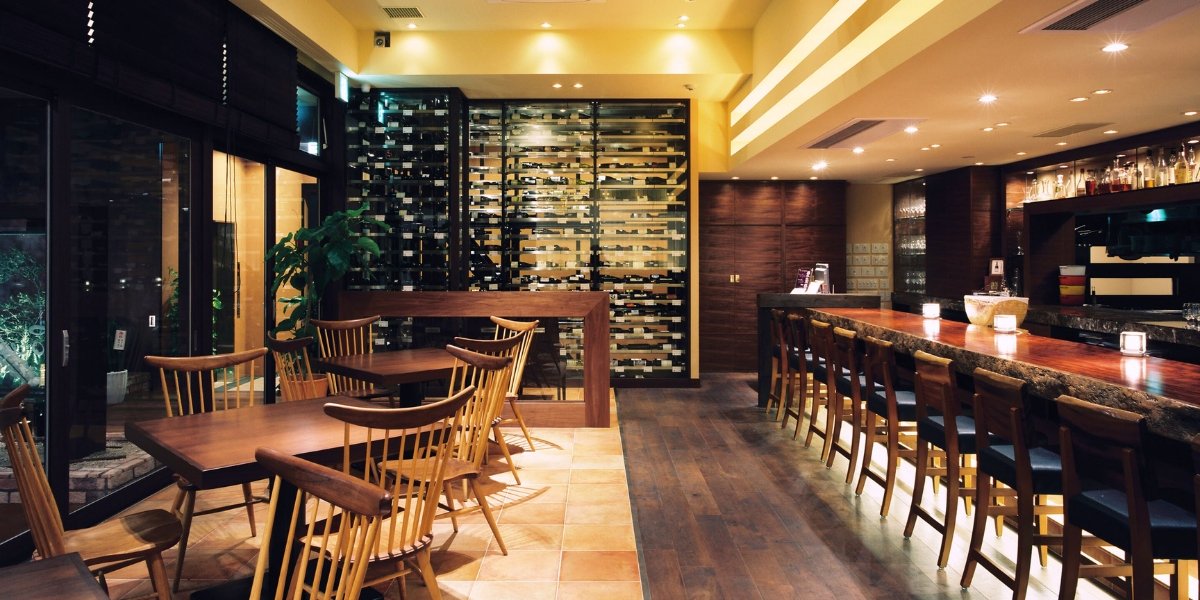
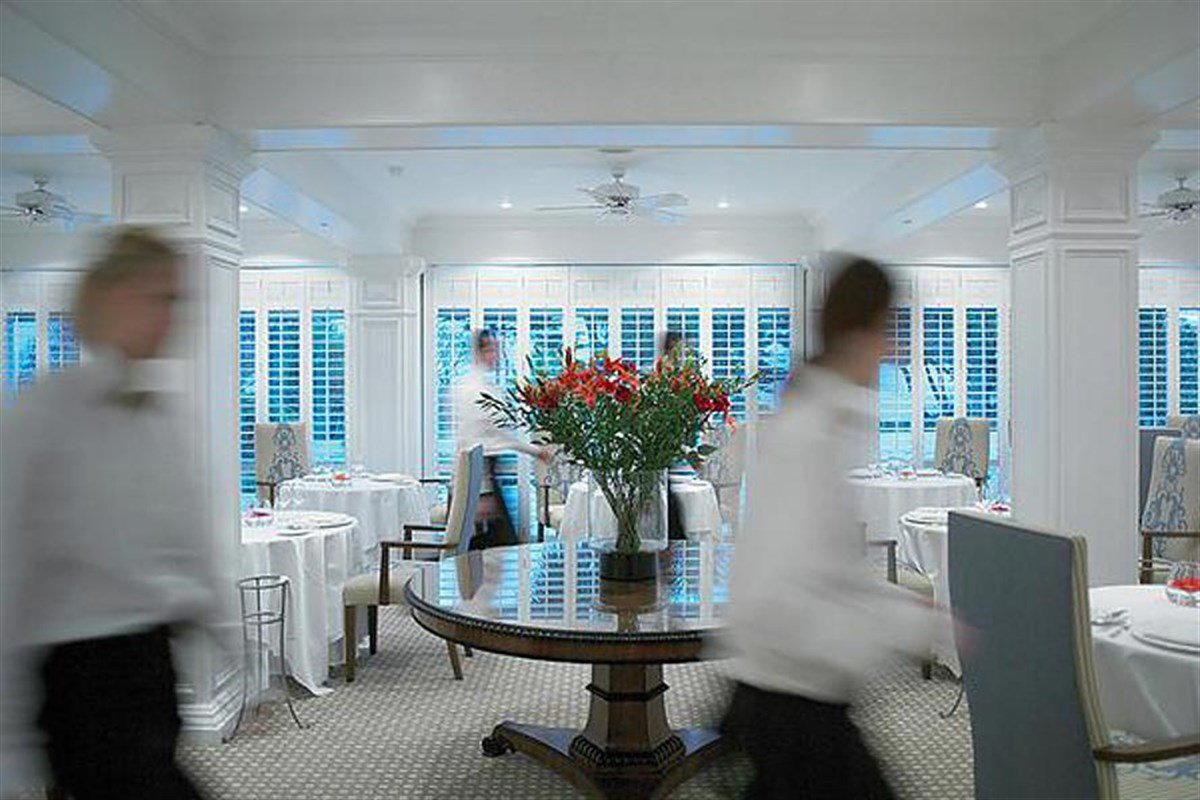
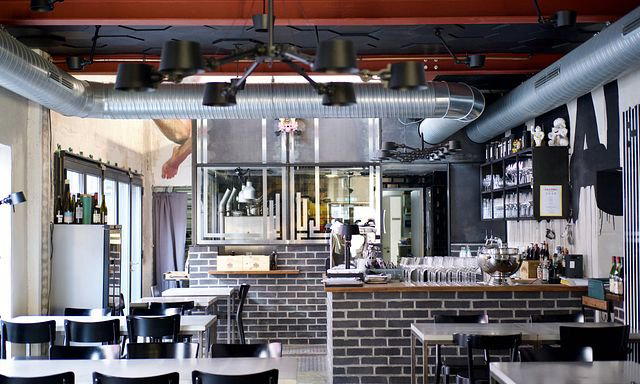
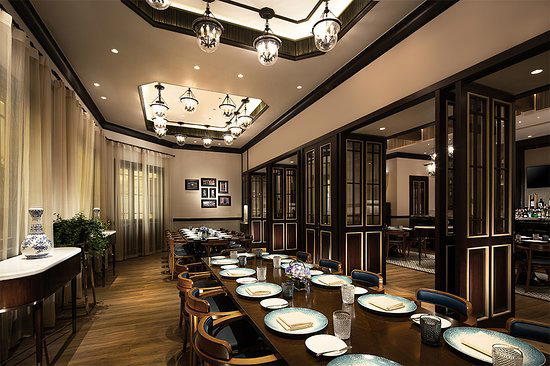
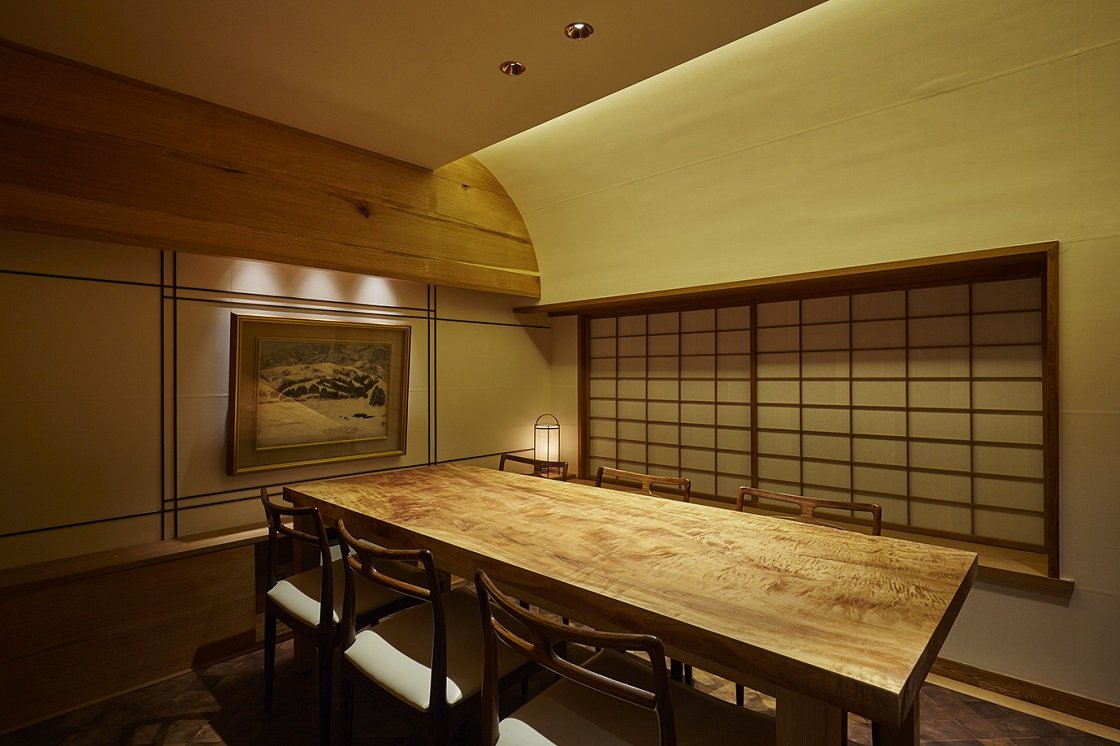
Calming space with soft lighting, wooden panels, and a long lacquered counter offering focused sightlines to the kitchen for a warm, inviting, and sensory-driven atmosphere.
Tags
Vibe
Best For
Experience
Sourcing
At the Table
- Dress Code
- Smart Casual
- Noise Level
- Quiet
- Service Style
- Upscale Casual
- Meal Pacing
- Leisurely
- Capacity
- Intimate
Signature Dishes
- barracuda with persimmon
- sweetfish with peach
- Spanish mackerel with apple
- wagyu rump steak
Planning details
Location
Japan, 〒550-0004 Osaka, Nishi Ward, Utsubohonmachi, 1 Chome−14−15 本町クイーバービル · Directions
Recognition and awards

Also consider
Also Consider
- HAJIME; French, Innovative, ¥¥¥¥
- La Cime; French, ¥¥¥¥
- Kashiwaya Osaka Senriyama; Japanese, ¥¥¥
- Taian; Kaiseki, Japanese, ¥¥¥
- Fujiya 1935; Innovative, ¥¥¥¥
Restaurant context
Gaku operates at ¥¥¥, which immediately separates it from most of Osaka's starred dining field. Hajime and Fujiya 1935 both sit at ¥¥¥¥ and deliver multi-course innovation at a significantly higher price point; they are the right choice if you want the full architectural-tasting-menu experience, but they require a meaningfully larger budget. La Cime is also ¥¥¥¥ and French-focused; a different category from Gaku's kappou format entirely.
The more useful comparisons are Kashiwaya Osaka Senriyama and Taian, both ¥¥¥ Japanese venues. Kashiwaya is more formally structured kaiseki; Taian is kaiseki with a similarly serious reputation. Against both, Gaku's differentiation is its creative licence; the fruit pairings and organic wine list give it a less classical, more personal feel. If you want the most traditional kaiseki experience at this price tier, Kashiwaya is the safer choice. If you want a starred kappou that takes more creative risks, Gaku wins that comparison.
For booking difficulty, all five comparison venues require advance planning, but Gaku's smaller profile and Nishi Ward location mean it is slightly less contested than the most prominent names. That gap may be narrowing as the 2024 star gains visibility. Book early regardless; treating it as an easy reservation because it is less famous than Hajime is the most common mistake.
Explore Osaka
Around this place
Discover more on Pearl
Unlock the full Utsubohommachi Gaku guide in Pearl, including awards, comparisons, FAQs, planning details, and nearby places.
Compare Utsubohommachi Gaku
| Venue | Cuisine | Awards | Booking Difficulty |
|---|---|---|---|
| Utsubohommachi Gaku | Japanese | Star Wine Lists 2026Michelin Guide Kyoto Osaka 20262026 Michelin Plate2025 Michelin Plate2024 Michelin 1 Star | Hard |
| HAJIME | French, Innovative | Star Wine Lists 2026 · #12026 Tabelog Bronze · #922026 OAD Top Restaurants in Japan Ranked · #98Michelin Guide Kyoto Osaka 20262026 La Liste Top RestaurantsTabelog 100 - Innovative / Creative cuisine - 2025 · #692025 Asia's 50 Best Restaurants · #832025 OAD Top Restaurants in Japan Ranked · #87We're Smart World Top Restaurants 2025 | Unknown |
| La Cime | French | 2026 Asia's 50 Best Restaurants · #132026 OAD Top Restaurants in Japan Ranked · #1492026 Tabelog Bronze · #231Michelin Guide Kyoto Osaka 20262026 La Liste Top Restaurants2025 Asia's 50 Best Restaurants · #82025 World's 50 Best Restaurants · #44Tabelog 100 - French - WEST - 2025 · #932025 OAD Top Restaurants in Japan Ranked · #123 | Unknown |
| Kashiwaya Osaka Senriyama | Japanese | 2026 Tabelog Bronze · #1682026 OAD Top Restaurants in Japan Recommended2026 Relais Chateaux RestaurantsMichelin Guide Kyoto Osaka 20262026 La Liste Top RestaurantsTabelog 100 - Japanese cuisine - WEST - 2025 · #772025 OAD Top Restaurants in Japan Ranked · #1552025 Relais Chateaux Award2025 Michelin 3 Stars | Unknown |
| Taian | Kaiseki, Japanese | 2026 OAD Top Restaurants in Japan RecommendedMichelin Guide Kyoto Osaka 20262026 La Liste Top Restaurants2025 OAD Top Restaurants in Japan Ranked · #2042025 La Liste Top Restaurants2025 Michelin 3 Stars2024 OAD Top Restaurants in Japan Ranked · #1912024 Michelin 3 Stars2023 OAD Top Restaurants in Japan Highly Recommended | Unknown |
| Fujiya 1935 | Innovative | 2026 Tabelog Bronze · #752026 OAD Top Restaurants in Japan RecommendedMichelin Guide Kyoto Osaka 20262026 La Liste Top Restaurants2025 Michelin 2 Stars2025 Tabelog Silver2025 La Liste Top Restaurants2024 OAD Top Restaurants in Japan Ranked · #2392024 Michelin 2 Stars | Unknown |

.png?width=1200&quality=80)








Side-by-side comparison to help you decide where to book.
FAQ
Frequently Asked Questions
What are alternatives to Utsubohommachi Gaku in Osaka?
For French-inflected fine dining at a comparable or higher price tier, La Cime and Fujiya 1935 are the obvious Osaka alternatives. If you want to stay within kappou and Japanese formats, Taian is a stricter kaiseki option. Gaku's edge over these is format flexibility: omakase and à la carte at the same ¥¥¥ tier gives you options most starred restaurants don't.
What should I wear to Utsubohommachi Gaku?
Gaku holds a Michelin star and sits in a formal kappou tradition, so treat it like a serious dinner reservation: neat, presentable clothing is appropriate. The kappou format; counter dining with direct chef interaction; means very formal attire is not necessary, but arrive dressed as if the meal matters.
Can I eat at the bar at Utsubohommachi Gaku?
Kappou is a counter-based format by definition, so the chef-facing counter is the primary dining position at Gaku, not an afterthought. If you want the full experience, the counter is where it happens. Check availability directly with the restaurant, as seating configuration details are not publicly confirmed.
What should a first-timer know about Utsubohommachi Gaku?
Gaku is a one Michelin-starred kappou in Osaka's Nishi Ward, located beside Utsubo Park. The kitchen's signature approach pairs seasonal fish with fruit; sweetfish with peach, barracuda with persimmon; which is a specific creative identity, not a standard kaiseki format. Decide before you arrive whether you want the omakase set or à la carte, since both are available and the choice changes the experience significantly.
Is the tasting menu worth it at Utsubohommachi Gaku?
At ¥¥¥ pricing, Gaku's omakase is among the more accessible Michelin-starred set menus in Osaka. The chef's fish-and-fruit pairings are the most distinctive element of that format; if that creative direction appeals, the omakase delivers it in sequence. For a more selective evening, the à la carte option lets you target specific dishes without committing to the full set.
Is Utsubohommachi Gaku worth the price?
Yes, at ¥¥¥, Gaku is one of the better-value Michelin-starred options in Osaka. Comparable starred venues in the city run to ¥¥¥¥, so the price differential is real. The organic wine program adds further value if you drink with food; it's a deliberate pairing-focused list, not a token selection.
Is Utsubohommachi Gaku good for a special occasion?
A Michelin-starred kappou with a distinct creative identity and a focused organic wine list is a credible special occasion choice. The counter format means the meal feels personal rather than ceremonial, which suits some occasions better than others; if you want a private-room atmosphere, Gaku may not be the right fit. For a significant dinner where the food itself is the event, it works.