
Shintaro
Tempura · Kita, Osaka
Restaurant in Osaka, Japan
 Book with Pearl
The Read
Founder-Method Tempura
Price
$100–150per person
Dress
Smart Casual
Why go
Shintaro is a Michelin Plate-recognised tempura counter in Osaka's Nishitenma district, where two cooks work in precise coordination to produce thin-coated, salt-seasoned tempura using methods unchanged for decades. At the ¥¥¥ price point with easy booking availability, it is the right call for food-focused travellers who want technique and focus over spectacle. Book lunch on a weekday for the most unhurried experience.
About Shintaro
Shintaro, Osaka: The Verdict
At the ¥¥¥ price point, Shintaro in Nishitenma delivers one of Osaka's more focused tempura experiences: a Michelin Plate-recognised counter where two cooks work in practiced sync to produce tempura with a thin, precisely seasoned coating. If you are deciding between this and a splashier kaiseki or French tasting menu, the question is whether you want the clarity of a single technique executed with discipline, or a broader multi-course journey. For tempura specifically, Shintaro is the argument for staying in Osaka's more traditional register.
Portrait
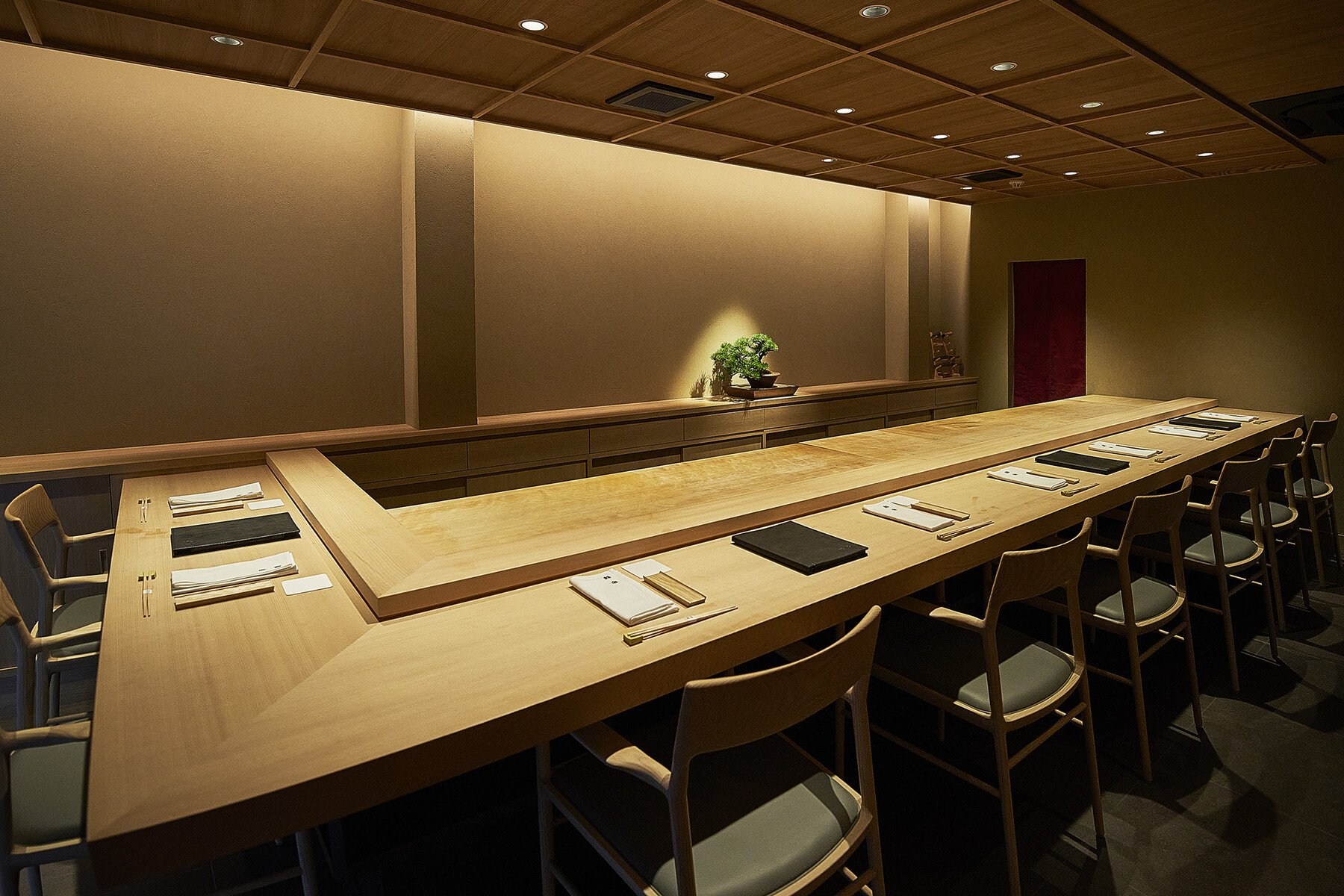
The room at Shintaro centres on the frying station, and that is by design. Two cooks work side-by-side: the owner-chef handles the battering, wreathing each piece carefully before it enters the oil; the second cook manages the flame, adjusting heat with close attention. The division of labour is precise and unhurried. Watching them is part of what you are paying for.
Michelin's own write-up of Shintaro notes that the venue jealously preserves the methods of its founder, striving to maintain a flavour unchanged in decades. That framing matters when you are calibrating expectations. This is not a counter interested in reinterpreting tempura for a contemporary audience. The seasoning with salt rather than sauce is a deliberate call to let the ingredient and the batter carry the flavour, and it is a technique rooted in Edo-style tempura tradition. For a food explorer who values continuity of method over novelty, that is exactly the point.
The atmosphere is quiet and focused rather than theatrical. Counter dining here creates a low-hum intimacy: you are close to the action, the oil is audible, the pace is controlled. It does not have the ceremonial gravity of a kaiseki counter, and it lacks the high-energy buzz of a younger, trend-facing restaurant. If you want a room that lets the cooking be the conversation, Shintaro delivers that. If you want energy and spectacle, it is the wrong fit.
Lunch vs Dinner at Shintaro
The lunch versus dinner question at a specialist counter like this comes down to price and pace. Traditional Japanese tempura restaurants often offer a lunch service at a lower price point than dinner, making lunchtime the more attractive entry for first-timers who want to assess the kitchen before committing to a full evening set. Without confirmed pricing data for Shintaro's specific menus, the general category logic applies: if you are visiting Osaka with a tight schedule and want to experience Shintaro without allocating a full evening, lunch is likely the smarter move. Dinner at this tier of Osaka dining tends to be the occasion meal, worth it when you want the full sequence and are not watching the clock.
For food-focused travellers building a multi-day Osaka itinerary, consider sequencing Shintaro as a lunch anchor and saving a heavier evening slot for something like Taian or Kashiwaya Osaka Senriyama, where the kaiseki format is designed to unfold over two or three hours. That sequencing lets you cover more ground without duplicating format or price tier.
How Shintaro Fits Into a Broader Japan Itinerary
Nishitenma is a solid base for navigating Osaka's restaurant density. Within the same general radius you have options like Numata, Shunsaiten Tsuchiya, Hiraishi, Gochiso nene, and the nearby OIMATSU Tempura Suzuki, which provides a direct tempura peer comparison worth considering before you book. If your trip extends further, Gion Sasaki in Kyoto is a natural next stop for a different register of Japanese counter dining, while akordu in Nara offers an interesting contrast if you are building in a day trip.
For tempura specifically as a format, the Tokyo comparison is useful for calibrating where Shintaro sits nationally. Tempura Kondo and Tempura Ginya in Tokyo are the capital's reference points for the same technique; Shintaro's Michelin Plate recognition puts it in a credible but distinct tier relative to those names. Osaka is not typically where dedicated tempura specialists get the most attention, which makes Shintaro's longevity and recognition more meaningful in context.
If you are building a broader Japan itinerary and want to track restaurant-level decisions across cities, Harutaka in Tokyo, Goh in Fukuoka, 1000 in Yokohama, and 6 in Okinawa are worth cross-referencing depending on your route. Full city-level planning resources are available via our full Osaka restaurants guide, Osaka hotels guide, Osaka bars guide, Osaka wineries guide, and Osaka experiences guide.
Booking and Timing
Booking difficulty is rated easy, which is a meaningful advantage in an Osaka dining market where the better kaiseki and Michelin-starred counters often require advance planning of several weeks. If you are in Osaka on a shorter visit and have not pre-planned heavily, Shintaro is a realistic option rather than a fallback.
For timing, the controlled, quiet nature of the room makes it well suited to weekday visits when the pace is steadier. Lunch on a weekday is likely your leading window if you want the most unhurried version of the experience. Weekend dinner will be busier and may carry a more compressed energy that works against the meditative rhythm the cooking format encourages.
Practical Details
| Detail | Shintaro | OIMATSU Tempura Suzuki | Kashiwaya Osaka Senriyama |
|---|---|---|---|
| Cuisine | Tempura | Tempura | Japanese / Kaiseki |
| Price Range | ¥¥¥ | ¥¥¥ | |
| Michelin Recognition | Plate (2024, 2025) | ||
| Booking Difficulty | Easy | ||
| Leading For | Technique-focused counter dining | Tempura comparison | Full kaiseki experience |
Planning details
- Hours
- Monday: 5–9:30 PM · Tuesday: 5–9:30 PM
- Location
- Japan, 〒530-0047 Osaka, Kita Ward, Nishitenma, 2 Chome−5−5 てんぷら新太呂
- Phone
- +81 6-6361-5293
The take
The Take
The Vibe
Shintaro presents a quietly rigorous dining experience centered on a single, perfected technique. The room reads as an intimate counter theatre: two cooks move in tandem at the frying station with a choreography that privileges repetition and control over novelty. Instead of seasonal spectacle, the kitchen delivers thin, flavour-forward tempura where batter and heat are orchestrated precisely. The tone is restrained and refined, mid-premium in price but focused on craft rather than showmanship, making the space feel composed, disciplined and quietly rewarding for diners who value consistency and technical skill.
Best For
This is a place for diners who come for exacting execution rather than surprise. Regulars return for the reliably excellent tempura and the steady, attentive counter service; the mid-tier pricing positions it within Osaka’s premium dining circuit without the embellishments of high‑concept kaiseki. The intimate counter format and the restaurant’s emphasis on technique make it well suited to focused business dinners and special occasions where quality and consistency matter. It’s also ideal for those who appreciate watching the cook’s craft close-up and prefer a calm, concentrated meal.
Ordering Tips
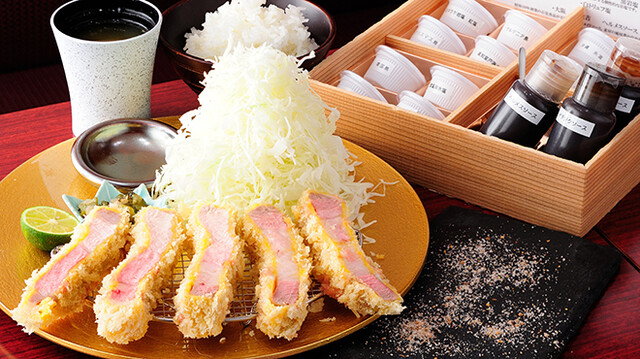
Sit at the counter if you can: the cooks’ choreography is central to the experience and watching the frying station clarifies how the cuisine is made. Lean into the tempura-focused menu: the kitchen’s methodical approach rewards simpler selections that showcase ingredient quality and frying mastery. Try the house signatures such as shrimp bread and saimaki shrimp to sample the restaurant’s strengths. Note that salt is applied after frying to clarify flavour rather than dominate it, so allow the preparation’s subtlety to come through rather than masking it with heavy condiments.
Venue details
Ambiance
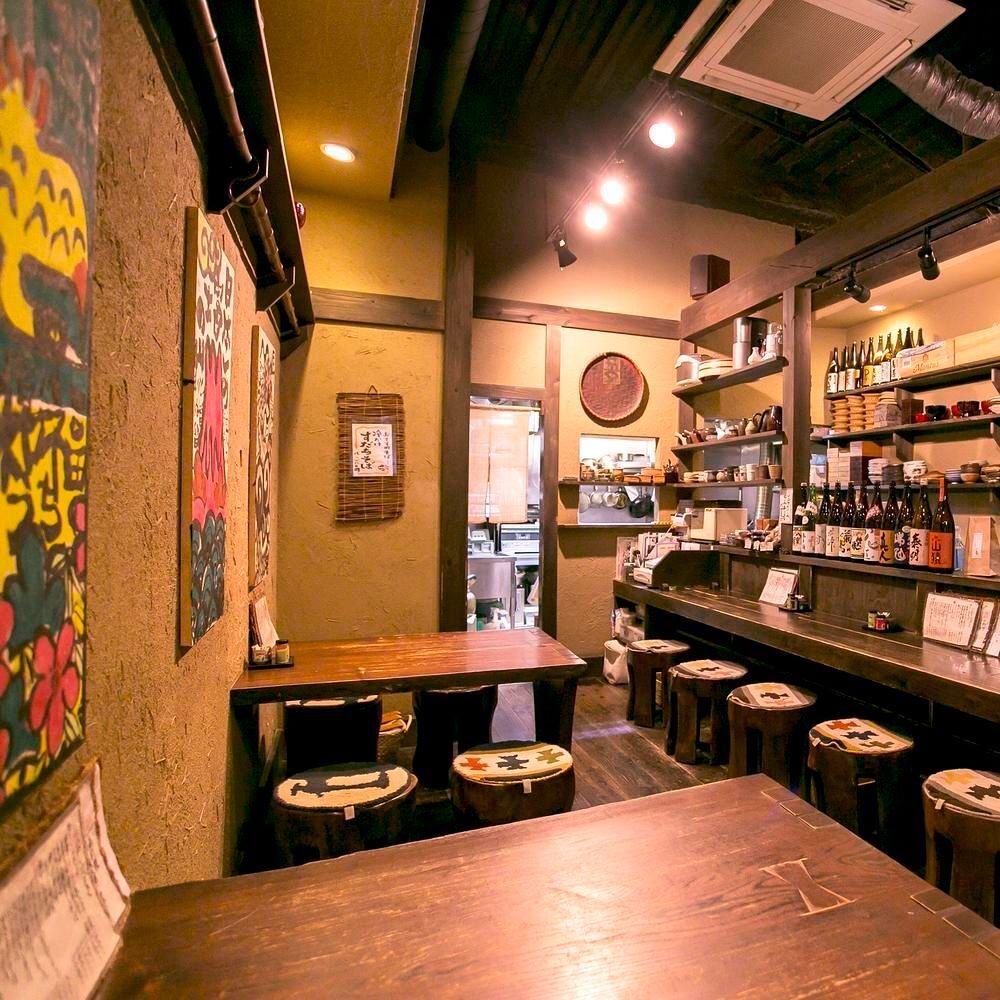
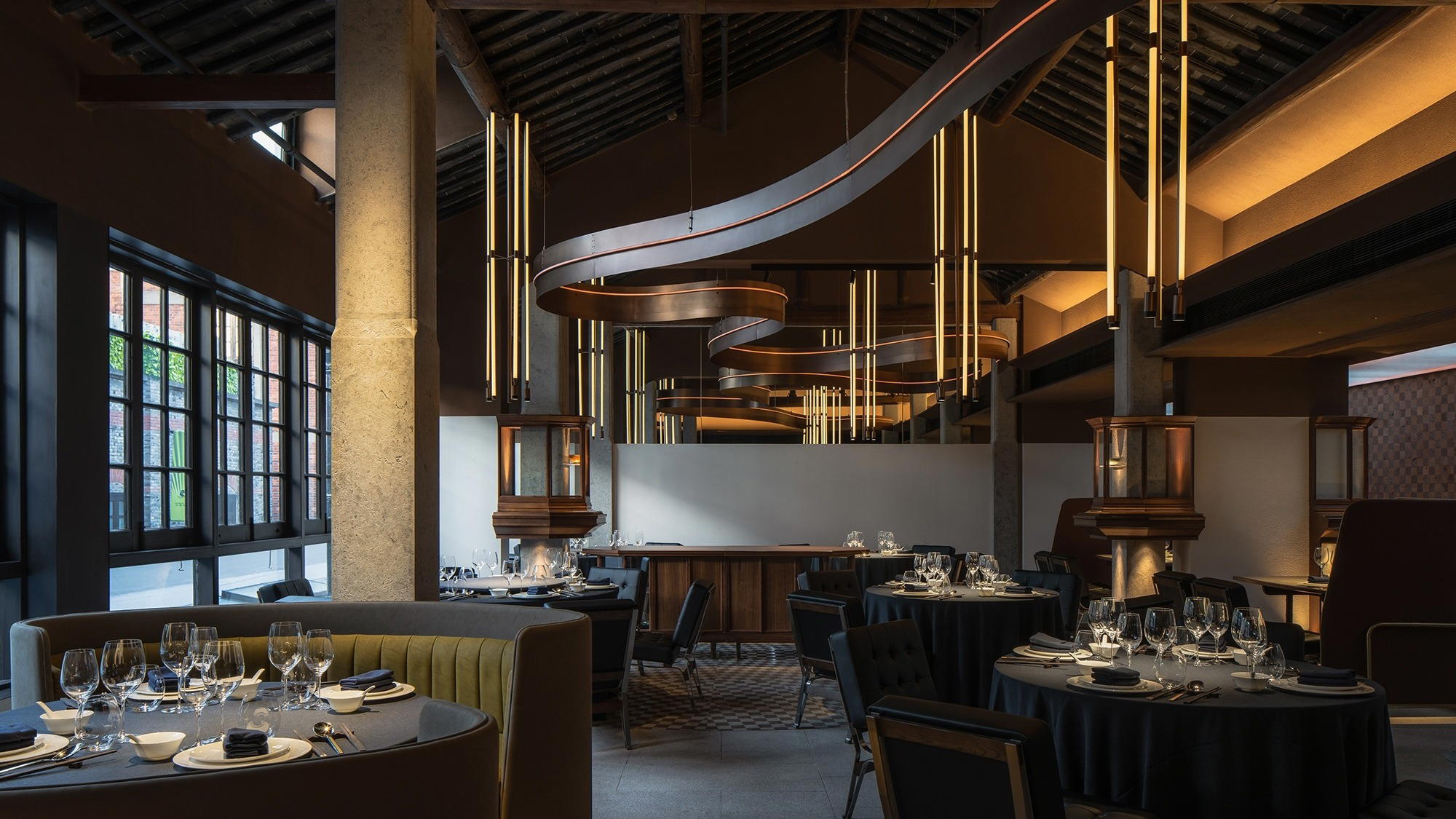
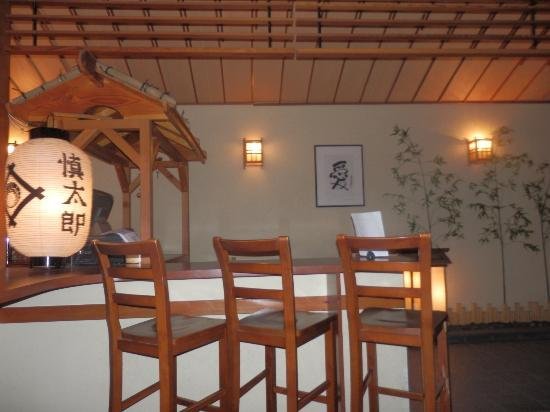
Retro counter seating with a serene, focused atmosphere centered on the two chefs frying tempura.
Tags
Vibe
Best For
Experience
At the Table
- Dress Code
- Smart Casual
- Noise Level
- Quiet
- Service Style
- Formal
- Meal Pacing
- Leisurely
- Capacity
- Intimate
- Kitchen
- Traditional
- Menu Format
- Counter dining
Signature Dishes
- shrimp bread
- saimaki shrimp
Know before you go
Know Before You Go
- Getting there
- Japan, 〒530-0047 Osaka, Kita Ward, Nishitenma, 2 Chome−5−5 てんぷら新太呂
Planning details
Hours
- Monday
- 5–9:30 PM
- Tuesday
- 5–9:30 PM
- Wednesday
- 5–9:30 PM
- Thursday
- 5–9:30 PM
- Friday
- 5–9:30 PM
- Saturday
- 5–9:30 PM
- Sunday
- Closed
Location
Japan, 〒530-0047 Osaka, Kita Ward, Nishitenma, 2 Chome−5−5 てんぷら新太呂 · Directions
Recognition and awards
Also consider
Also Consider
- HAJIME: French, Innovative, ¥¥¥¥
- La Cime: French, ¥¥¥¥
- Kashiwaya Osaka Senriyama: Japanese, ¥¥¥
- Taian: Kaiseki, Japanese, ¥¥¥
- Fujiya 1935: Innovative, ¥¥¥¥
Restaurant context
Against Osaka's ¥¥¥¥ tier, Shintaro is the lower-commitment, easier-to-book option that still carries Michelin recognition. HAJIME and Fujiya 1935 operate at a significantly higher price point with innovative French and modern menus. If you are spending a full evening and want a tasting menu that moves through multiple formats and techniques, those two are the stronger investments. Shintaro is not competing in that register and is not trying to.
Within the ¥¥¥ tier, the more direct comparison is between Shintaro and Taian or Kashiwaya Osaka Senriyama. Both of those shift the format to kaiseki, giving you a broader sequence of courses against a single-technique counter. If your priority is range and ceremony, they are the better pick at the same spend. If you specifically want tempura done with precision and continuity of tradition, Shintaro wins that comparison clearly. OIMATSU Tempura Suzuki is the most direct tempura peer and worth checking availability on before locking in either booking.
La Cime sits at ¥¥¥¥ with a French format and is a strong choice for diners who want a Western fine dining structure in Osaka. It is not a like-for-like comparison with Shintaro but is relevant if you are deciding how to allocate one or two high-spend evenings across a trip. The practical summary: book Shintaro for a focused, lower-pressure counter meal, and reserve the ¥¥¥¥ budget for an evening when you want full tasting menu scope.
Explore Osaka
Around this place
Discover more on Pearl
Unlock the full Shintaro guide in Pearl, including awards, comparisons, FAQs, planning details, and nearby places.
Compare Shintaro
| Venue | Awards | Price |
|---|---|---|
| Shintaro | Michelin Guide Kyoto Osaka 20262026 Michelin Plate2025 Michelin Plate2024 Michelin Plate | ¥¥¥ |
| HAJIME | Star Wine Lists 2026 · #12026 Tabelog Bronze · #922026 OAD Top Restaurants in Japan Ranked · #98Michelin Guide Kyoto Osaka 20262026 La Liste Top RestaurantsTabelog 100 - Innovative / Creative cuisine - 2025 · #692025 Asia's 50 Best Restaurants · #832025 OAD Top Restaurants in Japan Ranked · #87We're Smart World Top Restaurants 2025 | ¥¥¥¥ |
| La Cime | 2026 Asia's 50 Best Restaurants · #132026 OAD Top Restaurants in Japan Ranked · #1492026 Tabelog Bronze · #231Michelin Guide Kyoto Osaka 20262026 La Liste Top Restaurants2025 Asia's 50 Best Restaurants · #82025 World's 50 Best Restaurants · #44Tabelog 100 - French - WEST - 2025 · #932025 OAD Top Restaurants in Japan Ranked · #123 | ¥¥¥¥ |
| Kashiwaya Osaka Senriyama | 2026 Tabelog Bronze · #1682026 OAD Top Restaurants in Japan Recommended2026 Relais Chateaux RestaurantsMichelin Guide Kyoto Osaka 20262026 La Liste Top RestaurantsTabelog 100 - Japanese cuisine - WEST - 2025 · #772025 OAD Top Restaurants in Japan Ranked · #1552025 Relais Chateaux Award2025 Michelin 3 Stars | ¥¥¥ |
| Taian | 2026 OAD Top Restaurants in Japan RecommendedMichelin Guide Kyoto Osaka 20262026 La Liste Top Restaurants2025 OAD Top Restaurants in Japan Ranked · #2042025 La Liste Top Restaurants2025 Michelin 3 Stars2024 OAD Top Restaurants in Japan Ranked · #1912024 Michelin 3 Stars2023 OAD Top Restaurants in Japan Highly Recommended | ¥¥¥ |
| Fujiya 1935 | 2026 Tabelog Bronze · #752026 OAD Top Restaurants in Japan RecommendedMichelin Guide Kyoto Osaka 20262026 La Liste Top Restaurants2025 Michelin 2 Stars2025 Tabelog Silver2025 La Liste Top Restaurants2024 OAD Top Restaurants in Japan Ranked · #2392024 Michelin 2 Stars | ¥¥¥¥ |
.png?width=1200&quality=80)









How Shintaro stacks up against the competition.
FAQ
Frequently Asked Questions
Is the tasting menu worth it at Shintaro?
At ¥¥¥, Shintaro offers a focused, counter-format experience where the method is the point: thin batter, salt seasoning, and a two-cook system the house has maintained for decades. If you value craft and consistency over variety or spectacle, it holds up. If you want more range across flavours and techniques, Fujiya 1935 or La Cime will serve you better.
Is Shintaro good for solo dining?
Yes. Counter-format tempura restaurants are among the most comfortable solo dining formats in Japan: you sit facing the action, the cook sets the pace, and there's no social awkwardness in eating alone. Shintaro's frying station is the focal point of the room, which makes the solo experience genuinely engaging rather than isolating.
Can I eat at the bar at Shintaro?
The counter at Shintaro is the primary format: the room is built around the frying station where the owner-chef and fry cook work in tandem. Expect counter seating to be the standard arrangement here, not an alternative to table dining.
What should I wear to Shintaro?
No dress code is documented for Shintaro, but at ¥¥¥ in a specialist counter setting in Osaka, neat casual is a reasonable baseline. Avoid overly casual attire; this isn't a casual ramen spot. Dressing respectfully is standard practice at this level of Japanese restaurant.
What are alternatives to Shintaro in Osaka?
For tempura specifically, Numata and Shunsaiten Tsuchiya are in the same Nishitenma radius. For a broader fine-dining comparison at higher price points, Hajime (three Michelin stars) and Kashiwaya Osaka Senriyama represent the top of the city's tasting-menu tier. Fujiya 1935 and La Cime are strong options if you want French-influenced Japanese cuisine rather than a specialist counter.
Is Shintaro good for a special occasion?
It works for a special occasion if the person you're celebrating appreciates craft and precision over theatrical presentation or a lengthy multicourse format. The counter setting is intimate, and the house's commitment to preserving its founder's methods gives the meal a sense of occasion. For a more formal, multi-course celebration dinner, Taian or Kashiwaya Osaka Senriyama would be more fitting.
Is Shintaro worth the price?
It is not trying to be a destination restaurant in the way HAJIME or Fujiya 1935 is. If you want a single-discipline counter done with consistency and care, the price is justified.