.png?width=1200&quality=80)

Ramen Kuon
Ramen · Chūō, Osaka
Restaurant in Osaka, Japan
 Book with Pearl
The Read
Pi-Water Shio Precision
Price
$10–20per person
Dress
Casual
Why go
Back-to-back Michelin Bib Gourmand recognition in 2024 and 2025 makes Ramen Kuon the clearest value proposition in Osaka's ramen scene. The Shio Soba, built on a triple soup of fish, shellfish, and chicken with high-hydration noodles and three types of chashu, delivers serious technical depth at a single-yen price point. Book it as the anchor of any serious Osaka food day.
About Ramen Kuon
Verdict
Book Ramen Kuon. A back-to-back Michelin Bib Gourmand in 2024 and 2025 at a single-yen price point is one of the clearest value signals in Osaka's dining calendar. The Shio Soba here is a considered, technically constructed bowl, built on a triple soup of fish, shellfish, and chicken, using Pi-Water, high-hydration noodles from a three-wheat blend, and three varieties of chashu, and it delivers at a level that justifies making a dedicated trip from anywhere in the Kansai region. If you are an explorer working through Japan's serious ramen scene, this is a required stop in Osaka. Compare it against Afuri in Tokyo or Chinese Noodles ROKU in Kyoto and Kuon holds its own on technique, with a sharper focus on salt-based clarity than either of those.
The Portrait
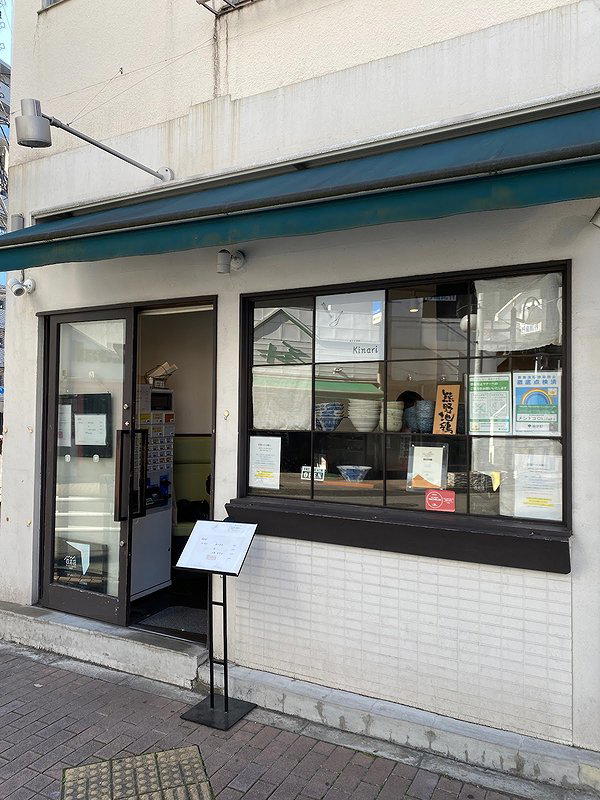
Ramen Kuon occupies a basement floor inside the Senba Center Building in Chuo Ward, a sprawling wholesale trade complex that most visitors walk past without a second look. The setting is utilitarian by design: underground, functional, and entirely at odds with the precision that arrives in the bowl. That contrast is part of what makes this address worth finding. In a city that wears its culinary ambitions on its sleeve, Kuon operates without fuss from a location that strips away any ambient prestige. The decision to book here is a decision about the food, nothing else.
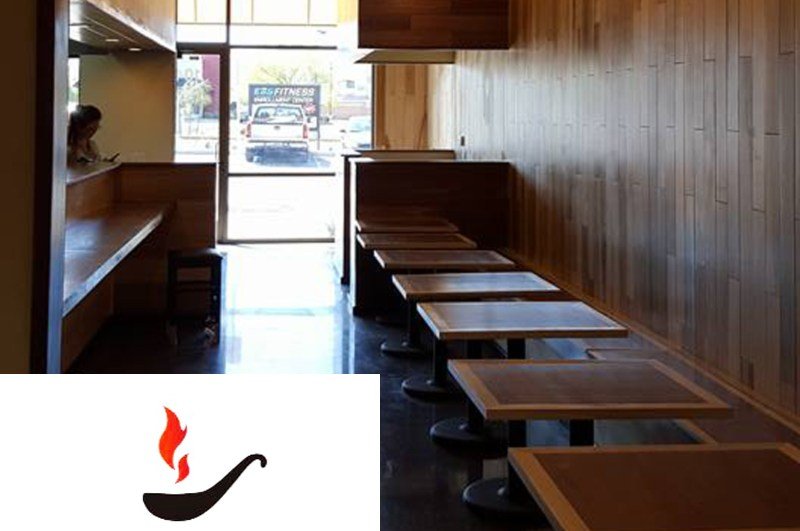
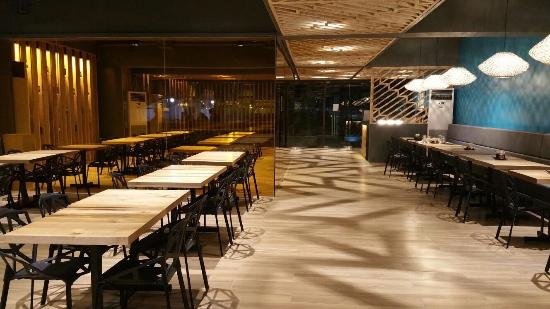
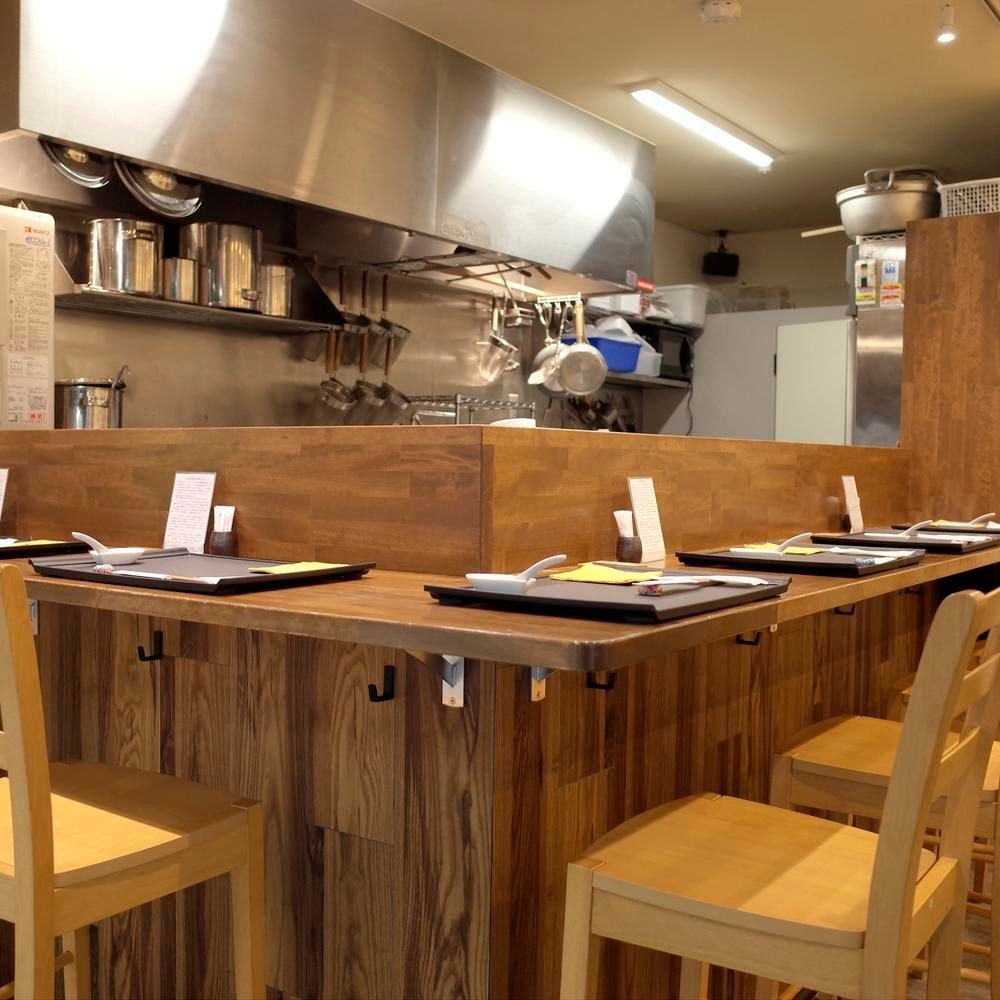
The spatial experience is compact. Senba Center Building's basement level is a corridor of small, independent operators, and Kuon is no exception to the format. Seating is limited, the room is close, and the counter arrangement places you directly in contact with the process. For solo diners and pairs, this is the format working at its finest, you are near the kitchen, the bowl arrives quickly, and there is no ambient noise competing with the experience of eating. Groups of four or more will find the space less accommodating, and the format does not lend itself to long communal meals. Plan accordingly.
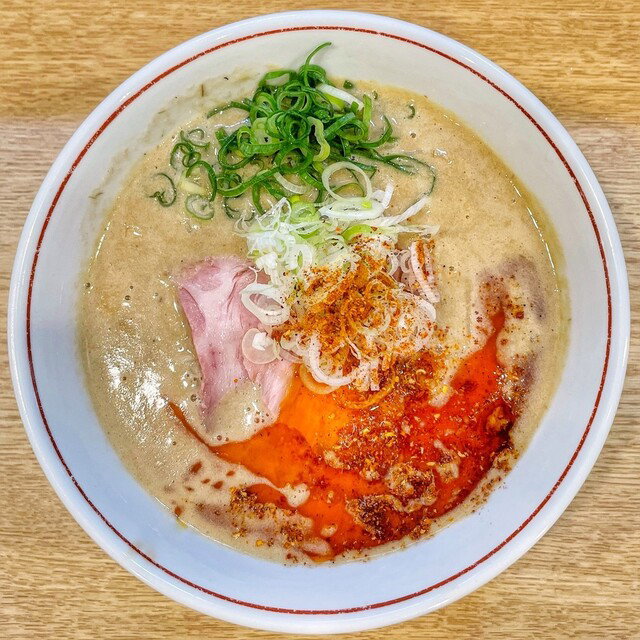
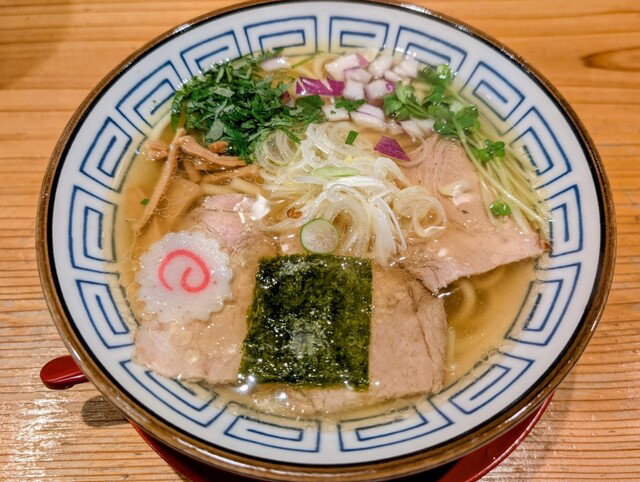
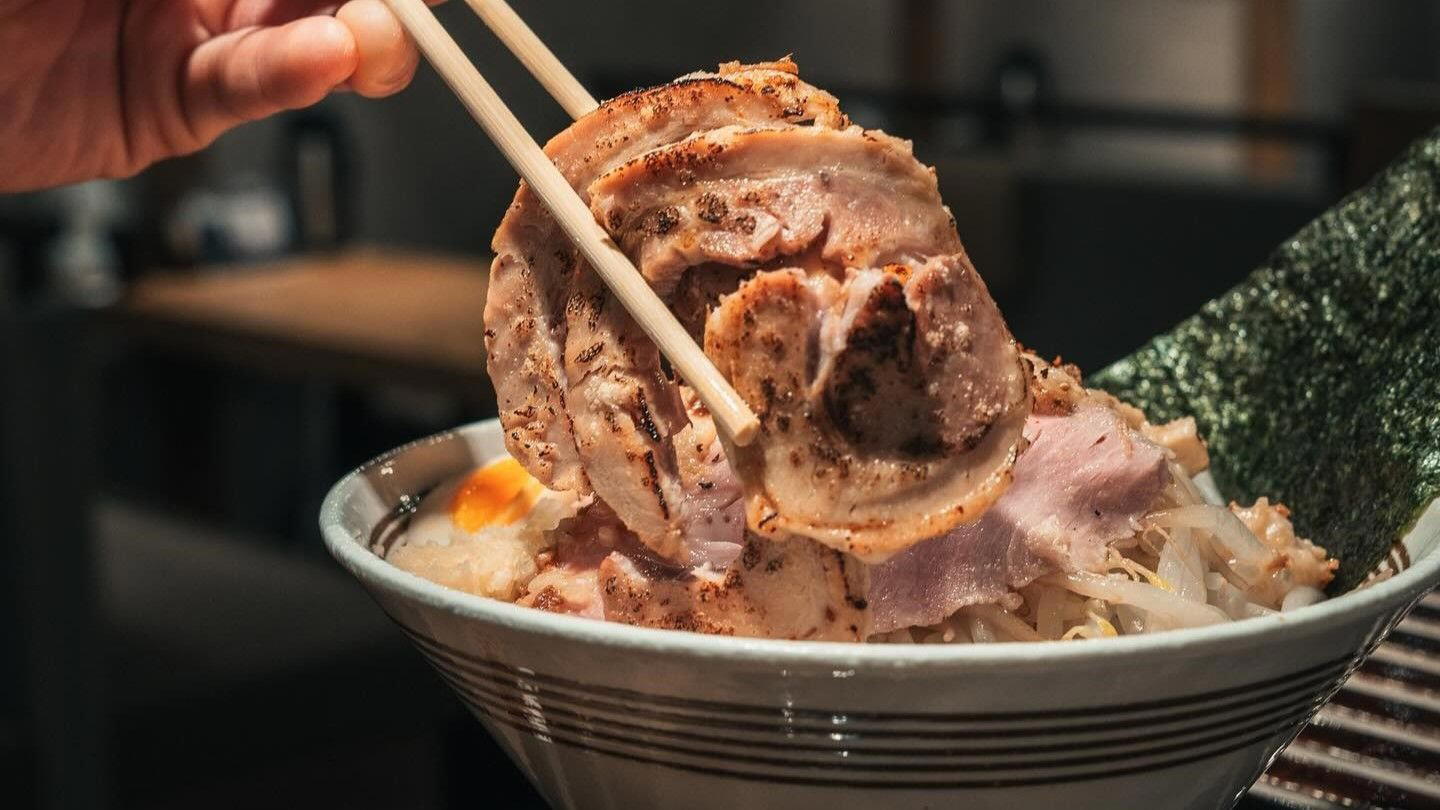
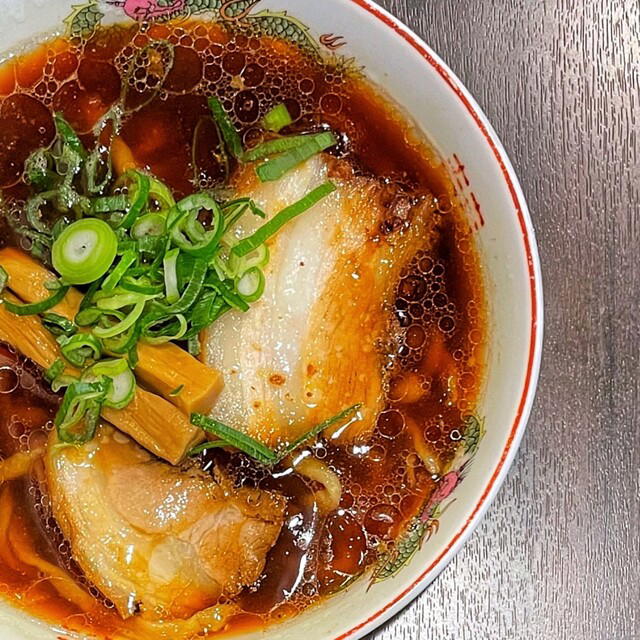
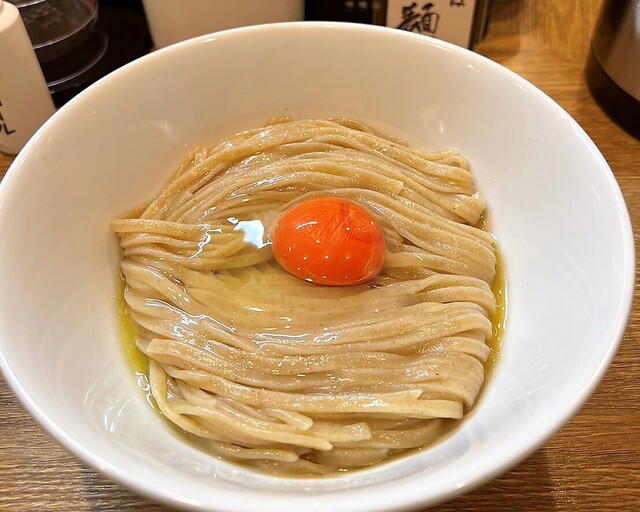
The Shio Soba is the reason to come, and the construction of that bowl rewards attention. The triple soup, fish, shellfish, chicken, is prepared using Pi-Water, a purified water processed to resemble the mineral profile of water found in living tissue. Whether that claim translates directly into the finished broth is difficult to verify from the outside, but the soup itself is reported to be clean, layered, and free of the heaviness that can compromise lesser shio broths. The seaweed component, sea lettuce and nori, adds a marine register that anchors the salt profile without overwhelming it. This is not a concept bowl built for visual impact; it is a technically assembled dish from a chef who has been working toward a specific idea of perfection in the shio format across multiple years of service.
Noodles are high-hydration, produced from a blend of three types of wheat flour, and the result is described as close to hand-kneaded in texture, with the kind of surface that holds broth without going soft too quickly. Three types of chashu are served alongside, combining pork and chicken cuts to deliver range across the protein component. This is not a minimal bowl where one element carries everything; the architecture is deliberate across all three layers, and that is precisely what Michelin's Bib Gourmand recognition reflects, serious technique delivered at an accessible price.
For the explorer building a serious itinerary across Japan's ramen scene, Osaka gives you several credible options. Chukasoba Mugen and Chukasoba Uemachi represent the chukasoba tradition in the city, while Hommachi Seimenjo Chukasobakobo and Kamigata Rainbow offer further range across styles. Kadoya Shokudo is worth considering if you want a broader diner-format experience. Kuon is the one with the clearest critical validation at the ¥ price point, which makes it the anchor of any serious Osaka ramen day. If your Japan trip extends beyond Osaka, Harutaka in Tokyo, Gion Sasaki in Kyoto, akordu in Nara, Goh in Fukuoka, 1000 in Yokohama, and 6 in Okinawa round out an explorer's regional picture.
A note on the editorial angle: Ramen Kuon does not operate a wine program, and none is implied by the format or price tier. At the ¥ level, in a basement ramen counter in a trade building, the beverage pairing question is a non-issue. Shio ramen at this level of precision pairs leading with the soup itself, the broth is the drink as much as the food. If your Osaka trip requires a serious beverage program alongside dining, the comparison venues at ¥¥¥ and ¥¥¥¥ listed below are the relevant tier. Kuon is the answer to a different question: where do you go when the bowl is the whole point?
The rating suggests reliable execution across visits rather than a venue coasting on a single recognition cycle. For a full picture of what Osaka offers across categories, see our full Osaka restaurants guide, our full Osaka hotels guide, our full Osaka bars guide, our full Osaka wineries guide, and our full Osaka experiences guide.
Know Before You Go
- Price tier: ¥, among the most affordable Michelin-recognised bowls in Osaka
- Awards: Michelin Bib Gourmand 2024 and 2025
- Address: Senba Center Building No. 3, B2F, 1-4-3 Senbachuo, Chuo Ward, Osaka
- Booking difficulty: Easy, walk-in friendly for most services, though peak lunch periods at a small counter can move fast
- Leading for: Solo diners, pairs, ramen explorers, anyone wanting Michelin-level precision at street-food prices
- Not ideal for: Large groups, anyone seeking a full beverage program or extended dining format
- Format: Counter-style ramen; expect a focused, efficient meal rather than a long table experience
Planning details
- Hours
- Monday: 11 AM–3 PM · Tuesday: 11 AM–3 PM
- Location
- Japan, 〒541-0055 Osaka, Chuo Ward, Senbachuo, 1 Chome−4−3 船場センタービル 3号館地下2階
- Reservations
- Book on TableCheck
- Website
- tablecheck.com/ja/ramen-kuon2020
The take
The Take
The Vibe
Ramen Kuon occupies a genuinely subterranean corner of Osaka’s Senba Center Building, trading studio design flourishes for a resolutely functional, bowl-first ethos. The mid-century wholesale complex and fluorescent-lit basement levels create an unpretentious, workaday atmosphere where the shop’s quiet intensity comes through in the cooking rather than the interior. This is a casual, history-steeped ramen counter that feels like part of a local lunch culture: compact, focused, and quietly confident. It’s the sort of place Michelin’s Bib Gourmand rewards: modest in setting but meticulous in execution.
Best For
Ramen Kuon is best for solo lunches and low-key casual meals for people working in or visiting the surrounding business and textile district. The shop’s counter-oriented, lunch-trade setting suits diners who want a serious bowl without ceremony: quick, attentive service focused on the noodles and broth. It also fits casual hangouts where the food is the primary draw rather than the room; diners who care about ingredient deliberateness and classic Shio technique are the natural audience here.
Ordering Tips
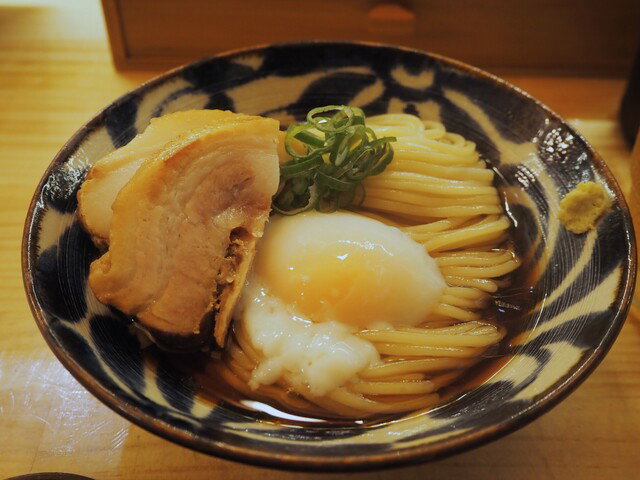
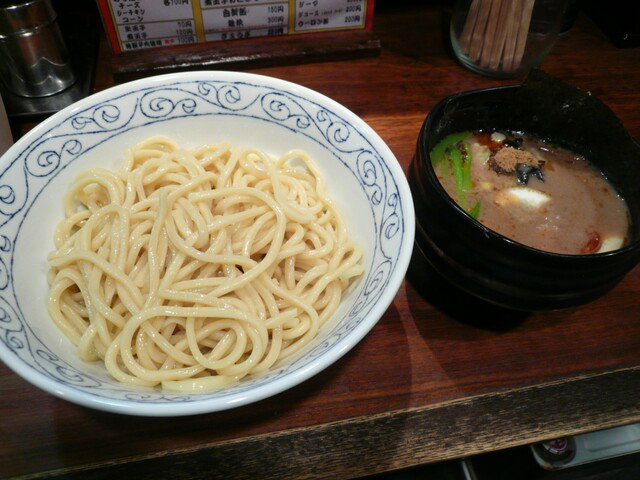
Order the Shio Soba to understand what distinguishes Ramen Kuon: the bowl is built on a triple-soup base of fish, shellfish, and chicken and is finished with sea lettuce and nori for a marine lift. Pi-Water is used in the broth, and the narrow margin between correct and flat in this style makes the signature Shio Soba the restaurant’s clearest statement. Tsukemen is also a specialty if you prefer a dipping-style ramen.
Venue details
Ambiance
Calm and tranquil atmosphere with relaxing space counter seating facing the kitchen and surprisingly luxurious solo tables.
Tags
Vibe
Best For
Experience
At the Table
- Dress Code
- Casual
- Noise Level
- Quiet
- Service Style
- Counter Service
- Meal Pacing
- Quick Bite
- Capacity
- Intimate
- Kitchen
- Traditional
- Menu Format
- A la carte, Counter dining
Signature Dishes
- Shio Soba
- Tsukemen
Know before you go
Know Before You Go
- Getting there
- Japan, 〒541-0055 Osaka, Chuo Ward, Senbachuo, 1 Chome−4−3 船場センタービル 3号館地下2階
Planning details
Hours
- Monday
- 11 AM–3 PM
- Tuesday
- 11 AM–3 PM
- Wednesday
- 11 AM–3 PM
- Thursday
- 11 AM–3 PM
- Friday
- 11 AM–3 PM
- Saturday
- 11 AM–2:30 PM
- Sunday
- 11 AM–2 PM
Location
Japan, 〒541-0055 Osaka, Chuo Ward, Senbachuo, 1 Chome−4−3 船場センタービル 3号館地下2階 · Directions
Recognition and awards
Also consider
Also Consider
- HAJIME: French, Innovative, ¥¥¥¥
- La Cime: French, ¥¥¥¥
- Kashiwaya Osaka Senriyama: Japanese, ¥¥¥
- Taian: Kaiseki, Japanese, ¥¥¥
- Fujiya 1935: Innovative, ¥¥¥¥
Restaurant context
Ramen Kuon sits in a different tier from Osaka's big-ticket dining addresses, and that is the point. HAJIME, La Cime, and Fujiya 1935 all operate at ¥¥¥¥: a spend level that reflects elaborate tasting menus, formal service, and multi-hour dining formats. If your Osaka evening calls for that kind of commitment, those three represent the city's strongest case for destination fine dining. But Kuon is not competing with them. A Bib Gourmand is Michelin's specific recognition for serious quality at accessible prices, and Kuon has held it two years running. You are getting a bowl for a fraction of the spend.
Against the mid-range tier, Kashiwaya Osaka Senriyama and Taian both operate at ¥¥¥ in Japanese and kaiseki formats: meaning longer meals, more courses, and a very different style of hospitality. If you want to spend a full evening in a traditional Japanese dining format with sake or seasonal pairings, either of those is the better call. Kuon is the right answer when you want focused, fast, technically precise eating at a price that makes it an easy addition to any day rather than the centrepiece of a special-occasion evening.
On booking difficulty, Kuon is the easiest option across this entire comparison set. The ¥¥¥¥ venues require planning weeks or months out; Kuon's walk-in accessibility means you can fit it into an Osaka itinerary without advance logistics. That ease of access, combined with its critical track record, makes it the most practical starting point for explorers who want validated quality without reservation stress. If you are building a multi-day Osaka food itinerary, Kuon handles lunch while one of the ¥¥¥¥ addresses anchors your evening.
Explore Osaka
Around this place
Discover more on Pearl
Unlock the full Ramen Kuon guide in Pearl, including awards, comparisons, FAQs, planning details, and nearby places.
Compare Ramen Kuon
| Venue | Cuisine | Price | Booking Difficulty | Awards |
|---|---|---|---|---|
| Ramen Kuon | Ramen | ¥ | Easy | 2026 Bib GourmandTabelog 100 - Ramen - OSAKA - 2025 · #692025 Michelin Bib Gourmand2024 Michelin Bib Gourmand |
| HAJIME | French, Innovative | ¥¥¥¥ | Unknown | Star Wine Lists 2026 · #12026 Tabelog Bronze · #922026 OAD Top Restaurants in Japan Ranked · #98Michelin Guide Kyoto Osaka 20262026 La Liste Top RestaurantsTabelog 100 - Innovative / Creative cuisine - 2025 · #692025 Asia's 50 Best Restaurants · #832025 OAD Top Restaurants in Japan Ranked · #87We're Smart World Top Restaurants 2025 |
| La Cime | French | ¥¥¥¥ | Unknown | 2026 Asia's 50 Best Restaurants · #132026 OAD Top Restaurants in Japan Ranked · #1492026 Tabelog Bronze · #231Michelin Guide Kyoto Osaka 20262026 La Liste Top Restaurants2025 Asia's 50 Best Restaurants · #82025 World's 50 Best Restaurants · #44Tabelog 100 - French - WEST - 2025 · #932025 OAD Top Restaurants in Japan Ranked · #123 |
| Kashiwaya Osaka Senriyama | Japanese | ¥¥¥ | Unknown | 2026 Tabelog Bronze · #1682026 OAD Top Restaurants in Japan Recommended2026 Relais Chateaux RestaurantsMichelin Guide Kyoto Osaka 20262026 La Liste Top RestaurantsTabelog 100 - Japanese cuisine - WEST - 2025 · #772025 OAD Top Restaurants in Japan Ranked · #1552025 Relais Chateaux Award2025 Michelin 3 Stars |
| Taian | Kaiseki, Japanese | ¥¥¥ | Unknown | 2026 OAD Top Restaurants in Japan RecommendedMichelin Guide Kyoto Osaka 20262026 La Liste Top Restaurants2025 OAD Top Restaurants in Japan Ranked · #2042025 La Liste Top Restaurants2025 Michelin 3 Stars2024 OAD Top Restaurants in Japan Ranked · #1912024 Michelin 3 Stars2023 OAD Top Restaurants in Japan Highly Recommended |
| Fujiya 1935 | Innovative | ¥¥¥¥ | Unknown | 2026 Tabelog Bronze · #752026 OAD Top Restaurants in Japan RecommendedMichelin Guide Kyoto Osaka 20262026 La Liste Top Restaurants2025 Michelin 2 Stars2025 Tabelog Silver2025 La Liste Top Restaurants2024 OAD Top Restaurants in Japan Ranked · #2392024 Michelin 2 Stars |










A quick look at how Ramen Kuon measures up.
FAQ
Frequently Asked Questions
Can I eat at the bar at Ramen Kuon?
Counter seating is the standard format at most serious ramen shops in Japan, and Ramen Kuon follows that convention. Solo diners and pairs will be most comfortable here. The basement location inside the Senba Center Building is compact by design, so expect a tight, focused setup rather than a dining room with table options.
How far ahead should I book Ramen Kuon?
Ramen Kuon operates in the walk-in tradition common to Japanese ramen shops: reservations are not typically how these spots work. That said, a back-to-back Michelin Bib Gourmand in 2024 and 2025 at a single-yen price point means queues form. Arriving early, especially at opening, is the practical move. Check for any updated booking policy before visiting, as Bib Gourmand recognition changes demand quickly.
Can Ramen Kuon accommodate groups?
Groups larger than three will find Ramen Kuon awkward. The basement format inside the Senba Center Building suits solo diners and pairs far better than larger parties. If you're with four or more, stagger your arrival or split the group: the kitchen and seating setup is built for throughput, not communal dining.
What should I wear to Ramen Kuon?
Come casual. Ramen Kuon is a Bib Gourmand-recognised ramen shop at a single-yen price point in a wholesale trade building basement: there is no dress expectation beyond being presentable. Smart casual would be overdressed. Comfortable clothes you don't mind eating near broth in are the right call.
Is Ramen Kuon good for solo dining?
Yes, and it's arguably the best format for it. Counter seating at a focused ramen shop like Ramen Kuon is designed around the solo diner: you order, you watch the kitchen, you eat. The shio soba is the reason to come, and you don't need company to get the most out of it. Two consecutive Michelin Bib Gourmands at this price point make it one of the most straightforward solo lunch calls in Osaka.