

Tabelog 100: Best Ramen Restaurants in Osaka 2025
Tabelog 100 (Hyakumeiten) Ramen - OSAKA selection for 2025. Tabelog publishes these as source-ordered lists of 100 restaurants.

Venues on this list
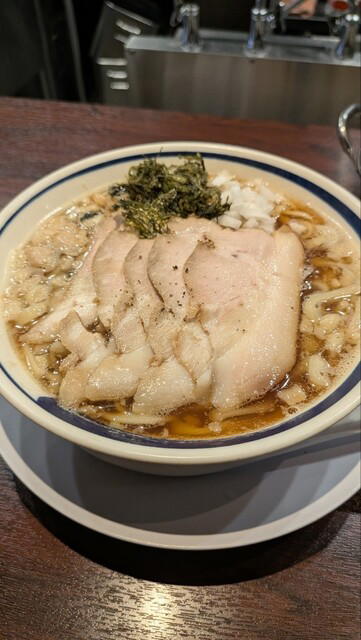
NAKAGAWA Wazu
Osaka, Japan
NAKAGAWA Wazu is a seven-seat ramen counter in Osaka's Higashiyodogawa-ku, recognized on Tabelog Ramen OSAKA 100 for three consecutive years (2023–2025). Bowls land under ¥1,000, no reservations accepted, and queues are common during peak service. The compact format and residential location keep the experience focused and local; worth the trip for ramen purists willing to wait.
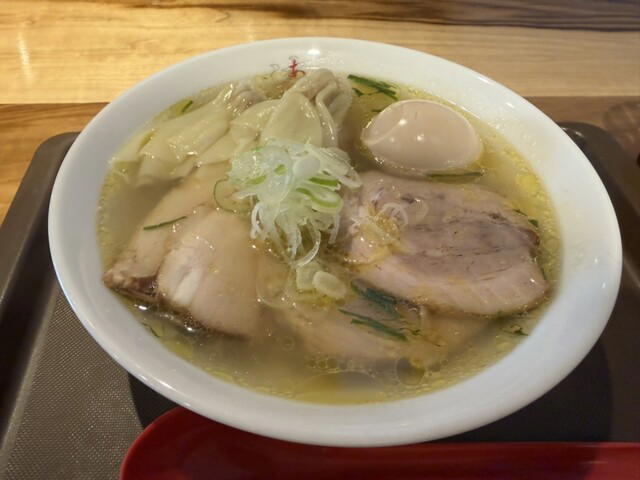
Shio Ramen Asuryu
Osaka, Japan
Takatsuki's Tabelog 100-recognized salt ramen shop opens four days a week for lunch only, serving bowls under 999 JPY until the broth runs out. The walk-in-only, cash-only format and 16-seat capacity mean weekend queues form early. Worth the limited window if you're chasing award credentials at budget pricing.
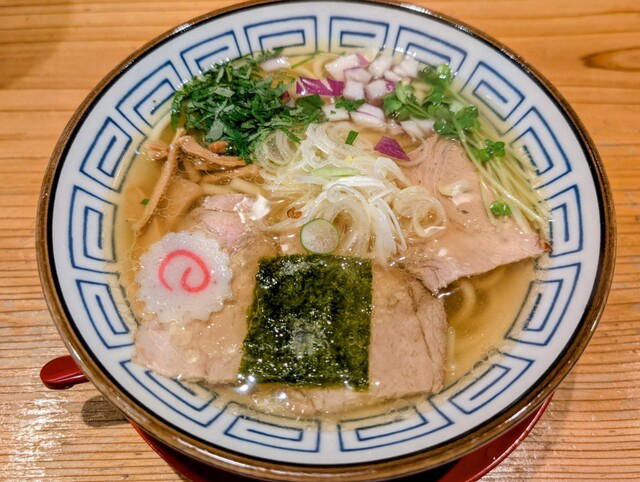
Ramen Shin
Osaka, Japan
A Tabelog 100 ramen counter in suburban Ibaraki, open since 2015 and recognized six consecutive years for disciplined broth work and house-made noodles. Bowls run JPY 1,000–1,999, walk-in only, and sell out by early afternoon. The nine-seat room suits solo diners and quick lunches; arrive by 11:30 AM or expect a sold-out sign.
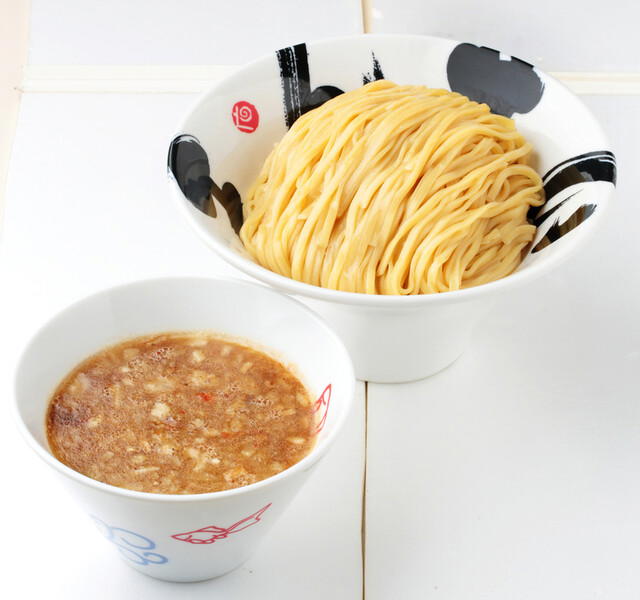
Saishoku Ramen Kinsei Takatsuki honten
Osaka, Japan
Eight-time Tabelog 100 ramen shop in suburban Takatsuki, open 24 hours on weekends with a nine-seat counter and bowls under ¥2,000. No reservations, walk-in only, with tsukemen and Chinese sides on the menu. The flagship of a seven-location Kinsei Group, offering award-validated execution in a high-turnover, no-frills format. Worth the 20-minute train ride from central Osaka if you value technical consistency over ambiance.
Menya Jikon Daitou honten
Osaka, Japan
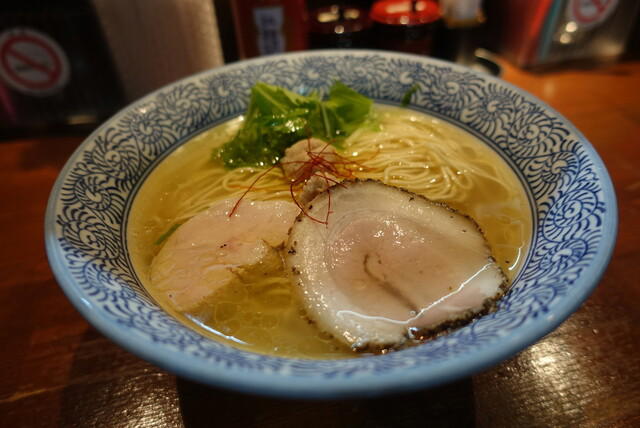
A nine-seat ramen counter in suburban Daitō that has held a Tabelog 100 spot every year since 2018, serving bowls and tsukemen in the JPY 1,000–1,999 range. The limited weekday lunch hours and Thursday-through-Saturday evening service keep the format lean; cash-only payment and no reservations mean timing and preparation matter more than advance planning.
Ginza Kagari Ruku a oosaka ten
Osaka, Japan
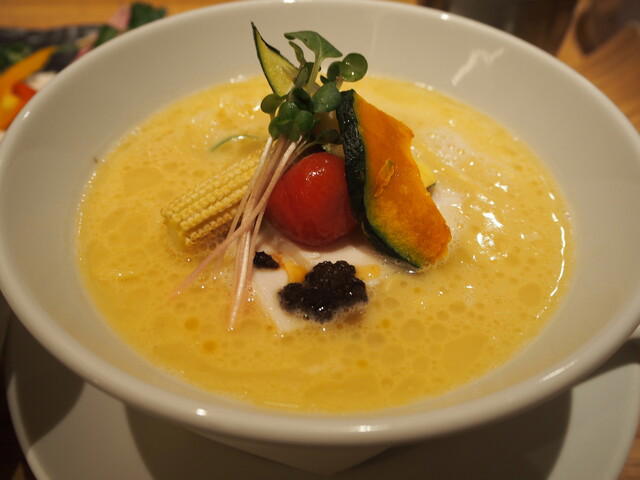
This Lucua basement counter delivers Tokyo-level chicken shoyu ramen at mall prices, earning three consecutive Tabelog 100 selections (2023-2025) for precision that most standalone shops can't match. JPY 1,000-1,999 gets you a technically sound bowl with no wait-reservation drama, making it the most efficient quality stop within Osaka Station's dining maze.
Resshi Shoyu Menkobo Sanku
Fukushima, Japan
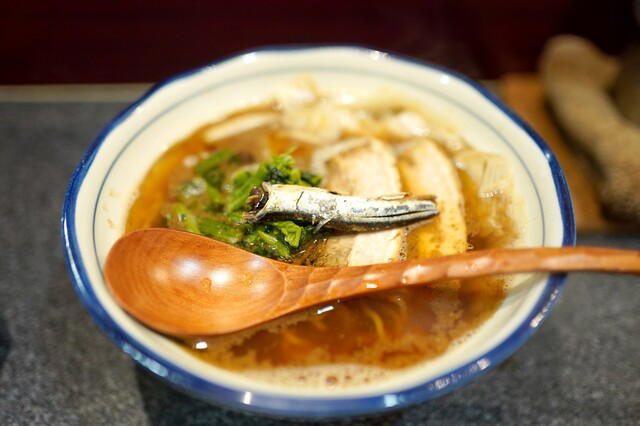
Go for a casual ramen meal when value and speed matter more than ceremony. Resshi Shoyu Menkobo Sanku is a stronger fit for solo diners, pairs, and low-key plans than for large groups or dressier occasions; compare it most closely with Ramen Kozou, or step up to Cuisine Française Liaison for a higher-spend night.
Chukasoba Mugen
Osaka, Japan
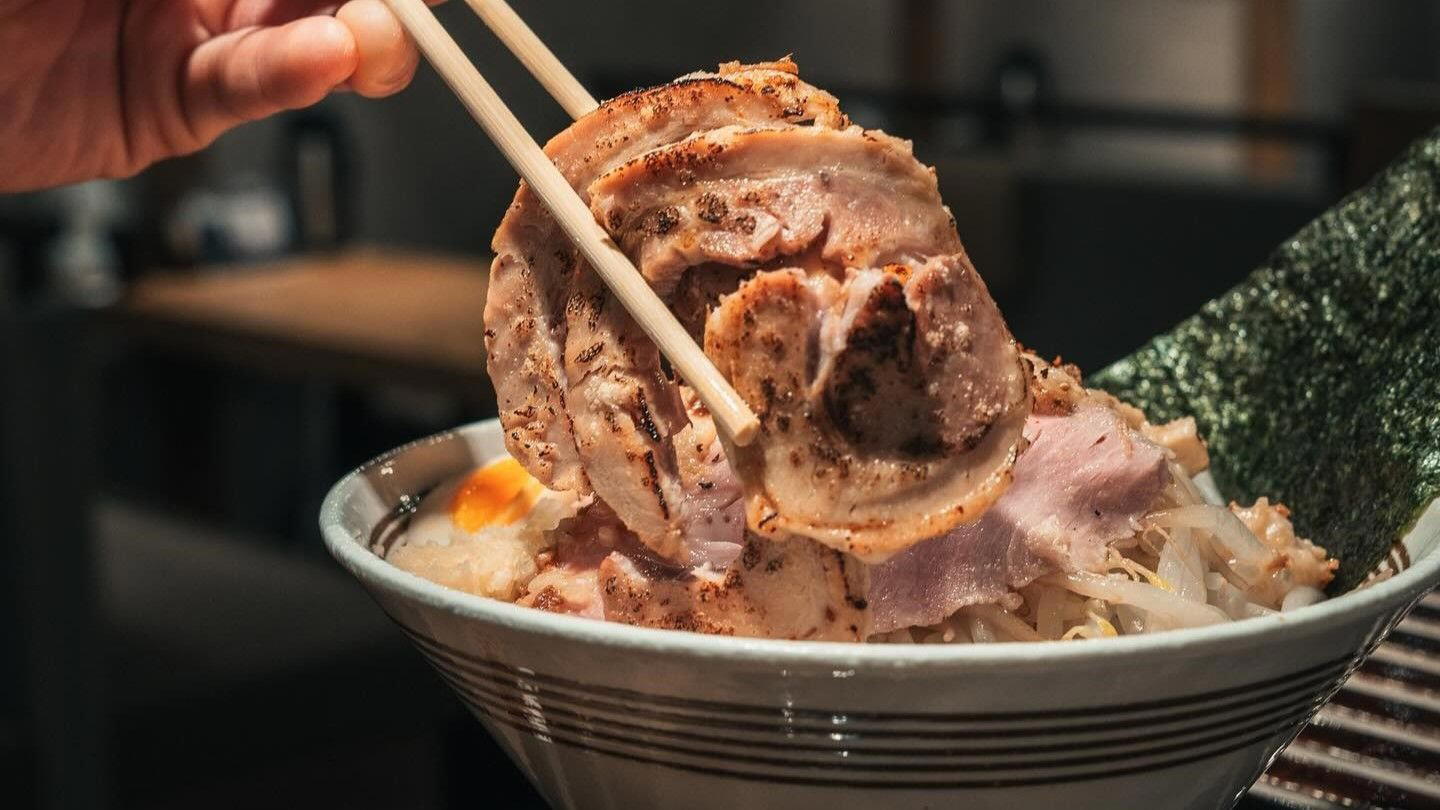
Chukasoba Mugen has earned back-to-back Michelin Bib Gourmand recognition (2024 and 2025) for ramen that rewards attention at a budget price point. The quiet, classical-music-backed room in Fukushima Ward is best suited to solo diners and pairs who want to understand what careful broth construction actually tastes like. One of Osaka's most accessible Michelin-recognized meals.
Nishinakajima Koryumasu
Osaka, Japan
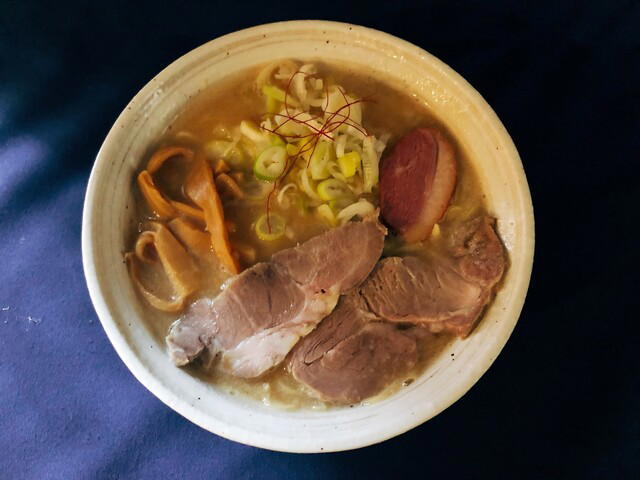
Nishinakajima Koryumasu is the value-led Osaka pick for diners who want an easy meal rather than a formal occasion. It makes more sense as a repeat-visit address or practical lunch/dinner stop than as the anchor meal of a trip, with stronger appeal for smaller groups and price-sensitive plans.
Toki Ya
Osaka, Japan
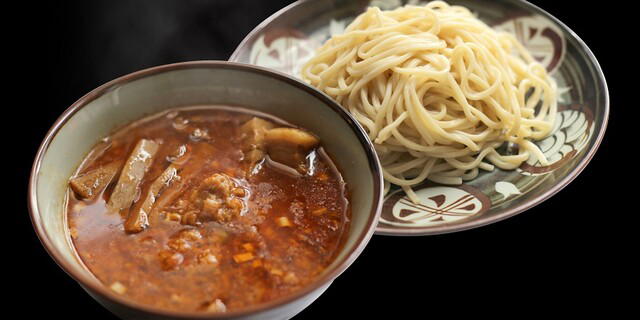
Seven-year Tabelog 100 tsukemen specialist near Shin-Osaka Station, serving dipping noodles at JPY 1,000-1,999 in a 15-seat counter-and-table room. No reservations, cash only, with lunch and dinner service six days a week; the reliable midpoint between speed and recognition in Nishinakajima's crowded noodle cluster.
Shoppe Shoppe
Fukushima, Japan
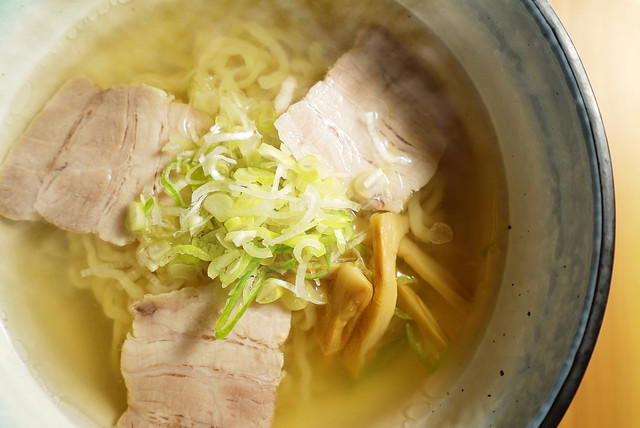
Shoppe Shoppe delivers Tabelog 100-recognized ramen (2024, 2025) at under ¥1,000 per bowl, with an 11-seat counter format near Keihan Nakanoshima Station. No reservations, cash-only, and open Tuesday–Sunday with split lunch/dinner service; arrive early, as the shop closes when ingredients run out. Solo-friendly and family-welcome, it sits well below the price tier of nearby kaiseki or wagyu options while maintaining award-level execution.
Ramen Yashichi
Osaka, Japan
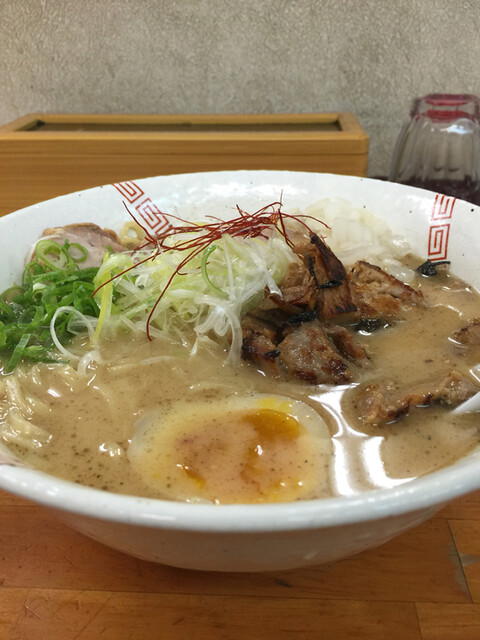
An 11-seat ramen counter in Toyosaki serving bowls under ¥1,000, with eight consecutive Tabelog 100 Ramen OSAKA selections (2018–2025). Weekday-only service, no reservations, and ticket distribution from 10:15 AM make this a morning-queue commitment for solo diners and pairs seeking credential-backed bowls at budget pricing.
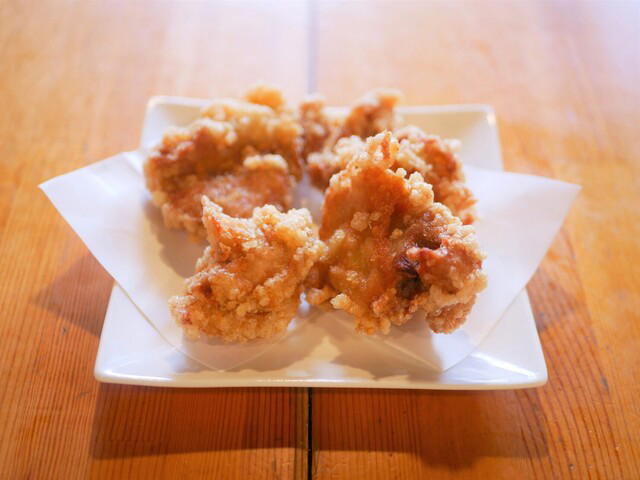
Nakamura Shoten Takatsuki honten
Osaka, Japan
Nakamura Shoten Takatsuki honten, a Tabelog 100 Ramen OSAKA selection since 2021, serves counter-only salt ramen highlighted by perilla-scented broth at JPY 1,000–1,999. Open daily 11 AM–11 PM near JR Takatsuki Station, it's a no-reservation, quick-turnaround option for solo diners and families seeking lighter noodle bowls outside central Osaka's crowds.
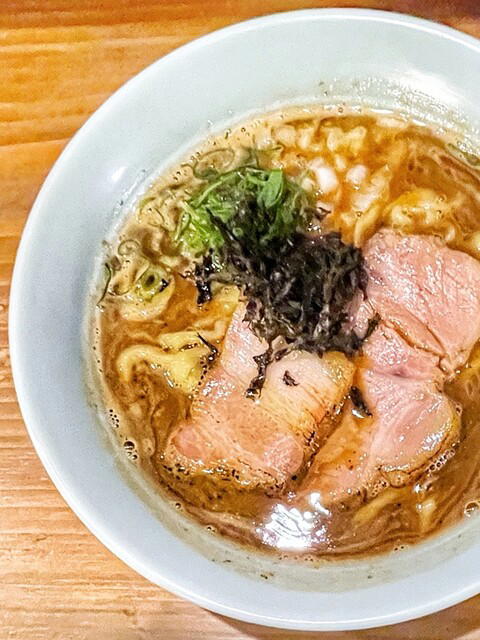
Ikareta Noodle Fish Tons
Osaka, Japan
Tabelog 100 Ramen pick every year since 2019, Ikareta Noodle Fish Tons serves tsukemen and mazemen in Shinmachi at JPY 1,000–1,999. Thick fish-forward broth and chewy noodles anchor the 14-seat counter-first shop. Walk-in only for dine-in; takeout available by phone 15 minutes ahead.
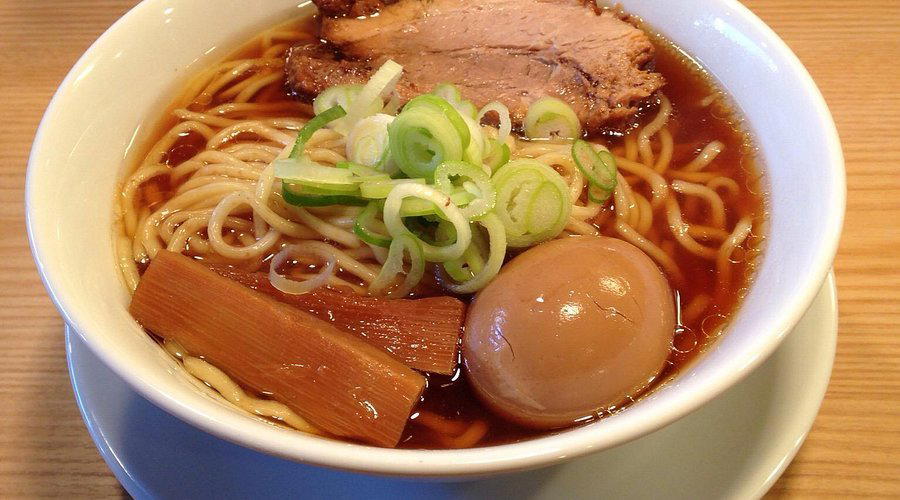
Sodaisho
Osaka, Japan
A 12-seat counter in Kita Ward serving soy and salt ramen under JPY 1,000, recognized on Tabelog's 100 Best Ramen list for seven consecutive years. Open 11 AM to midnight daily with no reservations, the shop sources re-brewed soy sauce from Yuasa and maintains soup preparation around the clock to avoid sellouts. Walk-ins move quickly; late-night availability makes it a dependable fallback when other neighborhood spots fill.
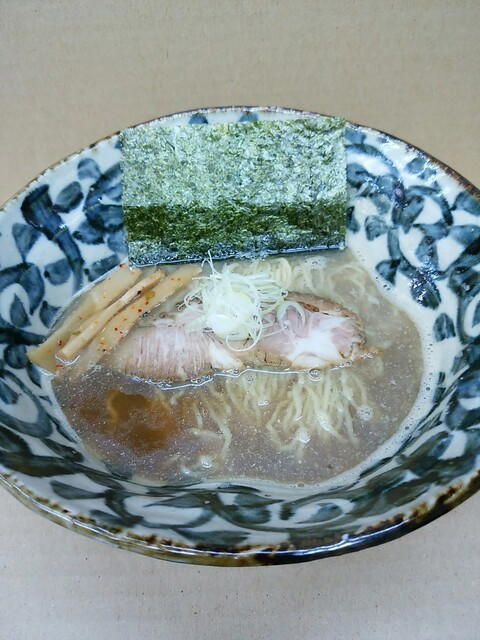
Raku Nijin
Osaka, Japan
Eight-seat counter ramen shop three minutes from Tenjimbashisuji Rokuchome, holding a Tabelog 100 spot since 2019 with bowls under JPY 1,000. No reservations, cash only, closed Sundays. Best for solo diners or couples willing to queue 20 minutes for soy-forward ramen in a no-frills format. Less suited to groups or special occasions.
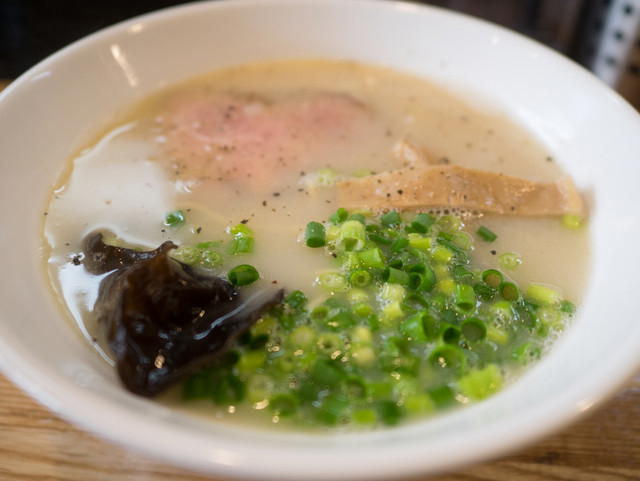
Menya Issou
Osaka, Japan
Menya Issou is a seven-seat ramen counter in Yao, selected for Tabelog 100 three years running (2023–2025), serving bowls under ¥1,000 from 11:30 AM until sold out. Walk-ins only, cash only, and closed Wednesdays; arrive before noon to secure a stool before the queue lengthens.
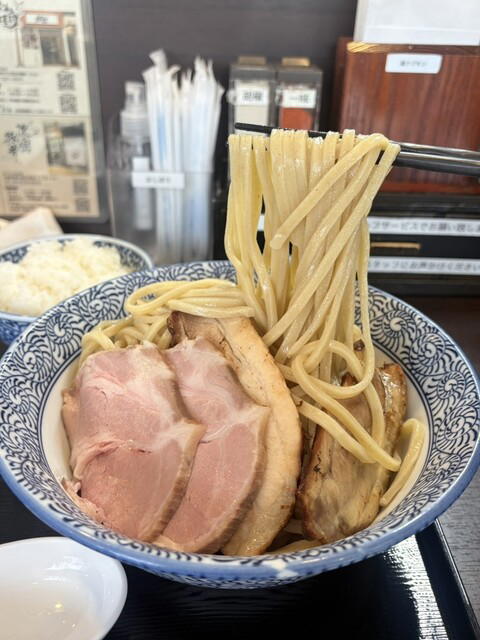
Chuka Soba Fukuhara
Osaka, Japan
A Tabelog 100-listed chuka soba specialist in Higashiosaka serving soy-based ramen for JPY 1,000–1,999. No reservations, counter seating only, and cash-only payment make this a straightforward stop for diners seeking traditional Tokyo-style noodles in a residential neighborhood away from Osaka's tourist core.
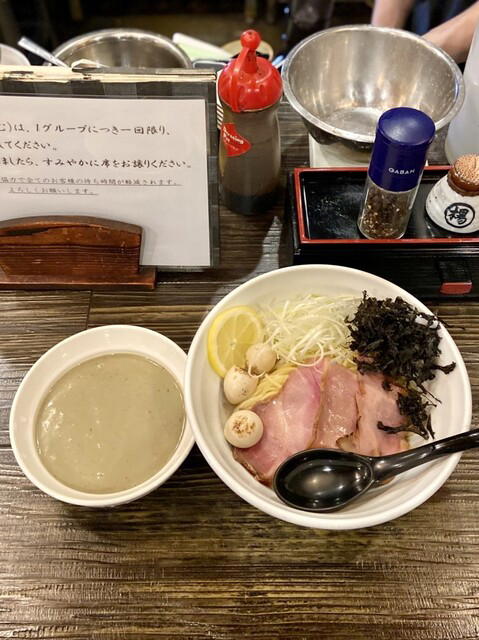
Totomen En
Osaka, Japan
A fourteen-seat ramen shop in Higashiosaka's Ajirominami district, Totomen En has earned Tabelog 100 recognition three consecutive years (2023–2025) for bowls priced under JPY 2,000. The no-reservation, cash-only format rewards weekday lunch visits before noon, with four counter seats ideal for solo diners seeking technically precise ramen without the downtown markup.
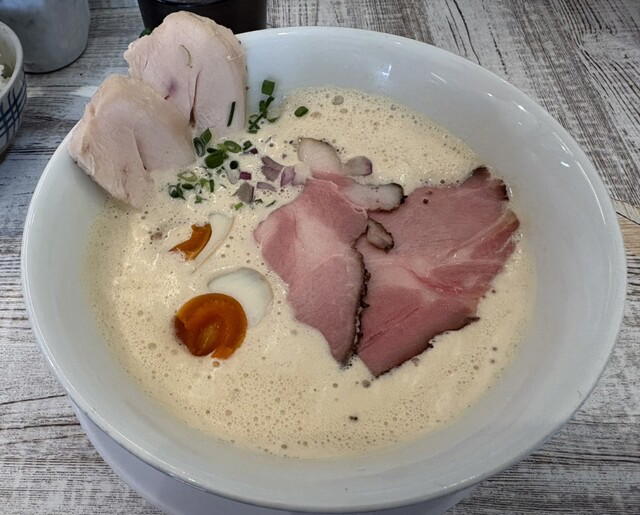
Ramenya Akagi
Osaka, Japan
A ten-seat counter in Higashiyodogawa serving sub-¥1,000 ramen bowls that earned three straight Tabelog Ramen OSAKA 百名店 selections (2023–2025). No reservations, no tables; just efficient solo dining in a residential pocket six minutes from Kamishinjo Station. Walk-ins only; arrive early or expect a queue.
ZEN LABORATORY
Osaka, Japan
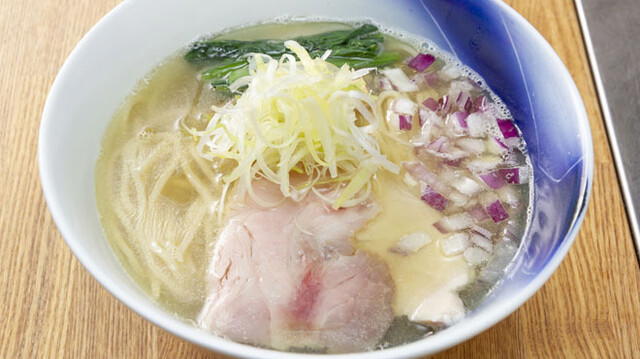
Tabelog-recognized ramen shop in Umeda offering chicken-forward broth and chewy homemade noodles at under JPY 2,000. Walk-in only, 17 seats, and a three-minute walk from Hankyu Umeda Station. The owner trained at Chuka Soba Mugen before opening in 2021; the shop made the 2025 Tabelog Ramen 100 list for Osaka within four years.
RAMEN Gamou Smile
Osaka, Japan
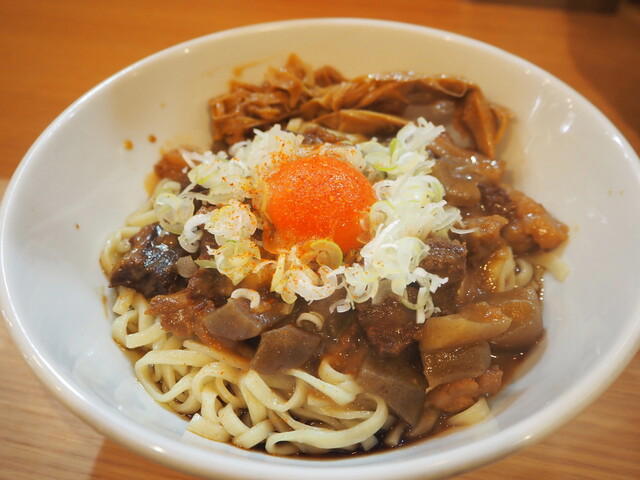
A Tabelog 100 ramen counter in Jōtō-ku serving bowls under JPY 1,000 with no reservations required. The eight-seat format is stripped down; meal tickets, self-service water, counter seating only; but three consecutive years on the Tabelog Ramen OSAKA list signal consistent quality. Walk in, order, eat, and leave: this is Osaka ramen fundamentals done right.
Kadoya Shokudo Souhonten
Osaka, Japan
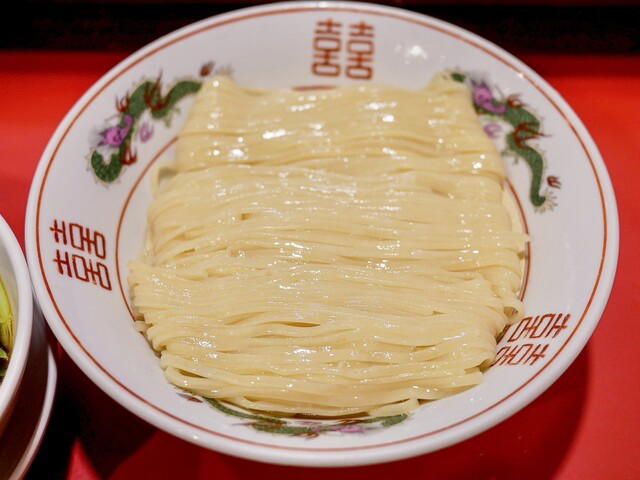
A walk-in ramen shop in Nishi Ward's Shinmachi neighborhood, Kadoya Shokudo Souhonten operates lunch-only service (10 AM–3 PM) with counter and table seating, no reservations, and JPY 1,000–1,999 pricing. Tabelog 100 recognition since 2017 signals consistent broth and noodle execution in a format built for repeat local traffic rather than destination dining.
Mitsuboshi Seimenjo Fukushima honten
Fukushima, Japan
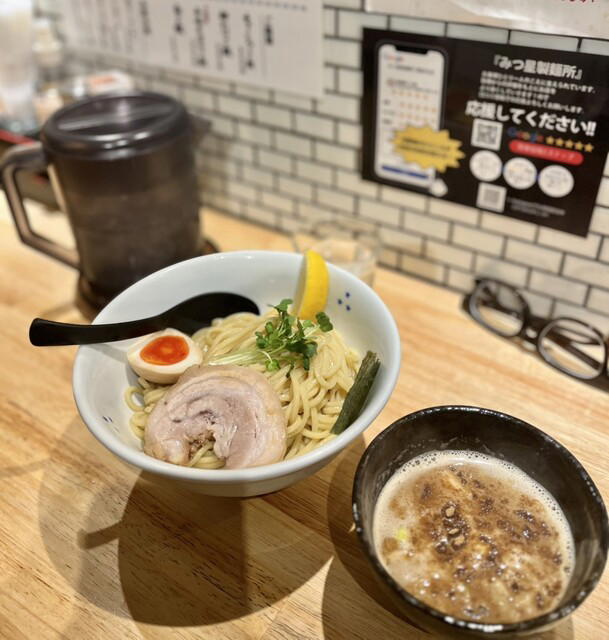
A 12-seat counter ramen shop in Osaka's Fukushima Ward serving bowls under ¥1,000 with five consecutive Tabelog 100 selections. The format is bare-bones; cash only, no reservations, closes when sold out; but the price-to-quality ratio and house-made noodle craft justify the wait for budget-focused ramen hunters.
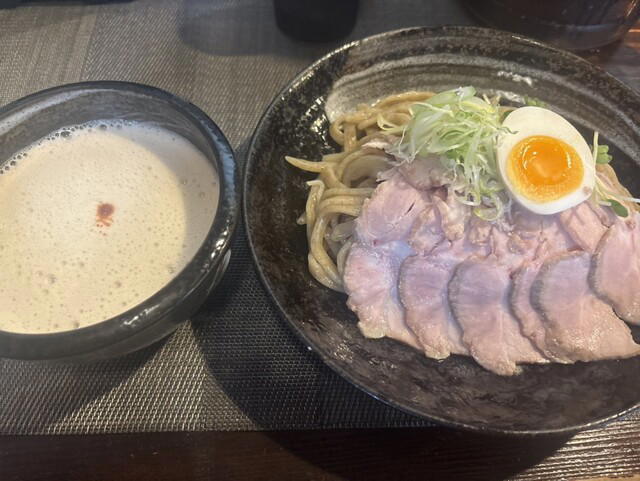
Kashiya
Osaka, Japan
A six-seat ramen counter in Nishinari Ward, Kashiya has earned Tabelog Ramen OSAKA 100 recognition every year since 2018. Bowls run under ¥1,000, making it one of Osaka's best-value award-winning ramen shops. No reservations; expect queues and early closures if soup or noodles sell out.
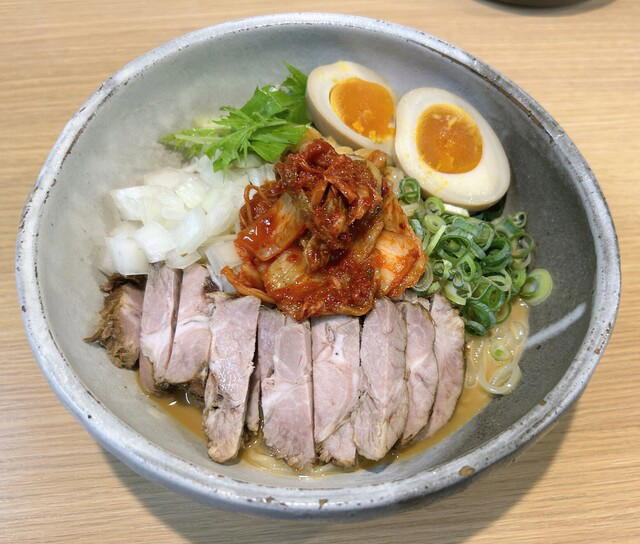
Fuse Hosomi Shoten
Osaka, Japan
A 17-seat ramen counter in Higashiosaka that's held a Tabelog Hyakumeiten spot for three straight years. Seasonal rotations keep the menu shifting; miso builds in winter, lighter shio and tsukemen in summer; and bowls stay under 1,000 JPY. Cash only, no reservations, and closed Monday plus the second Tuesday each month.
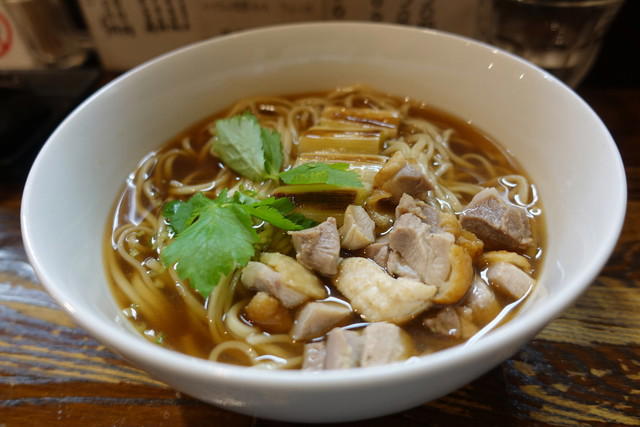
Chuka Soba Ibuki
Osaka, Japan
An eight-seat ramen shop near Tenjimbashisuji Rokuchome that's earned a spot on the Tabelog 100 list every year since 2017. Chuka soba and tsukemen under ¥1,000, walk-in only, closed Tuesday through Thursday. Worth the early arrival if you're committed to queue-based ramen at award-level execution, less ideal if you need reservations or group seating.
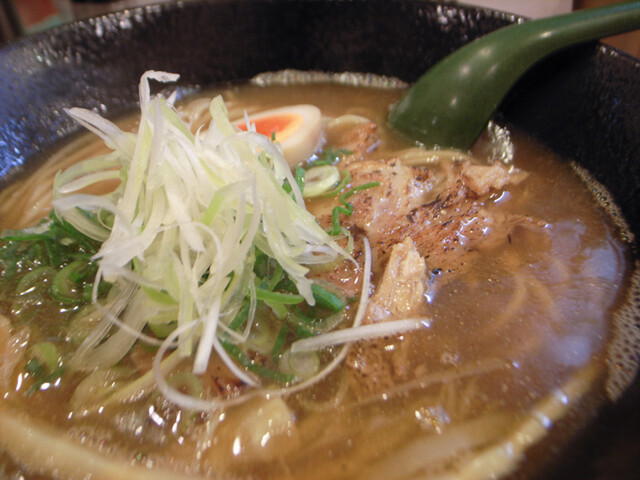
Menya Hanabusa
Osaka, Japan
Seven-seat ramen counter near Sakaisuji-Honmachi serving Tabelog 100-recognized abura-soba and maze-soba under JPY 1,000 per bowl. Walk-in only, no reservations, cash only; weekday lunch lines form by 11:15 AM. The format rewards speed over leisure, and the food does not travel; eat at the counter or skip it.
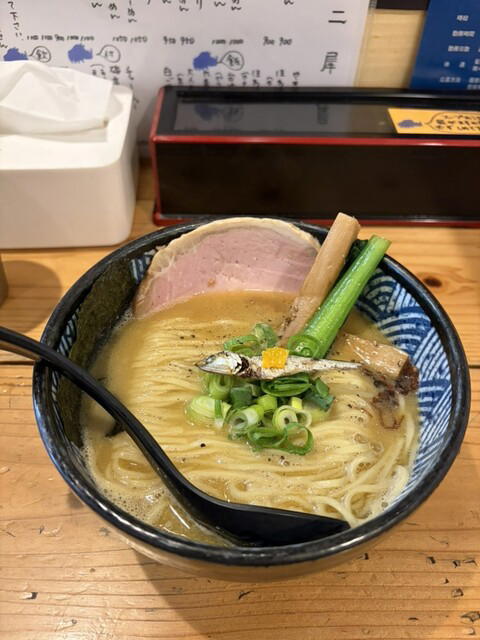
Gokumen Aonisai
Osaka, Japan
An eight-seat counter in Suita serving ramen and tsukemen under ¥1,000, open 10:30 AM to 3 PM Wednesday through Sunday. A nine-year Tabelog 100 regular that draws solo diners for lunch-only service, cash-only payment, and consistent noodle quality in a residential neighborhood 13 minutes from Suita Station.
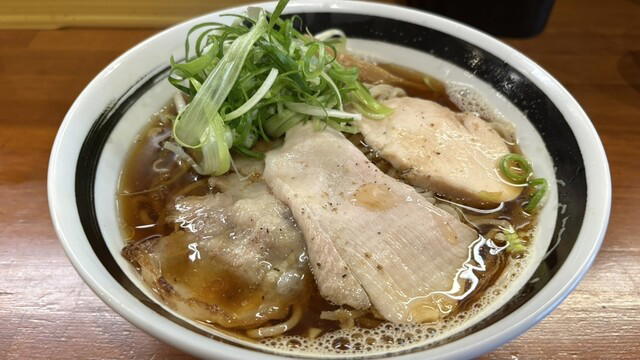
Shoyu to Kai to Men Soshite Hito to Yume
Osaka, Japan
A 15-seat ramen specialist in Nishiyodogawa-ku, this walk-in-only shop focuses on soy-sauce-based bowls with shellfish accents. Recognized by Tabelog 100 – Ramen – OSAKA for three consecutive years (2023–2025), it offers a rare Sunday morning service window starting at 7:00 AM and bowls priced JPY 1,000–JPY 1,999. Counter seating suits solo diners; two tables fit groups of four.
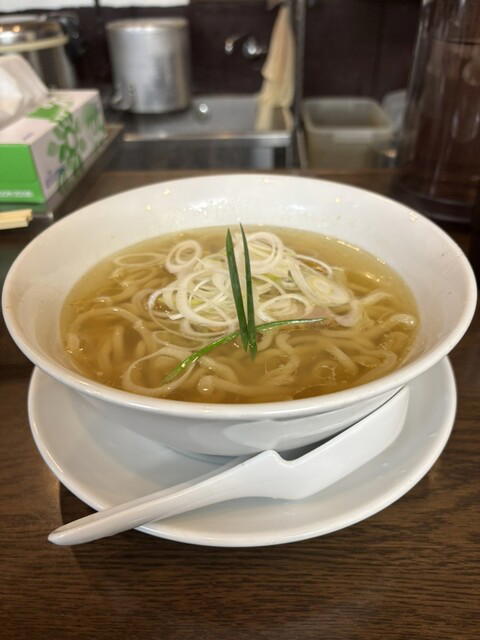
Teuchi Men Yasuda
Osaka, Japan
A solo-operated ramen counter near Shin-Osaka Station, named to Tabelog's Ramen 100 list every year since 2018. Hand-pulled noodles served lunch-only at seven counter seats, under ¥1,000 per bowl. No reservations, cash only, and expect queues.
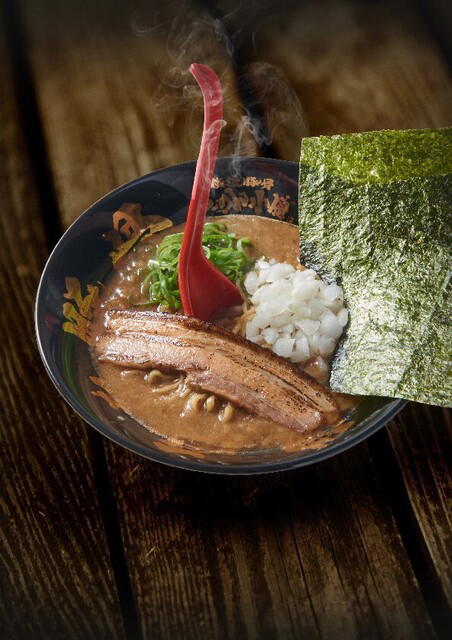
Ramen Kozou
Fukushima, Japan
A 12-seat Fukushima ramen shop that has held a Tabelog 100 spot since 2022, serving rich tonkotsu broth at JPY 1,000–1,999. No reservations, walk-in only, and open until 10 PM for late diners seeking award-recognized bowls without the tourist crowds.
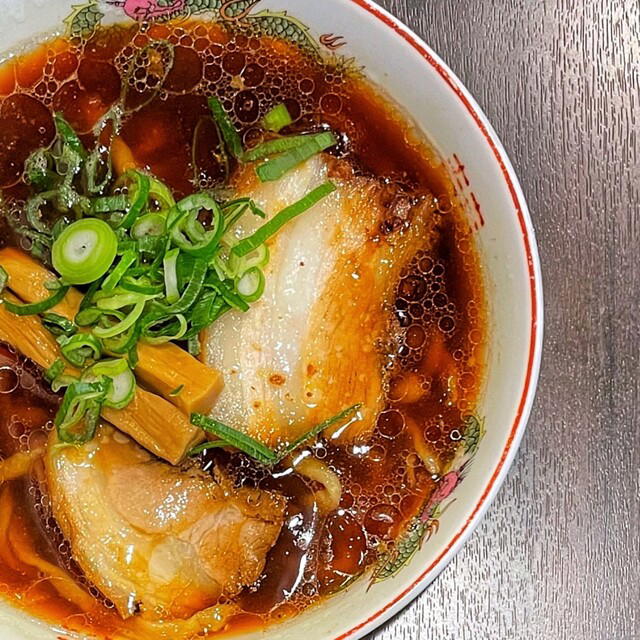
Chotakasui Jun Teuchi Men Nishimura
Osaka, Japan
Hand-pulled ramen under ¥1,000 in Fuse, with back-to-back Tabelog 100 recognition for ultra-high-hydration noodles. Counter seating only, cash-only ticket vending, and a no-reservations format make this a straightforward destination for technique-driven ramen outside central Osaka.
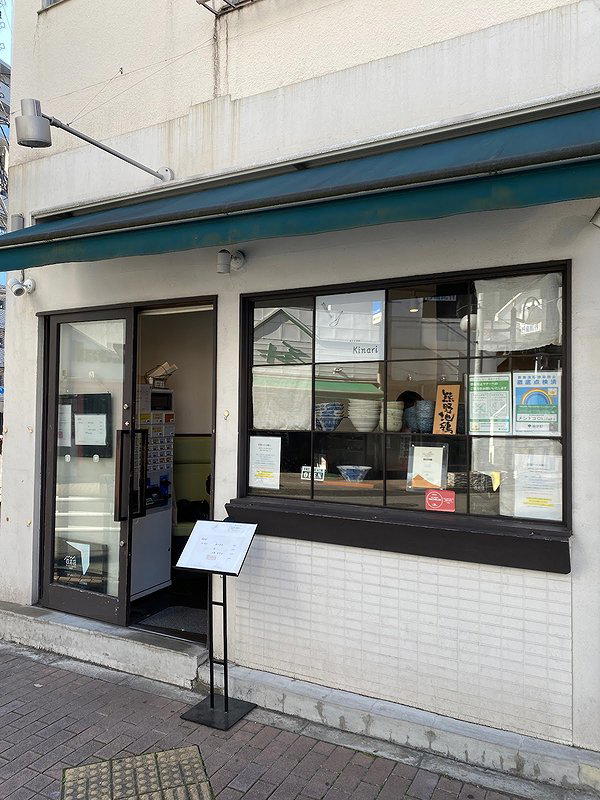
Kamigata Rainbow
Osaka, Japan
Kamigata Rainbow holds a Michelin Bib Gourmand for 2024 and 2025; two consecutive years; at the lowest price tier in Osaka's ramen scene. The kitchen pairs a different noodle to each broth style, and the niboshi soy sauce and curry ramen are the items that earned the recognition. Walk-in only, casual dress, and worth prioritising on any Tennoji-area itinerary.
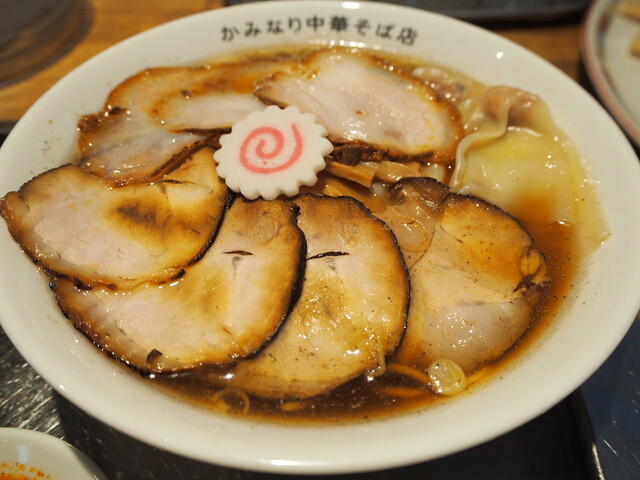
Chuka Soba Kaminari Wantan
Osaka, Japan
A Tabelog 100 Ramen OSAKA selection three years running (2023–2025), this counter-only shop near Nagai Station delivers award-recognized chuka soba and tsukemen under ¥1,000. Lunch moves faster than dinner; arrive before 11:40 AM weekdays to skip the queue, or brace for forty-minute waits Friday and Saturday evenings.
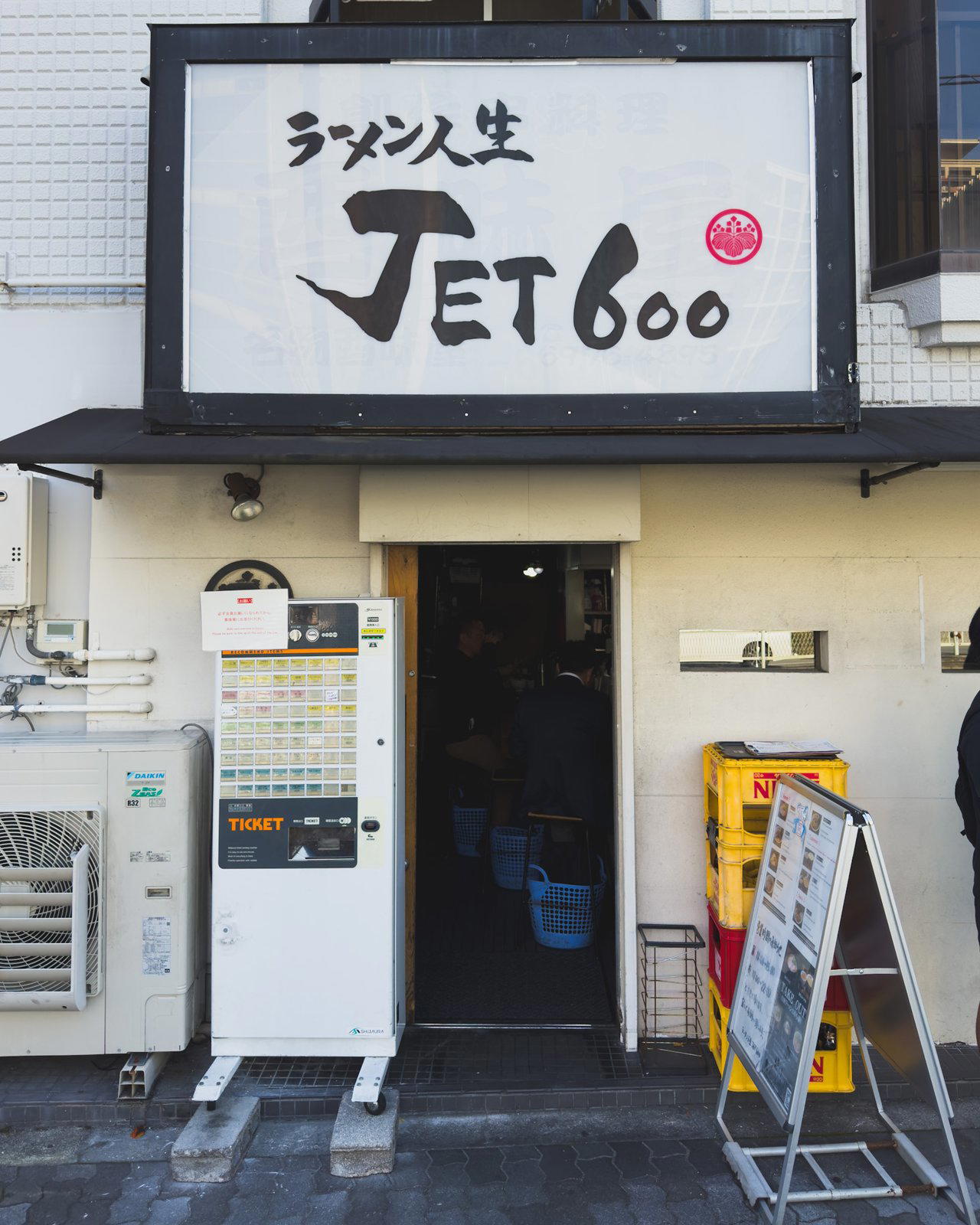
Ramen Jinsei JET 600
Osaka, Japan
Cash-only ramen counter in Higashinari Ward with eight consecutive Tabelog Ramen OSAKA 100 selections. Bowls under ¥1,000, walk-in only, two daily services. Consistent quality without the wait times of higher-profile shops. Best for ramen regulars willing to travel east of central Osaka for a Tabelog-validated bowl.
Ramen Tetsushi
Osaka, Japan
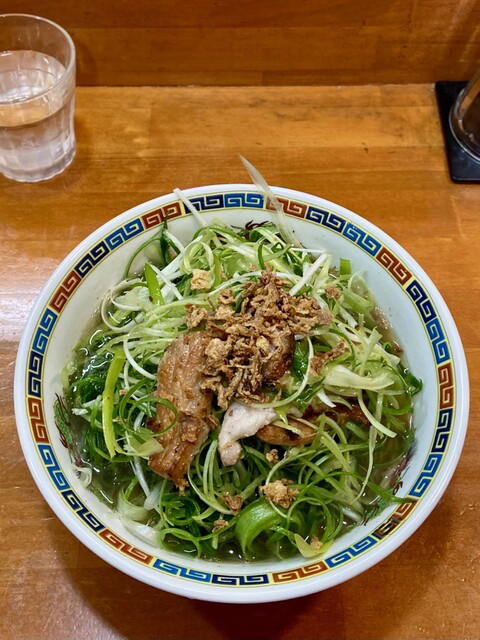
A counter-focused ramen shop in Toyonaka that has held a Tabelog Ramen Osaka 100 spot since 2023. At JPY 1,000–1,999 per bowl, it delivers consistent fundamentals without the reservation drama of higher-tier spots. Walk-ins only, cash only, and closed Thursdays; plan accordingly for shorter waits outside peak hours.
Jikoryu Ramen Watamen
Osaka, Japan
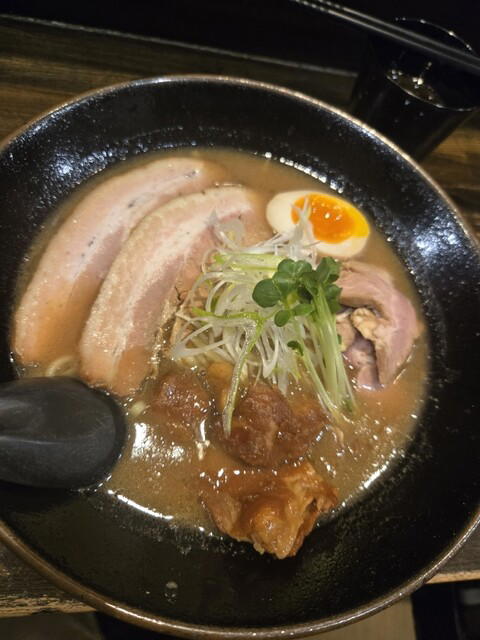
Nine-seat counter ramen shop in residential Matsubara, earning Tabelog 100 recognition for eight consecutive years. House-made noodles and soup anchor bowls priced JPY 1,000–1,999. Walk-in only, cash only, no reservations. Twenty-minute walk from Kawachi Matsubara station with three parking spaces.
Gokuju Bimen umami
Osaka, Japan
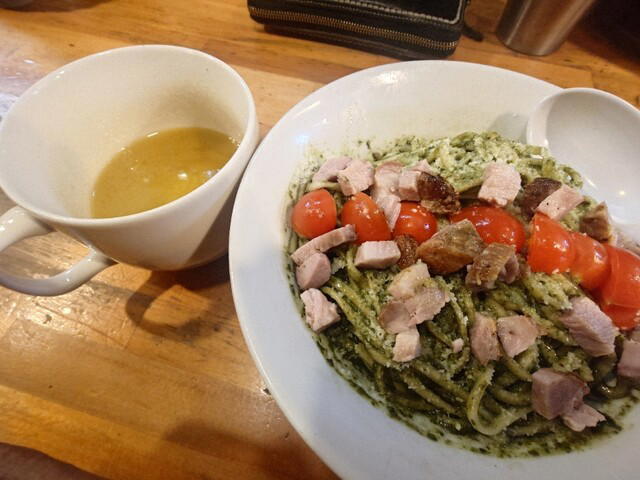
A 10-seat ramen counter in Higashiosaka that has earned a Tabelog 100 Ramen selection every year since 2018. Cash-only, walk-in service priced at JPY 1,000–1,999 per bowl, with irregular hours posted on X. The format rewards solo diners and ramen specialists who value technical consistency over convenience.
Chuka Soba Kazura
Osaka, Japan
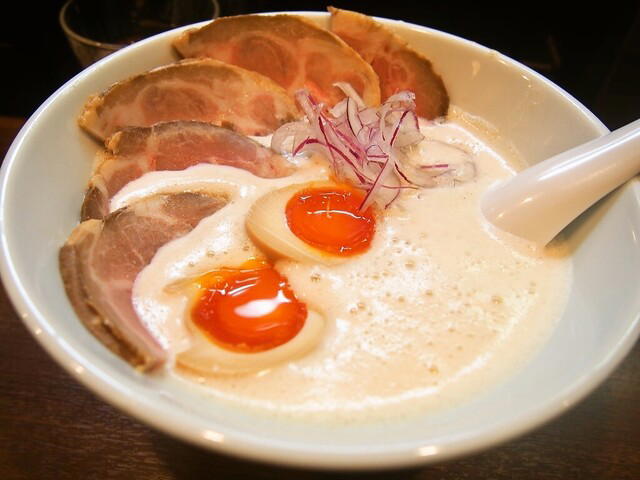
Nine-seat counter near Hommachi Station delivering consistent Tabelog 100 ramen under 1,000 yen. Eight consecutive years of regional recognition (2018–2025) signal reliable execution without the queue hysteria of similar-tier shops. Solo-friendly format, no reservations, weekday lunch sees lighter crowds than weekends. Cash only, closed Fridays.
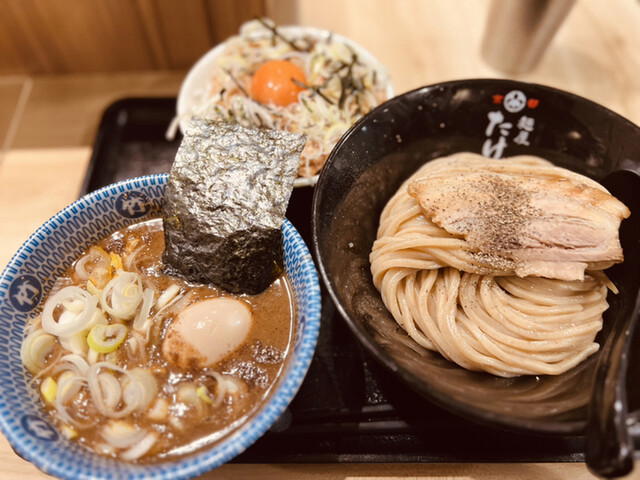
Kyoto Menya Takei Hankyuu umeda ten
Osaka, Japan
Counter-only tsukemen and ramen inside Hankyu Umeda Station's ticket gate, JPY 1,000 to JPY 1,999, with seven consecutive Tabelog 100 Osaka selections since 2019. No reservations, cash only, and 20 seats turning over in 15 to 20 minutes. Best for quick, quality bowls between trains rather than destination dining.
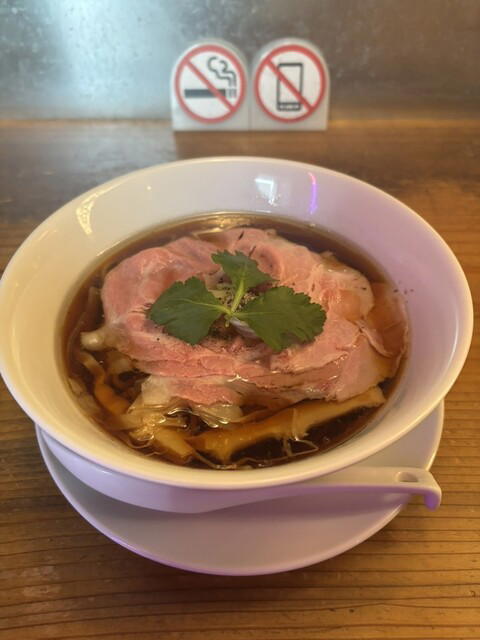
Tanaka no Chuka Soba
Osaka, Japan
Tabelog 100 ramen counter in Honmachi with three consecutive years of recognition (2023–2025). Seven-seat, walk-in-only format at JPY 1,000–1,999 per head. Counter service rewards solo diners and pairs; groups of three or more should skip. No reservations, cash only, closed Mondays.
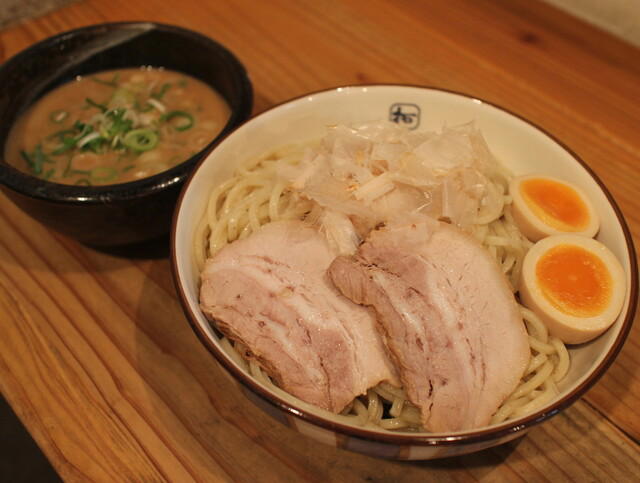
Menya Taku
Osaka, Japan
Counter-only ramen shop in Kitahorie serving homemade noodles and tonkotsu broth for under JPY 1,000 per bowl. Walk-ins only, twelve seats, and three consecutive Tabelog 100 selections. Easier to reach than Dotonbori's tourist-heavy options, with waits typically under thirty minutes outside peak lunch hours.
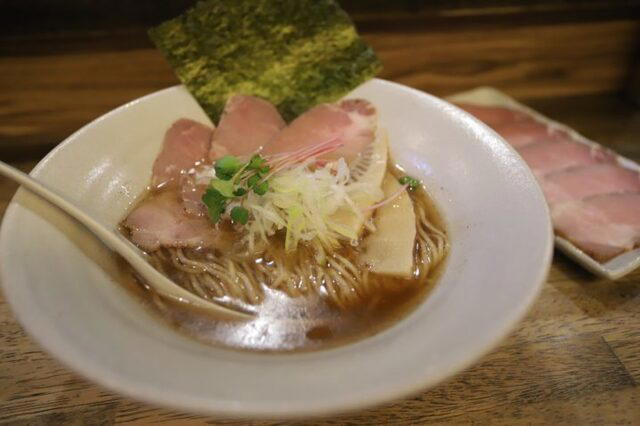
Menya Ikkei
Osaka, Japan
An eight-seat counter in Ibaraki delivering tsukemen and ramen at JPY 1,000–1,999, recognized three consecutive years on Tabelog's 100 Best Ramen list. No reservations, cash only, and a format that favors solo diners and quick visits. Worth the trip for technically precise bowls at neighborhood prices.
Menya Saisai Shouwa chou honten
Osaka, Japan
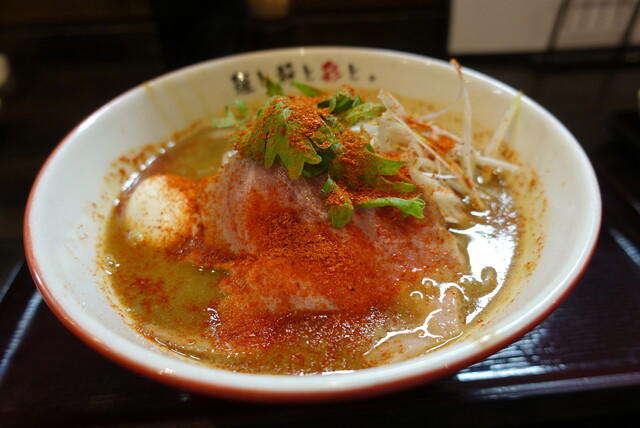
A nine-seat ramen counter in Abeno Ward that has earned Tabelog Ramen 100 recognition for nine consecutive years. Opens at 8 AM, sells out most days before lunch, and serves bowls under JPY 1,000. No reservations, counter seating only, and a focus on ramen and tsukemen executed with precision.
Ramen Kobo RISE
Osaka, Japan
Counter-only ramen shop in Yao delivering Tabelog 100-listed bowls under ¥1,000 without the downtown crowds. Three-year award streak, no reservations required, and a format built for solo diners and weekday lunches. Cash only, 12 seats, closed Tuesdays.
Chuka Soba Kokokara Sakie
Osaka, Japan
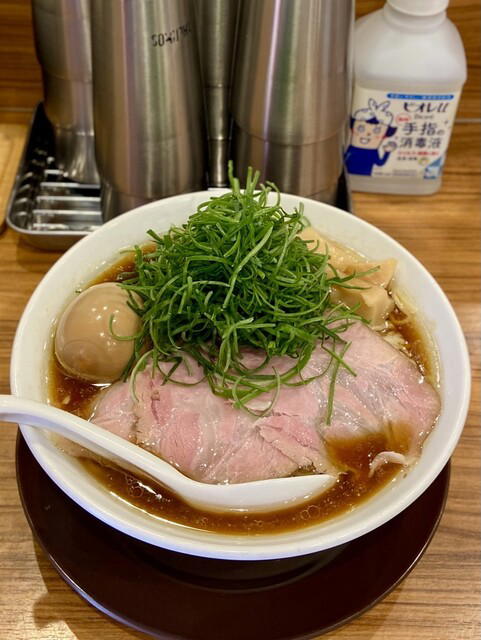
Tabelog 100 ramen shop (2023–2025) near Shin-Osaka Station serving chuka soba at counter seats only. No reservations, cash-only, and queues at both lunch (11:30 AM–2:30 PM) and dinner (6–9 PM). Meals run JPY 1,000–JPY 1,999. Closed Monday and Tuesday.
Chuka Soba Kirimen Souhonten
Osaka, Japan
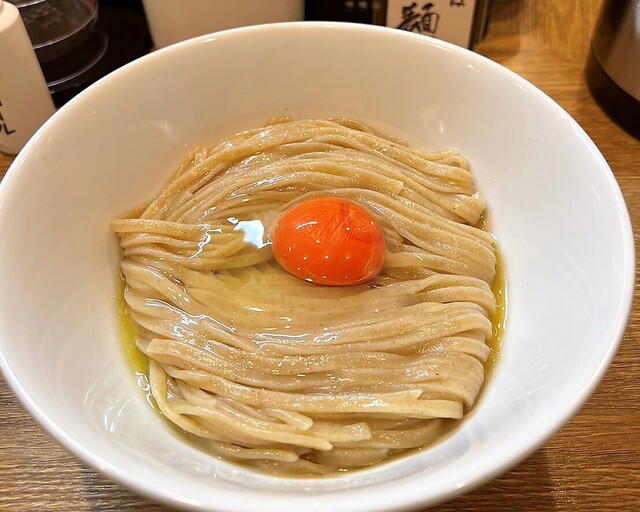
Nine-seat counter shop serving homemade chuka soba and tsukemen since 2017, with four consecutive Tabelog 100 Ramen selections (2022–2025). Counter-only seating and walk-in format keep the focus on noodles and broth, priced between JPY 1,000–JPY 1,999. Best for solo diners and ramen devotees who prioritize ingredient precision over ambiance.
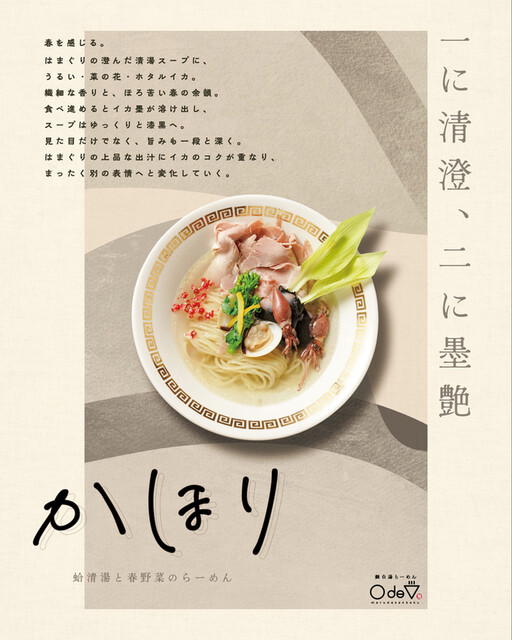
Tai Paitan Ramen ○de▽
Osaka, Japan
A Tabelog 100 Best ramen specialist near Shin-Osaka Station, serving sea bream paitan broth at under JPY 999. The kitchen focuses exclusively on tai-forward ramen and tsukemen in a calm, family-friendly space with table and counter seating. Walk-ins only; expect short waits at lunch.
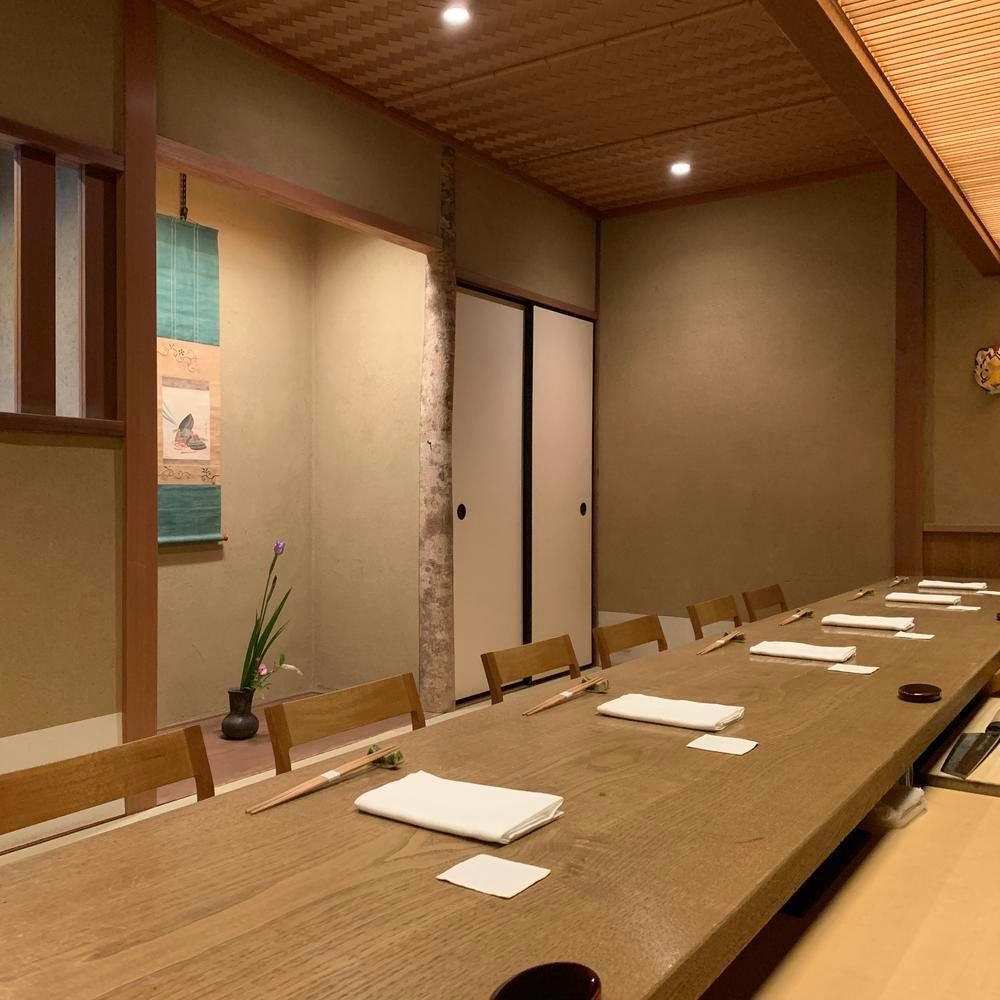
Ramen Hayato
Osaka, Japan
Ramen Hayato has held consecutive Michelin Bib Gourmand recognition in 2024 and 2025, making it one of Osaka's most straightforward value decisions at the ¥ price tier. Chef Naoto Ishigaki, Hokkaido-born and Sapporo-trained, builds the menu around three distinct ramen styles; soy-sauce, salt, and miso; with an off-menu 'hidden soy-sauce' bowl for return visitors who want to go deeper.
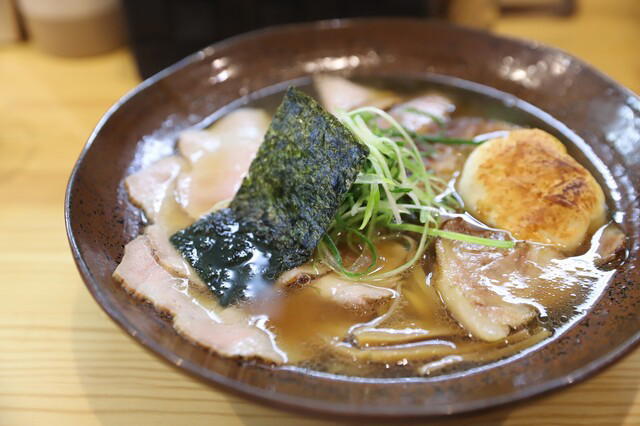
isato
Osaka, Japan
A seven-seat ramen counter in Suita earning three consecutive Tabelog 100 selections (2023–2025) through ingredient-focused execution at JPY 1,000–1,999. Counter-only seating, no reservations, cash-only, with broth bases and toppings sourced from regional Kansai suppliers. Walk-ins fill quickly during lunch hours; off-peak timing offers shorter waits.
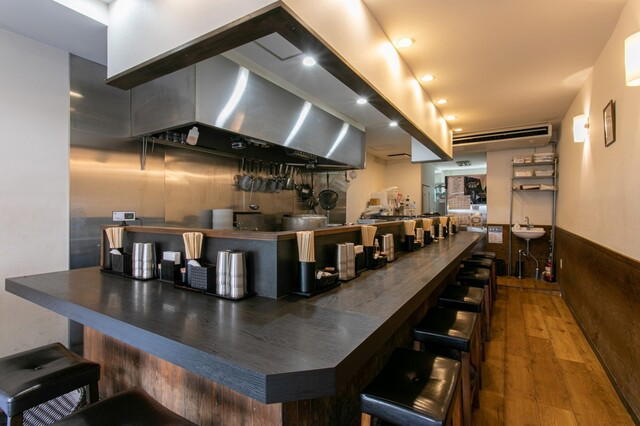
Menya Fukuhara
Osaka, Japan
Eight consecutive Tabelog 100 Ramen selections anchor this nine-seat counter shop in Ikuno Ward, where JPY 1,000–JPY 1,999 bowls from a former Menya Itto alum prioritize technical execution over service polish. No reservations, cash-only, and weekend closures streamline operations for solo diners and pairs who value broth consistency above booking convenience.
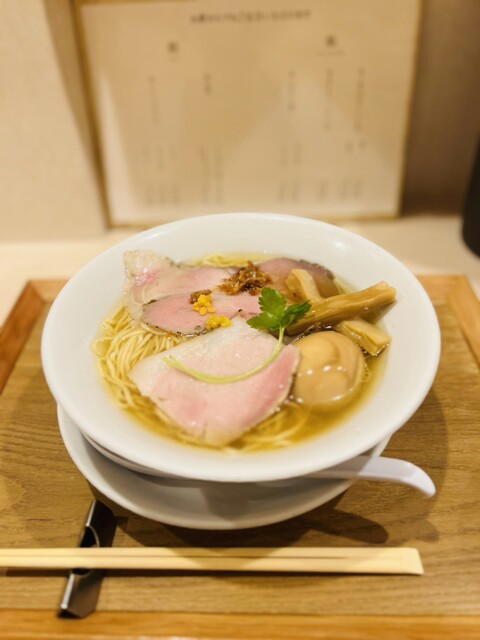
Naniwa Menjiro Zen
Osaka, Japan
Walk-in ramen counter in Hanshin department store's B2 level, 48 meters from Osaka Umeda station. Named to Tabelog 100 – Ramen – OSAKA – 2025 for reliable bowls at JPY 1,000 to JPY 1,999. No reservations; expect a 15- to 30-minute queue at lunch and dinner. Solo diners and pairs fit the 16-seat layout best.
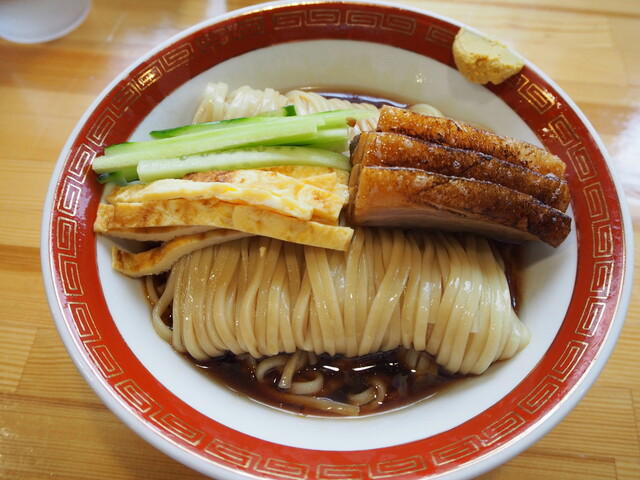
Menya Seiryu
Osaka, Japan
Menya Seiryu, a 14-seat ramen and tsukemen counter in suburban Osaka, has held a Tabelog Ramen OSAKA 100 spot since 2023. At under ¥1,000 per bowl, it delivers broth-forward precision in a no-frills format: walk-in only, cash only, closed Saturdays. Worth the Nagase Station detour if ramen is your focus, but skip it if you prefer central Osaka convenience or need reservations.
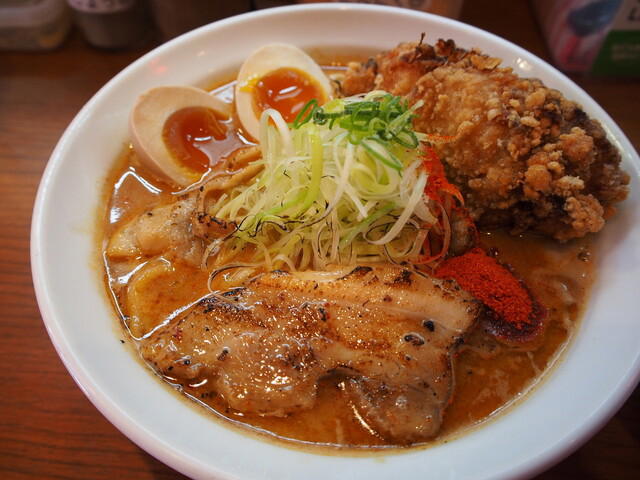
Men to Niku Daitsuru Tsuruhashi ten
Osaka, Japan
A twelve-seat counter near Tsuruhashi Station serving ramen, abura-soba, and maze-soba under JPY 999 per bowl. Tabelog 100 - Ramen - OSAKA 2025 recognition confirms consistent execution, but the no-reservations, cash-only format means waits during peak hours and limited flexibility for groups.
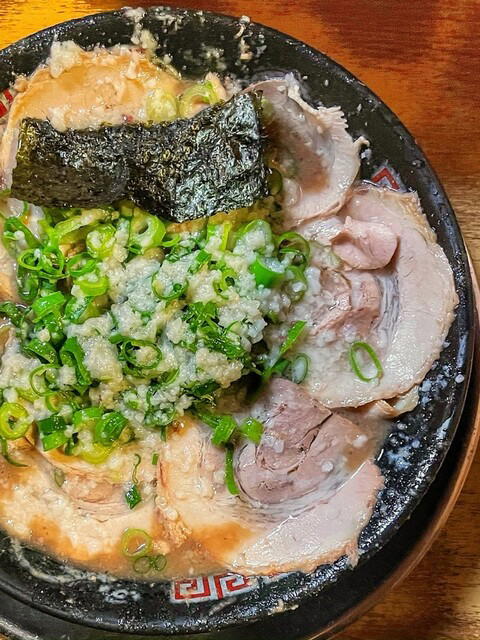
Mutekko Oosaka ten
Osaka, Japan
A Naniwa Ward ramen shop with seven consecutive Tabelog 100 selections (2019–2025), serving rich tonkotsu bowls at JPY 1,000–1,999 per person. Walk-ins only; expect counter seating and fast turnover during lunch and dinner rushes. A dependable, award-backed option near Imamiyaebisu Station for solo diners and pairs.
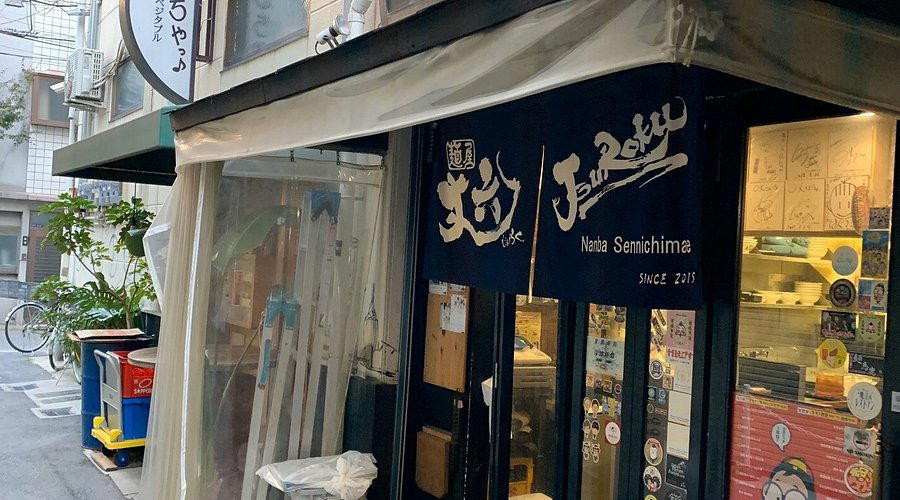
Menya Joroku Nanba ten
Osaka, Japan
A seven-seat ramen counter in Namba holding a Tabelog 100 Osaka spot since 2017, serving bowls under 1,000 yen with no reservations and a vending-machine ticket system. The format favors solo diners and pairs willing to queue during peak lunch and dinner windows; takeout isn't the play here.
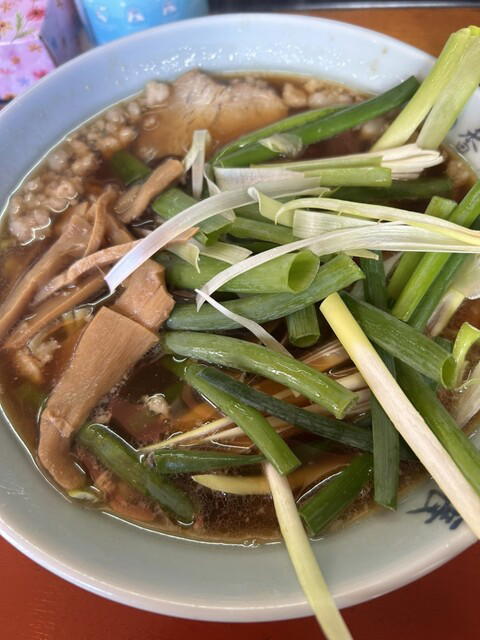
Onomichi Ramen Yamacho
Osaka, Japan
A 12-seat Onomichi-style ramen counter in Moriguchi that earned Tabelog 100 recognition for 2023 and 2025. The pork-and-chicken broth balances clarity with back-fat richness, served with flat noodles and paired with sake. Walk-ins only, lunch hours only, cash only; arrive before 11:30 AM to skip the queue.
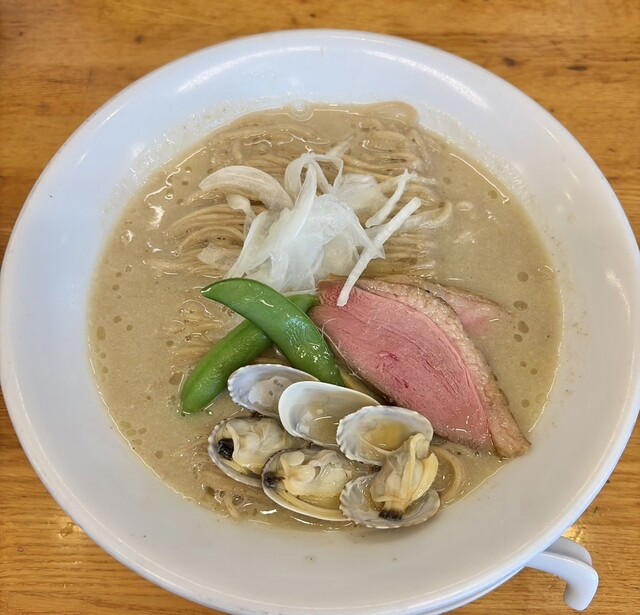
Menroku menroku
Osaka, Japan
A smart pick for diners who want a focused noodle meal in Hirakata rather than a central Osaka convenience stop. The 2025 Tabelog 100 recognition gives it credibility, while the easy booking profile and casual price band make it better for solo diners or pairs than big occasions.
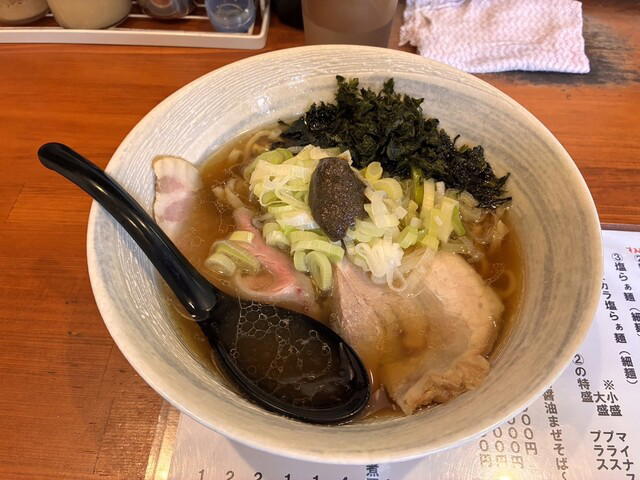
Yuiitsu Muni no Ramen Senmon Ten Ibukuro Washizukami
Osaka, Japan
This eight-seat Tabelog 100 ramen specialist near Shitennoji-mae Yuhigaoka rotates between soy-salt bowls and pure tonkotsu depending on the day, delivering award-recognized noodles at under 1,000 yen. Counter seating and cash-only service keep turnover brisk; no reservations means timing and flexibility matter more than planning.
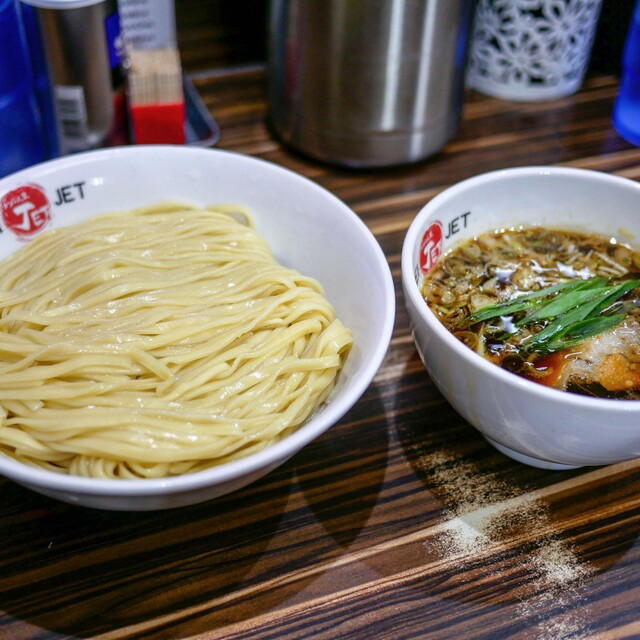
Ramen Jinsei JET
Fukushima, Japan
A Tabelog 100 ramen shop since 2017, serving bowls under JPY 2,000 with no reservations and a 15-year track record. The format is ticket-machine ordering, counter and table seating for 18, and brisk turnover at both lunch and dinner. Best for solo diners or pairs seeking recognized quality without ceremony.
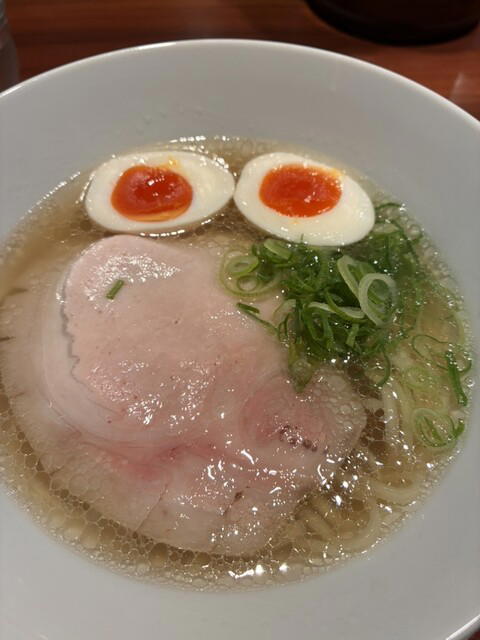
Mensho Shisei
Osaka, Japan
A basement ramen counter in Osaka's Yotsubashi district, recognized on Tabelog's 100 Ramen; OSAKA list for three consecutive years. Mensho Shisei serves focused bowls and tsukemen under ¥1,000, cash-only, with two daily sessions (lunch and early evening) and no reservations. The 18-seat space suits solo diners and small groups willing to time visits around limited hours and occasional sold-out closures.
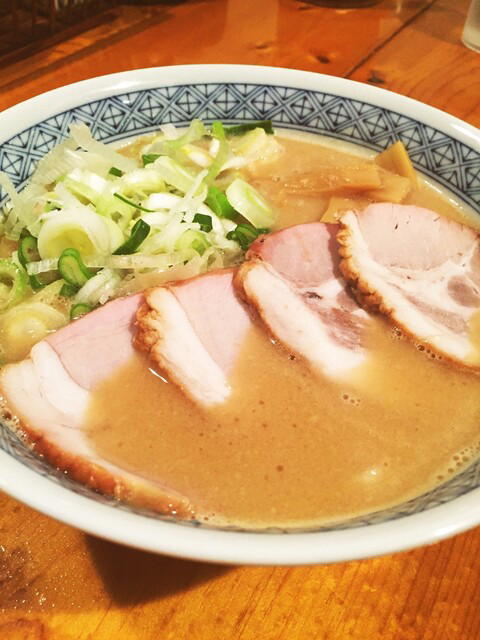
Tonpito Torino Koryu Masu
Osaka, Japan
Chicken-broth ramen specialist in Miyakojima ward with eight consecutive years of Tabelog 100 recognition. Under ¥1,000 per bowl, 13 seats, weekday-only service (lunch 11:30 AM–1:30 PM, dinner 6–8 PM), no reservations. Lighter alternative to Osaka's tonkotsu-heavy ramen scene, best for solo diners and pairs willing to queue.
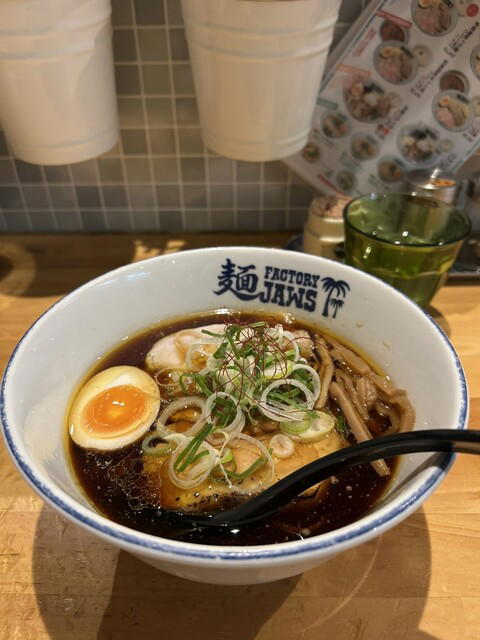
Men Factory Jaws
Osaka, Japan
A tsukemen-focused Tabelog Hyakumeiten regular (2023–2025) in Uehonmachinishi, offering ramen, abura-soba, and maze-soba at JPY 1,000–1,999. The 20-seat counter-and-table layout suits solo diners and small groups, with no-reservation walk-in service and a decade of consistent execution. Best for lunch or early dinner when precision matters more than atmosphere.
Ramen Kasumi Nakazakichou ten
Osaka, Japan
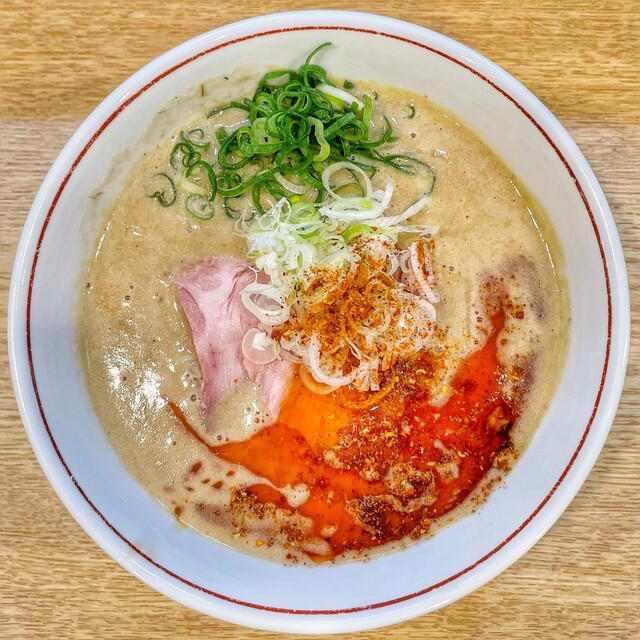
Eight-seat counter ramen shop with nine Tabelog 100 selections (2017–2025) and sub-1,000-yen bowls covering ramen, abura-soba, and maze-soba. No reservations, fast turnover, two-minute walk from Nakazakicho Station. Cash-only, family-friendly, solo-dining-optimized format in Kita-ku's quieter Nakazaki corridor.
Jikaseimen Tsukiyomi
Osaka, Japan
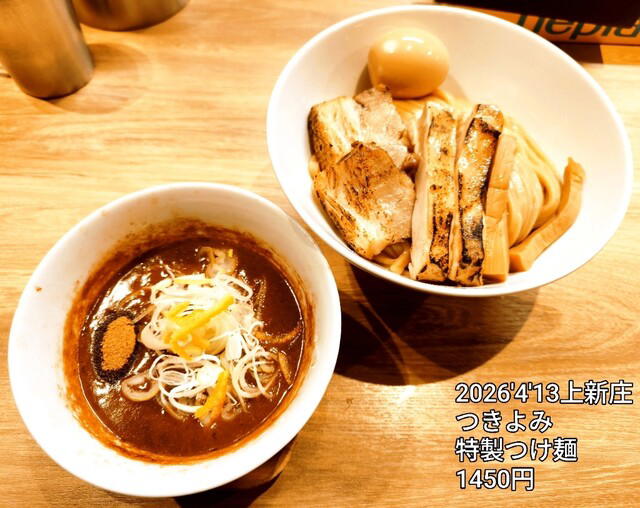
A ten-seat tsukemen counter in Higashiyodogawa earning three consecutive Tabelog Ramen OSAKA Top 100 selections (2023–2025) at sub-¥1,000 pricing. House-made noodles and pork-forward broth deliver quality without the markup, though walk-in-only service means queues at peak lunch and dinner hours. Worth the wait if you're already in the northern wards or chasing value-driven ramen with credible recognition.
Ramen Kuon
Osaka, Japan
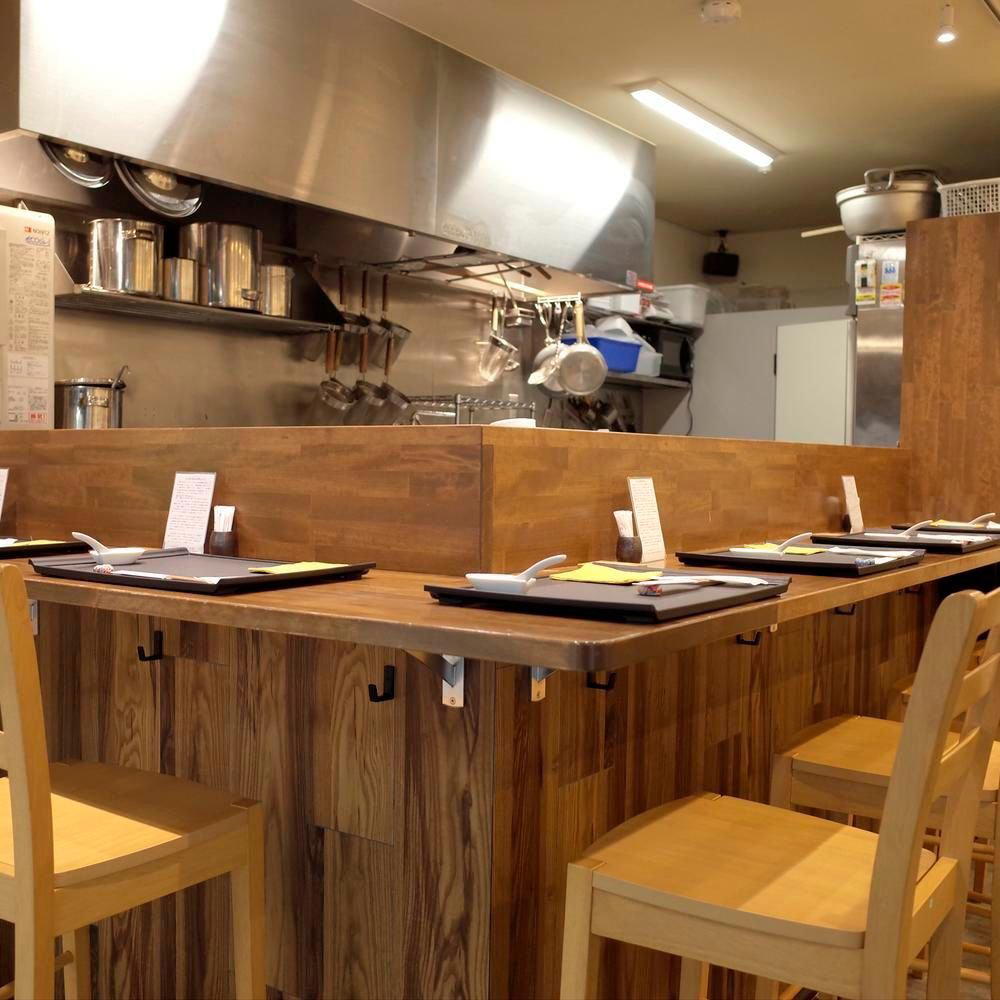
Back-to-back Michelin Bib Gourmand recognition in 2024 and 2025 makes Ramen Kuon the clearest value proposition in Osaka's ramen scene. The Shio Soba; built on a triple soup of fish, shellfish, and chicken with high-hydration noodles and three types of chashu; delivers serious technical depth at a single-yen price point. Book it as the anchor of any serious Osaka food day.
Ramen Kasumi Awaza honten
Osaka, Japan
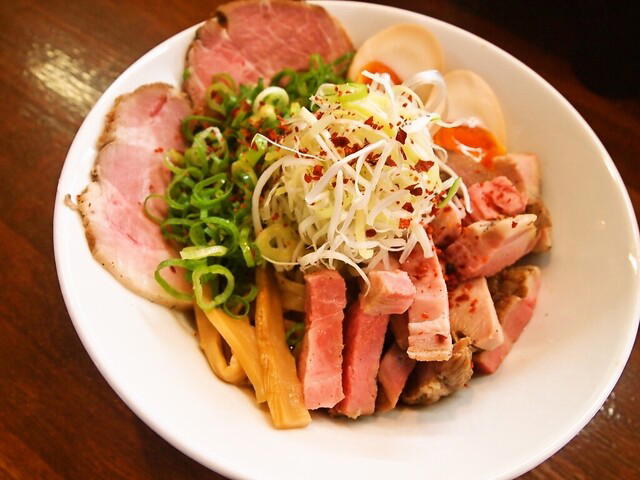
A seven-seat counter shop in Kyomachibori delivering sub-¥1,000 ramen with nine consecutive years of Tabelog recognition. Ticket-machine ordering, no reservations, and a focus on speed and consistency over tableside ceremony. Best for solo diners and quick lunch stops rather than leisurely group meals.
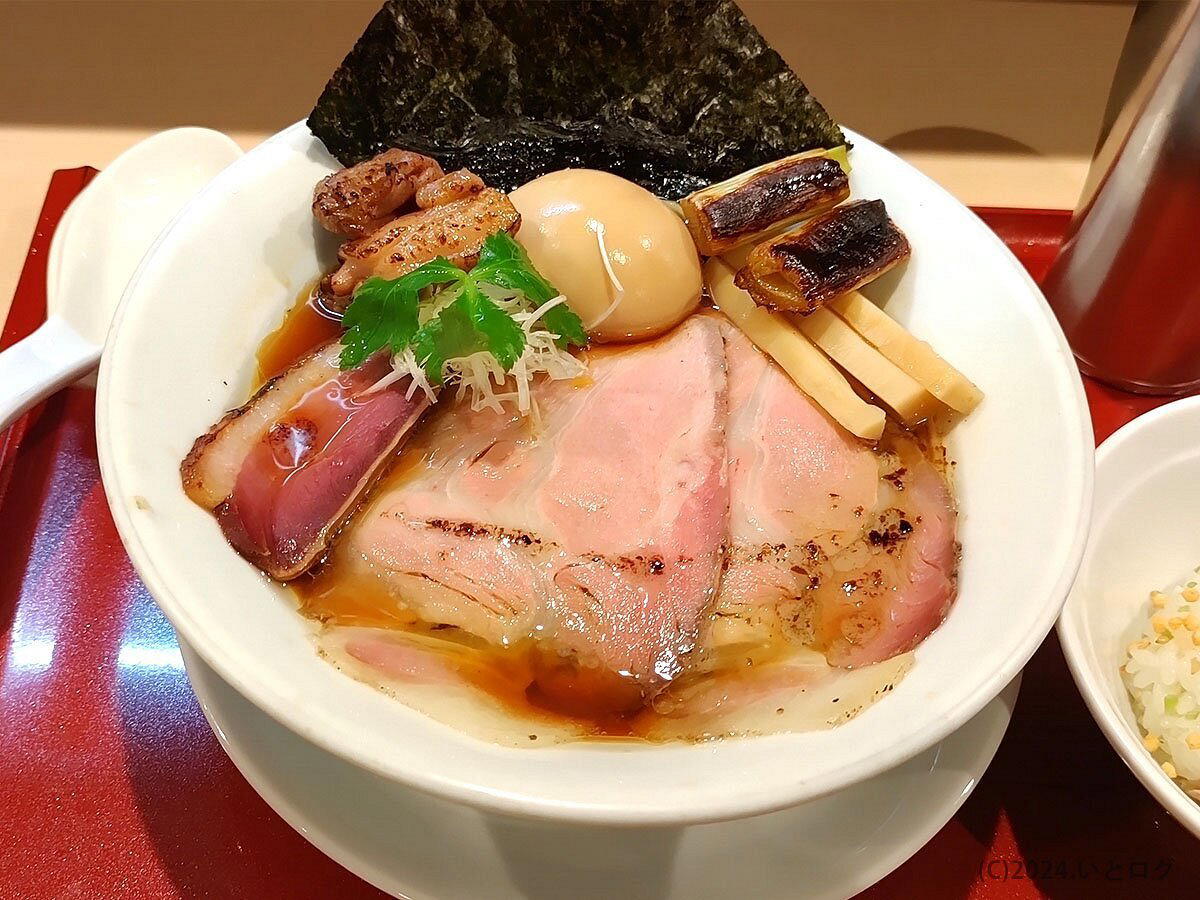
Moeyo Mensuke Ramen
Osaka, Japan
Moeyo Mensuke Ramen is worth prioritizing if a focused ramen stop fits the day, especially for diners who care more about depth than a long restaurant format. Keep it to one or two people and compare it with fuller sit-down options if the meal needs conversation, drinks, or a special-occasion feel.
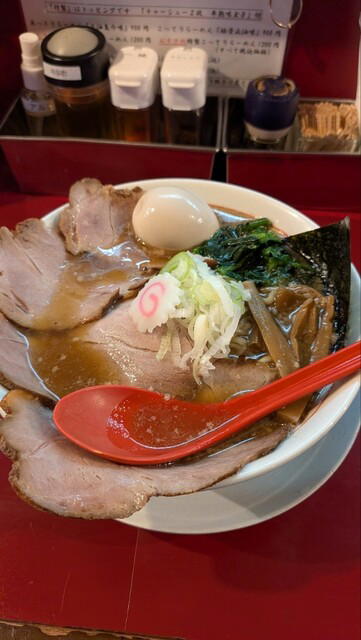
Men Ippai
Osaka, Japan
A 10-seat counter ramen shop in Nishiyodogawa-ku with six consecutive years of Tabelog 100 recognition. Cash-only, no reservations, and two brief daily service windows (lunch and dinner, Tuesday–Saturday only) keep the format straightforward. At ¥1,000–¥1,999 per bowl, it delivers reliable, affordable ramen for solo diners and pairs willing to time their visit carefully.
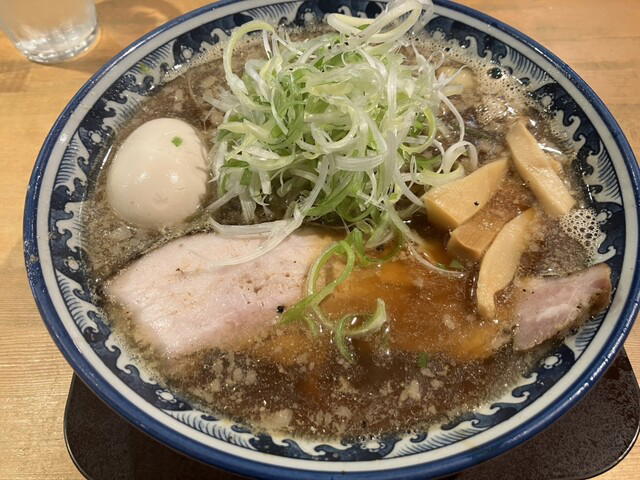
Menya Hakkaisan
Osaka, Japan
A ten-seat counter in Takatsuki delivering sake-driven ramen at JPY 1,000–1,999, recognized on Tabelog 100 for eight consecutive years. Lunch-only hours (11:30 AM–2:30 PM, closed Sunday), no reservations, cash only. Solo-friendly format with kitchen proximity and Niigata sake pairings.
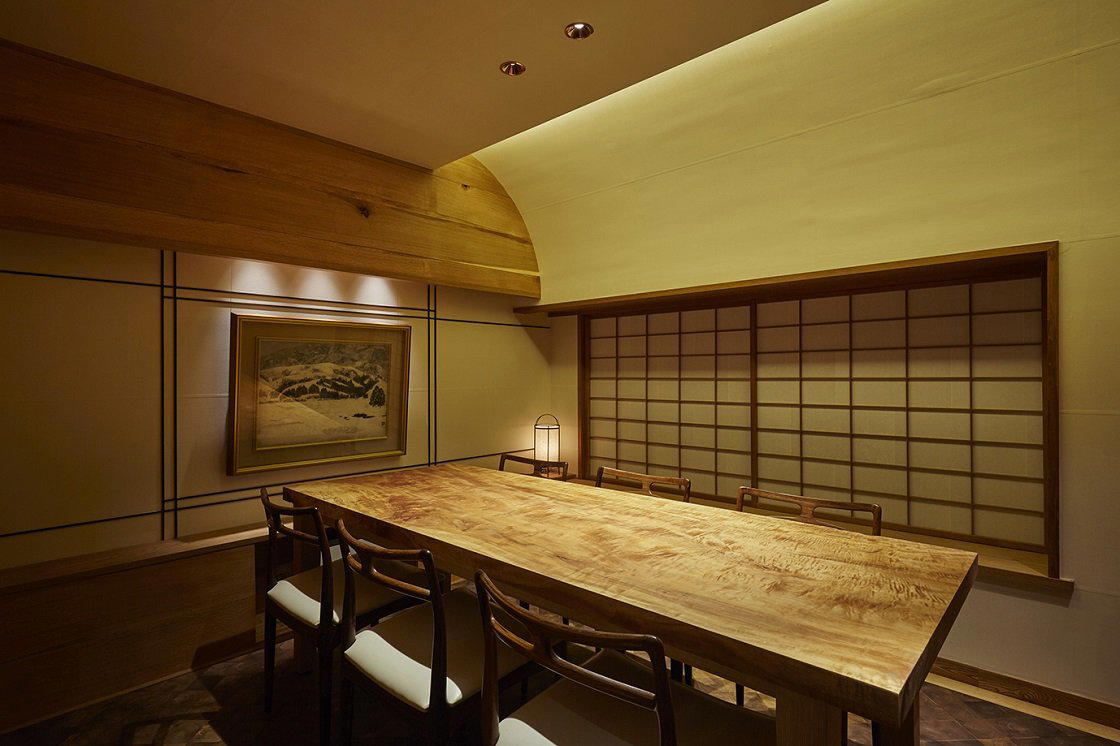
Mugito Mensuke
Osaka, Japan
Back-to-back Michelin Bib Gourmand winner (2024, 2025) at ¥ prices, Mugito Mensuke builds its ramen on free-range chicken and guinea fowl stock, house-made noodles, and wagyu wontons. The counter setting in Kita Ward adds genuine atmosphere. Easy to book, strong on value, and one of the clearest quality-per-yen arguments in Osaka's ramen scene.
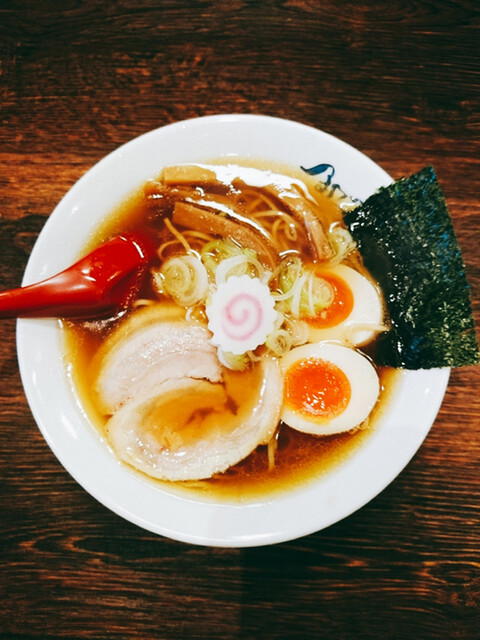
Menya Tsumugu
Osaka, Japan
A nine-seat ramen counter in Ibaraki holding a Tabelog 100 (OSAKA) spot every year since 2018. Bowls run JPY 1,000–1,999, no reservations, cash only. Open weekdays for lunch; occasional weekend openings announced on paper. Worth the trip if you're serious about broth precision and can handle the logistics.
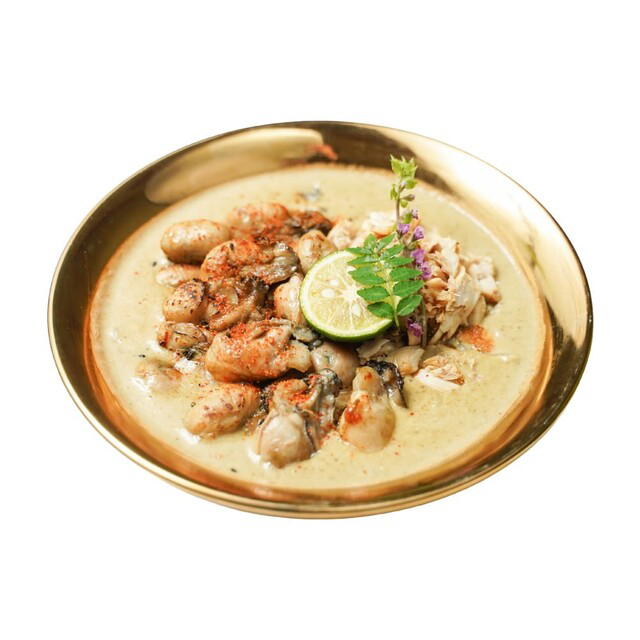
NEXT Shikaku
Osaka, Japan
Walk-in ramen near Namba Station with 2025 Tabelog 100 recognition and sub-1,000-yen bowls. Counter and table service in Doguya-Suji arcade; tsukemen, abura-soba, and traditional ramen styles. Wheelchair-accessible, cashless-only, open until 10:30 PM most nights; reliable quality without advance planning.
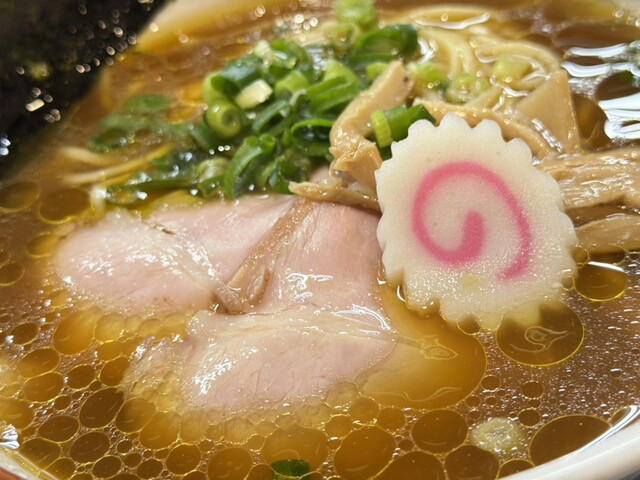
Ennosuke Shoten
Osaka, Japan
Tabelog 100 ramen shop one minute from Awaji Station, serving ramen, tsukemen, abura-soba, and maze-soba under ¥1,000. The 12-seat counter-and-table setup handles walk-ins only; no reservations; and both lunch (11 AM–3 PM) and dinner (6 PM–11 PM, later Friday–Saturday) deliver the same menu at the same price. Recognized three consecutive years (2023–2025) for broth technique and value.
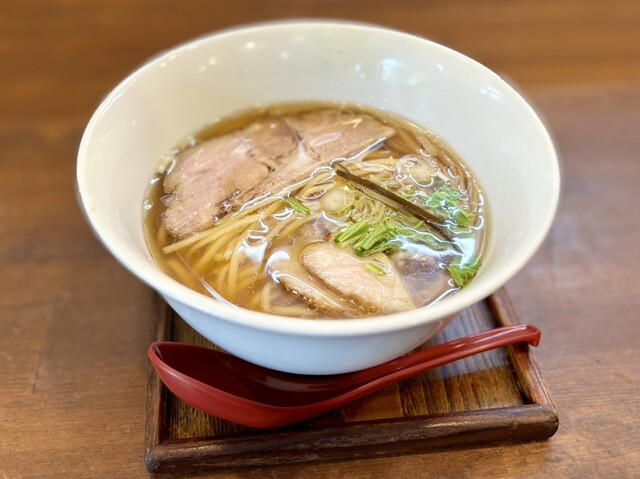
Menya Shiki
Osaka, Japan
A ten-seat Moriguchi ramen shop that has held four consecutive Tabelog 100 selections (2022–2025) for consistent execution under ¥1,000 per bowl. The menu covers ramen, tsukemen, and abura-soba with no reservations accepted. Walk-ins only; cash-only payment. Best for solo diners and pairs willing to queue during peak lunch hours.
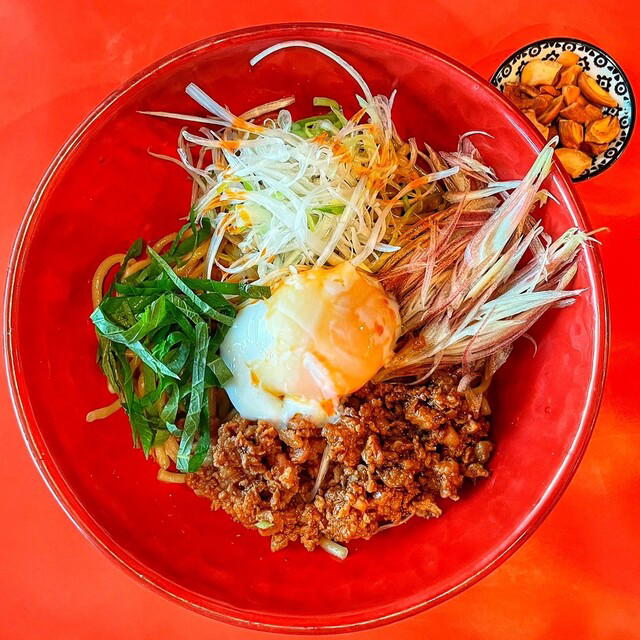
Men Chubo Kaen
Osaka, Japan
Suburban Takatsuki ramen shop recognized on Tabelog 100 Ramen – OSAKA 2025, serving tantan-men (spicy sesame noodle soup) and brothless mazesoba variations at JPY 1,000–1,999 per bowl. Lunch-only service (11 AM–2:30 PM, closed Mondays) with 26 seats including tatami mats for families. No reservations; arrive by 11:15 AM or after 1:30 PM to skip peak lines.
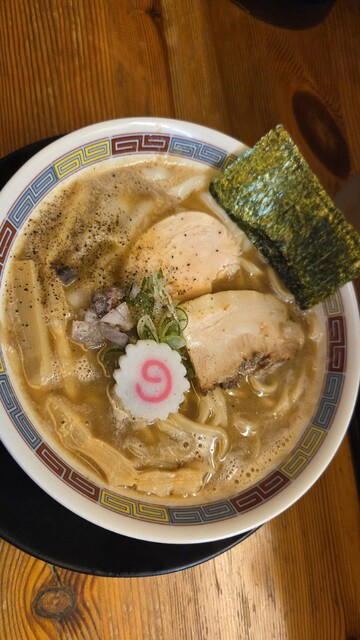
Mensho Jikon
Osaka, Japan
A five-seat counter-only ramen shop near Takii Station, Mensho Jikon has held a Tabelog 100 spot every year since 2017. At JPY 1,000–1,999 per bowl, it delivers technically consistent ramen in a no-frills, cash-only format. Walk-ins only; best for solo diners or pairs seeking a reliable bowl without the queue.
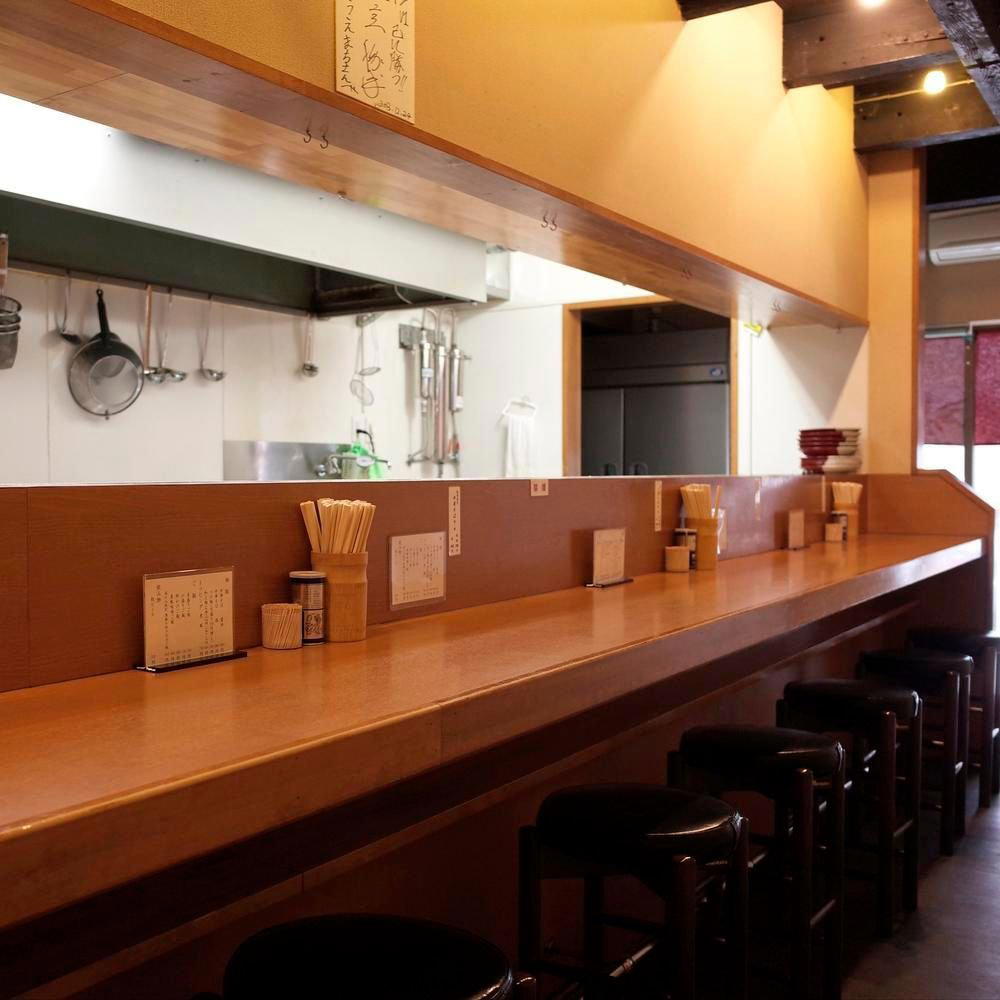
Chukasoba Uemachi
Osaka, Japan
Chukasoba Uemachi holds a 2025 Michelin Bib Gourmand and a 4.2 rating from over 1,000 reviewers, making it one of Osaka's most credentialled ramen stops at the ¥ price tier. The house-kneaded noodles and broths built on meat, dried fermented fish, and sardines are the draw. Walk-in only; arrive early to avoid the consistent queues outside the door.
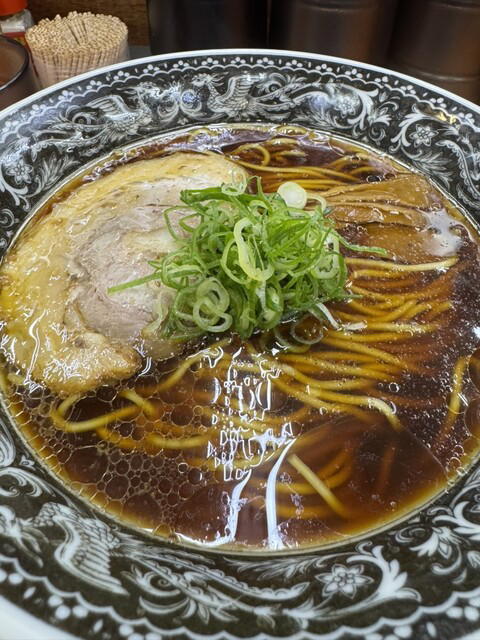
Yuai Tei
Osaka, Japan
A 15-seat ramen shop in Naniwa-ku that has earned three consecutive years (2023–2025) on Tabelog's Osaka Ramen 100 list. Yuai Tei operates walk-in only, serves lunch through early dinner (11 AM–5:30 PM, closed Mondays), and focuses on technical consistency at JPY 1,000–1,999 per bowl. Four minutes from Ebisucho Station, it's a practical mid-tier choice for travelers seeking a Tabelog-recognized bowl without the booking complexity of omakase formats.
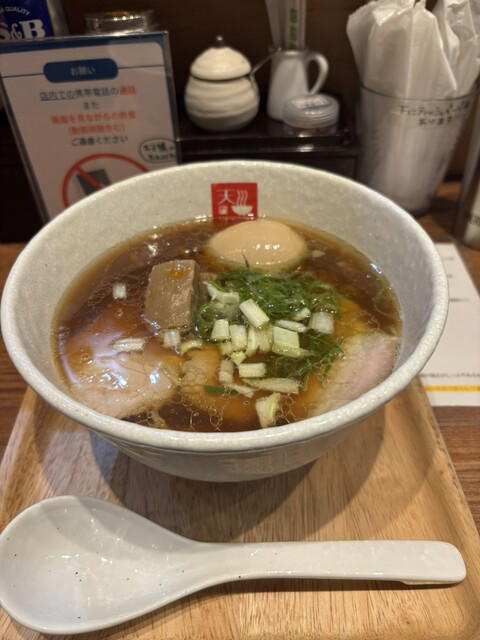
Mendokoro Amakawa
Osaka, Japan
A nine-seat ramen counter in Honden serving Tabelog 100-recognized bowls for under JPY 1,000. No reservations, cash only, and family-friendly; rare for an award-winning shop. Go for maximum value per yen in Osaka's competitive ramen scene; skip if you need reservations or prefer slower-paced dining.
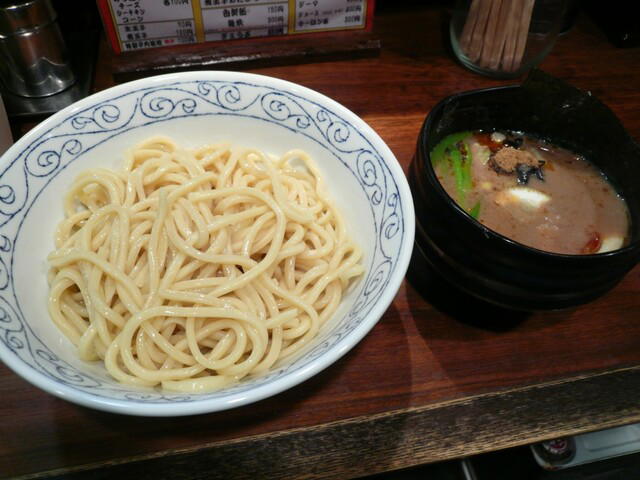
Menza Gin
Osaka, Japan
An 11-seat tsukemen and abura-soba counter near Sakaihigashi Station, selected for Tabelog 100 Ramen OSAKA 2025. Cash-only, walk-in friendly, and priced under JPY 2,000. Best for solo diners and small groups seeking dipping noodles with consistent execution in a quieter Sakai-ku location.
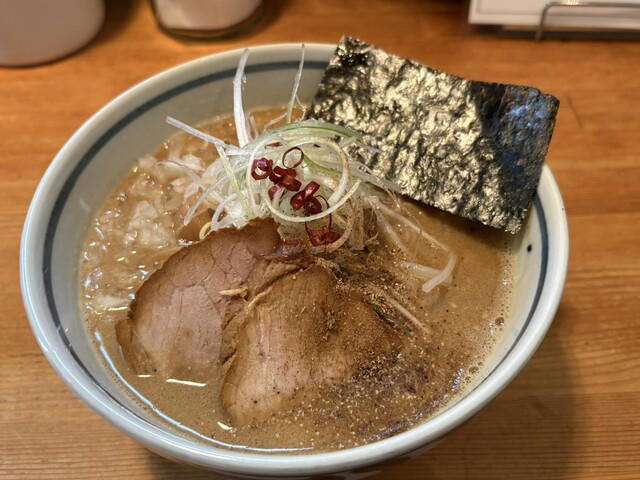
Chuka Soba Sen
Osaka, Japan
Tabelog-recognized ramen counter in Sumiyoshi-ku serving chuka soba and tsukemen under ¥1,000 per bowl. Nine counter seats, walk-ins only, cash-only; best for solo diners willing to queue at peak lunch or dinner hours. Three minutes from Abiko Station.
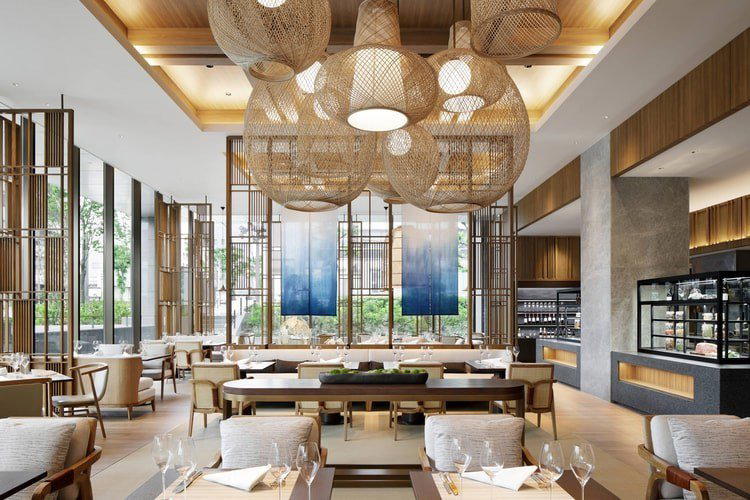
Sekaiichi Himana Ramen Ya
Osaka, Japan
Walk-in ramen counter in Nakanoshima's business district, recognized on six consecutive Tabelog 100 lists (2020–2025). Bowls under ¥1,000, open 11 AM–10 PM daily, three minutes from Watanabashi Station. Counter and table seating for 42; cash only.
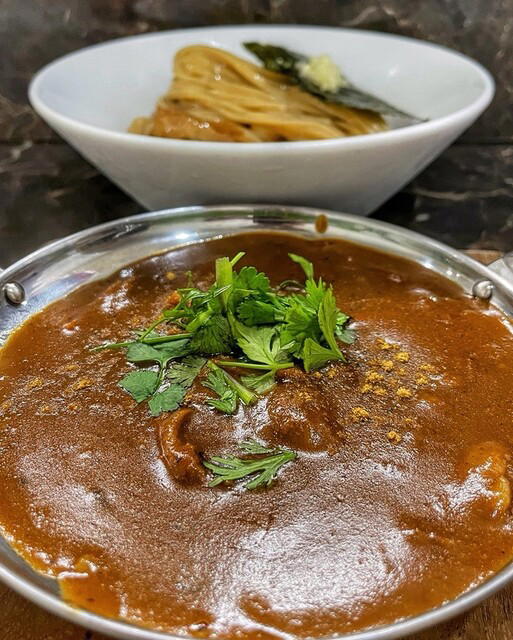
Gunjo
Osaka, Japan
A six-seat tsukemen counter near Tenjinbashisuji Rokuchome station, recognized on Tabelog's Osaka ramen lists every year since 2018. Thick dipping noodles and concentrated broth run under JPY 1,000, with cash-only, no-reservation service favoring solo diners and pairs. Lunch dominates the schedule; evening hours run limited days only.
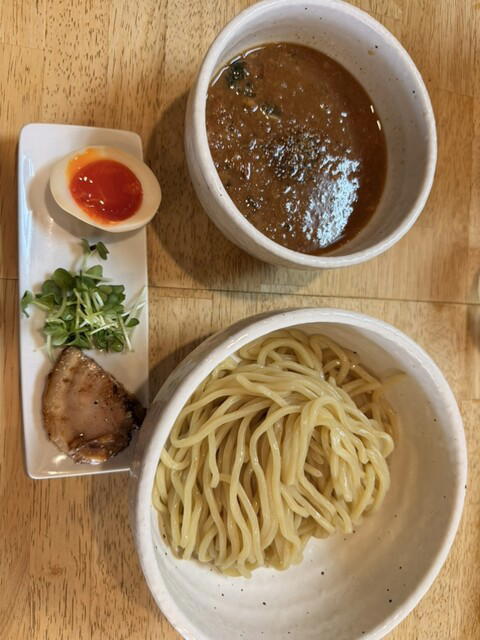
KUCHE
Osaka, Japan
KUCHE serves Tabelog 100-recognized ramen and tsukemen (JPY 1,000–1,999) in a 12-seat counter format near Kami Shinjo Station, balancing award-tier craft with walk-in accessibility. The dual-menu strategy; ramen and dipping noodles; rewards multiple visits, while cash-only payment and no-reservation policy keep the experience analog. Worth booking for travelers seeking mid-tier ramen credibility without central-Osaka queues.
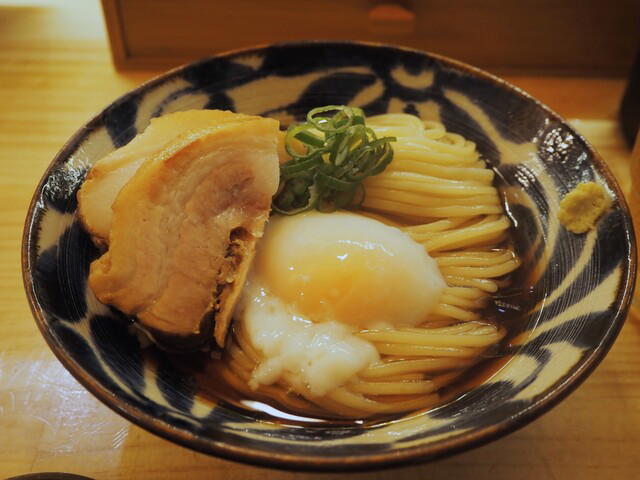
Ramen Shuki
Osaka, Japan
A walk-in ramen counter near Tsuruhashi Station, Ramen Shuki earned consecutive Tabelog 100 Ramen OSAKA selections (2024, 2025) while holding prices at JPY 1,000 to JPY 1,999. The 11-seat shop (seven counter stools, one four-top) suits solo diners seeking award-vetted bowls without the premium pricing or reservation hurdles of higher-tier temples.
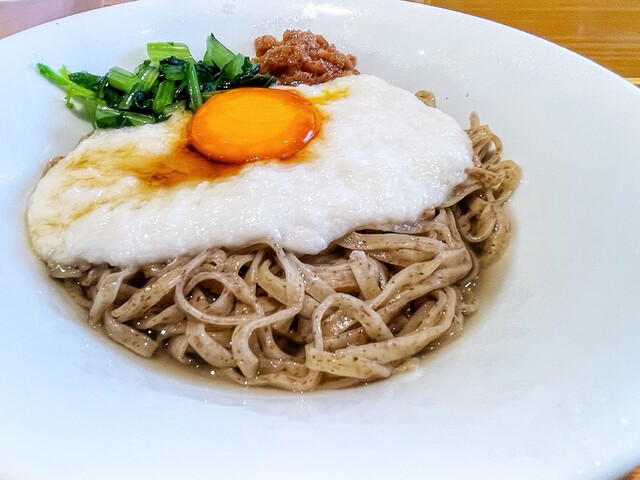
Raa Menya Harinezumi
Osaka, Japan
A Tabelog 100 ramen counter in Takatsuki serving bowls under JPY 999 from an 8-seat space. No reservations, no evening service, and daily sell-outs by early afternoon; but eight consecutive years of regional recognition at half the typical award-tier price. Worth the early arrival if broth technique matters more than seating comfort.
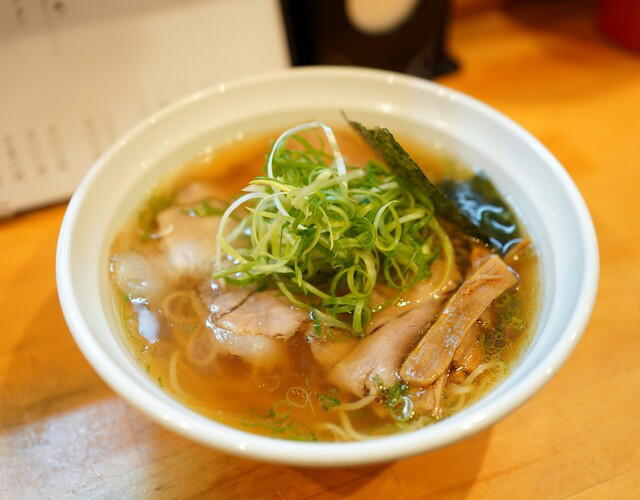
Osaka Mentetsu
Osaka, Japan
An 11-seat ramen counter in Kita Ward that has held a spot on the Tabelog 100 Ramen OSAKA list every year since 2018, serving walk-in bowls at JPY 1,000–1,999 with no queues, no reservations, and consistent technical execution. The shop runs split shifts six days a week and trades ceremony for reliability.
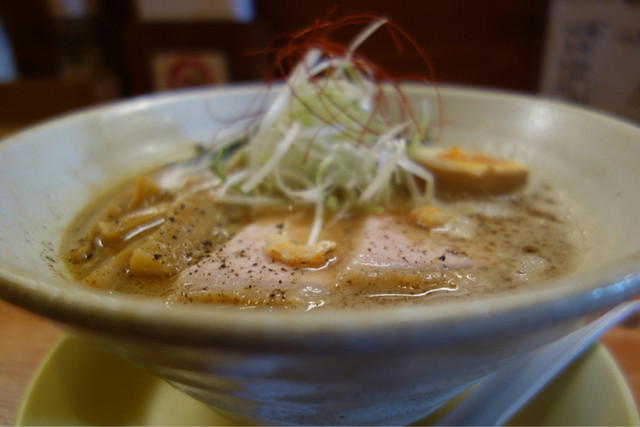
Men Genso
Osaka, Japan
Tabelog 100 ramen shop in Temma since 2009, serving bowls under ¥1,000 with six consecutive years of recognition. Walk-in only, open 11 AM to 11:30 PM daily, with counter and table seating for solo diners and families. Reliable quality in a no-frills format, accessible from Temma Station in three minutes.
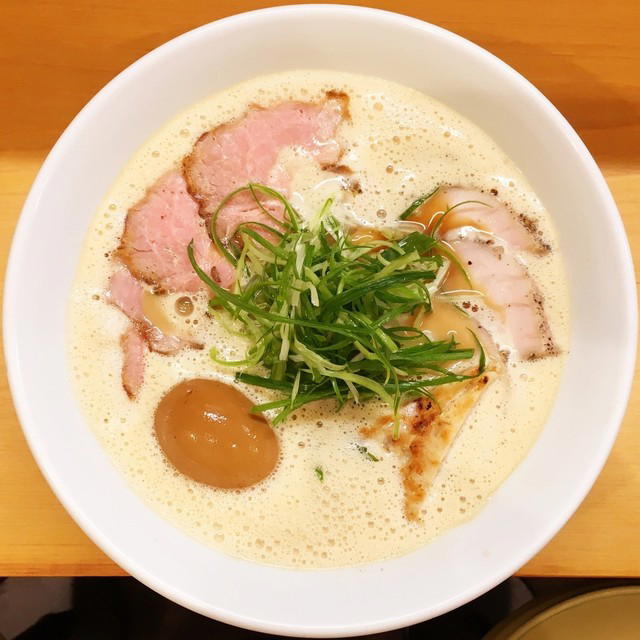
Ramen Tsuji
Osaka, Japan
Eight-seat ramen counter near Tanimachi 4-chome Station, recognized on Tabelog's 2025 Osaka list. Bowls under 1,000 yen arrive fast with minimal service interaction; efficient for solo diners who know their order, less welcoming for first-timers seeking guidance. Walk-ins only; credit cards not accepted.
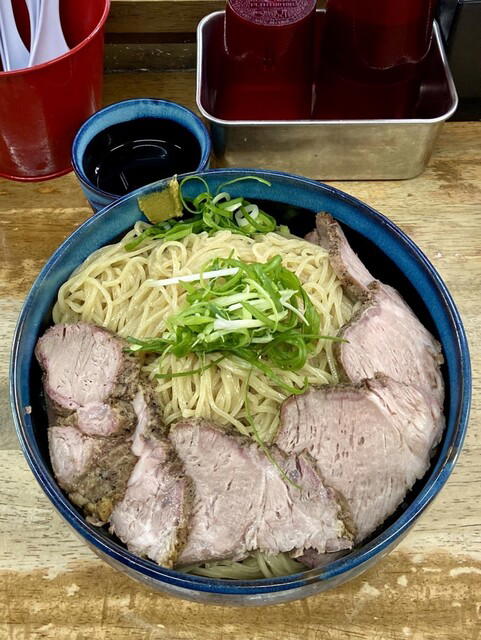
Toyonaka Mente Tsu
Osaka, Japan
An eleven-seat ramen counter in suburban Toyonaka that has held a spot on Tabelog's Ramen 100 list since 2019 while keeping prices under JPY 2,000. No reservations, cash only, and closes when stock runs out; visit for straightforward broth and fast turnover, not innovation or comfort.
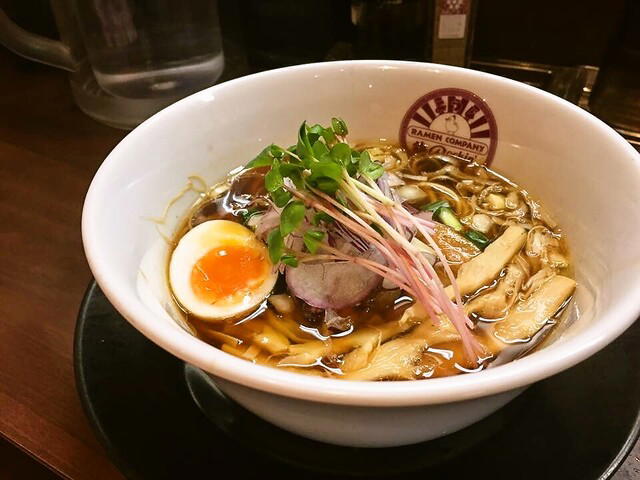
Men no Youji
Osaka, Japan
Eight-seat ramen counter in Kozu serving chicken-and-vegetable broth bowls under JPY 1,000. Tabelog 100 recognition since 2018. Walk-in only, cash only, split lunch and dinner service. Lighter alternative to Osaka's tonkotsu-heavy ramen scene, suited for solo diners and quick meals rather than group celebrations.
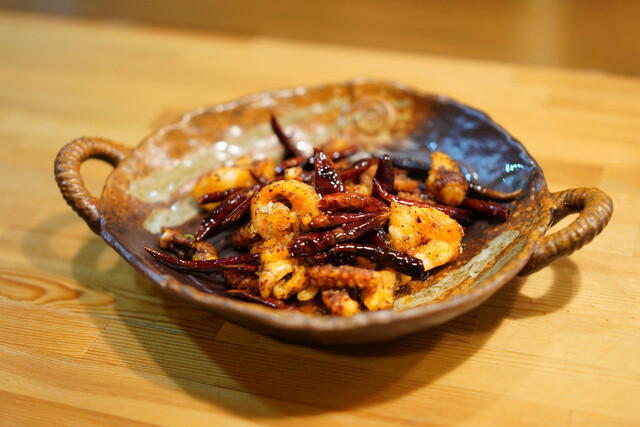
Bakabon
Osaka, Japan
Tabelog 100 ramen by day, Sichuan cuisine by night. Lunch runs JPY 1,000–1,999 at an eight-seat counter (walk-in only); dinner shifts to JPY 5,000–5,999 small plates with second-floor table seating and group capacity. Cash only, no reservations before 6 PM, and the dual format makes timing everything.
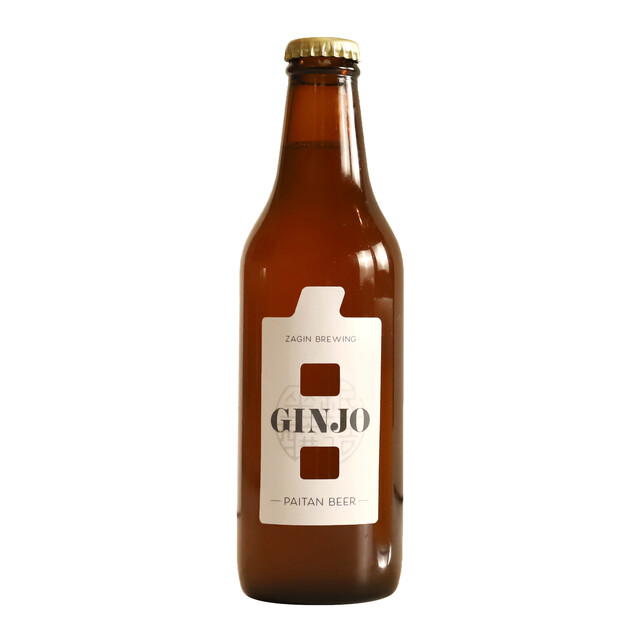
Tori Soba Zagin Honten
Osaka, Japan
Six-time Tabelog 100 ramen counter near Higobashi station, serving chicken soba and tsukemen under ¥1,000. Open until 10:30 PM, cash-only, walk-in only. Lighter than tonkotsu, thicker than shoyu, with sous-vide chicken chashu and tempura burdock. A rare budget option with recognition, practical for late-night cravings without booking ahead.
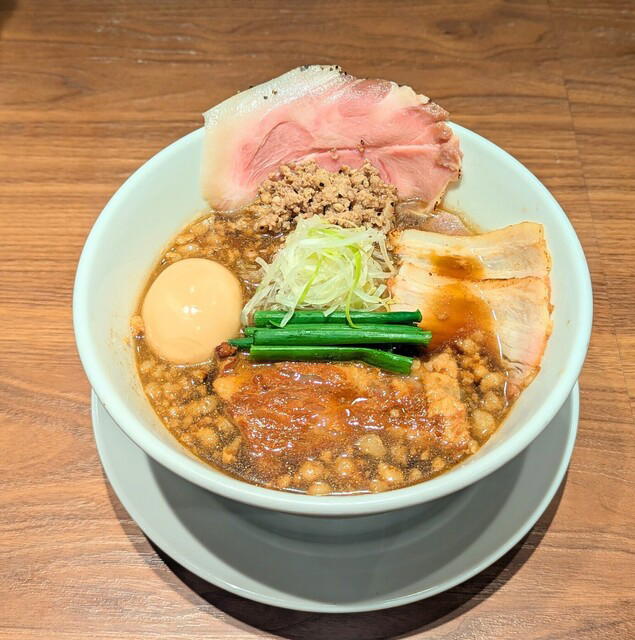
CORE-CORE
Osaka, Japan
Ten-seat ramen counter near Esaka station with three consecutive Tabelog Ramen OSAKA 100 selections (2023–2025). No reservations, JPY 1,000–1,999 bowls, split-shift service daily. Walk-in only; weekday lunch 11 AM–noon window avoids peak queues. Worth repeat visits to sample rotating broth bases and seasonal adjustments.
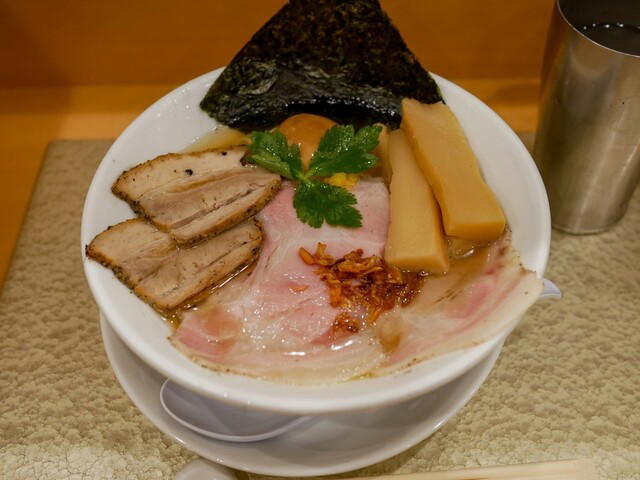
Naniwa Menjiro
Osaka, Japan
A 12-seat ramen counter inside Kintetsu Osaka Namba Station, recognized three years running in Tabelog 100 Ramen Osaka. Shoyu and shio bowls land under JPY 1,000, served fast to commuters and pilgrims who don't mind buying a platform ticket for access. The format is efficiency over atmosphere, but the broth is clean, the noodles are made to order, and the turnover keeps waits short even during lunch rush.
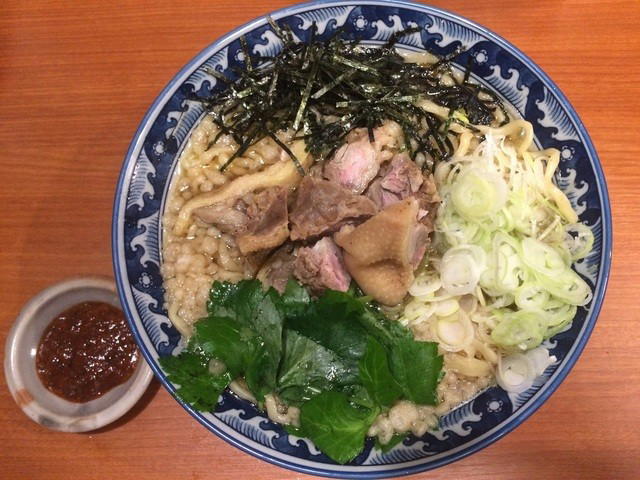
Rekka Honten
Osaka, Japan
Eleven-seat counter-only ramen shop in Toyonaka with eight consecutive years on Tabelog's 100 Best Ramen list (2018–2025) and a JPY 1,000–1,999 price range. Open until 1:00 AM most nights with no reservations; best for solo diners, late-night visits, and walk-in availability outside Osaka's central districts.
Overview
Tabelog 100 - Ramen - OSAKA - 2025 is an annual ranking of the top 100 ramen restaurants in Osaka, curated by Japan’s leading restaurant review platform, Tabelog. It highlights Osaka’s most acclaimed ramen spots based on user reviews, expert evaluations, and culinary excellence.
Since its inception, the Tabelog 100 lists have become the gold standard for restaurant rankings in Japan, blending user-generated reviews with expert curation. The ramen category in Osaka showcases the city’s vibrant and diverse ramen culture, from traditional tonkotsu broths to innovative modern twists. This list not only celebrates Osaka’s culinary heritage but also influences food tourism and dining trends both locally and internationally, providing an essential guide for ramen aficionados seeking the city’s finest bowls.
Osaka, Japan’s culinary powerhouse, is famed for its bold flavors and street food culture, with ramen standing as a beloved staple. The 2025 Tabelog 100 ranking distills the city’s rich ramen scene into a definitive list of 100 exceptional establishments. For Pearl’s discerning readers; avid food explorers and global travelers; this guide offers an insider’s roadmap to savoring Osaka’s ramen at its finest, from time-honored classics to avant-garde creations.
Quick Facts
- Publisher
- Tabelog
- Year
- 2025
- Coverage
- Osaka Prefecture, Japan
- Items
- 100 ramen restaurants
- Frequency
- Annual
About This Edition
The 2025 Osaka edition of the Tabelog 100 Ramen list reflects a dynamic culinary landscape marked by a resurgence of traditional broth styles alongside innovative, health-conscious recipes. Notable new entrants include several boutique ramen shops emphasizing local ingredients and artisanal noodles, underscoring Osaka’s evolving palate. This year’s list also highlights a growing trend toward fusion ramen and creative presentation, reflecting the city’s vibrant food scene and ongoing innovation.
Frequently Asked Questions
What is Tabelog 100 - Ramen - OSAKA - 2025?
How are honorees selected?
How often is this list updated?
How can I find these on Pearl?
How many of these have you visited?
Find out on Pearl and keep score across every place in Tabelog 100 - Ramen - OSAKA - 2025.