

Chukasoba Uemachi
Ramen · Chūō, Osaka
Restaurant in Osaka, Japan
 Book with Pearl
The Read
Community-Rooted Shoyu Counter
Price
$10–20per person
Dress
Casual
Why go
Chukasoba Uemachi holds a 2025 Michelin Bib Gourmand and a 4.2 rating from over 1,000 reviewers, making it one of Osaka's most credentialled ramen stops at the ¥ price tier. The house-kneaded noodles and broths built on meat, dried fermented fish, and sardines are the draw. Walk-in only; arrive early to avoid the consistent queues outside the door.
About Chukasoba Uemachi
Verdict
For under ¥2,000 a bowl, Chukasoba Uemachi delivers a Michelin Bib Gourmand-recognised ramen that punches well above its price tier. If you are already familiar with Osaka's ramen scene and want to know where to go next, this is it. The shoyu and shio broths here are built on a serious meat base, layered with dried fermented fish and crunchy sardines, and served with house-kneaded noodles. Book it, but go early.
About Chukasoba Uemachi
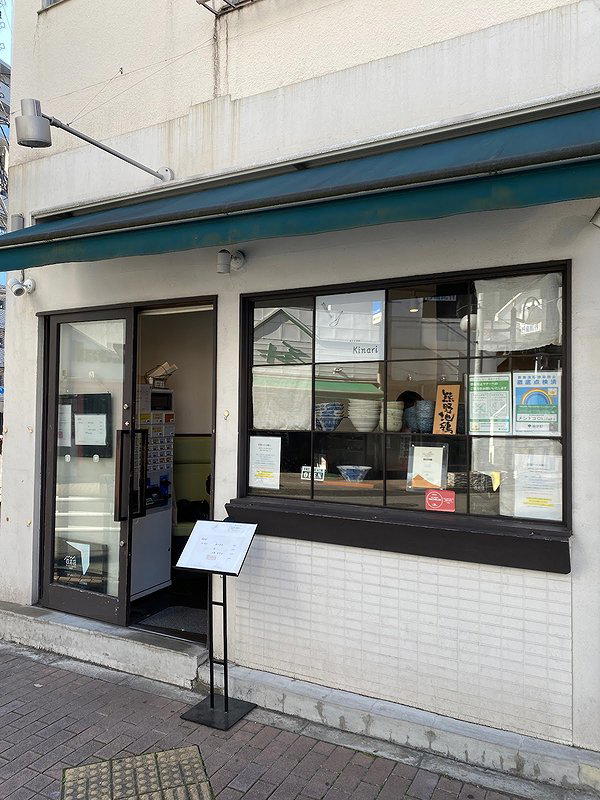
Uemachi sits in the Chuo Ward neighbourhood of the same name, on Osaka's historic upland ridge. The shop took its name deliberately: it wants to be a local institution, not a tourist stop. The calligraphy on the noren at the entrance was created by a Living National Treasure and pays tribute to Ohtsuki Noh Theatre, a cultural symbol of the Uemachi area. That is not decorative flourish; it signals the seriousness of the shop's intent to embed itself in the neighbourhood's cultural life. When you step through that noren, you are in a place that has thought carefully about what it wants to be.
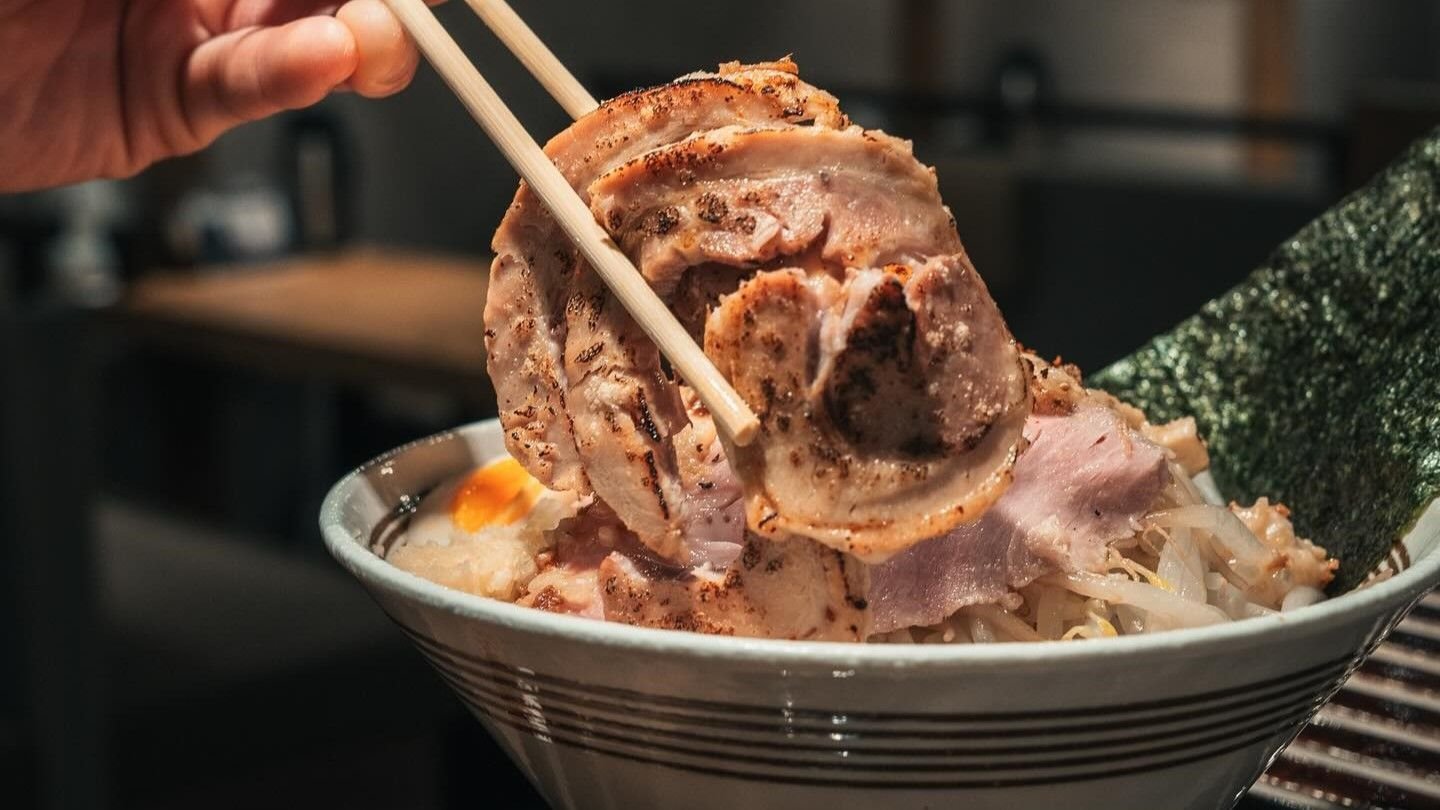
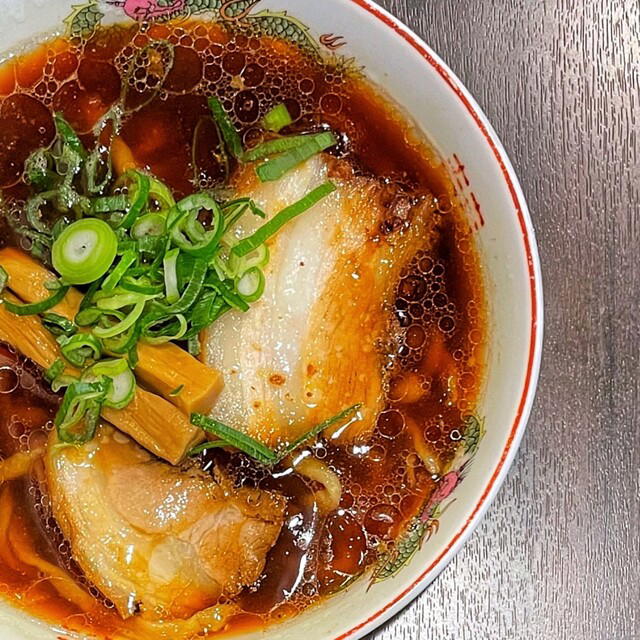
The ramen program centres on two styles: Shoyu (soy sauce) and Shio (salt). Both broths share the same foundational depth, drawing richness from a meat base, then adding the sharper, more mineral character of dried fermented fish and the textural contrast of crunchy sardines. The noodles are kneaded in-house, with a finish that holds up through the bowl without going soft. The overall effect, by the shop's own description and the Michelin committee's, is nostalgic: in both taste and presentation, this is ramen that references something older without being a pastiche of it. If you visited before and ordered the shoyu, consider trying the shio on your return; the salt-based broth foregrounds the fish elements more clearly.
Lunch vs. Dinner: What You Need to Know
Hours are not confirmed in available data, so call ahead or check locally before planning a dinner visit. What the publicly documented queue situation does tell you is that lunch sees consistent crowds. The shop's reputation among locals and now among Michelin-aware visitors means the lunch window fills fast. If your last visit was a midday queue, an off-peak arrival closer to opening or at a less typical hour may give you a quieter experience and more time to sit with the bowl rather than feel the pressure of people waiting outside. The food itself does not change between service periods, but the atmosphere does: early arrivals tend to get a calmer room, which suits the restrained, considered style of the shop better than a packed, hurried lunch rush. If you are treating this as a more deliberate meal rather than a quick stop, time your visit accordingly.
What the Awards Tell You
The 2025 Michelin Bib Gourmand is the relevant trust signal here. Bib Gourmand status is awarded specifically for quality at a modest price: Michelin's own criteria require good food for under a set regional threshold. At the ¥ price tier, Uemachi is being recognised not as a compromise option but as a venue delivering quality that justifies the guide's attention. For ramen at this price in Osaka, that combination of critical recognition and broad public endorsement is a meaningful indicator. Compare that to other ramen options in the city: Chukasoba Mugen, Hommachi Seimenjo Chukasobakobo, and Kamigata Rainbow are all worth knowing, but Uemachi's Bib Gourmand sets it apart at this price point.
Booking and Timing
Booking difficulty is rated Easy, which at a ramen shop in Japan typically means walk-in is the format. Queues are a consistent feature: Chukasoba Uemachi has constant lines outside the door. The practical implication is that the booking window is really a timing window. Arriving at or near opening gives you the leading chance of a short wait. Midday Saturday or Sunday is when you should expect the longest queues. If you are on a tight schedule or visiting with someone who finds queuing difficult, factor that in. For those planning a broader Osaka itinerary, see our full Osaka restaurants guide for context on how to structure your time, and our full Osaka hotels guide if you are staying overnight.
Practical Details
Chukasoba Uemachi is located in Chuo Ward, Uemachi, Osaka. Cuisine: Ramen. Price range: ¥. Awards: Michelin Bib Gourmand 2025. Queues are common; arrive early to minimise wait times.
For other ramen options across Japan, Afuri in Tokyo and Chinese Noodles ROKU in Kyoto offer useful comparison points at different price tiers and styles. Beyond ramen, Osaka's dining scene includes everything from the kaiseki depth of Taian to the accessible neighbourhood eating at Kadoya Shokudo. If you are building a Japan itinerary more broadly, Gion Sasaki in Kyoto, akordu in Nara, and Goh in Fukuoka are all worth your attention. Also see Harutaka in Tokyo, 1000 in Yokohama, and 6 in Okinawa for a wider view of Japan's restaurant scene. For everything else in Osaka, browse our full Osaka bars guide, our full Osaka wineries guide, and our full Osaka experiences guide. Also consider Mugito Mensuke if you want another Osaka ramen reference point.
Quick reference: Michelin Bib Gourmand 2025 | ¥ price tier | Walk-in only | Arrive early to avoid queues | Chuo Ward, Osaka.
Planning details
- Hours
- Monday: Closed · Tuesday: 11 AM–2:30 PM, 6–9 PM
- Location
- Japan, 〒540-0005 Osaka, Chuo Ward, Uemachi, A22
- Website
- tabelog.com/en/osaka/A2701/A270204/27069769
- Phone
- +81 6-6762-5311
The take
The Take
The Vibe
Chukasoba Uemachi reads like a neighbourhood institution: modest in scale but rich in local character. The noren, calligraphed by a Living National Treasure and nodding to the nearby Ohtsuki Noh Theatre, anchors the shop in the cultural fabric of the Uemachi upland. A steady queue out front signals a busy, convivial energy; this is a place where technique and familiarity outshine theatrical dining gestures. The Bib Gourmand recognition underscores that balance: craft-driven ramen served at honest prices for a community that keeps coming back.
Best For
This is a straightforward daily ramen destination that suits solo diners and casual visits from locals and visitors alike. The shop’s emphasis on consistently priced, carefully made bowls, principally Shoyu and Shio chuka soba plus tsukemen, makes it an easy choice for a reliable lunch or a no-frills dinner. Its neighbourhood-rooted identity and regular crowds mean it’s ideal for anyone seeking an authentic, workaday ramen experience rather than a formal or celebratory night out.
Ordering Tips
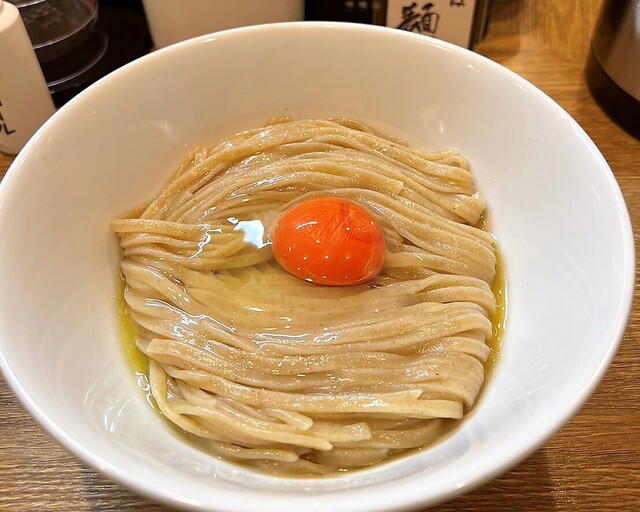
Expect a queue and plan accordingly: the first thing noted about Uemachi is the line, so either arrive before peak times or be prepared to wait. Stick to the signatures, Shoyu Chuka Soba and Shio Chuka Soba, to understand the shop’s approach to the lighter, dashi-forward Kansai-style ramen, and try the tsukemen if you want a concentrated dipping experience. The Bib Gourmand nod signals good value and consistent technique, so ordering the house specialties is the safest way to leave satisfied.
Venue details
Ambiance
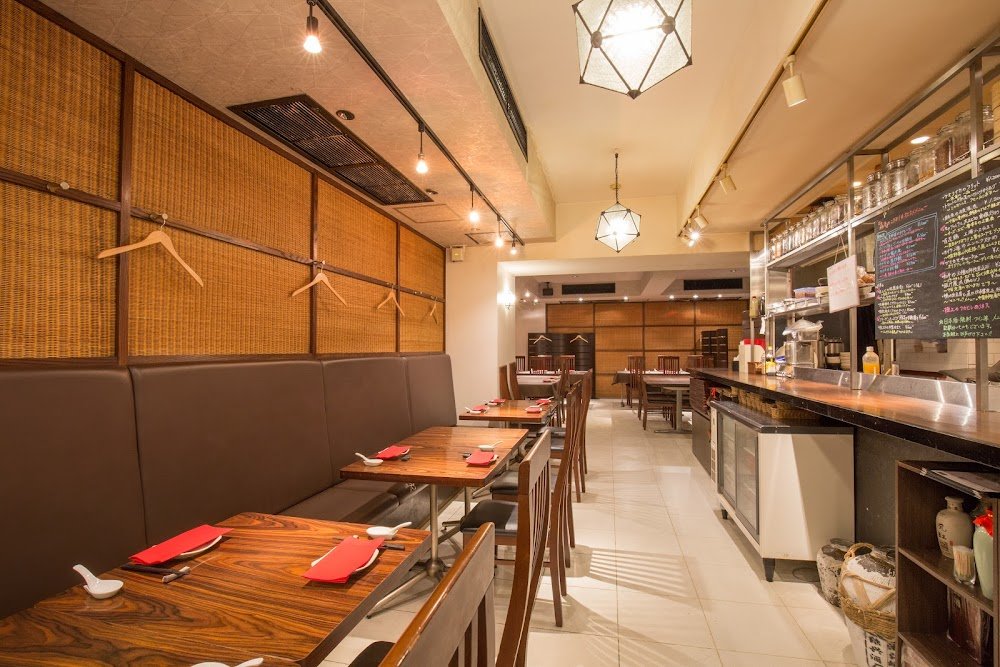
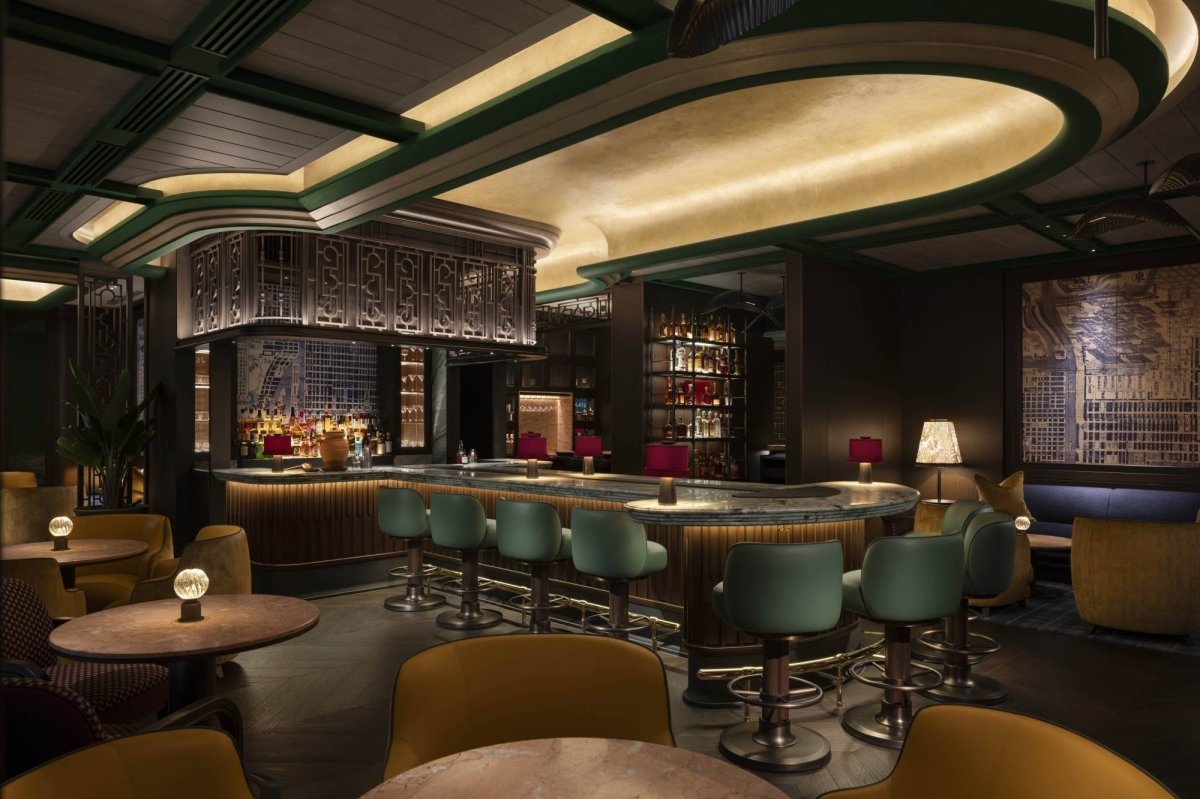
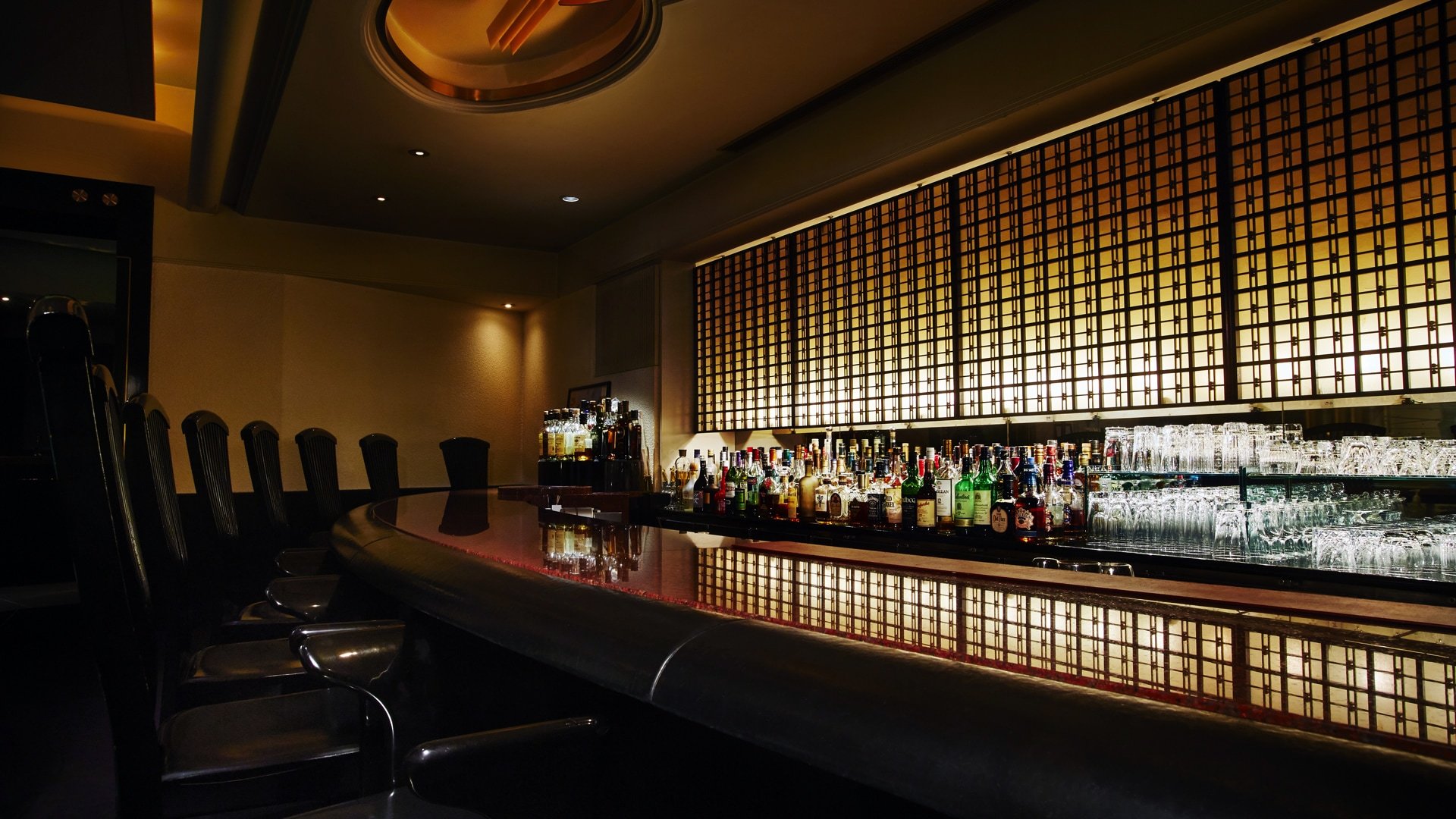
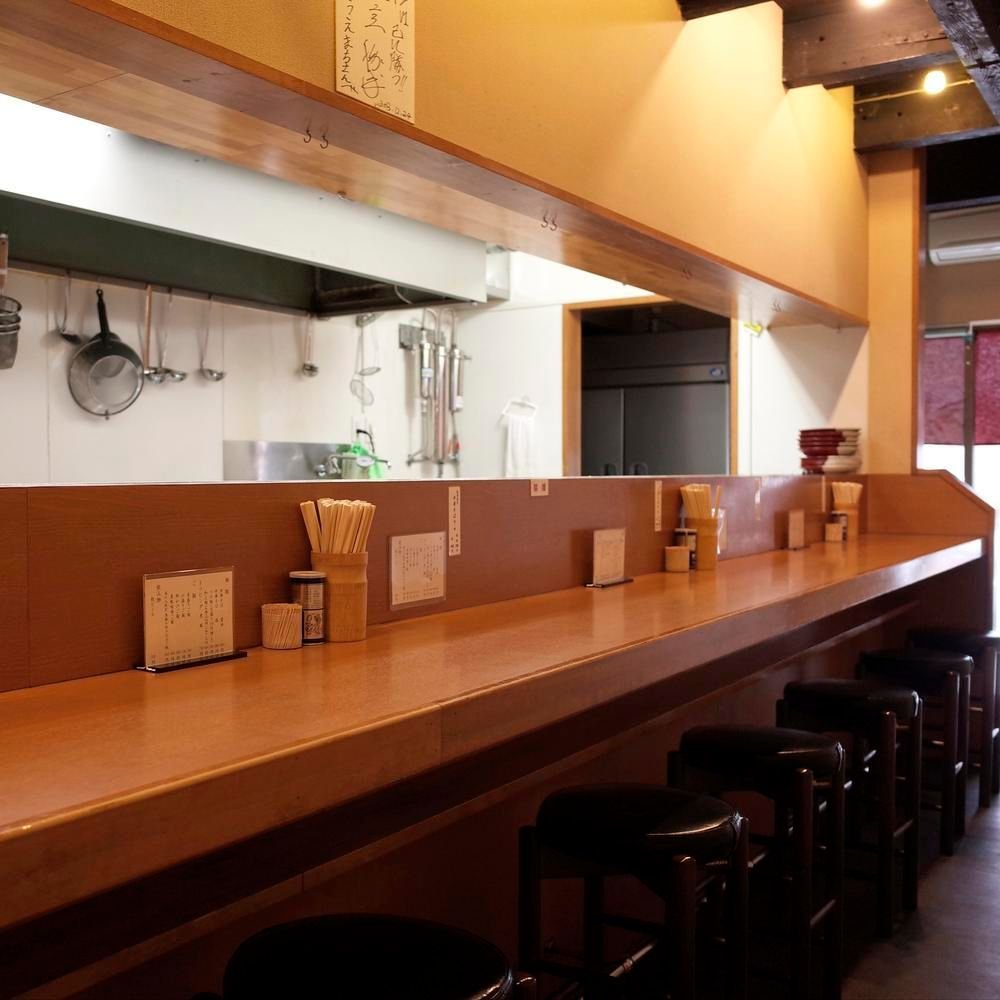
Traditional wooden counter with minimalist decor creating a nostalgic, focused atmosphere.
Tags
Vibe
Best For
At the Table
- Dress Code
- Casual
- Noise Level
- Conversational
- Service Style
- Counter Service
- Meal Pacing
- Quick Bite
- Capacity
- Intimate
- Kitchen
- Traditional
- Menu Format
- A la carte, Counter dining
Signature Dishes
- Shoyu Chuka Soba
- Shio Chuka Soba
- Tsukemen
Know before you go
Know Before You Go
- Getting there
- Japan, 〒540-0005 Osaka, Chuo Ward, Uemachi, A22
Planning details
Hours
- Monday
- Closed
- Tuesday
- 11 AM–2:30 PM, 6–9 PM
- Wednesday
- 11 AM–2:30 PM, 6–9 PM
- Thursday
- 11 AM–2:30 PM, 6–9 PM
- Friday
- 11 AM–2:30 PM, 6–9 PM
- Saturday
- 11 AM–2:30 PM, 6–9 PM
- Sunday
- 11 AM–2:30 PM, 6–9 PM
Location
Japan, 〒540-0005 Osaka, Chuo Ward, Uemachi, A22 · Directions
Also consider
Also Consider
- HAJIME: French, Innovative, ¥¥¥¥
- La Cime: French, ¥¥¥¥
- Kashiwaya Osaka Senriyama: Japanese, ¥¥¥
- Taian: Kaiseki, Japanese, ¥¥¥
- Fujiya 1935: Innovative, ¥¥¥¥
Restaurant context
Chukasoba Uemachi is the clearest answer in Osaka when someone asks where to eat well for under ¥2,000. Its 2025 Michelin Bib Gourmand puts it in a different conversation from the city's high-end dining circuit, which includes HAJIME and Fujiya 1935 at the ¥¥¥¥ tier. Those restaurants operate at a level of technical ambition and price commitment that is simply a different decision. If you are choosing between Uemachi and a kaiseki dinner at Taian or Kashiwaya Osaka Senriyama, you are not choosing between quality levels; you are choosing between formats, price commitments, and the kind of meal you want.
Within Osaka's affordable dining tier, Uemachi's Bib Gourmand is the differentiating credential. La Cime at ¥¥¥¥ offers a French precision that appeals to a completely different diner profile. Uemachi is the sharpest option in its category. The queues are the trade-off: you will wait, and there is no reservation system to sidestep that. Chukasoba Mugen and Kamigata Rainbow are worth knowing as alternatives if queue tolerance is low.
The decision framework is straightforward: if budget is a priority and you want a Michelin-recognised bowl of ramen in Osaka, Uemachi is the booking. If you are in Osaka for a single high-commitment dinner and price is less of a constraint, HAJIME or Fujiya 1935 belong on your shortlist instead. Both experiences are valid; they are just answers to different questions.
Explore Osaka
Around this place
Discover more on Pearl
Unlock the full Chukasoba Uemachi guide in Pearl, including awards, comparisons, FAQs, planning details, and nearby places.
Compare Chukasoba Uemachi
| Venue | Cuisine | Awards | Booking Difficulty |
|---|---|---|---|
| Chukasoba Uemachi | Ramen | Michelin Guide Kyoto Osaka 20262026 Bib GourmandTabelog 100 - Ramen - OSAKA - 2025 · #812025 Michelin Bib Gourmand2024 Michelin Bib Gourmand | Easy |
| HAJIME | French, Innovative | Star Wine Lists 2026 · #12026 Tabelog Bronze · #922026 OAD Top Restaurants in Japan Ranked · #98Michelin Guide Kyoto Osaka 20262026 La Liste Top RestaurantsTabelog 100 - Innovative / Creative cuisine - 2025 · #692025 Asia's 50 Best Restaurants · #832025 OAD Top Restaurants in Japan Ranked · #87We're Smart World Top Restaurants 2025 | Unknown |
| La Cime | French | 2026 Asia's 50 Best Restaurants · #132026 OAD Top Restaurants in Japan Ranked · #1492026 Tabelog Bronze · #231Michelin Guide Kyoto Osaka 20262026 La Liste Top Restaurants2025 Asia's 50 Best Restaurants · #82025 World's 50 Best Restaurants · #44Tabelog 100 - French - WEST - 2025 · #932025 OAD Top Restaurants in Japan Ranked · #123 | Unknown |
| Kashiwaya Osaka Senriyama | Japanese | 2026 Tabelog Bronze · #1682026 OAD Top Restaurants in Japan Recommended2026 Relais Chateaux RestaurantsMichelin Guide Kyoto Osaka 20262026 La Liste Top RestaurantsTabelog 100 - Japanese cuisine - WEST - 2025 · #772025 OAD Top Restaurants in Japan Ranked · #1552025 Relais Chateaux Award2025 Michelin 3 Stars | Unknown |
| Taian | Kaiseki, Japanese | 2026 OAD Top Restaurants in Japan RecommendedMichelin Guide Kyoto Osaka 20262026 La Liste Top Restaurants2025 OAD Top Restaurants in Japan Ranked · #2042025 La Liste Top Restaurants2025 Michelin 3 Stars2024 OAD Top Restaurants in Japan Ranked · #1912024 Michelin 3 Stars2023 OAD Top Restaurants in Japan Highly Recommended | Unknown |
| Fujiya 1935 | Innovative | 2026 Tabelog Bronze · #752026 OAD Top Restaurants in Japan RecommendedMichelin Guide Kyoto Osaka 20262026 La Liste Top Restaurants2025 Michelin 2 Stars2025 Tabelog Silver2025 La Liste Top Restaurants2024 OAD Top Restaurants in Japan Ranked · #2392024 Michelin 2 Stars | Unknown |
.png?width=1200&quality=80)









Side-by-side comparison to help you decide where to book.
FAQ
Frequently Asked Questions
What should I order at Chukasoba Uemachi?
The two signature options are Shoyu (soy sauce) and Shio (salt) ramen. Both are built on a meat-based broth deepened with dried fermented fish and sardines, with house-kneaded noodles. The Michelin Bib Gourmand citation specifically references the broth and noodle quality, so there is no wrong call between the two: pick based on whether you prefer a savoury-salty or cleaner, lighter finish.
Is Chukasoba Uemachi good for a special occasion?
Not in the traditional sense. This is a neighbourhood ramen shop with a queue outside and a price point under ¥2,000: the format is casual and communal, not celebratory. It is, however, a genuinely good choice if your occasion is 'eating the most credentialled affordable ramen in Osaka'; the 2025 Michelin Bib Gourmand makes that a defensible claim. For a formal special-occasion dinner, La Cime or Taian are better fits.
Is Chukasoba Uemachi worth the price?
At a ¥ price point, generally under ¥2,000 a bowl, it is one of the stronger value propositions in Osaka dining. Michelin's Bib Gourmand is awarded specifically for quality at a modest price, and Uemachi earned that in 2025. You are getting house-kneaded noodles and a layered broth for the price of a convenience-store meal. Worth it, with very little financial risk.
How far ahead should I book Chukasoba Uemachi?
No reservations system is confirmed for Uemachi: walk-in is the expected format. The publicly documented queue outside the door means timing matters more than booking. Arrive early, particularly at opening or mid-afternoon if the shop runs two sittings; turning up at peak lunch hour risks a long wait. Check hours locally before visiting, as confirmed operating times are not available.
What are alternatives to Chukasoba Uemachi in Osaka?
For ramen at a similar price tier, Osaka has a range of well-regarded shops in Chuo and Namba wards worth researching locally. If you want to step up to a formal meal after Uemachi-style casual eating, Fujiya 1935 and La Cime are the Osaka fine-dining options most often cited for technique and produce quality. Kashiwaya Osaka Senriyama suits those after a traditional kaiseki experience at a higher price point.