.png?width=1200&quality=80)

Ramen Hayato
Ramen · Kita, Osaka
Restaurant in Osaka, Japan
 Book with Pearl
The Read
Broth Reverie
Price
$10–20per person
Chef
Naoto Ishigaki
Why go
Ramen Hayato has held consecutive Michelin Bib Gourmand recognition in 2024 and 2025, making it one of Osaka's most straightforward value decisions at the ¥ price tier. Chef Naoto Ishigaki, Hokkaido-born and Sapporo-trained, builds the menu around three distinct ramen styles, soy-sauce, salt, and miso, with an off-menu 'hidden soy-sauce' bowl for return visitors who want to go deeper.
About Ramen Hayato
The Verdict
If you have been to Ramen Hayato once, you already know the answer on a return visit: come back, order differently, and pay attention to the stock. This Kita Ward shop has held consecutive Michelin Bib Gourmand recognition in 2024 and 2025, and it earns that standing not through reinvention but through consistent technical discipline across three distinct ramen styles. At a single ¥ price point, it is one of the most direct value decisions in Osaka dining. The question is not whether to go: it is which bowl to order.
Portrait
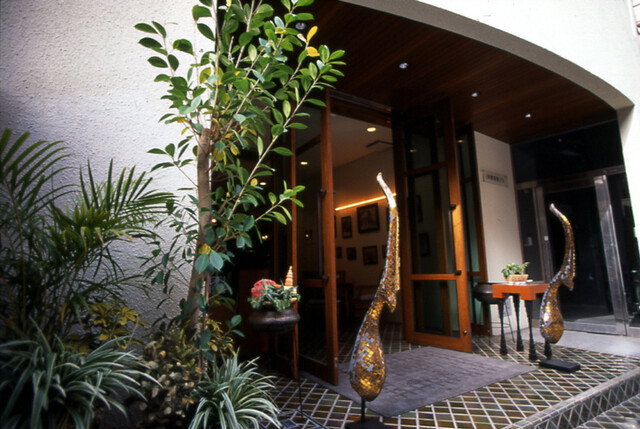
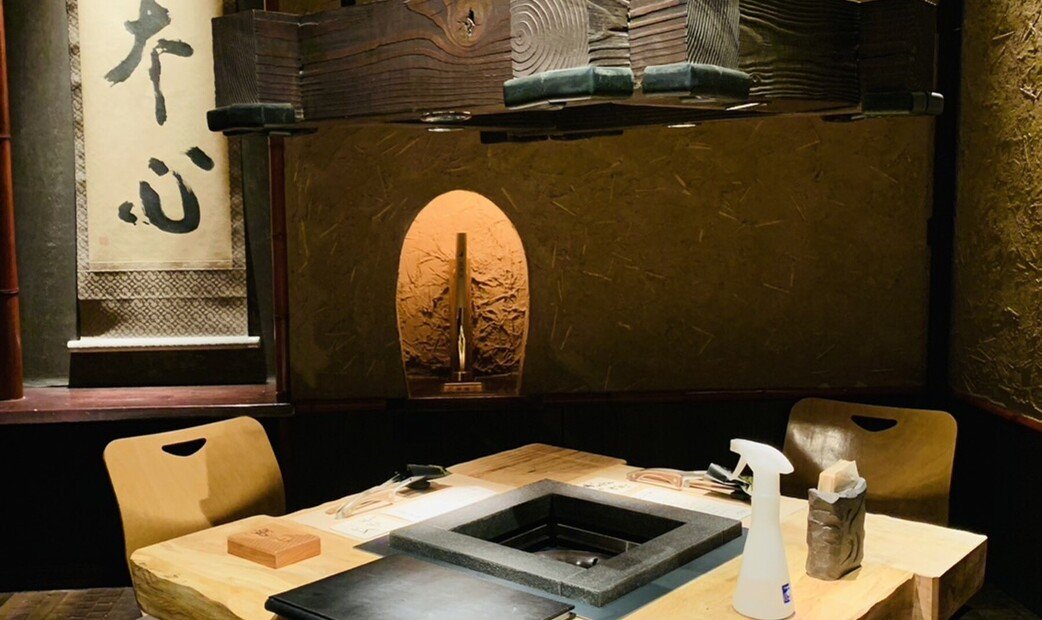
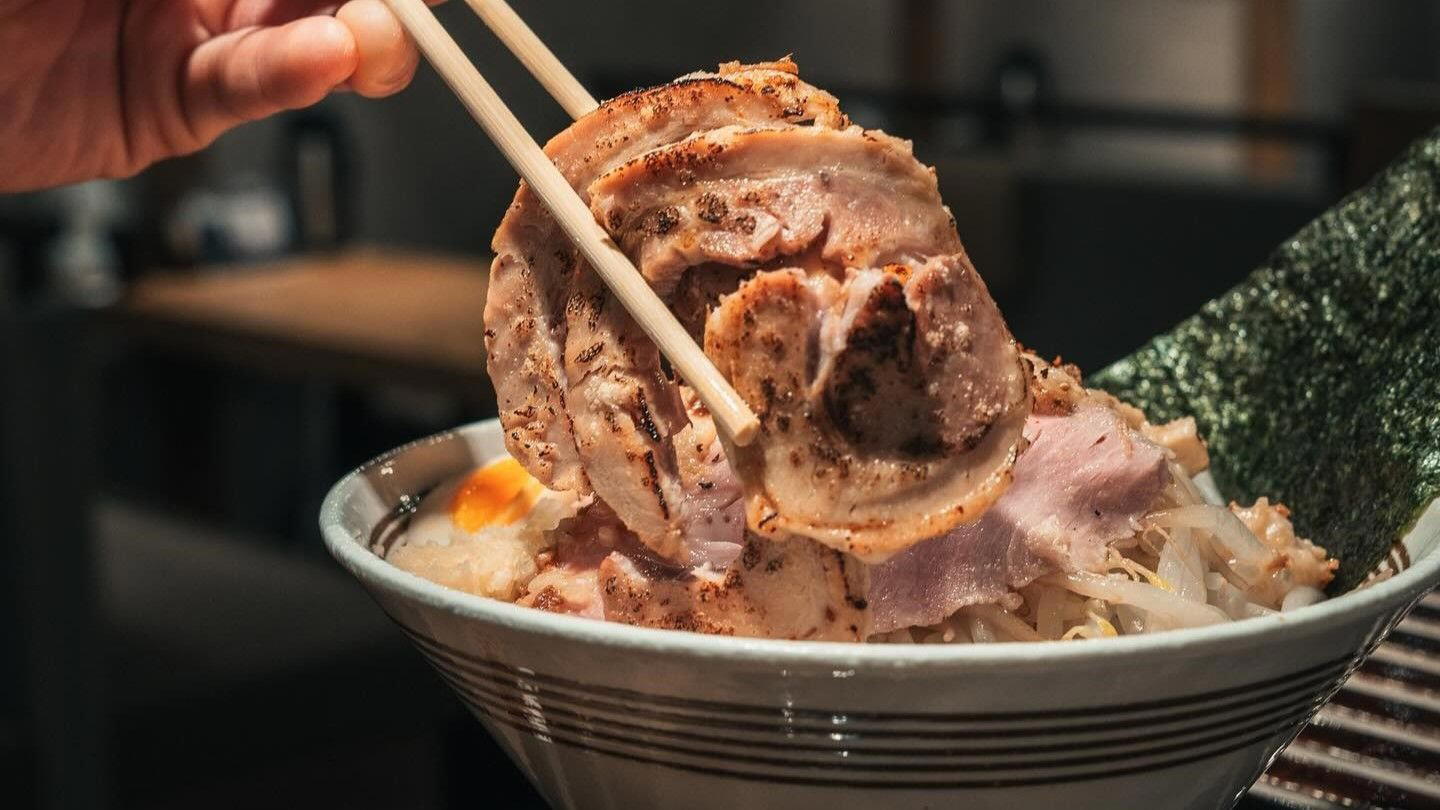
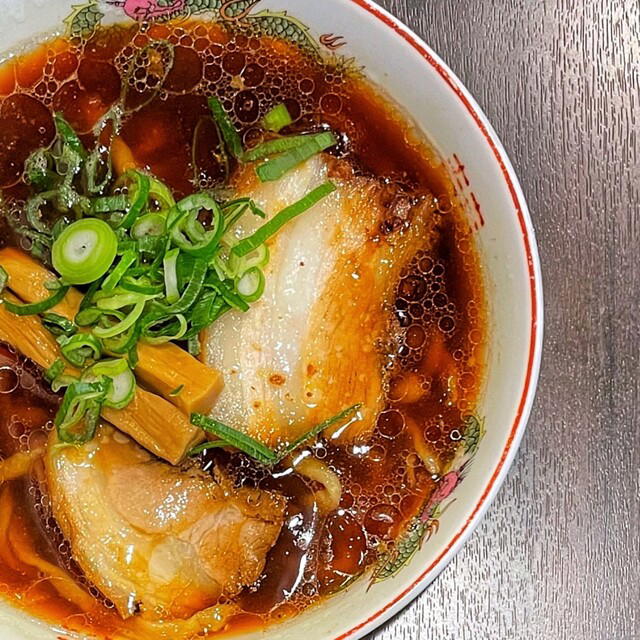
Ramen Hayato sits in Minamimorimachi, a workday neighbourhood in Kita Ward that draws a largely local crowd. The room is the first thing you register: functional, unhurried, the kind of space where the focus lands entirely on what is in front of you rather than on the surroundings. There is no interior theatre here. The visual experience is the bowl itself: the surface sheen of the soy-sauce broth, the colour separation between a meat-based and a seafood-based double stock, the way the layers interact before you disturb them with chopsticks.
Chef Naoto Ishigaki was born in Hokkaido and studied in Sapporo, and those origins shape the menu in a direct way. Sapporo is the city most closely associated with miso ramen in Japan, it is where the style was formalised and refined across decades of competitive local shop culture. That background gives Ishigaki's miso ramen a point of authority that most Osaka ramen shops cannot claim from biography alone. For a food enthusiast tracking the regional genealogy of a dish, this is a meaningful detail rather than a decorative one.
The menu is built around what the venue calls its Three Great Ramens: soy-sauce, salt, and miso. Each represents a different technical approach to stock construction and seasoning balance. The soy-sauce ramen is the recommended entry point for first-time visitors, and the reason is structural: it uses a double soup, combining a meat-based stock with a seafood-based stock. The interplay between the two produces a broth that is layered in a way that a single-stock bowl cannot replicate. Understanding that construction on your first visit makes a second visit more productive, you arrive with a baseline for comparison.
The detail that most rewards a return visit is the Ura-Shoyu, or 'hidden soy-sauce ramen'. It does not appear on the standard menu. The Ura-Shoyu uses meat-based stock only, stripping away the seafood layer, which makes the differences in texture and depth immediately legible by contrast. Ordering the standard soy-sauce ramen and the Ura-Shoyu across two visits, or, if appetite allows, on the same visit, is the most direct way to understand what Ishigaki is doing technically with his stock work. The comparison is the point.
Consecutive Bib Gourmand recognition from Michelin in 2024 and 2025 places Ramen Hayato in a specific category: exceptional quality at an accessible price, without the tasting-menu format or reservation difficulty of the city's Michelin-starred restaurants. For a food explorer who knows what a Bib Gourmand signals, value and technical quality, not luxury, the rating context should not discourage a visit.
For those building a broader picture of ramen in the Kansai region, Ramen Hayato is a useful reference point alongside other Osaka specialists including Chukasoba Mugen, Chukasoba Uemachi, Hommachi Seimenjo Chukasobakobo, Kadoya Shokudo, and Kamigata Rainbow. If your ramen research extends beyond Osaka, Afuri in Tokyo and Chinese Noodles ROKU in Kyoto offer useful comparisons in yuzu-shio and classic chukasoba styles respectively. Elsewhere in the Kansai and Kyushu region, the broader dining picture covers fine dining at Gion Sasaki in Kyoto, akordu in Nara, and Goh in Fukuoka, while Tokyo diners should consider Harutaka for high-end Japanese. Further afield, 1000 in Yokohama and 6 in Okinawa round out a national picture for serious food travellers.
For planning the rest of your Osaka trip, Pearl's guides cover restaurants, hotels, bars, wineries, and experiences across the city.
Ratings & Recognition
- Michelin Bib Gourmand, 2024 and 2025
- Price tier, ¥ (budget-accessible)
Booking & Practical Details
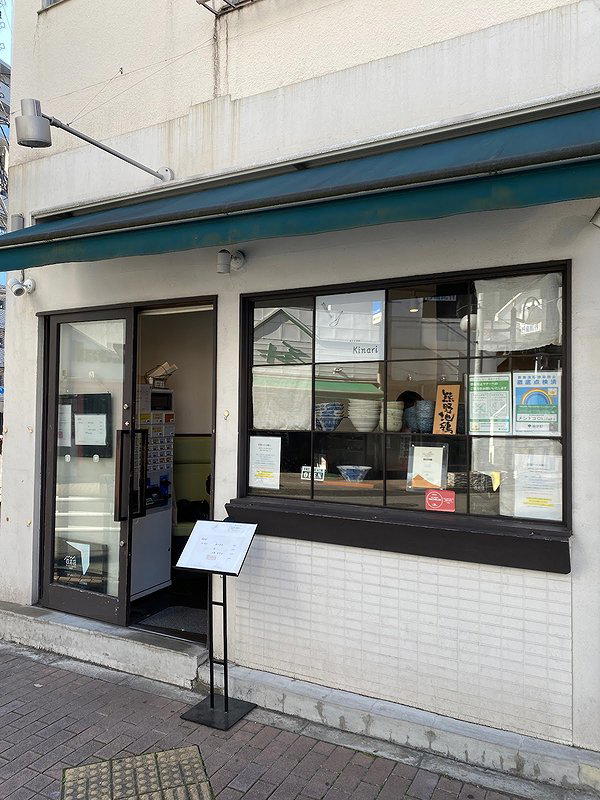
Booking difficulty is rated Easy. Ramen Hayato is located at 1 Chome-2-2 Minamimorimachi, Kita Ward, Osaka 530-0054. Given the Bib Gourmand profile and the local popularity, arriving at off-peak times (mid-morning opening or early lunch) reduces wait time. No dress code applies.
How It Compares
See the comparison section below for how Ramen Hayato sits against other Osaka dining options across different price tiers.
FAQ
What should I order at Ramen Hayato?
Start with the soy-sauce ramen on a first visit, it uses a double stock (meat-based and seafood-based) and gives you the clearest sense of Ishigaki's technical approach. On a return visit, ask for the Ura-Shoyu, the off-menu 'hidden soy-sauce ramen' made with meat-based stock only. If Hokkaido miso ramen is your focus, the chef's Sapporo background gives that bowl particular credibility.
Is Ramen Hayato worth the price?
Yes, at the ¥ price tier this is an easy value call. Two consecutive Michelin Bib Gourmand awards confirm the quality-to-price ratio is genuinely strong. You are paying ramen-shop prices for a bowl that has been recognised by one of the most rigorous dining review systems in the world. There are more expensive ramen shops in Osaka with less formal recognition.
How far ahead should I book Ramen Hayato?
Booking difficulty is rated Easy, which means walk-in visits are generally feasible. That said, the Bib Gourmand profile draws food-aware visitors alongside the regular local crowd. Arriving at opening or during off-peak lunch hours is the practical approach.
Is Ramen Hayato good for a special occasion?
It depends on what the occasion calls for. If the occasion is a serious ramen meal with a food-focused companion, the Bib Gourmand credentials and the off-menu Ura-Shoyu make it a strong choice. If the occasion requires a formal room, extended service, or wine, this is not the right venue. For a celebration dinner in Osaka with those elements, Kashiwaya Osaka Senriyama or Taian are better fits.
Is the tasting menu worth it at Ramen Hayato?
Ramen Hayato does not operate a tasting menu format. It is a ramen shop. The 'Three Great Ramens' framework functions as a focused menu of distinct styles rather than a multi-course progression. If you are looking for a tasting-menu experience in Osaka, HAJIME or Fujiya 1935 are the relevant options at a very different price point.
Can Ramen Hayato accommodate groups?
Ramen shops in Japan typically seat guests at counters or small tables, which can make larger parties (6+) logistically awkward. For groups, arriving early and checking current seating arrangements directly with the venue is advisable. The easy booking rating suggests flexibility.
What are alternatives to Ramen Hayato in Osaka?
Within Osaka's ramen category, Chukasoba Mugen, Chukasoba Uemachi, and Hommachi Seimenjo Chukasobakobo are the closest comparators at a similar price tier. For a very different experience at the same ¥ accessibility, Kadoya Shokudo offers a look at Osaka's broader casual dining culture. If you are comparing ramen across cities rather than within Osaka, Chinese Noodles ROKU in Kyoto is worth the short trip for a different regional perspective.
Planning details
- Location
- 1 Chome-2-2 Minamimorimachi, Kita Ward, Osaka, 530-0054, Japan
- Website
- x.com/ramen_hayato?s=21&t=Ir5pzuyV_NavePn3qt15kw
- Phone
- +81 6-6312-8276
The take
The Take
The Vibe
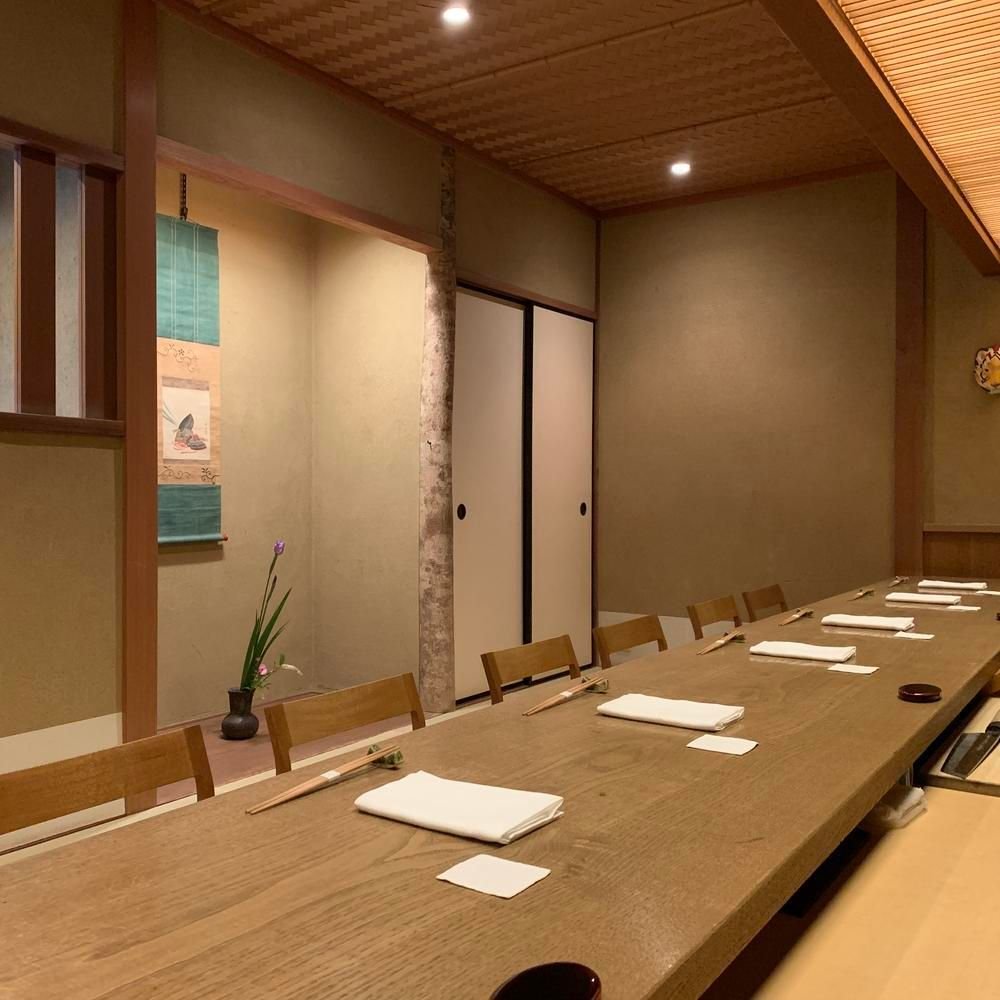
Ramen Hayato presents a studied, almost monastic atmosphere where restraint is the centerpiece. The room centers on a compact counter and the service is pared back so the broth takes the spotlight. Quiet mastery and faithful execution mark the shop as a guardian of ramen tradition rather than a place for theatrical flair. The overall mood is composed and purposeful: diners lean into the ritual of tasting a precisely layered bowl, and the space feels more like a craft workshop than a bustling noodle bar. Regulars treat it like a quiet pilgrimage.
Best For
Hayato is best for solo diners and devoted ramen enthusiasts who come specifically for disciplined, highly focused bowls. The counter layout and intimate scale make it ideal for one-on-one encounters with the chef’s technique, and the place rewards repeat visits and insider knowledge. It’s less suited to loud celebrations or large groups; the emphasis on nuance and quiet service means the experience pays off when you come ready to savor subtle differences between shoyu, shio and miso. Casual pairs who appreciate craft and restraint also find it rewarding.
Ordering Tips
Stick to the house strengths: the three archetypal bowls (shoyu, shio and miso) are the clearest expression of the kitchen’s skill. The shoyu uses a double-soup construction, while the shio emphasizes clarity and the miso channels Hokkaido warmth. Ask about the off‑menu "Ura‑Shoyu" if you’re a regular or want a meat-only, muscular stock. The kitchen offers seasonal tweaks and accommodations for lighter preferences but notes vegetarian options are limited. Expect specialist pricing; approach the counter with curiosity and a willingness to follow the chef’s lead.
Venue details
Ambiance
Cozy counter seating atmosphere with meticulous chef preparation in a small 7-seat space.
Tags
Vibe
Best For
Experience
At the Table
- Noise Level
- Conversational
- Service Style
- Counter Service
- Meal Pacing
- Quick Bite
- Capacity
- Intimate
- Kitchen
- Traditional
- Menu Format
- A la carte, Counter dining
Signature Dishes
- Miso Ramen
- Shoyu Ramen
- Shio Ramen
Know before you go
Know Before You Go
- Getting there
- 1 Chome-2-2 Minamimorimachi, Kita Ward, Osaka, 530-0054, Japan
Planning details
Location
1 Chome-2-2 Minamimorimachi, Kita Ward, Osaka, 530-0054, Japan · Directions
Also consider
Also Consider
- HAJIME: French, Innovative, ¥¥¥¥
- La Cime: French, ¥¥¥¥
- Kashiwaya Osaka Senriyama: Japanese, ¥¥¥
- Taian: Kaiseki, Japanese, ¥¥¥
- Fujiya 1935: Innovative, ¥¥¥¥
Restaurant context
Ramen Hayato competes in a different tier from most of the restaurants that define Osaka's dining reputation. HAJIME, La Cime, and Fujiya 1935 all sit at ¥¥¥¥ with tasting-menu formats, significant booking lead times, and a fundamentally different kind of dining commitment. If your visit to Osaka has one serious dinner in it, those three are the relevant comparison: and HAJIME in particular, with its Michelin three-star standing, is the argument for spending up. Ramen Hayato is not trying to compete with them, and the comparison is only useful if you are deciding how to allocate a single slot.
Within the mid-tier Japanese dining category, Kashiwaya Osaka Senriyama and Taian both operate at ¥¥¥ in kaiseki or formal Japanese formats. Both require more advance planning and a larger per-head budget than Ramen Hayato. They are the right choice when the occasion calls for a full-service, multi-course meal in a traditional Japanese context. Ramen Hayato is the right choice when the goal is technically serious ramen at an accessible price with no booking difficulty.
For food explorers tracking craft ramen specifically, Ramen Hayato's Bib Gourmand credentials put it ahead of most casual ramen shops in the city on independent verification. The consecutive 2024 and 2025 recognition is the clearest signal that the quality is consistent rather than circumstantial. If your Osaka itinerary includes one ramen meal and you want the most credentialled option at the ¥ tier, Ramen Hayato is the practical choice. If you want to sample more of the city's ramen range, pair it with Chukasoba Mugen or Chukasoba Uemachi for a useful contrast in styles.
Explore Osaka
Around this place
Discover more on Pearl
Unlock the full Ramen Hayato guide in Pearl, including awards, comparisons, FAQs, planning details, and nearby places.
Compare Ramen Hayato
| Venue | Cuisine | Price | Booking Difficulty | Awards |
|---|---|---|---|---|
| Ramen Hayato | Ramen | ¥ | Easy | 2026 Bib GourmandMichelin Guide Kyoto Osaka 2026Tabelog 100 - Ramen - OSAKA - 2025 · #512025 Michelin Bib Gourmand2024 Michelin Bib Gourmand |
| HAJIME | French, Innovative | ¥¥¥¥ | Unknown | Star Wine Lists 2026 · #12026 Tabelog Bronze · #922026 OAD Top Restaurants in Japan Ranked · #98Michelin Guide Kyoto Osaka 20262026 La Liste Top RestaurantsTabelog 100 - Innovative / Creative cuisine - 2025 · #692025 Asia's 50 Best Restaurants · #832025 OAD Top Restaurants in Japan Ranked · #87We're Smart World Top Restaurants 2025 |
| La Cime | French | ¥¥¥¥ | Unknown | 2026 Asia's 50 Best Restaurants · #132026 OAD Top Restaurants in Japan Ranked · #1492026 Tabelog Bronze · #231Michelin Guide Kyoto Osaka 20262026 La Liste Top Restaurants2025 Asia's 50 Best Restaurants · #82025 World's 50 Best Restaurants · #44Tabelog 100 - French - WEST - 2025 · #932025 OAD Top Restaurants in Japan Ranked · #123 |
| Kashiwaya Osaka Senriyama | Japanese | ¥¥¥ | Unknown | 2026 Tabelog Bronze · #1682026 OAD Top Restaurants in Japan Recommended2026 Relais Chateaux RestaurantsMichelin Guide Kyoto Osaka 20262026 La Liste Top RestaurantsTabelog 100 - Japanese cuisine - WEST - 2025 · #772025 OAD Top Restaurants in Japan Ranked · #1552025 Relais Chateaux Award2025 Michelin 3 Stars |
| Taian | Kaiseki, Japanese | ¥¥¥ | Unknown | 2026 OAD Top Restaurants in Japan RecommendedMichelin Guide Kyoto Osaka 20262026 La Liste Top Restaurants2025 OAD Top Restaurants in Japan Ranked · #2042025 La Liste Top Restaurants2025 Michelin 3 Stars2024 OAD Top Restaurants in Japan Ranked · #1912024 Michelin 3 Stars2023 OAD Top Restaurants in Japan Highly Recommended |
| Fujiya 1935 | Innovative | ¥¥¥¥ | Unknown | 2026 Tabelog Bronze · #752026 OAD Top Restaurants in Japan RecommendedMichelin Guide Kyoto Osaka 20262026 La Liste Top Restaurants2025 Michelin 2 Stars2025 Tabelog Silver2025 La Liste Top Restaurants2024 OAD Top Restaurants in Japan Ranked · #2392024 Michelin 2 Stars |










Comparing your options in Osaka for this tier.
FAQ
Frequently Asked Questions
Is Ramen Hayato good for a special occasion?
It depends on what the occasion is. If the event is a serious, food-focused meal with someone who cares about craft ramen, two consecutive Michelin Bib Gourmand awards give it real credibility and the off-menu 'Ura-Shoyu' gives it a sense of discovery. For a celebration that needs atmosphere, a private room, or a long evening format, look elsewhere: this is a ramen shop, not a dining room.
What should I order at Ramen Hayato?
Start with the soy-sauce ramen on a first visit: it uses a double stock (meat-based and seafood-based) and gives you the clearest read on chef Naoto Ishigaki's approach. On a return visit, the miso ramen makes sense given Ishigaki trained in Sapporo, where miso ramen is taken seriously. If you want something off-menu, ask for the 'Ura-Shoyu': the hidden soy-sauce variant that runs on meat stock only.
Is Ramen Hayato worth the price?
Yes, at the ¥ price tier this is a straightforward value call. Two consecutive Michelin Bib Gourmand awards (2024 and 2025) confirm the quality-to-price ratio holds up: Bib Gourmand is specifically awarded to venues that deliver good cooking at a price Michelin considers accessible. You are not compromising on quality to save money here.
How far ahead should I book Ramen Hayato?
Booking difficulty is rated Easy, so walk-in visits are generally feasible. The Bib Gourmand profile does draw food-aware visitors, so arriving at off-peak times, mid-afternoon or early in a session, reduces wait risk. No phone or website is listed in current records, so turning up in person is the practical approach.
Can Ramen Hayato accommodate groups?
No group-specific capacity data is available. Ramen shops in Japan typically seat guests at counters or small shared tables, which suits pairs and solo diners more naturally than groups of four or more. If you are coming with a larger party, factor in that seating may be staggered rather than together.
Is the tasting menu worth it at Ramen Hayato?
Ramen Hayato does not operate a tasting menu format: it is a ramen shop. The 'Three Great Ramens' (soy-sauce, salt, miso) function as a focused menu of distinct styles rather than a progression. If you want a multi-course format in Osaka, La Cime or Taian operate in a different category entirely.
What are alternatives to Ramen Hayato in Osaka?
Within Osaka's ramen category, Chukasoba Mugen, Chukasoba Uemachi, and Hommachi Seimenjo Chukasobakobo are the closest comparators at a similar price point. If you want Michelin-level dining in Osaka at a higher tier, HAJIME, La Cime, Taian, Kashiwaya Osaka Senriyama, and Fujiya 1935 operate in a different format and price range altogether: they are not substitutes for a ramen meal.