



La Bécasse
French · Chūō, Osaka
Restaurant in Osaka, Japan
 Book with Pearl
The Read
Japanese Terroir, French Technique
Price
$200–300per person
Dress
Smart Casual
Why go
La Bécasse earns its Michelin star and Les Grandes Tables du Monde recognition through a daily market-driven menu that applies French technique to Japanese seasonal produce. At ¥¥¥, it sits a full price tier below Osaka's other starred French restaurants, making it the most accessible route into serious seasonal French cooking in the city. Book three to four weeks out minimum — the intimate room fills fast.
About La Bécasse
Who Should Book La Bécasse — and When
La Bécasse is the right call for a special occasion dinner in Osaka when you want French technique applied to Japanese seasonal ingredients, and you want to feel that the kitchen changed the menu because of what arrived at the market that morning. That combination of recognised quality and relative accessibility makes it the most compelling entry point into serious French dining in the city right now.
Seasonal Rotation: The Core of the Experience
The most important thing to understand before booking is that the menu at La Bécasse is not fixed. A training period in France instilled a close attention to the land's character in each ingredient, here, that philosophy is applied to Japanese produce rather than French. What this means practically: the restaurant you visit in late autumn is serving something meaningfully different from what was on the pass in summer. Booking in the transition between seasons, early March, early June, mid-September, early December, gives you the leading chance of catching the kitchen at its most energised, working with the first arrivals of a new season rather than the tail end of the last.
Because the menu rotates continuously rather than on a fixed calendar, there is no reliable way to know in advance what will be on the table. If a specific ingredient or dish style matters to you, contact the restaurant directly before booking.
The Setting and Experience
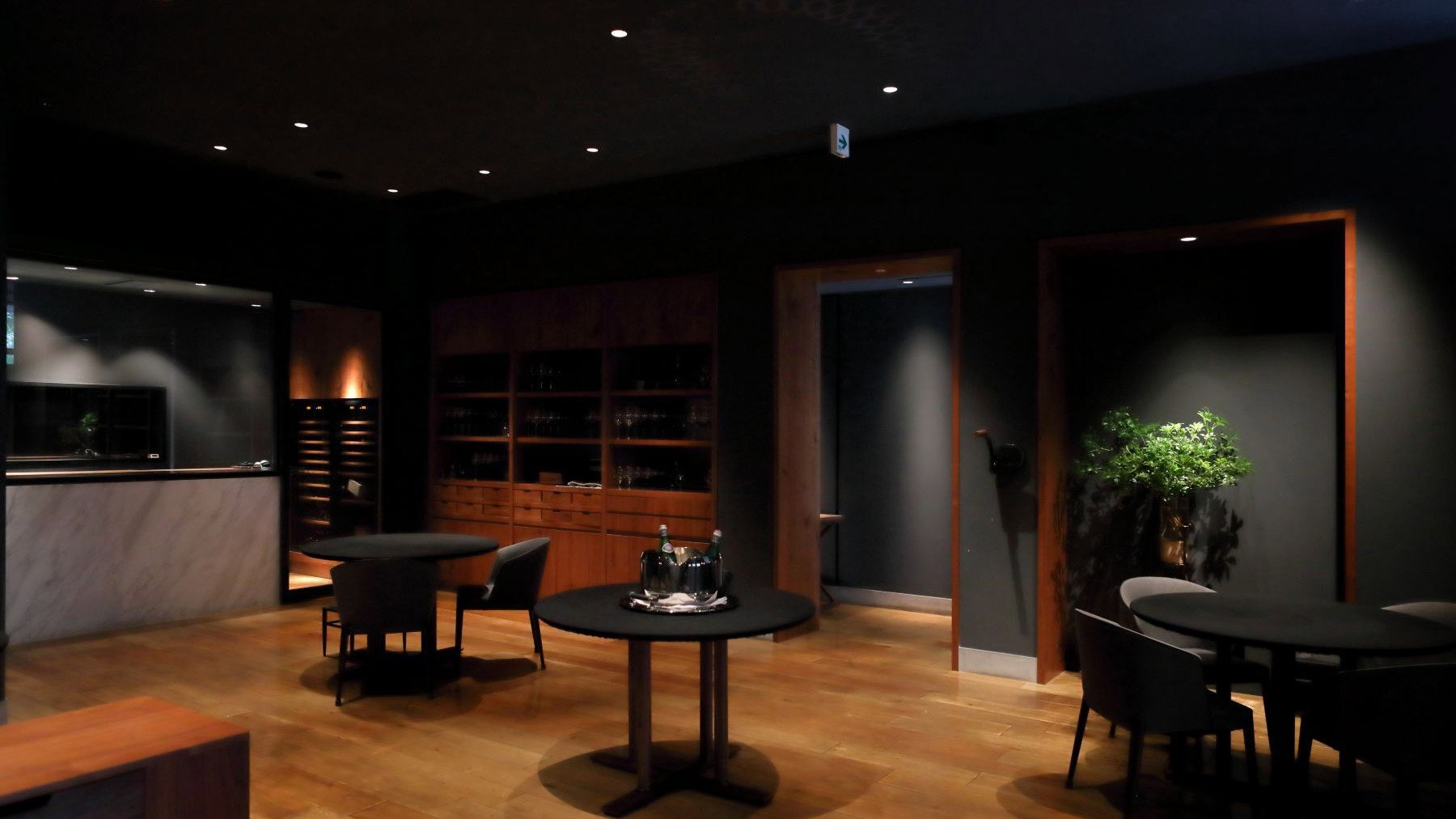
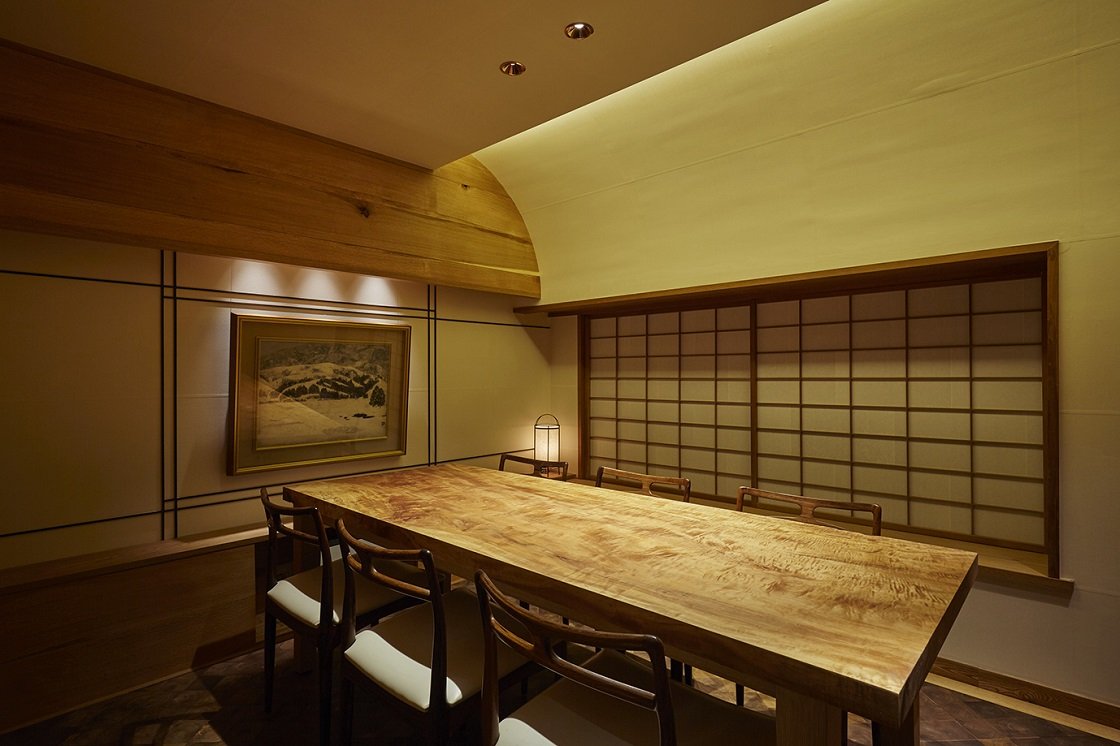
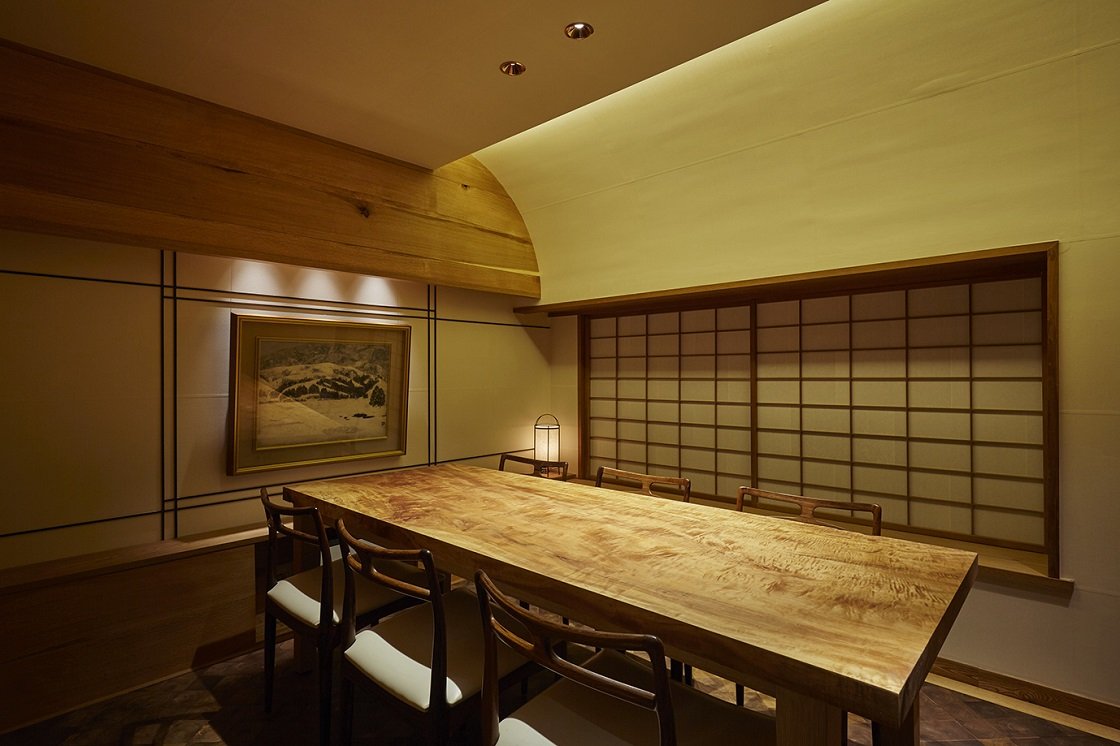
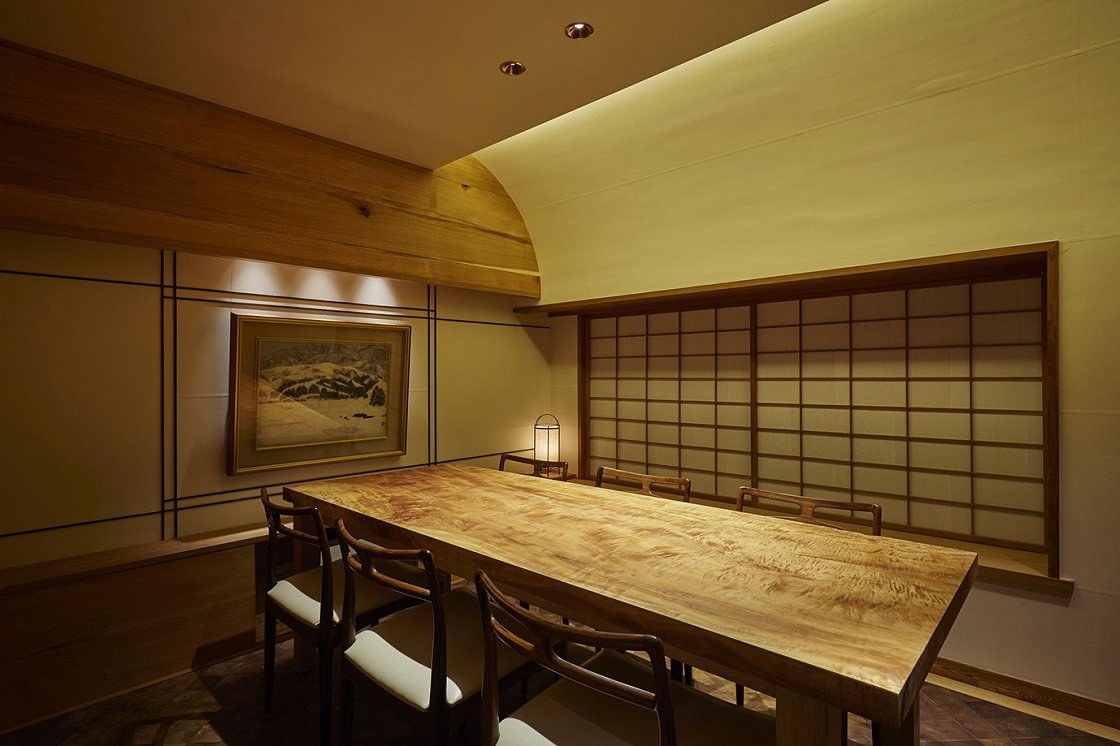
La Bécasse operates out of Hiranomachi, in Chuo Ward, central Osaka, close to the financial district and easily reachable from Yodoyabashi or Hommachi stations. The format is intimate, which shapes the experience significantly. This is not a restaurant where you come for spectacle or a large table of colleagues. It suits two people marking an occasion, or a solo diner who wants counter-side engagement with what the kitchen is doing. The small scale also means the chef and team can execute the seasonal rotation without compromise, a larger room would force more predictability.
For Osaka's broader French dining scene, compare this against Différence, LE PONT DE CIEL, and Point depending on your budget and occasion. If you are travelling across Japan and want a comparable approach to French-Japanese intersection, L'Effervescence in Tokyo and akordu in Nara operate on similar principles.
Ratings and Trust Signals
- Michelin: 1 Star (2024)
- Les Grandes Tables du Monde: Member (2025)
- Price tier: ¥¥¥, one tier below La Cime and HAJIME
Booking and Practical Details
Booking difficulty: Hard. A Michelin-starred intimate room with a daily-changing seasonal menu draws regulars and destination diners. Book as far in advance as possible, at minimum three to four weeks out for a weekend table, and two weeks for a weekday. Reservations: Essential; walk-ins are not a realistic option given the seat count and format. Budget: ¥¥¥, expect a serious meal at a price point below the top-tier French restaurants in Osaka. Dress: Smart casual at minimum; this is a Michelin-starred room with Les Grandes Tables du Monde standing, and the intimate setting means you will feel underdressed in streetwear. Location: 3 Chome-3-9 Hiranomachi, Chuo Ward, Osaka, central, accessible from Hommachi or Yodoyabashi stations. Groups: The intimate format makes this a poor fit for large groups; pairs and small parties of three or four are better matched to the room.
For more options across the city, see our full Osaka restaurants guide, our full Osaka hotels guide, our full Osaka bars guide, our full Osaka wineries guide, and our full Osaka experiences guide. If you are building a broader Japan itinerary around serious French and contemporary cooking, Harutaka in Tokyo, Gion Sasaki in Kyoto, Goh in Fukuoka, 1000 in Yokohama, 6 in Okinawa, and nent in Osaka each represent strong adjacent choices depending on your style and schedule.
Planning details
- Location
- 3 Chome-3-9 Hiranomachi, Chuo Ward, Osaka, 541-0046, Japan
- Reservations
- Book on the venue's website
- Website
- labecasse1990.com
- Phone
- +81 6-4707-0070
The take
The Take
The Vibe
La Bécasse reads like a quietly assured classical French counter tucked into the financial heart of Osaka. It earns its restraint from pedigree — a 2024 Michelin star and imminent membership of Les Grandes Tables du Monde — and from a kitchen that pairs disciplined French technique with Japanese terroir. The setting in Hiranomachi, surrounded by banking offices and old merchant buildings, makes the restaurant feel discreet and purpose-built for a local, professional clientele rather than for passing tourist trade. The counter format concentrates attention on craft and seasonal ingredients, delivering a refined, measured dining experience.
Best For
This is an ideal destination for diners seeking a focused, restaurant-led French experience — particularly evenings and business dinners where formality and technical precision matter. The clientele and neighbourhood context suggest it caters to locals and professionals who value classical technique, seasonal sourcing and a quiet atmosphere. Awards and institutional affiliations position La Bécasse for special-occasion dining as well, but its identity is firmly rooted in serving a discerning regular audience rather than casual walk-ins from the tourist stream.
Ordering Tips
The kitchen sources from daily market visits and builds dishes around what is seasonally available, so expect a menu that shifts with ingredients rather than fixed repertoire. Ask the staff about the day's highlights and what local producers feature on the menu; the counter format makes it easy to engage with the team about technique and provenance. Because the cuisine emphasizes terroir expressed through French technique, lean into whatever the kitchen recommends to experience the restaurant’s current seasonal focus.
Venue details
Ambiance
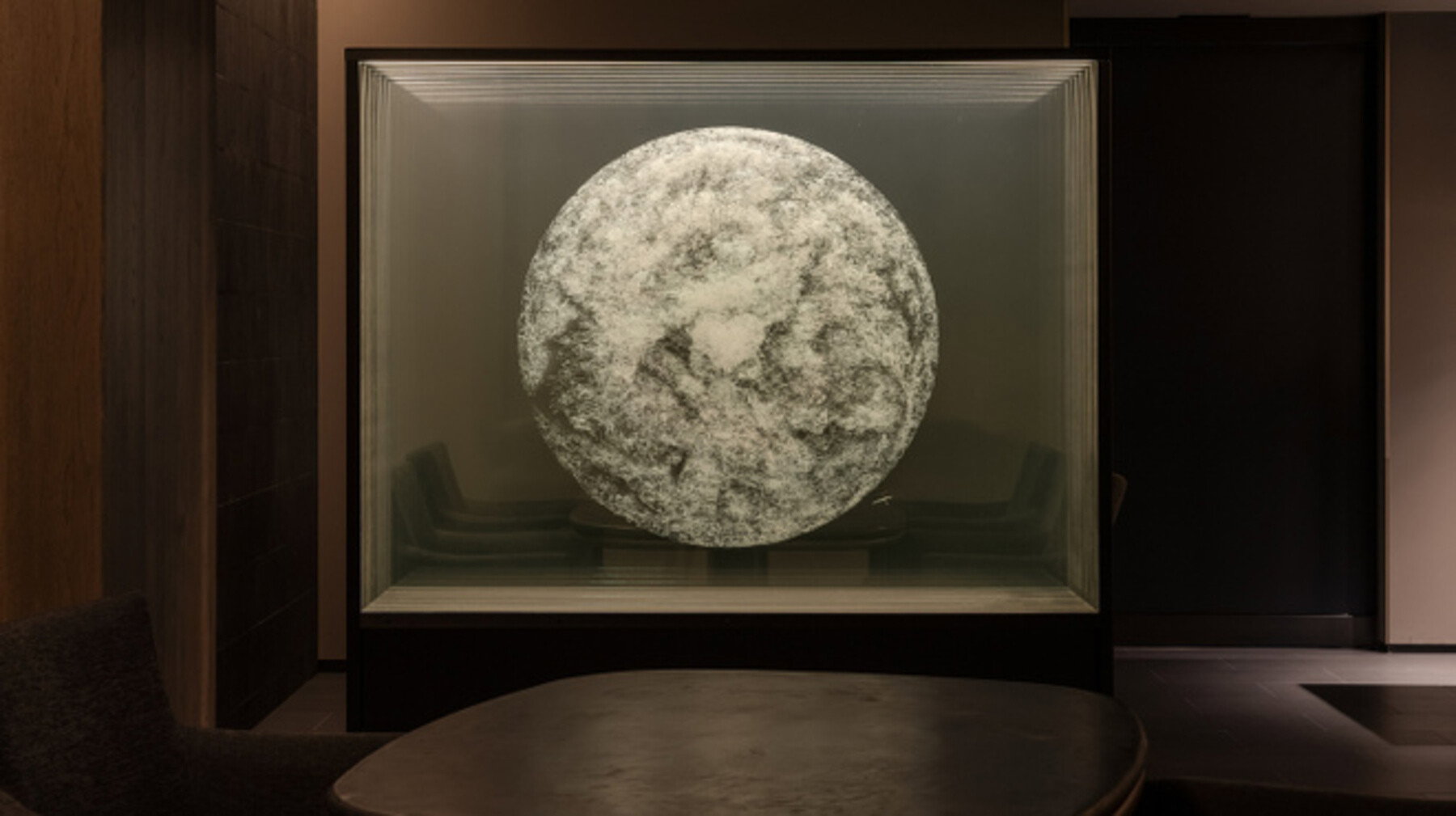
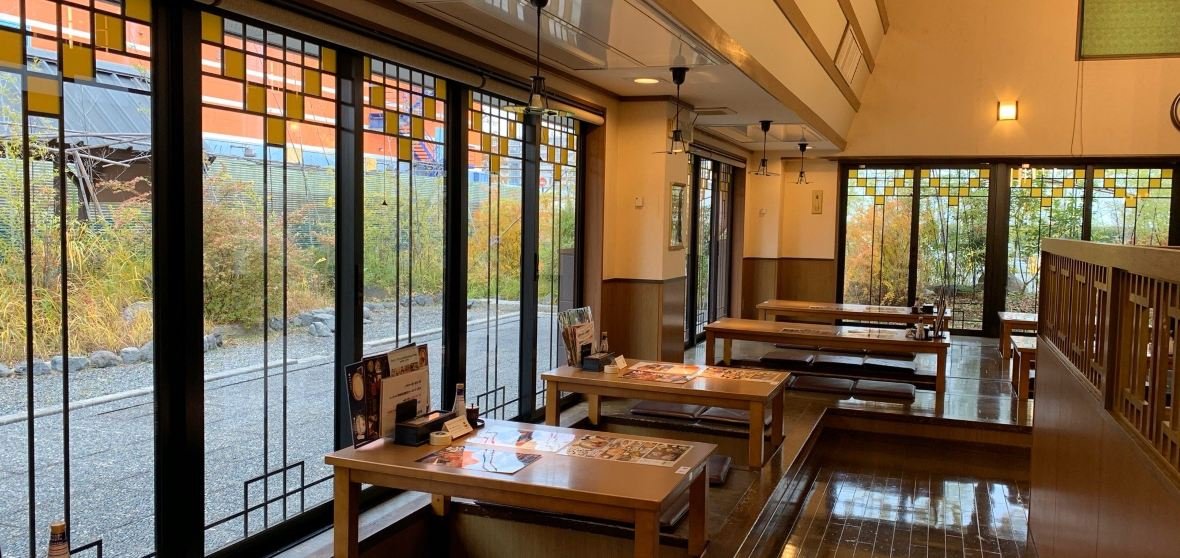
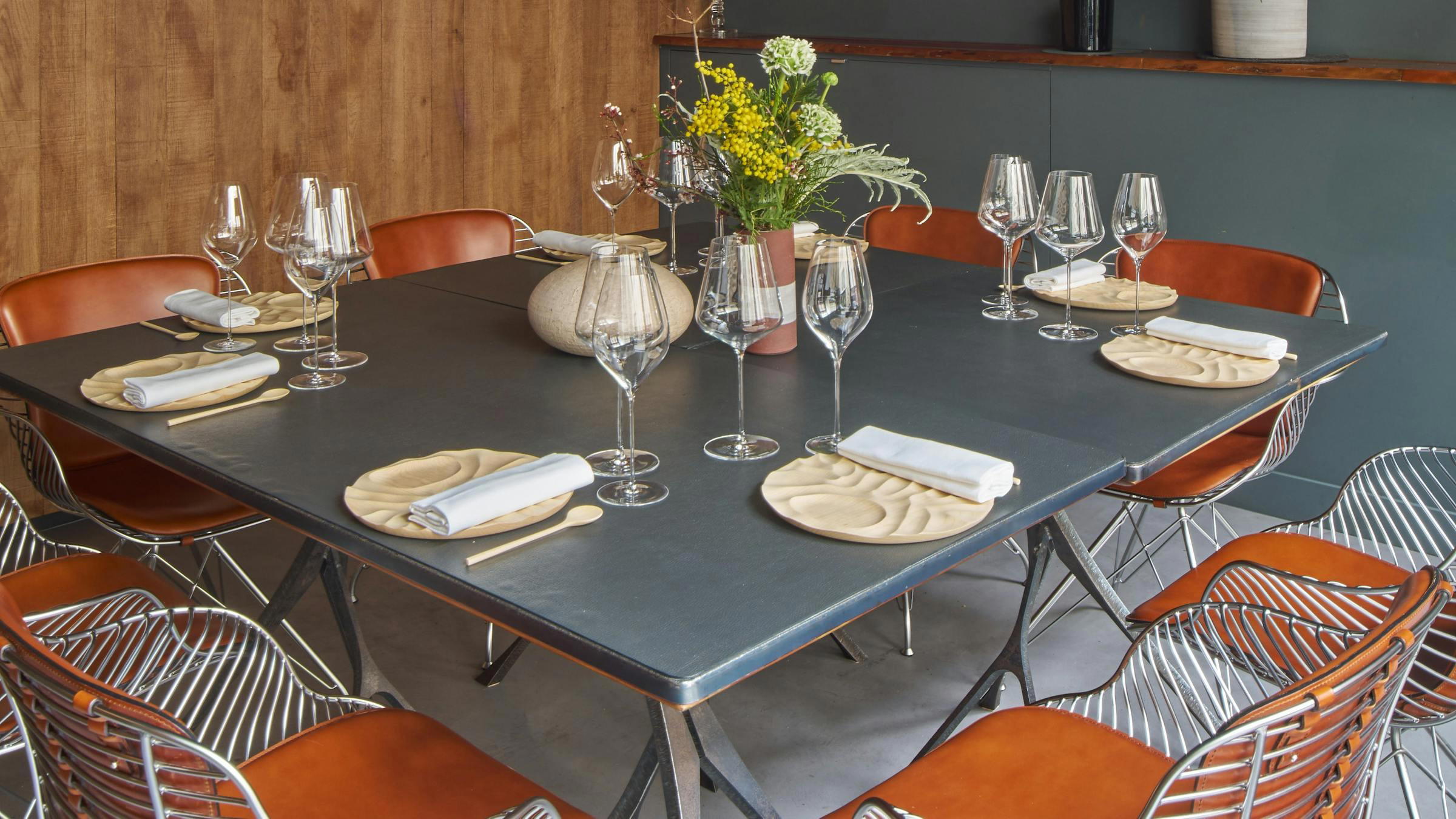
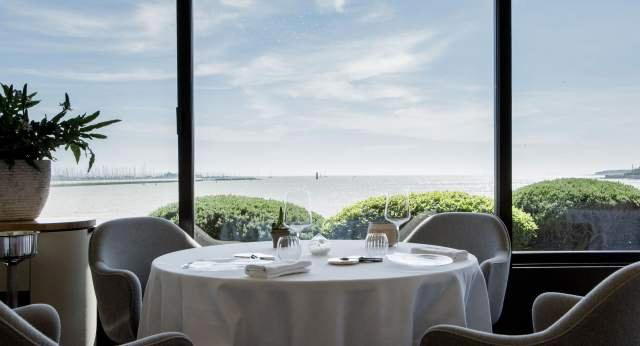
Elegant white space with relaxing, spacious seating and perfect hospitality, creating an intimate and sophisticated atmosphere.
Tags
Vibe
Best For
Experience
Sourcing
Accessibility
At the Table
- Dress Code
- Smart Casual
- Noise Level
- Quiet
- Service Style
- Formal
- Meal Pacing
- Leisurely
- Capacity
- Intimate
- Kitchen
- Modern
- Menu Format
- Omakase, Tasting menu, Counter dining
- Wine Program
- Exceptional
- Drinks Focus
- Wine
Know before you go
Know Before You Go
- Getting there
- 3 Chome-3-9 Hiranomachi, Chuo Ward, Osaka, 541-0046, Japan
Planning details
Location
3 Chome-3-9 Hiranomachi, Chuo Ward, Osaka, 541-0046, Japan · Directions


Also consider
Also Consider
- HAJIME, French, Innovative, ¥¥¥¥
- La Cime, French, ¥¥¥¥
- Kashiwaya Osaka Senriyama, Japanese, ¥¥¥
- Taian, Kaiseki, Japanese, ¥¥¥
- Fujiya 1935, Innovative, ¥¥¥¥
Restaurant context
La Bécasse sits at ¥¥¥, which immediately separates it from the top tier of Osaka's French dining scene. La Cime and HAJIME both operate at ¥¥¥¥ and offer more elaborate, technically ambitious tasting experiences, HAJIME in particular is one of the most technically demanding kitchens in Japan. If your priority is maximum technical complexity and you are prepared to spend accordingly, those are the right choices. But if you want a Michelin-recognised French meal with genuine seasonal credibility at a lower spend, La Bécasse delivers more value per yen than either.
Against Osaka's Japanese options at the same ¥¥¥ tier, Taian for kaiseki and Kashiwaya Osaka Senriyama for traditional Japanese, La Bécasse is the right pick if French cooking is your preference or if you want to experience how a French-trained chef interprets Japanese terroir. Taian and Kashiwaya are stronger choices if you want to stay within the Japanese culinary tradition. Neither is a substitute for the other; the choice comes down to what kind of meal you are after, not which is objectively better. For the most ambitious spend in Osaka's French scene, Fujiya 1935 at ¥¥¥¥ offers a highly inventive tasting format, further from classical French roots than La Bécasse, closer to avant-garde.
For the reader deciding between these five: book La Bécasse if you want seasonal French cooking with Michelin credentials and the most favourable price-to-quality ratio in its category. Book HAJIME or La Cime if budget is not the constraint and you want the highest level of technical execution available in Osaka. Book Taian or Kashiwaya if the occasion calls for a Japanese dining format rather than a French one. La Bécasse is also the easiest of the Michelin-starred French options to secure a reservation at, though 'easy' is relative, three to four weeks out is still the sensible lead time.
Explore Osaka
Around this place
Discover more on Pearl
Unlock the full La Bécasse guide in Pearl, including awards, comparisons, FAQs, planning details, and nearby places.
Compare La Bécasse
| Venue | Price | Awards |
|---|---|---|
| La Bécasse | ¥¥¥ | Michelin Guide Kyoto Osaka 20262026 Michelin 1 Star2026 Les Grandes Tables du Monde MembersTabelog 100 - French - WEST - 2025 · #982025 Relais Chateaux Award2024 Michelin 1 Star |
| HAJIME | ¥¥¥¥ | Star Wine Lists 2026 · #12026 Tabelog Bronze · #922026 OAD Top Restaurants in Japan Ranked · #98Michelin Guide Kyoto Osaka 20262026 La Liste Top RestaurantsTabelog 100 - Innovative / Creative cuisine - 2025 · #692025 Asia's 50 Best Restaurants · #832025 OAD Top Restaurants in Japan Ranked · #87We're Smart World Top Restaurants 2025 |
| La Cime | ¥¥¥¥ | 2026 Asia's 50 Best Restaurants · #132026 OAD Top Restaurants in Japan Ranked · #1492026 Tabelog Bronze · #231Michelin Guide Kyoto Osaka 20262026 La Liste Top Restaurants2025 Asia's 50 Best Restaurants · #82025 World's 50 Best Restaurants · #44Tabelog 100 - French - WEST - 2025 · #932025 OAD Top Restaurants in Japan Ranked · #123 |
| Kashiwaya Osaka Senriyama | ¥¥¥ | 2026 Tabelog Bronze · #1682026 OAD Top Restaurants in Japan Recommended2026 Relais Chateaux RestaurantsMichelin Guide Kyoto Osaka 20262026 La Liste Top RestaurantsTabelog 100 - Japanese cuisine - WEST - 2025 · #772025 OAD Top Restaurants in Japan Ranked · #1552025 Relais Chateaux Award2025 Michelin 3 Stars |
| Taian | ¥¥¥ | 2026 OAD Top Restaurants in Japan RecommendedMichelin Guide Kyoto Osaka 20262026 La Liste Top Restaurants2025 OAD Top Restaurants in Japan Ranked · #2042025 La Liste Top Restaurants2025 Michelin 3 Stars2024 OAD Top Restaurants in Japan Ranked · #1912024 Michelin 3 Stars2023 OAD Top Restaurants in Japan Highly Recommended |
| Fujiya 1935 | ¥¥¥¥ | 2026 Tabelog Bronze · #752026 OAD Top Restaurants in Japan RecommendedMichelin Guide Kyoto Osaka 20262026 La Liste Top Restaurants2025 Michelin 2 Stars2025 Tabelog Silver2025 La Liste Top Restaurants2024 OAD Top Restaurants in Japan Ranked · #2392024 Michelin 2 Stars |








Comparing your options in Osaka for this tier.
FAQ
Frequently Asked Questions
How far ahead should I book La Bécasse?
Book at least four to six weeks out, and further in advance for weekend evenings or peak seasons. A Michelin-starred intimate room in central Osaka with a daily-changing menu draws both locals and destination diners, which means availability tightens fast. Last-minute bookings are a gamble.
Is La Bécasse good for a special occasion?
Yes, this is one of the stronger cases for booking La Bécasse. The intimate setting, Michelin star, and a menu built around what the chef found at market that morning make it feel considered rather than transactional. For a birthday or anniversary dinner where the experience should feel personal and seasonal, it fits the brief well.
Is the tasting menu worth it at La Bécasse?
That means the value proposition is real if you're interested in French technique applied to Japanese terroir. If you want a stable, repeatable menu you can research in advance, this may not be the right format for you.
Is La Bécasse worth the price?
At ¥¥¥ with a Michelin star and a Les Grandes Tables du Monde award (2025), La Bécasse sits at a price point where the credentials justify the spend for a special occasion. Against Fujiya 1935 or La Cime, both of which carry stronger Michelin recognition, La Bécasse competes on its distinctly personal, market-driven approach rather than on prestige alone. If daily-changing seasonal French cooking is the draw, the price holds up.
Is La Bécasse good for solo dining?
An intimate setting with a chef-driven tasting format generally works well for solo diners who want to focus on the food rather than the social dynamic. There is no documented counter seating in the venue data, so confirm the solo arrangement when booking. Solo dining here is a reasonable choice if you're a focused eater rather than someone who needs a group energy to enjoy the meal.
What are alternatives to La Bécasse in Osaka?
La Cime is the closest stylistic comparison — also French-influenced with strong seasonal instincts and higher Michelin recognition. HAJIME is the right call if you want a more architectural, concept-driven experience with two Michelin stars. Kashiwaya Osaka Senriyama and Taian both shift into kaiseki territory if Japanese-rooted cooking is preferred over French. Fujiya 1935 offers a modernist Japanese approach with serious credentials for diners who want technique as the main event.