
Restaurant in Kyoto, Japan
Niomon MUI
290Pearl PointsFlexible kappo counter. Order what you want.

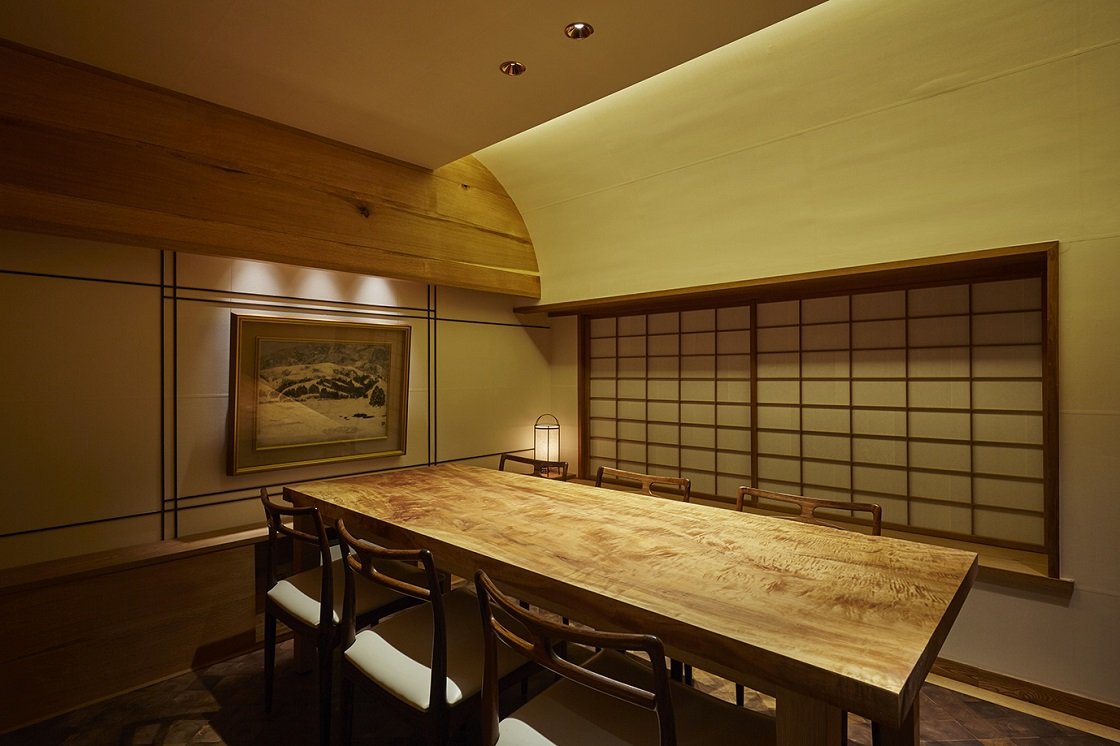
About Niomon MUI
Niomon MUI is a counter kappo in Kyoto's Sakyo Ward where the menu adapts to what you want, not the other way around. Michelin Plate recognised in 2024 and priced at ¥¥¥, it is one of the more accessible serious dining options in the city. Book if you want flexibility and counter interaction; look elsewhere if a fixed kaiseki progression is what you are after.
Should You Book Niomon MUI?
If you are deciding between a rigidly structured kaiseki dinner and something more flexible, Niomon MUI makes a strong case for itself. Where Kyokaiseki Kichisen and Isshisoden Nakamura ask you to surrender entirely to a fixed progression, Niomon MUI operates as a counter kappo where you actively participate in shaping your meal. That distinction matters. If you want to eat what you want, in roughly the order you want it, with a kitchen that will pivot to sushi mid-course if the mood strikes, this is one of the few places in Kyoto that can genuinely deliver on that promise. The Michelin Plate recognition in 2024 confirms it sits within the city's recognised tier of quality, but the price point stays at ¥¥¥, making it accessible by Kyoto fine-dining standards.
The Experience
Niomon MUI is a counter kappo, and the counter format here is not incidental to the experience — it is the experience. You sit close enough to watch preparation unfold in real time, close enough that the ambient energy of the kitchen becomes part of the meal's rhythm. The atmosphere at the counter runs calm and attentive rather than theatrical. This is not the kind of room where pyrotechnics or dramatic plating draw your eye; the sound is low conversation, the quiet efficiency of chefs working through a menu that shifts every day, and the occasional exchange between guest and chef about what to try next. For a food enthusiast who finds heavily choreographed tasting menus constraining, that interactivity is the point.
The menu at any given visit is dense with options, spanning grilled, simmered, and deep-fried preparations, each shaped by whatever ingredients arrived that morning. The kitchen's philosophy, captured in the shop's name — 'mui', meaning no contrivances, everything natural, runs through the cooking without being worn as a badge. Preparations lean simple rather than elaborate, which puts full weight on ingredient quality. The meal begins with an assortment of appetisers while you work through the menu, and closes with a choice among donburi, chazuke, or somen noodles in soy-sauce broth. That arc from composed opener to comforting closer is satisfying in a way that avoids the occasional exhaustion of a very long kaiseki progression. Compared to the multi-hour ceremony of Gion Matayoshi or Kikunoi Roan, a meal here moves at a pace the guest can influence.
On the drinks side, kappo dining in Kyoto pairs naturally with sake, and the counter setting at Niomon MUI is well suited to asking the chef what is drinking well alongside that evening's ingredients. This is not a cocktail bar with a programmed drinks menu; the drinks conversation at a kappo counter tends to be responsive and ingredient-led in the same way the food is. Travellers who arrive with a specific sake curiosity, regional producers, seasonal expressions, will find the informal back-and-forth at the counter a better setting for exploring it than a formal kaiseki room where the pairing is predetermined. For a broader sense of where to drink in the city alongside dining options, see our full Kyoto bars guide.
Venues at this price point in Sakyo Ward are not chasing volume. This is a neighbourhood counter with a clear identity, and the audience finding it tends to be intentional about it.
For context on comparable counter experiences elsewhere in Japan: Harutaka in Tokyo and Azabu Kadowaki offer a sense of how the counter format scales at higher price tiers in the capital. In Kyoto itself, Kodaiji Jugyuan provides a point of reference for how the city's dining scene handles different format and price combinations. Further afield, HAJIME in Osaka and akordu in Nara represent the regional range of serious Japanese dining at varying levels of formality.
The address in Sakyo Ward places Niomon MUI slightly outside Kyoto's most-trafficked dining corridors. That location suits the venue. It is not a restaurant designed to catch foot traffic or capitalise on tourist density; it is a counter you come to because you have decided to come. Travellers planning a broader Kyoto visit can use our full Kyoto restaurants guide to map it within a multi-day itinerary, alongside our full Kyoto hotels guide for where to base yourself in the city.
The bottom line: book Niomon MUI if you want a Michelin-recognised kappo counter at ¥¥¥ that gives you meaningful input over what you eat. Pass on it if a fully curated kaiseki progression with no decisions required is what you are after, in which case Kyokaiseki Kichisen or Gion Matayoshi are better fits. For food-focused travellers who value flexibility and counter interaction over ceremony, Niomon MUI earns its place on the Kyoto shortlist.
Quick reference: Counter kappo, Sakyo Ward, Kyoto. ¥¥¥. Booking difficulty: Easy.
Frequently Asked Questions
Is Niomon MUI good for solo dining?
- Yes, the counter format is arguably at its finest for solo diners. Sitting at the counter at a kappo restaurant in Kyoto gives you direct access to the chef, makes it easy to ask questions about that day's ingredients, and lets you pace the meal to your own rhythm. Solo dining here will feel more engaging than at a kaiseki restaurant where the progression is fixed regardless of party size. If solo dining in Kyoto is a priority, the counter seat at Niomon MUI at ¥¥¥ is a good match for the format.
How far ahead should I book Niomon MUI?
- Booking difficulty is rated Easy, which is notable for a Michelin Plate venue in Kyoto. A week's notice should be sufficient for most dates, though if you have a fixed travel itinerary, booking two to three weeks out removes any uncertainty. Compare this to higher-demand ¥¥¥¥ venues in the city, where lead times of several months are common. Niomon MUI's accessibility is part of what makes it a practical choice for travellers building a Kyoto dining plan without months of advance preparation.
Does Niomon MUI handle dietary restrictions?
- The counter kappo format is well suited to dietary accommodation. The kitchen adapts dishes to guest preferences as a matter of course, and the menu's daily-changing, ingredient-led structure means the chef can steer toward preparations that work for you. The flexibility that allows for mid-meal sushi requests also extends to working around restrictions. Communicating your needs at the time of booking, or clearly at the start of the meal, is the practical approach. Specific allergen policies are not confirmed in available data, so direct communication with the venue is advisable for serious allergies.
What should I order at Niomon MUI?
- The honest answer is: follow the chef's lead while using the menu's flexibility to your advantage. The opening appetiser assortment sets the tone; from there, ask what the kitchen is enjoying that day rather than anchoring to a fixed list. Ingredients change daily, so any specific dish recommendation from a previous visit may not apply. The closing choices, donburi, chazuke, or somen in soy-sauce broth, are worth treating as a genuine decision rather than an afterthought. The chazuke is a considered way to close a meal at a Japanese counter; the donburi suits those who want something more substantial at the finish.
Explore More in Japan
Planning beyond Kyoto? Myojaku in Tokyo, Goh in Fukuoka, 1000 in Yokohama, and 6 in Okinawa offer reference points across the country for Japanese dining at a similar level of seriousness. For everything else in Kyoto, start with our full Kyoto experiences guide and our full Kyoto wineries guide.
Frequently Asked Questions
Is Niomon MUI good for solo dining?
Yes — the counter format is built for solo diners. You sit directly in front of the chefs, watch dishes come together, and interact with the kitchen as you order. At ¥¥¥ pricing, it is a meaningful solo splurge, but the flexibility to order exactly what you want (including sushi on request) makes it less daunting than a fixed kaiseki progression you cannot adjust.
How far ahead should I book Niomon MUI?
Book at least three to four weeks out, particularly for weekend sittings. Niomon MUI is a Michelin Plate-recognised counter in Sakyo Ward, and Kyoto's better kappo seats fill ahead of peak travel periods. No phone or booking URL is listed in public records, so check reservation platforms like Tableall or Pocket Concierge, or ask your hotel concierge to call directly.
Does Niomon MUI handle dietary restrictions?
Better than most at this level. The format is explicitly built around chef adaptability: the kitchen will adjust each dish to guest preferences, and the menu is broad enough that most requirements can be accommodated without gutting your meal. Communicate restrictions clearly at the time of booking — not on arrival — so the chef can plan accordingly.
What should I order at Niomon MUI?
There is no single answer, and that is the point. The menu is deliberately broad, covering grilled, simmered, and deep-fried preparations with daily-changing ingredients. The most practical approach: start with the appetiser assortment, then ask the chef what is freshest that day and build from there. The meal typically closes with donburi, chazuke, or somen noodles in soy-sauce broth — pick based on appetite.
Location
41-1 Shinmarutacho, Sakyo Ward, Kyoto, 606-8386, Japan
Kyoto, Japan
Compare Niomon MUI
| Venue | Cuisine | Price | Awards | Booking Difficulty |
|---|---|---|---|---|
| Niomon MUI | Japanese | ¥¥¥ | Easy | |
| Gion Sasaki | Kaiseki, Japanese | ¥¥¥¥ | Michelin 3 Star | Unknown |
| cenci | Italian | ¥¥¥ | Michelin 1 Star, World's 50 Best | Unknown |
| Ifuki | Kaiseki | ¥¥¥¥ | Michelin 2 Star | Unknown |
| Kyokaiseki Kichisen | Japanese | ¥¥¥¥ | Michelin 2 Star | Unknown |
| SEN | French, Japanese | ¥¥¥¥ | Michelin 1 Star | Unknown |
Comparing your options in Kyoto for this tier.
Also Consider
- Gion Sasaki, Kaiseki, Japanese, ¥¥¥¥
- cenci, Italian, ¥¥¥
- Ifuki, Kaiseki, ¥¥¥¥
- Kyokaiseki Kichisen, Japanese, ¥¥¥¥
- SEN, French, Japanese, ¥¥¥¥
Niomon MUI sits in a different category from most of Kyoto's recognised dining options. Gion Sasaki and Kyokaiseki Kichisen are both ¥¥¥¥ kaiseki venues where the chef controls the entire progression. If you want that level of ceremony and are prepared to pay for it, either will deliver a more structured experience than Niomon MUI. But if the fixed kaiseki format feels constraining, Niomon MUI's counter kappo model at ¥¥¥ is a better decision, you get Michelin-recognised quality with meaningful input over what you eat.
Ifuki is another ¥¥¥¥ kaiseki option worth considering for those who want a more traditional seasonal progression in Kyoto. SEN takes a French-Japanese approach at ¥¥¥¥, which suits diners specifically seeking that fusion register. Neither competes directly with Niomon MUI on format or price. cenci, the Italian option at ¥¥¥, matches on price tier but is a different cuisine entirely, relevant only if Japanese cooking is not the priority.
For value and booking ease, Niomon MUI has a clear advantage in this peer group. The ¥¥¥¥ venues require more advance planning and a higher spend. If your Kyoto dining budget can only stretch to one ¥¥¥¥ meal, direct it toward Gion Sasaki or Kyokaiseki Kichisen for the full kaiseki ceremony. Use Niomon MUI as the counter-format, guest-led alternative that fills a different slot in a multi-day Kyoto itinerary without the booking difficulty or price pressure of the top tier.
Recognized By

Explore Kyoto
Save or rate Niomon MUI on Pearl
Keep this venue in your Pearl passport, rate it after you visit, and track it alongside every other place you collect.