
.png?width=1200&quality=80)

Uzuki
Japanese · Greenpoint, New York City
Restaurant in New York City, United States
 Book with Pearl
The Read
Hand-Cut Soba Craft
Price
$$$$
Dress
Smart Casual
Why go
A buckwheat-focused soba specialist in a Greenpoint warehouse, Uzuki holds a Michelin Plate and Pearl Recommended status for 2025. Chef Shuichi Kotani hand-cuts the noodles and throws the ceramics they arrive in — a fully integrated craft operation. At $$$$ pricing the spend is steep, but for serious soba in New York City, nothing else operates at this level of focus.
About Uzuki
The Verdict
Uzuki earns its Michelin Plate and Pearl Recommended status on the strength of a genuinely specific offer: handmade soba in a Greenpoint warehouse, served in ceramics the chef threw himself. At $$$$ pricing, this is a commitment — but if buckwheat noodles made with craft and intention are what you are after in New York City, few rooms deliver this level of focus. Book it, but go in knowing the price point is steep and the experience rewards curiosity over speed.
Portrait
There is a particular kind of restaurant that only works because one person decided to go very deep on a single thing. Uzuki is that restaurant. Chef Shuichi Kotani, originally from Japan's Hyōgo Prefecture, has built his operation around buckwheat: the sourcing, the milling, the hand-cutting, the teaching, and even the vessels the food arrives in. When a bowl of cold soba lands at your table, the ceramic it sits in was made in the same building. That coherence is unusual at any price point.
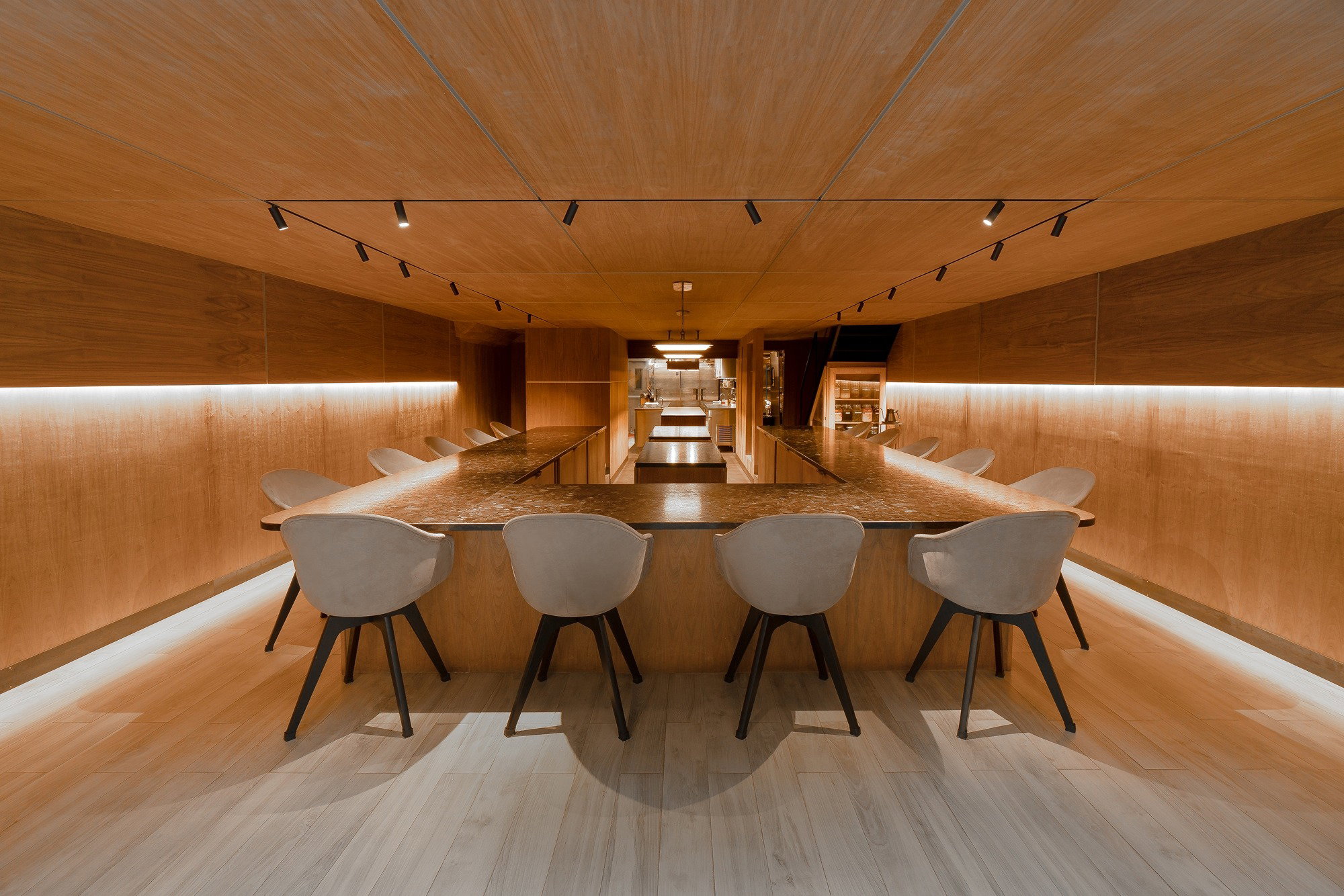
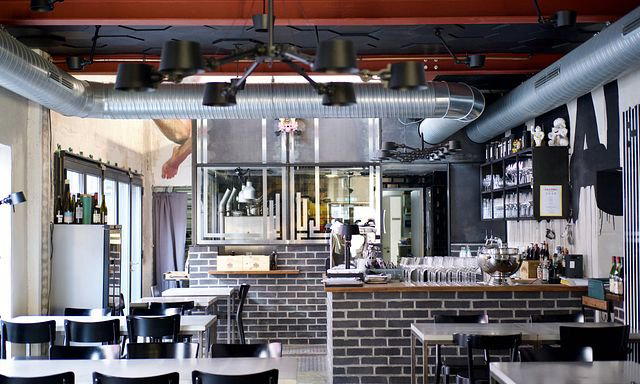
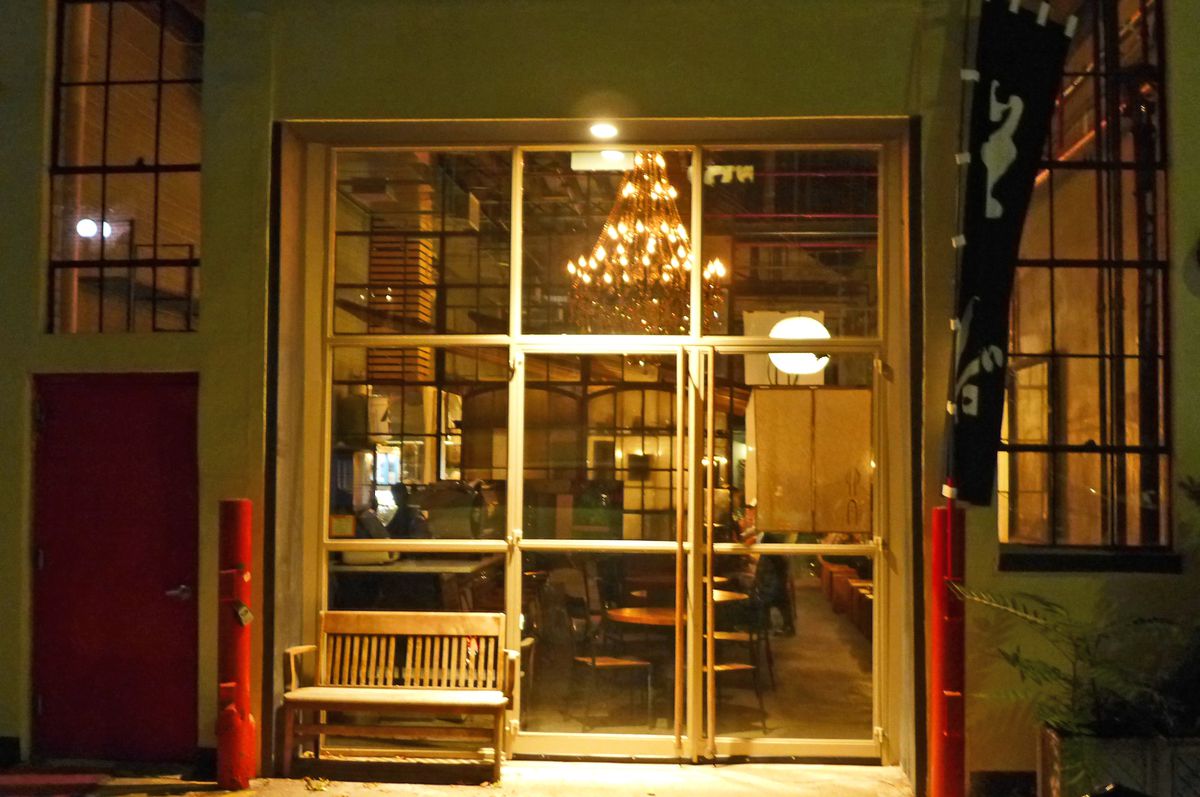
The space itself sets expectations clearly. This is an industrial corner of Greenpoint — factory windows, skylights, a warehouse footprint. It is not a hushed dining room dressed to signal luxury. If you are coming for ambient atmosphere and polished service choreography, consider odo or Noda instead. Uzuki's setting is functional, even austere, and it fits the ethos: the food and the craft are the point, not the room.
The menu is anchored in soba, with cold and hot preparations featuring hand-cut noodles built around dashi. The red tosaka salad, cucumber, tomatoes, and daikon in a yuzu dressing, leads the vegetable side of the menu, and the kitchen's gluten-free commitment runs throughout, making Uzuki a legitimate option for diners who typically struggle to find technically serious Japanese food that accommodates dietary restrictions. That is not a small thing in a city where gluten-free menus at this tier often feel like afterthoughts. For context on how other Japanese-leaning rooms in New York handle dietary specificity, Tsukimi and Chikarashi are worth comparing before you book.
On the question of whether Uzuki's food travels, whether takeout or off-premise dining is worth considering here, the honest answer is: probably not for the soba. Hand-cut noodles in dashi are among the most time-sensitive preparations in Japanese cooking. The texture and temperature that make cold soba worth eating at the $$$$ tier do not survive a delivery window. The ceramics, of course, do not travel at all. If you are weighing Uzuki against options like Blue Ribbon Sushi Izakaya for an off-premise occasion, Blue Ribbon's sushi format holds better in transit. Uzuki is specifically an in-room experience, the intersection of the handmade bowl, the hand-cut noodle, and the physical space is the product. Book a table or skip it; ordering in does not replicate what you are paying for.
The pottery and soba-making classes Kotani offers in the same warehouse space add a layer of context that is worth knowing about. They are not a footnote, they reveal the operating logic of Uzuki. This is not a restaurant that happens to have an interesting chef backstory. It is a craft practice that happens to serve dinner. For food-focused travelers who have eaten at soba specialists in Japan, or who have explored the work being done at places like Myojaku or Azabu Kadowaki in Tokyo, Uzuki will feel like a coherent continuation of that interest rather than a novelty. For diners new to soba as a serious culinary form, it is a strong entry point precisely because the format is legible and the kitchen does not over-complicate the presentation.
Booking is hard. Plan several weeks ahead. There is no published booking method in the record, so check the restaurant directly for current reservation availability. Hours are not listed here, confirm before you go.
For the explorer-type diner who wants to understand what a single Japanese ingredient can do across an entire kitchen operation, Uzuki justifies the trip to Greenpoint and the $$$$ spend. For the diner primarily after a grand night out in a dressed room, the price-to-atmosphere ratio will feel off. That distinction is the decision. See our full New York City restaurants guide for how Uzuki sits within the broader dining picture, and our guides to New York City hotels, bars, wineries, and experiences for planning the full visit.
Ratings at a Glance
- Pearl: Recommended (2025)
- Michelin: Plate (2024)
- Price: $$$$
Booking & Practical Details
Address: 95 Guernsey St, Brooklyn, NY 11222. Booking difficulty is rated Hard, reserve well in advance. Hours and booking method are not confirmed in our current data; contact the restaurant directly. The kitchen offers a fully gluten-free menu, which is notable at this price tier. Soba and pottery classes are available in the same warehouse space for those who want more than a meal.
FAQ
Is Uzuki good for solo dining?
- Yes, with some caveats. The warehouse setting and craft-focused format suit solo diners who want to pay attention to what is in the bowl. It is not a counter-service sushi bar where solo feels natural by default, but the focused menu and unhurried format work well for one. At $$$$ per head solo, the spend is real, factor that in.
Is Uzuki good for a special occasion?
- Depends on the occasion. If the person you are celebrating appreciates craft, restraint, and something genuinely specific to New York's food scene, yes. If they want a grand, celebratory dining room with full-service theatre, the industrial warehouse setting will underwhelm. For a more conventional special-occasion format at the same price tier, Tsukimi or odo are better fits.
What should a first-timer know about Uzuki?
- The menu is built around buckwheat soba, hand-cut, served cold or hot, and arriving in ceramics made on-site. The kitchen is fully gluten-free. The space is industrial Greenpoint, not a polished Manhattan dining room. Pricing is steep, so arrive with an appetite and no time pressure. Do not come expecting a wide-ranging Japanese menu: the focus is narrow by design, and that focus is the point.
What should I wear to Uzuki?
- No dress code is on record, but the $$$$ price point and Michelin Plate status suggest smart casual at minimum. The warehouse setting means you do not need to dress up to match the room, but arriving in workout gear would feel out of step. Clean, put-together casual is the safe call.
Is the tasting menu worth it at Uzuki?
- Menu format details are not confirmed in our current data. What is confirmed is that the kitchen is soba-focused and the pricing is at the $$$$ tier, which implies a set or structured meal rather than à la carte grazing. If a tasting format is available, the Michelin Plate recognition and Pearl Recommended status for 2025 suggest the kitchen delivers at that level. Confirm the format when booking.
Is Uzuki worth the price?
- Yes, if soba as a craft form is interesting to you and you are booking a table in the room. No, if you are considering delivery or takeout, the hand-cut noodles and handmade ceramics are an in-person proposition and the value collapses off-premise. At $$$$, you are paying for the full integrated experience: the noodle, the bowl it came in, and the space where it was made. That combination is specific enough to justify the spend for the right diner.
What are alternatives to Uzuki in New York City?
- For Japanese at the same price tier with a different format, Noda and odo offer more conventional omakase structures. For a more accessible Japanese entry point, Chikarashi is worth a look. Beyond New York, diners interested in the same craft-and-place philosophy will find parallels at Single Thread Farm in Healdsburg and Lazy Bear in San Francisco. For pure soba comparison at the high end, the Tokyo specialists Myojaku and Azabu Kadowaki set the global benchmark.
Planning details
- Location
- 95 Guernsey St, Brooklyn, NY 11222
- Reservations
- Book on Resy
- Website
- uzuki-ny.com
- Phone
- (917) 563-3888
The take
The Take
The Vibe
Uzuki pairs the exacting craft of soba with an industrial Brooklyn setting. Housed in a converted warehouse with factory windows and skylights, the room feels more like a workshop than a temple of formality: meticulous technique sits alongside a sociable, hands-on atmosphere shaped in part by ceramics classes. The result is an understated, sophisticated dining experience—quiet and focused rather than flashy—where the beauty is in texture and technique rather than theatrical plating. Critical recognition (a Michelin Plate and Pearl recommendation) underscores the restaurant’s refined approach inside its unpretentious, industrial shell.
Best For
This is for diners who come to celebrate technique as much as taste. Uzuki suits date nights and special occasions that favor restraint and craft, and it also works well for small groups who appreciate a communal, workshop-like evening—especially when ceramics sessions are on the calendar. The kitchen’s focus on soba traditions means visitors who value noodle texture, provenance and the subtleties of buckwheat-forward preparations will get the most out of a visit. It’s a destination in Greenpoint for those chasing a quietly celebrated slice of Japanese cuisine.
Ordering Tips
Start with the signature studes: the duck shio soba and the ume shio soba, and leave room to finish with the soba ice cream. The menu foregrounds soba’s technical variables—the buckwheat-to-wheat ratio, water temperature and knife work—so consider sampling more than one preparation to compare textures and flavors. Look for dishes that highlight the noodle itself rather than heavy toppings. If you’re curious about the craft, treat the meal like a tasting of technique: smaller plates or different soba styles make for an informative progression.
Venue details
Ambiance
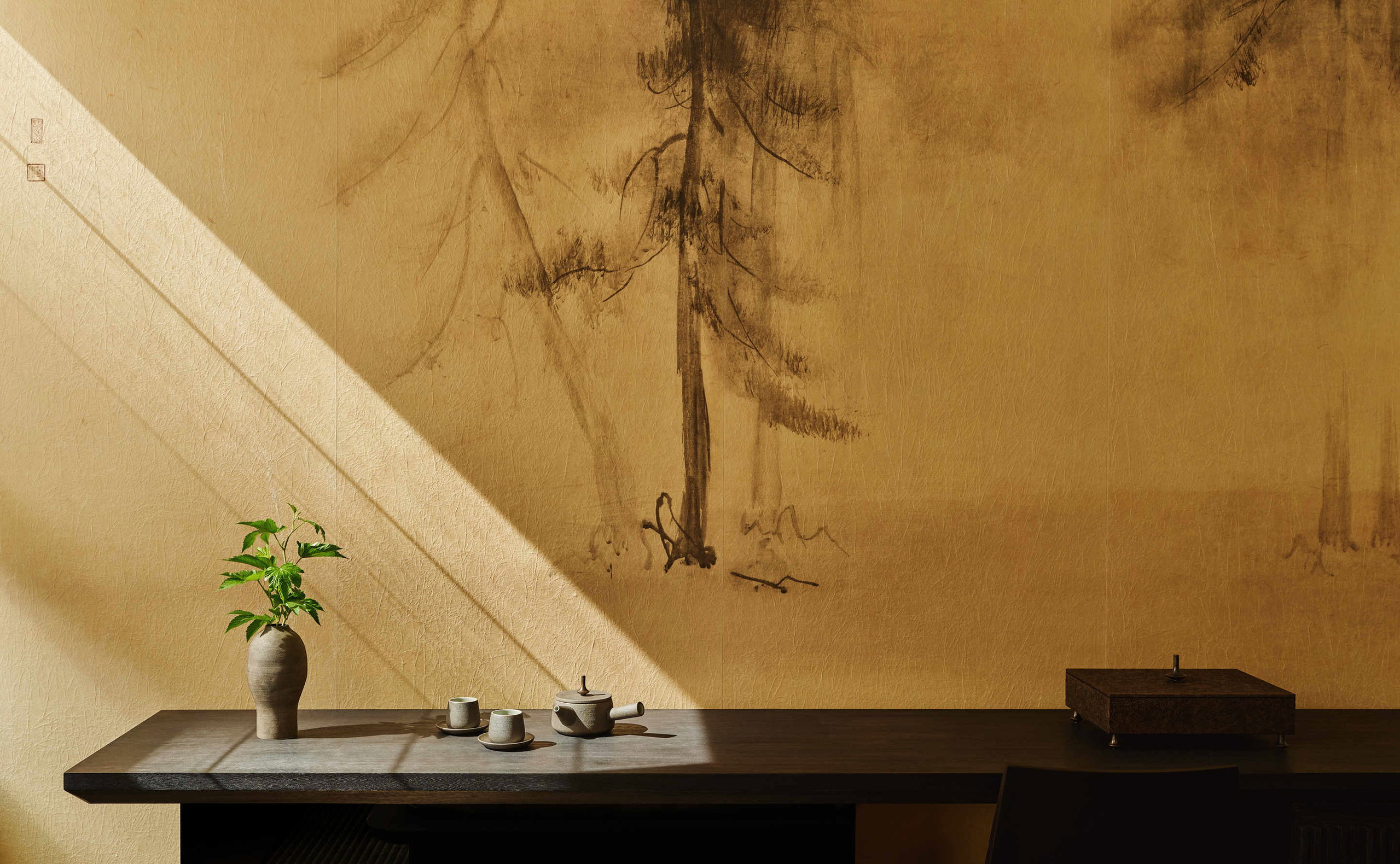
Cozy warehouse space with artsy found-item decor, handmade ceramics, big paper lantern lighting, and cool jazz playing in the background.
Tags
Vibe
Best For
At the Table
- Dress Code
- Smart Casual
- Noise Level
- Quiet
- Service Style
- Upscale Casual
- Meal Pacing
- Leisurely
- Capacity
- Small
Signature Dishes
- duck shio soba
- ume shio soba
- soba ice cream
Know before you go
Know Before You Go
- Getting there
- 95 Guernsey St, Brooklyn, NY 11222
Planning details
Location
Recognition and awards

Also consider
Also Consider
- Le Bernardin, French, Seafood, $$$$
- Atomix, Modern Korean, Korean, $$$$
- Eleven Madison Park, French, Vegan, $$$$
- Masa, Sushi, Japanese, $$$$
- Per Se, French, Contemporary, $$$$
Restaurant context
At the $$$$ tier in New York City, Uzuki competes for spend against rooms like Masa and Atomix, but the comparison only goes so far. Masa is the benchmark for Japanese dining at the extreme luxury end, counter omakase with full-service theatre and a price point that exceeds Uzuki's by a significant margin. If the goal is a maximalist Japanese experience with ceremony built in, Masa is the room. Uzuki is a different proposition: focused, spare, and craft-driven, without the white-glove service layer. For diners who find Masa's price and formality excessive, Uzuki's more grounded approach at $$$$ delivers genuine technical quality without the performance.
Atomix, Eleven Madison Park, Le Bernardin, and Per Se all operate at $$$$ with full tasting-menu formats, polished service, and dining rooms designed to signal occasion. If a grand evening is the brief, any of those four will deliver an experience Uzuki cannot match on room and service terms. But they also do not do what Uzuki does: a single-ingredient focus executed at the craft level, with the chef making both the food and the vessels it arrives in. These are genuinely different products at the same price tier.
The most practical comparison for booking decisions: if you want Japanese food in a setting where the craft is the point and the industrial setting does not bother you, Uzuki is the call. If you want the full occasion format, dressed room, structured service, wine pairing, Atomix at $$$$ delivers that at a very high level and is the stronger choice. For diners choosing between Uzuki and a conventional soba or ramen destination at a lower price point, the premium at Uzuki is justified by the handmade ceramics, the craft sourcing, and the Michelin recognition, but only if you eat in the room.
Explore New York City
Around this place
Discover more on Pearl
Unlock the full Uzuki guide in Pearl, including awards, comparisons, FAQs, planning details, and nearby places.
Compare Uzuki
| Venue | Cuisine | Price | Awards | Booking Difficulty |
|---|---|---|---|---|
| Uzuki | Japanese | $$$$ | 2026 OAD Casual in North America Recommended2025 Michelin Plate2024 Michelin PlatePearl Recommended Restaurants | Hard |
| Le Bernardin | French, Seafood | $$$$ | 2026 Eater NY 38 Best Restaurants in New York City · #82026 North America's 50 Best Restaurants · #132026 New York Times Best Restaurants in New York City · #212026 OAD Top Restaurants in North America Ranked · #342026 Forbes 5-Star2026 La Liste Top RestaurantsAAA Diamonds Top 10 Restaurants 20262026 Wine Spectator Grand Award2026 Les Grandes Tables du Monde Members | Unknown |
| Atomix | Modern Korean, Korean | $$$$ | 2026 OAD Top Restaurants in North America Ranked · #62026 New York Times Best Restaurants in New York City · #72026 North America's 50 Best Restaurants · #7Star Wine Lists 20262026 Les Grandes Tables du Monde Members2026 La Liste Top Restaurants2025 World's 50 North America's Best Restaurants · #12025 James Beard Awards · #12025 New York Times Best Restaurants in New York City · #2 | Unknown |
| Eleven Madison Park | French, Vegan | $$$$ | Star Wine Lists 2026 · #12026 OAD Top Restaurants in North America Ranked · #472026 Forbes 5-Star2026 Relais Chateaux RestaurantsAAA Diamonds Top 10 Restaurants 20262026 Wine Spectator Grand Award2026 Les Grandes Tables du Monde Members2026 La Liste Top Restaurants2025 Robb Report 100 Greatest American Restaurants of the 21st Century · #3 | Unknown |
| Masa | Sushi, Japanese | $$$$ | 2026 OAD Top Restaurants in North America Ranked · #922026 Forbes 5-Star2026 OAD Top Restaurants in North America Recommended2026 La Liste Top Restaurants2025 OAD Top Restaurants in North America Ranked · #672025 Robb Report 100 Greatest American Restaurants of the 21st Century · #862025 Michelin 2 Stars2025 La Liste Top Restaurants2025 Forbes 5-Star | Unknown |
| Per Se | French, Contemporary | $$$$ | 2026 OAD Top Restaurants in North America Ranked · #292026 Forbes 5-Star2026 Relais Chateaux Restaurants2026 Wine Spectator Grand AwardAAA Diamonds Top 10 Restaurants 20262026 Les Grandes Tables du Monde Members2026 La Liste Top Restaurants2025 Robb Report 100 Greatest American Restaurants of the 21st Century · #102025 OAD Top Restaurants in North America Ranked · #92 | Unknown |













How Uzuki stacks up against the competition.
FAQ
Frequently Asked Questions
Is Uzuki good for solo dining?
Yes. A single-chef, focused soba format in a warehouse space suits solo diners well — there is no social performance required, and the counter-style experience lets you concentrate on the food. At $$$$, it is a considered solo splurge rather than a casual drop-in, so treat it as a deliberate meal rather than an impulse visit.
Is Uzuki good for a special occasion?
It works for the right kind of occasion: one where the person you are celebrating actually cares about craft and specificity over spectacle. Chef Shuichi Kotani's handmade soba and hand-thrown ceramic bowls make the meal feel considered, not just expensive. If your guest expects a traditional celebration format with wine lists and tableside theatre, look elsewhere.
What should a first-timer know about Uzuki?
Uzuki is built around buckwheat soba — gluten-free, handmade, served both cold and hot — so arrive knowing that is the format. The setting is an industrial Greenpoint warehouse with factory windows and skylights, not a conventional dining room. Booking is rated Hard, so reserve well in advance at 95 Guernsey St, Brooklyn. Pricing is steep for what is, at its core, a noodle restaurant.
What should I wear to Uzuki?
The warehouse setting in Greenpoint signals relaxed rather than formal. Clean, put-together casual is appropriate — there is no indication of a dress code requirement. Overdressing for a soba restaurant would feel out of place here.
Is the tasting menu worth it at Uzuki?
If a structured soba progression interests you, yes. The menu moves through cold and hot preparations using hand-cut noodles served in ceramics Chef Kotani has made himself, alongside dishes like the red tosaka salad with yuzu dressing. The Michelin Plate and Pearl Recommended status (2024 and 2025 respectively) confirm the quality is credible. If you want variety across proteins and courses, this focused format will feel limiting.
Is Uzuki worth the price?
At $$$$, Uzuki is priced at the top end for a soba-focused restaurant, and the venue itself acknowledges that pricing is steep. What you are paying for is a high-craft, single-ingredient-focused meal from a chef who holds a Michelin Plate and Pearl Recommended recognition. If handmade soba and a singular dining concept justify that spend for you, it delivers. If you want broader value across multiple cuisines and formats, the price-to-range ratio will frustrate.
What are alternatives to Uzuki in New York City?
For Japanese dining at a similar or higher price point, Atomix in Manhattan offers a more elaborate multi-course Korean-Japanese format with stronger tasting-menu credentials. Masa is the ceiling for Japanese omakase in NYC if budget is no object. For something closer in spirit — focused, craft-driven, lower-profile — look at smaller Brooklyn Japanese spots, though none match Uzuki's specific soba-and-ceramics format. Eleven Madison Park, Le Bernardin, and Per Se are in the same price tier but are entirely different cuisines and formats.