
.png?width=1200&quality=80)

Tamarind
Indian · Tribeca-Civic Center, New York City
Restaurant in New York City, United States
 Book with Pearl
The Read
Region-Spanning Tandoor Refinement
Price
$100–150per person
Dress
Smart Casual
Why go
Tamarind is New York City's reference point for Indian fine dining: a $5 million Tribeca room with consistent Opinionated About Dining recognition and a region-spanning menu that holds up on repeat visits. At the $$$ price point, it delivers more polish and occasion-readiness than any comparable Indian option in the city. Book it for celebrations, client dinners, or any meal where the room needs to carry as much weight as the food.
About Tamarind
The Verdict
If you have been to Tamarind before, the most important thing to know is that it holds. The $5 million Tribeca room still impresses on a second visit, the cooking remains region-spanning and technically assured, and the service maintains a professional composure that is increasingly rare at this price point. For anyone weighing Indian fine dining in New York City, Tamarind is the reference point against which everything else gets measured — and it earns that position through consistency, not just ambition. Book it for a special occasion, a client dinner, or any meal where the room needs to do as much work as the food.
The Room and the Setting
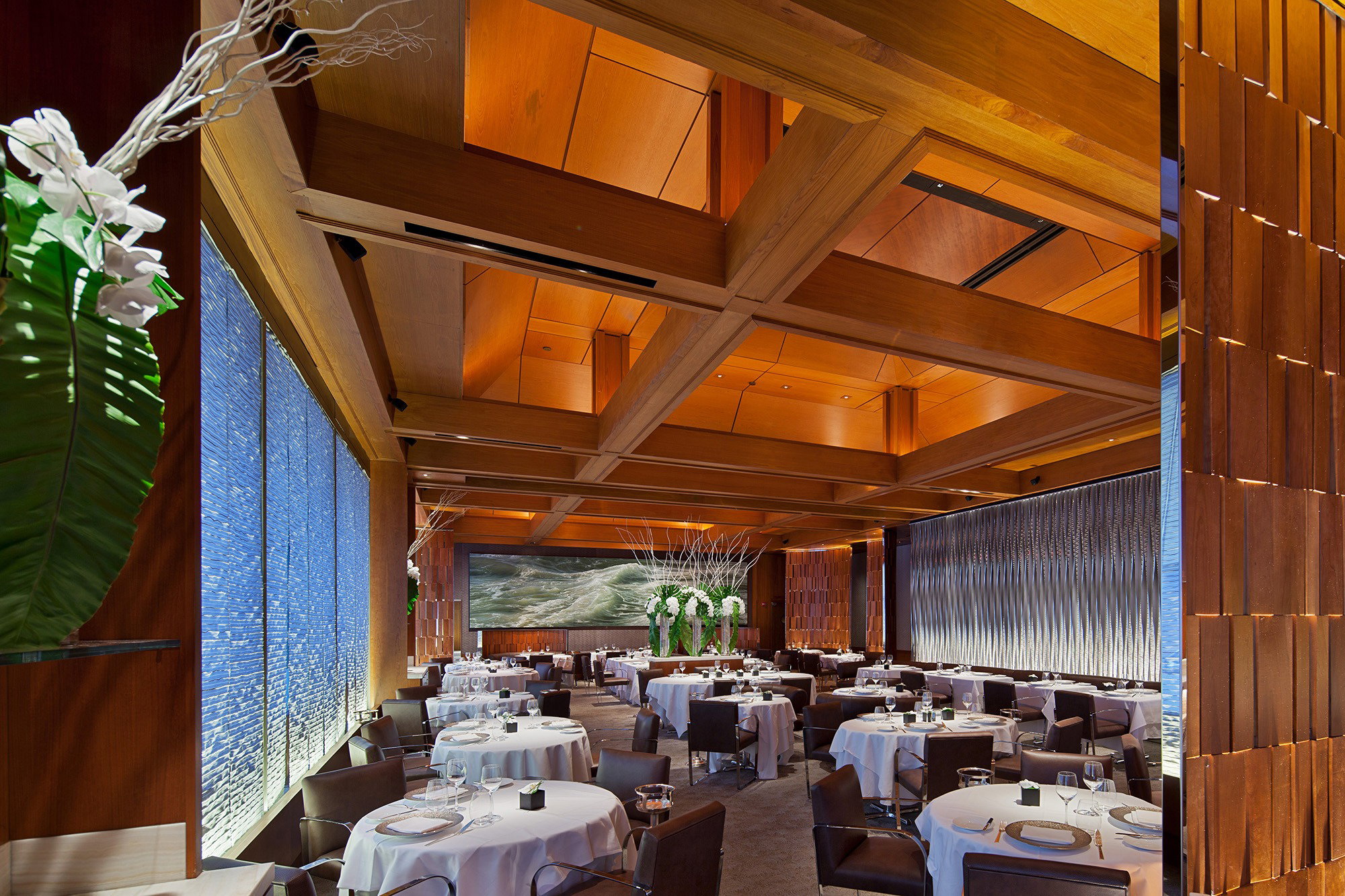
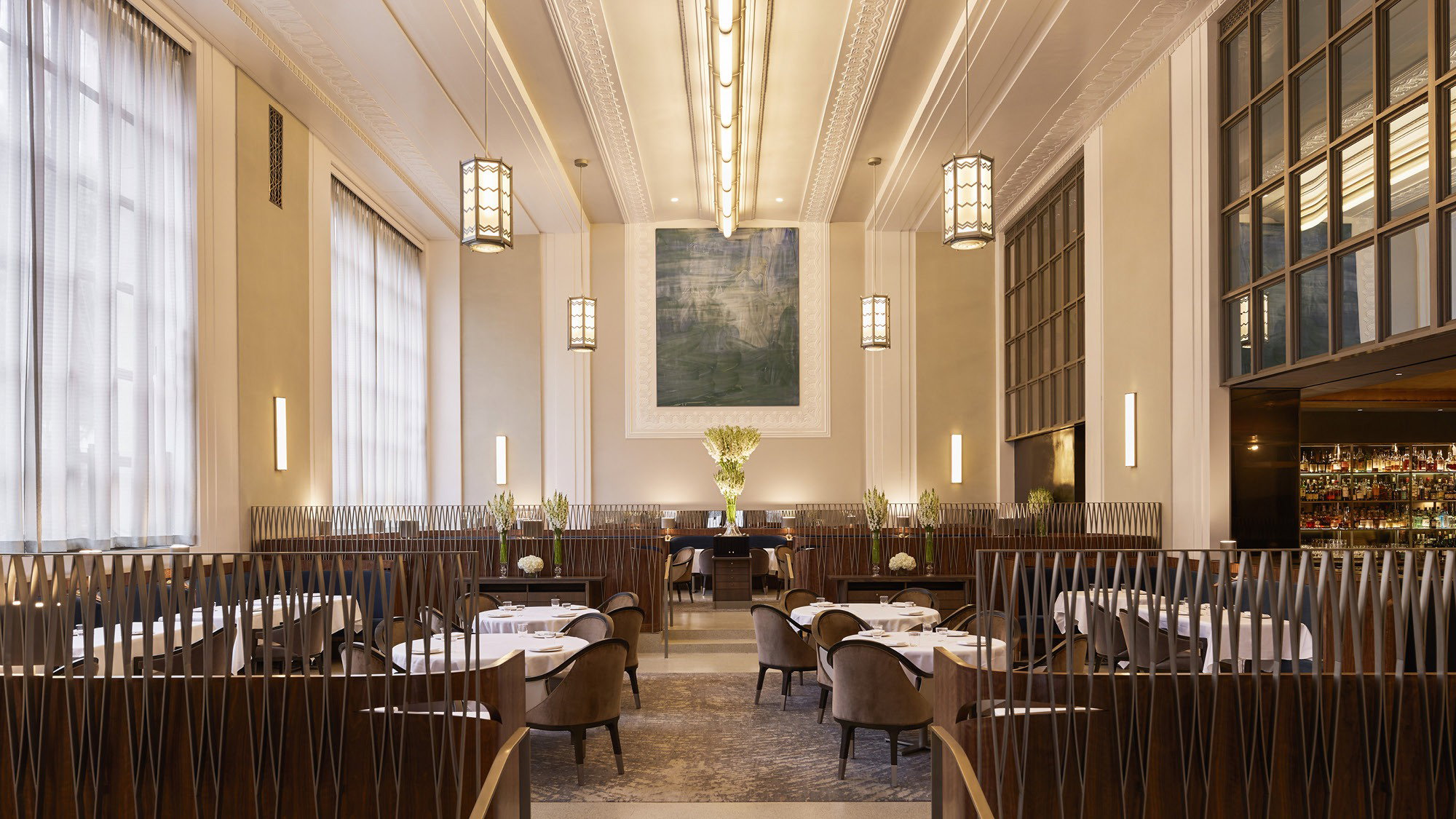
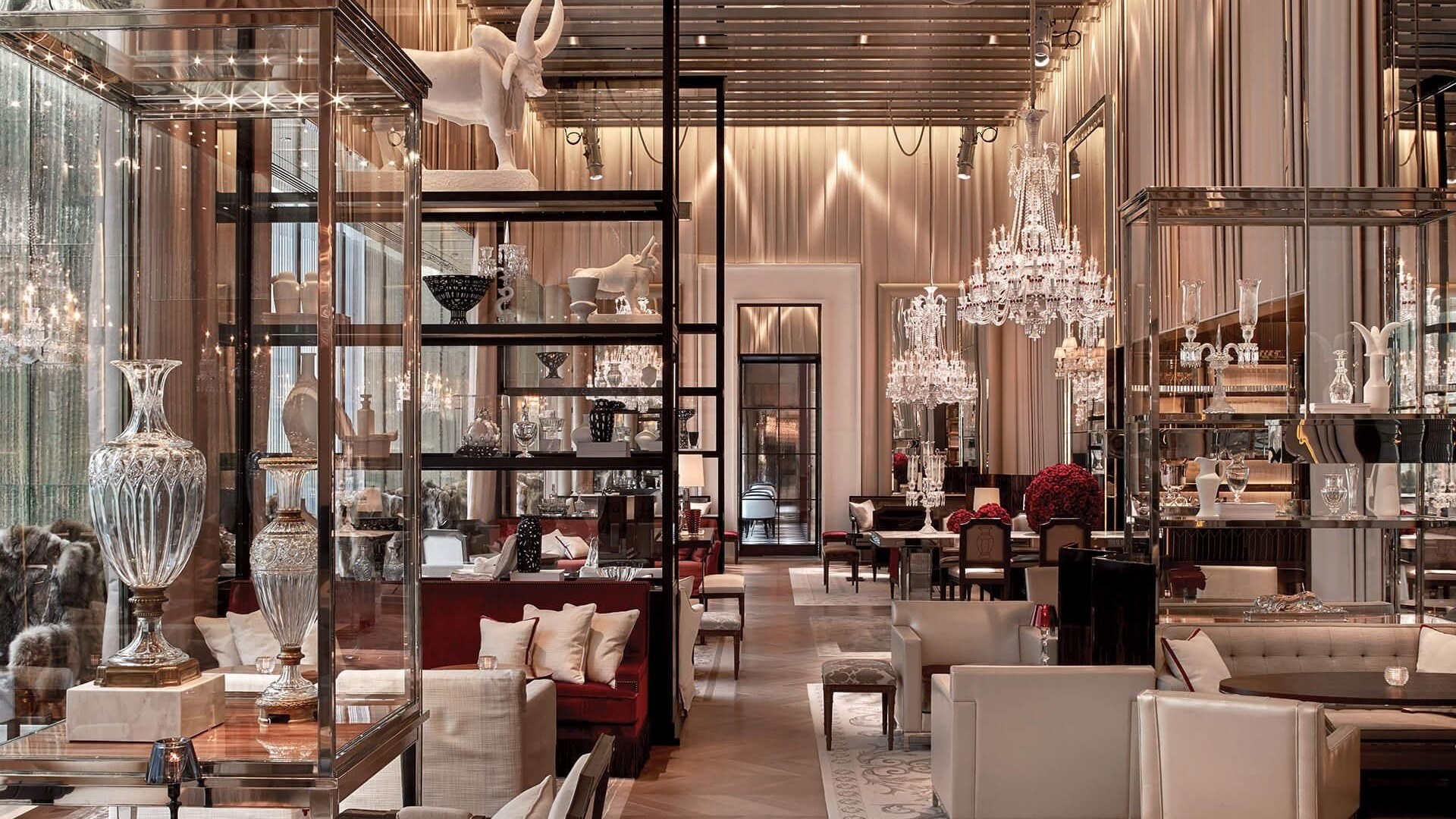
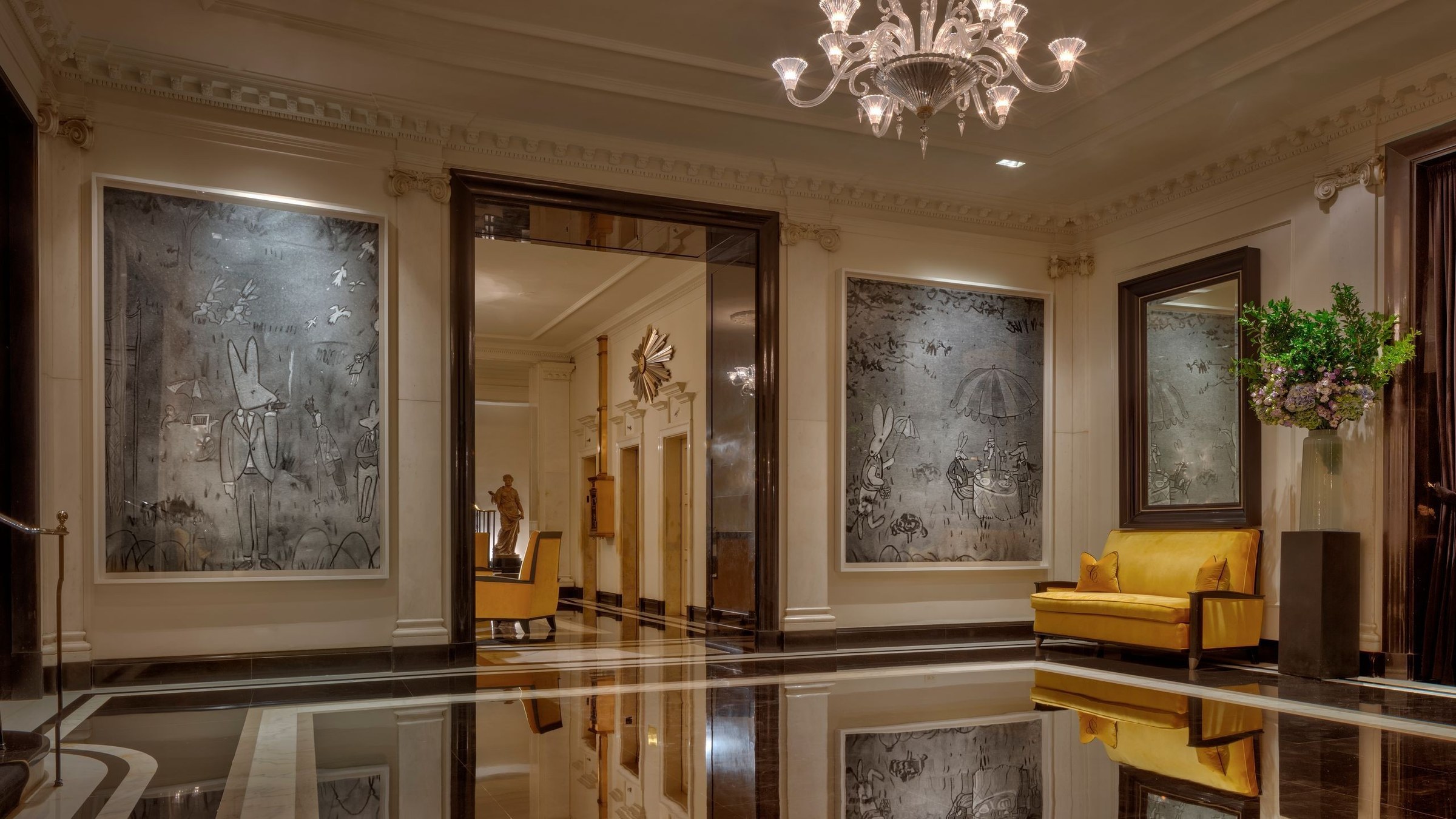
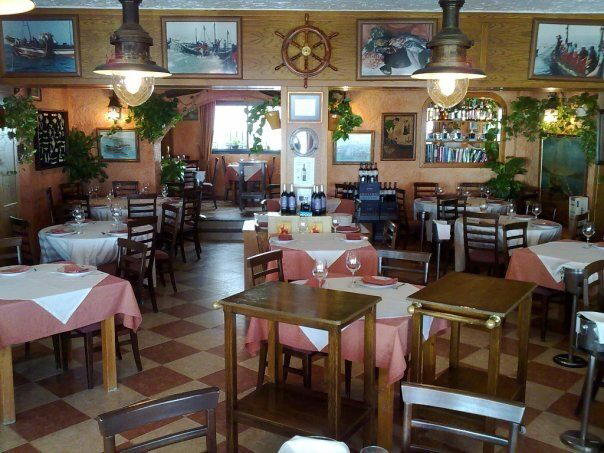
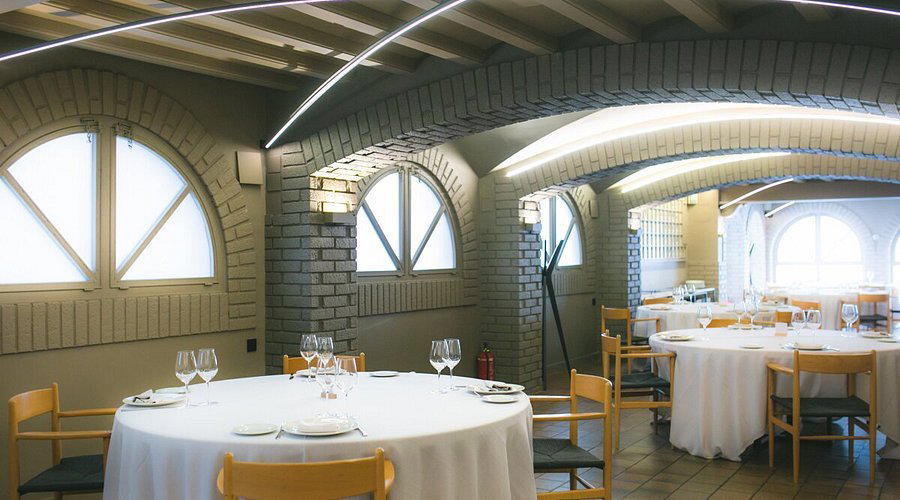
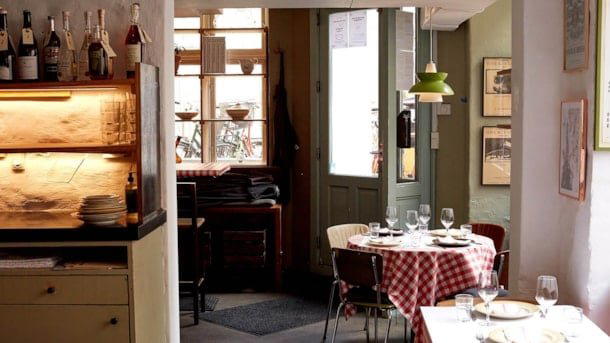
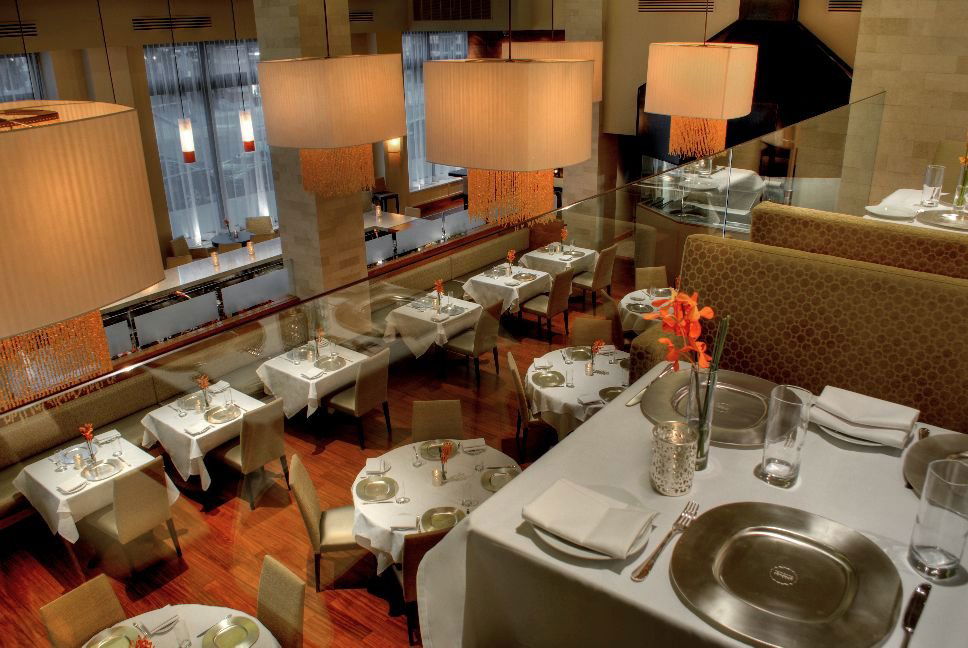
Tamarind's Tribeca address at 99 Hudson Street puts it in one of Manhattan's most architecturally self-conscious neighbourhoods, where restaurant rooms are expected to carry weight. This one does. The soaring ceilings, marble bar, and classic façade were built to impress from the first moment, and the reported $5 million construction cost is legible in every detail. There is no sense that the space has aged poorly or that it is coasting on a reputation built years ago. The dining room projects a calm, urbane confidence rather than the louder energy you find further uptown. For a celebration dinner or a business meal where the setting signals seriousness, the room alone justifies the reservation.
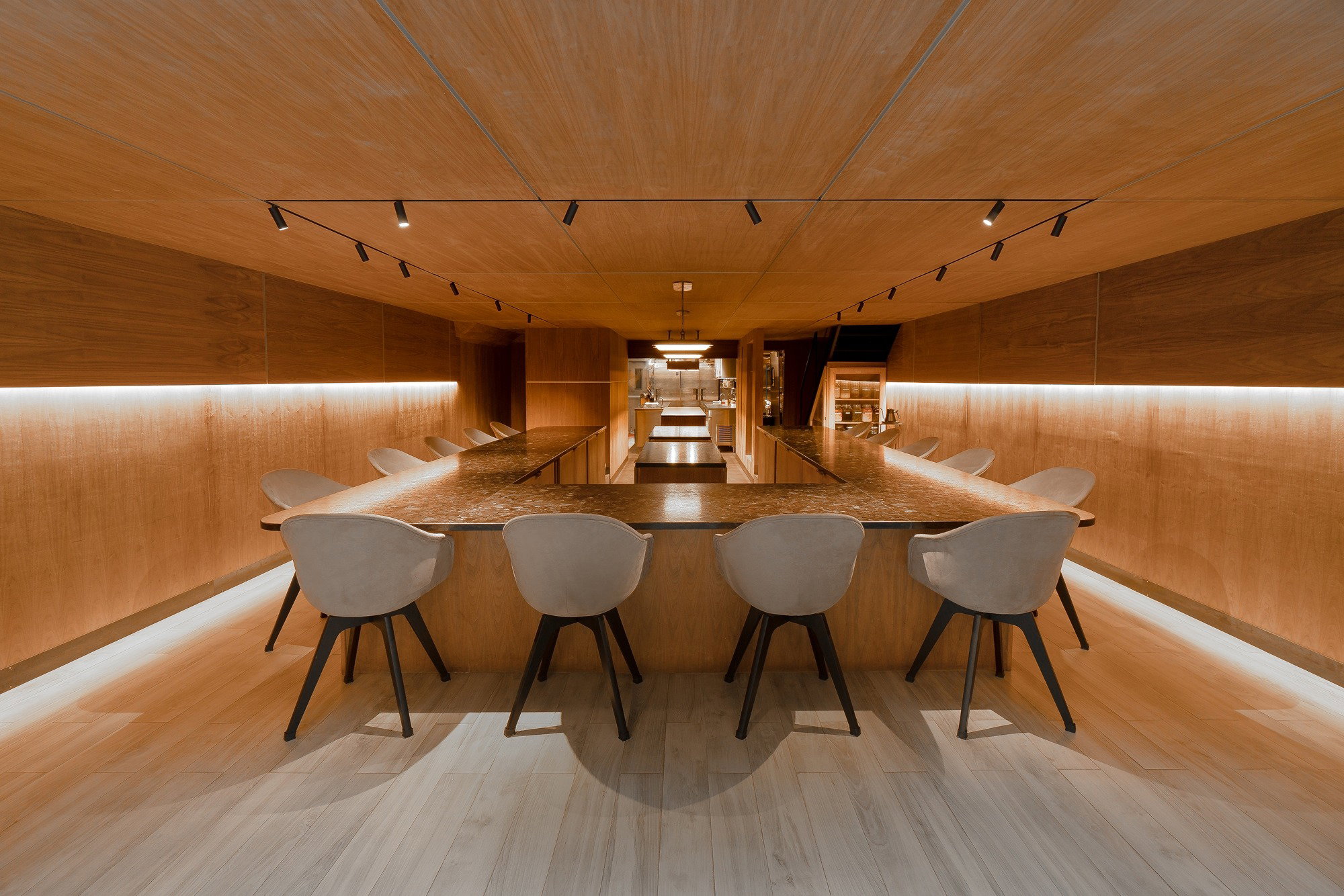
The open kitchen is visible from the dining room, which gives the space a transparency that suits the cooking. You are not watching theatre for its own sake — the kitchen's presence simply reinforces that something considered is happening here. This is the kind of room where a second visit often confirms what the first visit suggested: that the design was built for longevity, not trend-chasing.
The Cooking
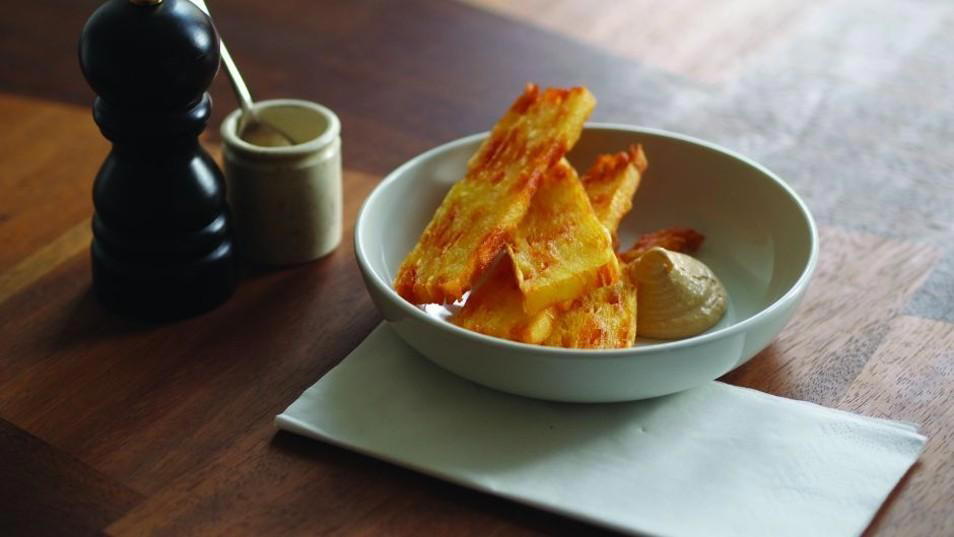
The menu draws on multiple regional traditions, and the dishes documented in Tamarind's record, smoky tandoor prawns, fragrant chana pindi, malai naan, reflect a kitchen that balances the familiar with the technically demanding. The tandoor work in particular represents a cooking method that rewards precision, and Tamarind's version has drawn consistent recognition from our full New York City restaurants guide context and from Opinionated About Dining, which has ranked the venue in its Casual in Europe list every year from 2023 through 2025, reaching #596 in 2024 and #879 in 2025. The venue also holds a 3-Star Accreditation from the World of Fine Wine awards.
The menu's region-spanning approach is a meaningful choice at the $$$ price point. Rather than anchoring to one state's cuisine, the kitchen treats India as a wide and varied source, which gives the menu range without feeling unfocused. For diners coming from the Indian subcontinent, that breadth can read as either a strength or a compromise depending on what you are hoping to find. For everyone else, it makes Tamarind accessible without being generic.
Tamarind as a Tribeca Anchor
Tribeca's dining scene has always trended toward European and American formats, with Indian cuisine historically concentrated in Midtown or the East Village. Tamarind's presence at 99 Hudson Street matters because it made a significant physical and financial commitment to the neighbourhood at a time when that was not the obvious move for an Indian restaurant. The result is a venue that serves both the local residential population and destination diners who travel specifically for it. For anyone staying nearby, and our full New York City hotels guide and full New York City bars guide can help you plan the broader trip, Tamarind is a natural anchor for a Tribeca evening.
Within New York City's Indian dining scene, Tamarind sits at the formal end of the spectrum. aRoqa and Bungalow offer more contemporary interpretations of Indian cooking in different price brackets. Cardamom and Chola are worth knowing for regional depth and value, while Hyderabadi Zaiqa goes deep on one specific cuisine. Tamarind's position is distinct: it is the option when the occasion demands polish and a room that holds up to scrutiny. If you are comparing Indian fine dining internationally, Trèsind Studio in Dubai and Opheem in Birmingham are the closest reference points for a similar level of ambition executed differently.
Who Should Book
Tamarind is the right call for special occasions, anniversary dinners, or business meals where the environment needs to hold up alongside the food. The $$$ price range positions it above casual Indian dining in the city without reaching the $$$$ tier where every element of the experience gets interrogated at a higher level of scrutiny. Couples celebrating a milestone, small groups looking for a reliable formal option in lower Manhattan, and visitors who want to understand what Indian fine dining looks like in New York will all find Tamarind delivering on what it promises. Solo diners can be accommodated but will get more from the room and menu in a group of two or more. If Indian cooking is not the priority and the goal is simply the leading room in the $$$ bracket, look elsewhere. But if the cuisine matters, this is the address.
For context on how Tamarind sits within the broader New York dining picture, our full New York City restaurants guide covers the full range, and our guides to New York City experiences and New York City wineries can help build a fuller visit. For landmark American dining in the same conversation, rooms that similarly made a physical statement and have held their position over time, The French Laundry in Napa, Alinea in Chicago, and Single Thread Farm in Healdsburg are useful reference points for what sustained formal dining ambition looks like across different formats. For West Coast options, Providence in Los Angeles and Lazy Bear in San Francisco round out that comparison set, with Emeril's in New Orleans representing a different but relevant model of a landmark room that anchors its neighbourhood.
Planning details
- Location
- 99 Hudson St, New York, NY 10013
- Reservations
- Book on OpenTable
- Website
- tamarindtribeca.com
- Phone
- (212) 775-9000
The take
The Take
The Vibe
Tamarind presents a deliberate, long-game incarnation of Indian fine dining in Tribeca. The restaurant’s $5 million build-out yields soaring ceilings, a marble bar and a classic façade that together read as a civic statement about the cuisine’s place in the city. The room balances modern investment with traditional touches: tandoor-driven cooking and fragrant legume dishes emerge from an open kitchen while the overall feeling remains polished and restrained. It’s a confident, high-design space that favors composed dining over gimmickry, making a strong visual and culinary impression without relying on trend cycles.
Best For
This is a destination for dinner and formal evenings—think business meals, date nights and milestone celebrations. The scale of the build-out and the white-tablecloth lineage the piece references position Tamarind as a reliable choice when you want a composed, elevated meal rather than a quick bite. Reviews and industry recognition cited in the description underscore its standing as an address-driven room: diners looking for a structured multi-course experience anchored by smoky tandoor work and refined regional preparations will find it particularly well suited.
Ordering Tips
The kitchen centers tandoor technique, so prioritize smoky grill preparations and shareable plates that showcase that strength. Signature items such as the Tandoori Mixed Grill and the Crab Curry are representative picks; pair them with rich, layered breads like the Malai Naan and vegetable or legume-based plates (the Palak Chaat signals that direction). The menu is region-spanning, so sampling across styles—tandoor, coastal curries and fragrant dals—gives the best sense of the kitchen’s breadth. Portions and pacing feel suited to a multi-course, table-shared evening.
Venue details
Ambiance
Elegant and restful with soaring ceilings, marble bar, gleaming interiors, calm urbane energy, and professional service; can be loud on busy nights.
Tags
Vibe
Best For
Experience
At the Table
- Dress Code
- Smart Casual
- Noise Level
- Conversational
- Service Style
- Upscale Casual
- Meal Pacing
- Leisurely
- Capacity
- Large
- Kitchen
- Modern
- Menu Format
- A la carte, Prix fixe
- Wine Program
- Curated
- Dietary
- Vegetarian friendly
- Outdoor Seating
- Yes
Signature Dishes
- Tandoori Mixed Grill
- Palak Chaat
- Crab Curry
- Malai Naan
Know before you go
Know Before You Go
- Getting there
- 99 Hudson St, New York, NY 10013
Planning details
Location

Also consider
Also Consider
- Le Bernardin, French, Seafood, $$$$
- Atomix, Modern Korean, Korean, $$$$
- Eleven Madison Park, French, Vegan, $$$$
- Masa, Sushi, Japanese, $$$$
- Per Se, French, Contemporary, $$$$
Restaurant context
How Tamarind Compares
Against New York's $$$$ tier, Le Bernardin, Atomix, Eleven Madison Park, Masa, and Per Se, Tamarind sits one price bracket lower at $$$, which changes the calculus considerably. If you are deciding between Tamarind and one of those four, the question is whether you want a cuisine-specific experience with strong room quality at a lower price point, or whether the occasion demands the top tier. For most diners, Tamarind delivers a more satisfying value equation: the room and service match the price, the cooking is technically grounded, and you leave without the sense that the bill required a meal to be transcendent to justify it.
For pure cooking ambition in the $$$$ bracket, Atomix is the most direct competitor in terms of cultural specificity, it does for Korean cuisine what Tamarind does for Indian, with a tasting menu format and a level of precision that pushes into different territory. Le Bernardin and Per Se operate in a French-influenced register where the comparison becomes more about format preference than direct competition. Eleven Madison Park's plant-based tasting menu is a different proposition entirely. Masa, at the top of the city's price range for Japanese omakase, is in a separate category of expenditure. If the goal is a formal special-occasion dinner where the cuisine matters and the room needs to hold up, Tamarind at $$$ is the more repeatable choice than any of those $$$$ options, you can return to it without the meal needing to be a once-a-year event.
Within the Indian dining category specifically, no other New York restaurant currently combines Tamarind's room scale, Opinionated About Dining recognition, and price positioning. The closest international comparisons, Trèsind Studio in Dubai and Opheem in Birmingham, take different approaches to modern Indian cooking and would suit diners looking for more avant-garde interpretations. If you want the most technically adventurous Indian food in a global context, those are worth the trip. If you want the most reliable formal Indian dining experience in New York City, Tamarind is the answer.
Explore New York City
Around this place
Discover more on Pearl
Unlock the full Tamarind guide in Pearl, including awards, comparisons, FAQs, planning details, and nearby places.
Compare Tamarind
| Venue | Awards | Price |
|---|---|---|
| Tamarind | 2025 OAD Casual in Europe Ranked · #8792025 Michelin Plate2024 OAD Casual in Europe Ranked · #5962023 OAD Casual in Europe RecommendedWorld's Best Wine Lists 2022 | $$$ |
| Le Bernardin | 2026 Eater NY 38 Best Restaurants in New York City · #82026 North America's 50 Best Restaurants · #132026 New York Times Best Restaurants in New York City · #212026 OAD Top Restaurants in North America Ranked · #342026 Forbes 5-Star2026 La Liste Top RestaurantsAAA Diamonds Top 10 Restaurants 20262026 Wine Spectator Grand Award2026 Les Grandes Tables du Monde Members | $$$$ |
| Atomix | 2026 OAD Top Restaurants in North America Ranked · #62026 New York Times Best Restaurants in New York City · #72026 North America's 50 Best Restaurants · #7Star Wine Lists 20262026 Les Grandes Tables du Monde Members2026 La Liste Top Restaurants2025 World's 50 North America's Best Restaurants · #12025 James Beard Awards · #12025 New York Times Best Restaurants in New York City · #2 | $$$$ |
| Eleven Madison Park | Star Wine Lists 2026 · #12026 OAD Top Restaurants in North America Ranked · #472026 Forbes 5-Star2026 Relais Chateaux RestaurantsAAA Diamonds Top 10 Restaurants 20262026 Wine Spectator Grand Award2026 Les Grandes Tables du Monde Members2026 La Liste Top Restaurants2025 Robb Report 100 Greatest American Restaurants of the 21st Century · #3 | $$$$ |
| Masa | 2026 OAD Top Restaurants in North America Ranked · #922026 Forbes 5-Star2026 OAD Top Restaurants in North America Recommended2026 La Liste Top Restaurants2025 OAD Top Restaurants in North America Ranked · #672025 Robb Report 100 Greatest American Restaurants of the 21st Century · #862025 Michelin 2 Stars2025 La Liste Top Restaurants2025 Forbes 5-Star | $$$$ |
| Per Se | 2026 OAD Top Restaurants in North America Ranked · #292026 Forbes 5-Star2026 Relais Chateaux Restaurants2026 Wine Spectator Grand AwardAAA Diamonds Top 10 Restaurants 20262026 Les Grandes Tables du Monde Members2026 La Liste Top Restaurants2025 Robb Report 100 Greatest American Restaurants of the 21st Century · #102025 OAD Top Restaurants in North America Ranked · #92 | $$$$ |













Key differences to consider before you reserve.
FAQ
Frequently Asked Questions
Is Tamarind good for solo dining?
Workable but not optimised for it. The $$$ price point and formal Tribeca room are geared toward pairs and groups; solo diners will feel the spend more acutely.
How far ahead should I book Tamarind?
Aim for at least one to two weeks out for weekday tables; weekend bookings, especially for groups, warrant two to three weeks. Tamarind holds an OAD ranking and a World of Fine Wine 3-Star Accreditation, which keeps demand steady — don't assume a Tribeca address means easy walk-in availability.
Is the tasting menu worth it at Tamarind?
At the $$$ price range, it sits well below omakase comparables like Masa, making it one of the more defensible multi-course formats in Manhattan if Indian cuisine is your target.
Is Tamarind worth the price?
At $$$, Tamarind is priced in line with serious Manhattan dining rooms and delivers accordingly: OAD-ranked in both 2024 and 2025, World of Fine Wine 3-Star Accredited, and operating in a purpose-built room that cost $5 million to construct. For Indian fine dining specifically, there is no direct competitor at this level in Tribeca, which means the price reflects genuine scarcity as much as quality.
What should I wear to Tamarind?
The room — marble bar, soaring ceilings, grand Tribeca address — sets a clear expectation: dress as you would for a special-occasion dinner at a comparable $$$ Manhattan restaurant. Smart evening wear is appropriate; overly casual dress will feel out of place against the dining room's scale.