


Joji
Sushi · Midtown-Times Square, New York City
Restaurant in New York City, United States
 Book with Pearl
The Read
Grand Central Omakase Precision
Price
$$$$
Chef
George Ruan
Dress
Smart Casual
Why go
Michelin one-star omakase in Midtown Manhattan with Toyosu Market sourcing and a composed, quiet room inside One Vanderbilt. Ranked #262 in North America by OAD (2025), Joji earns its $$$$ price tag through product quality and precise execution rather than service theatrics. Book several weeks out — midweek lunch slots are your best entry point.
About Joji
Book Wednesday or Thursday Lunch — That's Your Leading Shot at a Table
Joji operates on a tight schedule: closed Sunday and Monday, with Tuesday dinner being the only evening-only slot and midweek lunch windows open Wednesday through Saturday. If you're trying to secure a seat without waiting weeks, target a Wednesday or Thursday lunch — these slots tend to open before the weekend service fills. Reservations here are hard to get regardless of timing, so book as far out as the platform allows. Don't show up expecting a walk-in option; Joji does not work that way.
What Joji Is
Joji sits inside One Vanderbilt, the tower directly above Grand Central Terminal, and occupies a deliberately calm room at the base of one of Midtown Manhattan's most trafficked buildings. The contrast between what's outside and what's inside is one of Joji's most functional assets: you step out of the noise of Grand Central and into a room that operates at a different register entirely. The atmosphere is composed, quiet enough for conversation, and designed to signal that what follows will require your attention. For a special occasion or a business meal where the environment needs to do some of the work, this setting functions well.
Chef George Ruan runs an omakase format built around nigiri, with rice made from a blend of Koshihikari and Nanatsuboshi varieties that are carefully vinegared to foreground the fish rather than compete with it. Seafood is largely sourced from Toyosu Market in Tokyo, which means the supply chain mirrors what you'd find at serious omakase counters in Japan. The meal moves through small plates first, think sashimi preparations with seasonal elements, before arriving at the nigiri sequence. Luxury ingredients appear throughout: langoustine, uni, Osetra caviar, chawanmushi with premium toppings. This is a $$$$-tier experience, and the menu composition makes no attempt to disguise that.
Does the Service Justify the Price?
This is the question that actually matters at Joji's price point, and the honest answer is: largely yes, with caveats. The service style is attentive without being theatrical. Joji does not lean on the performative tableside rituals that some omakase rooms use to justify their pricing. Instead, the format is precise and paced, you are guided through the meal with enough explanation to understand what you're eating without being lectured. For a venue at this price tier, that restraint is a deliberate choice, and it works for most diners who are there to eat rather than be entertained.
Where the service-to-price equation holds up is in sourcing and execution. The Toyosu provenance is not a marketing claim; it reflects in the quality and range of fish on offer. The OAD (Opinionated About Dining) ranking of #262 in North America for 2025 (up from #278 in 2024) and a Michelin one star from 2024 provide external validation that the kitchen is performing at the level the price implies.
The caveat is direct: if you are paying $$$$ and expecting the kind of anticipatory, deeply personalized service you'd get at a multi-Michelin-starred room, Joji may feel efficient rather than warm. It earns its price on product quality and technical precision. The hospitality is professional, not enveloping.
Is This the Right Occasion?
Joji works well as a date restaurant or a celebratory dinner for two, particularly if the people at the table appreciate the omakase format and have enough familiarity with Japanese cuisine to engage with the progression. The quiet room, considered pacing, and high-quality ingredients make it a strong candidate for an anniversary or a significant birthday. For a business meal, the format is somewhat constraining, omakase sets the pace, not you, but the room and the food quality send the right signals if the goal is to impress.
It is less suited to groups larger than four, and the format means it is not a venue where you can have a quick meal. Plan for the full omakase duration. If you want the One Vanderbilt address with more flexibility, Bar Masa offers a less committed entry point into the same price neighborhood without locking you into a tasting format.
How It Compares
Against the broader New York City omakase field, Joji occupies a specific position: more accessible than Masa in price (Masa remains the most expensive sushi counter in the country), more technically focused than Shion 69 Leonard Street, and better located for Midtown visitors than most of its peers. Sushi Sho operates at a similar level of rice-and-fish precision if you can get in. For the $$$$ omakase category in New York, Joji's Michelin star and consecutive OAD rankings put it in a tier where the spend is justified by verifiable external standards, not just reputation.
If the format or price isn't right for your occasion, Blue Ribbon Sushi and Bond Street give you quality sushi in New York at lower commitment levels. For comparable fine dining occasions in the $$$$ bracket that aren't omakase, Le Bernardin gives you more menu control and a longer track record, while Atomix offers a tasting format with comparable sourcing ambition and stronger service theatrics if that's what you're after.
If you're building a broader trip around New York's restaurant scene, see our full New York City restaurants guide. For where to stay, our New York City hotels guide covers the full range. You can also find bars, wineries, and experiences across the city. For omakase benchmarks outside New York, Harutaka in Tokyo and Sushi Shikon in Hong Kong are the reference points worth knowing. For US tasting-menu peers at a similar price tier, The French Laundry in Napa, Alinea in Chicago, Single Thread Farm in Healdsburg, Lazy Bear in San Francisco, Providence in Los Angeles, and Emeril's in New Orleans are all operating in comparable occasion territory.
Practical Details
Joji is at 1 Vanderbilt Ave, New York, NY 10017, inside One Vanderbilt, directly accessible from Grand Central Terminal. Service runs Tuesday evenings (5:45 PM–8:30 PM), and Wednesday through Saturday for both lunch (from 12:30 PM) and dinner (through 8:30 PM). Closed Sunday and Monday. Price range is $$$$. Booking is hard, plan several weeks in advance and check midweek lunch slots first if your schedule allows.
Quick reference: 1 Vanderbilt Ave, NYC | Wed–Sat lunch from 12:30 PM, Tue–Sat dinner to 8:30 PM | $$$$ | Michelin 1 Star | Book weeks ahead.
Part of
Daniel Boulud16 locations on PearlPlanning details
- Hours
- Monday: closed · Tuesday: 5:45 PM-8:30 PM
- Location
- 1 Vanderbilt Ave, New York, NY 10017
- Reservations
- Book on Resy
- Website
- jojiny.com
- Phone
- (212) 597-9025
The take
The Take
The Vibe
Joji feels like a deliberate pocket of calm tucked into the bustle of Midtown. The restaurant stages an abrupt transition from the commuter traffic of Grand Central into a room organized around quietness and precision; that atmosphere functions as an early course in the meal. The design is controlled and intentionally paced, favoring a focused, pared-back experience rather than spectacle. At this level of omakase the emphasis is on temperature, timing and staff-to-guest ratios, so the dining room reads as serene and exacting — a place for concentrated tasting rather than casual lingering.
Best For
Joji is best experienced at dinner, when its omakase program and counter sequencing come into full effect. The Michelin recognition and placement inside One Vanderbilt position it at New York’s premium price tier, making it a fit for special evenings and business dinners where privacy and attentive service matter. The compact, counter-driven layout is ideal for small parties or two people who want a focused, conversation-friendly setting while the chef’s sequence unfolds. Guests who prioritize provenance and technical precision—seafood sourced from Toyosu and a defined rice program—will find Joji especially rewarding.
Ordering Tips
Expect an omakase-led counter service and plan accordingly: reservations are prudent given the counter format and high-tier placement. The menu centers on luxury seafood and a careful rice program; the description cites seafood sourced largely from Toyosu Market, which underscores provenance as a feature of the meal. Take the opportunity to sample signature items such as Toro with Onion & Ponzu, Kegani & Uni and the Wagyu Sando. Be prepared for a premium price point and a tightly managed pace of service that prioritizes quality and precision over casual à la carte pacing.
Venue details
Ambiance
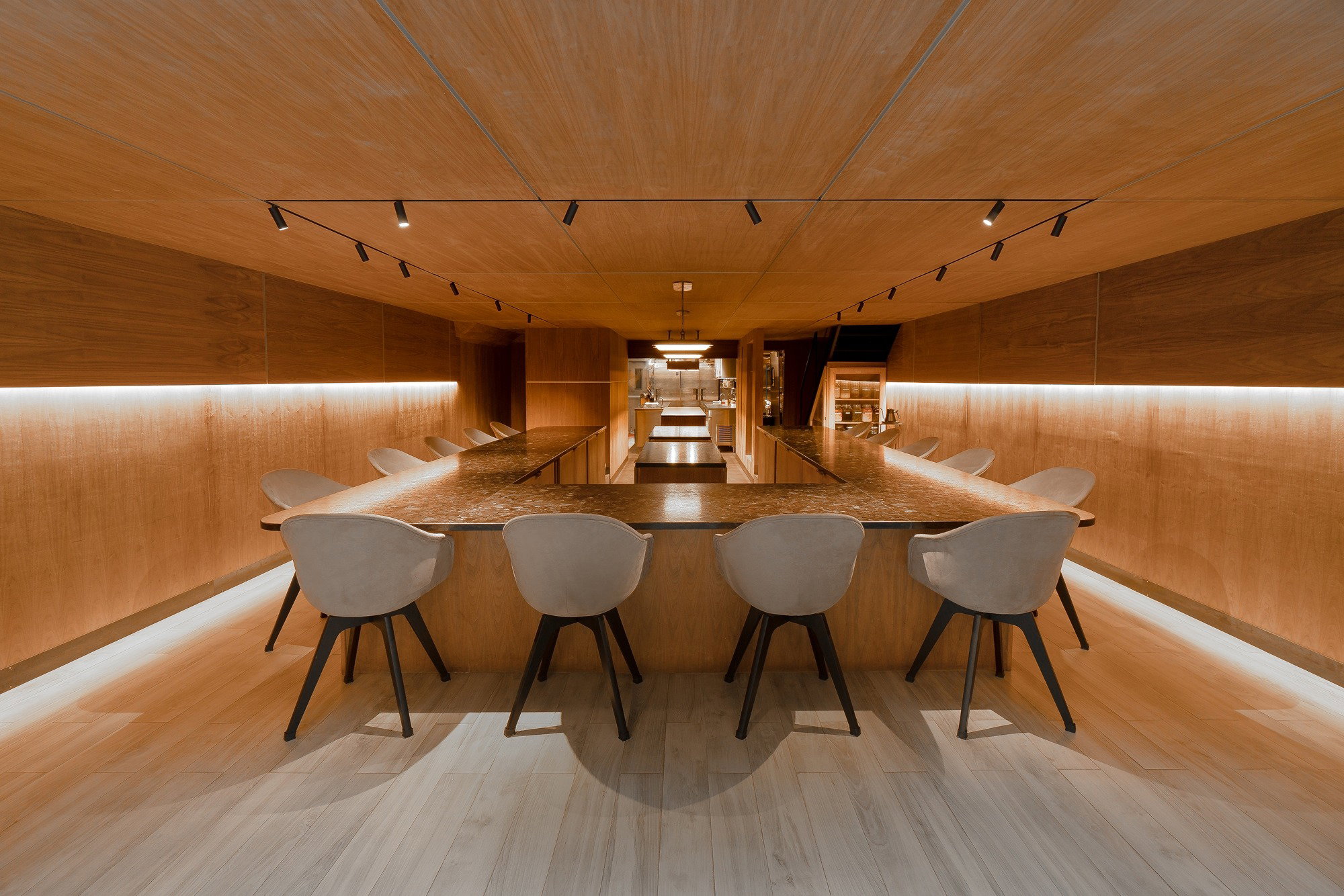
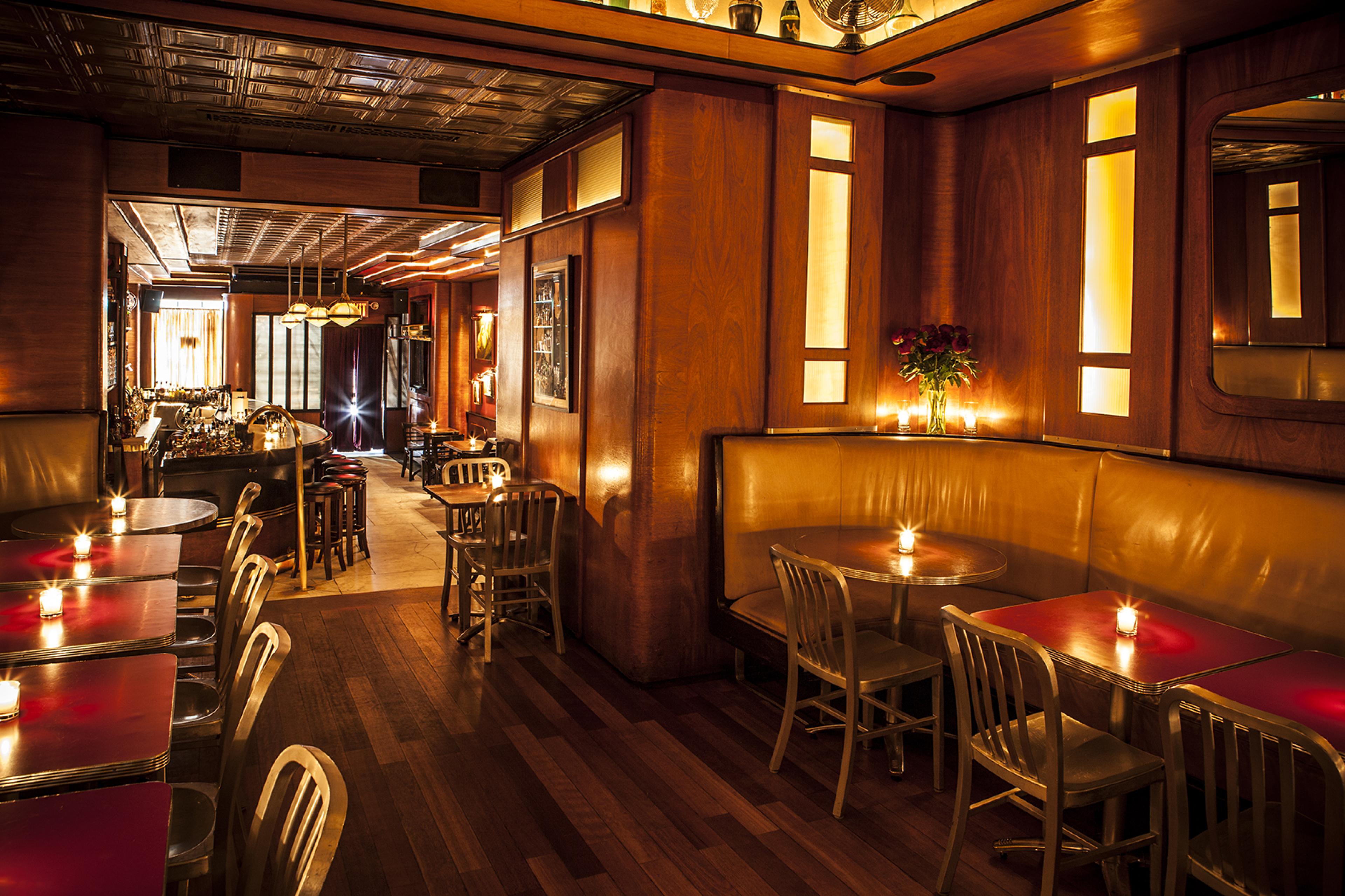
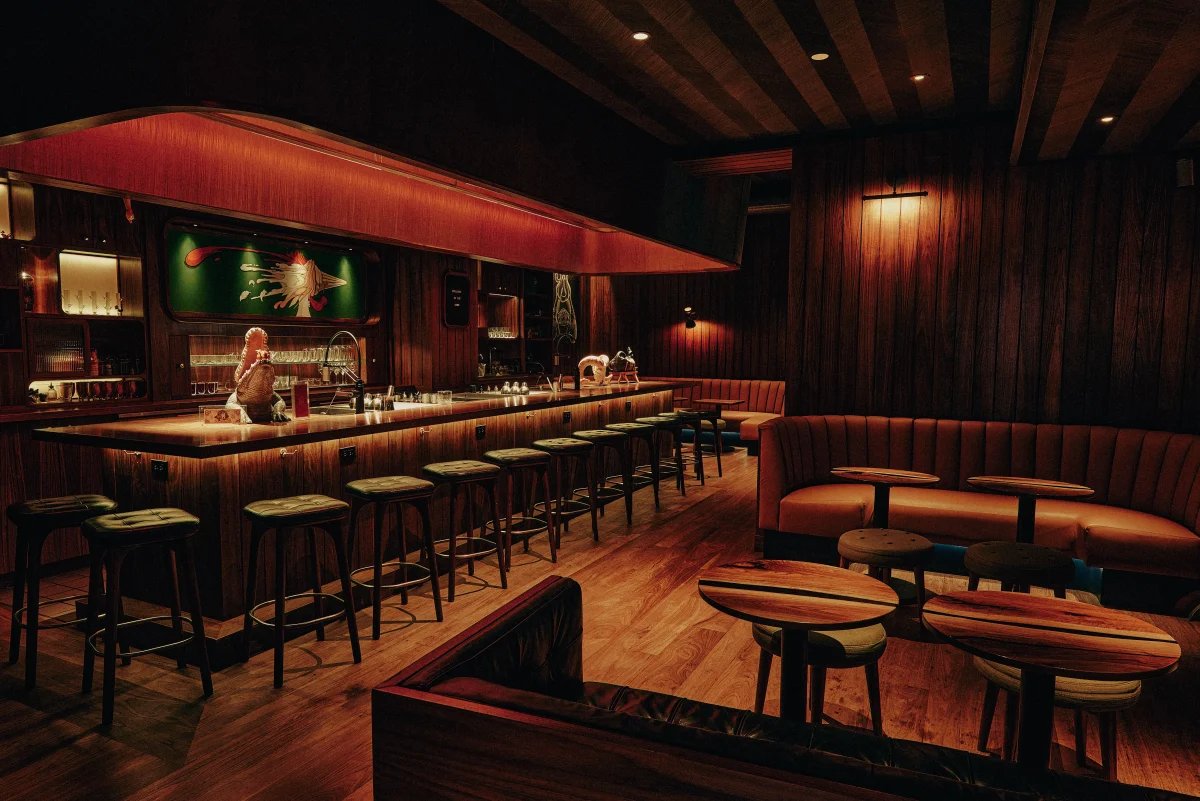
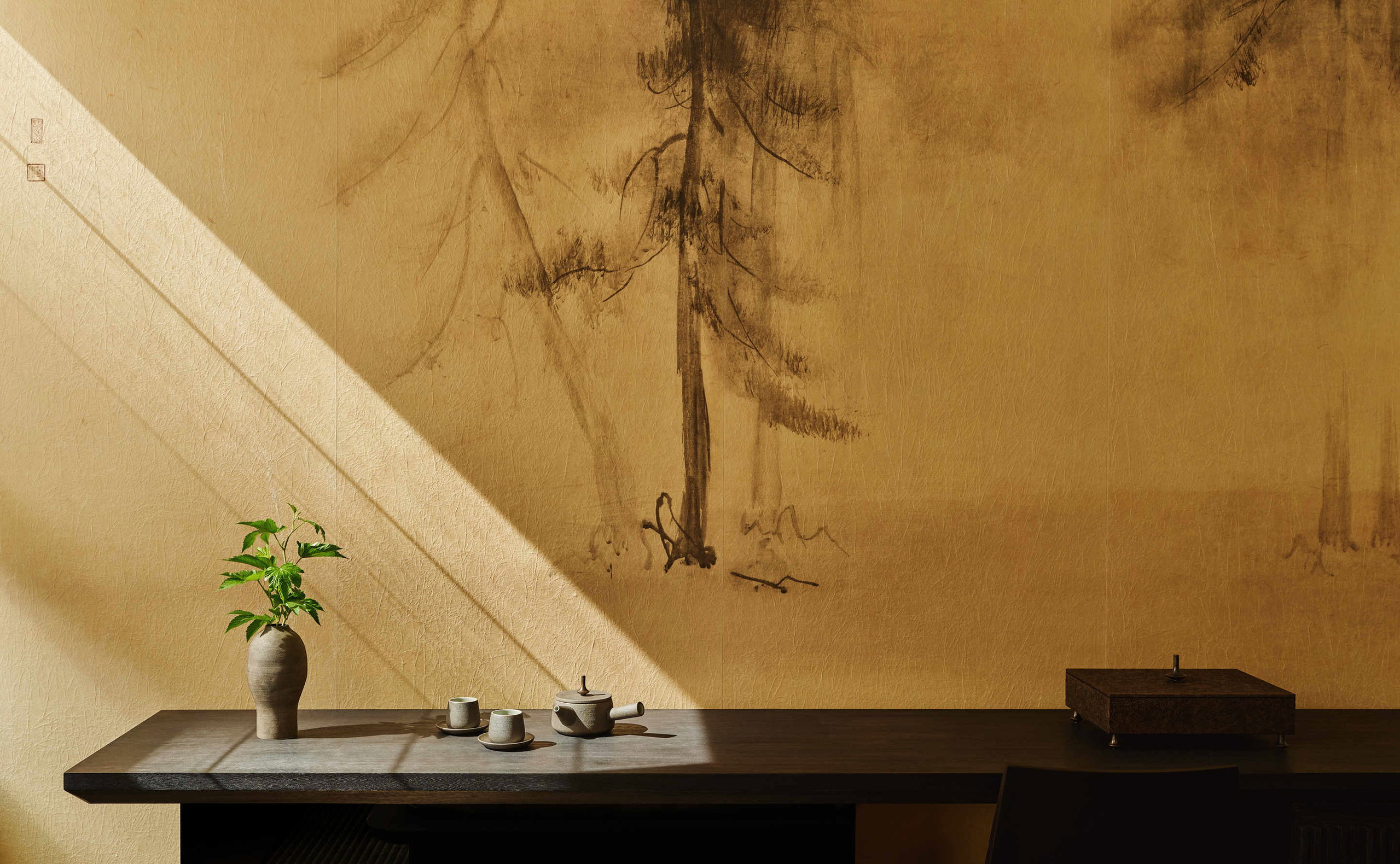
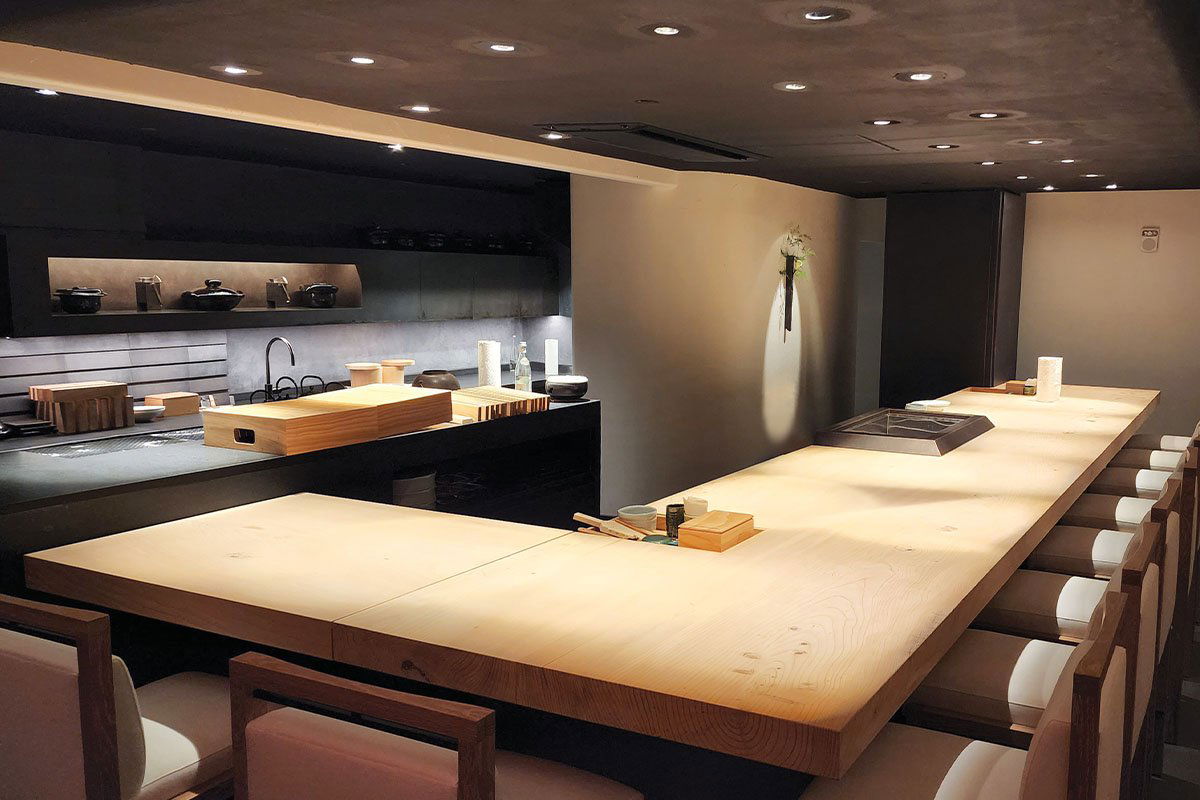
Intimate sushi counter with dark moody lighting, spotlit omakase table from a single tree, creating a quietly opulent and sophisticated escape.
Tags
Vibe
Best For
Experience
Accessibility
At the Table
- Dress Code
- Smart Casual
- Noise Level
- Quiet
- Service Style
- Upscale Casual
- Meal Pacing
- Leisurely
- Capacity
- Intimate
Signature Dishes
- Toro with Onion & Ponzu
- Kegani & Uni
- Wagyu Sando
Know before you go
Know Before You Go
- Getting there
- 1 Vanderbilt Ave, New York, NY 10017
Planning details
Hours
- Monday
- closed
- Tuesday
- 5:45 PM-8:30 PM
- Wednesday
- 12:30 PM-8:30 PM
- Thursday
- 12:30 PM-8:30 PM
- Friday
- 12:30 PM-8:30 PM
- Saturday
- 12:30 PM-8:30 PM
- Sunday
- closed
Location
Recognition and awards

Also consider
Also Consider
- Le Bernardin, French, Seafood, $$$$
- Atomix, Modern Korean, Korean, $$$$
- Eleven Madison Park, French, Vegan, $$$$
- Masa, Sushi, Japanese, $$$$
- Per Se, French, Contemporary, $$$$
Restaurant context
Within the $$$$ fine dining tier in New York City, Joji is the tightest value case in the omakase category. Masa costs significantly more and delivers a more ceremonial experience, but Joji's Michelin star and consecutive OAD Top 300 rankings mean you are not making a large quality concession by choosing it. If price is a factor and you still want a serious omakase, Joji is the more defensible choice. If price is no object and you want the definitive statement, Masa is the answer.
Against the non-sushi $$$$ tier, Le Bernardin is the better option if you want exceptional seafood with more menu agency and a longer institutional track record. Atomix rivals Joji in sourcing ambition and precision, but the service experience at Atomix is more immersive and theatrically considered, it's the better pick if the full hospitality envelope matters as much as the food. Eleven Madison Park and Per Se operate in the same price bracket but with French-leaning tasting menus and larger rooms; neither competes with Joji directly on sushi, but both offer more flexibility in occasion type and group size.
The practical differentiator: Joji is harder to book than Le Bernardin and Per Se, roughly comparable to Atomix in booking difficulty, and easier than Masa. If your occasion is specifically about Japanese cuisine at a high level and you can get a reservation, Joji is the right call for most diners. If the booking window has closed, Shion 69 Leonard Street is the serious fallback for omakase purists.
Explore New York City
Around this place
Discover more on Pearl
Unlock the full Joji guide in Pearl, including awards, comparisons, FAQs, planning details, and nearby places.
Compare Joji
| Venue | Cuisine | Awards | Booking Difficulty |
|---|---|---|---|
| Joji | Sushi | 2026 OAD Top Restaurants in North America Recommended2026 Wine Spectator Best of Award of Excellence2026 Michelin 1 Star2025 OAD Top Restaurants in North America Ranked · #2622025 Michelin 1 Star2024 OAD Top Restaurants in North America Ranked · #2782024 Michelin 1 Star | Hard |
| Le Bernardin | French, Seafood | 2026 Eater NY 38 Best Restaurants in New York City · #82026 North America's 50 Best Restaurants · #132026 New York Times Best Restaurants in New York City · #212026 OAD Top Restaurants in North America Ranked · #342026 Forbes 5-Star2026 La Liste Top RestaurantsAAA Diamonds Top 10 Restaurants 20262026 Wine Spectator Grand Award2026 Les Grandes Tables du Monde Members | Unknown |
| Atomix | Modern Korean, Korean | 2026 OAD Top Restaurants in North America Ranked · #62026 New York Times Best Restaurants in New York City · #72026 North America's 50 Best Restaurants · #7Star Wine Lists 20262026 Les Grandes Tables du Monde Members2026 La Liste Top Restaurants2025 World's 50 North America's Best Restaurants · #12025 James Beard Awards · #12025 New York Times Best Restaurants in New York City · #2 | Unknown |
| Eleven Madison Park | French, Vegan | Star Wine Lists 2026 · #12026 OAD Top Restaurants in North America Ranked · #472026 Forbes 5-Star2026 Relais Chateaux RestaurantsAAA Diamonds Top 10 Restaurants 20262026 Wine Spectator Grand Award2026 Les Grandes Tables du Monde Members2026 La Liste Top Restaurants2025 Robb Report 100 Greatest American Restaurants of the 21st Century · #3 | Unknown |
| Masa | Sushi, Japanese | 2026 OAD Top Restaurants in North America Ranked · #922026 Forbes 5-Star2026 OAD Top Restaurants in North America Recommended2026 La Liste Top Restaurants2025 OAD Top Restaurants in North America Ranked · #672025 Robb Report 100 Greatest American Restaurants of the 21st Century · #862025 Michelin 2 Stars2025 La Liste Top Restaurants2025 Forbes 5-Star | Unknown |
| Per Se | French, Contemporary | 2026 OAD Top Restaurants in North America Ranked · #292026 Forbes 5-Star2026 Relais Chateaux Restaurants2026 Wine Spectator Grand AwardAAA Diamonds Top 10 Restaurants 20262026 Les Grandes Tables du Monde Members2026 La Liste Top Restaurants2025 Robb Report 100 Greatest American Restaurants of the 21st Century · #102025 OAD Top Restaurants in North America Ranked · #92 | Unknown |













Side-by-side comparison to help you decide where to book.
FAQ
Frequently Asked Questions
What should I order at Joji?
Joji runs an omakase format, so there is no ordering in the traditional sense — the kitchen sets the menu. OAD reviewers have noted seafood largely sourced from Tokyo's Toyosu Market, nigiri built on a Koshihikari and Nanatsuboshi rice blend, and luxury ingredients including uni and Osetra caviar. Trust the progression and come hungry: the meal moves from small plates into nigiri.
Is Joji good for a special occasion?
Yes, with conditions. Joji holds a Michelin star and an OAD North America ranking (#262 in 2025), and the calm room inside One Vanderbilt is well-suited to a celebratory dinner for two. It works less well for larger groups or anyone who finds the omakase format passive. For a special occasion where both guests appreciate chef-driven progression and high-grade seafood, it delivers.
What should I wear to Joji?
The venue data does not state a dress code, but Joji's setting — a Michelin-starred room at the base of One Vanderbilt, with $$$$ pricing — sets clear expectations. Business casual or above is appropriate. Arriving from Grand Central in a suit is entirely normal here; arriving in workout clothes is not.
What are alternatives to Joji in New York City?
For omakase at a similar or higher price point, Masa is the reference point — more expensive and harder to book, but widely considered the ceiling of NYC sushi. If $$$$ feels steep and you want comparable precision, Atomix offers a different format (Korean tasting menu) but competes for the same high-spend special-occasion booking. For pure omakase under slightly less financial pressure, research the current downtown sushi options before committing.
Is the tasting menu worth it at Joji?
For the right diner, yes. A Michelin star and two consecutive OAD North America rankings (2024 and 2025) indicate consistent execution, and the sourcing from Toyosu Market supports the $$$$ price tier. If you are comparing against Masa, Joji is the more accessible entry point into top-tier NYC omakase. If you are comparing against a $150 neighbourhood sushi bar, the gap in format and ingredient quality is real — but so is the price difference.