
Joshin Ya
Nakamura, Nagoya
Restaurant in Nagoya, Japan
 Book with Pearl
Why go
Tabelog 100–recognized ramen counter near Nagoya Station delivering award-tier broths under ¥1,000 per bowl. The 11-seat, counter-only layout and weekday-heavy hours (closed Sundays, Saturday lunch only) reward flexible schedules; arrive at opening for the shortest wait. Cash-only, no reservations.
About Joshin Ya
Among Nagoya's ramen specialists earning national recognition, Joshin Ya operates as a no-frills counter-service shop with Tabelog 100 credentials, and at under ¥1,000 per bowl, it delivers cleaner execution than most peers charging double. The 11-seat counter layout and weekday-only dinner service make this a timing-sensitive choice: arrive at 11 AM on Saturday or Monday lunch for the shortest wait, or skip it entirely if you need flexibility beyond the posted 3-hour lunch and 3-hour dinner windows. For ramen newcomers chasing award pedigree on a budget, this is Nagoya's easiest entry point. KAKO Yanagibashi ten operates at the same price tier but lacks the Tabelog 100 stamp; Salamanger de Casino charges ¥6,000-plus for French-leaning fare and suits groups who need reservations and longer menus.
Counter-Only Format and What It Means for Your Visit
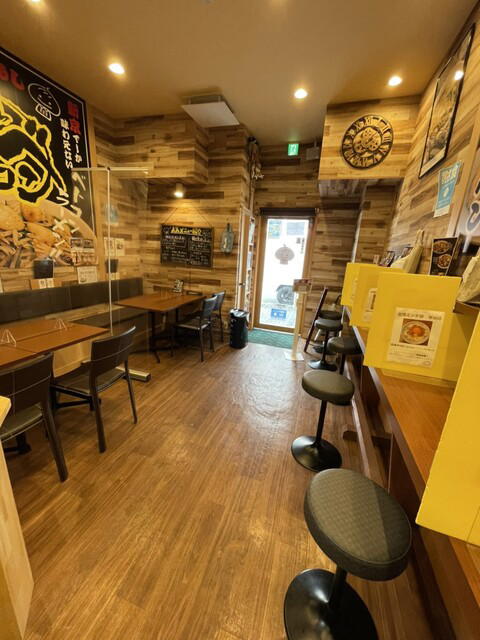
The counter-seating-only setup, 11 stools, no tables, defines the experience here. Parties larger than two will sit separately; solo diners and couples occupy the same linear space with no hierarchy. The Tabelog 2025 Ramen AICHI selection acknowledges technical precision in broth clarity and noodle texture, categories where small counter shops often outperform larger dining rooms that batch-prepare components. The hideout-style location, a 10-minute walk from JR Nagoya Station and 370 meters from Kokusai Center, keeps foot traffic manageable even during peak lunch. Cash-only payment (no credit cards, no electronic money, no QR codes) means an ATM stop beforehand for most international visitors. The venue welcomes children and labels itself family-friendly, though the counter format limits stroller access and high-chair availability, call ahead if traveling with toddlers who need dedicated seating.
Timing Your Visit Around Service Windows
Monday through Friday, the kitchen operates two distinct service blocks: 11 AM to 2 PM lunch and 6 PM to 9 PM dinner. Saturday compresses to lunch-only (11 AM to 2 PM), and Sunday closes entirely. This split schedule favors weekday visitors with flexible midday or early-evening availability; weekend options shrink to a single 3-hour Saturday window. Arrive within 30 minutes of opening (11 AM weekdays, 11 AM Saturday) to avoid counter-full scenarios, the 11-seat capacity fills fast during prime lunch hours, and the no-reservations policy means walk-in waits can stretch to 20-plus minutes by 12:15 PM. For special-occasion dinners, the Monday-Friday 6 PM slot offers quieter seating than lunch but eliminates weekend dining entirely. Compare this to Ichibiki (¥3,000-¥3,999 range, broader hours) or Kiwami (¥6,000-¥7,999 dinner, ¥1,000-¥1,999 lunch with more flexible seating) if you need guaranteed evening availability across all seven days.
What to Order and How the Menu Works
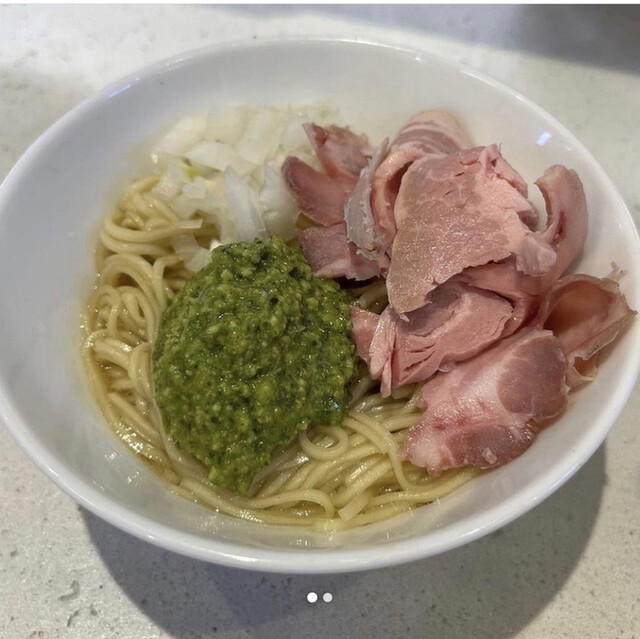
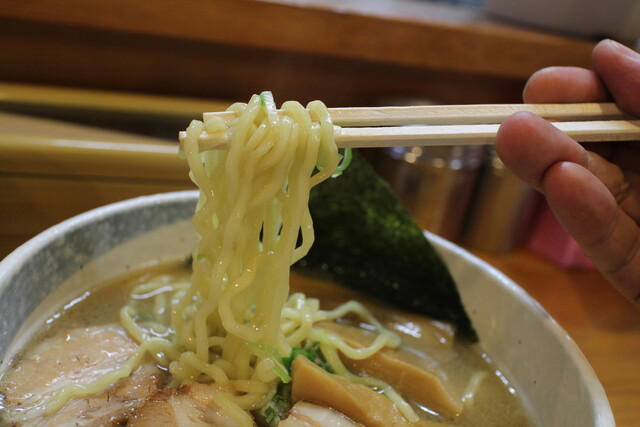
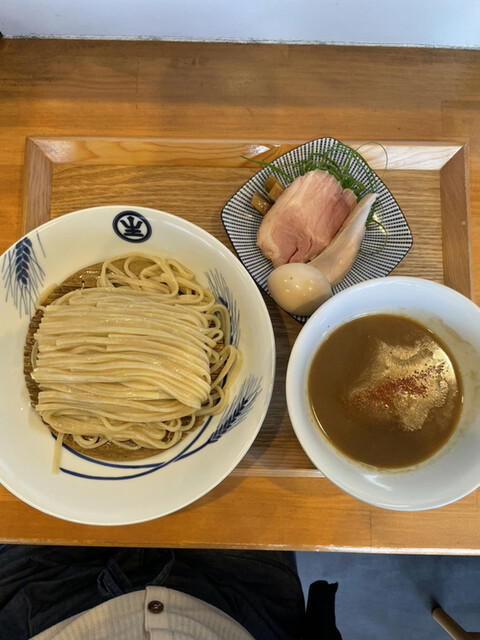
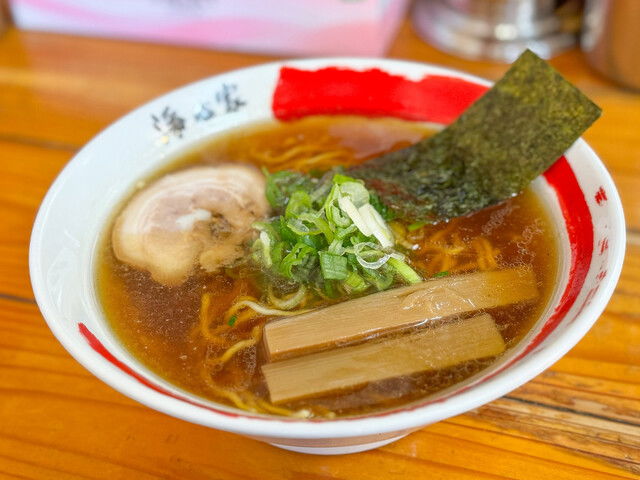
The categories, ramen and tsukemen (dipping noodles), anchor the offering, though the public record lists no chef name or signature-dish specifics. At the sub-¥1,000 price point, expect direct shoyu or shio bases with clean broths that prioritize umami depth over richness. Tsukemen, served with noodles separate from concentrated dipping broth, suits diners who prefer textural contrast and cooler noodle temperatures. The Tabelog 100 inclusion signals consistency in noodle chew and broth balance, two measurable benchmarks that separate award-tier ramen from neighborhood defaults. For first-timers unfamiliar with Japanese ramen-shop protocols: order at the counter upon seating, expect quick turnover (15-20 minutes from order to finish), and note that customization options (noodle firmness, broth intensity) may be limited compared to larger chains. The family-friendly and solo-dining-friendly labels suggest approachable service for non-Japanese speakers, though the lack of an official website means menu previews require third-party review sites or in-person inquiry. Check our full Nagoya restaurants guide for alternate ramen picks if you need English-language menus or advance menu consultation.
Planning details
- Location
- 5 Chome-31-1 Meieki, Nakamura Ward, Nagoya, Aichi 450-0002, Japan
- Website
- instagram.com/joshinya.kaneko
- Phone
- +81 52-561-5488
Venue details
Ambiance
A no-frills, old-school ramen-ya with counter seating and a compact interior focused on quick meals rather than atmosphere.
Tags
Best For
Experience
At the Table
- Service Style
- Counter Service
- Meal Pacing
- Quick Bite
- Kitchen
- Comfort cooking
- Menu Format
- A la carte, Counter dining
Signature Dishes
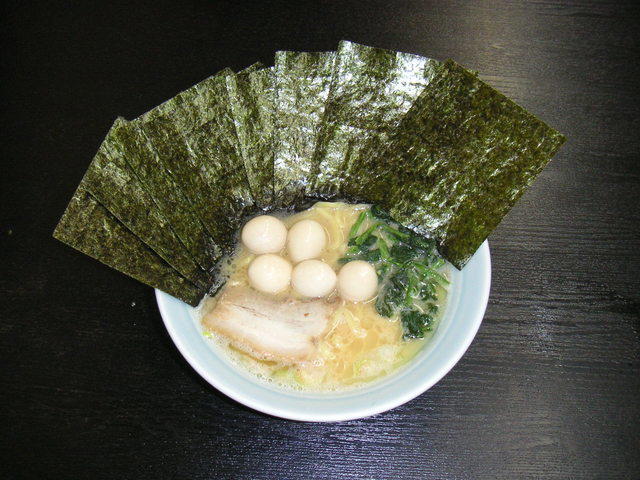
Chinese soba (ramen)
Know before you go
Know Before You Go
- Getting there
- 5 Chome-31-1 Meieki, Nakamura Ward, Nagoya, Aichi 450-0002, Japan
Planning details
Location
5 Chome-31-1 Meieki, Nakamura Ward, Nagoya, Aichi 450-0002, Japan · Directions
Recognition and awards
Also consider
Also Consider
- KAKO Yanagibashi ten, - JPY 999 - JPY 999, - JPY 999 - JPY 999
- Tachigui Sushi Kiwami Meieki 4 chome ten, JPY 8,000 - JPY 9,999 JPY 1,000 - JPY 1,999, JPY 8,000 - JPY 9,999 JPY 1,000 - JPY 1,999
- Salamanger de Casino, JPY 6,000 - JPY 7,999 JPY 2,000 - JPY 2,999, JPY 6,000 - JPY 7,999 JPY 2,000 - JPY 2,999
- Kiwami, JPY 6,000 - JPY 7,999 JPY 1,000 - JPY 1,999, JPY 6,000 - JPY 7,999 JPY 1,000 - JPY 1,999
- Ichibiki, JPY 3,000 - JPY 3,999 JPY 3,000 - JPY 3,999, JPY 3,000 - JPY 3,999 JPY 3,000 - JPY 3,999
Restaurant context
At under ¥1,000 per bowl, Joshin Ya undercuts most Nagoya ramen competitors on price while holding Tabelog 100 credentials, a rare combination that makes it the value leader among award-recognized shops. KAKO Yanagibashi ten matches the sub-¥1,000 price tier but lacks the same national recognition, making Joshin Ya the safer bet for first-time visitors chasing pedigree on a budget. Tachigui Sushi Kiwami Meieki 4 chome ten operates at a dramatically higher dinner price (¥8,000-¥9,999) with sushi focus, serving a different occasion entirely, book there for omakase-style dinners, but expect to pay eight times Joshin Ya's cost.
Salamanger de Casino (¥6,000-¥7,999 dinner, ¥2,000-¥2,999 lunch) and Kiwami (¥6,000-¥7,999 dinner, ¥1,000-¥1,999 lunch) both offer sit-down table service and reservations, trading Joshin Ya's counter intimacy and rock-bottom pricing for longer menus and group-friendly layouts. If your party includes four or more diners or you need guaranteed seating beyond walk-in availability, Salamanger or Kiwami justify the 3x-to-6x price premium. Ichibiki splits the difference at ¥3,000-¥3,999 across lunch and dinner, offering midrange pricing with easier booking, choose it if Joshin Ya's limited hours (closed Sundays, Saturday lunch only) conflict with your schedule. For solo diners and couples prioritizing technical execution over dining-room polish, Joshin Ya's counter-only format and award recognition deliver the highest skill-to-cost ratio in Nagoya's accessible ramen tier.
Explore Nagoya
Around this place
Discover more on Pearl
Unlock the full Joshin Ya guide in Pearl, including awards, comparisons, FAQs, planning details, and nearby places.
FAQ
Frequently Asked Questions
Can Joshin Ya accommodate groups?
The 11-seat counter layout seats parties of two side-by-side; groups of three or more will be separated. Solo diners and couples fit the format better. At under ¥1,000 per bowl, the price makes it easy to split up if you're set on visiting with a larger party.
Does Joshin Ya handle dietary restrictions?
The menu centers on ramen and tsukemen, both broth-forward formats that typically contain meat stock and wheat noodles. The venue lists no chef contact, no website, and no advance customization process. If you require gluten-free or vegetarian options, this is not the venue.
What should I wear to Joshin Ya?
The 11-seat counter and sub-¥1,000 price point set casual expectations. Come as you would to any neighborhood ramen shop: comfortable, practical clothing works fine. Counter seating means close proximity to other diners and limited space for bags.