

Tabelog 100: Best Ramen Restaurants in Aichi 2025
Tabelog 100 (Hyakumeiten) Ramen - AICHI selection for 2025. Tabelog publishes these as source-ordered lists of 100 restaurants.

Venues on this list
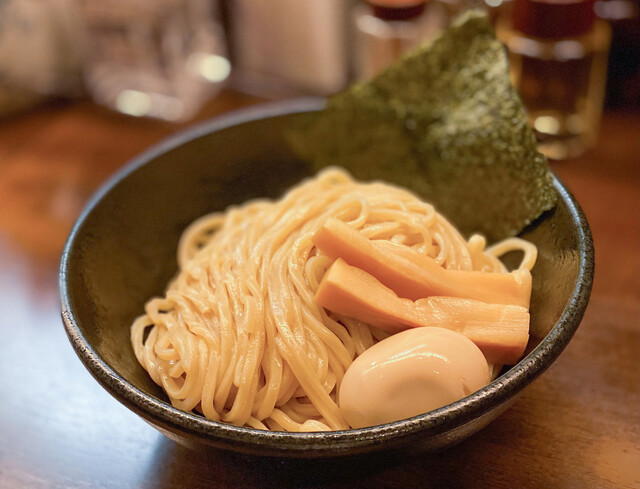
Nakamura So
Nagoya, Japan
Counter-only tsukemen specialist in Kanayama serving dipping noodles and ramen under 999 yen, recognized in Tabelog 100 Ramen AICHI 2025. Walk-in only, 14 seats, cash payment required. Best for budget-conscious solo diners and ramen format enthusiasts; skip for groups or off-premise dining.
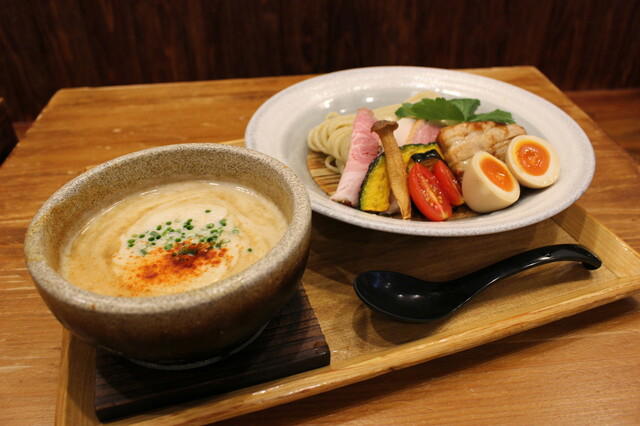
Menya Hanzou
Nagoya, Japan
A 16-seat Fujigaoka counter delivering Tabelog 100 Ramen recognition at JPY 1,000–1,999 for tsukemen, ramen, and abura-soba. Walk-in only with strict queueing protocol, family-friendly, and one minute from the subway; lunch and dinner run identical pricing, making this Nagoya's most accessible award-listed noodle stop for solo diners and pairs prioritizing value over ambiance.
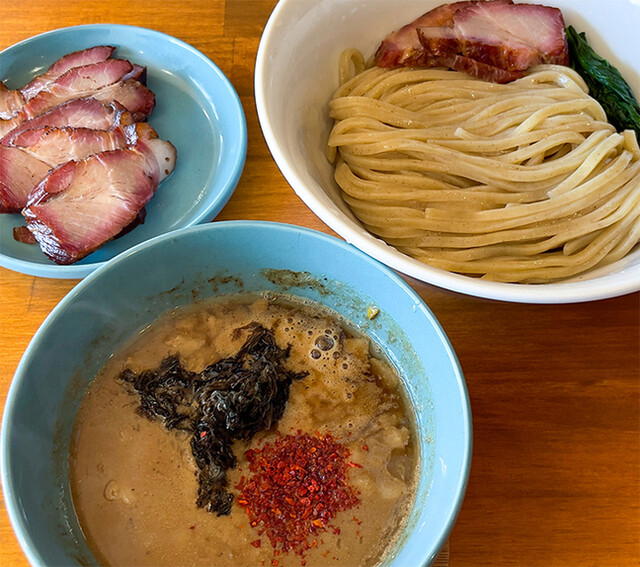
Ramen mellow
Nagoya, Japan
A counter-only ramen shop in Tokushige earning Tabelog 100 recognition three years after opening. Ramen mellow favors broth clarity and seasonal tsukemen shifts over legacy depth, with JPY 1,000–1,999 bowls served cash-only to 11 seats. Walk-ins only; arrive early or wait.
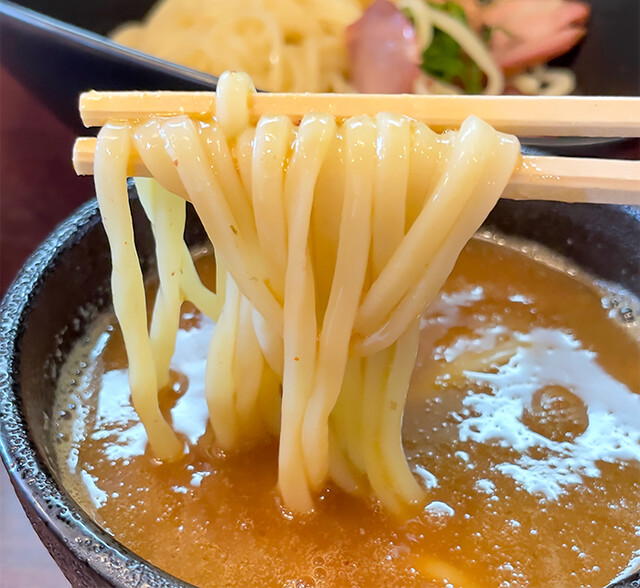
Menno Haru
Kasugai, Japan
Menno Haru holds a Tabelog 2025 Ramen AICHI 100 spot with a health-focused format, 13-seat counter, and lunch-only service under JPY 999. No reservations, cash only, and a walk-in queue that moves faster outside peak midday hours. Best for solo diners and families who value ingredient-forward ramen over premium pricing.
Mendo Hitohira
Konan, Japan
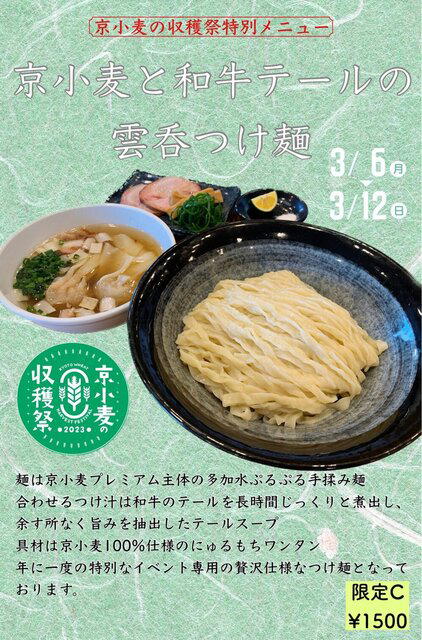
A 16-seat Konan ramen shop named to the 2025 Tabelog Ramen AICHI 100 for its daily house-made noodles blended from three Hokkaido wheat varieties. At JPY 1,000–1,999 per bowl, it delivers focused craft on a walk-in-only basis with lunch-dominant hours (10:30 AM–2:30 PM most days) and a quiet, solo-friendly counter. Worth a stop if noodle technique matters more to you than broth complexity or toppings range.
Shurakutei Kuan
Nagoya, Japan
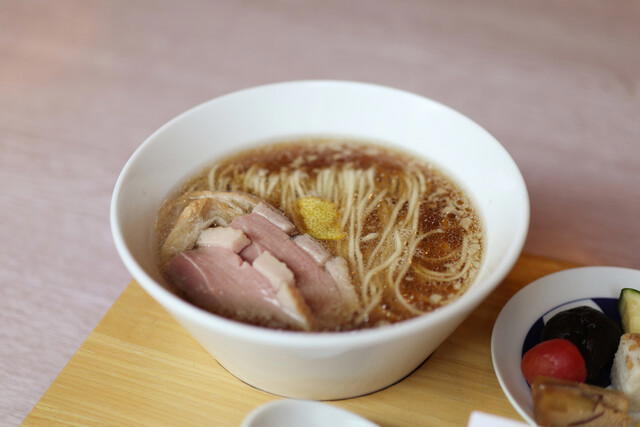
A 24-seat house restaurant in Nagoya's Midori Ward specializing in duck-broth ramen and tsukemen. Cash-only, walk-in service with Tabelog 100 recognition (2024, 2025) and pricing in the JPY 1,000–1,999 range. Family-friendly tables and solo-friendly counter seating.
Tomu
Nagoya, Japan
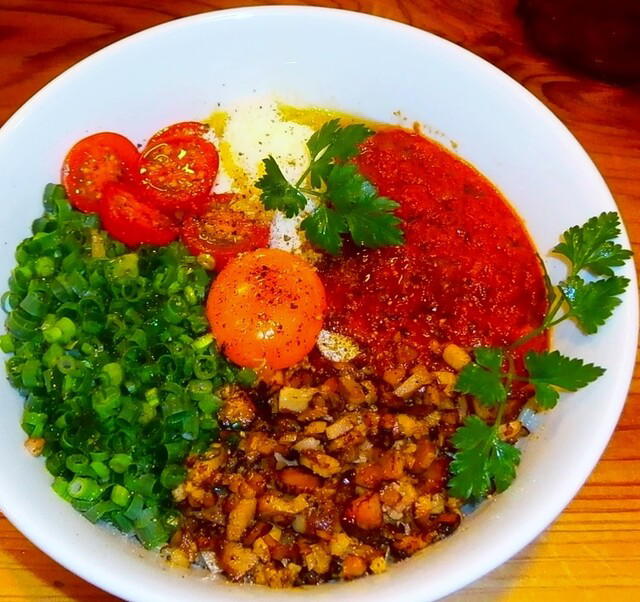
Italian-influenced ramen counter in Showa-ku serving tomato-based bowls and peperoncino variations at JPY 1,000–1,999. Tabelog 100 Ramen AICHI 2025 selection with late dinner service until 9:15 PM. Cash-only, walk-ins only, 15 seats.
Masago
Nagoya, Japan
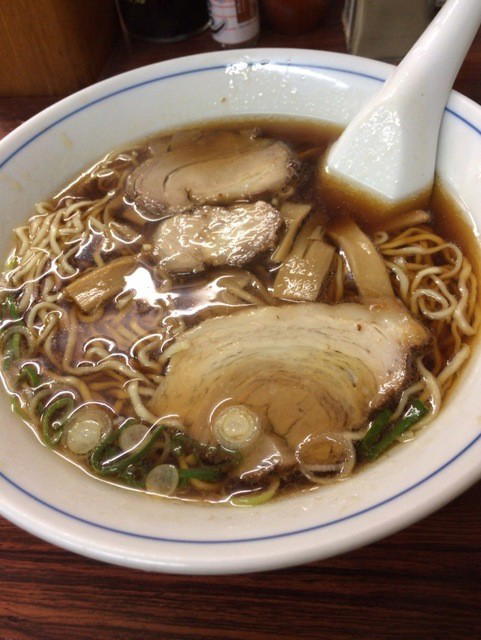
A 9-seat ramen counter in Kanayama that earned a 2025 Tabelog 100 nod for precision bowls under JPY 999. No reservations, cash only, and the lunch window offers better odds than the brief dinner service; arrive by 11:30 AM or stand outside.
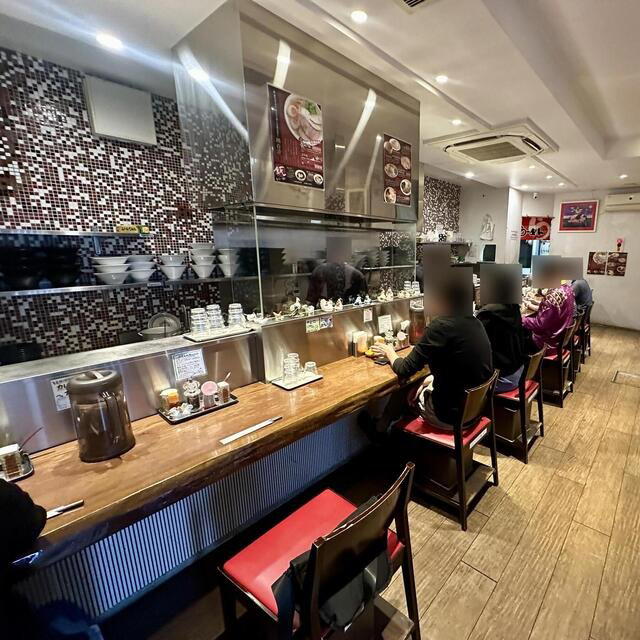
Ramen Kazamidori Honten
Inazawa, Japan
A Tabelog 100 – Ramen – AICHI 2025 selection delivering shoyu and miso ramen for under ¥1,000 per head in a 19-seat house-restaurant format. Counter seating, cash-only, walk-in only, with lunch (11 AM–2 PM) and dinner (6 PM–9:30 PM) service daily except Mondays. The technical precision justifies the 11-minute walk from JR Inazawa Station, and the 19-space parking lot removes suburban access friction.
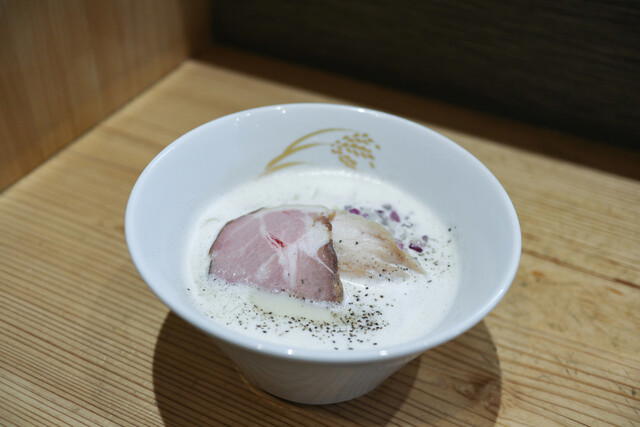
Mugi no Michi Sugure
Ichinomiya, Japan
A 10-seat ramen counter in Ichinomiya serving tsukemen and health-focused broths at JPY 1,000–1,999. Named to Tabelog's 2025 Ramen Aichi 100 Best, it's a cash-only, walk-in spot that prioritizes broth clarity over novelty; ideal for solo diners and pairs who want reliable execution at a fraction of the city's kaiseki prices.
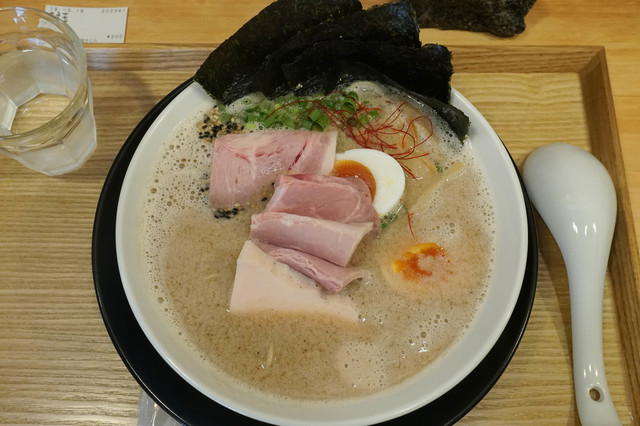
Menya Sakura
Handa, Japan
Counter-only ramen shop in Handa with eight seats, cash-only payment, and a Tabelog 100 record spanning 2017 to 2025. Bowls run JPY 1,000 to JPY 1,999, and the first-come walk-up system makes booking simple; arrive early, write your name, and wait your turn. Children under elementary school age are not permitted.
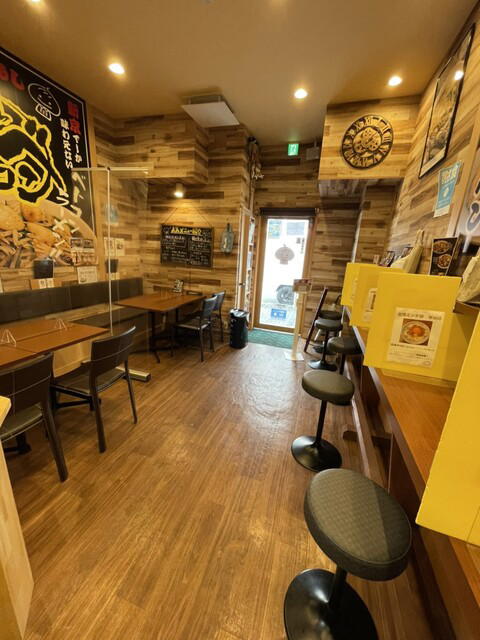
Betokon Ramen Shinkyo Meieki nishiguchi ten
Nagoya, Japan
A Tabelog 100 Best Ramen recipient five minutes from Nagoya Station, serving Betokon-style bowls under ¥1,000. Counter seating, wheelchair access, and late hours make it a practical choice for travelers between trains. Reservations accepted but walk-ins are standard during non-peak times.
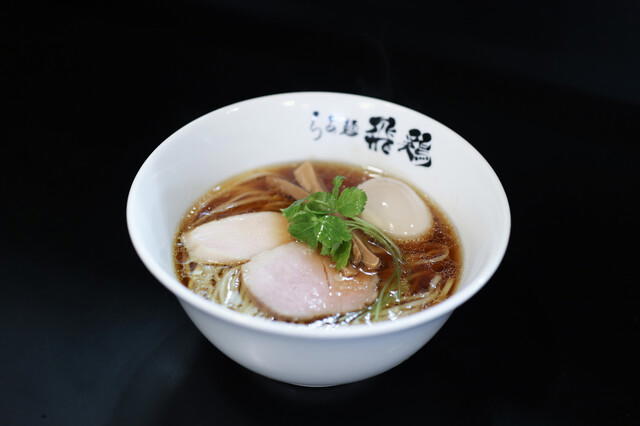
Ramen Asuka
Kasugai, Japan
An 11-seat counter ramen shop in suburban Kasugai, holding Tabelog 100 recognition for eight consecutive years. Lunch-only service, walk-ins only, and JPY 1,000–1,999 per head. No reservations, no cards, and a 706-meter walk from Ajima Station make this a destination for guests prioritizing craft and value over convenience.
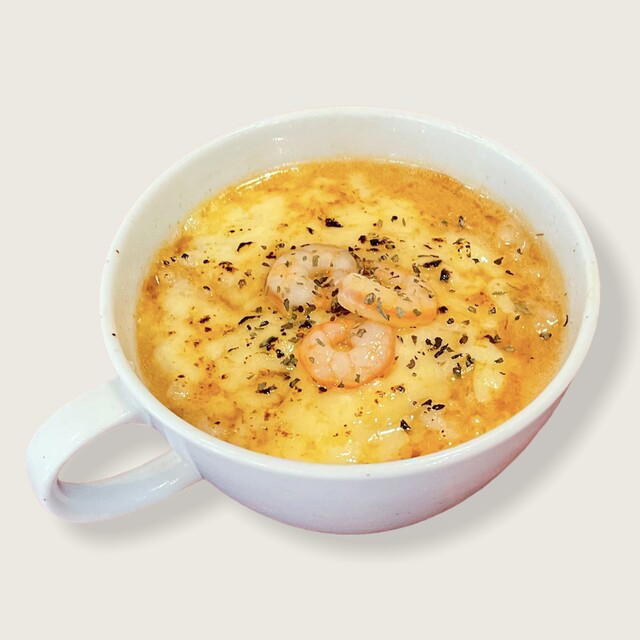
Ebi Soba Hiiro
Nagoya, Japan
A shrimp-focused ramen specialist near Horita Station, Ebi Soba Hiiro processes over a ton of sweet shrimp annually to build broths that strip out funk and amplify brininess. At JPY 1,000 to JPY 1,999 per bowl, it offers a cleaner alternative to Nagoya's miso-heavy and tonkotsu standards, with homemade mochi-wheat noodles and a cult-favorite cheese risotto side. Walk-in only, cash only, and accommodating for solo diners and small groups.
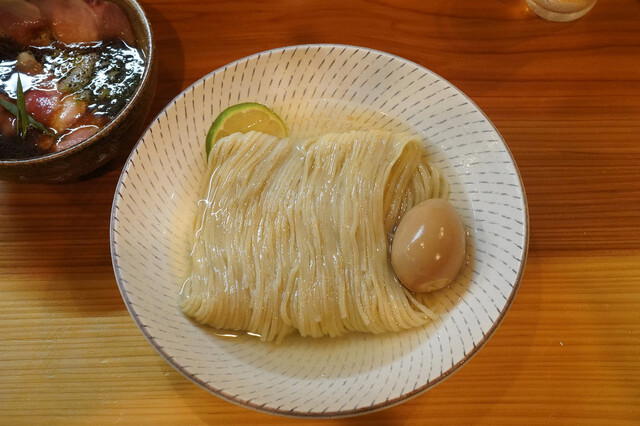
Tsukesoba Jinguji
Nagoya, Japan
A 12-seat tsukemen counter in Nagoya's Kita ward, recognized in Tabelog's 2025 Ramen Aichi 100 at rank 16. Walk-in only, ¥1,000-¥1,999 per head, family-friendly and solo-diner-friendly, serving dipping noodles Tuesday through Sunday across lunch and dinner service windows. Cash only, no reservations, near Shiga Hondori station.
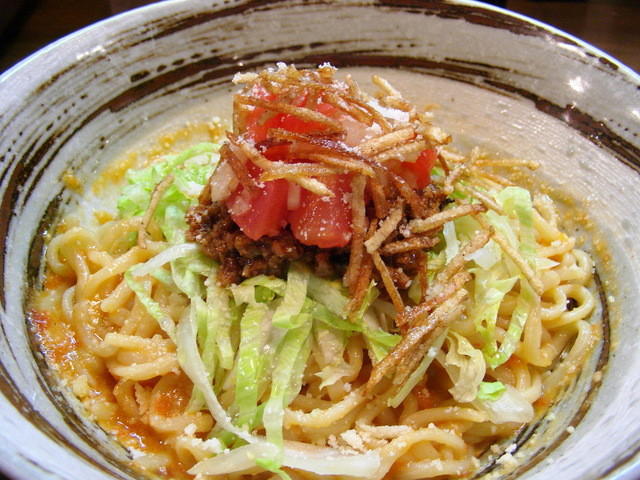
Menya Tamagusuku
Nagoya, Japan
A 12-seat Okinawan ramen counter in Imaike serving bowls under JPY 1,000, recognized in Tabelog's 2025 Ramen AICHI list. The format is straightforward; walk-in only, cash only, closed Mondays and Sundays; but the regional focus and price make it one of Nagoya's sharper value plays for solo diners hunting something beyond the usual tonkotsu circuit.
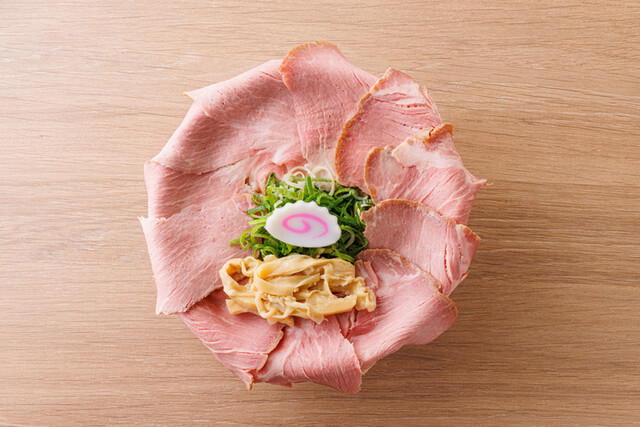
SUSURU Fushimi hanare
Nagoya, Japan
Basement ramen shop one minute from Fushimi Station, serving chicken-based broths and homemade noodles at JPY 1,000–1,999. Named to Tabelog 100 Ramen AICHI 2025, it offers walk-in seating, multilingual menus, and extended weekend lunch hours; making it a reliable quick meal for travelers and local office workers in central Nagoya.
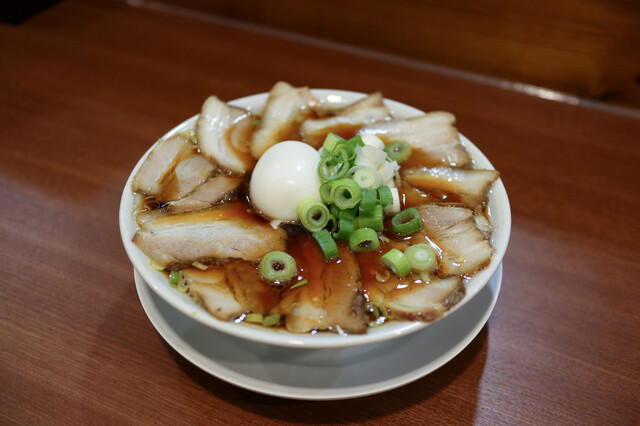
Noko Chuka Soba Sato
Nagoya, Japan
A 16-seat ramen shop in Marunouchi delivering thick, soy-forward chuka soba that earned a Tabelog 100 - Ramen - AICHI - 2025 slot. Bowls run under 1,000 yen, lunch turnover is brisk, and the counter offers clear sightlines to broth prep. Cash-only, no reservations, and closed Sundays.
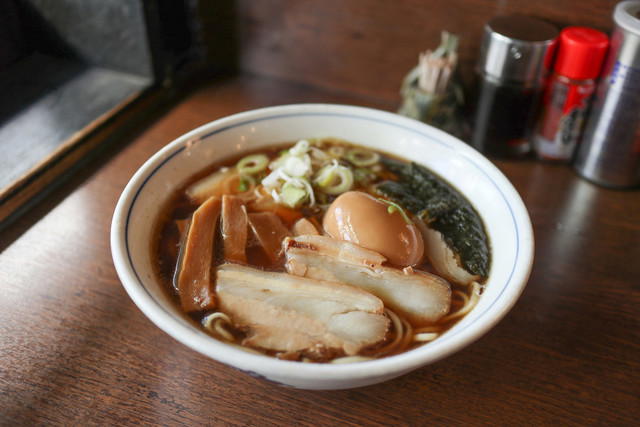
Chuka Soba Shirakabe Aoi
Nagoya, Japan
An eight-seat counter in Shirakabe serving classic soy-based ramen, abura-soba, and mazesoba for under ¥1,000. Recognized on Tabelog's 2025 Ramen AICHI 100 list, Chuka Soba Shirakabe Aoi is a walk-in-only spot that rewards solo diners seeking quick, reliable execution between Nagoya Castle and Tokugawa Art Museum. Lines form during peak hours but move fast; takeout is available but best for off-peak timing.
Menya Takeda
Komaki, Japan
Menya Takeda serves ramen and tsukemen (dipping noodles) at JPY 1,000–JPY 1,999 per head, earning a spot on the Tabelog 100 Ramen AICHI 2025 list. The eight-seat counter operates lunch-only service (11 AM–2 PM, Monday–Friday and Sunday, closed Saturday) with no reservations; arrive early or queue. Cash only, solo-friendly, and easier to reach by car with 20 shared parking spaces.
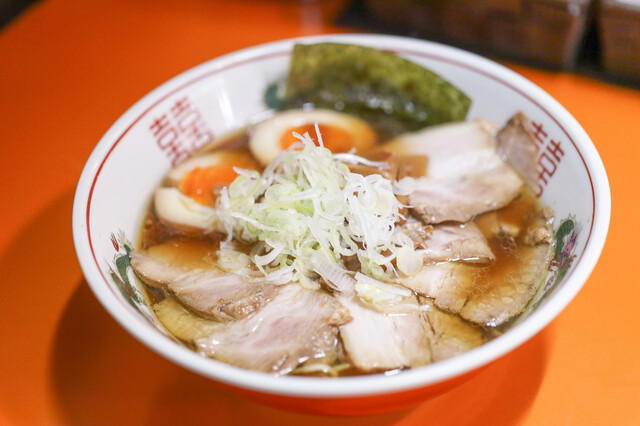
Taiyo Shokudo
Nagoya, Japan
A seven-seat counter where Tabelog 100 recognition meets single-owner pacing and JPY 1,000–1,999 bowls. Taiyo Shokudo delivers Aichi's regional ramen credentials without reservations or credit cards; plan for lunch-only hours (11 AM–3 PM) and bring cash.
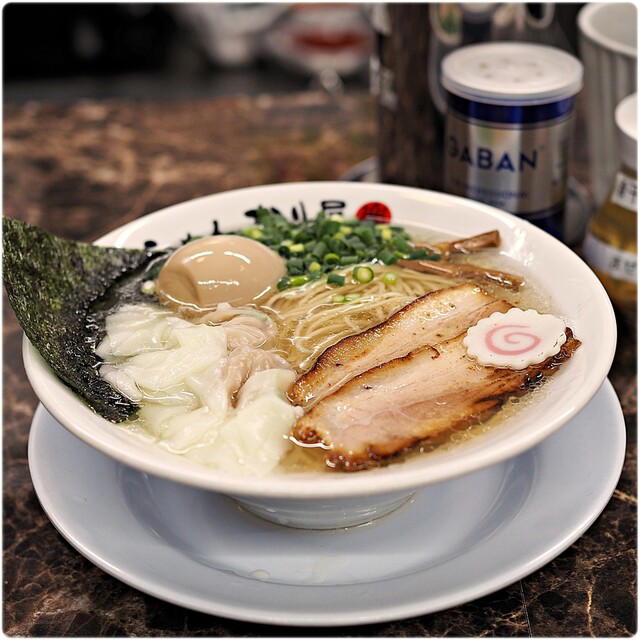
Jikaseimen Ramen Kariya
Kariya, Japan
A Tabelog 100 Ramen–Aichi 2025 selection, this 10-seat counter shop opened in 2017 and serves house-made noodles for under JPY 1,000 per bowl. Walk-in only, cash only, and family-friendly despite the counter-only format, it offers credible ramen at Kariya's lowest price tier. Lunch runs 11:30 AM–2:30 PM; dinner 6:30–9:00 PM Wednesday through Sunday, closed Tuesdays.
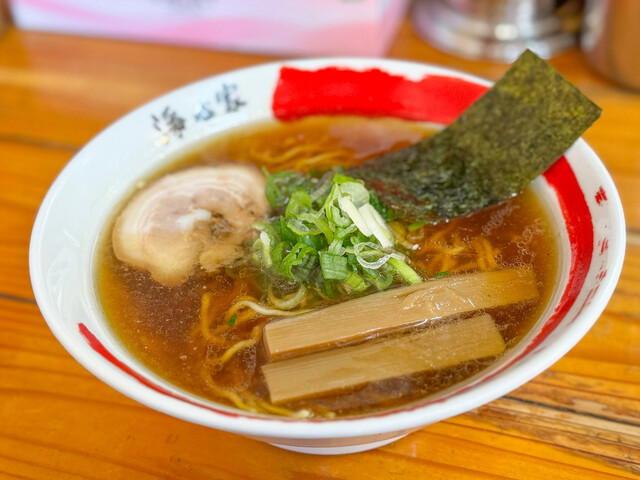
Joshin Ya
Nagoya, Japan
Tabelog 100–recognized ramen counter near Nagoya Station delivering award-tier broths under ¥1,000 per bowl. The 11-seat, counter-only layout and weekday-heavy hours (closed Sundays, Saturday lunch only) reward flexible schedules; arrive at opening for the shortest wait. Cash-only, no reservations.
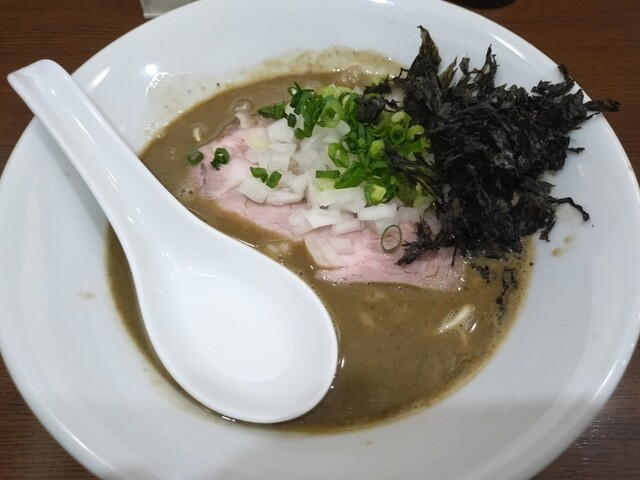
Niboshi Chuka Soba Gyogyo
Nagoya, Japan
A 13-seat counter ramen shop in Nagoya's Kita ward, Niboshi Chuka Soba Gyogyo earned its 2025 Tabelog 100 - Ramen - AICHI spot with bowls under JPY 1,000 and a focus on niboshi (dried sardine) broth. Walk-in only, cash-only, and open since February 2021, it delivers award-recognized technique without the wait times or formality common among decorated peers.
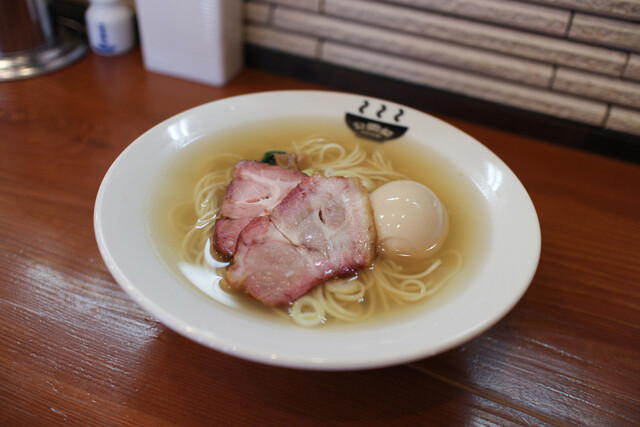
Jikaseimen Koen Mae
Okazaki, Japan
Eight-seat counter shop in residential Okazaki serving house-made ramen and tsukemen under JPY 1,000. Tabelog 100 recognition for the region, lunch-only service Wednesday–Sunday, and a queue that forms before opening. Cash only, no reservations, counter seating faces the kitchen.
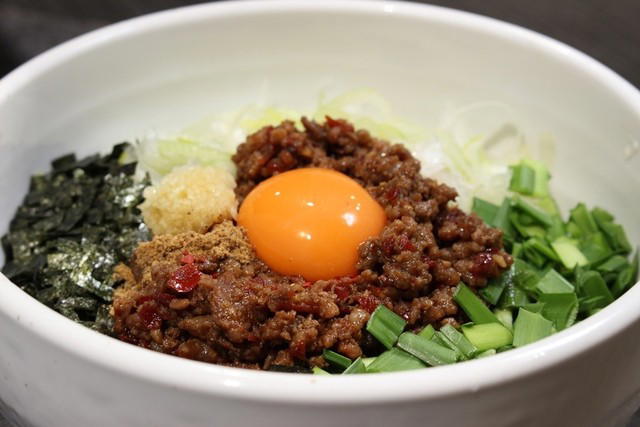
Ramen Maze-soba Arashi Nishiki ten
Nagoya, Japan
A late-night Taiwanese mazesoba counter in Nagoya's Nishiki district, serving thick noodles with spicy sauce and minced meat until 5 AM. Selected for Tabelog Ramen AICHI 100 in 2025, the shop delivers affordable, solo-friendly ramen at JPY 1,000–1,999 per head, with counter seating and cash-only payment.
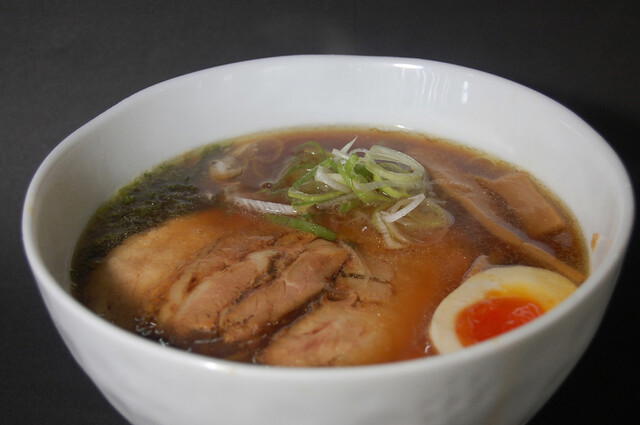
Menya Ippachi
Chita-gun, Japan
A 12-seat ramen counter in Taketoyo serving house-made noodles, natural-ingredient broth, and multiple noodle formats for under JPY 1,000. Named to <em>Tabelog 100 Best Ramen Aichi</em> for 2025, it's a strong choice for solo diners and families seeking quality without big-city crowds or pricing.
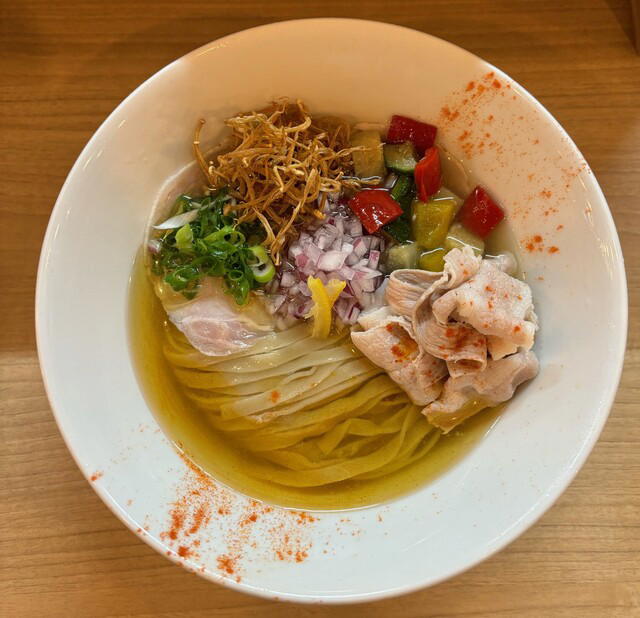
Chuka Soba Mugi no Hoshi
Nagoya, Japan
A Tabelog Hyakumeiten 2025 ramen shop near Shinsakae-machi Station, opened in 2023, serving clear soy-based chūka soba at JPY 1,000–1,999. Counter and table seating for 20, cash-only, no reservations. Best visited outside the 11:30 AM–1 PM lunch rush or early evening weekends for shorter waits.
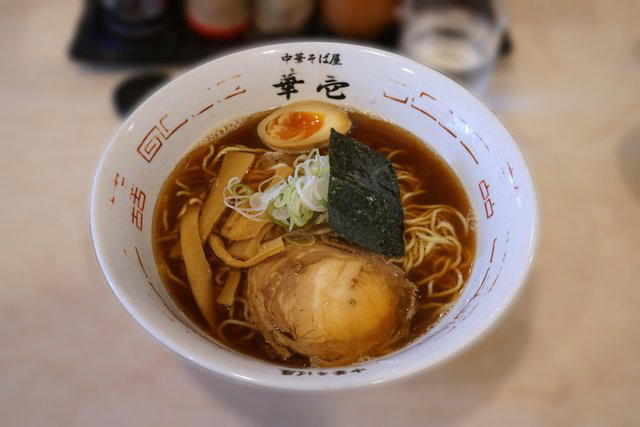
Hana Ichi
Toyoake, Japan
Walk-in ramen counter in Toyoake named to the 2025 Tabelog Ramen AICHI 100 list, serving ramen, tsukemen, and Taiwanese mazesoba at JPY 1,000–1,999. The 10-seat counter format and no-reservation policy make it one of the easier award-winning ramen shops to visit in Aichi, though narrow service windows and Tuesday closures require timing.
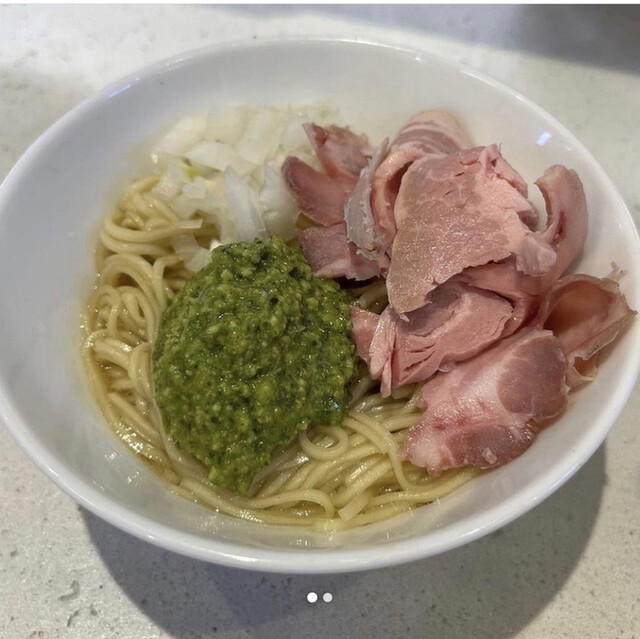
Atsuta Miso Ramen Buriyu
Nagoya, Japan
This eight-seat counter shop in a renovated traditional house earned Tabelog 100 Ramen AICHI recognition within two years of opening. House-made miso ramen runs JPY 1,000–1,999, no reservations accepted, cash only. Walk-ins manage via air-weight queue system; aim for weekday lunch or Friday-Saturday dinner to minimize wait times.
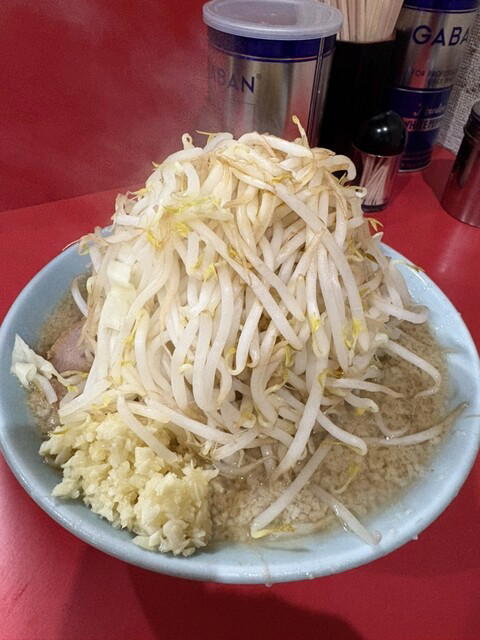
Ramen Dai Nagoya ten
Nagoya, Japan
A nine-seat counter serving award-recognized ramen for under 1,000 yen, five minutes from Fushimi Station. Tabelog 100 Ramen AICHI 2025 selection with cash-only, walk-in service since 2010. Solo diners and pairs seeking the most affordable entry to Nagoya's recognized ramen tier should book lunchtime service before noon.
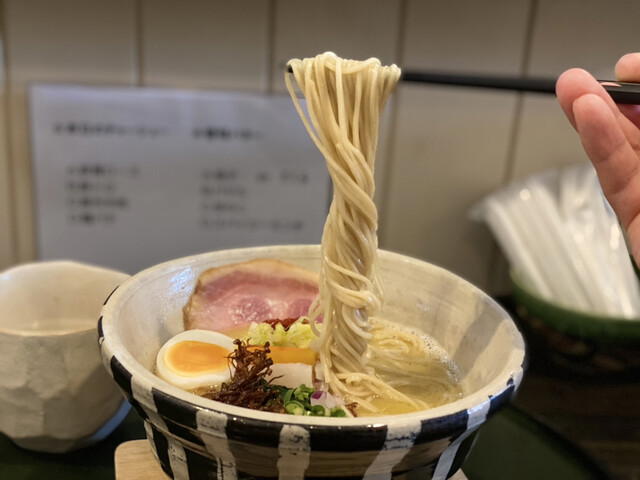
ORIBE
Toyohashi, Japan
A Tabelog 100 Ramen AICHI 2025 selection offering counter-only service at under ¥1,000 per bowl. Walk-in only, sells out daily at both lunch and dinner. Solo diners and budget-conscious ramen enthusiasts should arrive before opening to secure a seat at this 11-seat shop near Ihara Station.
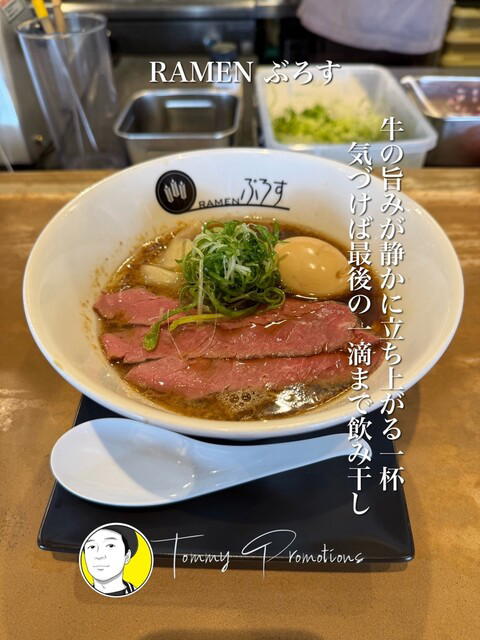
RAMEN Burosu
Obu, Japan
RAMEN Burosu is worth choosing when the plan is a focused ramen meal in Obu, not a long dinner or drinks-led night. Its value is strongest for small parties who know they want noodles; cross-shop Men Tamayura Kariya ten for a similar ramen lane or Ramen Burai for a lower-spend option.
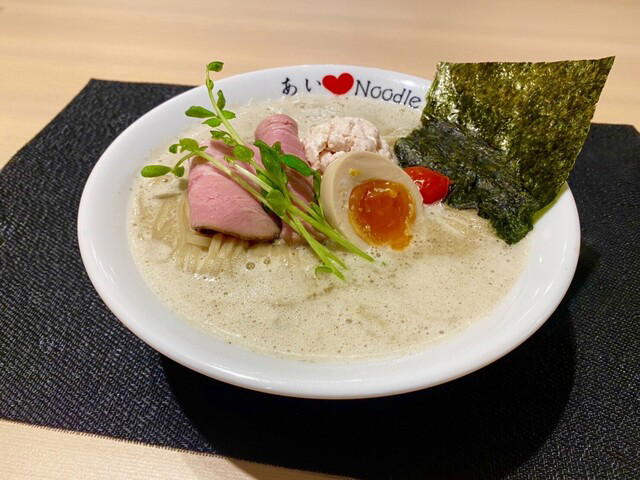
Ramen Aigoya
Kariya, Japan
A house-converted ramen-ya in suburban Kariya, Ramen Aigoya serves technically precise shio and shoyu ramen under JPY 1,000 per bowl. Named to Tabelog's 2025 Ramen AICHI 100 list, it operates walk-in only with quick turnover; best for solo diners or small groups seeking a straightforward, budget-friendly meal rather than a lingering experience.
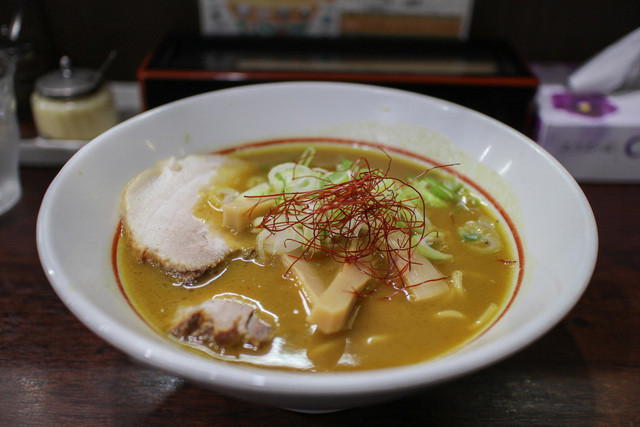
Fujimi Tei Honten
Nagoya, Japan
A Tabelog 100–recognized ramen counter in Fujimicho, serving technically precise bowls at JPY 1,000–1,999 since 1999. Nine seats, no reservations, and a neighborhood feel make it a solid midday stop for serious ramen eaters in Nagoya.
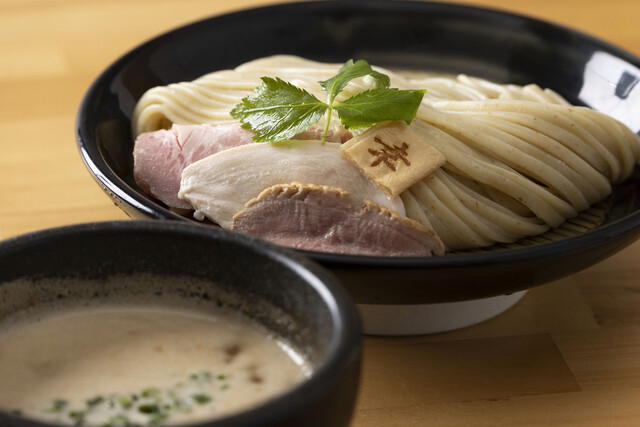
Menya Saisakizaka
Nagoya, Japan
Tabelog 100-recognized ramen shop near Tsurumai Station offering ramen, tsukemen, abura-soba, and maze-soba at JPY 1,000–1,999. No reservations; walk-in queues peak at weekend lunch. Spacious counter-and-table layout makes it one of Nagoya's more family-friendly ramen spots, with cash or QR-code payment only.
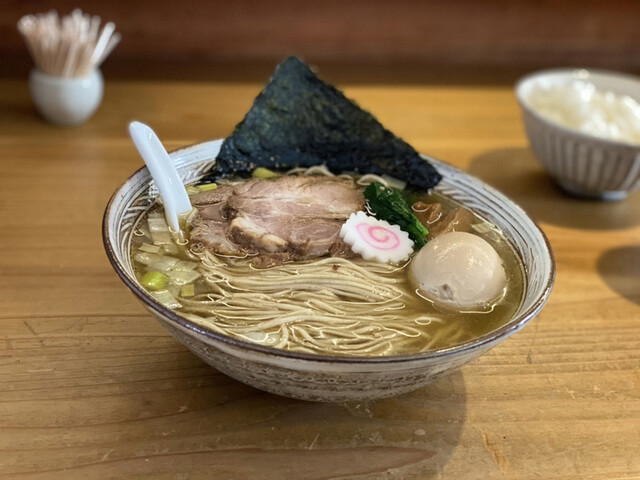
Dashi Men Mirai
Gamagori, Japan
A 14-seat ramen counter in a converted Gamagori house restaurant, earning consecutive Tabelog 100 placements (2024 EAST, 2025 Aichi) for bowls under JPY 1,000. Counter service favors solo diners, tatami spots welcome families, and cash-only logistics keep the format straightforward. Best at the 11 AM lunch opening; walk-ins accepted, same-day reservations only for groups with children.
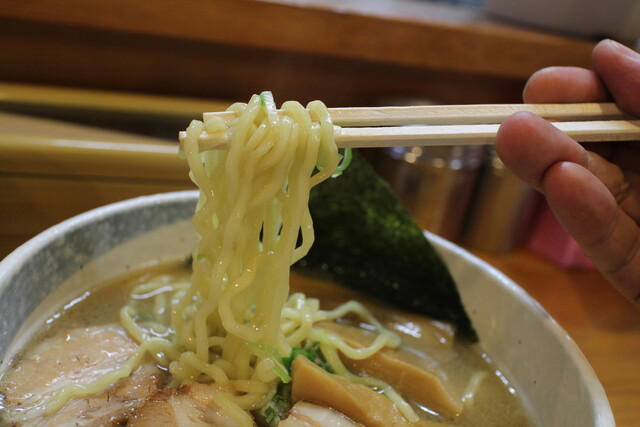
Chuka Soba Hanamaru
Ichinomiya, Japan
Chuka Soba Hanamaru is worth prioritizing in Ichinomiya when you want a low-cost, focused meal with a stronger credibility signal than the price suggests. The Tabelog 100 #39 placement in 2025 makes it more compelling than a generic quick lunch, but it is not the right pick for a drawn-out group meal or polished occasion.
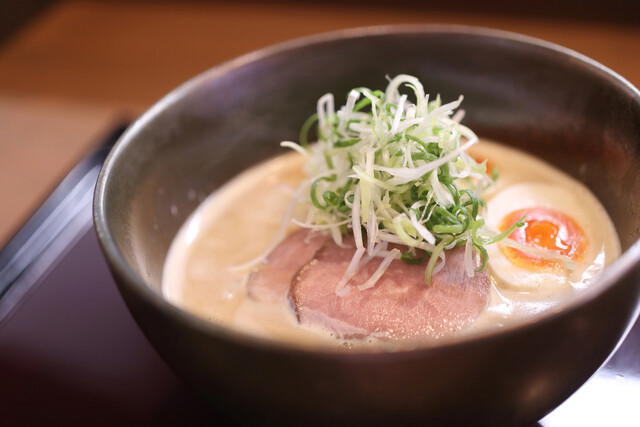
Komugi to Yakiago Sugure
Nagoya, Japan
Tabelog 100 Ramen AICHI 2025 selection serving ramen and tsukemen under ¥1,000, featuring roasted flying fish broth in a 12-seat counter shop near Aratamabashi Station. Walk-in only, cash only, with efficient solo-diner turnover and weekday lunch crowds. A practical choice for recognized quality without spending ¥2,000 or more in Nagoya's competitive ramen scene.
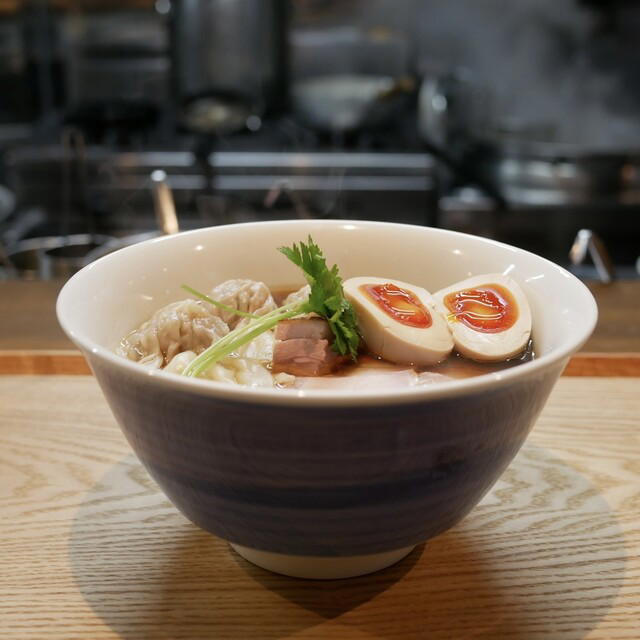
Raamen Ajisai
Nagoya, Japan
Reservation-only ramen and tsukemen counter in Nakagawa-ku, holding a spot on Tabelog's top-100 lists since 2018. JPY 1,000–1,999 per person, lunch-only service (11 AM–3 PM, closed Mondays), and 14 seats split between counter and two-tops. Book one week out via TableCheck; same-day slots rarely open.
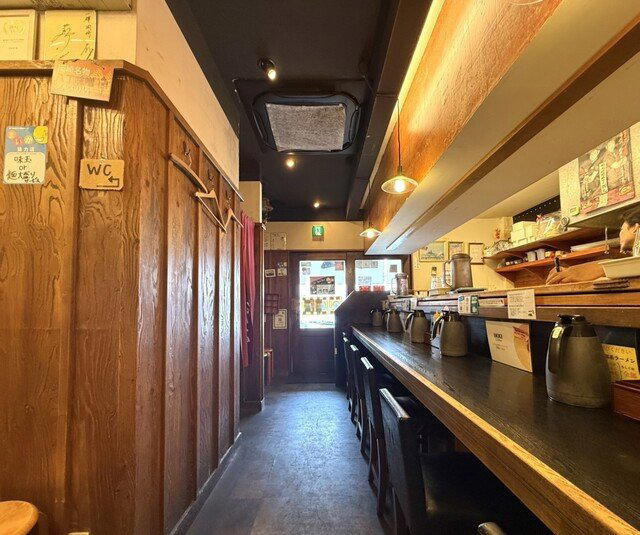
Tsukemen Sha Ikki
Okazaki, Japan
A Tabelog 100 tsukemen shop in Okazaki, featuring custom-made noodles and an eighteen-hour tonkotsu-seafood broth served at a ten-seat counter. Under ¥1,000 per bowl, cash-only, no reservations. Worth the 15–30 minute wait if broth depth matters more than speed.
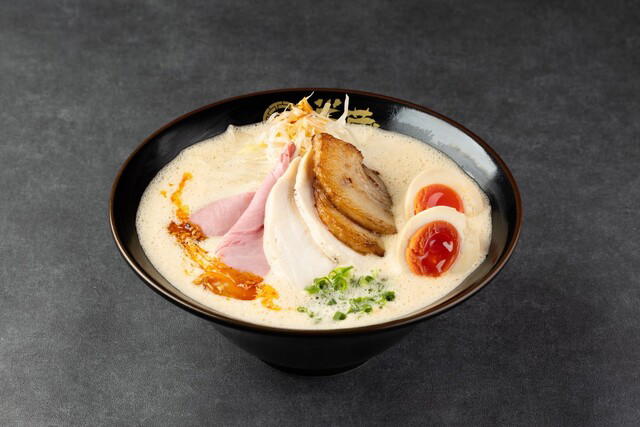
Hanzou Seimen
Tokoname, Japan
Hanzou Seimen delivers Tabelog 100-recognized ramen on Centrair Airport's fourth floor at under 1,000 yen per bowl. The 22-seat counter offers fresh house-made noodles in tonkotsu, tsukemen, and tantan-men formats. Worth a layover stop; downtown Tokoname options provide quieter settings at similar prices.
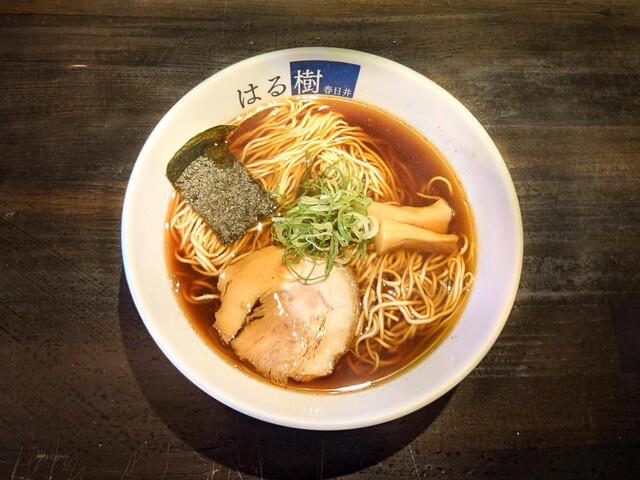
Haruki
Kasugai, Japan
Takayama-style chuka soba under ¥1,000 at a 12-seat counter in Kasugai. Homemade noodles and a Tabelog Ramen AICHI 100 spot (2025) justify the lunch queues. Cash-only, no reservations, and closed Thursdays; arrive at opening or plan to wait.
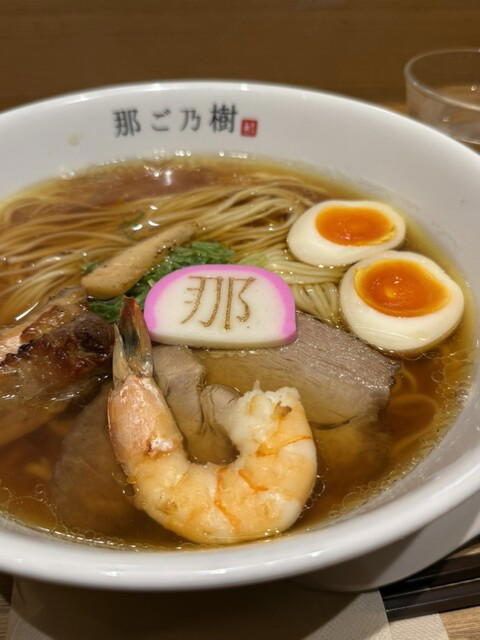
Tori Soba Nagonoki
Nagoya, Japan
A 9-seat chicken ramen shop near Kokusai Center Station, recognized in Tabelog Ramen AICHI 100 for 2025. Bowls under ¥1,000, cash-only, no reservations. Go for a quick, reliable meal; skip if you need elbow room or prefer richer broths.
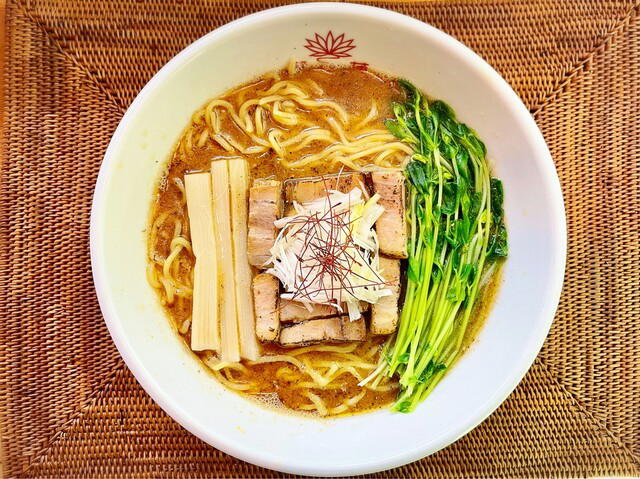
Ramen Suiren
Nagoya, Japan
A 10-seat ramen counter in Showa Ward where a husband-and-wife team has served pork-and-chicken broth, hand-torn menma, and fermented-tofu char siu since 2004. Selected for Tabelog 100 - Ramen - AICHI - 2025, the operation stays under 1,000 yen per bowl, accepts no reservations, and opens limited hours; lunch most days, dinner only Thursday and Friday. The counter format puts you three feet from the kitchen; turnover is quick, and the gamelan music soundtrack hasn't changed in two decades.
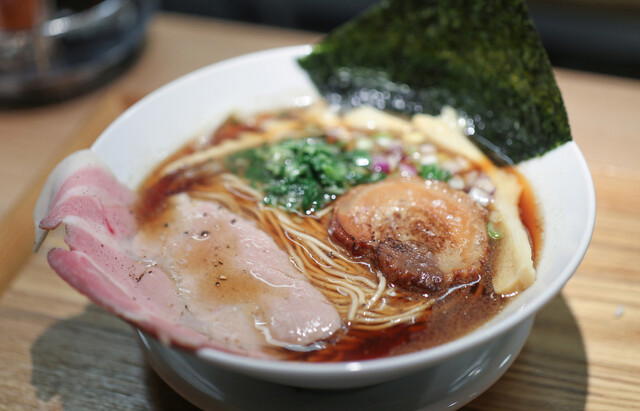
O Dashi to Ginshari Chuka Soba Nito
Nagoya, Japan
A counter-only ramen shop near Nagoya Station serving dashi-forward chuka soba with ginshari (silver rice) for under JPY 1,000. Recognized on Tabelog's 2025 Ramen AICHI 100 Best list, it operates walk-in only and will close in 2027 due to building redevelopment; worth the 30-minute peak-hour wait for budget-conscious travelers prioritizing quality over comfort.
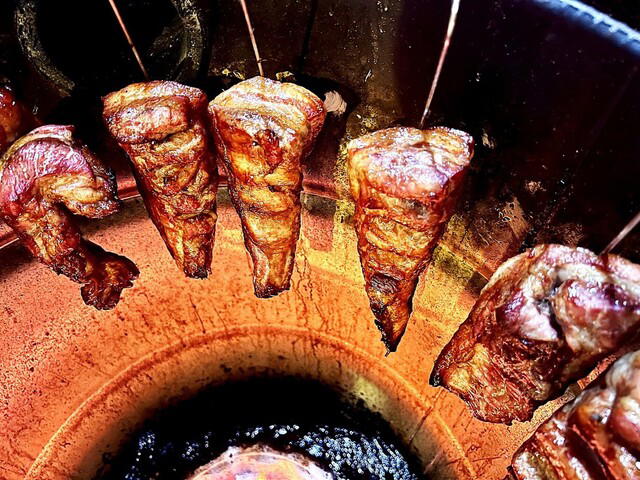
Menbo Showa Tei
Tokoname, Japan
Menbo Showa Tei earns its Tabelog 100 Ramen AICHI spot with additive-free seafood dashi and counter-only focus. The residential location (20 minutes by infrequent bus from Tokoname Station) rewards car-equipped seekers willing to navigate logistics for a clean, technique-driven bowl at JPY 1,000–1,999. Cash only, closed Monday–Tuesday, and best for solo diners or pairs who prioritize broth clarity over convenience.
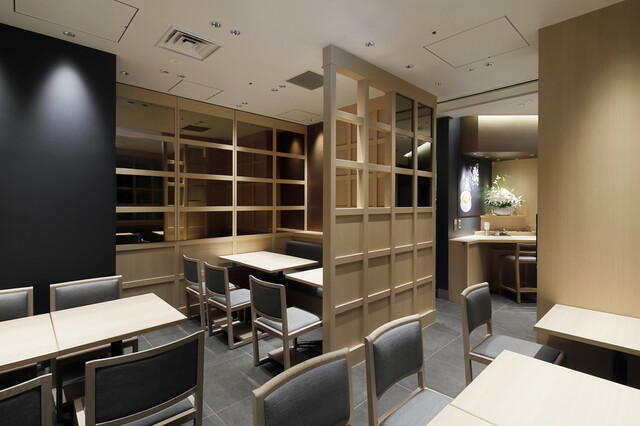
Kounan JR Central Towers
Nagoya, Japan
A 28-seat ramen and dumpling counter on the 13th floor of JR Central Towers, open since 1999 and selected for Tabelog Ramen AICHI 100 in 2025. Walk-in only, with bowls under JPY 2,000 and a takeaway dumpling program Monday through Saturday. Best visited at 11 AM or after 2 PM to avoid station-traffic queues.
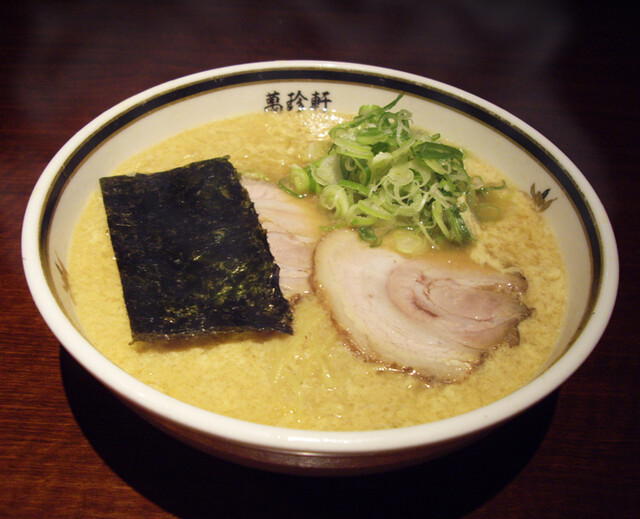
Manchin Ken
Nagoya, Japan
A 65-seat Nakamura Ward ramen and Chinese restaurant selected for Tabelog Ramen AICHI Hyakumeiten 2025, serving spicy tantan-men and noodle dishes at JPY 1,000–1,999 per person. Weekday reservations accepted, generous parking, counter and table seating, and a format built for solo diners and groups alike.
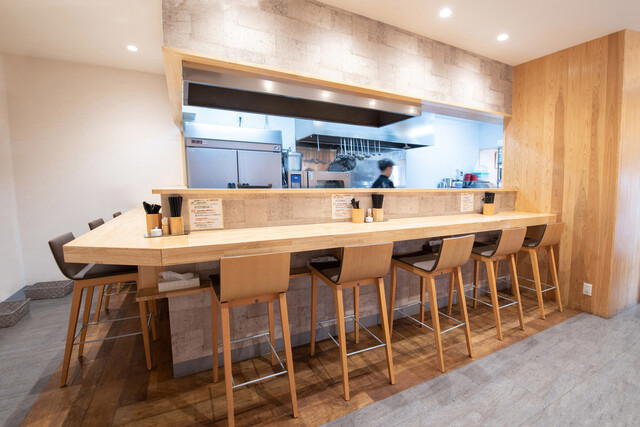
Menya Shishimaru
Nagoya, Japan
A 14-seat ramen counter five minutes from Nagoya Station, holding Tabelog 100 recognition since 2019 with bowls priced at JPY 1,000 to JPY 1,999. Walk-in only, family-friendly, and cash-free payment systems make it a practical choice for quick, award-level ramen without reservations or price inflation.
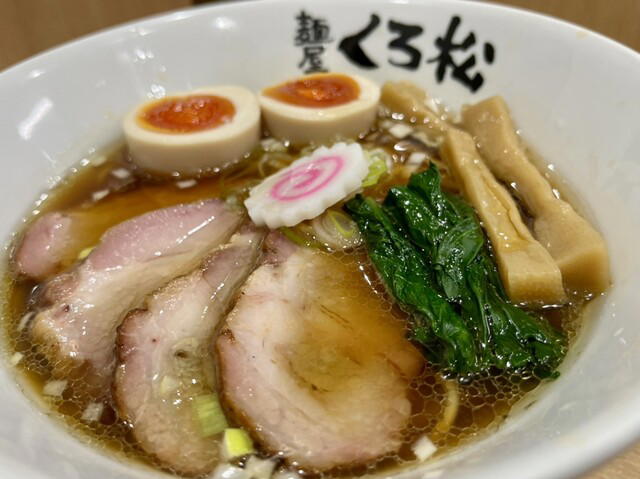
Menya Kuromatsu
Anjo, Japan
Tabelog 100-listed ramen counter in Anjo, open since 2021. Nine seats, no reservations, JPY 1,000–1,999 bowls. Cash only, closed Monday–Tuesday. Parking available. Walk-ins move quickly; expect 20–30 minutes during lunch rush. Stronger technical execution than most sub-JPY 2,000 options in Aichi.
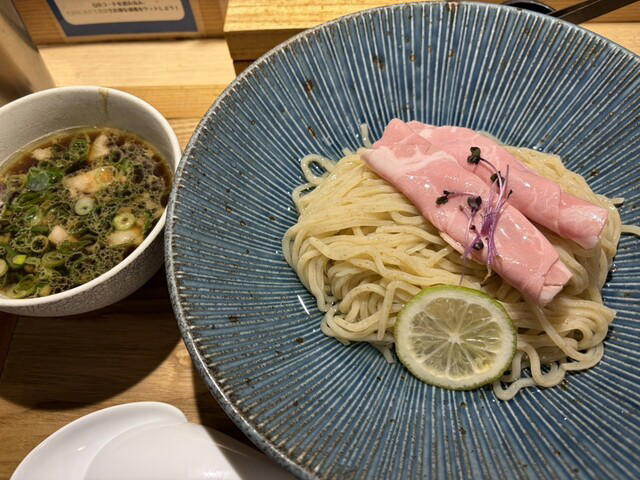
Chuka Soba Raian
Nagoya, Japan
A counter-only chuka soba specialist three minutes from JR Nagoya Station, earning Tabelog Ramen AICHI 100 recognition within two years of its 2023 opening. Sub-¥1,000 bowls, cash-only service, and split lunch-dinner hours make this a practical stop for travelers prioritizing speed and quality over scene.
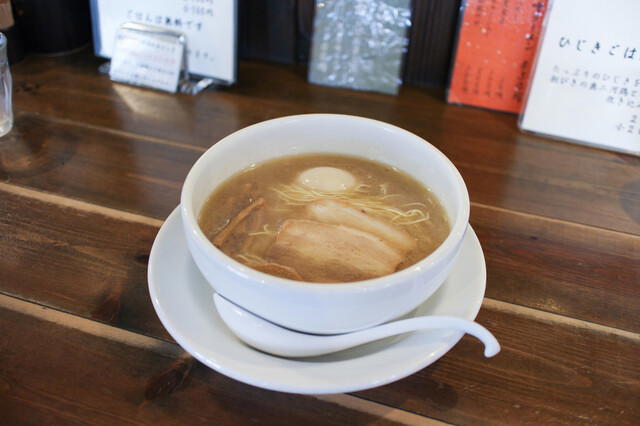
Tokugawa Cho Josui Nishiharu ten
Nagoya, Japan
A Tabelog 2025 Ramen AICHI 100 selection in Kitanagoya serving bowls, tsukemen, and mazesoba at JPY 1,000–1,999. Walk-in only, family-friendly layout with twenty-one seats and parking, and a straightforward menu that has held steady since 2013. Worth it if you want uncomplicated bowl service at the lower end of the Nagoya metro price spectrum.
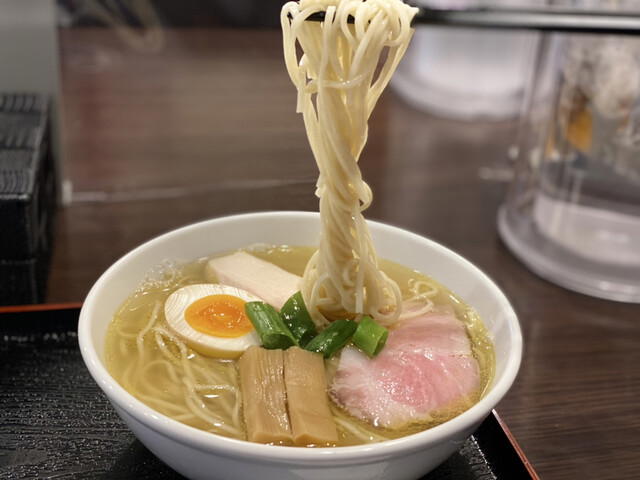
Raa Men Sachihane
Toyohashi, Japan
A 10-seat Tabelog 100 ramen shop in Toyohashi serving lunch-only service (11 AM–2 PM, closed Thursdays and Fridays) at JPY 1,000–1,999 per bowl. Opened in 2015 and recognized in the 2025 Tabelog 100 Ramen AICHI list, it offers counter and single-table seating with cash-only payment and a no-reservation policy. Best for solo diners or pairs who arrive at open to avoid the midday queue.
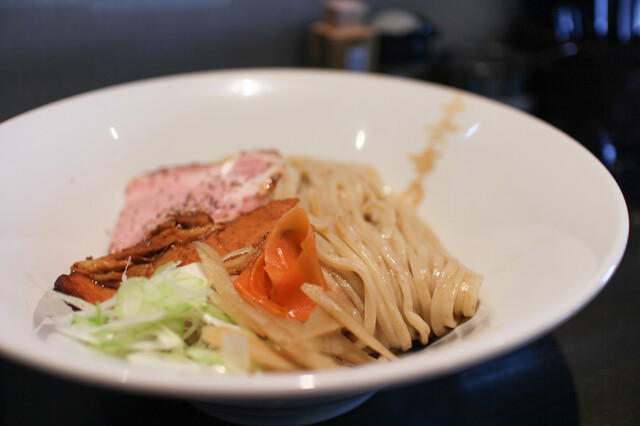
Menja Sugure
Kasugai, Japan
Walk-in tsukemen counter in Kasugai serving bowls under ¥1,000, recognized on Tabelog's 2025 Ramen AICHI 100 list. The 15-seat shop focuses on dipping noodles over ramen, with shared parking and no-reservation seating that favors locals and regulars. Best for solo diners and quick meals.
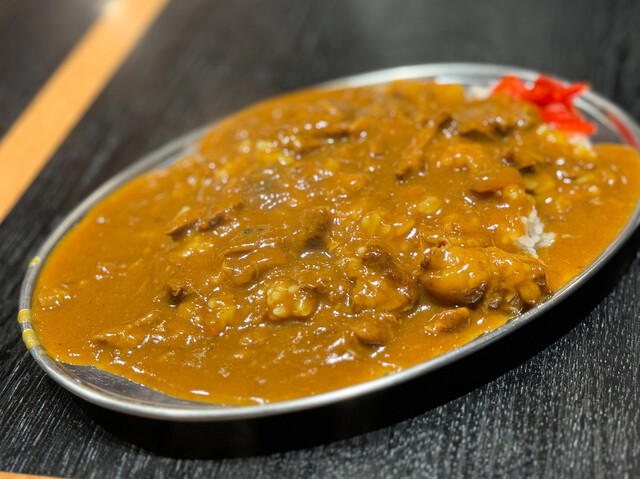
Tsubame Sanjo
Nagoya, Japan
A Sakae Naka-ku ramen counter recognized on Tabelog Ramen AICHI Hyakumeiten 2025, serving Niigata-style bowls at JPY 1,000–1,999 with rare evening service until 9 PM. Walk-ins only, cash only, 21 seats split between counter and table. Six minutes from Fushimi Station, filling a late-dinner gap most Nagoya ramen specialists leave empty.
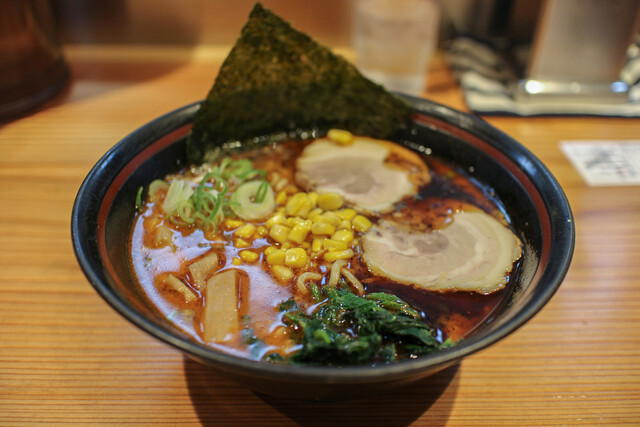
Kodawari Men Kobo Tago
Nagoya, Japan
A Tabelog 100 – Ramen – AICHI – 2025 house-restaurant with eight counter seats, no reservations, and lunch-only service ending before 2:15 PM weekdays. Sub-¥999 bowls reward early arrivals and solo diners; the residential location and tight schedule suit ramen completists more than casual groups.
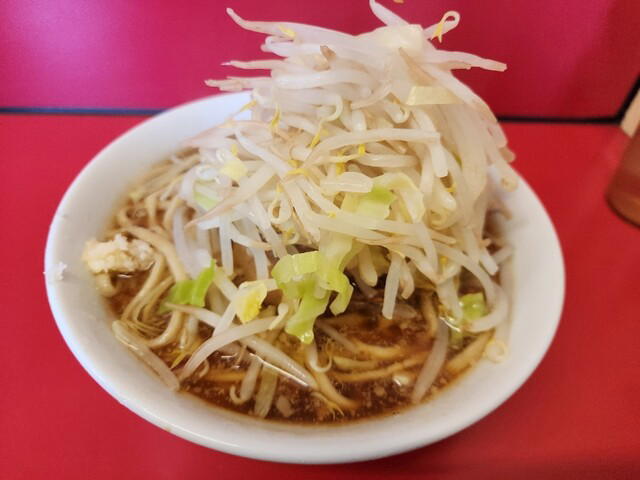
Ramen
Nagoya, Japan
A 12-seat ramen counter in Nagoya's Takabata district, recognized on Tabelog's 2025 AICHI 100 list two years after opening. Bowls run under JPY 999, lines form early on weekends, and the venue takes no reservations. Best for solo diners or families willing to queue for precise, budget-friendly ramen near Hatta Station.
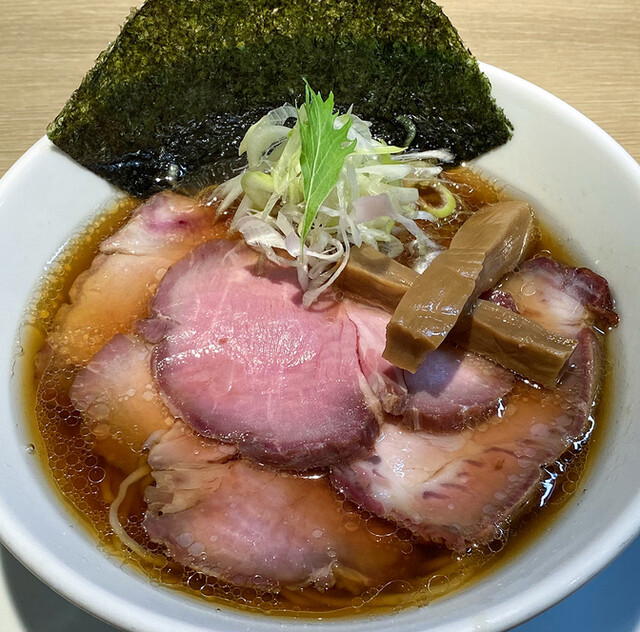
Raa Men Sora
Nagoya, Japan
Raa Men Sora is a low-risk Nagoya ramen pick for diners who want a focused, inexpensive meal rather than a special-occasion setup. The Tabelog 100 recognition adds confidence, but the smarter read is practical: go solo or in a small party, keep timing flexible, and choose another peer if pastries, dessert, or a longer sit-down feel matter more.
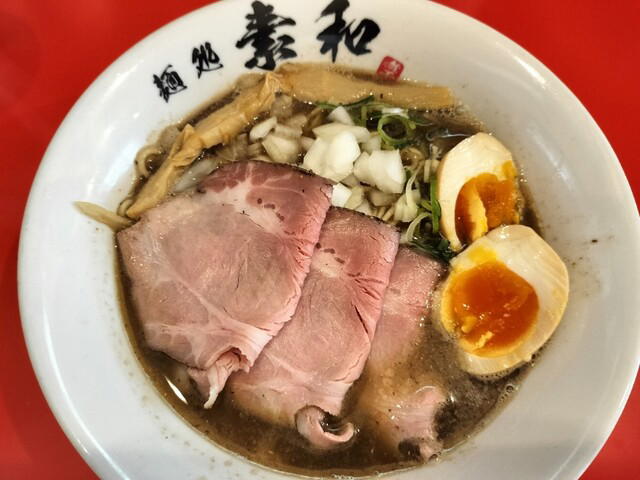
Mendokoro Suwa
Nagoya, Japan
This 10-seat ramen counter near Kanayama Station earned a spot on Tabelog's 2025 Ramen AICHI 100 list while keeping prices under ¥999 for both lunch and dinner. The no-reservation policy and tight layout favor solo diners and couples willing to queue, with breakfast service Thursday through Sunday offering the quietest window.
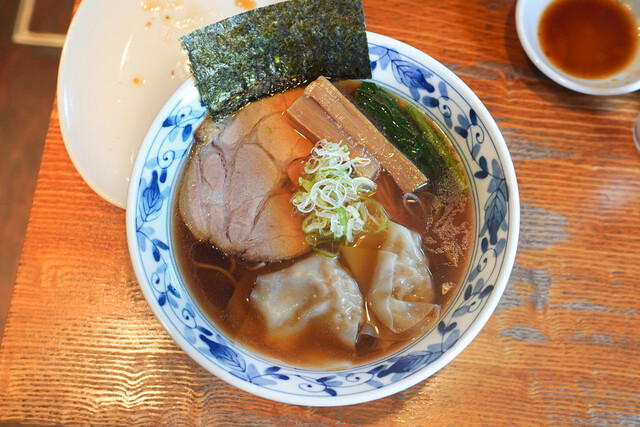
Menya Kitara
Nagoya, Japan
A 16-seat ramen counter near Higashi Betsuin Station, selected for Tabelog 100; Ramen; AICHI in 2025, 2024, 2020, and 2019. Bowls run JPY 1,000 to JPY 1,999 across ramen, abura-soba, maze-soba, and tsukemen categories, with two daily service windows (11 AM–1:45 PM, 6 PM–7:45 PM) that sell out regularly. No reservations; walk-ins only, with easiest access on weekday lunches before noon.
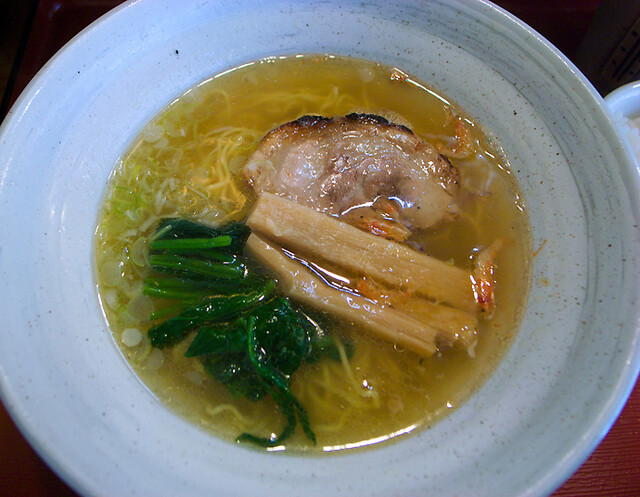
Mensou Nanaya
Nagoya, Japan
Tabelog 100 Ramen AICHI 2025 recognition at under ¥1,000 per bowl makes Mensou Nanaya a compelling value stop in Toyota City. The 24-seat shop offers ramen, tsukemen, and Taiwanese mixed noodles in a family-friendly format with parking; practical for automotive-heritage tourists, though the suburban location means it's less convenient for downtown Nagoya bases.
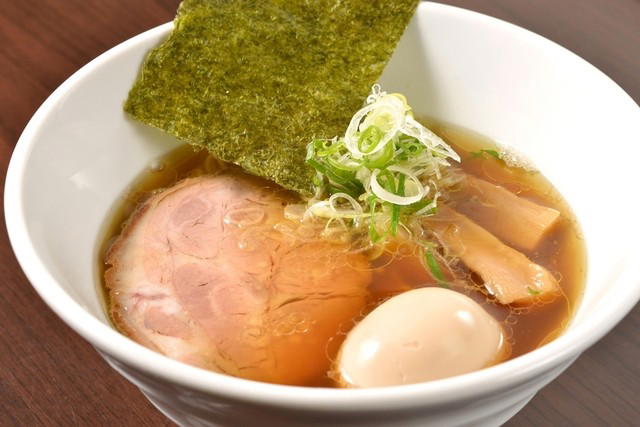
Shien
Tokai, Japan
A Tabelog 100 Ramen AICHI 2025 selection in Tokai, Shien serves tamari-driven soy sauce and salt ramen without chemical seasonings, priced at JPY 1,000–1,999 for dinner (under JPY 999 for lunch). The 14-seat house-restaurant welcomes families and solo diners alike, though walk-in-only service requires flexibility in timing.
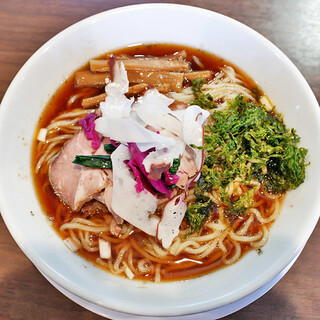
Menya Akinosora
Okazaki, Japan
Tabelog 100-recognized ramen counter in Okazaki serving technically accomplished bowls under JPY 1,000. Six-seat space sells out daily (70–80 servings), no reservations, cash only. Best for solo diners and ramen purists willing to arrive early; the quality-to-price ratio justifies the logistical trade-offs if you can secure a seat before the daily limit.
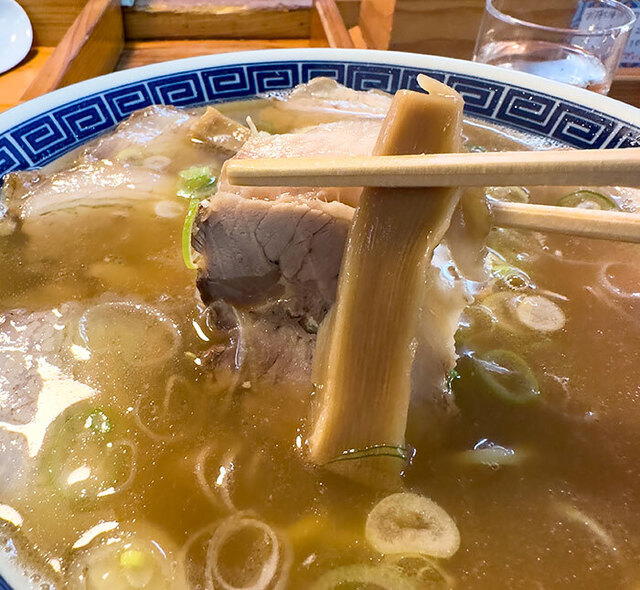
Kourai Dojo
Nagoya, Japan
A ten-seat counter-only ramen shop in Chikusa Ward, recognized on Tabelog's 2025 Aichi 100 list. Lunch-only service, cash-only payment, and bowls under JPY 2,000 define the format. No reservations, manageable waits, and a focus on the bowl over the setting make this a straightforward stop for ramen-focused travelers willing to queue.
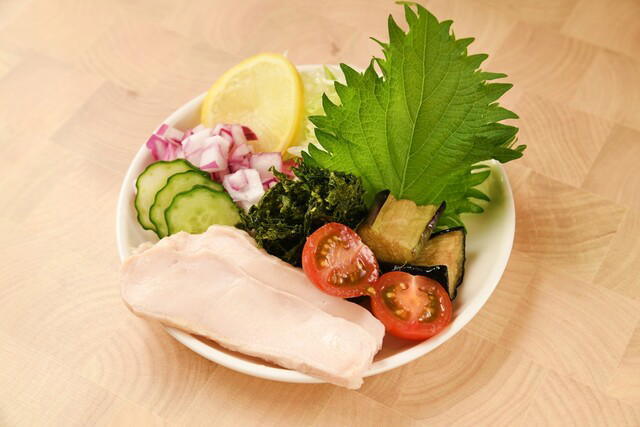
Niboshi Ramen 88 Honten
Nagoya, Japan
Ten-seat counter near Nagoya Station serving niboshi (dried sardine) ramen under JPY 1,000, recognized in Tabelog's 2025 Aichi 100 Best. The fish-forward broth uses 50 kg of sardines weekly, blended for depth without harsh bitterness. Cash-only, no reservations, closed Wednesdays; ideal for solo diners and ramen purists willing to work around midday closures.
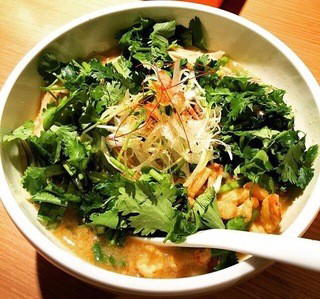
tokyo miso style IKEDA
Nagoya, Japan
Tokyo-style miso ramen specialist in Nakamura-ku, named to Tabelog Ramen AICHI 100 for 2025. Walk-in only, 18 counter seats, under ¥1,000 per bowl. Straightforward format, cash-only, parking available. Best for solo diners or small groups willing to queue for an award-backed meal at budget-tier pricing.
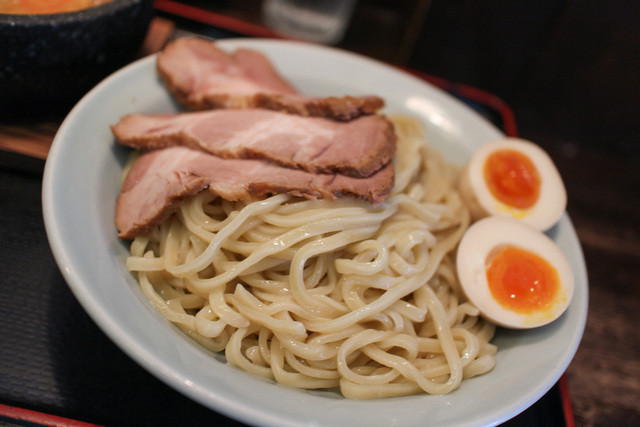
Tsukemen Maruwa Haruta honten
Nagoya, Japan
A Tabelog 100 tsukemen shop in residential Haruta, two minutes from JR Haruta Station. At under ¥1,000 per bowl, the 17-seat counter and table setup welcomes families and solo diners who want consistent noodles without the wait or the bill of central Nagoya's busier spots. Parking for 15 cars and walk-in seating make this one of the prefecture's most accessible award-winning ramen options.
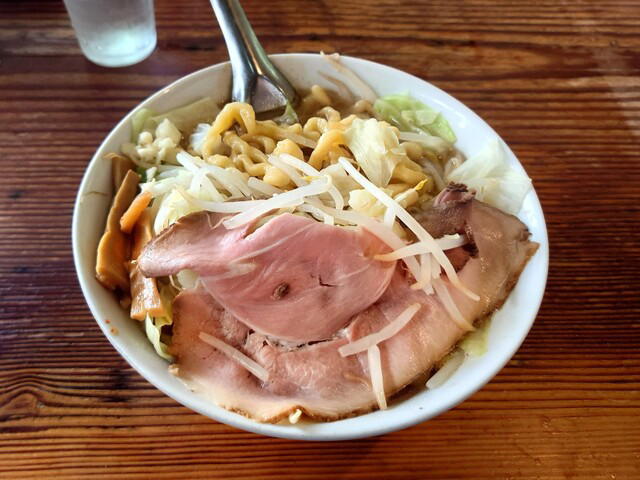
Gokubuto Dakuryu Ramen La Keiko Honten
Nagoya, Japan
Tabelog 100 – Ramen – Aichi 2025 counter serving thick-noodle, opaque-broth ramen under JPY 1,000. Eight seats, no reservations, cash-only. Open until 2:30 AM; expect lines after 7 PM. Five-minute walk from Sakae Station.
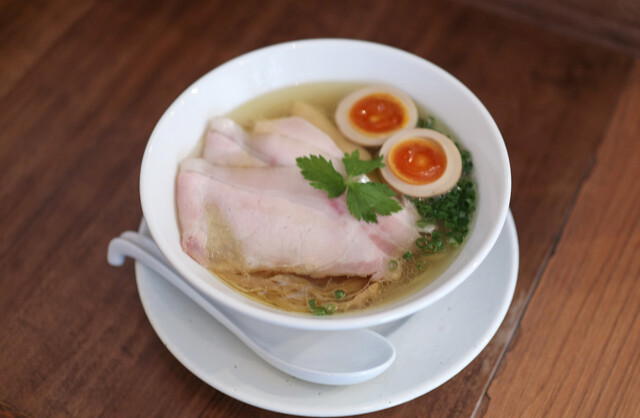
Ramen Aoba
Nagoya, Japan
A residential-neighbourhood ramen counter in Atsuta-ku, recognised on the 2025 Tabelog Ramen AICHI 100 list for under-JPY-1,000 bowls. Walk-in only with dedicated parking, seven counter seats, and Wednesday-Thursday closures. Best for solo diners or pairs who value price and convenience over destination polish.
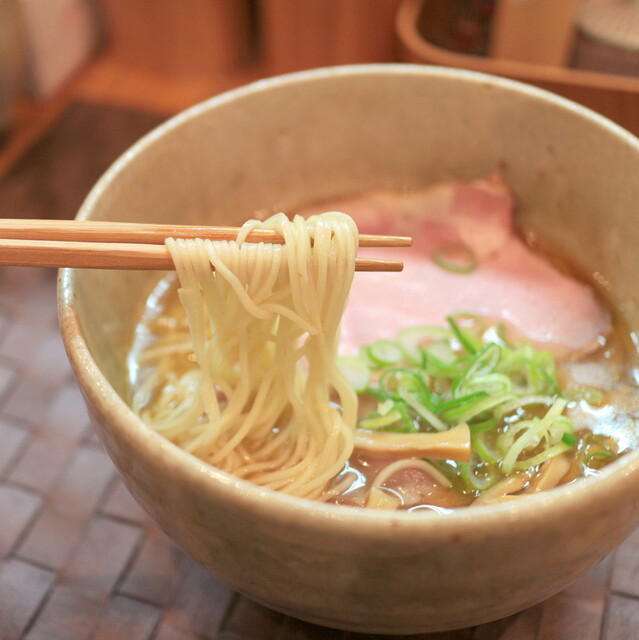
Raa Menya Shio Soba Shizuku
Osaka, Japan
Book Raa Menya Shio Soba Shizuku for a focused, low-cost ramen meal with Tabelog 100 recognition, not for a lingering group dinner. It is strongest as a dine-in stop; takeout or delivery is a weaker bet because ramen generally travels poorly unless a venue is built around off-premise service.
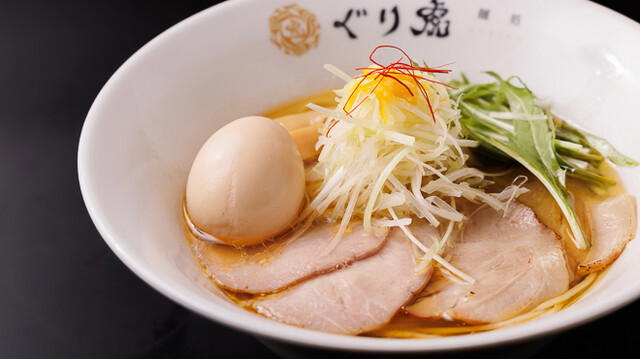
Men Dokoro Guriko Nagoya sakae
Nagoya, Japan
Selected for Tabelog's Ramen AICHI 100 in 2025, this 24-seat Sakae counter specializes in hand-pulled noodles and clear broth, served from 11 AM to 1 AM daily. Budget-friendly bowls under 1,000 yen, walk-in only, cash-only payment. A reliable late-night option for chewy, fragrant ramen in a stylish space five minutes from Sakae Station.
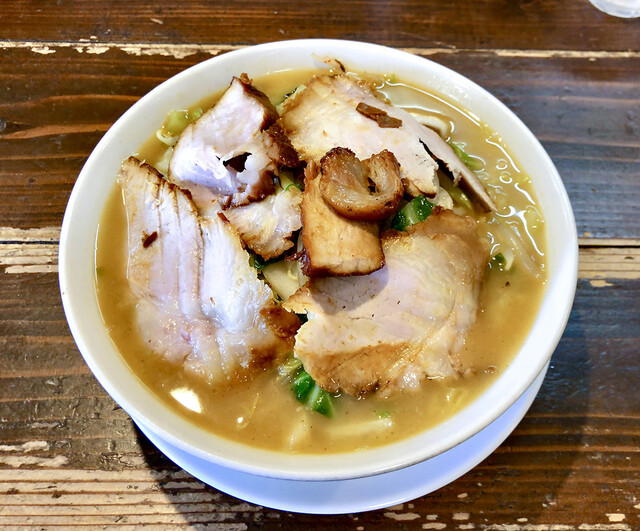
Ramen Daruma Shokudo
Nagoya, Japan
Tabelog 2025 Ramen AICHI 100 selection in Nakagawa-ku, serving ramen and curry under ¥1,000 in a 23-seat walk-in format. Cash-only, no reservations, best for solo diners or small groups looking for a quick, capable bowl without ceremony.
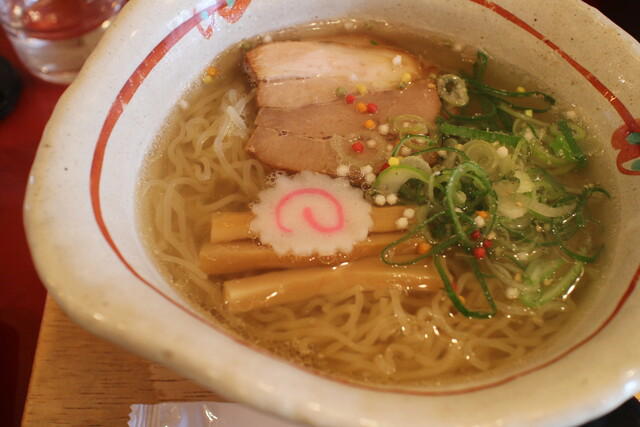
Men Tamayura Kariya ten
Kariya, Japan
A 14-seat ramen counter in Kariya with Tabelog 100 Ramen AICHI 2025 recognition, serving tsukemen and ramen between JPY 1,000–1,999. Walk-ins only, with parking available and 15–30 minute waits during lunch. Counter seating and cash-only transactions suit solo diners and locals more than groups or travelers seeking table service.
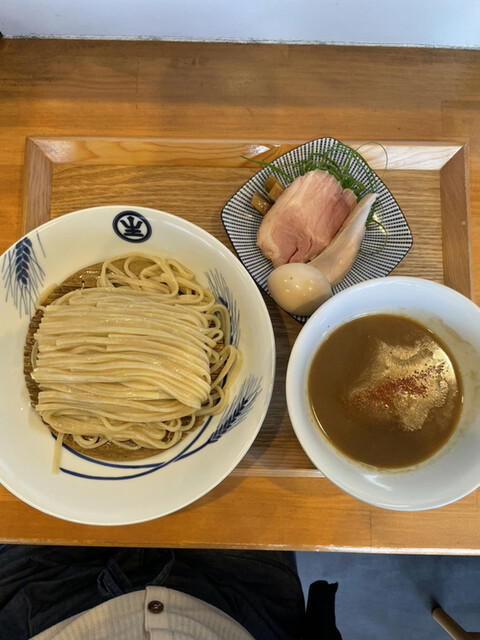
Chuka Soba Naru
Nagoya, Japan
A 10-seat ramen counter in Chikusa Ward serving classic chuka soba at JPY 1,000–1,999 per bowl. Recognized on Tabelog's 100 Best for both Aichi (2025) and East Japan (2024), the shop runs walk-in only with limited hours Wednesday through Sunday. Cash-only, ticket-machine ordering, and a straightforward format make this an accessible option for ramen enthusiasts without the Tokyo-style queues.
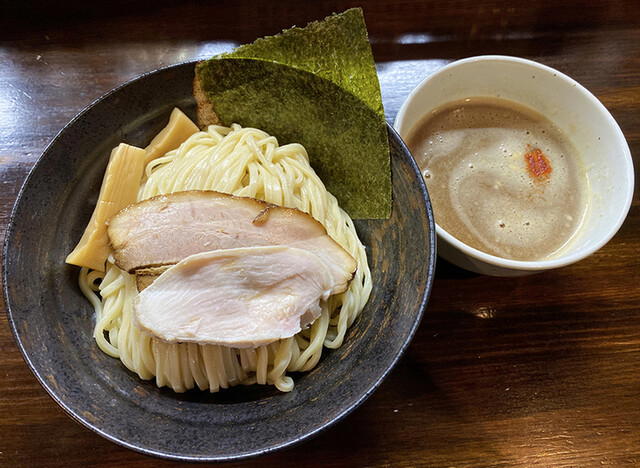
Menza Katabutsu
Seto, Japan
Menza Katabutsu serves Tabelog 100-recognized ramen and tsukemen in a 16-seat shop in Seto, with both lunch and dinner priced at JPY 1,000 to JPY 1,999. It's cash-only, closed Wednesdays, and best visited early at 11 AM or 6 PM to avoid peak-hour turnover pressure.
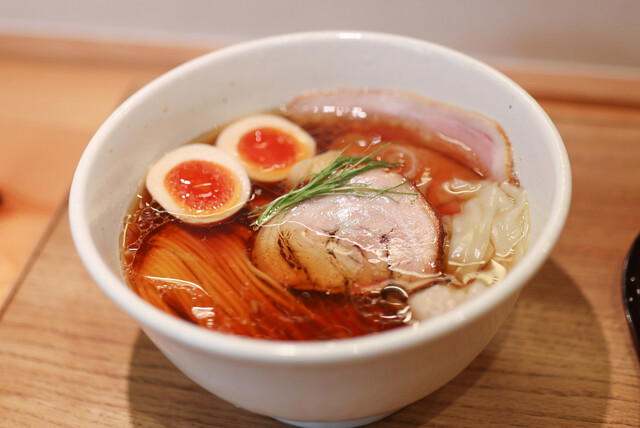
Seimen Misaku
Aichi-ken, Japan
A 15-seat Inuyama ramen shop recognized in Tabelog's 2025 Ramen AICHI Hyakumeiten within eighteen months of opening. Reservations open weekly on Fridays and fill fast for counter seats facing the fresh noodle-making station. At JPY 2,000–2,999 per head, it sits below Nagoya's premium tier while delivering technical execution and operational transparency. Cash-only, family-friendly, and a four-minute walk from Meitetsu Inuyama Station.
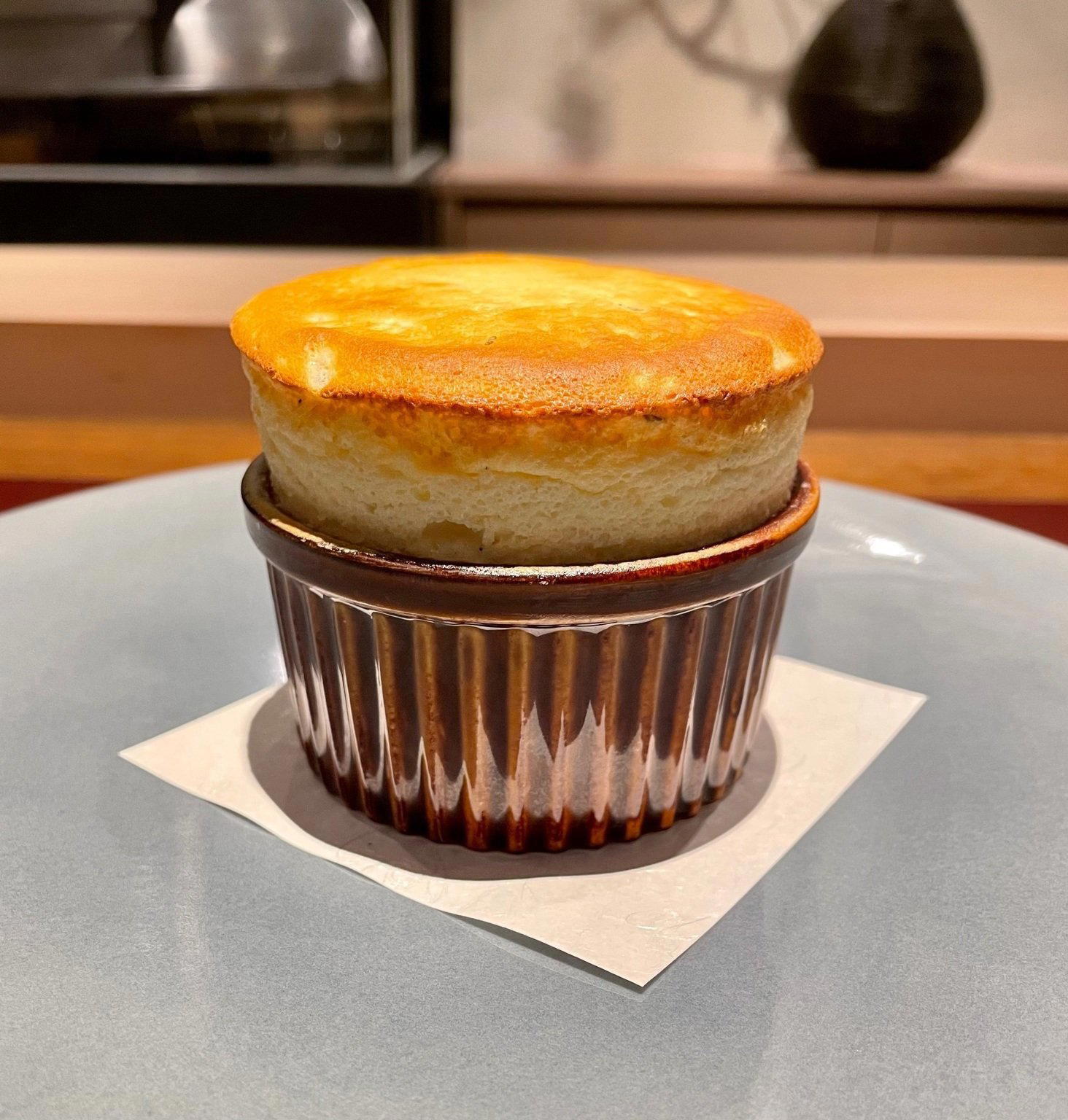
Sapporo Ramen Ezo Men Rock Shinsakae ten
Nagoya, Japan
A 10-seat basement counter near Sakae Station serving Sapporo-style miso ramen at under JPY 2,000, recognized on Tabelog 100 Ramen AICHI 2025. No reservations, cash only, open until 2 AM most nights. Walk-ins move fastest during evening service and Sunday lunch; expect midday queues Tuesday–Saturday.
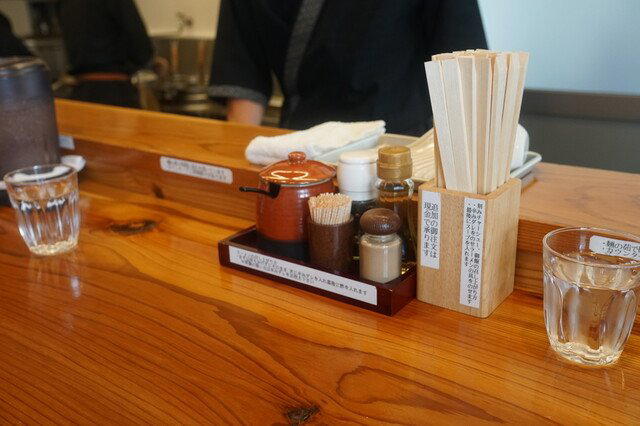
Ichiyoken
Nagoya, Japan
Tabelog 100-recognized ramen counter in residential Tempaku Ward, serving sub-1,000-yen bowls since 2013. The 11-seat format and Shiogamaguchi Station location trade central convenience for award-level execution at one of Nagoya's clearest value price points.
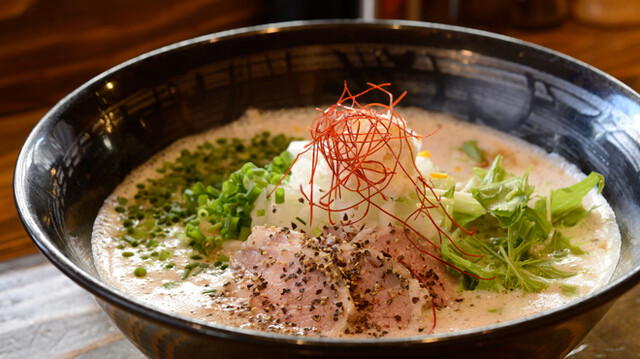
Menya Hayabusa Meieki ten
Nagoya, Japan
A Tabelog 100 ramen shop near Nagoya Station serving seafood-focused bowls and mazesoba until 3 a.m. on weekends. The Italian-trained chef builds fish stock rather than pork bone, filling a niche in the city's station-district ramen scene. JPY 1,000–1,999, cash only, no reservations.
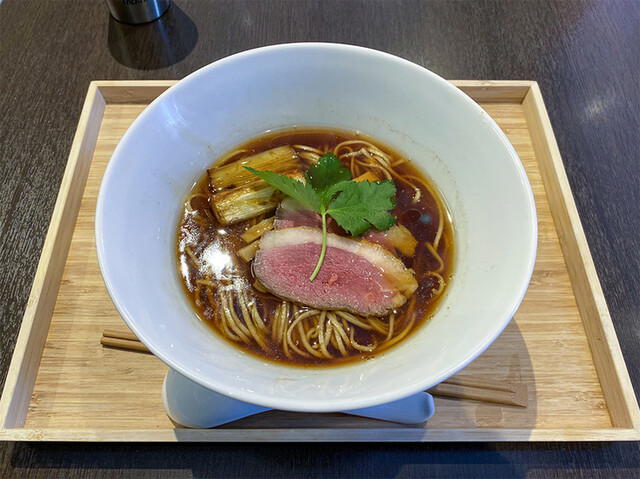
Ramen Burai
Nagoya, Japan
A 10-seat ramen counter in Nagoya's Midori-ku neighbourhood, named to Tabelog's 2025 Ramen AICHI 100 list. Bowls run under JPY 1,000, the room is quiet, and the no-reservation format suits solo diners or couples seeking a low-key meal. Open lunch and dinner with two-day closures mid-week; parking available, cash only.
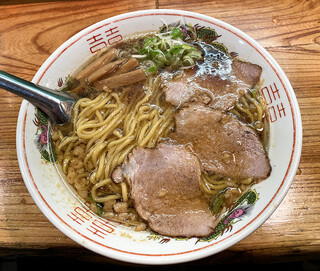
Chuka Soba Paikaro
Nagoya, Japan
An eight-seat counter in Chikusa-ku delivering Tabelog 100 Ramen Aichi 2025-level chuka soba for under ¥1,000 per bowl. The room is minimal, the menu is focused, and the format favors solo diners seeking precision over spectacle. Walk-ins only; arrive early during lunch or dinner shifts to avoid a wait.
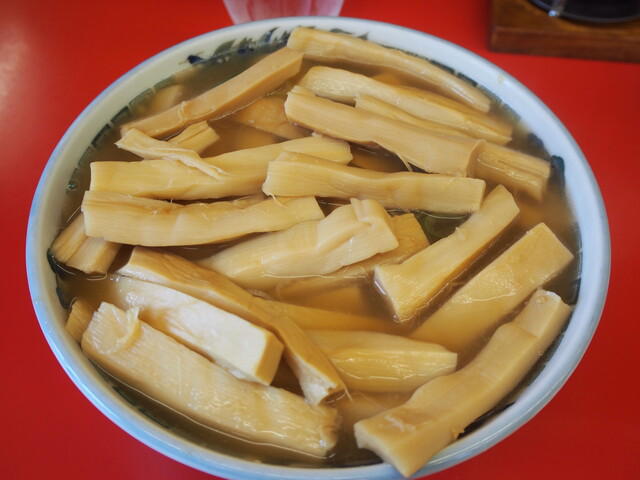
Koyo Ken
Nagoya, Japan
A 50-year-old counter-only ramen shop in Showa Ward, Koyo Ken earned Tabelog Ramen AICHI 100 recognition in 2025 for its chicken-based, soy-forward broth that has not changed since 1976. At JPY 1,000–1,999, it rewards repeat visits and early arrivals (11 AM opening, lunch only) but offers no reservations and minimal seating. Best for solo diners and explorers who value consistency over novelty.
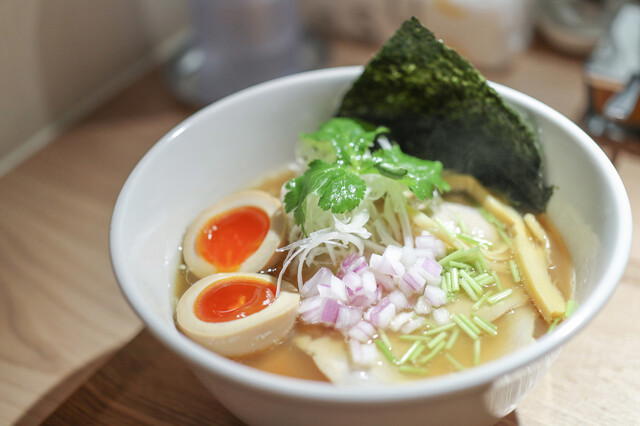
Chuka Soba Ueda Seimen Ten
Nagoya, Japan
Chuka Soba Ueda Seimen Ten delivers Tabelog 100-recognized ramen at under ¥1,000 per bowl. The Marunouchi counter shop specializes in house-made chuka soba with straightforward toppings and fast turnover. Walk-ins only, cash only, closed Sundays; book this for reliable ramen without the premium.
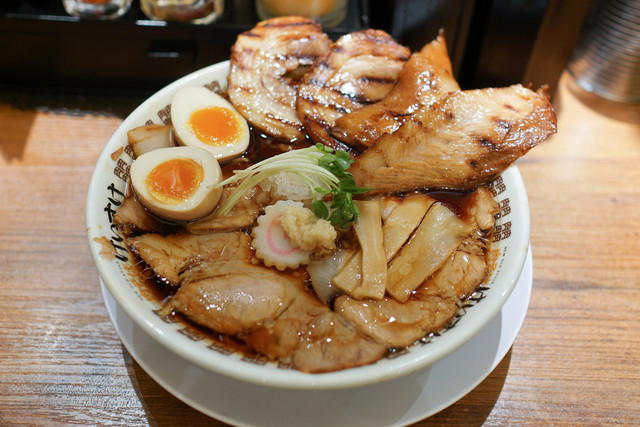
New Old Style Niku Soba Keisuke Dainagoya birudingu ten
Nagoya, Japan
Counter-only ramen shop in Dai Nagoya Building's basement, serving Tokyo-style niku-soba (pork-heavy ramen) at JPY 1,000–1,999. Named to Tabelog's 2025 Ramen 100 for Aichi. Walk-in only, peak-hour waits run 30+ minutes. Best for solo diners chasing award-listed bowls on a lunch break.
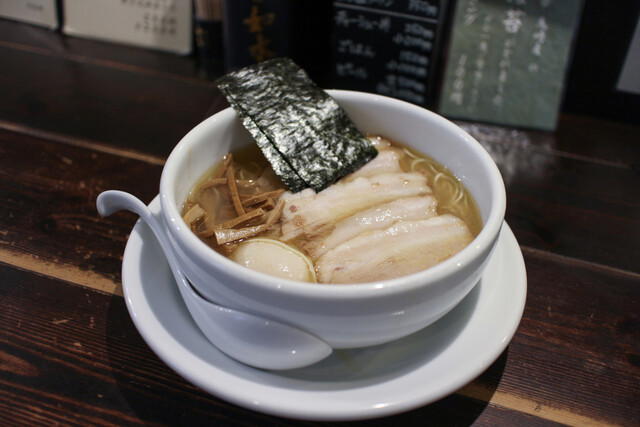
Ramen Senmon Ten Tokugawa Cho Josui
Nagoya, Japan
A Tabelog 100-recognized ramen specialist in Nagoya's Higashi Ward, offering tsukemen and ramen at JPY 1,000–1,999 per head with walk-in-only counter seating for fourteen. Eight consecutive years on Tabelog's Ramen Aichi or East lists signal consistent execution at the bowl level, and seventeen parking spaces make driving feasible; practical advantages for families and solo diners alike.
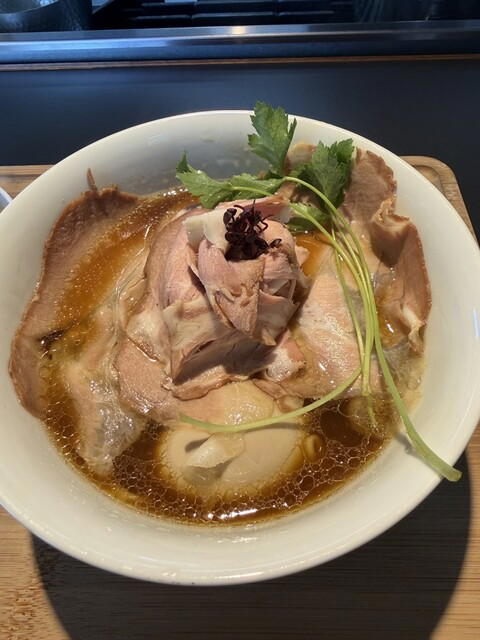
Raamen to Tenshin Graphmi
Ichinomiya, Japan
A Tabelog 100 Ramen AICHI 2025 house restaurant in Ichinomiya pairing ramen with dim sum at JPY 1,000-1,999. Walk-ins only, cash-only, open from 8:00 AM most days with late-night service Tuesday through Saturday. Counter seating suits solo diners and couples; families welcome. Two parking lots, no English website, 23-minute walk from Imaise Station.
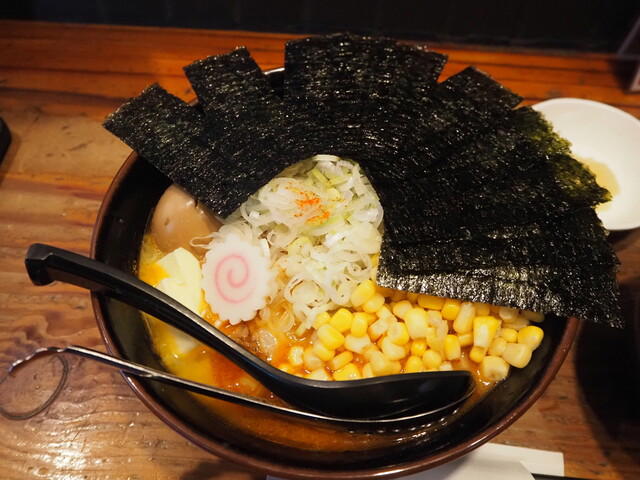
Gin no Kura Honten
Nagoya, Japan
A 10-seat counter in Higashi Ward serving ramen bowls under JPY 999, recognized on the 2025 Tabelog 100 Ramen Aichi list. The format is straightforward: walk-in only, quick turnover, and consistent execution at Nagoya's lowest price tier for award-listed shops. Lines form at peak lunch and dinner hours, so aim for 11 AM or 5:45 PM arrivals.
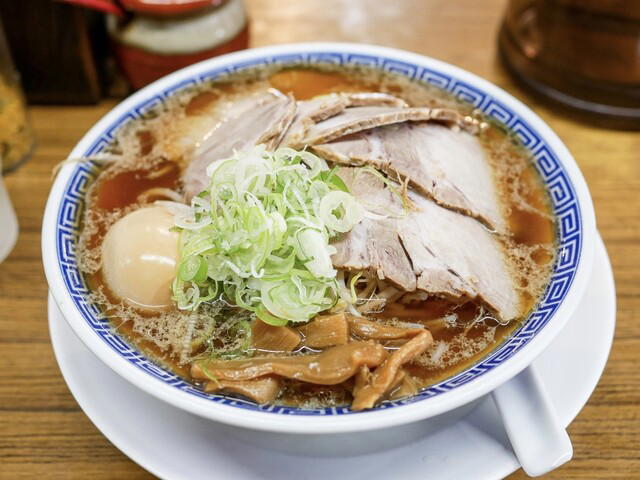
Chuka Soba Taiga
Nagoya, Japan
Tabelog 100 Ramen AICHI 2025 selection serving chuka soba under JPY 999 near Nagoya Station. Opens at 6 AM most days with a 10-seat standing counter and walk-in-only policy. Best for solo diners seeking fast, budget-friendly ramen before 2 PM close; skip for groups or seated comfort.
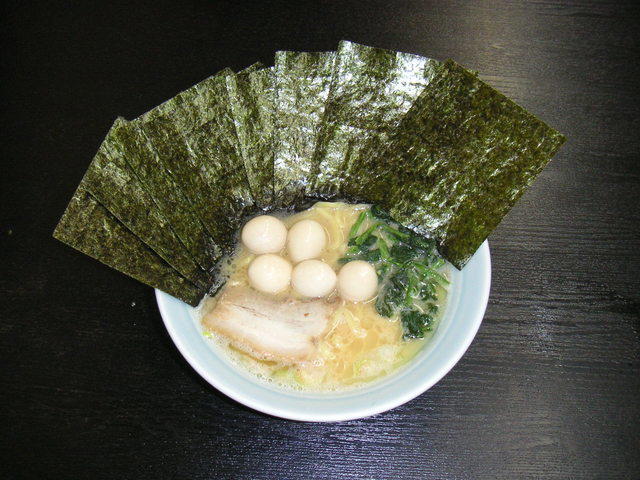
Banrai Tei
Nagoya, Japan
Nagoya's first Iekei ramen shop delivers Yokohama-style tonkotsu-shoyu with thick, chewy noodles imported from the source. A 2025 Tabelog 100 selection, Banrai Tei keeps prices under JPY 2,000, serves fast at counter and table seating, and suits solo diners and families alike. Walk-ins only; lunch is under JPY 999.
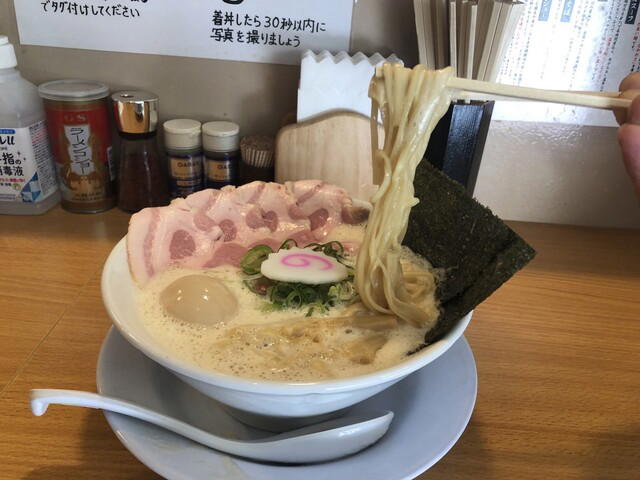
Tori Soba Susuru Marunouchi honten
Nagoya, Japan
Eight-seat counter ramen shop in Nagoya's Marunouchi district serving chicken paitan bowls under 1,000 yen. Named to Tabelog's 2025 Aichi Ramen 100 list, the shop puts every step of its homemade noodle and broth process in full view. No reservations; best for solo diners during weekday lunch. Cash, credit cards, and QR payments accepted.
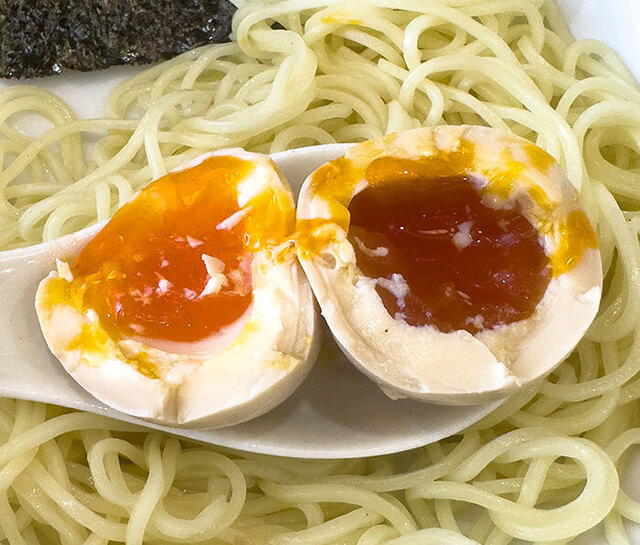
China Soba Kitagawa
Nagoya, Japan
A seven-seat counter near Toyoda Honcho Station serving China soba under JPY 1,000. Named to Tabelog 100 Ramen AICHI 2025, it draws a steady lunch crowd for clean-broth technique. No reservations, limited evening hours (Tuesday and Friday only), and a quick-turnover format that favors solo diners and pairs over groups. Worth two visits to explore the rotating menu.
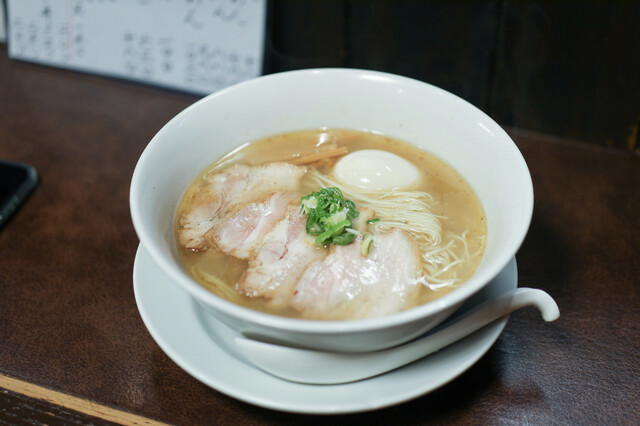
Naruto Ya
Nagoya, Japan
Tokyo-trained shoyu ramen at a 14-seat Sakae counter, under JPY 1,000 per head. Walk-in only, cash only, and named to Tabelog 100 (Ramen AICHI) six years running. Better for solo diners and quick meals than groups seeking leisurely dinners.
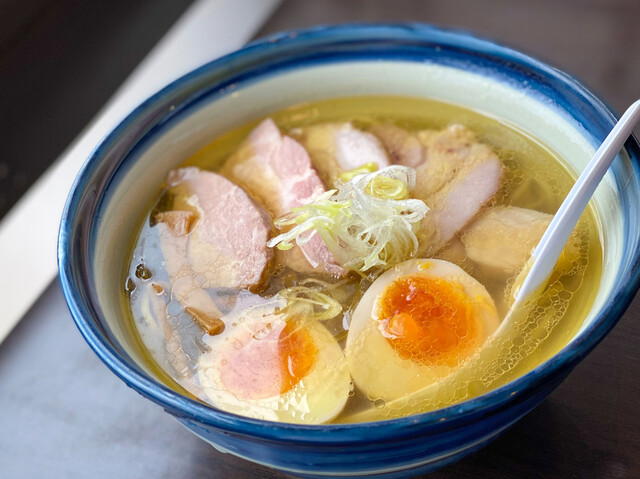
Ramen Kanade
Nagoya, Japan
A seven-seat Fukiage counter earning eight consecutive Tabelog 100 selections for technically precise ramen at under ¥1,000. Whole-chicken broth and custom noodles deliver craft-level depth without the splurge, though no-reservations lunch-only service demands flexibility.
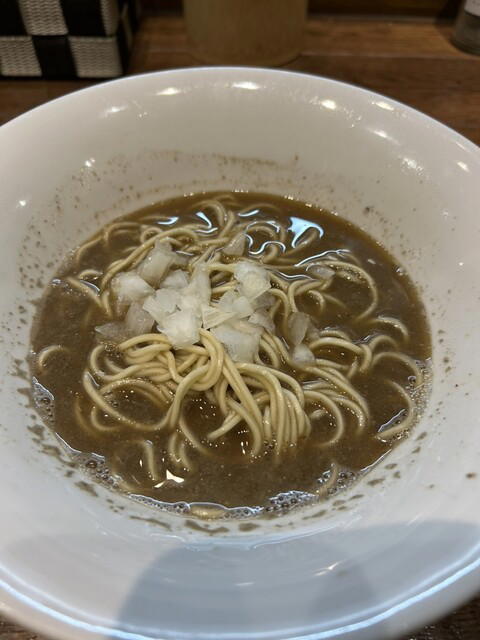
Yanagibashi Wa nico
Nagoya, Japan
A Tabelog 100-recognized ramen shop five minutes from Nagoya Station, delivering sub-¥1,000 bowls with private rooms, early-morning service Thursday–Saturday, and a versatile sake-and-shochu pairing menu. The 2023 opening and rapid award inclusion signal execution worth the climb to the second floor, especially for travelers tight on time or budget.
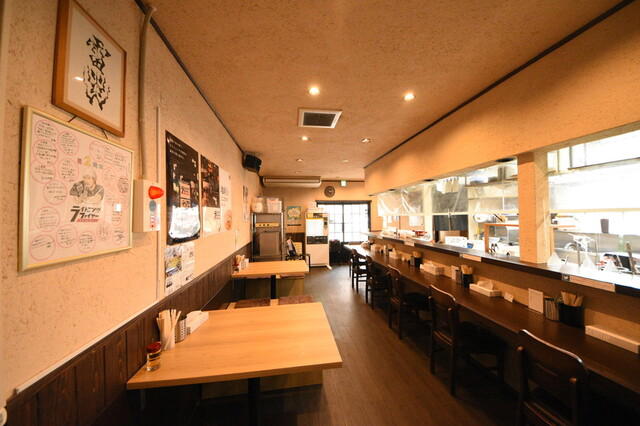
Lightning Fire
Kasugai, Japan
A Tabelog Ramen AICHI 100 counter in Kasugai serving ramen, Taiwanese mazesoba, and brothless tantan-men from ¥800. No reservations, cash-only, five minutes from Kachigawa Station. Consistent quality in a functional setting with quick turnover and efficient service six days a week.
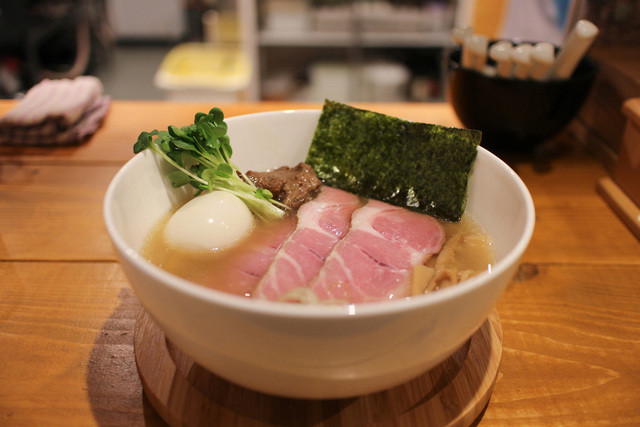
Menya Ierou
Nagoya, Japan
A 12-seat neighbourhood ramen shop in Nakagawa Ward, recognized on the 2025 Tabelog 100 Ramen AICHI list. Walk-in only, cash-only, serving ramen and tsukemen at JPY 1,000–1,999. Open two short windows daily (11 AM–2 PM, 6 PM–8:30 PM); closed Tuesday and Wednesday. Best for solo diners or pairs willing to queue during peak hours.
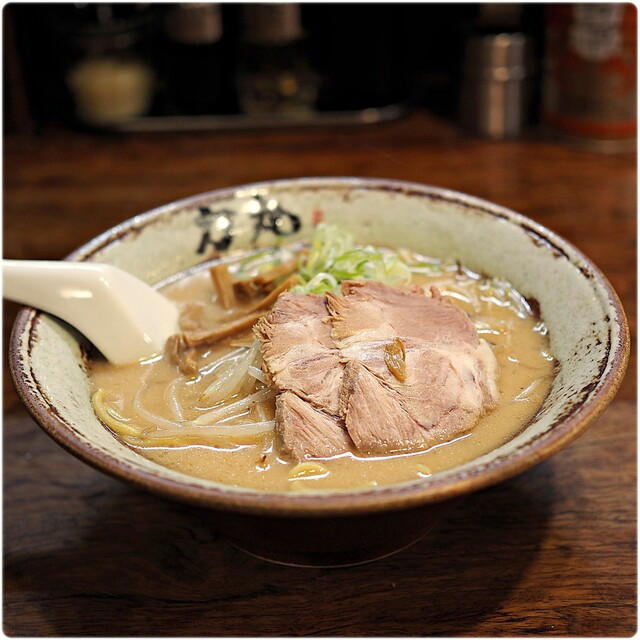
Ramen Rikimaru
Nagoya, Japan
Walk-in ramen counter near Meitetsu Nagoya station, Tabelog 100–listed for broth-forward bowls, tantan-men, and dumplings under 1,000 yen. Open daily 11 AM–11:30 PM with counter and table seating; no reservations, cash or IC payment only. Worth repeat visits to sample the full menu range.
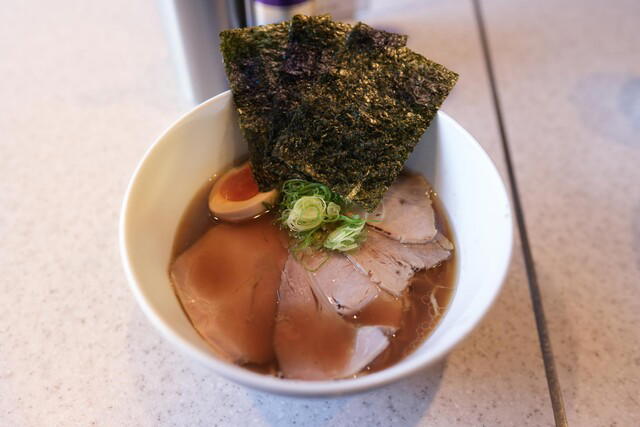
Ramen Kobou Arigataya
Kasugai, Japan
An eight-seat counter ramen shop in Kasugai recognized on Tabelog's 2025 AICHI 100 list, serving bowls, Taiwanese mazesoba, and dumplings for under JPY 2,000. Walk-in only, open for breakfast on weekends, with parking for nine cars; best for solo diners and couples willing to order from a vending machine.
Overview
Tabelog 100 - Ramen - AICHI - 2025 is an authoritative ranking of the top 100 ramen restaurants in Aichi Prefecture, Japan, curated annually by Tabelog. It highlights the region’s most acclaimed ramen shops based on extensive user reviews, expert evaluations, and culinary excellence, serving as a definitive guide for locals and visitors seeking the best ramen experience.
Since its inception, Tabelog has grown into Japan’s largest and most trusted restaurant review platform, with millions of user-generated ratings and detailed assessments. The Tabelog 100 list for ramen in Aichi is part of this legacy, spotlighting the prefecture’s rich ramen culture, from classic Nagoya-style miso broths to innovative new-wave interpretations. This list not only reflects local taste preferences but also sets benchmarks for quality and creativity, influencing both domestic diners and international ramen aficionados. As Aichi continues to evolve as a culinary destination, the Tabelog 100 serves as a pulse check on ramen trends and the craftsmanship of its top chefs.
Aichi Prefecture boasts a vibrant ramen scene that deftly balances tradition and innovation, from hearty, miso-based bowls in Nagoya to refined seafood broths along the coast. Pearl’s curated presentation of the Tabelog 100 - Ramen - AICHI - 2025 list offers discriminating diners and travelers a meticulously vetted guide to the region’s ramen excellence. Whether you seek time-honored recipes or avant-garde interpretations, this list is your passport to Aichi’s ramen soul, highlighting culinary artisans who elevate ramen from comfort food to a celebrated craft.
Quick Facts
- Publisher
- Tabelog (Kakaku.com, Inc.)
- Year
- 2025
- Coverage
- Aichi Prefecture, Japan
- Items
- 100 ramen restaurants
- Frequency
- Annual
About This Edition
The 2025 edition of the Tabelog 100 - Ramen - AICHI list reveals emerging trends such as the rise of plant-based ramen options and a resurgence of traditional Nagoya miso styles with refined techniques. Notable is the increased representation of ramen shops integrating locally sourced ingredients, reflecting Aichi’s commitment to sustainability. This year also sees several new entrants breaking into the top tier, signaling a dynamic and evolving scene. These shifts underscore Aichi’s role as a ramen innovator while honoring its deep-rooted culinary traditions.
Frequently Asked Questions
What is Tabelog 100 - Ramen - AICHI - 2025?
How are honorees selected?
How often is this list updated?
How can I find these on Pearl?
How many of these have you visited?
Find out on Pearl and keep score across every place in Tabelog 100 - Ramen - AICHI - 2025.