




Ying
Cantonese · Taipa, Macau
Restaurant in Macau, Macau
 Book with Pearl
The Read
Classical Cantonese Precision
Dress
Smart Casual
Why go
A Michelin-starred Cantonese room on the 11th floor of Altira Macau, Ying is the strongest case for formal dim sum on Taipa Island. La Liste-rated and Forbes Five-Star certified, it combines technical precision at lunch with a 5,000-bottle wine programme that most Cantonese restaurants in Macau cannot match. Book two to three weeks ahead minimum; weekend lunch fills fast.
About Ying
Verdict
Ying is the most complete Cantonese dining room on Taipa Island, and one of the harder tables to secure in Macau once word spreads about a particular season's dim sum programme. Backed by a Michelin star (2024), a La Liste score of 79.5 points in 2025, and a five-star Forbes Travel Guide rating, it earns its reputation not through spectacle alone but through technical precision at the table. At $$$ pricing, it sits in the same tier as Lai Heen and Pearl Dragon, but the combination of awards depth and a wine programme with 5,000 bottles makes Ying the stronger all-round bet for food-and-wine focused travellers. Book it. Book it early.
The Case for Ying
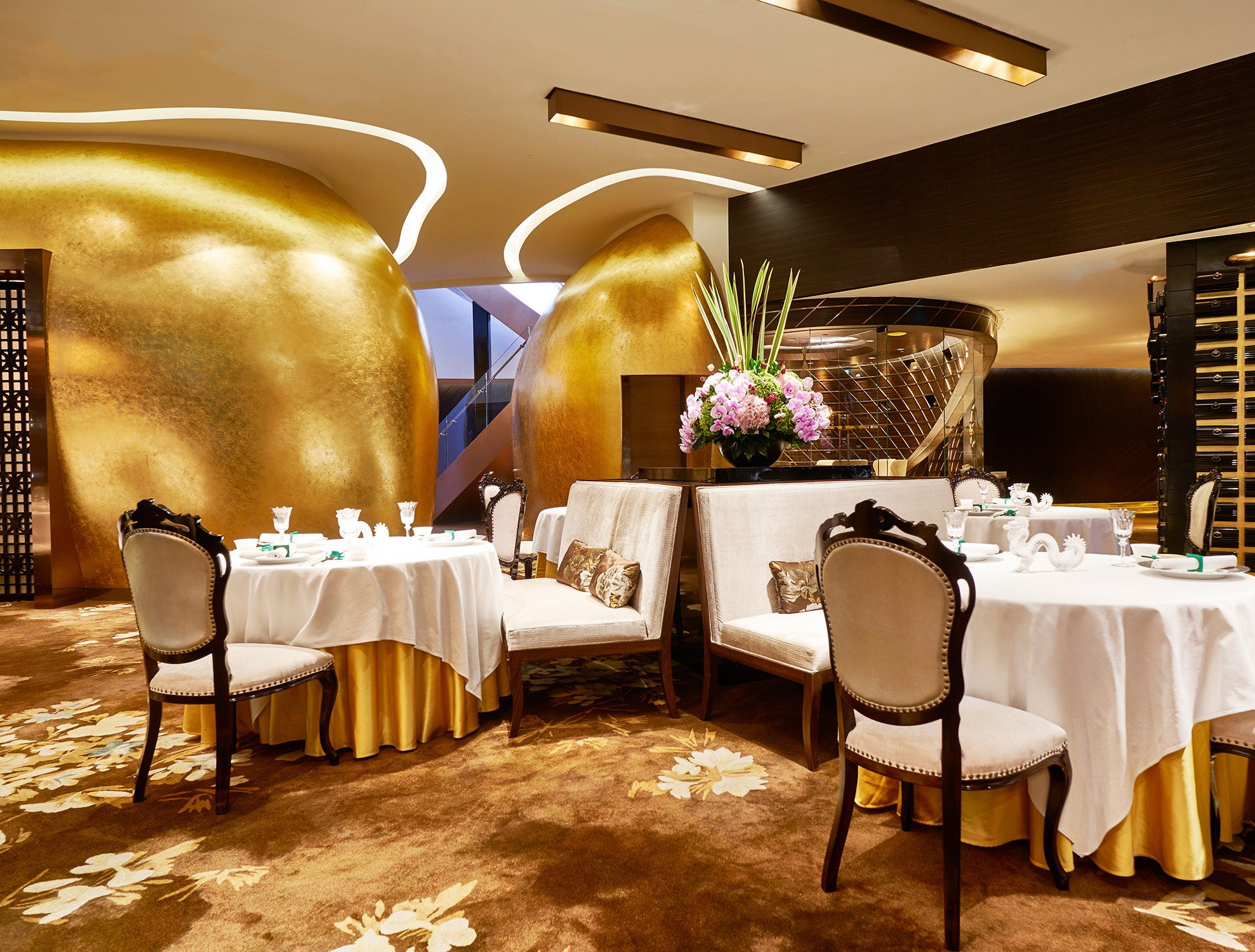
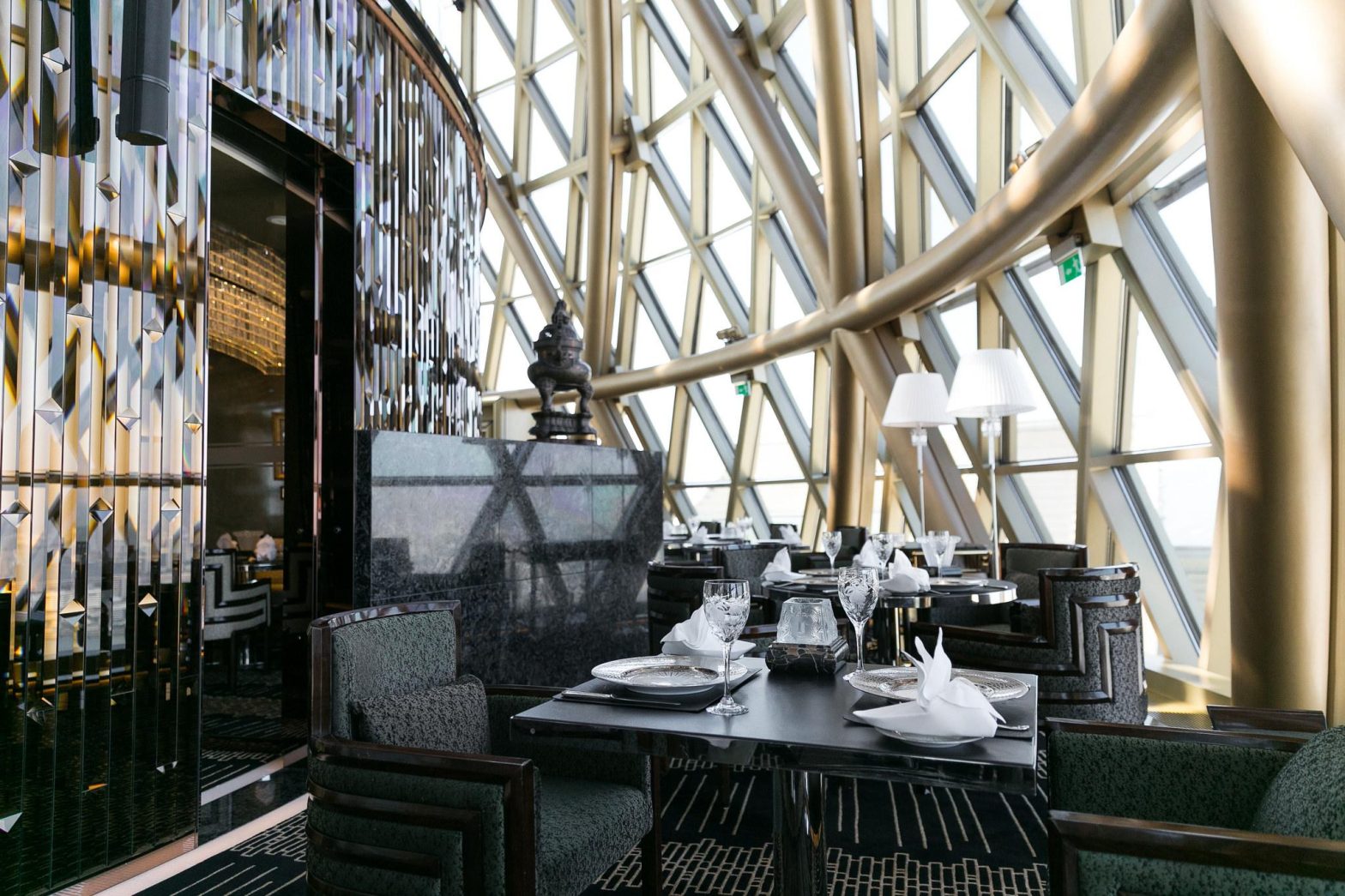
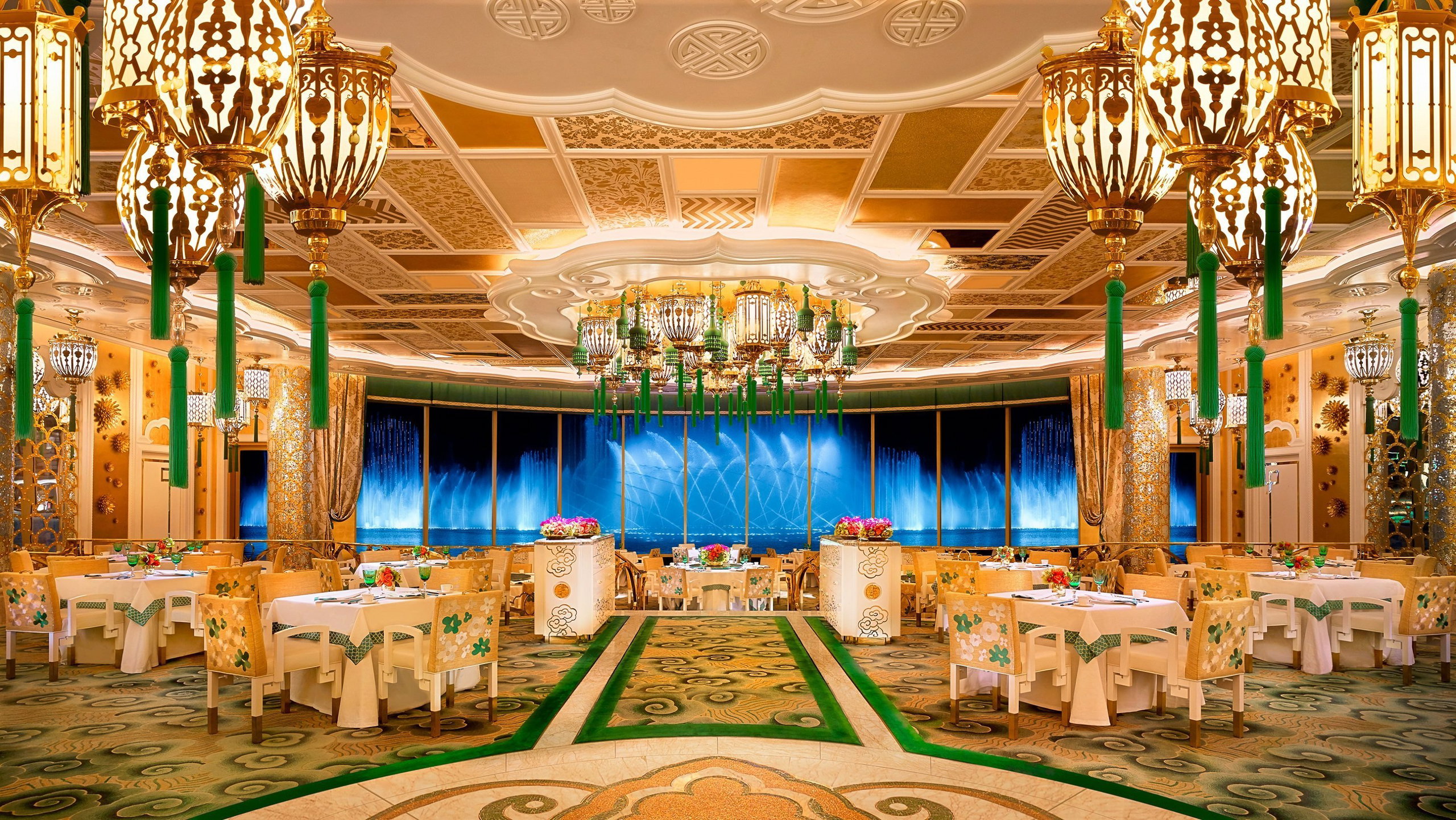
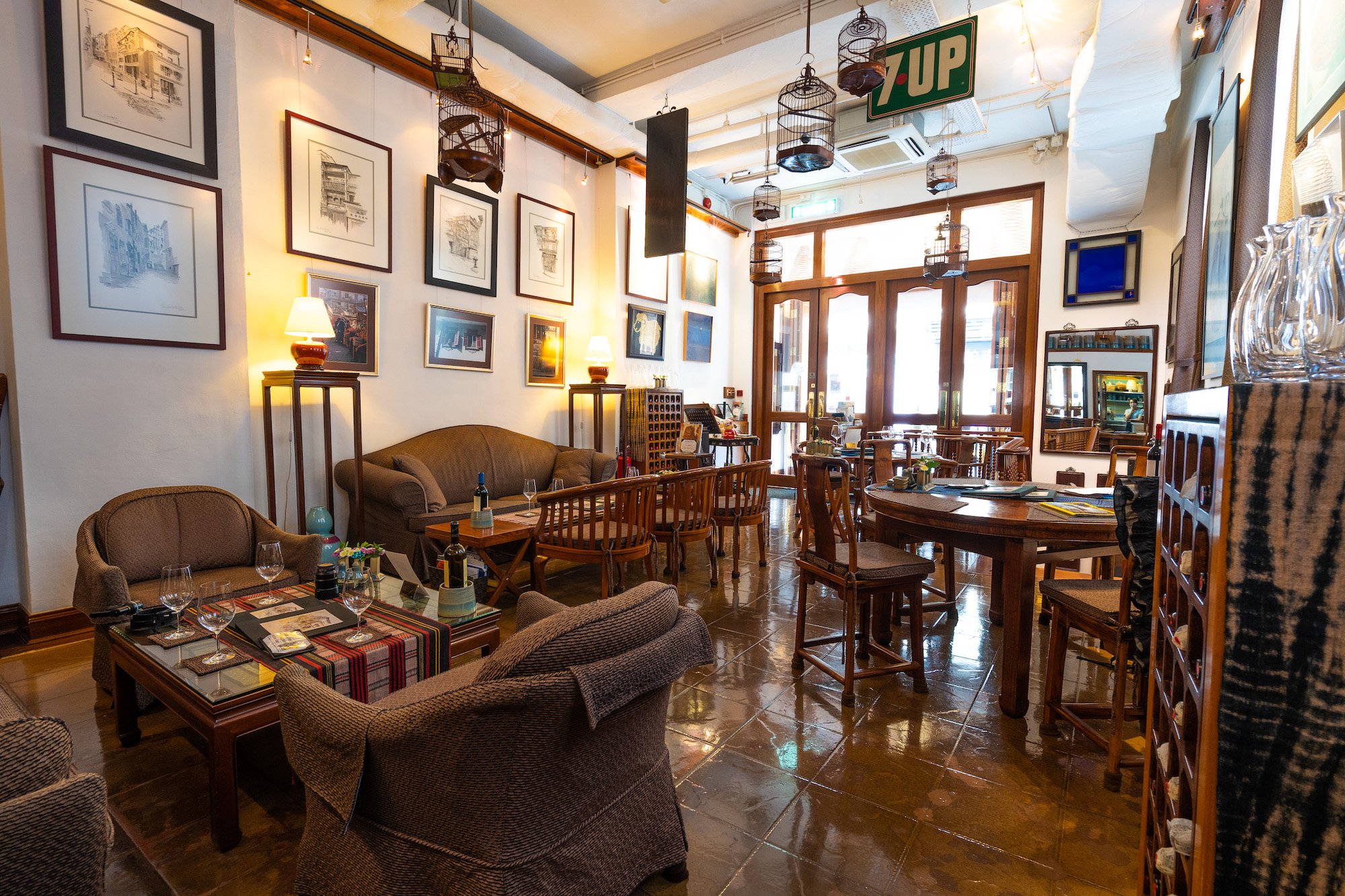
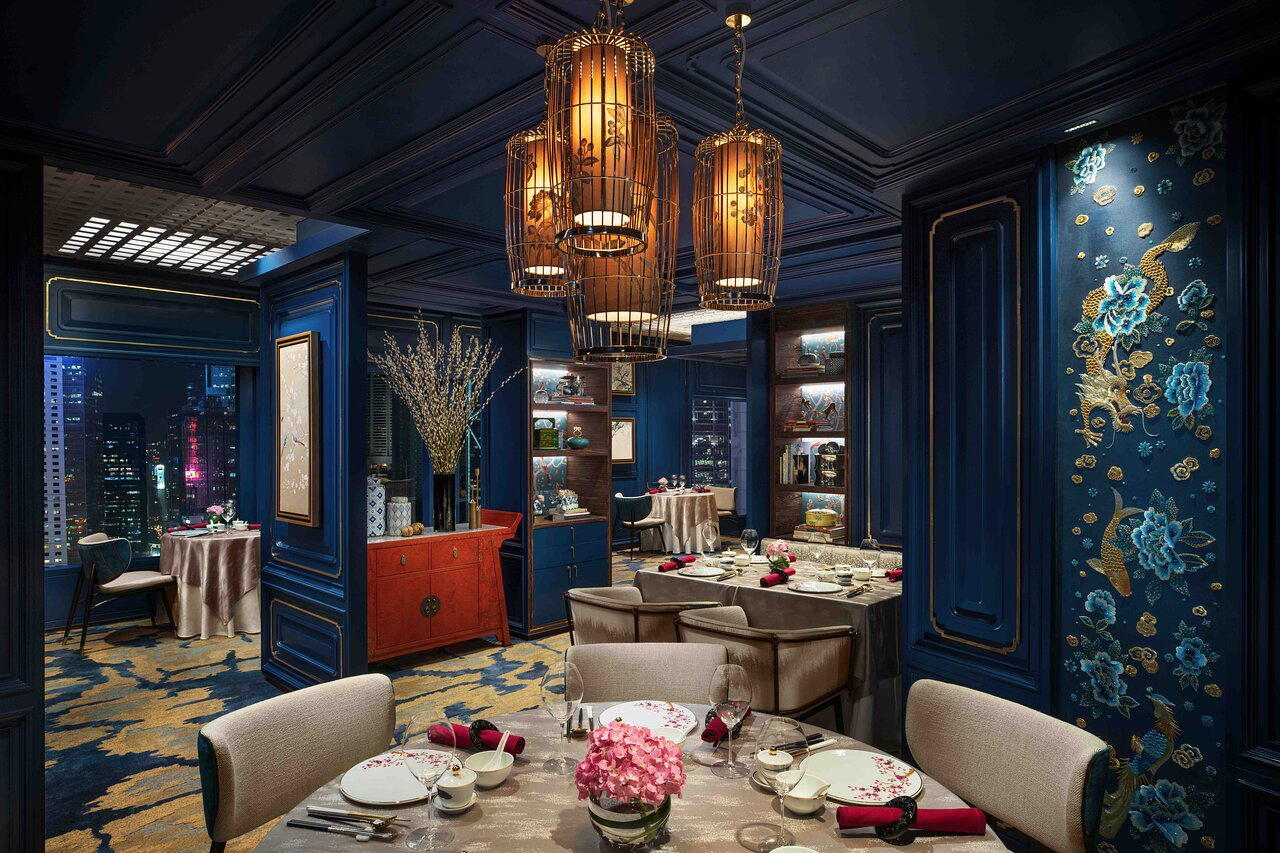
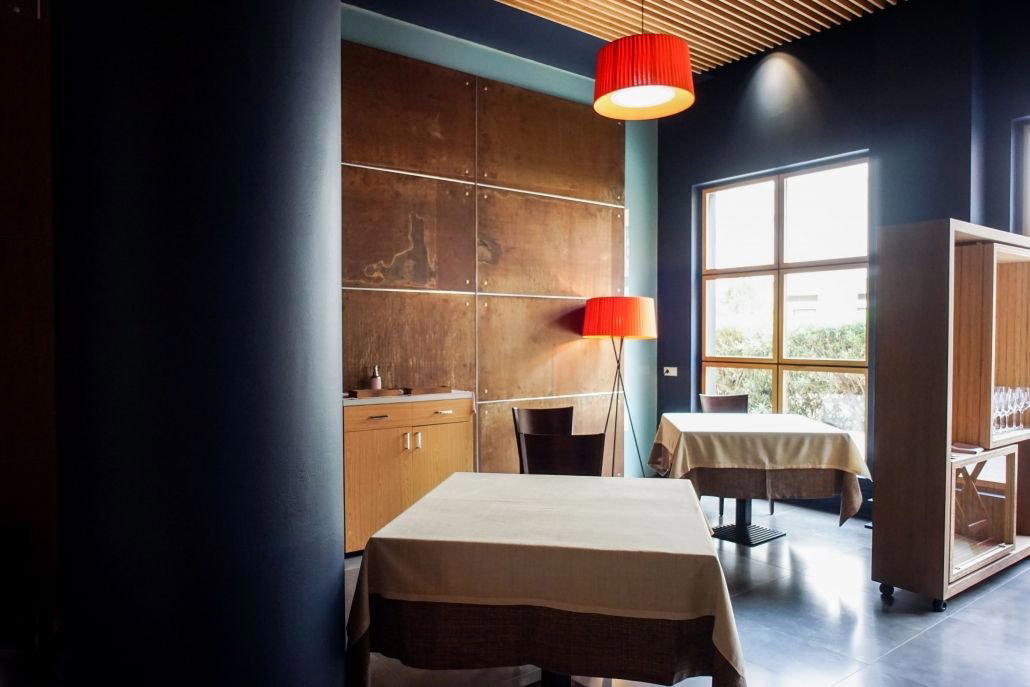
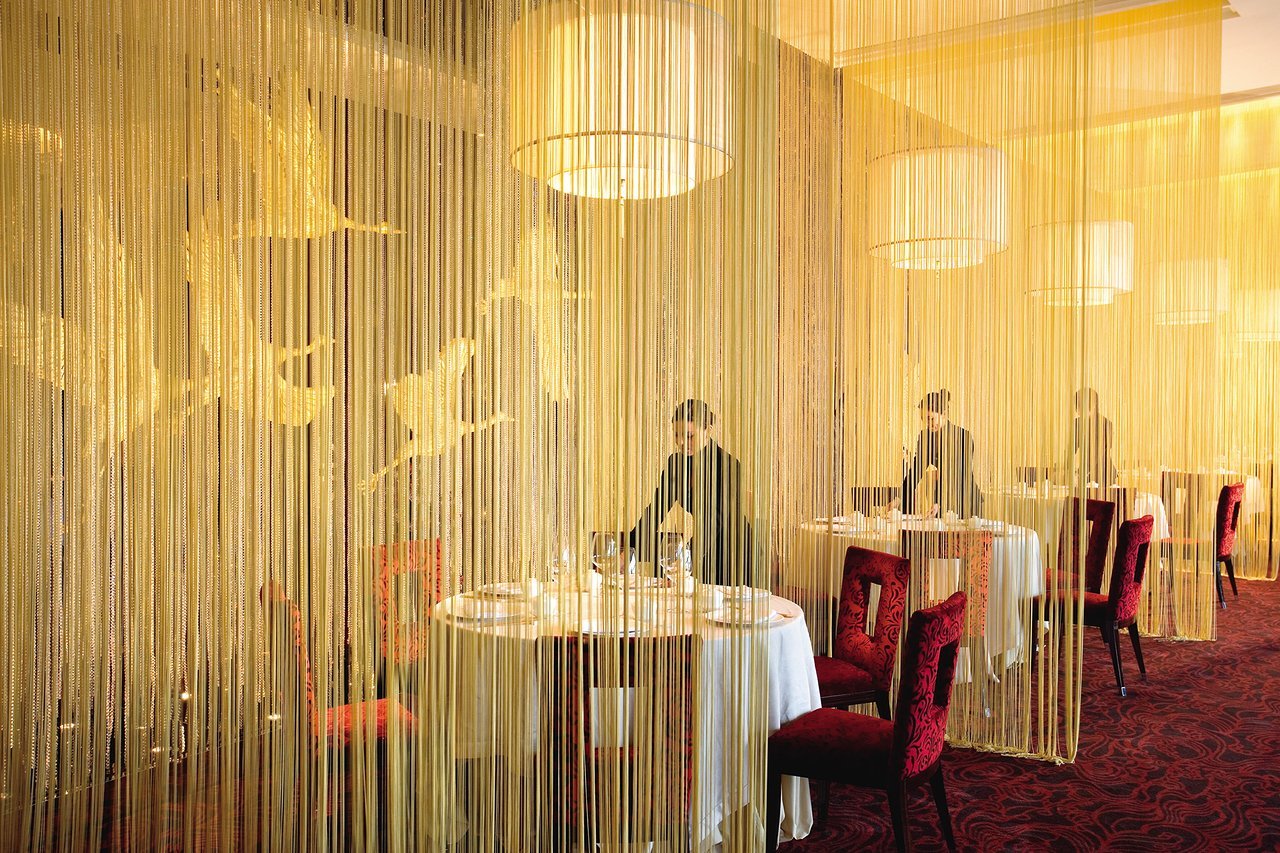
The room itself is not subtle. On the 11th floor of Altira Macau, the main dining space opens to panoramic views over the Macau peninsula, and the interior earns its design attention with a carved wooden column that anchors the traditional red-and-modern-texture aesthetic without tipping into theme-park territory. Cranes appear across the décor and tableware as a deliberate cultural signal: in Chinese tradition, they represent nobility and wisdom, and the kitchen takes that framing seriously. This is not a hotel restaurant coasting on location.
The atmosphere sits in a specific register that is worth knowing before you arrive. Lunch at Ying is genuinely lively: this is Altira Macau's most popular restaurant for the midday service, and the room fills with families, business lunches, and hotel guests all converging on the dim sum programme. It is not a quiet room at 1 PM on a Saturday. Dinner shifts the mood considerably: the same dramatic space becomes more composed, service slows to its proper pace, and the evening menu's classic-meets-contemporary Cantonese dishes get the attention they deserve. Choose your visit based on what you want from the room's energy.
Chef Benny Wu leads the kitchen through a programme that pairs traditional techniques with enough creative latitude to keep returning diners interested. The dim sum at lunch is a particular draw: the craftsmanship is evident in the construction of each piece, and the kitchen's willingness to work with premium ingredients across both the pastry and filling components separates Ying from the more utilitarian hotel dim sum options elsewhere in Macau. Inspector notes specifically flag the layered textures and flavours achieved in the black swan pastry: one of the more discussed dishes on the lunch menu. The dinner menu continues the theme, blending classic Cantonese delicacies with more contemporary interpretations of signature seafood preparations.
Sommelier David Vilhena Tavares manages a wine programme that deserves more attention than most Macau Cantonese restaurants receive in this category. The list runs to 600 selections across 5,000 bottles in inventory, with particular depth in Bordeaux, Burgundy, Champagne, Italy, Australia, and Portugal. Pricing sits at the $$$ tier, with a meaningful portion of the list above $100 per bottle, and corkage is set at $50 for those who prefer to bring their own. For a food-and-wine pairing evening, the programme here is more thoughtfully constructed than you will find at most comparable Cantonese addresses, compare it with what Jade Dragon or Chef Tam's Seasons offer if you are triangulating on that basis.
For Cantonese dining in Greater China at this price tier, Ying belongs in the same conversation as Forum in Hong Kong and Le Palais in Taipei, not quite the same level of critical recognition, but with a more accessible entry point and a hotel infrastructure that makes logistics significantly easier. Travellers who have eaten at Imperial Treasure Fine Chinese Cuisine in Guangzhou or Ru Yuan in Hangzhou will find Ying operating at a comparable level of technical seriousness, with Macau's specific casino-hotel context adding a layer of polish to the service that those mainland addresses don't always match.
Table service is a deliberate policy choice here. At a time when dim sum restaurants increasingly run on turnover, fast seating, quick clearing, minimal interaction, Ying maintains classic table service through the lunch period. That decision slows the meal in a way that rewards guests who are not trying to eat in under an hour. If you are on a schedule, account for it. If you are not, it is one of the better arguments for booking lunch here rather than at a faster-moving alternative.
Know Before You Go
- Address: Level 11, Altira Macau, Avenida de Kwong Tung, Taipa Island, Macau
- Access: Dedicated street-level elevator or hotel lift from within Altira Macau
- Hours: Daily, 12 PM–3 PM (lunch) and 6 PM–10 PM (dinner)
- Pricing: $$$ (cuisine); $$$ (wine); meals above $66 per person for a typical two-course
- Wine list: 600 selections, 5,000 bottles in inventory; Bordeaux, Burgundy, Champagne, Italy, Australia, Portugal; corkage $50
- Dress code: Smart casual. No strict requirement, but the room skews toward dressed guests; jeans and sneakers will feel underdressed
- Booking: Via dedicated reservation line: 853-8803-6600; or altiramacau.com/dining; hotel concierge if staying on property
- Booking difficulty: Hard, book a minimum of 2–3 weeks ahead for weekend lunch; dinner has more availability but do not rely on walk-ins
- Awards: Michelin 1 Star (2024); Forbes Travel Guide Five-Star; La Liste 79.5pts (2025), 77pts (2026)
How It Compares
See the comparison section below for how Ying stacks up against other Macau dining options across price, booking difficulty, and experience type.
Explore More in Macau
Planning a broader Macau trip? Pearl covers the full picture: our full Macau restaurants guide, hotels, bars, wineries, and experiences. For Cantonese dining across the region, consider Xin Rong Ji in Beijing, 102 House in Shanghai, Xin Rong Ji in Chengdu, and Dai Yuet Heen in Nanjing.
Located inside
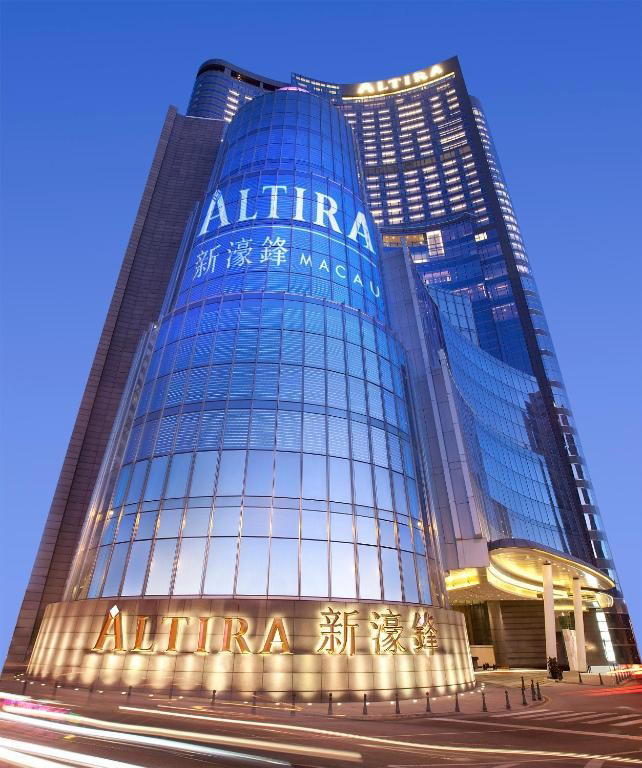 HotelAltira MacauFull hotel guide
Planning details
- Hours
- Monday: 12 PM-3 PM 6 PM-10 PM · Tuesday: 12 PM-3 PM 6 PM-10 PM
- Location
- MacaoAv. de Kwong Tung, MO Ying, Level 11 Altira Macau
- Website
- altiramacau.com/en/dining/Ying
- Phone
- +853 2886 8868
The take
The Take
The Vibe
Ying presents a refined Cantonese dining room that balances tradition with contemporary polish. Guests arrive via a dedicated street-level elevator to the 11th floor of Altira Macau and step into a space anchored by an ornately carved wooden column and dressed in traditional red against modern textures. Cranes, a motif threaded through décor and tableware, reinforce the cultural framing, while the main room opens onto a wide, uninterrupted panorama across the Macau peninsula. The atmosphere skews lively rather than reverential: daytime service is busy and energetic, yet table service maintains a personal, attentive pace.
Best For
Ying sits squarely in Macau's mid-to-upper tier of formal Cantonese dining, backed by a one-Michelin-star distinction (2024) and a Forbes Travel Guide Five-Star rating. It's especially popular for lunch, drawing daytime crowds, but its credentials and polished service make it a natural choice for business dinners and special occasions as well. The restaurant offers a scenic, elevated vantage across the peninsula and positions itself among other high-craft Cantonese rooms in the city, delivering a sophisticated experience that is more intimate and crafted than the volume-driven dim sum houses yet short of the two-star stratum.
Venue details
Ambiance
Elegant and sophisticated, with a refined main dining room and a more intimate feel in the private rooms.
Tags
Vibe
Best For
Experience
View
At the Table
- Dress Code
- Smart Casual
- Noise Level
- Conversational
- Service Style
- Formal
- Meal Pacing
- Leisurely
- Capacity
- Large
- Kitchen
- Modern
- Menu Format
- Set menu, A la carte, Tasting menu
- Private Dining
- Available
Signature Dishes
- Dim sum
- Deep fried crab meat wrapped in rice paper
- Chao siu
Know before you go
Know Before You Go
- Getting there
- MacaoAv. de Kwong Tung, MO Ying, Level 11 Altira Macau
Planning details
Hours
- Monday
- 12 PM-3 PM 6 PM-10 PM
- Tuesday
- 12 PM-3 PM 6 PM-10 PM
- Wednesday
- 12 PM-3 PM 6 PM-10 PM
- Thursday
- 12 PM-3 PM 6 PM-10 PM
- Friday
- 12 PM-3 PM 6 PM-10 PM
- Saturday
- 12 PM-3 PM 6 PM-10 PM
- Sunday
- 12 PM-3 PM 6 PM-10 PM
Location
MacaoAv. de Kwong Tung, MO Ying, Level 11 Altira Macau · Directions
Recognition and awards


Also consider
Also Consider
- Aji: Nikkei, Innovative, $$$$
- Five Foot Road: Sichuan, $$
- Lai Heen: Cantonese, $$$
- Robuchon au Dôme: French Contemporary, $$$$
- Feng Wei Ju: Hunan-Sichuan, Hunanese, $$
Restaurant context
Within Macau's $$$ Cantonese tier, Lai Heen is the most direct comparison to Ying: both hold Michelin recognition, both operate inside five-star casino hotels, and both price at a similar per-head level. The decision between them comes down to atmosphere and focus. Lai Heen skews toward a more formal, composed dinner experience; Ying's lunch programme is the more discussed product, with a dim sum service that inspectors have specifically flagged for its craft and creativity. If lunch is your meal, Ying is the stronger choice. If you are booking a formal dinner and want the most polished room, the gap between the two is narrower.
For diners considering a step up in price, Robuchon au Dôme and Aji both operate at $$$$ and deliver different experiences entirely. Robuchon au Dôme is the right call if French contemporary is the category and a higher service ceiling is the priority. Aji's Nikkei-Innovative format serves a different kind of food enthusiast. Neither competes directly with Ying for traditional Cantonese technique, and both will cost meaningfully more.
At the value end of the Macau dining set, Five Foot Road and Feng Wei Ju both operate at $$ and serve Sichuan and Hunan-Sichuan formats respectively: worth knowing if your group includes guests who want bold, spice-forward Chinese cooking rather than the refined Cantonese register Ying operates in. They are not substitutes for Ying, but they are solid alternatives for a different meal on the same trip. For a multi-restaurant Macau itinerary, pairing Ying's dim sum lunch with an evening at one of the $$ regional Chinese options is a practical and cost-effective structure.
Around this place
Discover more on Pearl
Unlock the full Ying guide in Pearl, including awards, comparisons, FAQs, planning details, and nearby places.
Compare Ying
| Venue | Price | Awards |
|---|---|---|
| Ying | $$$ | 2026 Forbes 5-StarSCMP 100 Top Tables 2026 - RestaurantsMichelin Guide Hong Kong & Macau 20262026 La Liste Top Restaurants2026 Wine Spectator Best of Award of Excellence2025 Wine Spectator Best of Award of Excellence2025 La Liste Top Restaurants2025 Michelin 1 Star2025 Forbes 5-Star |
| Aji | $$$$ | 2026 OAD Top Restaurants in Asia Recommended2026 Black Pearl 1 DiamondMichelin Guide Hong Kong & Macau 20262026 Wine Spectator Best of Award of Excellence2025 OAD Top Restaurants in Asia Ranked · #370World's Best Wine Lists 20252025 Wine Spectator Best of Award of Excellence2025 Michelin 1 Star2025 The Best Chef One Knife |
| Five Foot Road | $$ | 2026 Forbes 5-StarStar Wine Lists 20262026 Black Pearl 1 DiamondSCMP 100 Top Tables 2026 - Restaurants2026 OAD Top Restaurants in Asia RecommendedMichelin Guide Hong Kong & Macau 20262026 Wine Spectator Best of Award of Excellence2026 La Liste Top RestaurantsWorld's Best Wine Lists 2025 |
| Lai Heen | $$$ | 2026 Forbes 5-Star2026 Forbes Recommended2026 OAD Top Restaurants in Asia RecommendedSCMP 100 Top Tables 2026 - RestaurantsMichelin Guide Hong Kong & Macau 20262025 OAD Top Restaurants in Asia Ranked · #3522025 Black Diamond 1 Diamond2025 Michelin 1 Star2025 Forbes 4-Star |
| Robuchon au Dôme | $$$$ | 2026 OAD Top Restaurants in Asia Ranked · #132026 Forbes 5-Star2026 Black Pearl 3 DiamondSCMP 100 Top Tables 2026 - RestaurantsMichelin Guide Hong Kong & Macau 20262026 Wine Spectator Grand Award2026 La Liste Top RestaurantsWorld's Best Wine Lists 2026 — Global Category Winners2025 OAD Top Restaurants in Asia Ranked · #13 |
| Feng Wei Ju | $$ | No published awards |







How Ying stacks up against the competition.
FAQ
Frequently Asked Questions
Is the tasting menu worth it at Ying?
Ying's kitchen, led by Chef Benny Wu, earns its Michelin 1 Star (2024) and La Liste placement (77pts, 2026) through precise execution of classic Cantonese technique alongside modern interpretations. At $$$ per head, the value is solid for the category on Taipa Island, though guests who want a full progressive format may find dinner service more suited to that pace than the busier lunch sitting. If dim sum craft is what you're after, the lunch menu is the stronger case for the price.
What should I wear to Ying?
Smart casual is the explicit dress code at Ying, per Altira Macau's policy across its restaurants. The room is dramatic and formal in atmosphere, ornate carved woodwork, art-forward interiors, panoramic views, so while sneakers and jeans technically pass, you'll feel more at ease in something sharper. Think collared shirt and clean trousers rather than resort wear.
Is lunch or dinner better at Ying?
Lunch is the more popular sitting and the more energetic room: Ying is Altira Macau's highest-traffic restaurant at midday, built around dim sum service. Dinner is quieter and better suited to a longer, more considered meal. If you're visiting specifically for dim sum craftsmanship, book lunch; if you want a relaxed evening with the full Cantonese menu and the view to yourself, dinner is the call.
Can I eat at the bar at Ying?
There is no bar seating format documented for Ying. The restaurant operates as a full-service dining room on the 11th floor of Altira Macau, with classic table service as a deliberate part of its offering: it's one of the things that distinguishes Ying from faster-format dim sum venues. Book a table via the Altira reservation line (853-8803-6600) or through the hotel concierge.
What should a first-timer know about Ying?
Ying is on the 11th floor of Altira Macau on Taipa Island: accessible via a dedicated street-level elevator or through the hotel. It holds a Michelin 1 Star (2024) and La Liste recognition, and the room combines traditional Cantonese red lacquer aesthetics with contemporary art and an open view over the Macau peninsula. The lunch dim sum sitting is lively; dinner is more measured. Both menus blend classic Cantonese with modern technique.
How far ahead should I book Ying?
Book at least one to two weeks ahead for dinner, longer for weekend lunch, which is the restaurant's most popular sitting. Reservations can be made via Altira Macau's dedicated line at 853-8803-6600 or at altiramacau.com/dining. Hotel guests can use the concierge. Walk-ins at a Michelin-starred venue of this profile during peak Saturday lunch are a risk not worth taking.
What should I order at Ying?
The inspector highlight from La Liste specifically calls out the black swan pastry, stuffed with roast goose, foie gras, and yam bean, as a standout during dim sum service for its layering of textures. Classic steamed crystal shrimp dumplings and deep-fried spare ribs are noted lunch fixtures. At dinner, the seafood dishes are flagged as the kitchen's signature territory, bridging classic and contemporary Cantonese technique.