
.png?width=1200&quality=80)
Tsuroku
Japanese · Nakagyō, Kyoto
Restaurant in Kyoto, Japan
 Book with Pearl
The Read
À La Carte Wanmono
Price
¥¥¥
Chef
Kento Ueda
Dress
Smart Casual
Why go
Tsuroku is a Michelin Plate-recognised Japanese kitchen in Nakagyo Ward, Kyoto, built around wanmono and traditional Kyoto preparations at a ¥¥¥ price point. The à la carte format and relaxed service make it the right call when you want focused, technically grounded Kyoto cooking without the commitment of a full kaiseki progression. Easy to book; order the wanmono and the guji.
About Tsuroku
Verdict
Tsuroku earns a confident recommendation for anyone who wants a genuine Kyoto dining experience at a price point below the city's full kaiseki circuit. The à la carte format; a deliberate choice by chef Kento Ueda to keep the place approachable for casual drop-ins; means you control the spend and the pacing. A Michelin Plate in both 2024 and 2025, plus a ranking of #291 in Opinionated About Dining's Japan list, confirm this is a kitchen operating at a credible standard without demanding the full ceremony of a multi-course kaiseki commitment. Book here if you want wanmono cooking done with precision and a room that feels relaxed rather than reverential.
About Tsuroku
The name itself signals the kitchen's orientation: Tsuroku derives from an old Kyoto word meaning 'balance' or 'harmony,' and that principle shows up in the food and the format alike. Seats at 51 Matsuyacho in Nakagyo Ward put you in the middle of central Kyoto, within reach of the restaurant clusters that run through this ward, the address is accessible without the detour into the quieter tourist-facing lanes of Higashiyama or Gion.
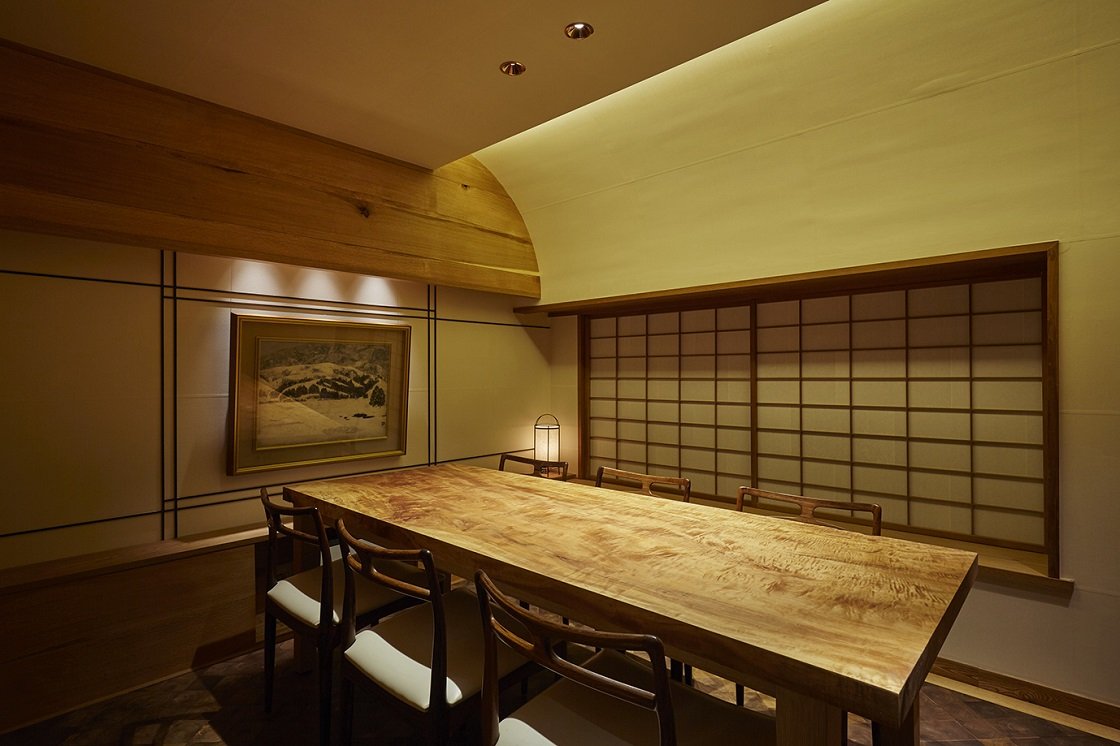
The room's atmosphere leans toward composed stillness rather than animated buzz. Service is described as friendly, the overall experience reads as a counterpoint to the more hushed, formal energy you'd encounter at a full kaiseki room. If you've eaten at Tsuroku once and found it pleasantly calm but wondered whether you were missing something by not booking a grander room nearby, the answer depends on what you're after. For wanmono-focused cooking in an unpretentious setting, you're already in the right place. For the full seasonal kaiseki progression with lacquerware courses and strict ceremony, look elsewhere.
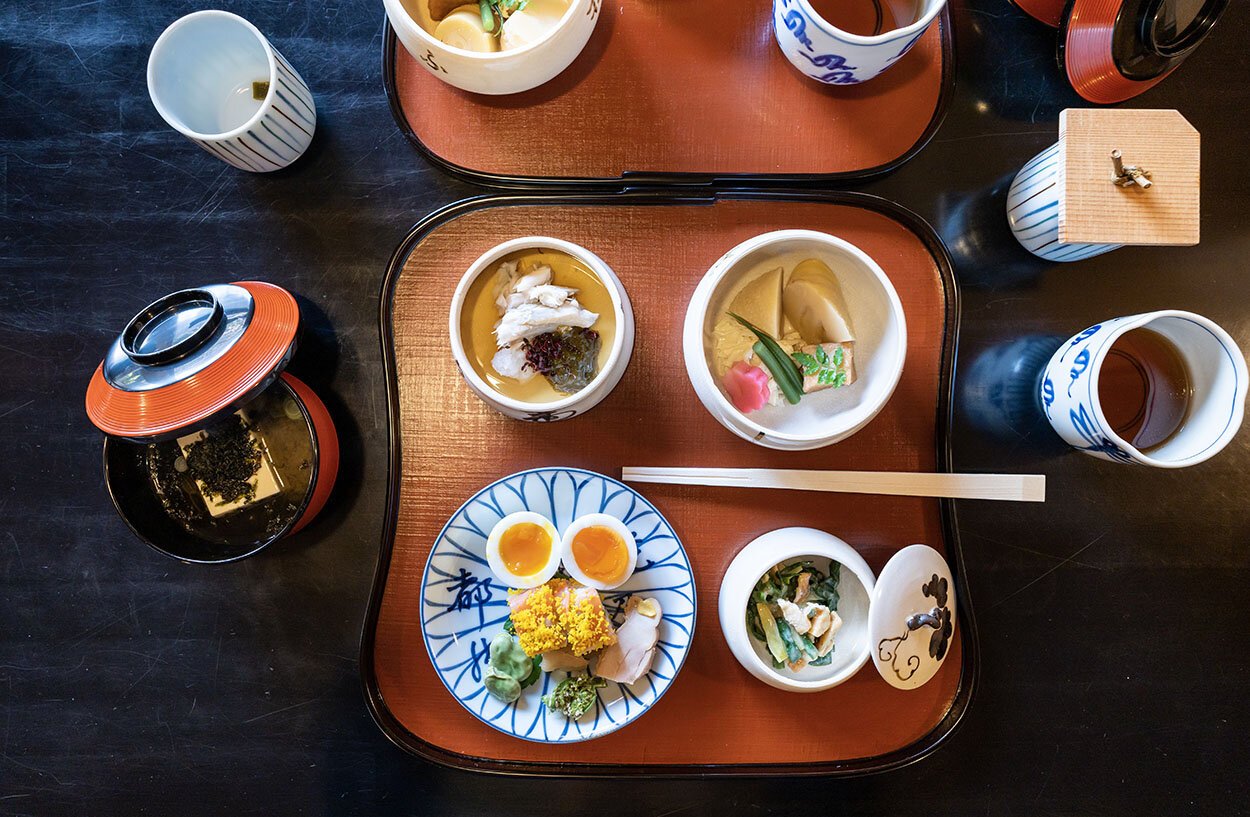
Chef Ueda's particular strength, per the venue's own record, is wanmono: dishes served in small bowls, built around shinjo (fish or seafood paste preparations) that demand technical control. Alongside these, guji, the prized Kyoto red tilefish, is knife-scored in a pinecone pattern and grilled. This is a preparation that appears across high-end Kyoto kitchens, but its presence here at a ¥¥¥ price point rather than ¥¥¥¥ is worth noting. White miso soup rounds out what the database describes as standard fare: these are quintessential Kyoto dishes delivered without the ceremonial overhead of a full kaiseki programme.
The à la carte structure matters practically. You are not locked into a set progression, which makes Tsuroku a reasonable option for a longer midday meal where you want to order a few dishes, pause, decide whether to continue. This also makes it more accessible for solo diners or pairs who don't want to commit to a two-hour multi-course format. For a second visit, the logical move is to centre your order around the wanmono dishes and the guji preparation, then add a bowl of white miso soup as a closing note, this is the kitchen's clearest signal of what it does leading.
Timing and When to Go
Kyoto's restaurant scene operates on different rhythms across the week, Tsuroku's casual drop-in positioning means arrival timing matters more than advance reservation difficulty. The booking situation here is rated easy, which puts it well below the strain of securing a table at a starred kaiseki room. That said, midday and early evening slots during peak Kyoto seasons, cherry blossom in late March to early April, autumn foliage in November, will draw more competition even for accessible venues. If you're visiting during these windows, contact the restaurant ahead of arrival rather than assuming a walk-in will be available. Outside peak season, a same-day or next-day approach is likely workable.
For the format Tsuroku offers, a midday visit makes strong sense. The à la carte structure and the relaxed service style suit a longer lunch rather than a rushed pre-theatre dinner. If you've already done the full kaiseki circuit at venues like Kikunoi Roan or Isshisoden Nakamura, Tsuroku functions well as a lower-intensity alternative for a subsequent meal on the same trip.
How It Compares
See the full comparison below, but the short version: Tsuroku sits at the accessible end of serious Kyoto Japanese cooking. It is not trying to compete with Kyokaiseki Kichisen or Gion Matayoshi on depth or ceremony. It competes on approachability, technical focus within a narrow register, price.
Practical Details
Address: 51 Matsuyacho, Nakagyo Ward, Kyoto, 604-0813. Price range: ¥¥¥. Cuisine: Japanese, with a focus on wanmono and traditional Kyoto preparations. Chef: Kento Ueda. Awards: Michelin Plate 2024 and 2025; Opinionated About Dining Japan #291 (2025). Booking difficulty: Easy. Hours and booking method are not confirmed in available data, contact the venue directly to confirm before visiting.
Quick reference: ¥¥¥ à la carte, Michelin Plate (2024–2025), easy to book, midday visit recommended, wanmono and guji are the dishes to order.
Pearl Picks Nearby
- Kikunoi Roan, For full kaiseki in Kyoto at a tier below the leading starred rooms
- Kodaiji Jugyuan, Another Kyoto option worth considering for Japanese cooking in a different register
- Isshisoden Nakamura, For a more historically grounded kaiseki experience in the city
- Kyokaiseki Kichisen, If you want to step up to ¥¥¥¥ kaiseki with serious credentials
Exploring beyond Kyoto? HAJIME in Osaka, akordu in Nara, and Goh in Fukuoka are all worth adding to a broader Japan itinerary. For Japanese cooking in Tokyo, Myojaku and Azabu Kadowaki offer useful reference points. See our full Kyoto restaurants guide for broader coverage, or browse Kyoto hotels, Kyoto bars, and Kyoto experiences to plan the rest of your trip.
Planning details
- Location
- 51 Matsuyacho, Nakagyo Ward, Kyoto, 604-0813, Japan
- Website
- yuubi-tsuroku.com/tsuroku
- Phone
- +81 75-275-3926
The take
The Take
The Vibe
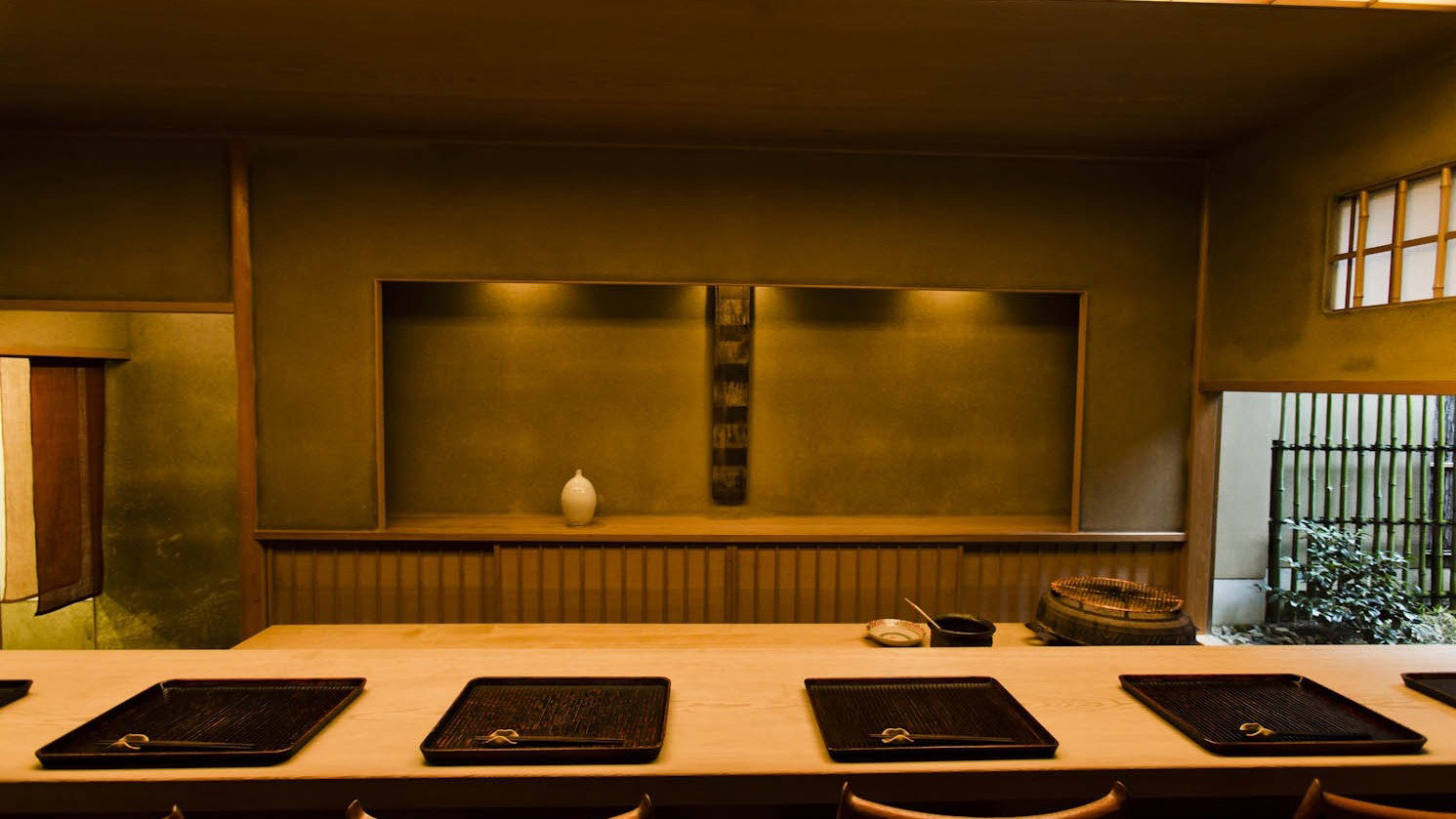
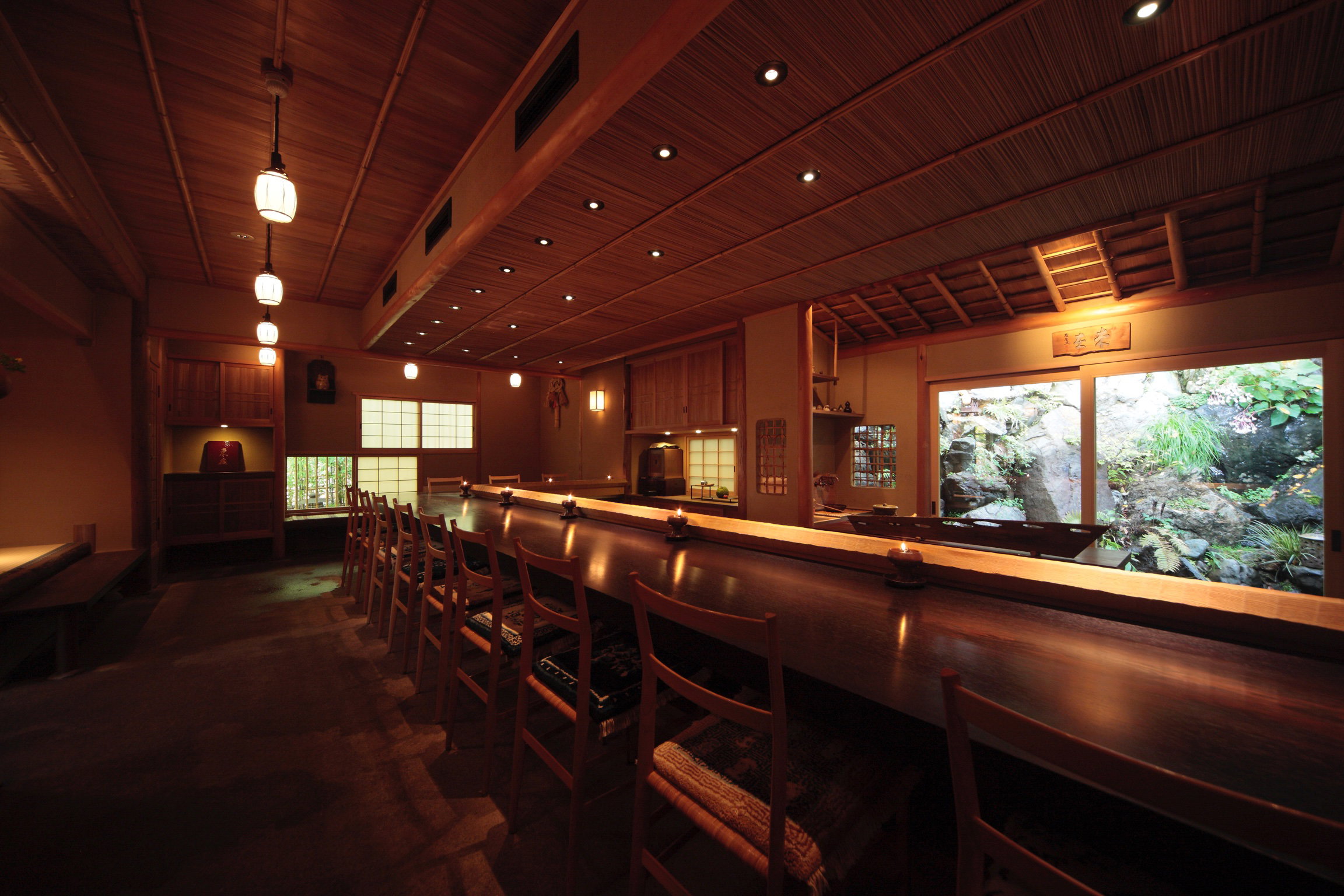
Tsuroku occupies a compact, counter-focused room that reinterprets Kyoto’s kaiseki tradition through a quietly deliberate lens. The kitchen retains the ritualistic care of classic kaiseki—intentional presentation, precise temperatures and technical finesse—while opening the menu so guests can shape their own sequence. The result is an intimate, refined atmosphere where restraint and craft are front and center, and regulars and newcomers alike experience a measured, sophisticated service rhythm rather than the formal march of a preset tasting.
Best For
This counter is best for diners who value technical precision and thoughtful pacing without committing to a full kaiseki arc. It suits couples seeking an elegant, intimate dinner as well as solo guests who want the option to order a few carefully executed dishes. The à la carte structure also makes it a comfortable choice for relaxed, knowledgeable diners who prefer to build a meal in conversation with the kitchen rather than accept a prescribed sequence.
Ordering Tips
Embrace the à la carte approach: build a sequence rather than ordering a single large plate. Start with wanmono and a shinjo to appreciate the kitchen’s core technique, then add a few signature items—such as the icefish shinjo or the Guji matsugasa-yaki—to layer textures and flavors. Because pacing is collaborative, communicate your desired tempo to the staff so courses arrive in a satisfying rhythm. Avoid assuming a set tasting; treating the meal as a curated conversation with the kitchen yields the most rewarding experience.
Venue details
Ambiance
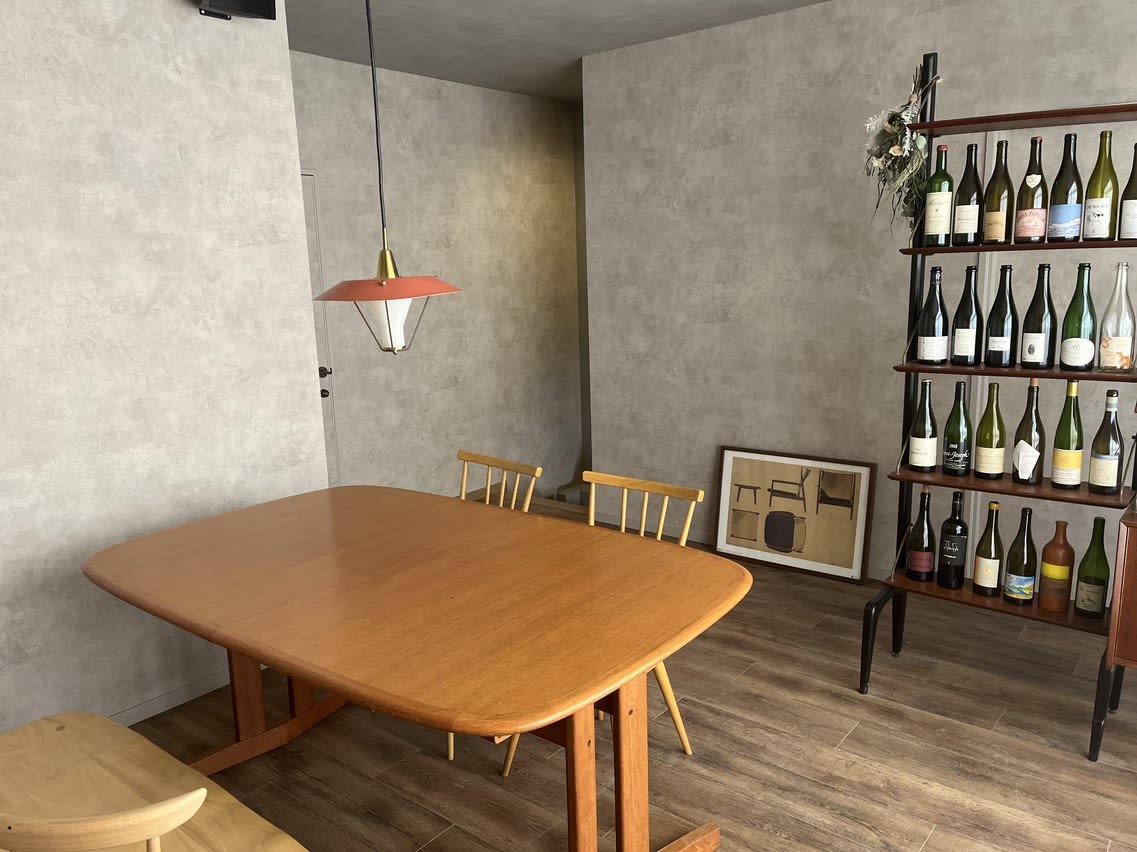
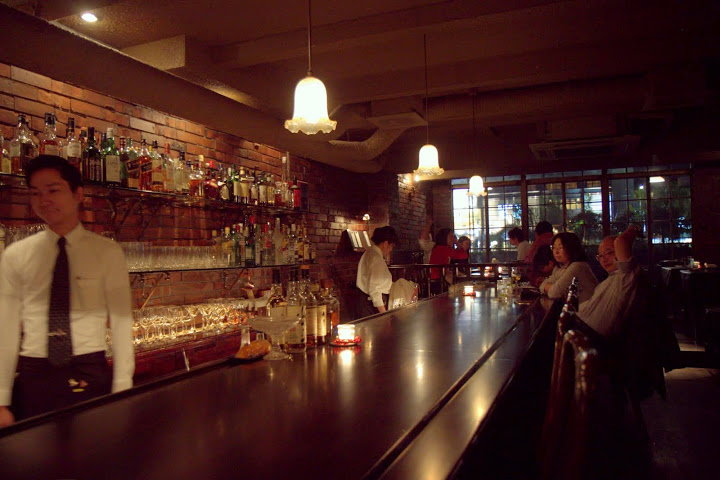
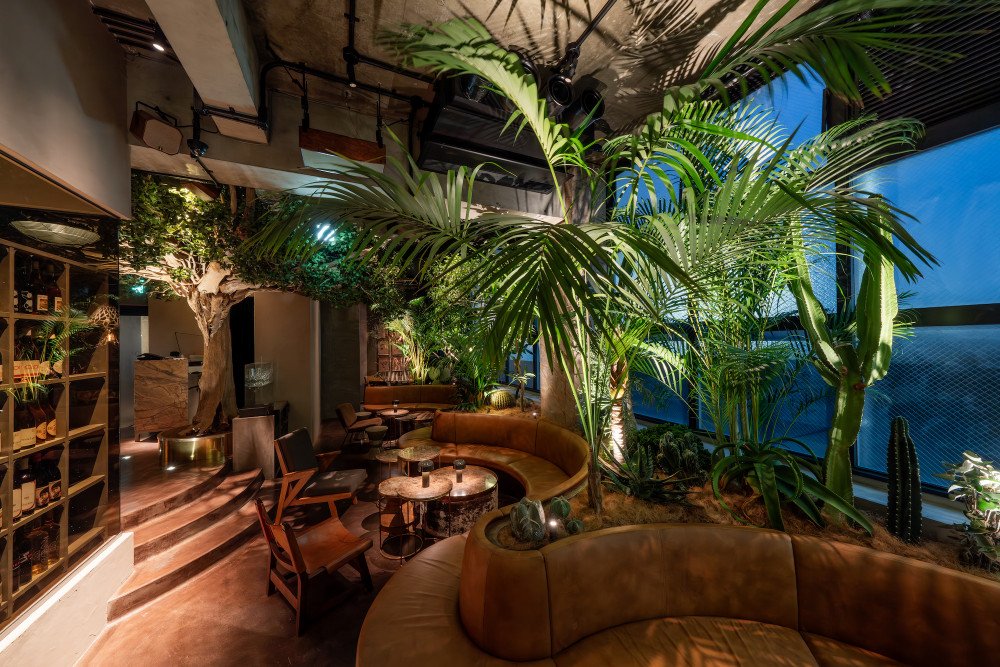
Relaxing and stylish with counter and sunken seating, providing a tranquil and welcoming atmosphere.
Tags
Vibe
Best For
Experience
Sourcing
At the Table
- Dress Code
- Smart Casual
- Noise Level
- Quiet
- Service Style
- Upscale Casual
- Meal Pacing
- Leisurely
- Capacity
- Intimate
Signature Dishes
- Japanese icefish shinjo
- Guji matsugasa-yaki
- Karasumi miso tempura
Planning details
Location
51 Matsuyacho, Nakagyo Ward, Kyoto, 604-0813, Japan · Directions
Recognition and awards

Also consider
Also Consider
- Gion Sasaki; Kaiseki, Japanese, ¥¥¥¥
- cenci; Italian, ¥¥¥
- Ifuki; Kaiseki, ¥¥¥¥
- Kyokaiseki Kichisen; Japanese, ¥¥¥¥
- Kyo Seika; Chinese, ¥¥¥
Restaurant context
Tsuroku sits in a different bracket from most of its Kyoto peers in this comparison set. Gion Sasaki and Ifuki both operate at ¥¥¥¥ with full kaiseki progressions; they are harder to book, more expensive, built around a different kind of commitment. If you want the complete Kyoto kaiseki experience with seasonal courses and lacquerware ceremony, those rooms are the correct choice. Tsuroku does not compete on that axis and is not trying to.
Kyokaiseki Kichisen is the most serious ¥¥¥¥ option in the comparison set; credentials-heavy, formal, demanding in terms of both price and booking lead time. For a diner who has already done Kichisen and wants a lower-intensity Kyoto meal on the same trip, Tsuroku is a logical follow-up: different register, different price, no redundancy. At the same ¥¥¥ tier, cenci offers Italian cooking rather than Japanese, which makes it a different decision entirely; go to cenci for a Kyoto chef's interpretation of European cuisine, go to Tsuroku for wanmono and grilled guji in a traditional format. They don't compete directly. Kyo Seika at ¥¥¥ provides Chinese cooking and answers a different craving altogether.
The clearest booking logic: if your priority is authentic, technique-focused Kyoto Japanese cooking at an accessible price with easy reservations, Tsuroku is the pick in this set. If you want a full kaiseki arc with seasonal progression and the formal room that goes with it, step up to Gion Sasaki or Ifuki and budget accordingly. For value within the ¥¥¥ tier specifically, Tsuroku's Michelin Plate recognition and à la carte freedom give it a practical edge over the more formal alternatives.
Explore Kyoto
Around this place
Discover more on Pearl
Unlock the full Tsuroku guide in Pearl, including awards, comparisons, FAQs, planning details, and nearby places.
Compare Tsuroku
| Venue | Cuisine | Awards | Booking Difficulty |
|---|---|---|---|
| Tsuroku | Japanese | 2026 OAD Top Restaurants in Japan Recommended2026 Michelin Plate2025 OAD Top Restaurants in Japan Ranked · #2912025 Michelin Plate2024 Michelin Plate | Easy |
| Gion Sasaki | Kaiseki, Japanese | 2026 Tabelog Bronze · #3862026 OAD Top Restaurants in Japan RecommendedMichelin Guide Kyoto Osaka 20262026 La Liste Top RestaurantsTabelog 100 - Japanese cuisine - WEST - 2025 · #132025 OAD Top Restaurants in Japan Ranked · #2462025 Tabelog Silver2025 Michelin 3 Stars2025 La Liste Top Restaurants | Unknown |
| cenci | Italian | 2026 Tabelog Bronze · #442026 Asia's 50 Best Restaurants · #762026 OAD Top Restaurants in Japan Highly RecommendedMichelin Guide Kyoto Osaka 2026Tabelog 100 - Italian - WEST - 2025 · #632025 Asia's 50 Best Restaurants · #632025 OAD Top Restaurants in Japan Ranked · #1682025 Tabelog Bronze2024 OAD Top Restaurants in Japan Ranked · #135 | Unknown |
| Ifuki | Kaiseki | 2026 OAD Top Restaurants in Japan Ranked · #1222026 Tabelog Bronze · #128Michelin Guide Kyoto Osaka 20262026 La Liste Top RestaurantsTabelog 100 - Japanese cuisine - WEST - 2025 · #622025 OAD Top Restaurants in Japan Ranked · #1002025 La Liste Top Restaurants2025 Tabelog Bronze2025 Michelin 2 Stars | Unknown |
| Kyokaiseki Kichisen | Japanese | 2026 Tabelog Bronze · #1752026 OAD Top Restaurants in Japan Highly RecommendedMichelin Guide Kyoto Osaka 20262025 OAD Top Restaurants in Japan Ranked · #1862025 Michelin 2 Stars2025 La Liste Top Restaurants2024 OAD Top Restaurants in Japan Ranked · #1422024 Michelin 2 Stars2023 OAD Top Restaurants in Japan Ranked · #136 | Unknown |
| Kyo Seika | Chinese | Tabelog 100 - Chinese cuisine - WEST - 2026 · #762026 Tabelog Bronze · #2162026 OAD Top Restaurants in Japan Recommended2026 Michelin 1 Star2025 OAD Top Restaurants in Japan Ranked · #3262025 Tabelog Bronze2024 OAD Top Restaurants in Japan Ranked · #3042024 Michelin Plate2024 Michelin 1 Star | Unknown |







A quick look at how Tsuroku measures up.
FAQ
Frequently Asked Questions
Is Tsuroku good for solo dining?
Yes, it may be the format Tsuroku suits best. The à la carte structure; chosen specifically so guests can drop in casually; means you are not locked into a multi-course kaiseki commitment. Order one or two wanmono dishes at your own pace without feeling like you are occupying a table meant for a group.
Is the tasting menu worth it at Tsuroku?
Tsuroku does not operate a tasting menu; all items are à la carte, a deliberate choice by the kitchen to keep the experience accessible and casual. This is actually a selling point at the ¥¥¥ price range: you pay for what you want rather than committing to a fixed sequence. If you want a structured kaiseki progression, Kyokaiseki Kichisen is the right call instead.
What should I order at Tsuroku?
The wanmono dishes; small bowl preparations featuring shinjo; are where Chef Kento Ueda's focus sits, they are the reason to come. The knife-scored guji grilled to a pinecone-like pattern and white miso soup are documented house staples that represent classic Kyoto preparation. Build your order around those rather than treating them as sides.
What are alternatives to Tsuroku in Kyoto?
For a step up in formality and price, Gion Sasaki and Kyokaiseki Kichisen offer structured kaiseki formats. Ifuki and cenci sit closer to Tsuroku's accessible end of serious Kyoto cooking, though with different culinary orientations. Kyo Seika works if you want something lighter in commitment. Tsuroku's specific angle; casual drop-in wanmono at ¥¥¥; does not have a direct match among these peers.
Is Tsuroku worth the price?
At ¥¥¥ with a Michelin Plate in both 2024 and 2025, Tsuroku sits at a fair price-to-quality point for Kyoto. You are paying for skilled, ingredient-focused Japanese cooking without the premium that comes with a full kaiseki counter or a starred restaurant. If you want traditional Kyoto flavours; guji, wanmono, white miso; without the cost or formality of the city's top kaiseki houses, the value case is clear.
Is Tsuroku good for a special occasion?
It works for a low-key special occasion; a birthday dinner for two or a meaningful solo meal in Kyoto; but the casual, drop-in atmosphere is not designed for ceremonial dining. For an occasion where the setting and pacing of the meal are part of the event, Gion Sasaki or Kyokaiseki Kichisen will feel more appropriate. Tsuroku's strength is quality and character, not occasion staging.