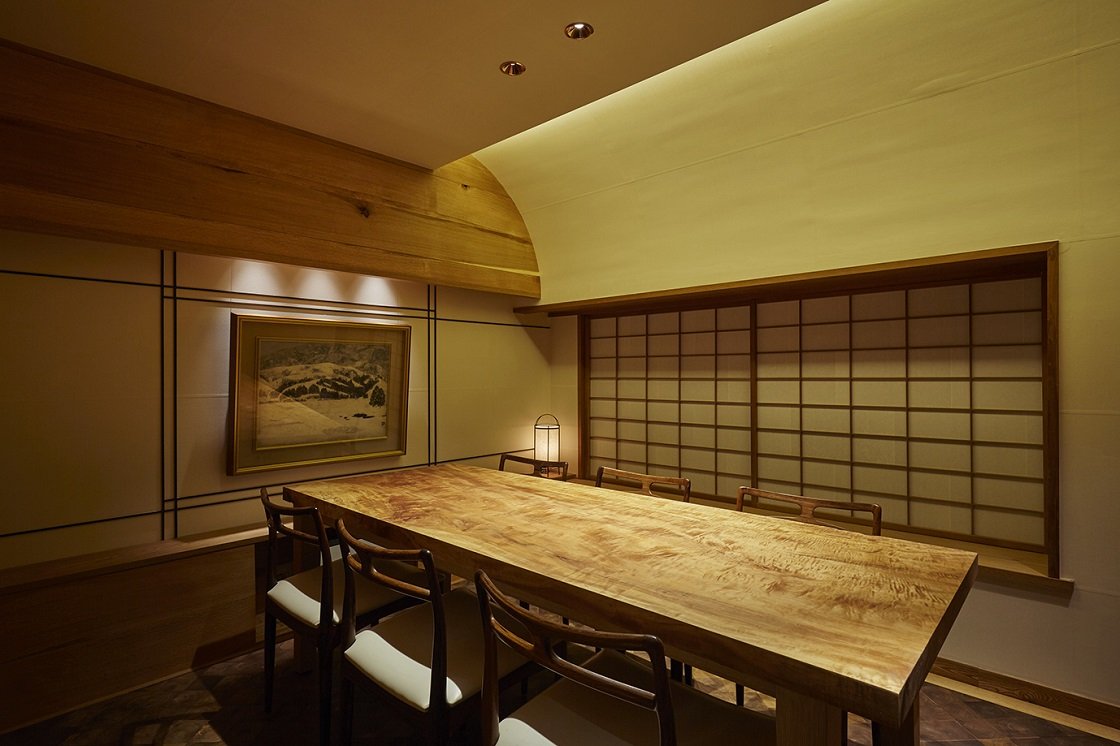

Okina
Japanese · Ukyō, Kyoto
Restaurant in Kyoto, Japan
 Book with Pearl
The Read
Saga Kappo Precision
Price
¥¥¥
Dress
Smart Casual
Why go
A family-run kappo in Kyoto's Saga district, Okina holds a 2024 Michelin star and a clear focus on fish: steamed, grilled, or omakase-led. At ¥¥¥, it sits a full tier below the city's kaiseki institutions in price but not in seriousness. Book well ahead; this one is hard to get and worth the effort for food-focused visitors who want proximity to the kitchen over ceremony.
About Okina
Okina, Kyoto: The Verdict
If you have been to Okina once, the question on a return visit is whether the kitchen has shifted or whether the experience has deepened. The answer, based on its continued Michelin recognition through 2024, is that Okina has held its line: a family-run kappo in Saga that does not chase trends and does not need to. For explorers after a genuinely local dining experience away from Gion's more theatrical kaiseki circuit, this is worth the trip to Ukyo Ward. Book it before you arrive in Kyoto; getting a seat here takes planning.
What Okina Is
Okina sits in Saga, a quiet district of Kyoto's Ukyo Ward that most visitors pass through on the way to Arashiyama without stopping to eat. That is their loss. The restaurant is run by a father-and-son team alongside their wives, the format is kappo: a more interactive, less ceremonially rigid style than full kaiseki, where you sit at or near the counter and the kitchen is visible. You can order à la carte or hand the decision to the chef with an omakase. Both are legitimate choices here depending on how much direction you want.
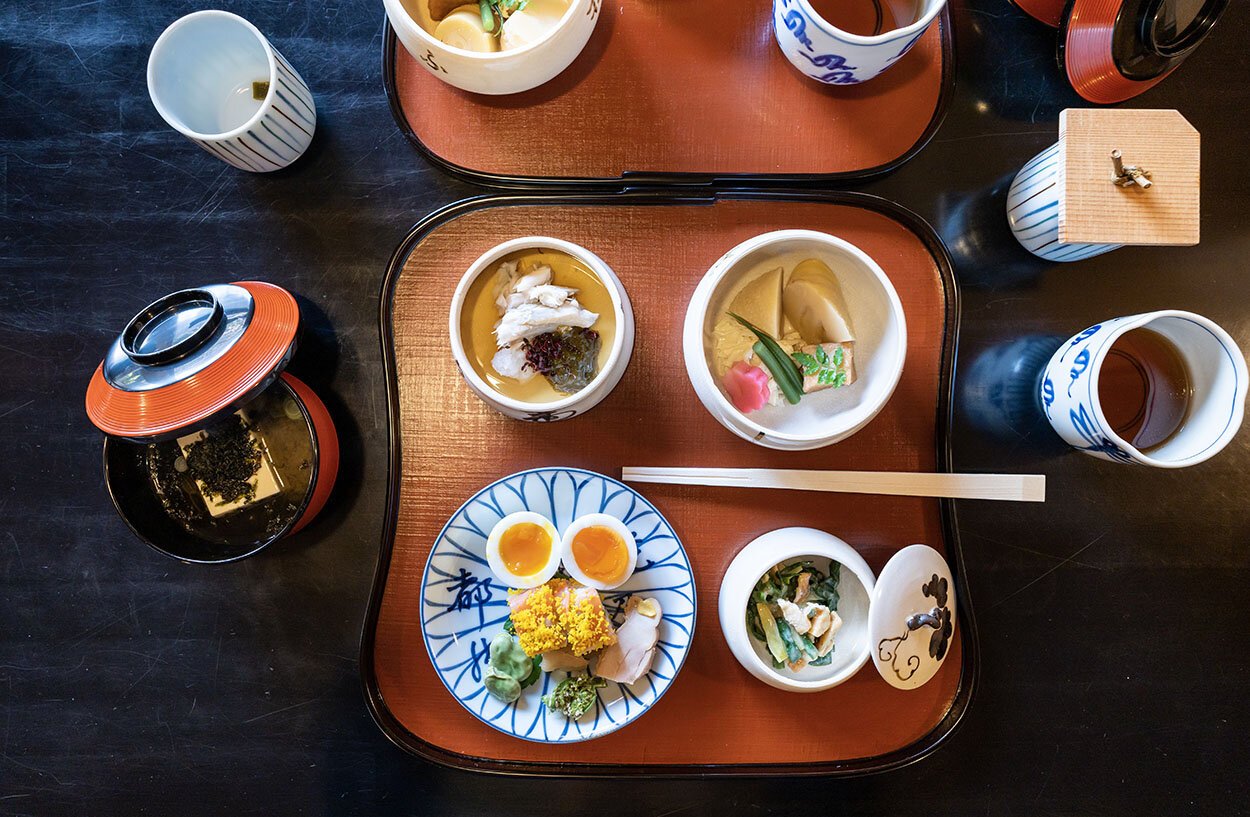
Fish is where the kitchen concentrates its energy. Preparations span steamed with salt and sake, grilled, or cooked to your preference if you make a request. The eel service is a considered touch: it arrives both unseasoned and finished in soy-based sauce so you can taste the difference directly. That kind of comparison is the sort of detail a confident kitchen offers when it trusts its product. At lunch, the draw shifts to boiled tofu and hiryuzu, a deep-fried tofu mixed with thinly sliced vegetables. Critically, the tofu comes from a supplier in Saga itself, which tells you something about how seriously Okina takes its local sourcing. This is not a detail that gets fabricated for a menu description; it is the kind of provenance a restaurant builds over years.
The Michelin star (2024) is the more reliable signal here. For context on what that means in Kyoto's packed dining field, consider that neighbours like Kikunoi Roan and Isshisoden Nakamura carry multiple stars and operate at considerably higher price points. Okina at ¥¥¥ represents a different proposition: serious cooking without the full pageantry of a multi-course kaiseki evening.
On the Editorial Angle: Does Okina Travel Well?
Kappo cooking is, by nature, a counter experience. The interaction between diner and kitchen is part of what makes it work, fish preparations built around timing; the moment something comes off the grill or out of the steamer; do not survive packaging. If you are asking whether takeout or delivery makes sense at Okina, the honest answer is no, that is not a criticism. It is simply the wrong format for what this kitchen does. The eel comparison service, the steamed fish, the hiryuzu at lunch: all of these depend on proximity and immediacy. Come in person or skip it entirely. This is not a restaurant you approximate from a delivery bag.
That said, the lunch tofu menu is worth flagging for travellers on a tighter schedule. Boiled tofu at a restaurant that sources its product locally, served at midday, is a lower-commitment entry point than a full omakase dinner. It is also significantly easier on the budget at the ¥¥¥ tier, lunch reservations at one-star venues in Kyoto tend to be marginally less competitive than evening slots. If your Kyoto itinerary is compressed, lunch here is a sharper call than attempting the dinner omakase on a tight turnaround.
Who Should Book Okina
Book Okina if you want a one-star kappo experience that sits outside Kyoto's more tourist-facing restaurant corridor, if you appreciate fish-forward cooking with visible technique, if the family-run scale of the place appeals to you over the formality of a kaiseki institution. It suits solo diners, pairs, small groups who want engagement with the kitchen rather than a procession of courses delivered by a choreographed team. Explorers who have already worked through the marquee names, the kaiseki institutions, the counter omakase spots in Gion, will find Okina a more grounded, less performative alternative.
For other angles on serious Japanese cooking across the country, Harutaka in Tokyo and Azabu Kadowaki offer points of comparison at the counter sushi and kappo end of the spectrum. In the Kansai region, HAJIME in Osaka operates at a very different register but is worth knowing if you are building a broader itinerary. For Nara, akordu is a useful contrast. Further afield, Goh in Fukuoka and Myojaku in Tokyo are both worth the addition to a Japan dining plan. You can also cross-reference the full Kyoto restaurants guide and check Kyoto hotels, Kyoto bars, and Kyoto experiences if you are building a longer stay.
Practical Details
Reservations: Hard to secure; book as far in advance as possible before arriving in Kyoto, particularly for dinner. Budget: ¥¥¥, mid-to-upper tier, below the ¥¥¥¥ kaiseki institutions. Format: À la carte or omakase; both available. Lunch: Tofu-focused menu is the lunch draw and likely the easier booking. Location: Sagashakadodaimoncho, Ukyo Ward, plan your route from central Kyoto in advance. Dress: No confirmed dress code in available data; smart casual is a safe assumption for a Michelin-starred kappo.
How It Compares
Planning details
- Location
- Japan, 〒616-8422 Kyoto, Ukyo Ward, Sagashakadodaimoncho, 11−11 おきな
- Website
- saga-okina.com
- Phone
- +81 75-861-0604
The take
The Take
The Vibe
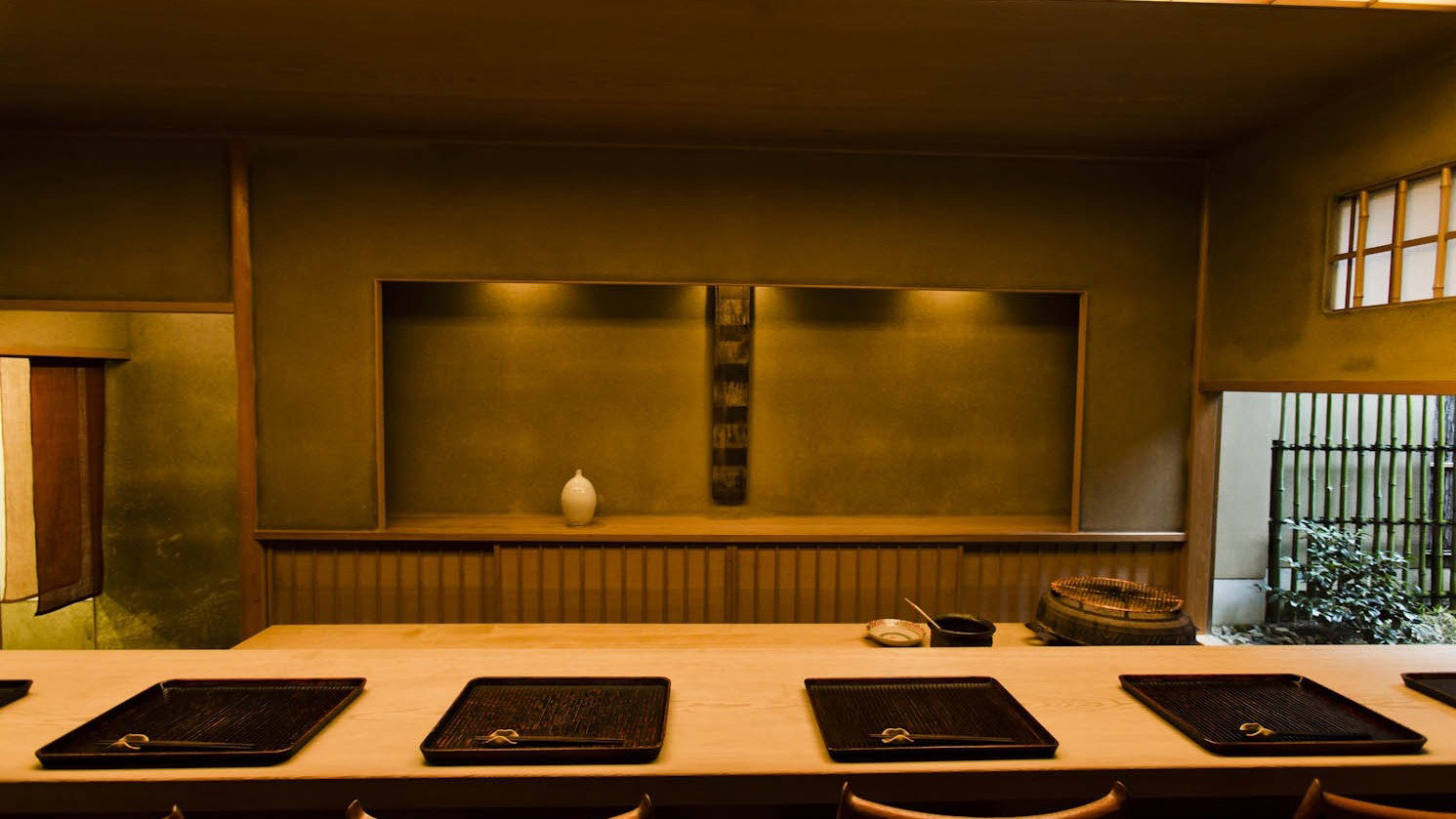
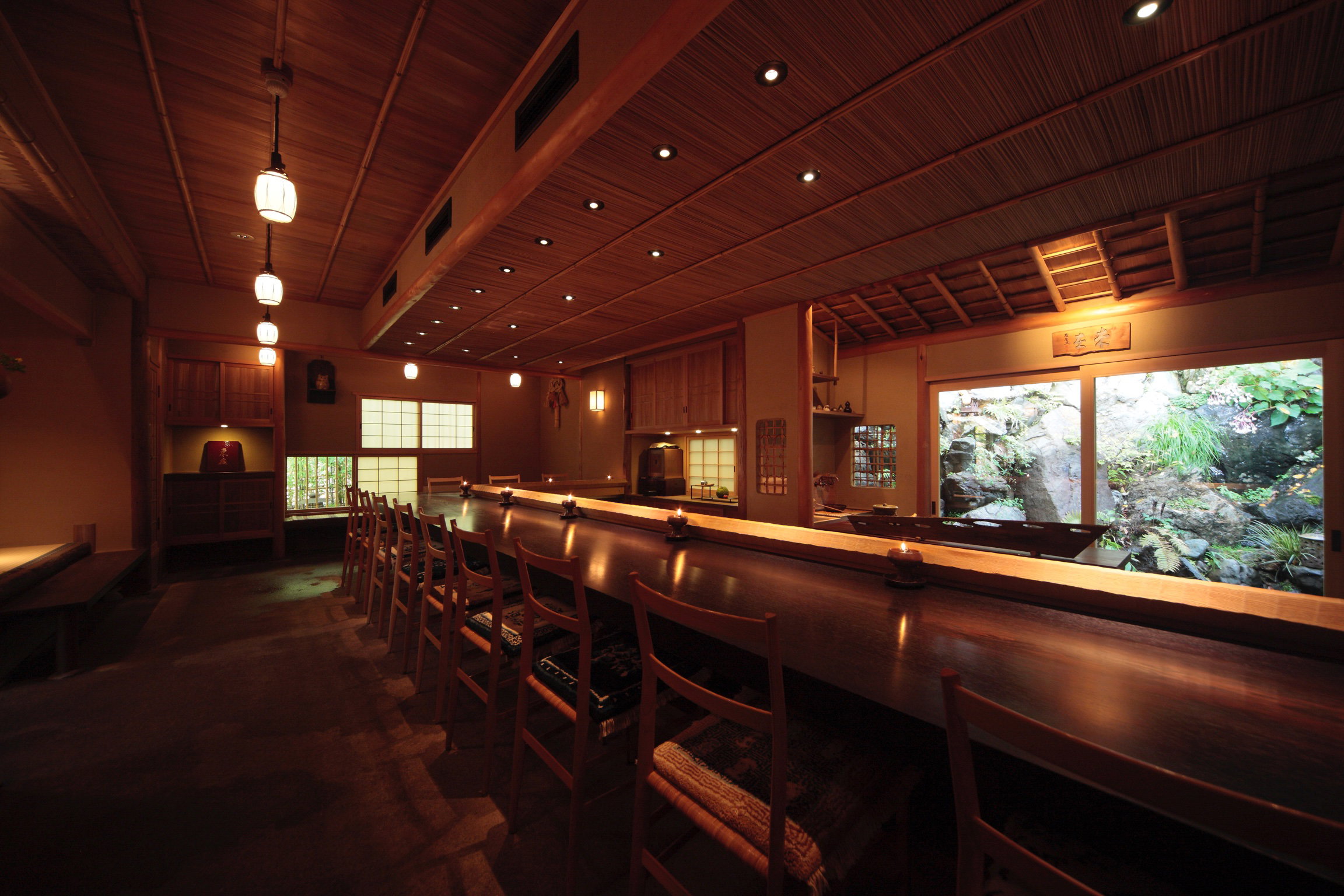
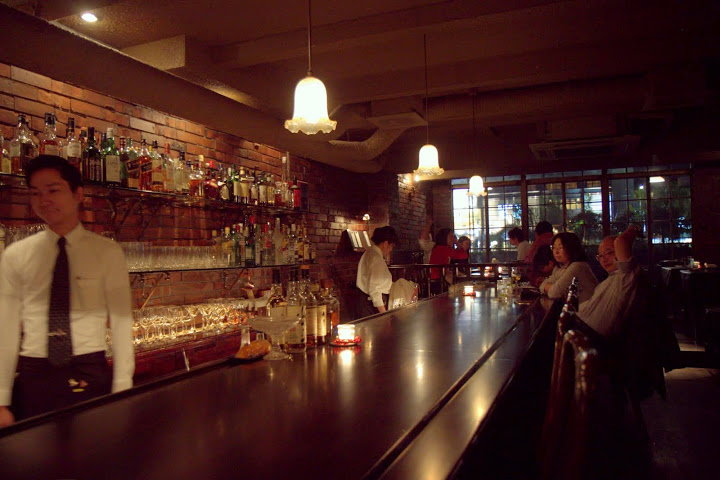
Okina feels quietly assured rather than theatrical. It sits within Saga Arashiyama’s low-key neighbourhood rhythm, where kappo dining is ingredient-led and local-supply focused. The room is family-run — a father-and-son team with their wives managing the service — and Michelin’s notes describe the welcome as warm. The counter configuration turns cooking into the meal’s central event: the breaking down of fish, the steam lifting, and the stove’s aromas are as much part of the experience as the plated dishes. The overall impression is classic, thoughtful Kyoto kappo delivered in an intimate, low-volume setting.
Best For
Okina is best experienced as an attentive evening meal where the counter becomes the main attraction. The format suits solo diners and regulars who want direct interaction with the cooks, and its quietly elevated profile — underscored by a 2024 Michelin star — also makes it appropriate for a pared-back special night out. The family-run hospitality keeps the room focused and personal rather than formal, so parties looking for a theatrical multi-course kaiseki should expect something more immediate and ingredient-forward: a close, culinary encounter at the bar of the kitchen.
Ordering Tips
Sit at the counter to catch the full kappo performance: preparation is part of the service and the room’s layout is designed for visibility. Let the team’s seasonal approach guide choices — the house highlights include Yudofu Teishoku, Unagi Teishoku and seasonal sashimi — so look for those signatures and any market-driven sashimi selections. Because the cooking and plating happen in view, pacing your meal to enjoy both the techniques and the finished courses makes for the most rewarding visit.
Venue details
Ambiance
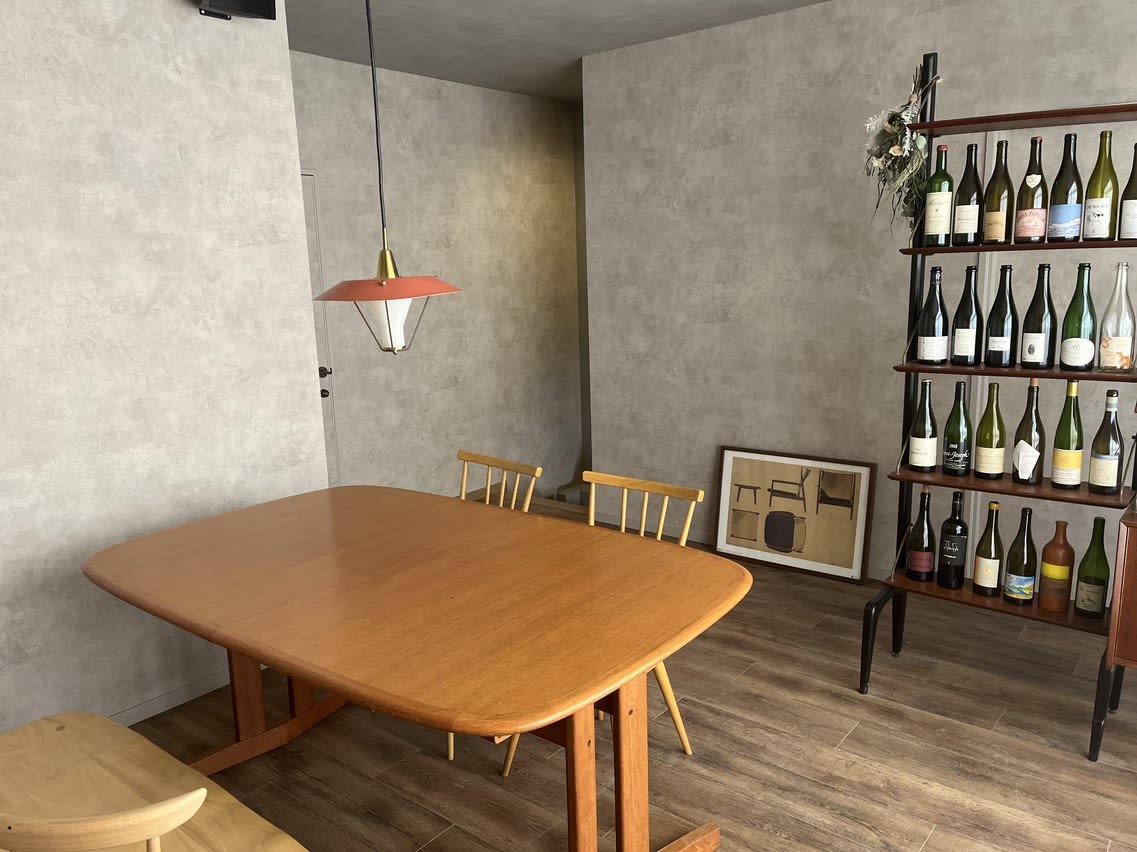
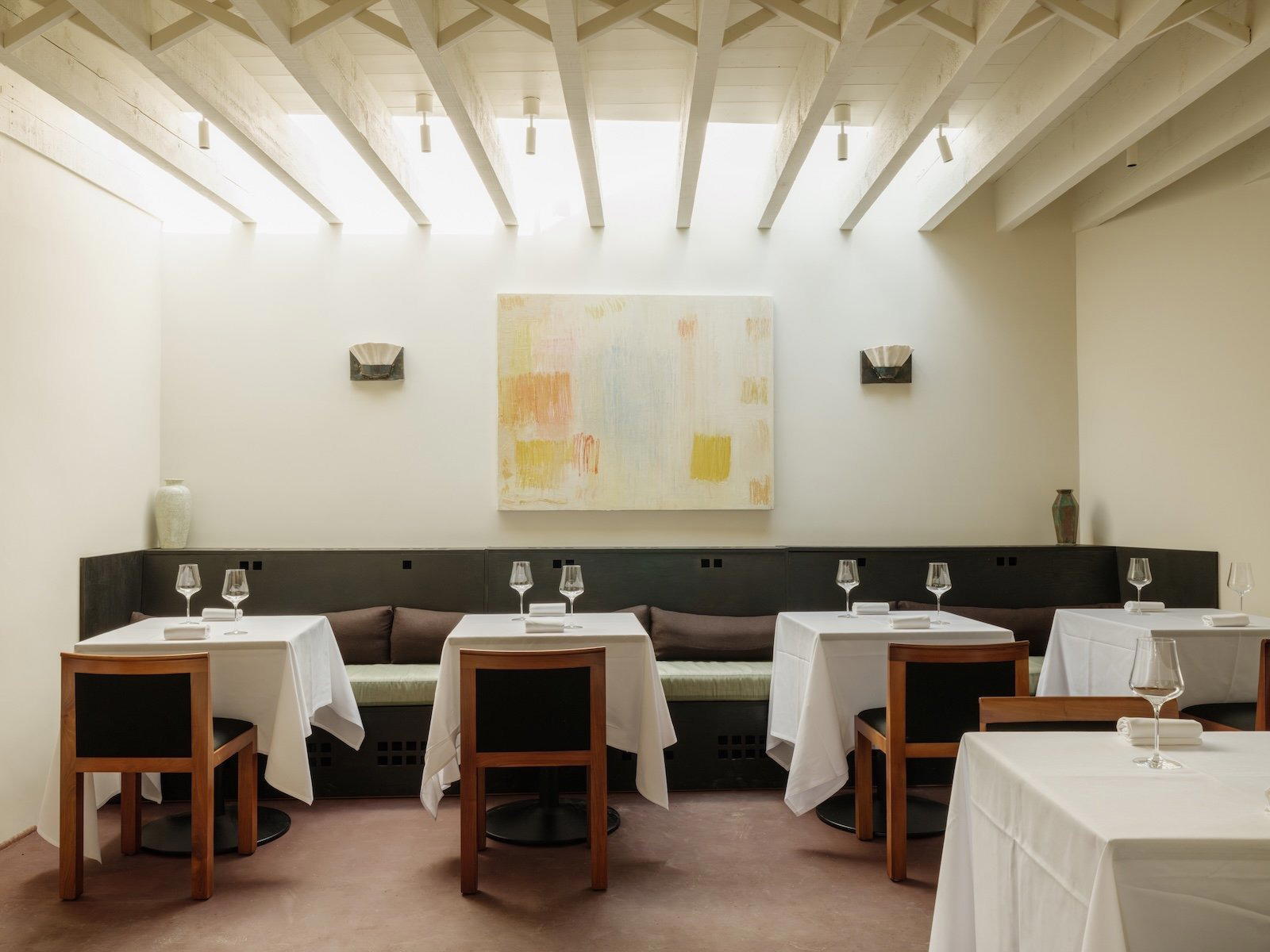
Warm, relaxing atmosphere with counter seating and tatami rooms in a small traditional shophouse.
Tags
Vibe
Best For
Sourcing
At the Table
- Dress Code
- Smart Casual
- Noise Level
- Quiet
- Service Style
- Upscale Casual
- Meal Pacing
- Leisurely
- Capacity
- Small
Signature Dishes
- Yudofu Teishoku
- Unagi Teishoku
- seasonal sashimi
Planning details
Location
Japan, 〒616-8422 Kyoto, Ukyo Ward, Sagashakadodaimoncho, 11−11 おきな · Directions
Recognition and awards
Also consider
Also Consider
- Gion Sasaki; Kaiseki, Japanese, ¥¥¥¥
- cenci; Italian, ¥¥¥
- Ifuki; Kaiseki, ¥¥¥¥
- Kyokaiseki Kichisen; Japanese, ¥¥¥¥
- SEN; French, Japanese, ¥¥¥¥
Restaurant context
Against Kyoto's ¥¥¥¥ kaiseki institutions, Okina at ¥¥¥ is the practical choice for serious diners who do not need a multi-hour ceremony to feel like they have eaten well. Gion Sasaki and Kyokaiseki Kichisen operate with more formality, more courses, considerably more expense. Both are worth it if kaiseki's full ritual is what you are after. Okina is the better call if you want a one-star experience that feels like a real local restaurant rather than a curated performance.
Ifuki and SEN both sit at ¥¥¥¥ and offer different angles: Ifuki for kaiseki depth, SEN for a French-Japanese hybrid that suits diners who want a more international frame. cenci at ¥¥¥ is the closest price match, but it is Italian-influenced and targets a different appetite entirely. If your interest is specifically Japanese fish cooking in an interactive counter format, none of these are direct substitutes for Okina.
For booking difficulty, Okina is hard but no harder than Gion Sasaki or Kichisen, both of which require significant lead time. The advantage Okina has is that its Saga location puts it off the main reservation radar for international visitors, which may give you a slightly better chance than the Gion-area names. If you cannot get Okina, Kikunoi Roan is the most accessible fallback that still delivers Michelin-level cooking in Kyoto without moving up to ¥¥¥¥.
Explore Kyoto
Around this place
Discover more on Pearl
Unlock the full Okina guide in Pearl, including awards, comparisons, FAQs, planning details, and nearby places.
Compare Okina
| Venue | Cuisine | Price | Booking Difficulty | Awards |
|---|---|---|---|---|
| Okina | Japanese | ¥¥¥ | Hard | 2026 Michelin 1 Star2024 Michelin 1 Star |
| Gion Sasaki | Kaiseki, Japanese | ¥¥¥¥ | Unknown | 2026 Tabelog Bronze · #3862026 OAD Top Restaurants in Japan RecommendedMichelin Guide Kyoto Osaka 20262026 La Liste Top RestaurantsTabelog 100 - Japanese cuisine - WEST - 2025 · #132025 OAD Top Restaurants in Japan Ranked · #2462025 Tabelog Silver2025 Michelin 3 Stars2025 La Liste Top Restaurants |
| cenci | Italian | ¥¥¥ | Unknown | 2026 Tabelog Bronze · #442026 Asia's 50 Best Restaurants · #762026 OAD Top Restaurants in Japan Highly RecommendedMichelin Guide Kyoto Osaka 2026Tabelog 100 - Italian - WEST - 2025 · #632025 Asia's 50 Best Restaurants · #632025 OAD Top Restaurants in Japan Ranked · #1682025 Tabelog Bronze2024 OAD Top Restaurants in Japan Ranked · #135 |
| Ifuki | Kaiseki | ¥¥¥¥ | Unknown | 2026 OAD Top Restaurants in Japan Ranked · #1222026 Tabelog Bronze · #128Michelin Guide Kyoto Osaka 20262026 La Liste Top RestaurantsTabelog 100 - Japanese cuisine - WEST - 2025 · #622025 OAD Top Restaurants in Japan Ranked · #1002025 La Liste Top Restaurants2025 Tabelog Bronze2025 Michelin 2 Stars |
| Kyokaiseki Kichisen | Japanese | ¥¥¥¥ | Unknown | 2026 Tabelog Bronze · #1752026 OAD Top Restaurants in Japan Highly RecommendedMichelin Guide Kyoto Osaka 20262025 OAD Top Restaurants in Japan Ranked · #1862025 Michelin 2 Stars2025 La Liste Top Restaurants2024 OAD Top Restaurants in Japan Ranked · #1422024 Michelin 2 Stars2023 OAD Top Restaurants in Japan Ranked · #136 |
| SEN | French, Japanese | ¥¥¥¥ | Unknown | 2026 Tabelog Bronze · #3952026 OAD Top Restaurants in Japan RecommendedMichelin Guide Kyoto Osaka 20262026 Michelin PlateTabelog 100 - Japanese cuisine - WEST - 2025 · #652025 Michelin Plate2025 Tabelog Bronze2024 OAD Top Restaurants in Japan Ranked · #3622024 Michelin Plate |







.png?width=1200&quality=80)
Comparing your options in Kyoto for this tier.
FAQ
Frequently Asked Questions
Can I eat at the bar at Okina?
Okina operates as a kappo, where counter seating is the format; eating at the bar is effectively the whole experience. The interaction between kitchen and diner is built into how the meal works, so counter seating is not just available, it is the point. Book accordingly; the counter fills, especially at dinner.
Is Okina good for solo dining?
Yes; kappo counter dining is one of the better solo formats in Japanese cuisine, Okina's family-run setup makes it feel welcoming rather than transactional. The warm welcome from the father-and-son team and their wives carries more weight for solo diners than it would in a formal kaiseki room. At ¥¥¥ pricing, it is a considered spend solo, but the Michelin star makes it defensible.
Is Okina worth the price?
At ¥¥¥ with a 2024 Michelin star, Okina sits at mid-to-upper pricing for Kyoto but is not the ceiling; multi-star kaiseki like Kichisen costs significantly more. The fish-led menu, prepared across multiple techniques including steaming with sake, grilling, eel served two ways for direct comparison, gives you substance behind the star. If kappo rather than kaiseki is the format you want, the value holds.
Can Okina accommodate groups?
Okina is a small kappo in a residential pocket of Saga, capacity is limited. Groups larger than three or four will find the format constrained; kappo counter dining is built around individual pacing and kitchen interaction, not group service. For larger parties, a kaiseki venue with private rooms is a more practical choice.
Is the tasting menu worth it at Okina?
Okina offers both omakase and à la carte, which is useful flexibility. The omakase makes sense if you want to let the kitchen show its range across fish preparations; the eel served unseasoned and then soy-glazed side-by-side is the kind of detail that justifies the format. À la carte works if you want to anchor a meal around the lunch tofu dishes without committing to a full sequence.
Is Okina good for a special occasion?
Yes, with the right expectations. Okina's Michelin star and family-run warmth make it a credible special occasion choice, but it reads as intimate and neighbourhood-rooted rather than ceremonial. If you want formal kaiseki theatre, Kichisen or Gion Sasaki set a different tone. Okina suits occasions where the meal itself is the gesture, not the grandeur of the room.
What are alternatives to Okina in Kyoto?
For fish-forward counter dining at a comparable price, Ifuki is the closest alternative. Gion Sasaki steps up in formality and price for a multi-star experience. cenci moves toward a more contemporary European-influenced register if you want contrast. SEN is a more accessible entry point into Kyoto counter dining, while Kichisen represents the top of the kaiseki hierarchy at a substantially higher price.